Last Updated on November 4, 2025 by mcelik
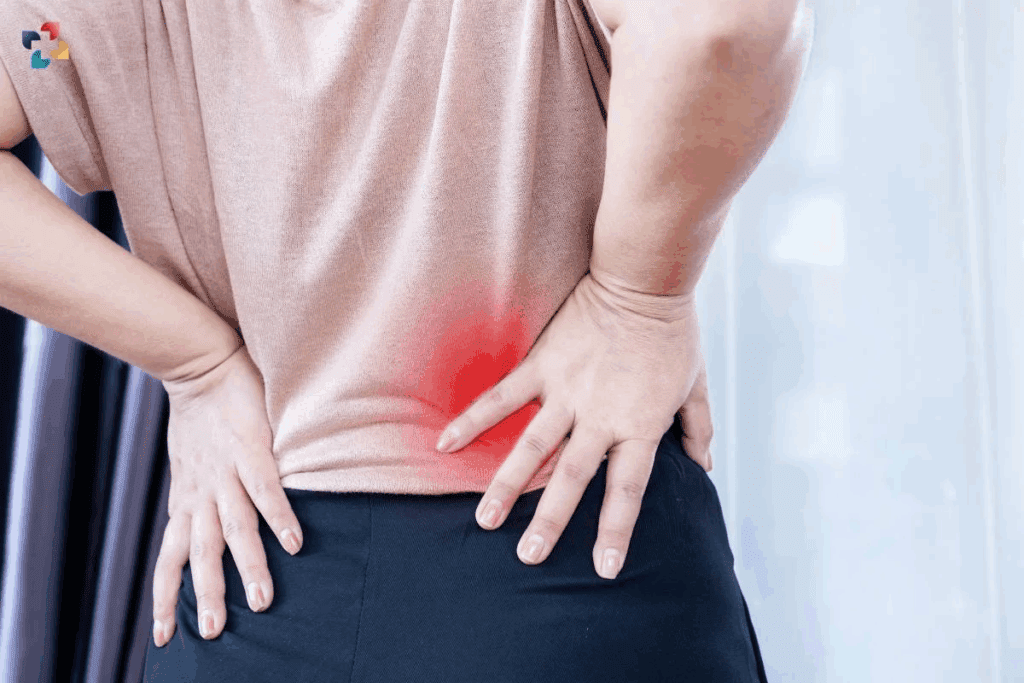
Degenerative disc disease affects millions, causing back pain and discomfort. As we get older, our spinal discs naturally wear out. This leads to dehydration and damage.
Aging spine discs and wear and tear harm our spinal health. Knowing what causes this condition is key to finding good treatments.
We’ll look at what leads to degenerative disc disease. This includes how aging and disc dehydration play a part.
Key Takeaways
- The prevalence of degenerative disc disease increases with age.
- Aging spine discs undergo significant changes.
- Wear and tear on the spine contributes to disc deterioration.
- Understanding the root cause is key for effective treatment.
- Disc dehydration is a big factor in degenerative disc disease.
Understanding Degenerative Disc Disease

As we get older, our spinal discs naturally wear out. But for some, this wear and tear speeds up, leading to degenerative disc disease. It’s important to know how spinal discs work and their role in our spine’s health.
The Anatomy of Spinal Discs
Spinal discs are key parts of our spine, acting as shock absorbers between vertebrae. They have a tough outer layer called the annulus fibrosus and a soft, gel-like center called the nucleus pulposus. The annulus fibrosus gives structure and support. The nucleus pulposus allows for flexibility and absorbs shock.
How Healthy Discs Function
Healthy spinal discs are vital for our spinal health. They provide flexibility, absorb shock, and protect nerves. They let us twist, bend, and move easily. They also spread the load evenly across the spine, preventing too much stress on any vertebra.
The health of our spinal discs depends on a balance of nutrients and waste. They get nutrients through diffusion, where blood vessel nutrients are absorbed into the disc.
The Difference Between Normal Aging and Disease
As we age, our spinal discs naturally change, like losing fluid and thinning. But degenerative disc disease is different. It’s when discs break down faster, causing a lot of pain and discomfort.
Things like spinal disc breakdown, disc cartilage wear, and the role of the sinuvertebral nerve in pain contribute to degenerative disc disease. Knowing these differences helps doctors diagnose and treat it better.
The Natural Aging Process and Disc Degeneration

The aging process greatly affects our spinal discs. As we get older, our discs undergo changes that can lead to degeneration. It’s important to understand these changes to see how degenerative disc disease develops.
Age-Related Changes in Disc Composition
With age, our spinal discs change a lot. They have a tough outer layer and a soft, gel-like center. Age-related changesalter both parts, changing their structure and function. For example, the soft center loses water, making it less able to absorb shock.
Disc Dehydration and Fluid Loss
One major change is disc dehydration. Spinal discs are mostly water, which is key for their function. As we age, they lose water, leading to dehydration. This makes them less able to cushion the spine, making it more prone to damage from repeated strain and chronic stress.
Collagen Changes and Structural Integrity
The tough outer layer of the disc has collagen fibers that give it strength. With age, these fibers can weaken and become disorganized. This can cause tears and cracks in the disc, leading to disc injury. The weakened disc is also more likely to suffer from spinal trauma and further degeneration.
These age-related changes contribute to disc degeneration. As discs degenerate, they can’t cushion the spine as well. This can cause pain and discomfort. Understanding these changes is key to keeping our spinal health in check as we age.
- Age-related changes affect the composition and function of spinal discs.
- Disc dehydration reduces the disc’s ability to cushion the spine.
- Collagen changes weaken the structural integrity of the discs.
Primary Disc Degeneration Causes
Disc degeneration is a complex issue. It’s influenced by genetics, lifestyle, and the environment. Knowing what causes it is key to preventing and treating it.
Multifactorial Nature of Disc Degeneration
Disc degeneration isn’t caused by one thing. It’s a mix of factors. Genetic predisposition is a big part, with some genes making it more likely. Lifestyle choices, like smoking, also play a big role. Smoking harms spinal discs by cutting off blood and oxygen.
Other lifestyle factors matter too. Jobs that involve heavy lifting or repetitive strain can speed up degeneration. On the other hand, a sedentary lifestyle can harm disc health due to lack of exercise and poor posture.
Interplay Between Different Causative Factors
Many factors interact to cause disc degeneration. For example, someone with a family history of spine problems might be more at risk. This is true if they also do activities that strain the spine. Genetic disc disease can get worse with smoking or exposure to harmful chemicals.
- Genetic predisposition
- Lifestyle factors (smoking, physical activity)
- Occupational hazards (heavy lifting, repetitive strain)
- Environmental influences
Why Some People Develop Symptoms While Others Don’t
Why some people show symptoms of disc degeneration and others don’t is complex. The extent of disc damage, spinal health, and pain tolerance matter. Other health conditions can also play a role.
- The degree of disc herniation or damage
- Presence of other spinal conditions
- Individual differences in pain perception
Knowing these factors helps in creating treatment plans that fit each person’s needs.
Genetic Predisposition and Family History
Learning about the genetic parts of degenerative disc disease helps us understand how to prevent and treat it. Our genes play a big role in how likely we are to get this condition.
Hereditary Factors
Studies show that people with a family history of degenerative disc disease are more at risk. This means that genes can greatly increase the chance of getting disc degeneration. We’ll look at how genes work with other causes like disc stress overload and mechanical stress spine.
Specific Genes and Disc Disease
Many genes have been found to raise the risk of degenerative disc disease. These genes can affect how well discs work and stay healthy. For example, genes that control collagen and other important proteins are linked to disc problems.
Genetics and Disc Resilience
Our genes can change how strong our intervertebral discs are. Some genes help discs handle stress better, while others make them more vulnerable. This means some people might be more likely to get disc degeneration because of their genes.
| Genetic Factor | Influence on Discs | Effect on Degeneration |
| Collagen gene variations | Affects disc structure and integrity | Increased risk of degeneration |
| Regulation of inflammatory pathways | Impacts disc health through inflammation | Accelerates degenerative process |
| Genes involved in disc nutrition | Affects nutrient supply to discs | Impairs disc health and accelerates degeneration |
Understanding how genes affect degenerative disc disease helps us see the many factors involved. This knowledge is key to creating better ways to prevent and treat this condition.
Physical Trauma and Injury Contributions
Injuries, whether sudden or gradual, play a big role in degenerative disc disease. When we get hurt, our spinal discs can get damaged. This damage makes them wear out faster.
Acute Injuries and Their Long-Term Effects
Acute injuries can hurt the spinal discs right away. They can cause immediate pain and long-term problems. The discs get weaker and more likely to get hurt again.
Microtears and Cumulative Damage
Microtears are tiny tears in the disc. They can add up over time and make the disc weak. This is common in people who lift heavy things or bend a lot.
How Injuries Accelerate the Degenerative Process
Injuries hurt the disc’s ability to absorb shock. This uneven wear speeds up degeneration. An injury can also start an inflammatory response, making things worse.
| Type of Injury | Immediate Effects | Long-Term Consequences |
| Acute Injury | Pain, Inflammation | Accelerated Degeneration, Chronic Pain |
| Microtears | Minimal Initial Symptoms | Cumulative Damage, Weakening of Disc |
| Repetitive Strain | Gradual Onset of Pain | Disc Degeneration, Reduced Spinal Mobility |
Mechanical Stress and Repetitive Strain
The daily stress on spinal discs can speed up wear and tear. Our spine faces many forces every day. These forces are key to keeping our discs healthy or causing them to degenerate.
Daily Wear and Tear on Spinal Discs
Every day, our spine goes through stress from activities and movements. This stress can cause tiny tears in the discs. These tears are often seen in sports injuries and from doing the same thing over and over.
Over time, these tiny tears can cause inflammation in the spine. This inflammation can make the discs wear down even more.
Impact of Repetitive Movements
Jobs or activities that involve the same movements can harm spinal discs. These movements can slowly damage the discs, leading to degeneration. For example, jobs that involve heavy lifting, bending, or twisting can wear down the discs faster.
How Mechanical Forces Affect Disc Health
Mechanical forces can harm discs in several ways. They can directly damage the disc, cause inflammation, and disrupt how the disc works. Also, these forces can cut down on blood flow to the spine. This reduces the nutrients getting to the discs, speeding up degeneration.
| Mechanical Stress Factor | Effect on Spinal Discs |
| Daily Wear and Tear | Microtears and inflammation |
| Repetitive Movements | Cumulative damage and degeneration |
| Mechanical Forces | Direct damage, inflammation, and reduced blood flow |
It’s important to know how mechanical stress and repetitive strain harm spinal discs. This knowledge helps in preventing and managing degenerative disc disease. By understanding these factors, we can take steps to protect our spinal health.
Occupational Risk Factors
Some jobs can increase the risk of degenerative disc disease. Certain work environments can harm spinal health. This can happen through physical strain or too much sitting.
Professions at High Risk
Jobs with high physical demands can harm spinal discs. For example, jobs that involve heavy lifting, bending, or twisting can stress the discs.
- Construction workers
- Nurses and healthcare professionals who frequently lift patients
- Manual laborers
- Athletes and individuals involved in professional sports
These jobs can cause micro-tears in the discs. This speeds up the degenerative process.
Effects of Heavy Lifting and Manual Labor
Heavy lifting and manual labor can harm spinal discs. The constant strain can wear down the discs. This can lead to dehydration and loss of structure.
| Occupation | Primary Risk Factor | Impact on Spinal Discs |
| Construction Worker | Heavy Lifting | Increased risk of disc herniation |
| Nurse | Frequent Patient Lifting | Accelerated disc degeneration |
| Manual Laborer | Repetitive Strain | Disc dehydration and structural damage |
People in these jobs should use proper lifting techniques. They should also exercise regularly to lower the risk of disc degeneration.
Consequences of Sedentary Work
Prolonged sitting can harm spinal health. It can lead to muscle loss and reduced flexibility. This can cause disc degeneration.
Sedentary work can lead to:
- Poor posture
- Reduced muscle strength
- Increased risk of obesity, which can further exacerbate spine pressure
To fight these risks, people with desk jobs should take breaks to stretch. They should also exercise outside of work hours.
Lifestyle Factors Affecting Disc Health
Our daily choices can either help or harm our spinal discs. What we do every day affects our spine’s health.
Smoking and Nicotine Impact on Disc Nutrition
Smoking harms our discs. Nicotine and other chemicals in cigarettes hurt the blood vessels that feed our discs. This leads to disc nutrition loss.
With less nutrients, discs degenerate faster. They become more damaged and less able to heal.
Smoking also reduces blood flow and oxygen to the spine. This causes inflammation and stress, speeding up disc damage.
Obesity and Increased Spinal Loading
Being overweight puts extra stress on our spine. This stress can cause spinal instability cause and vertebral misalignment discs. It speeds up wear and tear on discs.
Obesity also leads to chronic inflammation. This makes disc degeneration worse by boosting inflammation in the spine.
Sedentary Lifestyle Consequences
Sitting too much harms our discs. It weakens the muscles that support our spine. This can lead to poor posture and more strain on discs.
Exercise is key for healthy discs. It helps move nutrients and waste, keeping discs healthy and functioning well.
Nutrition and Hydration Influences
Good nutrition and hydration are vital for discs. Discs get nutrients and remove waste through diffusion. A diet full of nutrients and enough water helps discs stay healthy.
Drinking enough water is also important. It keeps discs hydrated and able to absorb shocks. Without enough water, discs can dry out and lose function, increasing degeneration risk.
Posture and Body Mechanics
Keeping a good posture is key to keeping our spinal discs healthy. When we stand or sit right, we put less pressure on our discs. This slows down wear and tear. On the other hand, bad posture can make our discs work harder, leading to damage.
Poor Posture Effects on Disc Pressure
Bad posture can really hurt our spinal discs. For example, slouching or leaning forward can stress the discs in our lower back. This speeds up wear and tear. It’s important to be aware of our posture every day to avoid this.
Spinal Alignment and Disc Health
Having a spine that’s in line is vital for healthy discs. When our spine is aligned right, our discs get even pressure. This lowers the chance of them breaking down. But, if our spine is off, our discs might get uneven pressure, which can harm them over time.
Ergonomic Considerations for Disc Protection
Making our workspace ergonomic can help protect our discs. Setting up our workspace to support good posture can lower the risk of disc damage. This means adjusting chair heights, monitor angles, and keyboard positions to keep our spine straight.
| Ergonomic Adjustment | Benefit for Disc Health |
| Adjusting chair height to support feet on floor or footrest | Reduces strain on lumbar discs |
| Positioning monitor directly in front at eye level | Minimizes neck strain, reducing disc pressure in cervical region |
| Placing keyboard directly in front of body | Reduces strain on shoulders and upper back, protecting thoracic discs |
Biological Mechanisms of Disc Breakdown
It’s important to know how discs degenerate to find good treatments. The breakdown of spinal discs is a complex process involving many biological steps.
Inflammatory Processes in Disc Degeneration
Inflammation is key in disc degeneration. Damage to a disc can release pro-inflammatory cytokines, speeding up degeneration. This inflammation causes pain and more damage to the spine.
Inflammatory mediators break down the disc’s extracellular matrix. This breakdown leads to a loss of disc height and changes in the spine’s mechanics.
Cell Death and Reduced Regenerative Capacity
Cell death in the disc, mainly in the nucleus pulposus, marks disc degeneration. As cells die, the disc can’t repair itself, leading to its decline.
The disc’s ability to regenerate weakens with cell death. This weakness makes it hard for the disc to heal and stay intact.
| Factor | Effect on Disc |
| Inflammation | Degradation of extracellular matrix |
| Cell Death | Reduced regenerative capacity |
| Nutrient Disruption | Impaired disc nutrition and health |
Nutrient Transport Disruption to Discs
Intervertebral discs need a steady supply of nutrients to stay healthy. A problem with this supply can cause degeneration.
Things like calcification of the endplates or structural changes can block nutrient flow. This leads to malnutrition of cells and contributes to disc breakdown.
Inflammation, cell death, and nutrient issues create a cycle that speeds up disc degeneration. Knowing these mechanisms is key to finding treatments that can slow or stop disc degeneration.
The Role of Blood Supply and Nutrition
The connection between blood supply, nutrition, and disc health is key for spinal health. Intervertebral discs, which cushion the vertebrae, need a balance of nutrients to stay healthy.
Limited Blood Flow to Intervertebral Discs
Intervertebral discs get less blood than most body tissues. This makes it hard for them to get the nutrients they need. The outer part of the disc gets some nutrients from blood vessels, but the inner part relies on diffusion.
Nutritional Pathways for Disc Health
The main way discs get nutrients is through diffusion from the blood in the vertebrae. This process is vital for bringing oxygen, glucose, and amino acids to the disc cells. Any problem in this process can harm disc health.
How Nutrient Deprivation Accelerates Degeneration
Not getting enough nutrients can harm intervertebral discs. Without enough nutrients, disc cells start to break down. This leads to less production of important proteins and collagen, causing the disc to dry out and lose height.
- Key Factors Influencing Disc Nutrition:
- Age-related changes in the endplates and blood vessels
- Mechanical loading and stress on the discs
- Systemic nutritional deficiencies
- Smoking and other lifestyle factors that affect blood supply
Knowing how blood supply and nutrition affect disc health is important. By living a healthy lifestyle, avoiding smoking, and eating right, you can help keep your spine healthy.
Secondary Complications and Cascading Effects
As degenerative disc disease gets worse, several secondary complications can happen. These can really affect how well someone lives with the disease.
Herniation and Disc Bulging
One common problem is disc herniation or bulging. This happens when the outer layer of the disc weakens. The inner gel-like substance then bulges out, pressing on nerves.
This can cause pain, numbness, and weakness in the back and legs. Symptoms of disc herniation can vary widely, depending on where and how bad it is. Some people might just feel a little discomfort, while others could have really bad pain.
Bone Spur Formation
Bone spurs, or osteophytes, are another issue. The body tries to stabilize the spine by growing more bone. But these bone spurs can sometimes press on nerves or the spinal cord, causing pain and other symptoms.
“The formation of bone spurs is a natural response to the instability caused by degenerative disc disease, but it can lead to further complications.”
A Spine Specialist
Spinal Stenosis Development
Spinal stenosis, or the narrowing of the spinal canal, is a big problem. As discs degenerate and bone spurs form, the space for the spinal cord and nerves gets smaller. This can cause pain, numbness, and weakness.
| Condition | Primary Cause | Common Symptoms |
| Spinal Stenosis | Disc degeneration and bone spur formation | Pain, numbness, weakness in back and legs |
| Disc Herniation | Weakening of outer disc layer | Pain, numbness, weakness in back and legs |
| Facet Joint Arthritis | Degenerative changes in facet joints | Pain, stiffness, reduced mobility |
Facet Joint Arthritis
Facet joint arthritis is another problem caused by degenerative disc disease. As discs degenerate, the facet joints have to work harder, leading to inflammation and degenerative changes. This can cause pain and stiffness, mainly in the lower back.
It’s important to understand these secondary complications to manage degenerative disc disease well. By knowing the possible effects, healthcare providers can create better treatment plans. These plans can tackle both the main problem and its secondary effects.
Risk Assessment and Prevention Strategies
Understanding your risk factors is key to preventing degenerative disc disease. This condition is influenced by genetics, lifestyle, and environment. By knowing your risks and taking steps to prevent them, you can lower your chance of severe disc degeneration.
Identifying Personal Risk Factors
Knowing your personal risk factors is the first step. These include age, genetics, job hazards, and lifestyle choices like smoking and exercise. By recognizing these risks, you can take steps to reduce them.
Lifestyle Modifications for Disc Health
Healthy lifestyle choices are vital for disc health. Keeping a healthy weight, exercising regularly, and not smoking are important. Eating a diet full of fruits, vegetables, and omega-3 fatty acids also helps your spine.
Exercise and Physical Therapy Approaches
Exercise and physical therapy are key for disc health. Exercises that strengthen your back and improve flexibility can help prevent degeneration. Physical therapy can also manage pain and improve function in those with early disc degeneration signs.
Ergonomic Interventions
Ergonomic changes are important to reduce spine stress. This includes proper lifting, good posture, and setting up workspaces for spinal alignment. By reducing spine strain, you can lower your risk of degeneration.
| Risk Factor | Prevention Strategy | Benefit |
| Genetic Predisposition | Regular Exercise, Healthy Weight | Reduced Risk of Severe Degeneration |
| Occupational Hazards | Ergonomic Interventions, Proper Lifting | Minimized Spinal Strain |
| Lifestyle Choices (Smoking, Inactivity) | Lifestyle Modifications (Quit Smoking, Regular Exercise) | Improved Overall Spinal Health |
Modern Treatment Approaches for Degenerative Disc Disease
Today, treating degenerative disc disease involves many strategies. These range from simple treatments to complex surgeries. Every patient is different, so we tailor our treatment plans to fit their needs.
Conservative Management Options
For many, the first step is conservative management. This approach aims to ease symptoms and improve life quality without surgery.
- Physical therapy to strengthen muscles and improve flexibility
- Medications like NSAIDs to reduce pain and swelling
- Lifestyle changes, such as losing weight and quitting smoking
- Alternative therapies like acupuncture and chiropractic care
These methods can work well in managing symptoms and slowing disease.
Interventional Procedures
When simple treatments don’t work, interventional procedures can help. They target pain relief more directly.
- Epidural steroid injections to reduce inflammation around the affected disc
- Facet joint injections to ease pain from the facet joints
- Nerve blocks to stop pain signals
These procedures can offer a lot of relief for those with ongoing pain.
Surgical Interventions When Necessary
Surgery is considered when other treatments don’t help enough. Or if there are serious neurological symptoms. Surgical options include:
- Discectomy to remove a herniated disc
- Spinal fusion to stabilize the spine
- Artificial disc replacement to keep spinal mobility
We decide on surgery based on each patient’s specific situation.
Emerging Regenerative Therapies
Regenerative medicine is making big strides. It offers new hope for those with degenerative disc disease. New therapies include:
- Stem cell therapy to possibly repair damaged disc tissue
- Platelet-rich plasma (PRP) therapy to boost healing
- Biologic treatments to improve disc health
These new methods are being studied and sometimes used in treatment. They aim to improve outcomes.
In summary, treating degenerative disc disease involves many options. From simple treatments to advanced surgeries and new regenerative therapies. We work with each patient to find the best treatment plan for them.
Conclusion: Understanding and Managing Disc Degeneration
It’s key to know what causes and affects disc degeneration to manage it well. We’ve looked at how aging, genes, injuries, and lifestyle play a part. By grasping these, people can work on keeping their spine healthy.
Managing disc degeneration means spotting your own risks and changing your habits. Adding exercise and therapy helps too. Keeping a good posture and using ergonomic tools are also vital. These steps can lower your chance of getting disc degeneration and keep your spine in good shape.
Handling disc degeneration needs a plan that tackles all the reasons behind it. Knowing how it works and taking steps to prevent it can slow it down. This can make life better for those dealing with it.
FAQ
What is degenerative disc disease, and how does it differ from normal aging?
Degenerative disc disease is a condition where spinal discs deteriorate, causing pain. It’s different from normal aging because it’s more severe and symptomatic.
What are the primary causes of degenerative disc disease?
Causes include genetic predisposition, lifestyle, environmental factors, physical trauma, and repetitive strain. These factors can lead to spinal disc degeneration.
How does genetic predisposition affect the risk of developing degenerative disc disease?
Genetic predisposition is a big factor. Certain genes can make some people more likely to develop the disease.
Can physical trauma or injury cause degenerative disc disease?
Yes, injuries can cause it. Acute injuries and microtears can lead to cumulative damage and accelerate degeneration.
How does mechanical stress and repetitive strain affect spinal discs?
Daily wear and tear from mechanical stress and repetitive strain can cause degeneration. Heavy lifting and repetitive movements can damage discs.
Are certain professions more at risk for degenerative disc disease?
Yes, jobs that involve heavy lifting, manual labor, or sitting for long periods are riskier. Occupational hazards can contribute to disc degeneration.
How do lifestyle factors such as smoking, obesity, and sedentary lifestyle affect disc health?
Smoking, obesity, and a sedentary lifestyle can harm disc health. Smoking impairs disc nutrition, obesity increases spinal loading, and a sedentary lifestyle can lead to degeneration.
Can poor posture and body mechanics contribute to degenerative disc disease?
Yes, poor posture and body mechanics can contribute to it. Poor posture increases disc pressure, and spinal misalignment affects disc health.
What are the biological mechanisms involved in disc breakdown?
Inflammation, cell death, and disrupted nutrient transport are involved. These mechanisms contribute to the degenerative process.
How does blood supply and nutrition affect disc health?
Limited blood flow and nutritional pathways are key to maintaining disc health. Nutrient deprivation can accelerate degeneration.
What are the secondary complications of degenerative disc disease?
Complications include herniation, disc bulging, bone spur formation, spinal stenosis, and facet joint arthritis. These can further impact spinal health.
How can I assess my risk for degenerative disc disease, and what prevention strategies can I take?
Consider your genetic predisposition, lifestyle, and occupational hazards to assess your risk. Prevention strategies include lifestyle changes, exercise, physical therapy, and ergonomic interventions.
What are the modern treatment approaches for degenerative disc disease?
Modern treatments include conservative management, interventional procedures, surgical interventions, and emerging regenerative therapies.
Can degenerative disc disease be managed or slowed down?
Yes, it can be managed or slowed down with a holistic approach. This includes lifestyle changes, exercise, physical therapy, and proper treatment.
Reference:
- Adams, M. A., & Roughley, P. J. (2006). What is intervertebral disc degeneration, and what causes it? Spine, *31*(18), 2151–2161. https://pubmed.ncbi.nlm.nih.gov/16915105/