Last Updated on November 4, 2025 by mcelik
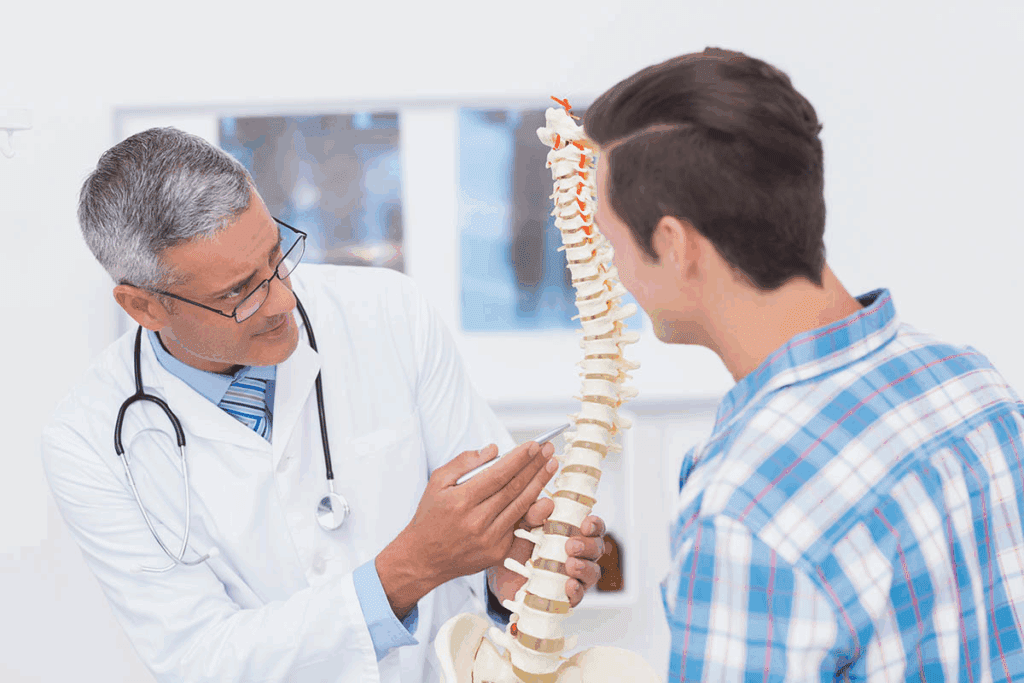
Did you know nearly 1% of the U.S. population gets herniated disc surgery each year? This shows how common spinal problems are and the need for good treatments. Understand what to expect during a Disc Hernia Operation, from pain levels to full recovery.
A herniated disc happens when the soft part of a spinal disc pushes through its outer layer. This can press on nerves and cause pain. For many, microdiscectomy, a small surgery, helps relieve this pain.
Knowing what to expect with surgery for herniated disc pain is key for those thinking about it. This article will look at what happens during and after surgery. It will also cover the recovery and ways to manage pain.
Key Takeaways
- Understanding the prevalence and impact of herniated discs.
- Exploring the role of microdiscectomy in treating herniated discs.
- Insights into the pain associated with herniated disc surgery.
- Overview of the recovery process and pain management.
- What to expect during and after the surgery.
Understanding Herniated Discs and Their Symptoms
It’s important to know the symptoms and causes of herniated discs for the right treatment. A herniated disc happens when the soft center leaks out through a tear. This can irritate nerves and cause pain.
What Causes a Disc to Herniate
Many things can lead to a herniated disc, like age, injury, or strain. As we get older, our discs can wear out and tear. Heavy lifting or sudden, hard activities can also cause a disc to herniate.
Being overweight or having a job that involves heavy lifting can raise your risk. Genetics also play a part in getting a herniated disc.
Common Symptoms of Herniated Discs
The symptoms of a herniated disc vary based on where the herniation is and which nerves are affected. You might feel sharp pain that goes into your arms or legs, numbness, tingling, or muscle weakness.
Some herniated discs don’t cause symptoms or have mild ones. But a big herniation can press on nerves, leading to worse symptoms.
How Herniated Discs Are Diagnosed
Doctors use a physical exam, medical history, and imaging tests to diagnose herniated discs. They check muscle strength, reflexes, and pain levels during the exam.
Tests like MRI or CT scans are used to confirm the diagnosis. These tests show detailed images of the spine. They help find where and how bad the herniation is.
When Surgery Becomes Necessary for Herniated Discs

When treatments for herniated discs don’t work, surgery might be needed. This choice is made after checking the patient’s condition and symptoms carefully.
Failed Conservative Treatments
First, doctors try non-surgical treatments like physical therapy and pain meds. But if these don’t help, surgery is considered. Failed conservative treatments show the disc problem is serious.
Progressive Neurological Symptoms
Herniated discs can lead to numbness, weakness, or tingling in the legs or arms. If these symptoms get worse, surgery is needed to protect the nerves. Progressive neurological symptoms mean surgery is urgent to relieve nerve pressure.
Emergency Indications for Surgery
Some cases need immediate surgery. For example, if a herniated disc causes cauda equina syndrome, surgery is urgent. This condition includes severe back pain, numbness, and loss of bladder or bowel control.
| Indication for Surgery | Description | Urgency Level |
| Failed Conservative Treatments | When non-surgical treatments fail to alleviate symptoms. | Elective |
| Progressive Neurological Symptoms | Worsening numbness, weakness, or tingling. | Urgent |
| Cauda Equina Syndrome | Severe lower back pain, numbness, loss of bladder/bowel control. | Emergency |
Knowing when surgery is needed helps both patients and doctors make the right choice for herniated discs.
Types of Disc Hernia Operations and Procedures
Surgical options for herniated discs have grown, from old to new methods. The right choice depends on how bad the herniation is, the patient’s health, and the doctor’s opinion.
Microdiscectomy
Microdiscectomy is a common surgery for herniated discs. It removes the part of the disc that’s pressing on nerves. This method is minimally invasive because it uses a smaller cut than older surgeries.
Traditional Open Discectomy
Traditional open discectomy is a more invasive surgery. It needs a bigger cut to reach the herniated disc. This way, doctors can see the disc and nerves better. But it usually means a longer time to get better.
Minimally Invasive Techniques
Minimally invasive discectomy, like endoscopic discectomy, is becoming more popular. It causes less damage and helps patients recover faster. These surgeries use special tools and leave smaller scars.
Choosing the right surgery depends on many things. It’s based on the patient’s condition, how bad the herniation is, and if there are other spinal problems.
Microdiscectomy: The Most Common Herniated Disc Surgery
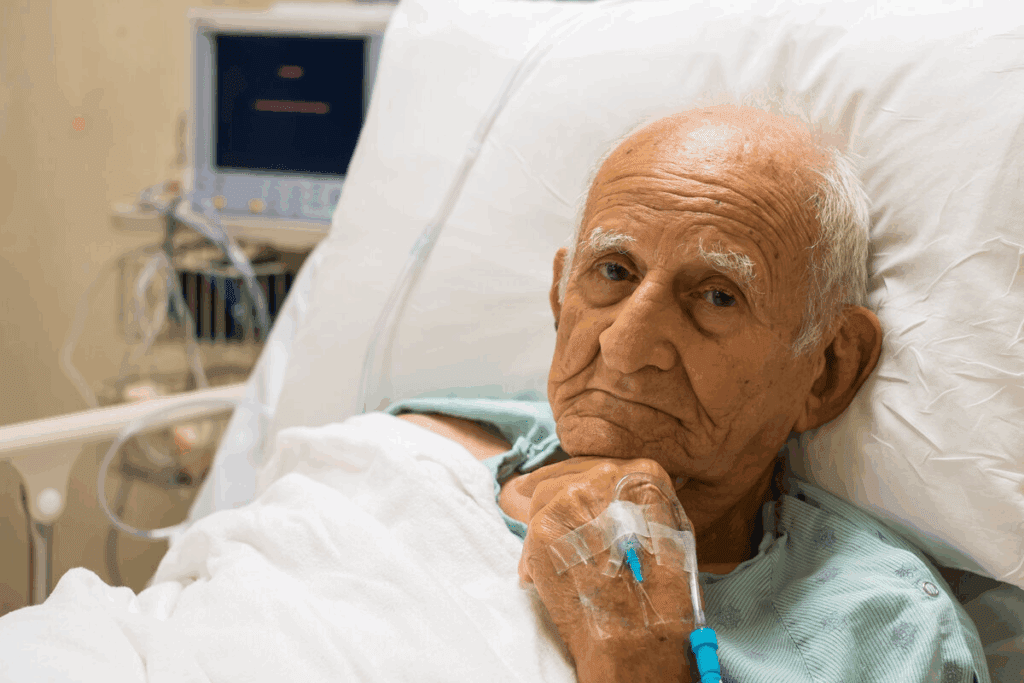
Many people with herniated discs find relief in microdiscectomy. This surgery removes the part of the disc that’s pressing on nerves. It helps ease pain and discomfort.
The Procedure Explained
Microdiscectomy is done under a microscope or with loupe magnification. This allows for precise removal of the disc material. A small incision is made in the back to access the disc.
The microscope or loupe helps the surgeon see the disc and nerves clearly. This reduces damage to nearby tissue.
Benefits of the Microscopic Approach
The microscopic method in microdiscectomy has many advantages:
- Minimal tissue damage: The small incision and precise view reduce damage to nearby tissue.
- Less post-operative pain: Patients usually feel less pain after surgery because it’s less invasive.
- Faster recovery: The less damage means patients can get back to normal activities quicker.
Typical Candidates for Microdiscectomy
Microdiscectomy is suggested for those who haven’t improved with other treatments. Ideal candidates have:
| Candidate Characteristics | Description |
| Failed conservative treatment | Patients who tried other treatments without success. |
| Significant neurological symptoms | Those with numbness, weakness, or severe pain. |
| Confirmed disc herniation | Diagnosis confirmed by MRI or CT scans. |
Knowing about microdiscectomy’s procedure, benefits, and who it’s for helps patients make better choices for herniated discs.
Lumbar Discectomy for Lower Back Herniated Discs
For those with lower back herniated discs, lumbar discectomy is a good option. This surgery removes the herniated disc material that’s pressing on the nerve in the lower back.
Procedure Details for L4-L5 and L5-S1 Herniations
Lumbar discectomy is often used for herniated discs at the L4-L5 and L5-S1 levels. It can be done in different ways, like microdiscectomy or traditional open discectomy.
The choice of method depends on the patient’s situation and the surgeon’s choice. Microdiscectomy, for example, is a less invasive option with a smaller incision and less damage to tissues.
Recovery Expectations for Lumbar Surgery
Recovery from a lumbar discectomy varies, but most people can get back to normal in a few weeks. The recovery includes:
- Initial rest and pain management
- Gradual increase in physical activity
- Physical therapy to strengthen the back muscles
Success Rates for Lumbar Procedures
Lumbar discectomy is very effective in treating herniated discs. Most patients see a big improvement in their symptoms.
| Procedure | Success Rate | Complication Rate |
| Lumbar Discectomy | 80-90% | 1-5% |
| Microdiscectomy | 85-95% | 1-3% |
Pre-Surgical Pain Management and Preparation
Getting ready for herniated disc surgery is very important. It helps you have a good surgery and a quick recovery. You need to follow medical advice, make personal efforts, and know what to expect.
Medications Before Surgery
Managing pain before surgery is key. Your doctor will give you medicines to help. It’s important to take the medicines as your doctor says to control pain and avoid problems during surgery.
- Nonsteroidal anti-inflammatory drugs (NSAIDs) may be recommended to reduce inflammation and pain.
- Muscle relaxants can help if muscle spasms are a significant issue.
- In some cases, stronger pain medications may be prescribed for short-term use.
Physical Preparation
Getting physically ready is also vital. Gentle exercises and stretches can keep you flexible and strong. But always talk to your doctor before starting any new exercises.
- Light walking can help improve circulation and overall health.
- Specific exercises may be recommended to strengthen the back muscles.
- Avoiding heavy lifting and bending can prevent further injury.
Mental Preparation for Surgery
Mental readiness is just as important as physical. Knowing what the surgery and recovery will be like can help. Talking to your healthcare provider about your worries can make you feel better.
By focusing on pain management, physical and mental preparation, you’ll be ready for your surgery. This approach makes surgery smoother and helps you recover faster and more comfortably.
Pain Levels During the Disc Hernia Operation
The pain during disc hernia surgery depends on the surgical method. Many patients worry about the pain they might feel during the procedure.
Patients usually don’t feel pain because they are under anesthesia. The anesthesia used can be general or local with sedation. This ensures they don’t feel pain during the surgery.
What Patients Experience During Surgery
Under anesthesia, patients are not aware of their surroundings. They don’t feel pain. The surgical team focuses on keeping the patient comfortable and safe.
Differences Between Surgical Approaches
The surgical method can change the patient’s experience. For example, microdiscectomy is a less invasive procedure. It uses smaller incisions and might cause less tissue damage than traditional open discectomy.
| Surgical Approach | Characteristics | Impact on Pain |
| Microdiscectomy | Minimally invasive, smaller incisions | Less tissue damage, potentially less post-operative pain |
| Traditional Open Discectomy | Larger incision, more invasive | Potentially more tissue damage, higher risk of post-operative pain |
Factors That Influence Intraoperative Comfort
Several things can make a patient more comfortable during surgery. These include the surgeon’s skill, the anesthesia’s effectiveness, and the patient’s health.
“The key to a successful surgery is not just the technique, but ensuring the patient’s comfort and safety throughout the procedure.”
Anesthesia is key in reducing pain during surgery. The anesthesiologist watches the patient’s vital signs closely. This ensures they stay comfortable and pain-free.
Immediate Post-Operative Pain Experience
The time right after herniated disc surgery is key for managing pain. It’s when the body first reacts to the surgery. Knowing what to expect is important for patients.
First 24-48 Hours After Surgery
The first two days after surgery are very important for pain control. Patients usually feel some pain or discomfort. This can be managed with medicine and rest.
Managing pain well during this time is essential for a smooth recovery. Hospitals have plans to help with pain relief. They use pain medicines, check pain levels, and adjust treatment as needed.
Hospital Pain Management Protocols
Hospitals have different plans for pain management. These plans are flexible and meet each patient’s needs.
| Pain Management Strategy | Description | Benefits |
| Medication Management | Use of pain relief medications tailored to the patient’s needs. | Effective pain relief, reduced discomfort. |
| Pain Level Monitoring | Regular assessment of the patient’s pain levels. | Allows for adjustments to the pain management plan. |
| Multimodal Analgesia | Combining different pain relief methods for optimal effect. | Enhanced pain relief, reduced reliance on opioids. |
Common Pain Patterns and Locations
Pain after herniated disc surgery can be different for everyone. Knowing what to expect can help with recovery.
Many people feel pain in their lower back and legs. The pain’s intensity and type can vary. This depends on the surgery and the patient’s health.
Effective pain management is vital for a good recovery. Understanding pain and how to manage it helps patients through their recovery.
Pain Management During the First Week of Recovery
Managing pain in the first week after herniated disc surgery is key to a smooth recovery. It’s not just about feeling better. It’s also about getting back to normal activities and improving mobility.
Prescribed Pain Medications
Patients often get pain meds after herniated disc surgery. These can be simple pain relievers or stronger opioids, based on the pain level.
It’s vital to take the meds as your doctor says. Know the side effects and tell your doctor if you notice any.
Common Pain Medications
| Medication Type | Common Examples | Usage |
| Over-the-counter | Acetaminophen, Ibuprofen | Mild to moderate pain |
| Opioid-based | Oxycodone, Hydrocodone | Moderate to severe pain |
When to Contact Your Doctor About Pain
Some pain after surgery is normal. But if the pain is severe or gets worse, you should talk to your doctor. Also, if you have other symptoms like fever, numbness, or tingling, seek advice.
“It’s vital for patients to understand that their pain management is a team effort. Talking openly about pain and any worries can greatly help the recovery process.”
Knowing how to manage pain and when to ask for help can make the first week of recovery easier. It helps you get back to your normal life sooner.
The Recovery Timeline After Herniated Disc Surgery
After herniated disc surgery, patients often wonder about their recovery. The timeline varies based on the patient, surgery type, and health. Most see big improvements in the first few months.
First Month Recovery Milestones
The first month is key for recovery. Patients feel pain and discomfort, which is managed with medication. A spine specialist says, “Following the doctor’s instructions is vital for a good recovery.” Rest and limited activity are advised during this time.
In the first few weeks, patients can expect:
- Feeling pain and discomfort
- Slowly increasing activity
- Seeing improvements in their condition
Following a structured recovery plan is important for healing. This means sticking to medication, attending appointments, and doing gentle exercises as advised.
Three to Six Month Recovery Phase
In the three to six-month phase, patients see big improvements. A study found, “Most patients recover a lot within three to six months after surgery.” During this time, they can:
- Start doing normal activities
- Get stronger and more flexible
- Feel less pain
A slow return to normal activities is recommended. This helps build strength and flexibility. Physical therapy is often suggested to aid in full recovery.
“Recovery from herniated disc surgery is not just about the surgery itself, but also about the rehabilitation process that follows.”
Knowing the recovery timeline helps patients prepare for their journey. It makes the recovery process smoother and more effective.
Microdiscectomy Recovery Time and Expectations
Knowing what to expect after a microdiscectomy is key to a smooth recovery. This surgery is less invasive than traditional open surgery. It usually means a quicker recovery time.
Typical Healing Timeline
The time it takes to heal after a microdiscectomy varies. But most people follow a similar path. Right after surgery, you’ll be watched for a few hours before going home. For the first few days, rest is best, but short walks are good to prevent blood clots.
- 1-2 weeks post-surgery: You can start with light activities, like desk work. But avoid heavy lifting and bending.
- 2-6 weeks: You can do more, like harder tasks, with your doctor’s okay.
- 6 weeks and beyond: You’ll likely be fully recovered. You can do all your usual activities, including exercise and heavy lifting.
Return to Daily Activities
Going back to your daily routine after a microdiscectomy should be slow. Always listen to your surgeon’s advice on how to care for yourself after surgery. This helps avoid problems and ensures a good outcome.
- Start with short walks and gradually increase the distance.
- Avoid heavy lifting, bending, or twisting.
- Resume driving when comfortable and safe to do so.
By knowing the typical healing time and following your doctor’s advice, you can make your recovery after microdiscectomy better.
Physical Therapy and Rehabilitation Following Surgery
After herniated disc surgery, a good physical therapy and rehabilitation plan is key. It helps patients get stronger, move better, and do their usual activities again.
“Physical therapy is a cornerstone of the recovery process,” it helps patients get the best results after surgery. A physical therapist creates a special exercise plan for each patient’s needs.
When to Start Physical Therapy
When to start physical therapy depends on the patient’s condition and the surgeon’s advice. Usually, patients start physical therapy a few weeks after surgery.
It’s important to listen to the surgeon about when to start physical therapy. Starting early and doing gentle exercises can help with healing and reduce stiffness.
Key Exercises and Their Benefits
A good physical therapy program includes different exercises based on the patient’s needs. Some important exercises are:
- Stretching exercises to improve flexibility and reduce muscle tension.
- Strengthening exercises to make the spine and back muscles stronger.
- Aerobic exercises to boost overall health and well-being.
These exercises help with recovery and prevent future back pain. By adding physical therapy to their recovery plan, patients can get back to their normal lives faster and more effectively. A renowned orthopedic surgeon notes, “A complete rehabilitation program is essential for the best results after herniated disc surgery. It’s not just about getting over the surgery, but also about getting back to normal and avoiding future problems.”
Potential Complications and Their Impact on Pain
Complications from herniated disc surgery are rare but can affect the outcome. It’s important for patients to know about these complications. This helps manage expectations and recovery.
Infection and Its Symptoms
Infection is a possible complication. Signs of infection include increased pain, redness, swelling, and fever. To prevent this, patients often take antibiotics. Sometimes, more surgery is needed to treat the infection.
Recurrent Disc Herniation
Recurrent disc herniation is another issue. It happens when the disc herniates again after surgery. This can be due to healing or strain on the spine. Symptoms may be similar to before, needing further medical check-ups.
Nerve Damage and Persistent Pain
Nerve damage is a risk during surgery, leading to persistent pain or numbness. This can come from the surgery or the disc pressing on nerves. More treatment or therapy might be needed to manage these symptoms.
Failed Back Surgery Syndrome
Failed Back Surgery Syndrome (FBSS) occurs when patients have chronic pain after surgery. Causes include unresolved problems, scar tissue, or other spinal issues. Managing FBSS often involves pain management, physical therapy, and sometimes more surgery.
Knowing about these complications and their effects on pain is key for patients. Being informed helps them navigate their recovery. They can work better with their healthcare providers to tackle any issues.
Patient Experiences: Real Pain Stories After Surgery
Patient experiences after herniated disc surgery vary a lot. Some see a big drop in pain. The recovery path depends on the surgery type, health, and care after surgery.
Success Stories and Pain Resolution
Many patients feel much better after herniated disc surgery. For example, a patient after microdiscectomy was pain-free in six weeks. These success stories show surgery can help a lot.
The surgery’s success depends on the diagnosis and the method used. Those who do well can live better, doing things they love without pain.
Challenging Recovery Experiences
Not everyone gets better right away or easily. Some deal with challenging recovery experiences, like ongoing pain or complications. These issues can slow down recovery and affect the outcome.
Things that make recovery hard include health before surgery, how bad the herniation is, and following the doctor’s orders. Knowing these can help prepare for recovery.
Factors That Influenced Patient Outcomes
Many things can affect how well someone does after surgery. These include age, health, any other health issues, and the surgery method. Also, care and rehab after surgery are key to success.
Looking at real stories, we see surgery works well for some but not all. Knowing this can help those thinking about surgery prepare better.
Conclusion
Herniated disc surgery, like microdiscectomy, is a good way to ease pain and help patients move better. It’s important to know about the surgery, how to recover, and how to manage pain. This knowledge helps ensure a good outcome.
Managing pain well is key during recovery. Patients should listen to their doctors about taking pain meds and doing physical therapy. A good recovery plan, including therapy and rehab, boosts the chances of success after surgery.
Choosing the right surgery, like microdiscectomy, and sticking to a recovery plan helps reduce pain after surgery. Good pain management and recovery are essential for the best results after herniated disc surgery.
FAQ
What is a herniated disc, and how is it different from general back pain?
A herniated disc happens when the soft centre of a spinal disc bulges out. This can press on nerves, causing pain, numbness, and tingling. It’s different from regular back pain.
What are the common symptoms of a herniated disc?
Symptoms include pain, numbness, and tingling on one side of the body. The pain can be very severe and may cause weakness or loss of reflexes.
How is a herniated disc diagnosed?
Doctors use a patient’s medical history, physical exam, and imaging tests like MRI or CT scans. These tests confirm the herniated disc’s presence and location.
When is surgery necessary for a herniated disc?
Surgery is needed if other treatments don’t work, if symptoms get worse, or if there’s an emergency like cauda equina syndrome.
What are the different types of surgical procedures for herniated discs?
There are microdiscectomy, traditional open discectomy, and minimally invasive techniques. Microdiscectomy is the most common, known for its quick recovery and less damage.
What is microdiscectomy, and what are its benefits?
Microdiscectomy is a small surgery to remove the herniated disc part. It has less damage, smaller cuts, and quicker healing.
What is the typical recovery time for a microdiscectomy?
Recovery from microdiscectomy takes a few weeks. Most people get back to normal in a month. But full recovery can take three to six months.
How is pain managed during the first week of recovery after herniated disc surgery?
Pain meds are prescribed for the first week. Patients should follow their doctor’s advice and call if pain isn’t controlled.
What are the possible complications of herniated disc surgery?
Complications include infection, disc herniation again, nerve damage, and failed surgery. Seek medical help if symptoms don’t improve or get worse.
When should physical therapy start after herniated disc surgery?
Physical therapy starts a few weeks after surgery. A physical therapist helps with exercises to improve flexibility, strength, and range of motion.
What are the success rates for lumbar discectomy procedures?
Lumbar discectomy success rates are high. Many patients see symptom relief and a better quality of life.
How long does a microdiscectomy procedure take?
Microdiscectomy takes about an hour to an hour and a half. It depends on the case’s complexity.
What is the difference between microdiscectomy and traditional open discectomy?
Microdiscectomy is a small surgery with less damage. Traditional open discectomy has a bigger cut and more tissue disruption.
Can a herniated disc heal without surgery?
Some herniated discs can heal with conservative treatments like physical therapy and pain management. But surgery might be needed if symptoms don’t get better or worsen.
References
- Ben-Yishay, Y., & Greenberg, S. (2022). Advances in minimally invasive spine surgery. Neurosurgery, 90(1), 12-25.https://www.ncbi.nlm.nih.gov/pmc/articles/PMC8804794/