Last Updated on November 4, 2025 by mcelik
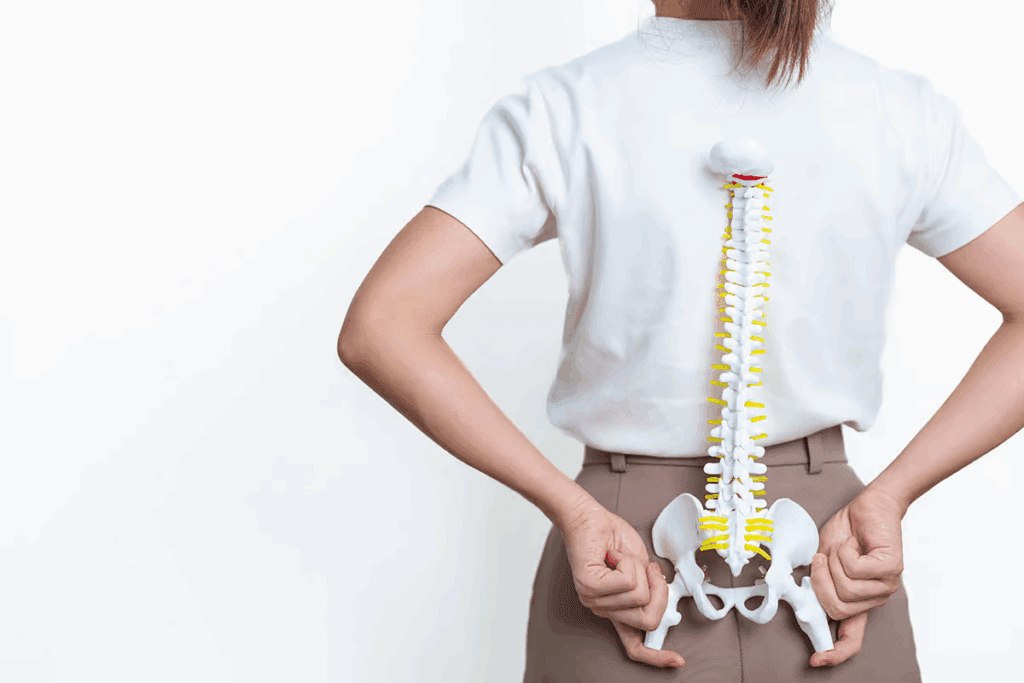
Degenerative disc irritation factors is caused by disc drying, cracking, minor injuries, repetitive stress, aging, overweight, smoking, and certain spinal diseases. These factors lead to inflammation and back pain. To prevent this, maintain a healthy weight, avoid heavy lifting and repetitive bending or twisting, practice good posture, do low-impact exercise to strengthen back muscles, and avoid smoking. An anti-inflammatory diet and ergonomic support also reduce inflammation and pain. Limiting processed sugar, fried foods, and saturated fats helps prevent inflammation. Early lifestyle changes can slow disc degeneration and ease pain.
Things like mechanical stress, nerve compression, and inflammation make degenerative disc disease worse. Knowing what stresses the spine and causes back strain helps us find ways to ease symptoms. This improves our quality of life.
Key Takeaways
- Mechanical stress is a primary factor in degenerative disc disease.
- Nerve compression can exacerbate symptoms and cause pain.
- Inflammatory responses play a significant role in disc irritation.
- Understanding spine stress causes is crucial for effective management.
- Identifying back strain factors can help alleviate discomfort.
Understanding Degenerative Disc Disease
degenerative disc disease
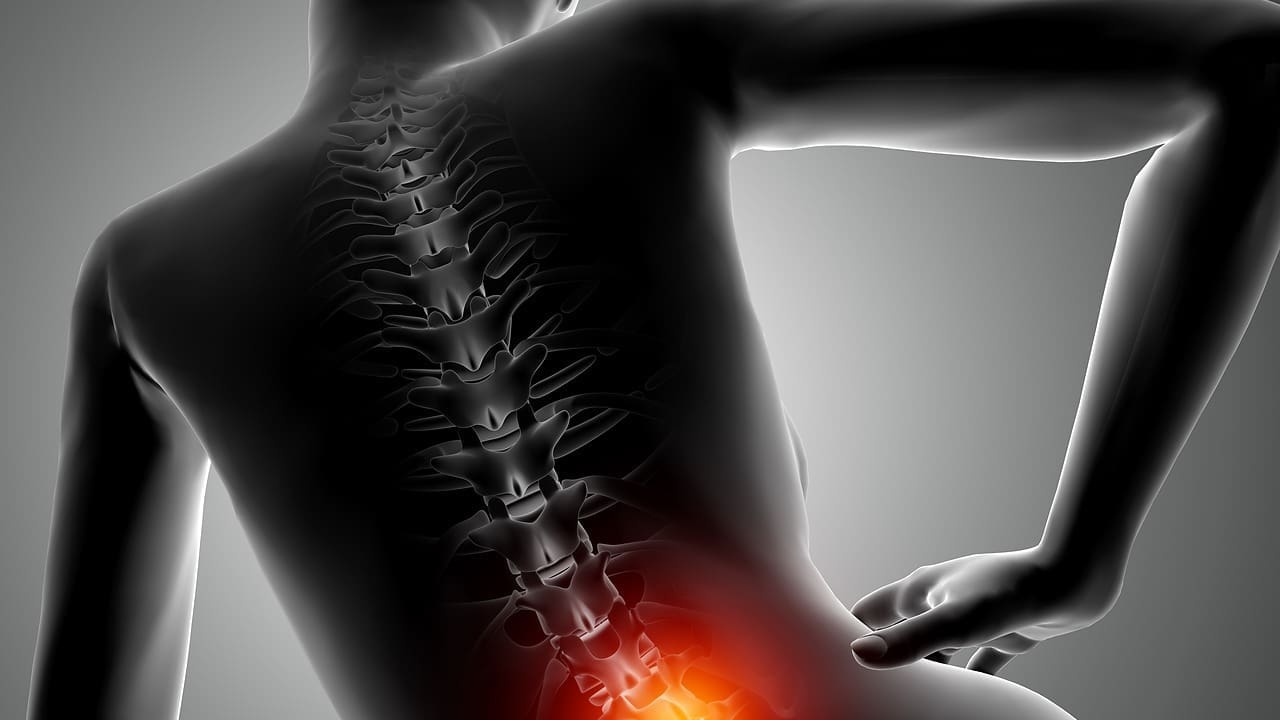
To understand degenerative disc disease, we need to look at the spinal discs’ anatomy and how they degenerate. This condition happens when spinal discs lose their cushioning, causing pain and discomfort.
The Anatomy of Spinal Discs
Spinal discs are key parts of our spine, acting as shock absorbers between vertebrae. They have a tough outer layer called the annulus fibrosus and a soft, gel-like center called the nucleus pulposus. The annulus fibrosus gives structure and support, while the nucleus pulposus absorbs shock and helps with spinal flexibility.
The Degeneration Process
The degeneration of spinal discs is a natural aging process. But, it can speed up due to injury, lifestyle, and genetics. As discs degenerate, they lose height and hydration, making them less able to absorb shock. This can cause tears in the annulus fibrosus, leading to the nucleus pulposus herniating and irritating nearby nerves.
Why Degenerative Discs Are More Sensitive to Irritation
Degenerative discs are more sensitive to irritation because of their compromised structure. The loss of disc height and the formation of tears or herniations can cause inflammation and irritation. This irritation can lead to pain, numbness, and weakness in the back and limbs, greatly affecting an individual’s quality of life.
We will delve deeper into how these changes affect the spine and overall health in the following sections. We will provide insights into managing and mitigating the effects of degenerative disc disease.
Common Disc Irritation Factors and Pain Triggers
disc irritation factors
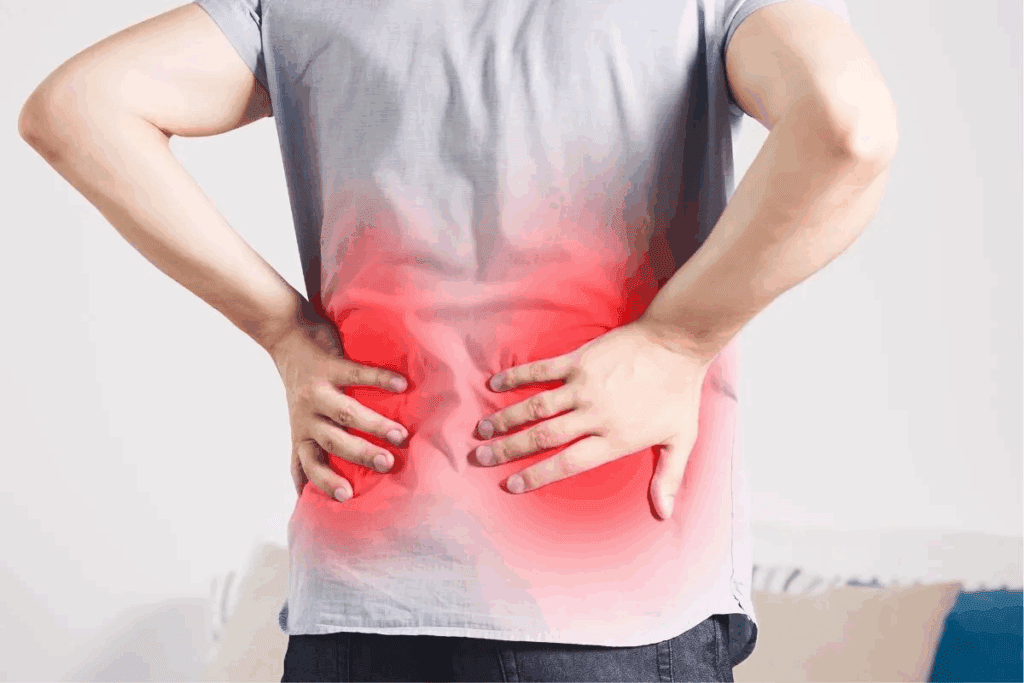
Understanding what causes disc irritation is key for those wanting to lessen pain. Degenerative disc disease can cause chronic pain and make moving harder.
Mechanical Stress on Discs
Mechanical stress is a big reason for disc irritation. Too much strain on the spine can make things worse. This stress comes from many things, like:
- Lifting heavy objects the wrong way
- Playing high-impact sports without the right training or gear
- Not paying attention to your posture for long times
To lessen mechanical stress, use the right lifting methods. Wear the right gear for sports. And always think about your posture.
Nerve Compression Mechanisms
Nerve compression happens when nerves around the spinal discs get squished or irritated. This can be caused by:
- Disc herniation, where the disc bulges and presses on nerves
- Spinal stenosis, a narrowing of the spinal canal that presses on nerves
- Osteophytes or bone spurs from degeneration
Knowing how nerve compression works is important for finding good treatments. Treatments should tackle the compression and the root causes.
Inflammatory Responses in Disc Tissue
Inflammation is a big part of disc irritation and pain. When disc tissue gets hurt, it can start an inflammatory response. This leads to pain and more degeneration. Things that can cause inflammation include:
- Spinal trauma or injury
- Infection or systemic inflammatory conditions
- Biomechanical stress that causes micro-tears in the disc
Controlling inflammation is crucial for reducing disc irritation and pain. The right medical care and lifestyle changes can help a lot.
Physical Movements That Worsen Disc Pain
physical movements disc pain
Managing degenerative disc disease means knowing what movements make pain worse. Some actions stress the spinal discs more, causing more pain. By changing these movements, people can handle their condition better and avoid sudden pain spikes.
Twisting and Rotational Movements
Twisting and rotating are hard on the spinal discs. When the spine twists, it can press the discs unevenly, causing irritation and pain. Golfing or certain jobs can make disc pain worse. It’s key to be careful with these movements and use the right techniques to protect the spine.
A spine expert says, “Twisting can harm the disc, making it bulge or herniate and press on nerves.” Changing daily habits to cut down on twisting can ease disc pain.
Bending Forward and Disc Pressure Increase
Bending forward also puts a lot of pressure on the spinal discs. This stress can cause pain and discomfort. Using the right lifting methods, like bending at the knees, can lessen this pressure.
“Bending forward can increase intradiscal pressure by up to 100%, showing why careful movement is crucial for degenerative disc disease.”
Sudden Movements and Jarring Actions
Sudden and jarring actions can also make disc pain worse. These can damage the discs, causing inflammation and pain. Sports that involve quick stops or changes in direction are especially bad. Doing exercises that strengthen the core can help lessen the impact of these movements.
Knowing how movements affect disc pain helps people take control of their condition. It’s important to watch out for twisting, bending, and sudden movements. And to find ways to reduce their impact.
The Impact of Poor Body Mechanics on Spinal Health
proper lifting techniques
Our daily movements can either help or harm our spine. Bad body mechanics, like wrong lifting and odd postures, hurt spinal discs. This can lead to degenerative disc disease.
Improper Lifting Techniques and Spine Stress
Bad lifting is a big reason for spine stress. When we lift heavy things with our back, not our legs, we harm our discs. This can cause small tears and swelling, making degenerative disc disease worse.
To lift right, bend at the knees, keep the object close, and lift with your leg muscles.
Awkward Postures That Damage Discs
Bad postures, at work or at home, hurt our spine too. Slouching or slumping puts too much pressure on discs. Twisting or bending causes uneven wear.
Keeping a neutral spine posture is key. This means sitting, standing, or sleeping right. It helps avoid disc damage.
Being mindful of our postures helps a lot. Take breaks to stretch when sitting for a long time. Also, pay attention to how you sit, stand, and sleep.
Prolonged Positions and Their Effect on Discs
prolonged positions and disc pressure
Staying in one position for too long can harm our spinal discs. This can lead to degenerative disc disease. Uneven pressure on the discs can cause irritation and pain.
Long Sitting and Spine Pressure
Many of us sit for hours each day, whether at work or at home. This can put a lot of pressure on our spinal discs, especially in the lower back. Sitting can make our spine flex forward, adding stress to the discs.
To lessen the effects of sitting, it’s key to stand and stretch often. Using ergonomic furniture and adjusting our sitting posture can also help protect our discs.
Extended Standing and Spine Strain
Standing for long periods can also harm our spinal health. It can tire the muscles that support our spine, leading to strain on the discs.
To combat the effects of standing for too long, wearing supportive shoes and taking breaks are helpful. Doing exercises that strengthen our core and back muscles can also help.
Sleep Positions That Aggravate Disc Conditions
Some sleep positions can worsen disc conditions, especially if they put our spine in an unnatural position. For example, sleeping on your stomach can twist your neck, straining your cervical discs.
To avoid making disc conditions worse while sleeping, choose a position that keeps your spine aligned naturally. Using supportive pillows and mattresses can also be beneficial.
It’s important to understand how prolonged positions affect our spinal discs to prevent degenerative disc disease. By being mindful of our posture and taking steps to reduce strain, we can keep our spinal discs healthy.
| Prolonged Position | Effect on Spinal Discs | Mitigation Strategies |
| Long Sitting | Increased pressure on lumbar discs | Regular breaks, ergonomic furniture, good posture |
| Extended Standing | Muscle fatigue and strain on discs | Supportive shoes, regular breaks, core strengthening exercises |
| Sleeping on Stomach | Strain on cervical discs due to neck twisting | Maintain natural spine alignment, use supportive pillows and mattresses |
Lifestyle Factors Contributing to Disc Degeneration
disc degeneration
Our lifestyle choices greatly affect our spinal discs’ health. The habits we keep and the daily decisions we make can either help or harm our discs.
Smoking and Disc Damage
Smoking is a known risk for disc degeneration. Smoking damages the spinal discs by cutting off bloBlood Marrow Transplant Recovery Timelineod flow and oxygen. This makes it hard for discs to heal and repair themselves, speeding up degeneration.
Weight Gain and Back Pain Connections
Weight gain also affects disc health. Extra weight adds stress to the spine, especially the lumbar discs. This stress can cause or worsen back pain as discs struggle to support the extra load.
Nutritional Deficiencies Affecting Disc Health
Nutritional deficiencies can harm disc health. A diet lacking calcium, vitamin D, and omega-3 fatty acids can weaken discs. Eating right is key to keeping discs healthy and slowing degeneration.
Eating well, staying hydrated, and avoiding smoking can reduce disc degeneration risks.
Physical Fitness and Its Role in Disc Protection
physical fitness for disc protection
Regular physical fitness activities help protect our spinal discs. Keeping our spine healthy is key to our overall well-being. Physical fitness plays a big role in this.
Physical fitness includes many activities that boost our physical health. It strengthens the muscles around our spine. It also improves flexibility and lowers the risk of disc degeneration.
Weak Core Muscles and Spine Vulnerability
Strong core muscles are crucial for spinal health. The core muscles, like the abdominals and back, support the spine. Weak muscles make the spine more prone to injury and degeneration.
Weak core muscles can cause poor posture and strain on the spinal discs. This increases the risk of back pain. Exercises that strengthen these muscles can stabilize the spine and lower disc-related problems.
| Exercise | Benefit |
| Plank | Strengthens core muscles, improving spinal stability |
| Bridges | Targets lower back muscles, enhancing spinal support |
| Pelvic tilts | Helps in maintaining proper spinal alignment |
Sedentary Lifestyle and Disc Deterioration
A sedentary lifestyle harms spinal disc health. It leads to reduced disc nutrition, increased stiffness, and a higher risk of degeneration.
Regular physical activity keeps spinal discs healthy. It promotes nutrient exchange and keeps muscles flexible. Avoiding a sedentary lifestyle is key to preventing disc deterioration and maintaining spinal health.
By adding physical fitness to our daily routine, we protect our spinal discs and maintain a healthy spine. It’s about making choices that support our spinal health and overall well-being.
Occupational Spine Stress and Disc Health
Occupational spine stress is key to disc health, affecting many professions. Work activities can harm spinal discs in complex ways. This includes several factors that can lead to disc wear and tear.
High-Risk Professions for Disc Problems
Some jobs are more likely to cause disc issues due to physical demands. Jobs that require heavy lifting, bending, or twisting are risky. Manual labor jobs, like construction or manufacturing, are especially hard on the spine.
Repetitive Motion and Work Strain on Discs
Repetitive tasks can also harm spinal discs. Activities like repetitive lifting or bending can strain discs, speeding up wear. Regular breaks and task changes can help lessen this risk.
Bad Ergonomics and Workstation Setup
A bad workspace can also stress the spine. Poor ergonomics, like a wrong chair or monitor, can cause bad posture. It’s important to set up a workspace that supports good posture to avoid disc problems.
Knowing what causes occupational spine stress helps protect disc health. Taking steps to reduce this risk can prevent degenerative disc disease.
Sports and Activities That May Trigger Disc Pain
Many physical activities, like high-impact sports and fun hobbies, can hurt your discs. Knowing which ones are risky helps people with degenerative disc disease. They can then choose better activities and exercises.
High-Impact Sports and Disc Trauma
High-impact sports, like football and gymnastics, stress your spinal discs a lot. These sports have big impacts, sudden twists, and heavy falls. These can tear your disc tissue and make existing problems worse.
A study showed athletes in high-impact sports get disc degeneration more often. This shows the dangers of these sports for people with disc problems.
| High-Impact Sport | Potential Risk for Disc Pain |
| Football | High-energy impacts and tackles can cause disc trauma. |
| Gymnastics | Repeated landings and twists can stress spinal discs. |
| Rugby | Physical collisions can lead to disc injuries. |
Recreational Activities That Strain the Spine
Even fun activities can risk hurting your discs. Heavy lifting in gardening or DIY, or wrong yoga poses, can strain your spine.
People with degenerative disc disease should watch their body’s limits. Avoiding activities that hurt and doing exercises that strengthen your core can help.
Knowing how sports and activities affect your spine helps protect your discs. This way, you can manage your condition better.
Age-Related Factors in Disc Vulnerability
As we age, our spinal discs change in ways that make them more vulnerable. These changes affect the discs’ structure, function, and health.
Natural Disc Dehydration with Aging
One key change is dehydration. Spinal discs have a gel-like center and a tough outer layer. With age, they lose water, becoming less gel-like and more fibrous. This dehydration reduces disc height and increases the risk of degeneration.
Dehydration hampers the discs’ shock absorption and smooth movement. This makes the spine less flexible and raises the risk of disc problems.
Cumulative Stress and Microtears in Disc Tissue
Age also brings cumulative stress and microtears in the discs. Over time, discs face mechanical stresses like compression and bending. These stresses cause microtears, which can lead to degeneration if not healed.
The buildup of microtears and inflammation weakens the discs. This makes them more prone to injury and degeneration. Knowing how cumulative stress affects discs is key to preventing and treating degeneration.
| Age-Related Change | Effect on Disc Health | Potential Consequence |
| Disc Dehydration | Reduced disc height, loss of shock absorption | Increased risk of disc degeneration |
| Cumulative Stress and Microtears | Weakening of disc structure, inflammation | Further degeneration, increased risk of injury |
| Loss of Disc Proteoglycans | Reduced ability to maintain disc hydration | Accelerated disc degeneration |
Understanding how age affects disc vulnerability helps us protect our spinal health. We can take steps to reduce the risk of degenerative disc disease.
Environmental Factors Affecting Disc Comfort
Environmental factors greatly affect disc comfort, especially for those with degenerative disc disease. These factors can change how our spinal discs feel and function. Let’s explore how external conditions impact our discs.
Weather Changes and Back Pain Connections
Many with degenerative disc disease find that weather changes make their back pain worse. Weather changes can alter temperature and humidity, affecting our spine’s discs. Studies show these changes can make discs expand and contract, irritating nerves and causing pain.
The exact reasons are still a mystery, but changes in atmospheric pressure might also play a part. These pressure changes can affect the discs, making them more sensitive and painful for some.
Vibration Exposure and Disc Wear and Tear
Being exposed to vibrations can harm disc health. Whether it’s from work or hobbies, long-term vibration can wear down discs faster. This is a big concern for those who work with heavy machinery or drive a lot.
Vibrations can cause tiny tears in disc tissue, leading to inflammation and more damage. It’s crucial for those at risk to use vibration-reducing tools or take breaks to lessen exposure.
Knowing how weather and vibrations affect disc comfort helps us manage degenerative disc disease better. This knowledge empowers individuals to take steps to reduce symptoms and enhance their life quality.
Managing Daily Activities to Reduce Disc Irritation
To lessen disc irritation, we need to change how we move every day. Making smart changes can cut down on pain and stop disc disease from getting worse. It’s key to keep our spine healthy by managing our daily tasks well.
Techniques for Safer Movement Patterns
Adopting safer ways to move is a big help. Learning to lift right, like bending at the knees, helps avoid hurting our back. We should also keep our posture right to protect our spine.
Using proper body mechanics when moving is very important. For example, lifting heavy things should use our legs, not our back. This spreads out the weight and eases pressure on our discs.
Ergonomic Adjustments for Home and Work
Making our spaces ergonomic is crucial for lessening disc irritation. Setting up our work and home areas to support good posture helps a lot. This means adjusting chairs, monitors, and keyboards to fit us better.
| Ergonomic Adjustment | Benefit |
| Monitor at eye level | Reduces neck strain |
| Chair height adjustment | Promotes good posture |
| Keyboard and mouse positioning | Reduces wrist and hand strain |
Activity Pacing to Prevent Disc Condition Flare-ups
Activity pacing is a smart way to handle disc irritation. It’s about finding a balance between doing things and resting. This means taking breaks, switching tasks, and not staying in one position for too long.
Pacing activities keeps our spine from getting too tired. For example, if we’re doing something hard, we should mix it with easier tasks or breaks. This stops our spine from being strained all the time.
By using these tips in our daily lives, we can better manage disc irritation and keep our spine healthy.
Conclusion: Living Well with Degenerative Disc Disease
Living with degenerative disc disease means you need a full plan to handle disc irritation and stop flare-ups. Knowing what causes irritation helps you take action early. This way, you can manage your condition better.
Managing it well means using good body mechanics, staying active, and making lifestyle changes. Safe movements, ergonomic setups, and pacing activities help a lot. These steps can lessen irritation.
Handling degenerative disc disease is a long-term effort. A holistic approach to spinal health can greatly improve your life. It also lessens the effects of disc degeneration.
We aim to give people the knowledge and tools to manage their disease well. This way, they can live better with degenerative disc disease.
FAQ
What is degenerative disc disease, and how does it affect the spine?
Degenerative disc disease happens when spinal discs lose their cushioning. This leads to pain and discomfort. It causes discs to deteriorate, leading to nerve compression and inflammation.
What are the common factors that irritate a degenerative disc?
Factors like mechanical stress, nerve compression, and inflammation irritate a degenerative disc. Physical movements like twisting and bending can also worsen the pain.
How do poor body mechanics contribute to degenerative disc disease?
Poor body mechanics, like bad lifting techniques, can damage spinal discs. This puts extra stress on the spine, speeding up degeneration.
Can prolonged positions like long sitting or standing aggravate disc conditions?
Yes, sitting or standing for too long can make disc conditions worse. It puts constant pressure on the discs, causing pain.
How do lifestyle factors like smoking and weight gain affect disc health?
Smoking and weight gain can harm disc health. Smoking reduces blood flow to discs. Weight gain adds stress to the spine, speeding up degeneration.
What role does physical fitness play in protecting the spinal discs?
Physical fitness is key to protecting spinal discs. Weak muscles and a sedentary lifestyle can harm discs. Regular exercise keeps the spine healthy.
Can certain occupations or activities increase the risk of disc problems?
Yes, jobs or activities with repetitive motion or heavy lifting can harm discs. High-impact sports also strain the spine, leading to degeneration.
How do age-related factors contribute to disc vulnerability?
As we age, discs lose water, making them more prone to degeneration. Natural dehydration and cumulative stress also play a role.
Can environmental factors like weather changes affect disc comfort?
Yes, weather changes can affect disc comfort. Some people feel more pain in certain weather, possibly due to pressure or temperature changes.
What techniques can help manage daily activities to reduce disc irritation?
Techniques like safer movement and ergonomic adjustments can help. Being mindful of our movements and tasks reduces stress on discs.
How can I prevent degenerative disc disease flare-ups?
To prevent flare-ups, maintain a healthy lifestyle. This includes regular exercise, a balanced diet, and good posture. Avoiding factors that irritate discs also helps manage the condition.
References
- Lyu, F.-J., Cui, H.-W., Pan, H., Cheung, K. M. C., Cao, X., Iatridis, J. C., & Zheng, Z. (2021). Painful intervertebral disc degeneration and inflammation: from laboratory evidence to clinical interventions. Bone Research, 9, Article 7. https://www.nature.com/articles/s41413-020-00125-x