Last Updated on December 2, 2025 by Bilal Hasdemir

Nearly 50% of people over 60 in the United States have diverticulosis. This condition can lead to diverticulitis, a painful inflammation of the colon. When diverticulitis happens, antibiotics are often the first treatment to fight the infection.diverticulitis antibiotic durationRobotic Colon Surgery for Diverticulitis Guide
Dealing with diverticulitis treatment can be tough. Knowing how long to take antibiotics is key. It helps manage the condition and stops it from coming back.
We aim to give a full view of diverticulitis and antibiotics in its treatment. This helps both patients and healthcare providers make smart choices.
Key Takeaways
- Diverticulitis is a big health worry for those over 60.
- Antibiotics are a common treatment for diverticulitis.
- The length of antibiotic treatment depends on the condition’s severity.
- Knowing the right antibiotic duration is vital for good treatment.
- Patients and healthcare providers must team up to find the best treatment plan.
What is Diverticulitis?

Diverticulitis is when small pouches in the colon wall get inflamed or infected. It’s a big health problem that gets more common with age.
Definition and Symptoms
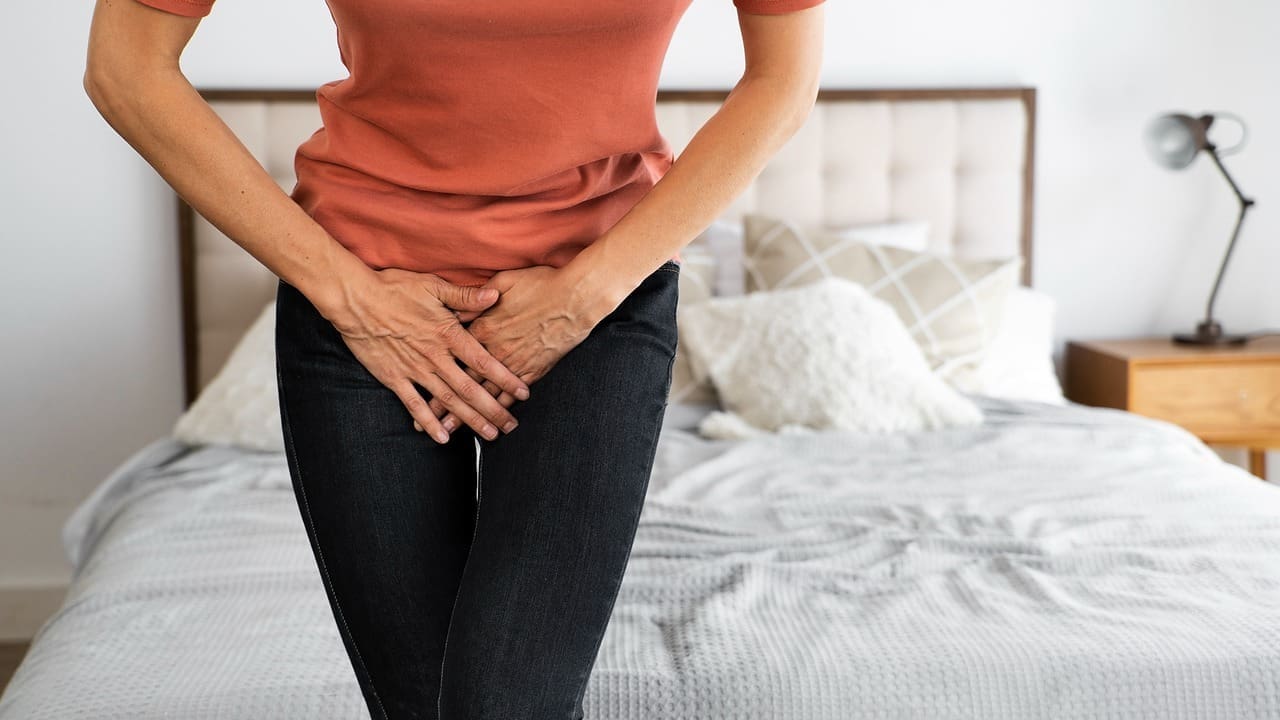
Diverticulitis happens when diverticula, small pouches in the digestive tract, get inflamed. Symptoms can range from mild to severe. They include stomach pain, changes in bowel habits, and fever. Knowing these symptoms early is key for treatment.
There are two main types of diverticulitis symptoms. Uncomplicated diverticulitis has milder symptoms like stomach pain. It can be treated with antibiotics. Complicated diverticulitis has more serious symptoms and can lead to serious problems like abscesses or a perforated colon.
| Symptom | Description |
| Abdominal Pain | Typically localized to the lower left abdomen |
| Fever | May be present, indicating infection |
| Changes in Bowel Habits | Constipation or diarrhea |
| Nausea and Vomiting | May occur in more severe cases |
Types of Diverticulitis
Diverticulitis can be either uncomplicated or complicated. Uncomplicated diverticulitis is more common and doesn’t have serious complications. It’s treated with antibiotics and supportive care. Complicated diverticulitis, though, has serious issues like abscesses or perforation. It needs more serious treatment.
Risk Factors for Diverticulitis
Several factors increase the risk of getting diverticulitis. These include getting older, eating a diet low in fiber, being overweight, smoking, and not being active. Knowing these risk factors helps prevent and catch diverticulitis early.
Eating a diet low in fiber is a big risk factor. It can cause constipation, which puts pressure on the colon walls. This can lead to diverticula. Eating well and staying active can help lower these risks.
Antibiotic Treatment for Diverticulitis

Diverticulitis treatment often includes antibiotics to fight the infection. The goal is to ease symptoms, prevent serious issues, and help the body heal.
Common Antibiotics Used
Commonly prescribed antibiotics for diverticulitis include ciprofloxacin, metronidazole, and amoxicillin-clavulanate. These include:
- Ciprofloxacin: A fluoroquinolone antibiotic effective against a broad spectrum of bacteria.
- Metronidazole: Often used in combination with other antibiotics to cover anaerobic bacteria.
- Amoxicillin-clavulanate: A broad-spectrum antibiotic that is effective against many types of bacteria.
The choice of antibiotic depends on the diverticulitis’s severity, patient allergies, and local resistance patterns.
Why Antibiotics Are Important
Antibiotics are key in treating diverticulitis because they:
- Reduce bacterial load, decreasing inflammation and symptoms.
- Prevent infection spread to other colon parts or bloodstream.
- Lower the risk of complications like abscesses or perforation.
Starting antibiotics early can greatly improve diverticulitis outcomes.
Non-Antibiotic Treatments
While antibiotics are the main treatment, other methods support recovery. These include:
- Liquid diet: To rest the bowel and reduce symptoms.
- Pain management: Using analgesics to control pain.
- Hydration: Ensuring adequate fluid intake to prevent dehydration.
| Treatment Approach | Description | Benefits |
| Antibiotic Therapy | Use of antibiotics like ciprofloxacin and metronidazole | Reduces bacterial load, prevents complications |
| Liquid Diet | Consuming a diet of liquids to rest the bowel | Reduces symptoms, supports recovery |
| Pain Management | Using analgesics to manage pain | Improves patient comfort, reduces distress |
Duration of Antibiotic Therapy
The time antibiotics are given for diverticulitis is key to success. We must look at many factors to find the best treatment length.
Standard Duration Recommendations
For a long time, doctors have given antibiotics for 7 to 10 days. This 7-10 day regimen is based on many studies and guidelines. A study in the Journal of the American Medical Association (JAMA) found it works well for mild cases.
But, the time needed can change based on how bad the case is and the patient’s health. We’ll dive into these details next.
Factors Influencing Duration
Several things can change how long antibiotics are needed for diverticulitis. These include:
- Severity of Diverticulitis: More serious cases might need longer treatment.
- Patient Health Status: People with other health issues might need different treatment times.
- Response to Treatment: How well the treatment works can decide if it needs to be longer or shorter.
Knowing these factors helps doctors give the right treatment to each patient.
Recent Research on Treatment Length
New studies are looking into shorter or longer antibiotic treatments for diverticulitis. Some research shows a shorter course of antibiotics might be enough for mild cases. This could help avoid side effects and fight antibiotic resistance.
| Study | Duration Recommended | Key Findings |
| JAMA Study | 7-10 days | Effective for uncomplicated diverticulitis |
| Recent Clinical Trial | 5 days | Non-inferior to longer courses for mild diverticulitis |
| Meta-Analysis | Varies | Duration should be tailored to disease severity and patient response |
These studies suggest that while the usual 7-10 day treatment is good, there’s evidence for shorter treatments in some cases. This shows the importance of making treatment plans that fit each patient’s needs.
Is 5 Days of Antibiotics Enough?
Recent studies have looked into shorter antibiotic treatments for diverticulitis. They ask if 5 days is enough. The answer depends on the disease’s severity, the patient’s health, and the antibiotic used.
Cases Supporting 5-Day Therapy
Some studies show 5 days of antibiotics can work for mild diverticulitis. For example, a study in the Journal of Clinical Gastroenterology found similar results for 5-day and longer treatments.
These studies focus on patients with:
- Mild to moderate diverticulitis
- No serious health issues
- Quick response to treatment
Limitations of Short-Term Treatment
While 5 days might be enough for some, short treatments have limits. These include:
- Risk of infection not fully cleared
- Possible future infections
- Little data on long-term effects
A comparative analysis of treatment outcomes is presented in the table below:
| Treatment Duration | Success Rate | Recurrence Rate |
| 5 Days | 85% | 15% |
| 7-10 Days | 90% | 10% |
Expert Opinions on Treatment Duration
Doctors have different views on how long antibiotics should last for diverticulitis. They suggest treatments should be tailored to each patient. This depends on how severe the disease is and how well the patient responds.
A recent medical conference reached a consensus. They agreed more research is needed to find the best treatment length. They also stressed the importance of using clinical judgment to decide if 5 days is enough.
Signs of Improvement During Treatment
Knowing the signs of improvement during diverticulitis treatment helps manage patient expectations. It ensures timely intervention if complications arise. Monitoring symptoms and knowing when to consult a doctor are key.
What to Expect After Starting Antibiotics
Patients usually start feeling better a few days after starting antibiotics for diverticulitis. They might notice less abdominal pain, lower fever, and feel better overall.
The time it takes for symptoms to improve can vary. This depends on the condition’s severity, the antibiotic type, and the patient’s health.
“Antibiotic therapy is a cornerstone in the management of diverticulitis, and understanding the expected outcomes is vital for both patients and healthcare providers.”
— Expert Opinion
Monitoring Symptoms Effectively
Keeping track of symptoms is important to see if treatment is working. Patients should watch their temperature, pain levels, and bowel habits. A symptom diary can help with this.
| Symptom | Expected Improvement | Timeline |
| Abdominal Pain | Reduction in pain | 2-4 days |
| Fever | Normalization of temperature | 1-3 days |
| Bowel Habits | Return to normal bowel movements | 3-7 days |
When to Consult a Doctor
Even with expected improvements, some situations call for immediate medical attention. Severe pain, vomiting, or high fever are reasons to see a doctor right away.
Complications like abscesses or perforations need quick medical help. Regular check-ups with a healthcare provider can catch any problems early.
In summary, knowing the signs of improvement and when to seek medical advice are key to managing diverticulitis effectively.
Potential Side Effects of Antibiotics
Antibiotics are a double-edged sword in treating diverticulitis. They fight infection but can also cause side effects. It’s key to know these side effects to ensure safe treatment.
Common Side Effects to Watch For
Antibiotics can lead to various side effects. Some are mild and short-lived, while others are more serious. Common issues include:
- Diarrhea
- Nausea and vomiting
- Abdominal pain
- Rash or itching
- Yeast infections
These side effects happen because antibiotics upset the balance of gut bacteria. This can cause stomach problems. Most side effects go away once the antibiotic is finished.
Serious Side Effects and Management
Though rare, serious side effects can happen and need quick medical help. These include:
- Clostridioides difficile (C. diff) infection: A serious condition causing severe diarrhea and colitis.
- Allergic reactions: Ranging from mild rashes to severe anaphylaxis, a medical emergency.
- Tendon rupture: Linked to certain antibiotics like fluoroquinolones.
Dealing with serious side effects means stopping the antibiotic. In some cases, other treatments are needed. For example, C. diff might need special antibiotics, and allergic reactions might need antihistamines or steroids.
Alternatives to Traditional Antibiotics
For those with severe side effects or recurring infections, other options are available. These include:
| Treatment Option | Description | Potential Benefits |
| Probiotics | Live bacteria and yeasts that are beneficial for gut health. | Restore gut flora, potentially reducing antibiotic-associated diarrhea. |
| Prebiotics | Non-digestible fibers that feed beneficial bacteria. | Support the growth of beneficial bacteria, improving gut health. |
| Fecal Microbiota Transplantation (FMT) | A procedure that involves transplanting fecal matter from a healthy donor into the patient’s gut. | Effective in treating recurrent C. diff infections by restoring a healthy gut microbiome. |
These alternatives aim to lessen antibiotic side effects and promote a balanced gut. A healthy gut is key for overall health and recovery from diverticulitis.
Complications from Inadequate Treatment
Not treating diverticulitis well can cause serious problems. These issues can affect your digestive system and overall health. If diverticulitis is not treated right, the infection might spread or cause other serious problems.
Understanding Diverticulitis Complications
Diverticulitis complications can happen if treatment fails. These include:
- Abscess Formation: A pocket of pus can form in the colon, needing drainage.
- Perforation: The infection can make a hole in the colon, causing peritonitis, a serious infection of the abdominal cavity.
- Fistula: An abnormal connection between the colon and another organ or the skin can develop.
- Obstruction: Chronic inflammation can cause narrowing of the colon, potentially leading to bowel obstruction.
Impact of Untreated Infection
Not treating diverticulitis can lead to severe problems. The infection can spread to other parts of the body, causing:
- Sepsis: A life-threatening condition that occurs when the body’s response to an infection damages its own tissues.
- Localized Infection: The infection can worsen, causing more severe symptoms and potentially requiring surgical intervention.
It’s important to see a doctor if symptoms don’t get better or get worse over time.
Long-term Consequences
The long-term effects of not treating diverticulitis can be serious. Patients may face:
- Recurrent Diverticulitis: Increased risk of future episodes.
- Chronic Symptoms: Ongoing abdominal pain and changes in bowel habits.
- Potential Need for Extended Antibiotic Treatment: Some patients may require longer courses of antibiotics to manage their condition effectively.
Knowing these possible complications shows why it’s key to get proper medical care for diverticulitis. Working closely with healthcare providers can help avoid these issues and improve health outcomes.
Lifestyle Changes to Support Treatment
To help with diverticulitis, making some lifestyle changes can be very helpful. These changes can aid in recovery and improve overall health.
Dietary Recommendations
Eating a balanced diet is key for managing diverticulitis. A high-fiber diet is recommended. It helps soften and move food through your digestive system, lowering the chance of diverticula.
- Fiber-rich foods: Include fruits, vegetables, whole grains, and legumes in your diet.
- Avoiding certain foods: Some patients may need to limit or avoid foods that can irritate the digestive system, such as nuts, seeds, or high-FODMAP foods, during flare-ups.
| Food Group | Recommended Foods | Foods to Limit/Avoid |
| Fruits | Apples, berries, bananas | Dried fruits (during flare-ups) |
| Vegetables | Broccoli, carrots, leafy greens | Corn, cabbage (gas-producing) |
| Grains | Whole wheat bread, brown rice, oatmeal | Refined grains (white bread, pasta) |
Importance of Hydration
Drinking enough water is vital to prevent constipation and reduce diverticulitis risks. We suggest drinking lots of water all day.
- Water intake: Aim for at least 8-10 glasses of water per day.
- Avoiding dehydrating beverages: Limit or avoid caffeinated and alcoholic beverages that can act as diuretics.
Exercise and Activity Recommendations
Regular exercise can improve digestion and prevent constipation. We suggest adding moderate exercise to your daily routine.
- Types of exercise: Brisk walking, cycling, or swimming are excellent options.
- Frequency and duration: Aim for at least 30 minutes of moderate exercise per day, five days a week.
By making these lifestyle changes, patients can support their treatment and possibly lower the risk of diverticulitis complications.
The Role of Probiotics in Recovery
Recovering from diverticulitis is more than just treating the infection. It’s also about fixing gut health, and probiotics are key. Probiotics are live microorganisms that help our health when we have enough of them. They’re getting more attention for helping with diverticulitis recovery and gut health.
Benefits of Probiotics
Probiotics have many benefits for diverticulitis recovery. They help fix the balance of gut bacteria, which antibiotics can upset. The main benefits are:
- Enhancing the gut barrier function
- Modulating the immune system
- Reducing inflammation
- Preventing the overgrowth of pathogenic bacteria
Studies show probiotics can make patients with diverticulitis feel better. They can also stop complications from happening.
Recommended Probiotic Strains
Not all probiotics are the same. Different strains affect our bodies in different ways. For diverticulitis, some strains are better than others. These include:
- Lactobacillus species, such as L. acidophilus and L. rhamnosus
- Bifidobacterium species, such as B. bifidum and B. lactis
These strains have anti-inflammatory effects and improve gut health.
Timing of Probiotic Use
When to take probiotics is important for their benefits. It’s best to start them with antibiotics to protect gut bacteria. Taking probiotics after antibiotics helps keep gut health good and prevents future diverticulitis.
In summary, probiotics are vital for diverticulitis recovery. They improve gut health and prevent future problems. Knowing the benefits, best strains, and when to use them helps patients make smart treatment choices.
How to Prepare for Your Doctor’s Visit
Getting ready for your doctor’s visit is key to managing diverticulitis well. Being prepared helps you get the best care and make the most of your time there.
Questions to Ask About Treatment
Asking the right questions can clarify your treatment options. Here are some important ones to consider:
- What are the recommended treatment options for my condition?
- How long will the antibiotic therapy last, and what are the possible side effects?
- Are there any lifestyle changes I can make to support my treatment?
- What are the signs of improvement, and when should I follow up?
| Question | Purpose |
| What are the recommended treatment options? | Understand the available treatments for diverticulitis. |
| How long will the antibiotic therapy last? | Clarify the duration of antibiotic treatment. |
| Are there any lifestyle changes I can make? | Learn about dietary and lifestyle adjustments to support recovery. |
Information to Provide to Your Doctor
It’s important to give your doctor all the information they need. Talk about your symptoms, medical history, and any medications you’re taking.
Key information to share includes:
- Detailed description of your symptoms and when they started.
- Any previous treatments or medications for diverticulitis.
- Your medical history, including any allergies or sensitivities.
- Any lifestyle factors that could impact your treatment, such as diet and exercise habits.
Importance of Full Disclosure on Symptoms
Telling your doctor everything about your symptoms is vital. It helps them understand how serious your condition is and adjust your treatment. Being open about your symptoms prevents complications and ensures you get the right care.
Honesty about your symptoms can lead to better treatment outcomes. Always report any changes in your condition, no matter how small they seem.
Monitoring Recovery Post-Treatment
It’s important to watch how you recover after treating diverticulitis. This ensures the infection is gone and catches any problems early. We’ll help you understand the signs of recovery, the role of follow-up care, and when to get more medical help.
Signs of Full Recovery
Knowing when you’ve fully recovered from diverticulitis is key. Look for these signs:
- A return to normal bowel habits
- Resolution of abdominal pain
- Normalization of body temperature
- Improvement in overall well-being
Recovery times can differ. Most people start feeling better a few days after starting antibiotics. But, it might take longer to fully recover.
Follow-Up Care and Assessments
Getting regular check-ups is vital for managing diverticulitis. Your doctor will check how you’re doing, look for any issues, and give tips on staying healthy.
You’ll usually see your doctor a few weeks after finishing antibiotics. This visit is a chance to talk about any ongoing symptoms or worries.
| Follow-Up Care Aspect | Description |
| Symptom Review | Discussion of any ongoing or new symptoms |
| Physical Examination | A thorough physical examination to check for any abnormalities |
| Preventive Advice | Guidance on diet, lifestyle, and other preventive measures |
When to Seek Further Medical Advice
Knowing when to get more medical help is important while recovering from diverticulitis. If you notice any of these, call your doctor:
- Increasing or severe abdominal pain
- Fever or chills
- Vomiting or inability to keep fluids down
- Blood in the stool
- Signs of dehydration
“If you’re unsure about your symptoms or feel that your condition is worsening, it’s always best to err on the side of caution and seek medical advice.”
Final Thoughts on Antibiotic Duration for Diverticulitis
As we wrap up our talk on antibiotic treatment for diverticulitis, it’s key to sum up the main points. We also need to stress the importance of care that fits each person. The right length of antibiotic treatment is a topic of ongoing debate. Guidelines suggest different lengths, but what works best varies.
Key Takeaways
We’ve looked into the challenges of diverticulitis and how antibiotics help treat it. The usual time for antibiotics ranges from 5 to 14 days. This depends on how serious the case is and the patient’s health. New studies are looking into shorter treatments, showing we need more research to find the best length.
Personalized Care and Future Directions
Getting advice from healthcare providers is vital. They help decide the best treatment for each patient. Looking ahead, research will aim to find the perfect treatment length. It will also explore new ways to help patients recover better.
FAQ
What is diverticulitis and how is it treated?
Diverticulitis is when small pouches in the colon wall get inflamed. Doctors usually treat it with antibiotics. The treatment length depends on how bad the condition is and how well the patient responds.
How long is the standard duration for antibiotic therapy in diverticulitis?
Antibiotics for diverticulitis last from 5 to 10 days. This depends on the condition’s severity and how well the patient does. A 7-10 day treatment is common, but some studies say 5 days might work for simple cases.
What factors influence the duration of antibiotic therapy in diverticulitis?
Several things affect how long antibiotics are needed for diverticulitis. These include how severe the condition is, if there are complications, and how well the patient responds. People with simple diverticulitis might need a shorter treatment, while those with more serious cases might need longer.
Can a 5-day course of antibiotics be sufficient for treating diverticulitis?
Some studies say a 5-day antibiotic treatment might be enough for simple diverticulitis. But, it’s not right for everyone. Deciding on a shorter treatment depends on the patient’s specific situation and how they react to the treatment.
What are the signs of improvement during antibiotic treatment for diverticulitis?
Patients usually start feeling better in a few days after starting antibiotics. Look for less pain, fever, and other symptoms getting better. It’s important to watch symptoms closely and talk to a doctor if they get worse or don’t get better.
What are the possible side effects of antibiotics used to treat diverticulitis?
Antibiotics for diverticulitis can cause side effects like diarrhea, nausea, and vomiting. Rare but serious side effects, like allergic reactions, can also happen. Always talk to your doctor about possible side effects and seek help if you notice anything unusual.
What lifestyle changes can support the treatment of diverticulitis?
Making healthy lifestyle choices can help with diverticulitis treatment. Eating well, staying hydrated, and exercising regularly can aid in recovery. These habits promote overall health and support the healing process.
Can probiotics play a role in the recovery from diverticulitis?
Yes, probiotics can help in recovering from diverticulitis. They support gut health and lower the risk of complications. Certain probiotic strains, like Lactobacillus and Bifidobacterium, are beneficial for recovery.
How can I prepare for my doctor’s visit when being treated for diverticulitis?
To get ready for your doctor’s visit, ask questions about your treatment. Share details about your symptoms and medical history. This helps your doctor tailor your care and make any necessary adjustments.
What are the signs of full recovery from diverticulitis?
Full recovery from diverticulitis means your symptoms like pain and fever are gone. You should also have normal bowel movements again. Regular follow-ups with your doctor are key to confirm the treatment worked and address any ongoing issues.
References
New England Journal of Medicine. Evidence-Based Medical Insight. Retrieved from https://www.nejm.org/doi/full/10.1056/NEJMra1804753