Last Updated on December 2, 2025 by Bilal Hasdemir

Did you know that nearly 50% of people over 60 in the United States suffer from diverticulitis? This condition causes painful inflammation in the digestive tract. Finding the right foods to eat can be tough, as some can make symptoms worse.diverticulitis worst foodCan Kidney Stones Cause Constipation and Bloating?
Diverticulitis occurs when small pouches in the colon become inflamed. This leads to severe pain and discomfort. While we don’t know the exact cause, a diet low in fiber might play a role. Doctors stress the need for a balanced diet to manage symptoms and prevent serious problems.
Key Takeaways
- Diverticulitis is a common condition affecting nearly 50% of people over 60 in the US.
- A low-fiber diet may contribute to the development of diverticulitis.
- Certain foods can trigger flare-ups and worsen symptoms.
- A balanced diet is key in managing diverticulitis and preventing complications.
- Knowing which foods to avoid can help ease symptoms.
Understanding Diverticulitis

Exploring diverticulitis means looking at its definition, causes, and risk factors. It’s a condition where the colon’s wall gets inflamed. This happens because of small pouches called diverticula.
What is Diverticulitis?
When these pouches in the colon get inflamed, it’s called diverticulitis. This can cause anything from mild pain to severe stomach aches. It’s often linked to diverticulosis, which is when you have these pouches but they’re not inflamed.
The exact reason for diverticulitis isn’t always known. But it’s thought to be due to a mix of dietary habits and colon health.
Causes and Risk Factors
Several things can lead to diverticulitis. These include:
- Dietary Factors: Eating less fiber can cause diverticula. This is because it can make you constipated and put more pressure on your colon.
- Age: As you get older, your colon’s walls get weaker. This makes you more likely to get diverticulitis.
- Lifestyle Factors: Not being active, smoking, and being overweight are also risks.
| Risk Factor | Description | Impact on Diverticulitis |
| Diet Low in Fiber | Reduces stool bulk, increasing colon pressure | Increases risk of diverticula formation |
| Age | Colon walls weaken over time | Higher incidence in older adults |
| Lack of Physical Activity | Contributes to constipation and increased colon pressure | May exacerbate diverticulitis symptoms |
Knowing these causes and risks can help you manage your condition. It can also lower the chance of serious problems.
Symptoms of Diverticulitis

Knowing the symptoms of diverticulitis is key to getting help quickly. This condition can show up in different ways. It’s important to know the common signs and when to get medical help.
Recognizing Common Symptoms
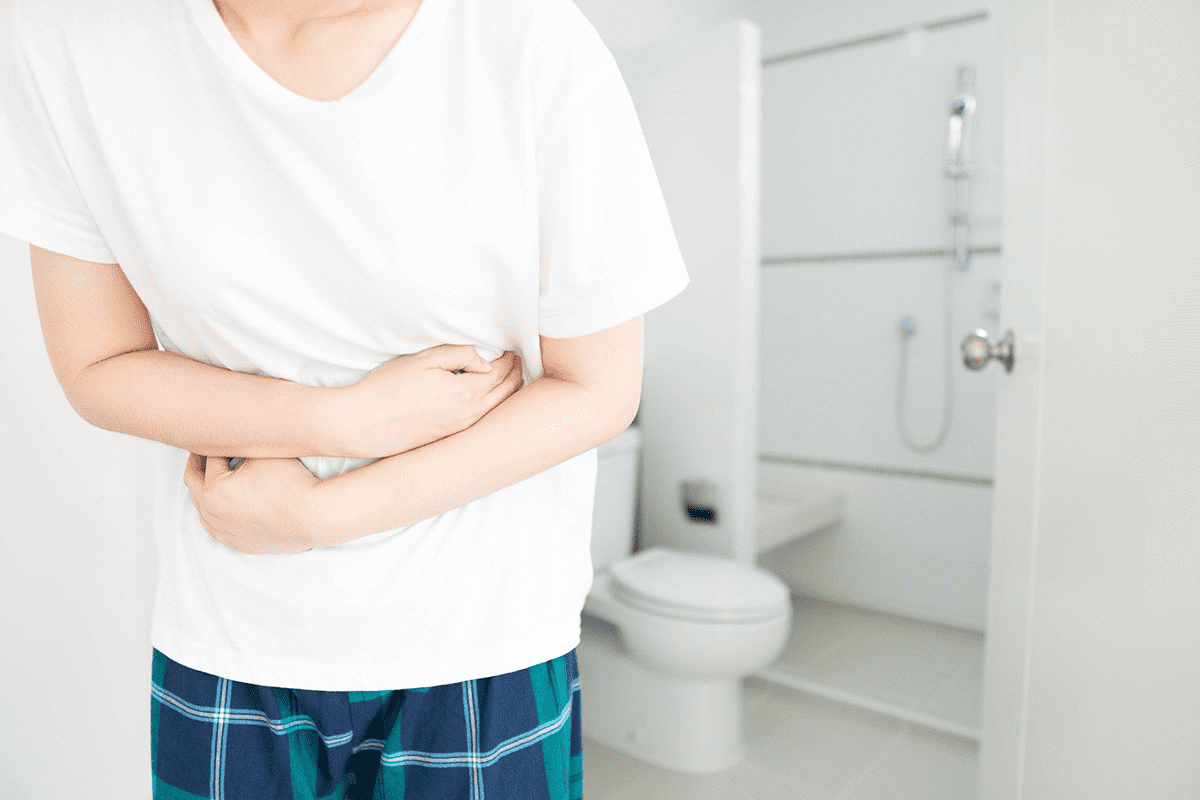
Diverticulitis symptoms can vary from mild to severe. They often include pain in the lower left abdomen, changes in bowel habits, and fever. Some people might also feel nauseous, vomit, or just not feel well.
It’s easy to mix up these symptoms with other stomach problems. This can make it harder to get a correct diagnosis. It’s important to watch for any symptoms that don’t go away or get worse.
When to Seek Medical Attention
If you have severe pain, a high fever, or can’t stop vomiting, get medical help right away. These could be signs of a serious problem like an abscess or perforation. These need quick treatment.
For mild symptoms, you might be able to manage with diet changes and rest. But, it’s important to keep an eye on how you’re feeling. This way, you won’t miss a more serious flare-up.
| Symptom | Description | Action |
| Abdominal Pain | Pain, often in the lower left abdomen | Monitor and seek medical help if severe |
| Fever | Elevated body temperature | Seek medical attention if high or persistent |
| Nausea/Vomiting | Feeling queasy or vomiting | Stay hydrated; seek help if persistent |
| Changes in Bowel Habits | Diarrhea or constipation | Manage with diet; consult a doctor if severe |
Knowing the symptoms and when to get medical help is important for managing diverticulitis. By listening to your body and acting fast, you can reduce discomfort and avoid serious problems.
The Role of Diet in Diverticulitis
Knowing how diet affects diverticulitis is key to managing it well. Diverticulitis is when the digestive tract’s diverticula get inflamed. What we eat can greatly impact this condition. We’ll look at how food choices affect symptoms and find good dietary changes.
How Diet Impacts Symptoms
Diet is very important in managing diverticulitis symptoms. Some foods can make it worse, while others can help. High-fiber foods are good for digestion, but might not be best for diverticulitis. “A low-fiber diet may be better during a flare-up,” a gastroenterology expert advises.
Diet affects diverticulitis in many ways. Foods high in fiber, like whole grains and raw veggies, can be tough during flare-ups. Yet, they’re key for long-term digestive health. It’s about finding the right balance and knowing when to change what we eat.
Foods to Emphasize
Some foods can trigger or make diverticulitis symptoms worse, while others can help. Low-FODMAP foods are often easier to digest and can be a good start for managing symptoms. We’ll look at foods that are good to include in our diet.
Choosing the right foods can help manage diverticulitis. This includes:
- Lean proteins like chicken and fish
- Low-FODMAP fruits and vegetables
- Whole grains in moderation, depending on the condition’s stage
Remember, everyone’s digestive system is different. What works for one might not work for another. Keeping a food diary can help figure out which foods are good and which to avoid.
“Dietary adjustments are key in managing diverticulitis. By knowing which foods to focus on and which to avoid, people can lessen their symptoms and live better.”
Worst Foods to Avoid with Diverticulitis
Choosing the right foods can help manage diverticulitis and prevent flare-ups. Some foods can irritate the condition, causing discomfort. Knowing which foods to avoid is key to managing symptoms effectively.
No to Red Meat
Red meat, if not cooked right, can be hard on the stomach. We advise cutting down or avoiding red meat, mainly during flare-ups. Lean proteins or fish are better choices for your health.
Dairy Products and Their Effects
Dairy can be tough for those with diverticulitis, like those who can’t digest lactose. It’s wise to watch your dairy intake to avoid discomfort. Try lactose-free or low-lactose options instead.
Processed Foods: The Hidden Dangers
Processed foods are full of preservatives, additives, and unhealthy fats. These can irritate your stomach. Stick to whole, unprocessed foods to avoid making symptoms worse.
High-Fiber Foods: When They’re Not Beneficial
High-fiber foods are usually good for your gut, but not always for diverticulitis. Be careful with high-fiber foods, adjusting your intake as needed. Some may need to cut back on them when they’re sick.
Beverages to Avoid
Knowing which drinks to stay away from is key to managing diverticulitis. Some drinks can make symptoms worse and slow down healing. We’ll look at how caffeine and alcohol affect diverticulitis.
Caffeine’s Role
Caffeine is in coffee, tea, chocolate, and some meds. It can mess with bowel movements and upset the colon. For those with diverticulitis, too much caffeine might make symptoms worse.
Research shows caffeine can make the colon move more. But how much it affects you can vary a lot.
Risks Associated with Alcohol
Alcohol is another drink to think about with diverticulitis. It can upset the digestive system and make symptoms worse.
Drinking too much can lead to more problems, like more diverticulitis flare-ups. Knowing the risks is important for making smart choices about drinking.
| Beverage | Potential Impact on Diverticulitis | Recommendation |
| Caffeinated Drinks | May increase colonic motility, potentially irritating the colon. | Limit or avoid if symptoms worsen. |
| Alcoholic Beverages | Can irritate the digestive tract and increase the risk of flare-ups. | Consume in moderation or avoid altogether. |
In short, choosing the right drinks is important for managing diverticulitis. Knowing how caffeine and alcohol can affect you helps make better choices. This can help ease symptoms and improve your health.
Foods That May Trigger Flare-Ups
Knowing which foods can cause diverticulitis flare-ups is key to managing it well. Different people have different dietary needs. But, some foods are often linked to a higher risk of flare-ups.
Nuts and Seeds: Myth or Reality?
The question of whether nuts and seeds can trigger diverticulitis flare-ups is debated. Some studies say these foods might be a problem because they can get stuck in diverticula and cause irritation.
But, not all nuts and seeds are the same. Some might be more likely to cause problems than others. For example, seeds like poppy seeds or sesame seeds are very small and could be risky.
- Nuts: Almonds, walnuts
- Seeds: Poppy seeds, sesame seeds
It’s important to remember that some people might not have trouble with certain nuts and seeds. But others might need to avoid them to stay safe.
Popcorn: A Controversial Snack
Popcorn has also been questioned for its role in diverticulitis flare-ups. The worry is that kernels can get stuck in diverticula and cause inflammation.
Some doctors tell people with diverticulitis to stay away from popcorn, mainly the kernels. But others think it might not be as dangerous as believed, as long as it’s eaten in small amounts and the kernels are fully popped.
To lower the risk, people with diverticulitis might want to:
- Stay away from unpopped or partially popped kernels
- Choose fully popped popcorn
- Eat it in small amounts
By being careful with these foods, people with diverticulitis can make choices that help manage their condition.
Recommended Dietary Changes
To manage diverticulitis well, it’s key to eat foods that don’t upset your stomach. This can help lessen symptoms and prevent worse problems. Making smart food choices can really help your life feel better.
Incorporating Low-FODMAP Foods
A low-FODMAP diet is great for those with diverticulitis. FODMAPs are carbs that some people can’t digest well. This can make symptoms worse. By cutting down on these foods, you can lower the chance of flare-ups and feel less pain.
Low-FODMAP foods include bananas, blueberries, grapes, and lactose-free dairy. It’s important to get a diet plan made just for you by a doctor or dietitian.
Benefits of a Soft Diet
Eating soft foods is very helpful when you’re having a diverticulitis flare-up. These foods are gentle on your stomach. They help you feel better and heal faster.
Good soft foods are plain toast, crackers, rice, and cooked veggies. Stay away from spicy, fatty, or high-fiber foods to ease symptoms.
| Food Type | Recommended During Flare-Ups | To Avoid During Flare-Ups |
| Fruits | Bananas, avocados | Apples, pears, watermelon |
| Vegetables | Cooked carrots, green beans | Broccoli, cauliflower, cabbage |
| Grains | White rice, plain toast | Whole wheat bread, high-fiber cereals |
| Protein | Lean meats, fish, eggs | Fatty meats, processed meats |
By eating low-FODMAP foods and soft foods during flare-ups, you can manage your symptoms better. It’s important to work with doctors to create a diet plan that fits your needs.
Foods That Are Safe for Diverticulitis
Managing diverticulitis well means choosing the right foods. Some foods can make symptoms worse, but others help. We’ll look at safe foods for diverticulitis to guide your diet.
Fruits and Vegetables to Include
Fruits and veggies are key for a healthy diet. Many are safe for diverticulitis. Low-FODMAP fruits like bananas, blueberries, and grapes are good choices. For veggies, cooked ones like carrots, zucchini, and green beans work well.
Make sure to cook veggies until they’re soft. This makes them easier to digest.
- Bananas
- Blueberries
- Grapes
- Carrots
- Zucchini
- Green beans
Whole Grains: Choosing Wisely
Whole grains are healthy, but pick them carefully. During flare-ups, choose refined whole grains like white rice and refined pasta. They’re easier to digest.
When you’re feeling better, add higher-fiber whole grains. Try brown rice, quinoa, and whole-wheat bread.
- White rice
- Refined pasta
- Brown rice
- Quinoa
- Whole-wheat bread
Meal Planning for Diverticulitis
For those with diverticulitis, planning meals is very important. A good meal plan helps avoid foods that can make symptoms worse. This makes digestion easier and more comfortable.
We will look at how to make a balanced diet. We will also suggest healthy snack options.
Tips for Creating a Balanced Diet
Choosing foods that are easy on the stomach is key. Low-FODMAP foods are good because they don’t upset the stomach as much. Eating smaller meals more often can also help digestion.
It’s wise to include cooked vegetables and lean proteins in your diet. These foods are nutritious and gentle on the stomach. During flare-ups, opting for low-fiber foods can also help.
Snack Ideas and Alternatives
Snacking can be tricky with diverticulitis, but there are safe options. Yogurt and bananas are gentle on the stomach. For a crunchy snack, try cooked and cooled vegetables instead of nuts or seeds.
- Plain crackers
- Pureed fruits
- Soft-cooked eggs
Keeping a food diary is also helpful. It helps track which foods cause problems and which help. This tailored approach can greatly improve managing diverticulitis.
Importance of Staying Hydrated
Staying hydrated is key in managing diverticulitis. It helps prevent constipation and reduces pressure on the diverticula. Drinking enough water also supports your digestive health. We’ll look at how much water you should drink and the benefits of herbal teas for diverticulitis.
Recommended Daily Water Intake
Drinking enough water is vital for those with diverticulitis. The usual advice is to drink at least eight glasses a day. But, your needs can change based on how active you are, the weather, and your health. It’s best to talk to a healthcare provider to find out how much water is right for you.
Herbal Teas and Their Benefits
Herbal teas like peppermint, chamomile, and ginger can help soothe your digestive system. Peppermint tea, for instance, can help with irritable bowel syndrome (IBS) symptoms. Adding these teas to your daily routine can help you stay hydrated and feel better.
| Hydration Tip | Benefit |
| Drink at least 8 glasses of water a day | Prevents constipation and reduces pressure on diverticula |
| Incorporate herbal teas like peppermint and chamomile | Soothes the digestive system and reduces inflammation |
| Monitor urine output to ensure it’s pale yellow | Indicates proper hydration levels |
| Avoid caffeinated and carbonated beverages | Reduces irritation to the digestive tract |
By focusing on hydration and choosing the right drinks, people with diverticulitis can manage their symptoms better. This can greatly improve their quality of life.
Consultation with Healthcare Professionals
Managing diverticulitis well means working closely with healthcare experts. They help create a diet plan that fits your needs. Everyone’s nutritional needs are different, and the wrong diet can harm your health.
Nutritional Guidance from a Dietitian
A registered dietitian offers great advice on diet plans. They can spot foods that might trigger problems and suggest better options. These options are full of nutrients.
Tailoring Diet Plans for Optimal Health
Having a diet plan made just for you is key in managing diverticulitis. Healthcare professionals give you specific advice on what to eat and avoid. This ensures you get the nutrients you need and lowers the chance of complications.
By teaming up with healthcare experts, we can make a detailed plan to handle diverticulitis. This plan helps improve your overall health and well-being.
FAQ
What is diverticulitis and how does diet impact it?
Diverticulitis is when small pouches in the digestive tract get inflamed or infected. What you eat can make symptoms better or worse. Some foods can make it harder to manage the condition.
What are the worst foods to avoid with diverticulitis?
Avoid foods that are hard to digest or can irritate your gut. This includes nuts, seeds, and raw veggies. Also, steer clear of processed foods, red meat, and dairy that’s hard to digest.
Can nuts and seeds trigger diverticulitis flare-ups?
Some people might feel worse after eating nuts and seeds. This could be because they’re hard to digest. But, not everyone will react the same way.
Is a low-FODMAP diet beneficial for managing diverticulitis?
Yes, a low-FODMAP diet can help. It limits carbs that are hard to digest. This can make symptoms better.
What beverages should be avoided with diverticulitis?
Avoid caffeine and alcohol. They can make symptoms worse. Try to limit or avoid them, even more during a flare-up.
How important is staying hydrated for individuals with diverticulitis?
Staying hydrated is key. It helps prevent constipation and lowers the risk of complications. Drink enough water and consider herbal teas for their soothing effects.
Can I manage diverticulitis with dietary changes alone?
Dietary changes are important, but you should also talk to healthcare professionals. They can help create a treatment plan that fits your needs.
What are some safe food options for individuals with diverticulitis?
Choose low-fiber foods and soft diets. Opt for cooked fruits and veggies, lean proteins, and whole grains. These are easier on your digestive system.
When should I seek medical attention for diverticulitis symptoms?
If you have severe pain, fever, nausea, vomiting, or bloody stools, get help right away. These signs can mean the condition is getting worse.
References
National Center for Biotechnology Information. Evidence-Based Medical Insight. Retrieved from https://www.ncbi.nlm.nih.gov/pmc/articles/PMC3108636/