Last Updated on November 14, 2025 by
Gastrointestinal birth defects are congenital malformations that affect a baby’s digestive system. They happen in about 10 per 10,000 live births worldwide. These defects can cause digestive difficulties and serious health problems in newborns.
Esophageal atresia, intestinal atresia, and biliary atresia are common types. At LivHospital, we know how worried expecting parents get about these conditions.Do babies poop in the womb We aim to offer world-class healthcare delivery and support for international patients.
Key Takeaways
- Gastrointestinal birth defects are congenital malformations affecting the digestive system.
- These defects occur in about 10 per 10,000 live births globally.
- Common types include esophageal atresia, intestinal atresia, and biliary atresia.
- Early diagnosis and effective treatment are key to managing these conditions.
- LivHospital provides complete care and support for families with these defects.
Understanding Gastrointestinal Birth Defects
Gastrointestinal birth defects are a big worry for newborn health around the world. They affect different parts of the digestive system. At LivHospital, we know how important it is to understand these defects. This helps us give the best care to newborns with these issues.
Definition and Global Prevalence
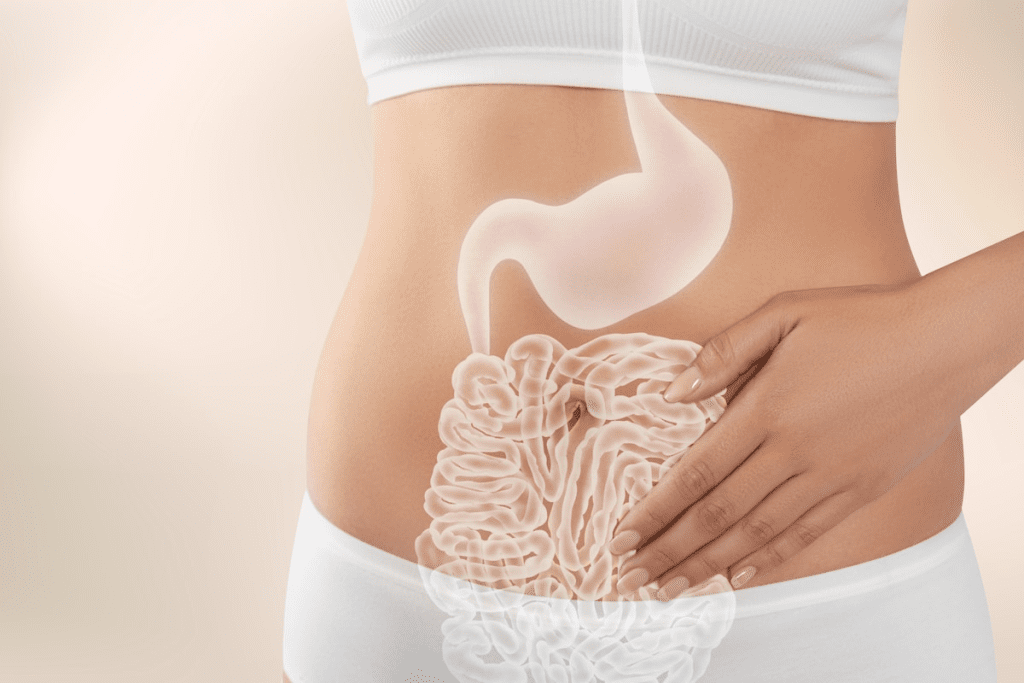
Gastrointestinal birth defects happen when the digestive system doesn’t develop properly. These can be from mild to very serious. Examples include esophageal atresia, intestinal atresia, and biliary atresia.
Worldwide, these defects cause about 0.98% of deaths in newborns and 1.11% in infants. It’s key to find and treat these problems early.
How These Defects Affect Newborn Health
Gastrointestinal birth defects can really hurt a newborn’s health. They can make it hard to feed, cause belly swelling, and lead to vomiting. These problems can cause malnutrition, dehydration, and serious health issues if not fixed quickly. We stress the need for a detailed check-up and quick treatment. This helps lessen the harm these defects can cause.
Signs and Symptoms in Newborns
Newborns with these defects might show signs like belly pain, swelling, and vomiting. Doctors use X-rays and ultrasounds to find the problem. Spotting these signs early is key to finding the right treatment.

Understanding gastrointestinal birth defects helps us support families and healthcare teams. This way, we can better handle these complex issues.
Normal Digestive System Development: Do Babies Poop in the Womb?
The development of a fetus’s digestive system is complex and fascinating. It starts early in pregnancy and is key for the baby’s health after birth. Do babies poop in the womb? Usually, they don’t. However, sometimes babies pass meconium before birth. Understanding do babies poop in the womb helps explain fetal health and delivery complications.
Stages of Fetal Digestive System Formation
The fetal digestive system begins around the third week of gestation. By the fourth week, the primitive gut forms. It then differentiates into parts like the esophagus, stomach, small intestine, and large intestine.
By the eighth week, the digestive system starts practicing contractions. This prepares it for life outside the womb. Swallowing and absorbing nutrients from the amniotic fluid become more active. This helps in the development of meconium.
Key stages include:
- Formation of the primitive gut
- Differentiation into various parts of the digestive system
- Practice contractions and swallowing
Meconium Development and Function
Meconium is the first feces produced by the fetus. It forms in the intestines by the 16th to 20th week of gestation. It’s a mix of materials ingested in the womb, like intestinal cells, lanugo, mucus, amniotic fluid, bile, and water.
Meconium is important for checking fetal health. Any abnormalities in meconium can signal issues, like intestinal obstruction or cystic fibrosis.

When Does an Infant’s Digestive System Mature?
An infant’s digestive system matures after birth. By birth, it’s somewhat ready to start processing food. But it takes months to years for it to fully mature.
Breast milk or formula gives the necessary nutrients. As the baby grows, their digestive system adapts. Introducing solid foods is a big step, usually around 4 to 6 months.
Signs of a maturing digestive system include:
- Ability to digest a variety of foods
- Regular bowel movements
- Reduced the incidence of infant tummy issues
At LivHospital, we support parents through this journey. We guide them on normal digestive development and address any concerns about their infant’s digestive health.
5 Common Types of Gastrointestinal Birth Defects
It’s important to know about common gastrointestinal birth defects to help newborns. These defects affect the digestive system in different ways. At LivHospital, our specialists are ready to help diagnose and treat these issues.
Esophageal Atresia and Tracheoesophageal Fistula
Esophageal atresia and tracheoesophageal fistula happen when the esophagus doesn’t form properly. This makes it hard for babies to eat. Esophageal atresia blocks the esophagus, while tracheoesophageal fistula connects it to the trachea, causing breathing problems during meals.
Symptoms include: trouble feeding, coughing, or choking, and sometimes blue skin due to lack of oxygen.
Small Intestinal Atresia and Stenosis
Small intestinal atresia and stenosis are blockages in the small intestine. Atresia blocks it completely, and stenosis narrows it. These blockages stop food from moving through the intestine.
Common signs include: vomiting, swollen belly, and not passing meconium.
Rectal and Large Intestinal Malformations
Rectal and large intestinal malformations affect the rectum and large intestine. They can be mild or serious. The severity decides the symptoms and treatment.
Treatment often involves surgery to fix the problem.
Biliary Atresia
Biliary atresia means the bile ducts are missing or blocked. This causes bile to build up in the liver, damaging it. Quick diagnosis and surgery are key to avoiding liver damage.
Symptoms include: jaundice, dark urine, and pale stools.
At LivHospital, we focus on catching these birth defects early. Our team works hard to give newborns the best care, from diagnosis to treatment and follow-up.
Causes and Risk Factors for Digestive Birth Defects
Gastrointestinal birth defects are complex and can come from many sources. These include genetics, environment, and more. Understanding these factors is key to preventing these malformations.
Genetic Factors and Inheritance Patterns
Genetics are a big part of gastrointestinal birth defects. Some genetic mutations can mess up the digestive system’s growth in the womb. Conditions can be passed down in families, with one or two copies of a mutated gene causing the issue.
Genetic counselling can help families with a history of these conditions. It helps them understand their risks and plan for the future.
Environmental Influences During Pregnancy
What happens during pregnancy can also affect the risk of these defects. Things like tobacco smoke, alcohol, and certain meds can increase the risk. So can conditions like diabetes and obesity in the mother.
Staying healthy and going to prenatal check-ups can help. It’s important for pregnant women to know about digestive issues during pregnancy. They should talk to their doctor about any worries.
Associated Conditions and Syndromes
Some birth defects are linked to other conditions or syndromes. For example, some genetic syndromes include digestive problems. Finding these connections is important for the best care for babies.
We work with families to diagnose and manage these complex cases. We make sure they get the support they need.
Diagnosis and Treatment of Infant Digestive System Issues
Early diagnosis and treatment are key to managing birth defects in the gut. At LivHospital, we take a detailed approach to diagnose and treat digestive issues in infants. This ensures the best care for newborns.
Prenatal Screening and Detection
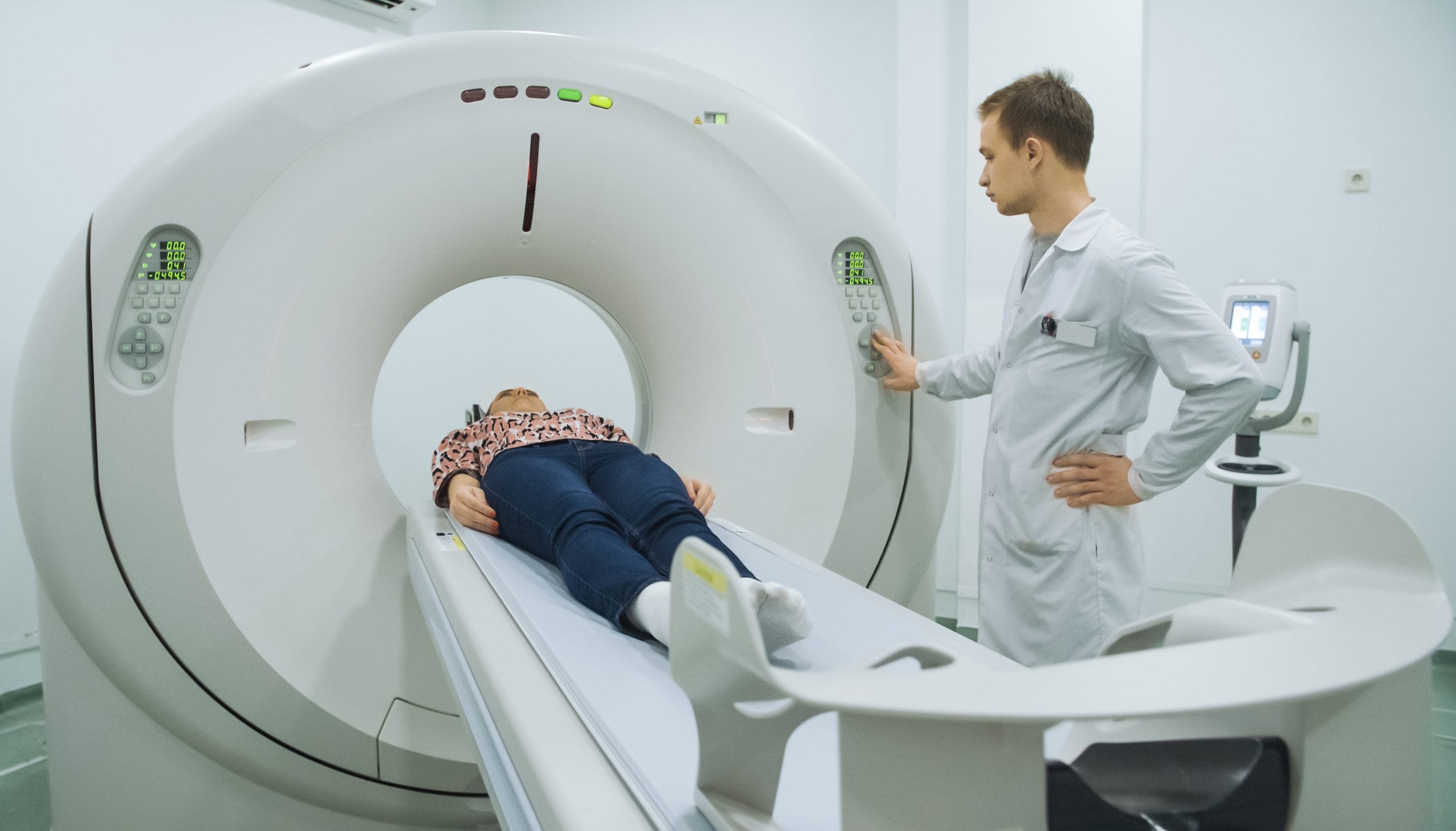
Prenatal screening is vital for spotting gut problems before birth. Advanced ultrasound and fetal MRI help identify issues early. This allows for better planning for care after birth.
“Prenatal diagnosis has changed how we manage gut problems at birth,” says a specialist.
Postnatal Diagnostic Procedures
After birth, several tests are done to check the infant’s health. These include X-rays, ultrasound, and endoscopy. Our team uses these tools to create a treatment plan just for the baby.
For example, X-rays can confirm esophageal atresia by showing a tube in the upper esophagus. An echocardiogram also checks for heart problems.
Surgical Interventions and Timing
Surgery is often needed for many gut birth defects. The timing of surgery depends on the condition and the baby’s health. For instance, esophageal atresia might need surgery early, sometimes in the first few days.
Our team of pediatric surgeons and neonatologists works together to plan the best surgery timing. “A team effort is key to successful surgery,” says our lead surgeon.
Managing Newborn Tummy Problems After Treatment
After treatment, it’s important to manage tummy issues in newborns. This might include special feeding or medicines for reflux or constipation.
At LivHospital, we offer detailed post-treatment care. This includes dietary advice and follow-up visits. Our goal is to support families through their child’s recovery.
Conclusion of Section 6: Diagnosing and treating infant digestive system issues needs a team effort. From prenatal screening to postnatal care and surgery, timely and right treatment improves health outcomes for newborns with gut birth defects.
Conclusion: Living with Gastrointestinal Birth Defects
Gastrointestinal birth defects, like a gap anus or a baby born without an anus, need careful care and management. At LivHospital, we aim to offer top-notch healthcare and support to families dealing with these issues.
With the right care, many kids with these birth defects can live healthy lives. Our focus on advanced medical care and teamwork ensures our patients get the best treatment. We know how complex these conditions are and are ready to help.
Learning about the causes, types, and treatments can help improve care for newborns with these defects. Our team is committed to giving personalized care. We focus on the unique needs of each patient and their family.
FAQ’s:
What are gastrointestinal birth defects?
Gastrointestinal birth defects are problems in the digestive system that babies are born with. They happen in about 10 per 10,000 babies worldwide.
What are the common signs and symptoms of gastrointestinal birth defects in newborns?
Babies with these defects might have trouble eating, feel bloated, and vomit.
When does an infant’s digestive system mature?
A baby’s digestive system starts to develop early in the womb. It keeps growing after birth. It usually gets fully developed in the first few months.
What is meconium, and what is its significance?
Meconium is the first poop a fetus makes. It shows if the fetus is healthy.
What are the treatment options for gastrointestinal birth defects?
Doctors often use surgery to fix these defects. The exact treatment depends on the defect’s type and how bad it is.
Can gastrointestinal birth defects be detected prenatally?
Yes, some defects can be found before birth through tests and screenings.
What are the risk factors for digestive birth defects?
Things like genes, what happens during pregnancy, and other conditions can raise the risk.
How are newborn tummy problems managed after treatment for gastrointestinal birth defects?
After treatment, managing tummy issues involves careful postnatal care and regular check-ups with a doctor.
What is an anus gap, and how is it related to gastrointestinal birth defects?
An anus gap, or anorectal malformation, is when the anus doesn’t form properly. It’s a type of birth defect.
What are the common types of gastrointestinal birth defects?
Common defects include esophageal atresia, small intestinal atresia, and problems with the rectum and large intestine. Biliary atresia is another type.
How do gastrointestinal birth defects affect newborn health?
These defects can really hurt a newborn’s health. They cause symptoms and can lead to serious problems if not treated.
What is the medical term for a baby born without an anus?
A baby without a formed anus is called an anorectal malformation.
References
- Centers for Disease Control and Prevention. (2022). Facts about Esophageal Atresia and Tracheoesophageal Fistula. Retrieved from https://www.cdc.gov/ncbddd/birthdefects/esophagealatresia.html
- U.S. National Library of Medicine. (2023). Intestinal Atresia. Retrieved from https://medlineplus.gov/intestinalatresia.html
- National Institute of Diabetes and Digestive and Kidney Diseases. (2021). Biliary Atresia. Retrieved from https://www.niddk.nih.gov/health-information/liver-disease/biliary-atresia