Last Updated on November 17, 2025 by Ugurkan Demir
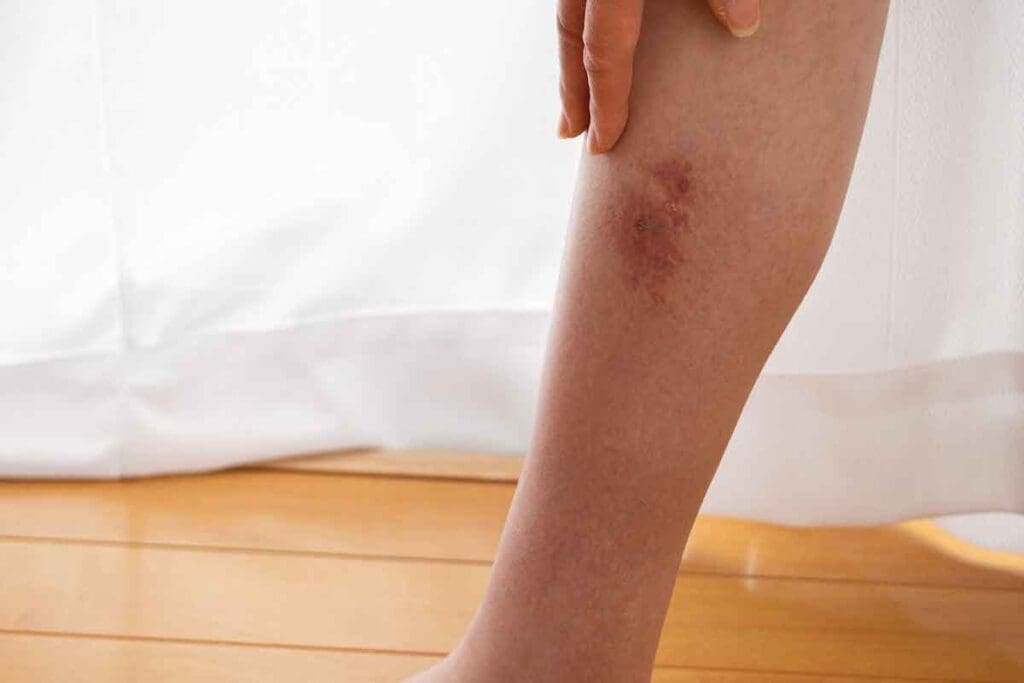
Seeing a discolored, tender spot on your leg can be worrying. Many people wonder, do blood clots cause bruising, or is it just a normal bruise? At Liv Hospital, we guide patients through clear diagnosis and care, helping them understand what’s really happening under the skin.
Understanding this question — do blood clots cause bruising — is key because both conditions involve blood vessel damage. A bruise usually appears after an injury when blood leaks into nearby tissues. However, a clot forms inside a vessel, blocking blood flow and possibly leading to serious health issues.
Some patients notice color changes or swelling and ask again, do blood clots cause bruising in the affected area? While bruises fade with time, blood clots may cause pain, warmth, or firmness under the skin.
If you ever question, do blood clots cause bruising, it’s best to talk to your doctor. At Liv Hospital, our specialists explain when bruising might be harmless and when it could signal something more serious.
To stay safe, always remember — if you see unusual bruising or pain and still wonder, do blood clots cause bruising, seek medical help right away. Quick diagnosis can prevent complications and ensure your safety.
Key Takeaways
- Distinguishing between a bruise and a blood clot is key for the right diagnosis and treatment.
- Bruises and blood clots have different causes and possible problems.
- Knowing the symptoms and signs of each can help guide medical care.
- Liv Hospital’s patient-centered approach ensures accurate diagnosis and effective treatment.
- Quick medical attention is vital to address any complications.
Understanding Bruises and Blood Clots
It’s important to know the difference between bruises and blood clots. This knowledge helps in diagnosing and treating these conditions properly.
What Is a Bruise?
A bruise happens when blood vessels get damaged. This damage lets blood leak into the tissue around it. This is why bruises turn the skin blue or purple.
Bruises usually come from hitting or falling. They can be mild or severe. Most bruises heal by themselves, but some need doctor’s care.
What Is a Blood Clot?
A blood clot forms when a blood vessel gets hurt. It’s a way for the body to stop bleeding. But, sometimes clots form without injury.
Clots can be dangerous if they move to places like the lungs or brain. Knowing the signs of a dangerous clot is key to getting help fast.
Why Knowing the Difference Matters
It’s critical to tell a bruise from a blood clot because their treatments are different. Bruises are usually not serious, but blood clots can be deadly.
| Characteristics | Bruise | Blood Clot |
| Cause | Damage to capillaries, usually due to trauma | Formation of a clot within a blood vessel, often in response to injury or stagnation |
| Symptoms | Discoloration, swelling, pain | Swelling, pain, warmth, redness (if near the surface) |
| Complications | Generally resolves on its own, but can be associated with more severe injury | Can lead to serious conditions like pulmonary embolism or stroke if the clot dislodges |
Knowing the difference helps people get the right medical care. We’ll look at more visual and symptom differences in the next sections.
Visual Appearance: Bruise vs. Blood Clot
It’s important to know how to tell bruises and blood clots apart. Their looks can tell us a lot about what’s happening and how serious it is.
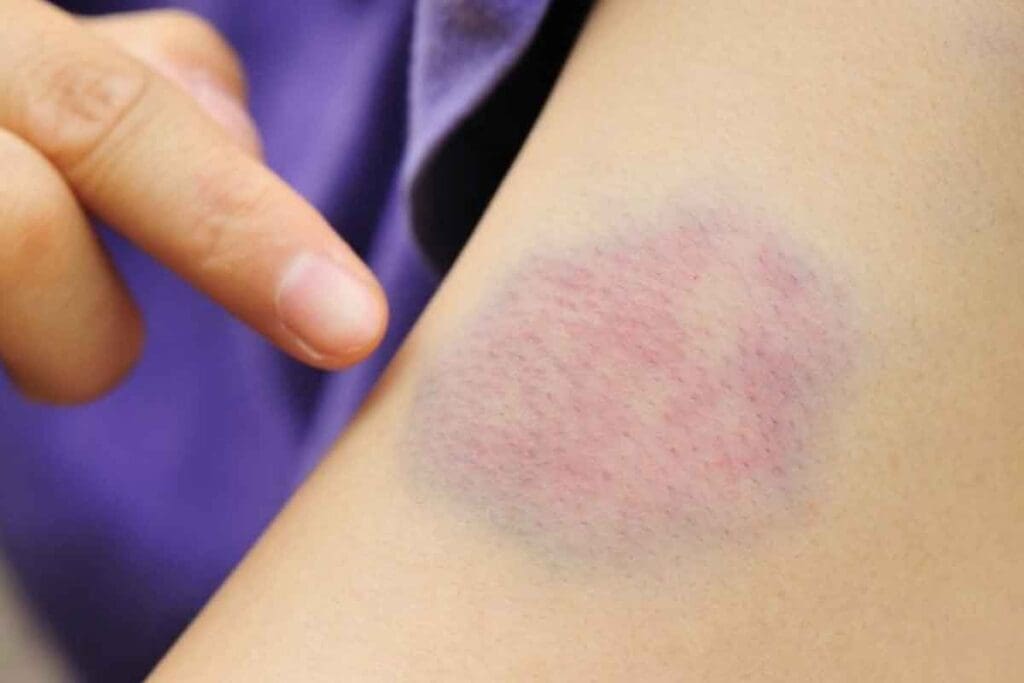
Color and Appearance of Bruises
Bruises change color as they heal. They start off red or purple because of the fresh blood. Then, they turn green or yellow and eventually brown or tan before they disappear. This color change shows how the body is breaking down and absorbing the blood.
How Blood Clots Look Near the Surface
Blood clots near the skin look red or purple. They might also swell and feel warm. Unlike bruises, blood clots keep their color and don’t change much as they heal.
Deep Vein Thrombosis (DVT) Appearance
DVT, a blood clot in deep veins, often doesn’t show signs on the skin. But sometimes, it can cause swelling, redness, or warmth in the affected limb. The skin might also feel tender or painful. It’s important to remember that DVT can be hard to spot just by looking at it.
Changes in Appearance Over Time
Bruises and blood clots look different as they change over time. Bruises change color and fade away. Blood clots stay the same. Watching how they change can help us tell them apart.
| Characteristics | Bruise | Blood Clot |
| Color Change | Changes color as it heals (red, purple, green, yellow, brown) | Maintains color (red or purple) |
| Swelling | May be accompanied by swelling | Often accompanied by swelling and warmth |
| Warmth to Touch | Not typically warm to the touch | May be warm to the touch |
Physical Sensations and Symptoms
Bruses and blood clots have different physical sensations and symptoms. Knowing these differences is important for diagnosing the right condition. Both can cause discomfort, but the pain and other symptoms can tell us a lot about what’s happening.
How a Bruise Feels
A bruise is tender to the touch and can hurt, mainly at first. But as it heals, the pain gets better. The area might swell and feel sensitive, but these signs usually get better with time.
Sensations Associated with Blood Clots
Blood clots can cause sharp, ongoing pain and warmth or tenderness in the affected area. The skin might look red or change color. Unlike bruises, blood clot pain doesn’t always get better and can get worse if not treated.
Pain Differences Between the Two
The pain from bruises is usually on the surface and related to skin and tissue damage. Blood clots, on the other hand, cause deeper, more severe pain because they block blood flow.
Swelling and Temperature Changes
Both bruises and blood clots can swell, but blood clot swelling is more noticeable and may feel warm. This warmth is due to inflammation from the clot. Here’s a table showing the main differences:
| Symptom | Bruise | Blood Clot |
| Pain Nature | Superficial, tender | Deep, sharp, persistent |
| Swelling | Moderate | Pronounced |
| Temperature | Usually normal | Often warm to the touch |
It’s important to know the differences between bruises and blood clots. If your symptoms are severe or don’t go away, see a doctor. They can give you the right diagnosis and treatment.
Do Blood Clots Cause Bruising?
Blood clots and bruises are different, but they can happen together after a big injury.
The Relationship Between Clots and Bruises
Blood clots form when blood thickens inside a blood vessel. Bruises happen when blood leaks into the tissue around the injury. Severe injuries can cause both because of the damage to blood vessels and the healing process.
The formation of a blood clot is a natural response to injury, aiming to stop bleeding. Bruising is a result of blood escaping from the vascular system into the soft tissues.
When Both Conditions Might Occur Together
Significant trauma, like fractures or severe sprains, can lead to both blood clots and bruising. The trauma damages blood vessels, causing blood to leak into tissues (bruising) and forming clots to prevent too much bleeding.
“The presence of a blood clot does not directly cause bruising, but both can be consequences of a significant injury.” – Medical Expert
Common Misconceptions
Many think blood clots always cause bruising. But, a clot inside a vessel doesn’t always lead to bruising. Bruising needs blood to leak out of the vessels.
| Condition | Cause | Symptoms |
| Blood Clot | Coagulation inside a blood vessel | Swelling, pain, warmth |
| Bruise | Blood leaking into tissues | Discoloration, swelling, pain |
It’s important to know the difference between blood clots and bruises for proper treatment. They can happen together, but it’s key to understand their symptoms and causes for the right care.
Location-Specific Differences in the Leg
The place where bruises and blood clots appear on the leg matters a lot. It affects how they feel and the risks they carry. Knowing these differences helps doctors diagnose and treat better.
Calf Bruises vs. Calf Blood Clots
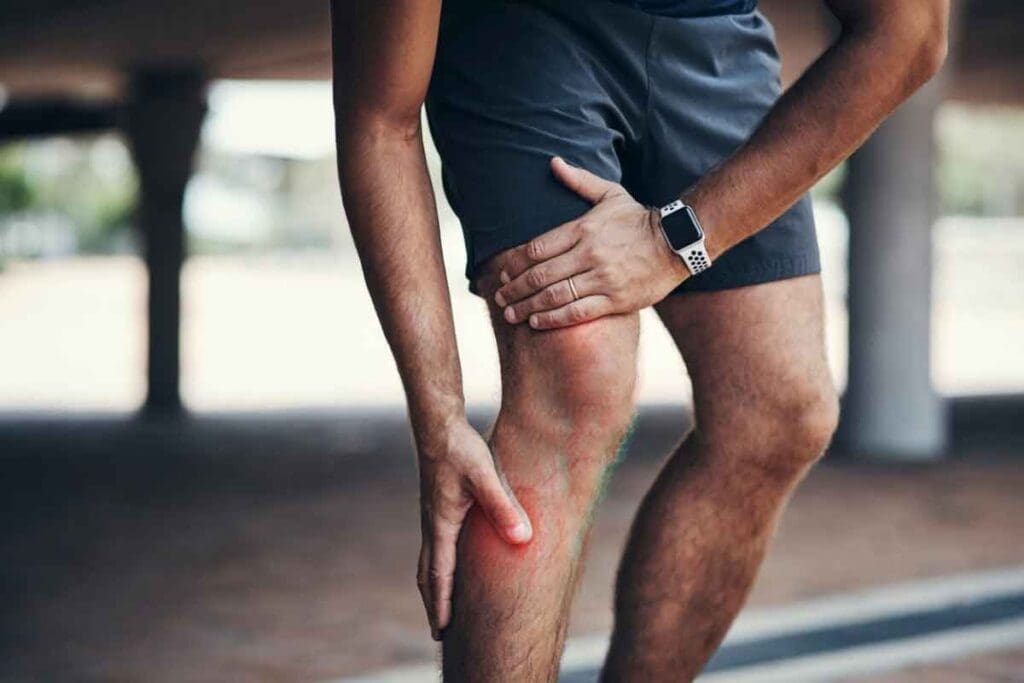
Bruises in the calf usually come from hitting the muscle. They make the area hurt, swell, and turn colors. But, a blood clot in the calf, linked to Deep Vein Thrombosis (DVT), is more serious. Calf blood clots can be very dangerous if not treated fast.
Here’s what sets calf bruises and blood clots apart:
- Pain characteristics: Bruises hurt when you move or touch them. Blood clots cause a constant, dull ache.
- Swelling: Both can swell, but blood clots swell more.
- Warmth and redness: Blood clots often make the area warm and red.
Thigh Bruises vs. Thigh Blood Clots
Thigh bruises and blood clots are similar but different because of the thigh’s size. Thigh bruises are bigger and hurt more because of the bigger muscles. Thigh blood clots, though less common, can happen in deeper veins.
Here’s what makes thigh bruises and blood clots different:
- Size and severity: Thigh bruises are bigger, but blood clots are more dangerous because they can travel to the lungs.
- Symptoms: Thigh blood clots can cause fever and feeling unwell, along with local symptoms.
How Location Affects Symptoms and Risks
Where bruises and blood clots are in the leg changes how they feel and the risks they pose. For example, DVT in the calf or thigh can lead to serious problems like a pulmonary embolism. It’s key to know these location-specific symptoms for the right diagnosis and treatment.
In short, knowing the differences between bruises and blood clots in different parts of the leg is key for good care. If you think you might have either, seeing a doctor is important to find out what’s wrong and how to fix it.
Risk Factors and Prevention
Knowing the risk factors for blood clots and bruises is key to prevention and early detection. By identifying those at risk and understanding the causes, we can take steps to lower these risks.
Who Is at Risk for Blood Clots?
Several factors increase the risk of blood clots. These include genetic predisposition, smoking, obesity, and prolonged immobility. Genetic predisposition plays a big role, with conditions like Factor V Leiden thrombophilia increasing the risk. Lifestyle factors such as smoking and obesity also play a part, affecting blood circulation and clotting. Prolonged immobility, seen in long-haul flights or bedridden patients, is another critical risk factor.
| Risk Factor | Description |
| Genetic Predisposition | Conditions like Factor V Leiden thrombophilia |
| Smoking | Affects blood circulation and clotting |
| Obesity | Increases pressure on veins |
| Prolonged Immobility | Long-haul flights or bedridden patients |
Common Causes of Leg Bruising
Leg bruising can come from trauma, certain medications, and health conditions. Trauma is a common cause, often from accidents or injuries. Certain medications, like anticoagulants, can cause bruising by thinning the blood. Health conditions like vitamin deficiencies or blood disorders can also increase bruising risk.
“Bruising can be a sign of an underlying issue, and understanding the cause is key for proper management.”
Medical Expert
Preventive Measures for Blood Clots
To prevent blood clots, we need to address the risk factors. Keeping mobile, managing weight, and avoiding smoking are important steps. For those at high risk, compression stockings and anticoagulant medications may be advised. A healthy lifestyle, including a balanced diet and regular exercise, can also help reduce blood clot risk.
By understanding the risk factors and taking preventive steps, we can lower blood clot and bruising incidence. It’s vital to consult healthcare professionals for personalized advice, if you have health conditions or are at high risk.
When to Seek Medical Attention
Knowing when to get medical help is key for bruises and blood clots. Bruises usually heal by themselves, but some signs need a doctor’s check. Blood clots, like Deep Vein Thrombosis (DVT), need quick action to avoid serious issues.
Warning Signs of a Dangerous Blood Clot
Blood clots can be deadly if they move to the lungs, causing a pulmonary embolism. Warning signs of a dangerous blood clot include:
- Persistent pain or swelling in one leg
- Warmth or redness in the affected limb
- Unexplained shortness of breath or chest pain
- A fast or irregular heartbeat
If you notice these signs, seek medical attention right away.
When a Bruise Requires Medical Care
Most bruises are not serious, but some need a doctor’s visit. Seek medical care if you have:
- Severe bruising without a clear cause
- Bruising with fever or big swelling
- Bruises that don’t get better
Diagnostic Tests Doctors May Perform
Doctors use tests to find out why your leg hurts or swells. These include:
- Ultrasound to see blood flow and find clots
- Blood tests for clotting problems
- Venography, an X-ray test with dye for veins
Treatment Options for Each Condition
For bruises, rest, ice, compression, and elevation (RICE) help. Blood clots get treated with medicines to stop them from growing. Sometimes, more serious treatments are needed.
It’s vital to follow your doctor’s advice and finish all treatment. This ensures healing and avoids problems.
Conclusion
It’s important to know the difference between bruises and blood clots in the leg. We’ve looked at their causes, symptoms, and risk factors. Understanding these differences is key.
Bruises and blood clots look and feel different. Bruises change color and can hurt and swell. Blood clots, like those in DVT, cause ongoing pain, swelling, and warmth in the leg.
Knowing the signs is the first step to getting help. If you have severe pain, swelling, or trouble walking, see a doctor. By knowing the difference, we can manage our health better and avoid serious problems.
In short, knowing about bruises and blood clots helps us take care of our health. If you’re unsure or see warning signs, get medical help. This is important for your well-being.
FAQ
Does a blood clot feel like a bruise?
A blood clot and a bruise can both hurt, but they feel different. Clots cause ongoing pain, swelling, and warmth. Bruises hurt at first but get better over time.
What does a blood clot in the calf look like?
A blood clot in the calf, or DVT, can make the area swell, turn red, or change color. It might feel warm and hurt when touched.
Is it a bruise or blood clot?
Bruises happen when blood leaks into tissues from injury. Blood clots form inside blood vessels. Bruises change color, but clots stay red or purple. If unsure, see a doctor.
Can blood clots look like bruises?
Yes, blood clots can look like bruises if they’re close to the skin’s surface. But, clots cause more severe symptoms like swelling and pain. This helps tell them apart from bruises.
What is the difference between a bruise and a blood clot?
Bruises are from trauma causing blood to leak into tissues. Blood clots form inside blood vessels as a response to injury. Knowing the difference is key for correct diagnosis and treatment.
Do blood clots cause bruising?
Blood clots themselves don’t usually cause bruising. But, they can happen together with bruises, often after a big injury.
How can you tell if you have a blood clot in your leg?
Symptoms of a blood clot in the leg, like DVT, include swelling, pain, warmth, and redness. If you notice these, get medical help right away.
When should I seek medical attention for a bruise or blood clot?
If you have growing pain, swelling, or warmth, or if you’ve had blood clots before, see a doctor. Quick action is important for the right diagnosis and treatment.
What are the preventive measures for blood clots?
To prevent blood clots, stay active, manage your weight, avoid smoking, and live a healthy lifestyle. If you’re at risk, your doctor might suggest anticoagulant medication.
Can bruising be a sign of a blood clot?
While bruising isn’t a direct sign of a blood clot, they can happen together. If you’re worried about bruising or think you might have a clot, talk to a healthcare professional.
References
- Healthline. (2016). Blood Clot or Bruise: What’s the Difference?