


Are you wondering if a cortisone shot can help your sciatica pain? At Liv Hospital, we know how tough sciatica can be. Sciatica pain runs from the lower back to the legs. It’s often caused by herniated discs, spinal stenosis, and piriformis syndrome. Do cortisone shots help sciatica? The ultimate guide to pain relief, effectiveness, and the surprising risks you need to know.
Cortisone injections are used to cut down inflammation in certain body parts. We look into the good and bad sides of cortisone shots for sciatica. This includes their pain relief and effectiveness.
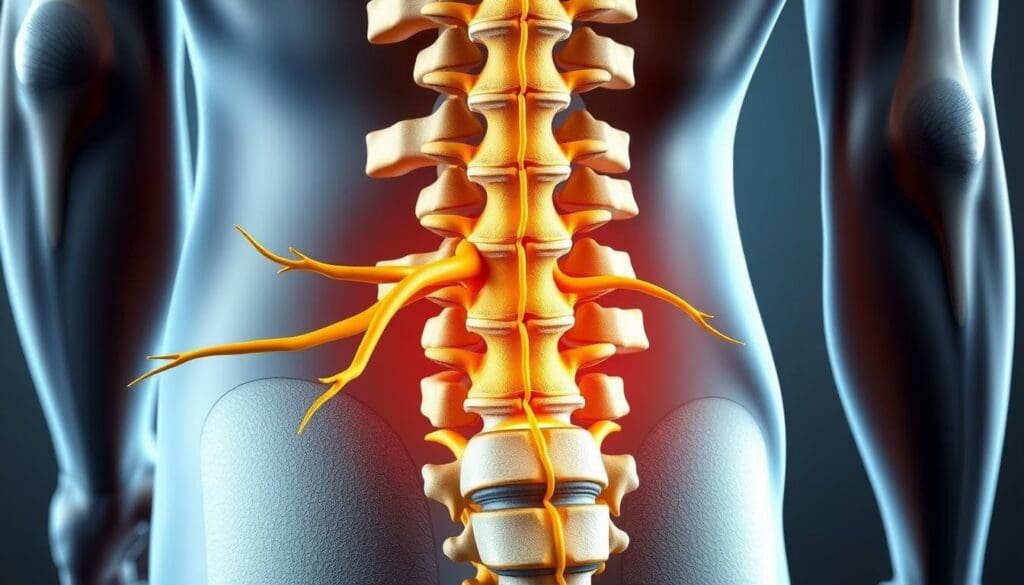
It’s important to know what causes and symptoms sciatica has. Sciatica is a sign of a deeper health problem. We need to find and fix the root cause.
Sciatica happens when something irritates or presses on the sciatic nerve. Here are the main reasons:
Sciatica symptoms can differ from person to person. But common signs include:
| Symptom | Description |
| Radiating Pain | Pain that starts in the lower back and goes down one leg, following the sciatic nerve. |
| Numbness or Tingling | Feeling numb, tingling, or weak in the leg or foot. |
| Muscle Weakness | Feeling weak or tired in the leg or foot, making it hard to move or control. |
Spotting these symptoms is the first step to getting help. Knowing the causes and symptoms helps us find the best treatments. This might include using cortisone shots for pain relief.

Cortisone shots are a common treatment for many inflammatory conditions, including sciatica. They aim to reduce inflammation and ease pain in the affected areas.
Cortisone injections contain corticosteroids, which mimic cortisol, a hormone that fights inflammation. These corticosteroids suppress the immune system’s inflammation response. This reduces swelling and pain in the affected area.
The way cortisone shots work is fascinating. Corticosteroids bind to specific receptors. This action stops the production of pro-inflammatory cytokines and enzymes. This decrease in inflammation brings relief from pain.
There are several types of corticosteroid injections for treating inflammatory conditions like sciatica. The most common ones are:
Each corticosteroid has unique properties and how long they last. The choice depends on the condition, inflammation level, and patient’s medical history.
It’s important to know about the different corticosteroid injections for sciatica. This knowledge helps healthcare providers find the best treatment for each patient.
Cortisone shots for sciatica pain are a big topic for both patients and doctors. We look at the proof that cortisone shots help with sciatica. We focus on how well they work based on studies and what affects their success.
Studies show cortisone shots can help with sciatica pain for a short to medium time. About 60 to 75 percent of people see less pain after getting a shot. These results are good, but we need to know the study’s limits.
Studies differ in who they studied, how much cortisone was used, and how they measured success. Yet, most studies agree: cortisone shots can help with sciatica pain for a while.
Many things can change how well cortisone shots work for sciatica. These include why the sciatica started, how well the shot was given, and the patient’s health.
Let’s look at what affects how well treatment works:
| Factor | Description | Impact on Outcome |
| Cause of Sciatica | Inflammatory vs. compressive causes | Inflammatory causes may respond better to cortisone |
| Accuracy of Injection | Precision in delivering cortisone to the affected area | Higher accuracy can lead to better outcomes |
| Patient Health | Presence of comorbidities, overall health status | Patients with fewer comorbidities may experience better relief |
Knowing these factors helps set realistic hopes and make smart choices about cortisone shots for sciatica. By looking at the evidence and each person’s situation, doctors and patients can find the best treatment plan.
Cortisone injections are a promising way to tackle sciatic pain. They aim to reduce inflammation around the sciatic nerve. This method is designed to tackle the pain at its source.
Cortisone injections work by cutting down inflammation. Corticosteroids in these shots stop the body from making inflammatory chemicals. This action reduces swelling and pain, helping the area heal.
Another big plus of cortisone injections is how they deliver medicine directly to the affected area. They focus on the area around the sciatic nerve. This targeted method boosts treatment effectiveness and cuts down on side effects.
To wrap it up, cortisone injections fight sciatic pain in two ways. They reduce inflammation and deliver medicine right to the problem spots. This approach not only eases pain but also helps the area heal.
Gluteal injections of cortisone are becoming a popular treatment for sciatica, mainly for those with piriformis syndrome. We’ll look into how these shots in the buttocks can help with sciatica caused by this condition.
Piriformis syndrome happens when the piriformis muscle presses on the sciatic nerve. This causes pain and discomfort. Cortisone shots can be given directly to the piriformis muscle to lessen inflammation and ease symptoms.
Research supports the use of gluteal injections for piriformis syndrome. It shows that corticosteroid injections can greatly reduce pain and improve function in those affected.
Administering cortisone shots in the buttocks needs precision and skill. The shot must be accurately aimed at the piriformis muscle for the corticosteroid to work well.
Healthcare providers use techniques like ultrasound guidance to place the injection correctly. This precision is key to getting the most benefit while avoiding side effects.
The following table summarizes key aspects of cortisone shots for piriformis syndrome:
| Aspect | Description | Benefit |
| Targeted Treatment | Cortisone shots directly into the piriformis muscle | Reduces inflammation and pain |
| Technique | Use of ultrasound guidance for precise injection | Ensures accurate delivery of corticosteroid |
| Clinical Evidence | Studies supporting the effectiveness of cortisone shots for piriformis syndrome | Provides a basis for treatment decisions |
It’s important to know who gives cortisone shots for sciatica. These shots are a common way to treat sciatica pain. But, they need to be given carefully by someone with the right skills.
Many medical specialists can give cortisone shots for sciatica. These include:
It’s key to pick a healthcare provider who is both qualified and has experience with these shots.
When picking a healthcare provider for cortisone shots, think about a few things:
| Criteria | Description | Importance Level |
| Specialization | Relevant specialty such as orthopedics or pain management | High |
| Experience | Number of cortisone injections administered | High |
| Patient Reviews | Feedback from previous patients | Medium |
| Facility Accreditation | Accreditation status of the treatment facility | High |
Looking at these factors can help you choose the right healthcare provider for cortisone shots.
It’s vital to make sure cortisone shots are given by a qualified person. This ensures they work well and are safe. Knowing who can give these shots and what to look for in a healthcare provider helps manage sciatica better.
The cortisone injection process is simple and involves several steps. These steps include preparation and post-injection care. Knowing what to expect can make patients feel more at ease.
First, the healthcare provider will clean the injection site to prevent infection. Sometimes, a local anesthetic is used to numb the area. But this isn’t always needed.
The cortisone is then injected into the targeted area with a sterile needle. This part usually takes just a few minutes. The whole process, including getting ready, takes about 15 to 30 minutes.
The accuracy of the injection is key for its success. Guided injections use imaging like fluoroscopy or ultrasound. This ensures the cortisone goes exactly where it’s needed. This is very important for conditions like sciatica, where the area is deep.
After the injection, patients are watched for any immediate reactions. Most can go back to their usual activities right away. But, some might feel more pain or discomfort at the injection site. Ice can help with swelling and pain.
It’s best to avoid hard activities for a day or two. Your doctor might give you specific care instructions. They might also schedule follow-up visits to check how the treatment is working.
Learning about cortisone injections can ease worries and prepare patients. By understanding the steps from start to finish, patients can feel more confident about the treatment.
Knowing when and how long cortisone shots work is key. They’re often used to ease sciatica pain. But, how fast and long they work can change a lot.
How quickly you feel better from cortisone shots can vary. Some people see relief right away, within hours. This fast relief comes from the shot’s anti-inflammatory effects, which quickly reduce swelling and nerve pressure.
But, others might not feel better until days later. This delay is because it takes time for the corticosteroid to fully work and for the inflammation to go down. Knowing this helps set the right expectations.
How long cortisone shots keep pain away also varies. Relief might last weeks or months for some. The shot’s success depends on several things, like how bad the pain is and how well the shot was given.
A list of factors influencing the duration of relief includes:
Doctors say, “The shot’s lasting relief depends on the corticosteroid’s strength and how it’s given.” Knowing these details helps both patients and doctors plan better treatments.
In short, cortisone shots can really help with sciatica pain. But, how fast and long they work can differ. Understanding this helps patients and doctors plan better treatments together.
It’s important to know the side effects and risks of steroid injections. They are usually safe but can have some issues.
Common side effects include pain at the injection site, facial flushing, and trouble sleeping. These problems are usually short-lived and go away by themselves.
Though rare, serious problems like infection, nerve damage, and tendon rupture can happen. Knowing these risks is key when thinking about steroid injections.
Getting steroid injections too often can cause long-term issues like cartilage damage and osteoporosis. It’s important to manage how often and how many injections you get to avoid these problems.
Talking to a healthcare provider about the risks and benefits is a good idea. This way, you can make a smart choice about using steroid injections for sciatica pain.
Not everyone finds relief from cortisone shots for sciatica. This leaves some patients wondering what went wrong. Cortisone injections are a common treatment for sciatica pain. But, their success can vary.
Several factors can make cortisone shots for sciatica not work. These include:
Knowing these reasons is key to figuring out what to do next.
If a cortisone shot doesn’t help, there are other options to try:
| Treatment Option | Description |
| Physical Therapy | A customized exercise program to improve mobility and strengthen the back muscles. |
| Alternative Injection Therapies | Other types of injections, such as hyaluronic acid or platelet-rich plasma (PRP) injections, may be considered. |
| Surgical Consultation | In severe cases, surgical options may be explored to address the underlying cause of sciatica. |
It’s important to talk to a healthcare provider to find the best next steps.
By understanding why treatments fail and looking at other options, patients can work with their healthcare providers. Together, they can find an effective plan for managing sciatica pain.
If you have sciatica, looking into other treatments can help manage your pain. Cortisone shots are common, but there are other ways to find relief or add to your current treatment.
Non-invasive treatments aim to ease sciatica pain. Physical therapy is often suggested. It improves flexibility, strengthens muscles, and helps posture, which can lessen sciatic nerve pressure.
Acupuncture is also popular for chronic pain, including sciatica. It works by stimulating body points to reduce inflammation and aid healing.
There are more injection therapies than just cortisone shots for sciatica pain. Platelet-rich plasma (PRP) injections use your own platelets to heal the area. This method is being studied for sciatica treatment.
Prolotherapy and nerve blocks target specific pain spots. They offer alternatives to cortisone shots for some patients.
For severe sciatica not helped by other treatments, surgery might be needed. Procedures like microdiscectomy or laminectomy aim to relieve nerve pressure.
It’s key to talk to healthcare experts to find the best treatment. Exploring these options can lead to effective pain management tailored to your needs.
Thinking about cortisone shots for sciatica? It’s key to look at the good and the bad. Knowing how they work, their success rate, and possible side effects helps you decide.
We’ve looked into what causes sciatica, how cortisone shots work, and if they really help. For some, these shots can lessen pain by reducing swelling and hitting the right spots.
But, it’s also important to think about other treatments. This includes non-invasive methods and other types of injections. Talking to a doctor about these options can help find the best treatment for you.
Understanding all your treatment choices is vital when deciding on cortisone for sciatica. By weighing the pros and cons, you can manage your care better and get the best results.
Cortisone shots can help by reducing swelling around the sciatic nerve. But, how well they work depends on your sciatica’s cause and your health.
Cortisone shots are injections of anti-inflammatory meds. They help by lessening swelling and pain around the sciatic nerve.
Yes, shots in the buttocks can treat piriformis syndrome. They’re given to the piriformis muscle to reduce swelling and relieve nerve pressure.
Doctors like orthopedic specialists and pain management experts can give these shots. It’s important to choose a qualified doctor for safe and correct injections.
Side effects include pain and swelling at the site, and temporary high blood sugar. Rare but serious issues include infection, nerve damage, and allergic reactions.
Relief times vary. Some feel better right away, while others take days or weeks. Pain relief can last from weeks to months.
If shots don’t help, talk to your doctor about other options. This could include other injections, physical therapy, or surgery, based on your sciatica’s cause.
Yes, options include physical therapy, chiropractic care, and pain meds. Other treatments like PRP injections and surgery might also be considered.
Repeated shots are possible but carry risks like weakened tendons and bone thinning. Your doctor will guide you on the best treatment.
Discuss your medical history and any allergies or meds with your doctor. You might need to stop certain meds beforehand. Your doctor will explain the procedure and what to expect.
