Uterine fibroids are noncancerous growths that many women face. Up to 80 percent of women have them by age 50. These growths in the uterine wall grow because of estrogen and progesterone. Women often hope their fibroids will shrink as they approach menopause, easing their symptoms. Do fibroids shrink after menopause? Get the surprising, essential answer. We reveal the vital facts about fibroids and hormonal changes.
Many think fibroids vanish after menopause. But it’s not that simple. Knowing what happens to fibroids during and after menopause is key. This knowledge helps women make better choices about their treatment.
Key Takeaways
- Uterine fibroids are benign growths that affect up to 80% of women by age 50.
- The growth of fibroids is mainly due to estrogen and progesterone.
- The idea that fibroids automatically disappear after menopause is too simple.
- Hormonal changes during menopause affect fibroid growth.
- It’s important to understand how fibroids behave after menopause to manage symptoms.
Understanding Uterine Fibroids

Uterine fibroids, also known as myomas or leiomyomas, are common in women, mainly during their reproductive years. These growths can affect a woman’s life quality, causing various symptoms that differ in severity.
What Are Uterine Fibroids?
Uterine fibroids are benign tumors found in or around the uterus. They are made of muscle and fibrous tissue. Their size can range from small to large, affecting the uterus shape.
The exact cause of fibroids is not fully known. But, they are influenced by hormones, like estrogen and progesterone.
Types of Fibroids and Their Locations
Fibroids can be classified by their location in or around the uterus. The main types include:
- Intramural Fibroids: These are the most common type and develop within the muscular wall of the uterus.
- Submucosal Fibroids: These fibroids project into the uterine cavity and can cause heavy menstrual bleeding.
- Subserosal Fibroids: These grow on the outside of the uterus and can become quite large.
- Pedunculated Fibroids: These are attached to the uterus by a stalk-like structure.
Type of Fibroid | Location | Common Symptoms |
Intramural | Within the uterine wall | Heavy bleeding, pelvic pressure |
Submucosal | Projecting into the uterine cavity | Heavy menstrual bleeding, prolonged menstrual periods |
Subserosal | On the outside of the uterus | Pelvic pressure, constipation |
Common Symptoms of Fibroids
The symptoms of uterine fibroids vary based on size, number, and location. Common symptoms include:
- Heavy or prolonged menstrual bleeding
- Pelvic pain or pressure
- Frequent urination
- Constipation
- Infertility or recurrent miscarriage
Understanding these aspects of uterine fibroids is key to managing symptoms and choosing the right treatment.
The Prevalence of Fibroids Among Women

Uterine fibroids are common, affecting women’s health in many ways. About 70 to 80 percent of women will get fibroids at some point. Most cases happen between 30 and 50 years old.
It’s important to know about fibroids and who’s at risk. This helps doctors and women catch and manage the condition early.
Statistics on Fibroid Occurrence
Research shows two in three women will get a fibroid at some time. The most common time is between 40 and 50 years old. This highlights how big of a health issue fibroids are for women.
Risk Factors for Developing Fibroids
Several things can make a woman more likely to get fibroids. These include:
- Family History: If your family has fibroids, you’re more likely to get them.
- Age: Your risk goes up in your 30s and 40s.
- Ethnicity: Women of African descent are more likely to get fibroids.
- Hormonal Influences: Hormones like estrogen and progesterone help fibroids grow.
Knowing these risk factors helps find and manage fibroids early. This improves life for women with the condition.
The Relationship Between Hormones and Fibroids
Fibroids grow because they are sensitive to estrogen and progesterone. These hormones are key in making fibroids grow. Knowing how they work helps us manage symptoms better.
How Estrogen and Progesterone Affect Fibroid Growth
Estrogen and progesterone are important for fibroids. Estrogen makes the uterine lining grow, helping fibroids expand. When estrogen levels fall, like during menopause, fibroids often shrink.
Progesterone also affects fibroid growth. It controls how fast fibroids grow by managing cell life and death. The mix of estrogen and progesterone shapes how fibroids behave.
The Role of Growth Factors in Fibroid Development
Other than hormones, growth factors like VEGF and EGF help fibroids grow. They make cells multiply and new blood vessels form. This is vital for fibroids to grow.
The mix of hormones and growth factors creates a special environment for fibroids to grow. Knowing this is key to finding good treatments for fibroids.
Do Fibroids Shrink After Menopause?
Menopause brings big changes, and many wonder about fibroids. The drop in estrogen and progesterone can change how fibroids act. We’ll look at how fibroids usually behave after menopause, what studies say, and when they don’t follow the usual pattern.
The General Pattern of Fibroid Behavior Post-Menopause
Most fibroids get smaller after menopause because of lower hormone levels. Estrogen and progesterone help fibroids grow, and without them, they shrink. It’s common for fibroids to shrink after menopause, but how much can differ from person to person.
Research Findings on Post-Menopausal Fibroid Shrinkage
Studies have given us a good idea of what happens to fibroids after menopause. Most fibroids get smaller, with some shrinking by up to 70%. This is mainly because estrogen levels drop, a key change in menopause.
But, not all fibroids act the same. How much and how fast they shrink can vary a lot. Some fibroids might not shrink at all.
Exceptions to the Rule: When Fibroids Don’t Shrink
Not all fibroids get smaller after menopause. The size and type of fibroid, plus how hormones vary, can affect this. In some cases, fibroids stay the same size or even grow, but this is rarer.
It’s important to understand these differences to manage health well. Keeping up with regular check-ups with a doctor is key, even more so during and after menopause.
Fibroids During Perimenopause
Hormonal changes in perimenopause can cause fibroids to grow in some women. This phase, leading up to menopause, sees big changes in hormones. These changes can greatly affect fibroids, making them grow and causing symptoms.
Hormonal Fluctuations and Their Impact on Fibroids
During perimenopause, estrogen levels can swing wildly. This can trigger fibroids to start growing or grow faster. Estrogen and progesterone are key in fibroid growth, and changes in these hormones can really affect symptoms.
Hormonal ups and downs can make fibroid symptoms worse for some women. The irregular changes can make fibroids grow or become more bothersome.
Why Some Fibroids Develop or Grow During Perimenopause
Some fibroids grow during perimenopause because of hormonal instability in this phase. The ups and downs in estrogen and progesterone can make fibroids grow.
Genetics and environmental factors can also play a part in fibroid growth during perimenopause.
Managing Fibroid Symptoms During the Transition
Managing fibroid symptoms in perimenopause needs a full plan. Women should team up with their healthcare providers to track symptoms and create a treatment plan.
Practical ways to manage fibroid symptoms include eating well, exercising, and managing stress. Medical treatments like hormone therapy or pain meds might also be options.
- Maintain a healthy diet and exercise regularly
- Practice stress-reducing techniques such as meditation or yoga
- Consider hormone therapy or other medical treatments as recommended by your healthcare provider
By understanding how perimenopause affects fibroids and working with healthcare providers, women can manage symptoms. This improves their quality of life during this time.
Symptoms of Fibroids Before and After Menopause
It’s important to know how fibroid symptoms change before and after menopause. Symptoms often get better as menopause comes and estrogen levels drop.
How Symptoms May Change During Perimenopause
During perimenopause, fibroid symptoms can change a lot because of hormone shifts. Some women might see their symptoms get worse, like heavy bleeding and pelvic pain. But others might find their symptoms getting better.
“The fluctuation in hormone levels during perimenopause can lead to unpredictable changes in fibroid symptoms.” It’s key for women to watch for these changes to handle their symptoms well.
Post-Menopausal Fibroid Symptoms
After menopause, many women see their fibroid symptoms lessen. As fibroids shrink, symptoms like heavy bleeding often stop. Pelvic pain and pressure also tend to decrease. Yet, some women might keep experiencing symptoms.
- Reduced frequency of heavy menstrual bleeding
- Decrease in pelvic pain and pressure
- Improvement in urinary and bowel symptoms
When to Be Concerned About Persistent Symptoms
While many symptoms get better after menopause, some women may keep having issues. It’s vital to know when to seek medical help. Symptoms like pelvic pain, abnormal bleeding, or pressure on organs need a doctor’s check-up.
“Even after menopause, it’s essential to monitor fibroid symptoms and seek medical care if they persist or worsen.”
Understanding how fibroid symptoms change before and after menopause helps women manage their condition. They can also get the right medical care when needed.
Factors That Influence Whether Fibroids Will Shrink
Several factors can affect if fibroids will shrink after menopause. Knowing these can help women and doctors make better choices about fibroid management.
Size and Type of Fibroids
The size and type of fibroids matter a lot. Smaller fibroids are more likely to shrink than bigger ones. Bigger fibroids might not shrink much because they have a strong blood supply and are too big for hormones to affect them much.
Fibroids come in different types:
- Intramural fibroids, which are inside the uterine wall.
- Submucosal fibroids, which stick into the uterine cavity.
- Subserosal fibroids, which grow outside the uterus.
The type of fibroid can change how it acts after menopause. For example, submucosal fibroids might keep causing symptoms even after menopause.
Hormone Replacement Therapy and Its Effects
Hormone replacement therapy (HRT) helps with menopause symptoms. But, it can also make fibroids grow because it includes estrogen. Women on HRT might not see as much shrinkage in their fibroids. Choosing HRT should be done with care, thinking about how it might affect fibroids.
Genetic and Environmental Factors
Genetics and the environment also matter for fibroids. Women with a family history of fibroids might see their fibroids stick around after menopause. Lifestyle and environmental factors can also affect how fibroids grow and shrink.
Knowing these factors helps in planning and making treatment choices. It’s important for women with fibroids to keep in touch with their doctors, even more so during and after menopause.
Monitoring Fibroids Through Menopause
Keeping an eye on fibroids during menopause is key for women’s health. Hormonal shifts in menopause can change how fibroids grow and how they make you feel.
Recommended Screening and Follow-up
Women with fibroids should see their healthcare provider often during menopause. These visits help track fibroid size and symptoms. This way, doctors can act fast if needed.
At these visits, doctors will do physical exams and talk about any symptoms. This helps manage fibroid symptoms well.
Imaging Tests for Tracking Fibroid Changes
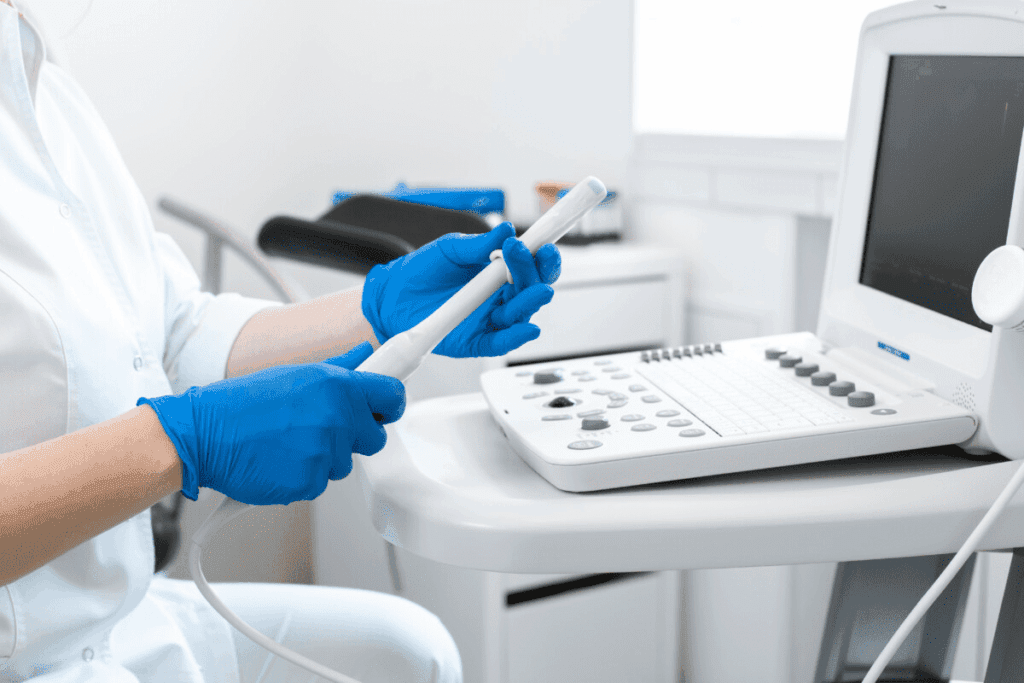
Imaging tests like ultrasounds are important for watching fibroid changes. They give clear pictures of fibroids. This lets doctors see how they grow or change over time.
The Importance of Regular Check-ups
Regular visits to the doctor are key for health and managing fibroid symptoms in menopause. Being proactive helps avoid problems and ensures quick action on any issues.
Monitoring Activity | Frequency | Purpose |
Physical Exams | Every 6-12 months | Assess overall health and fibroid symptoms |
Imaging Tests (e.g., Ultrasound) | As recommended by healthcare provider | Track fibroid size and changes |
Symptom Review | At each visit | Manage symptoms and adjust treatment as needed |
Combining regular doctor visits with imaging tests helps women keep an eye on their fibroids during menopause. This approach ensures the best health outcomes.
Treatment Options for Fibroids After Menopause
Many women worry about fibroids after menopause. Symptoms and fibroid size can change, affecting treatment needs. We’ll look at the different treatments, considering symptoms, fibroid size, and health.
When Treatment Is Necessary Post-Menopause
Not all women need treatment for fibroids after menopause. Treatment is needed when symptoms like heavy bleeding, pain, or organ pressure are severe. We decide on treatment if these symptoms greatly affect a woman’s life.
Non-Surgical Treatment Approaches
Non-surgical treatments are often a good choice for managing fibroid symptoms after menopause. These include:
- Medications: To manage symptoms such as pain and heavy bleeding.
- Minimally Invasive Procedures: Techniques like uterine artery embolization (UAE) or magnetic resonance-guided focused ultrasound surgery (MRgFUS) can reduce fibroid size and alleviate symptoms.
- Hormone Therapy: Though less common post-menopause, certain hormone therapies can help manage symptoms.
These treatments are chosen based on fibroid size, location, and number, as well as the patient’s health and preferences.
Surgical Options for Post-Menopausal Fibroids
Surgical options may be the best choice for some women with fibroids after menopause. Surgical options include:
Surgical Option | Description | Considerations |
Hysterectomy | Removal of the uterus, which is a definitive treatment for fibroids. | Permanent solution; impacts fertility and may have other long-term health implications. |
Myomectomy | Removal of the fibroids while preserving the uterus. | May be considered for women who wish to retain their uterus, though post-menopause, this is less common. |
Endometrial Ablation | A procedure to destroy the lining of the uterus, reducing or stopping bleeding. | Not suitable for all types of fibroids; can be effective for managing heavy menstrual bleeding. |
The choice between these surgical options depends on various factors, including the patient’s health, the characteristics of the fibroids, and personal preferences.
Every woman’s situation is unique, and the best treatment plan is tailored to her needs. By considering all treatment options, women can make informed decisions about their care.
When to Seek Medical Attention
Knowing when to seek medical help is key in managing fibroids. This is even more important during and after menopause. It’s vital to recognize the signs that mean you need to see a doctor right away.
Warning Signs That Require Immediate Care
Some symptoms are urgent and need quick medical attention. These include:
- Severe pelvic pain that doesn’t subside
- Heavy or prolonged vaginal bleeding
- Significant changes in urination or bowel movements
- Vaginal bleeding after menopause
If you’re experiencing any of these, call your healthcare provider without delay.
Distinguishing Between Normal Changes and Concerning Symptoms
Menopause brings many changes to the body. It can be hard to tell if symptoms are normal or related to fibroids. But, some signs are definitely not to be ignored:
Symptom | Normal Change or Concerning? |
Vaginal bleeding after menopause | Concerning – requires medical evaluation |
Severe pelvic pain | Concerning – may indicate fibroid complications |
Mild hot flashes | Normal – common menopausal symptom |
Knowing the difference can help you get the right care.
Questions to Ask Your Healthcare Provider
When talking to your healthcare provider about fibroids, it’s good to have questions ready. Ask things like:
- What are the possible reasons for my symptoms?
- Are there any specific risks with my fibroids?
- What treatments are available and best for me?
- How will we keep an eye on my fibroids?
Conclusion: Living Well With Fibroids Through Menopause and Beyond
Understanding fibroids and how they change during menopause is key. It helps manage symptoms and improve life quality. Knowing how fibroids can grow or shrink is important for handling these changes well.
Dealing with fibroids needs a full care plan, more so during menopause. The right care helps women reduce fibroid effects on their daily life. This way, they can face menopause with more confidence.
Women can make a plan to manage fibroids and lessen symptoms by staying informed and working with doctors. This proactive step helps women control their health. It makes menopause and life after it smoother.
FAQ
Do uterine fibroids shrink after menopause?
Yes, uterine fibroids often shrink after menopause. This is because estrogen and progesterone levels drop. But, how much they shrink can differ from one woman to another.
Can fibroids cause hot flashes?
Fibroids themselves don’t cause hot flashes. But, the hormonal changes of menopause can affect fibroids. Hot flashes are mainly linked to these hormonal shifts.
Will fibroids go away after menopause?
Fibroids usually don’t disappear completely after menopause. They often get smaller because of lower hormone levels. But, how much they shrink can vary.
Do fibroids delay menopause?
There’s no proof that fibroids delay menopause. Menopause is mainly caused by hormonal changes and the decline of ovarian function, not by fibroids.
Can hormone replacement therapy affect fibroid size after menopause?
Yes, hormone replacement therapy (HRT) can impact fibroid size after menopause. This is because HRT includes estrogen and progesterone, which can affect fibroid growth. The effect of HRT on fibroids can vary based on the type and dosage of hormones used.
How can I manage fibroid symptoms during perimenopause?
Managing fibroid symptoms during perimenopause requires lifestyle changes and symptom management strategies. This might include dietary adjustments, pain management, and talking to a healthcare provider about treatment options.
When should I be concerned about persistent fibroid symptoms after menopause?
Persistent or worsening fibroid symptoms after menopause are a concern. If symptoms like heavy bleeding, pelvic pain, or pressure continue or get worse, you should see a healthcare provider. They can check for other conditions and discuss management options.
What are the treatment options for fibroids after menopause?
Treatment options for fibroids after menopause include watchful waiting and non-surgical treatments like medications. Surgical options like hysterectomy or myomectomy may also be considered. The choice depends on the fibroids’ size, location, symptoms, and the woman’s health and preferences.
How often should I have check-ups for fibroids after menopause?
Check-up frequency for fibroids after menopause varies. It depends on the fibroids’ size, symptoms, and overall health. Regular check-ups with a healthcare provider are usually recommended to monitor changes and address any concerns or symptoms.
Can fibroids shrink on their own without treatment?
Yes, fibroids can shrink on their own after menopause due to hormone level decline. But, not all fibroids shrink at the same rate. Some may stay the same size or continue to cause symptoms.
References
National Center for Biotechnology Information. Fibroid Regression Post-Menopause: Estrogen and Progesterone Influence. Retrieved from https://www.ncbi.nlm.nih.gov/pmc/articles/PMC6994343/