Last Updated on December 1, 2025 by Bilal Hasdemir
Many ask, “do oncologists tell you how long you have to live? Oncologists may share an estimate, but it’s never exact since every case is different.
Oncologists are key in sharing the prognosis with patients. But, the big question is: do oncologists tell you how long you have to live when chemo fails?
Research shows oncologists look at many things to guess life expectancy. They consider the cancer type and stage, your overall health, and how well you’ve responded to treatment.
Key Takeaways
- Oncologists consider multiple factors when estimating life expectancy.
- Effective communication between oncologists and patients is vital.
- Knowing the prognosis helps patients make better choices.
- Research studies guide cancer care and treatment results.
- Patients should talk about their prognosis with their oncologist.
The Role of Oncologists in Cancer Care
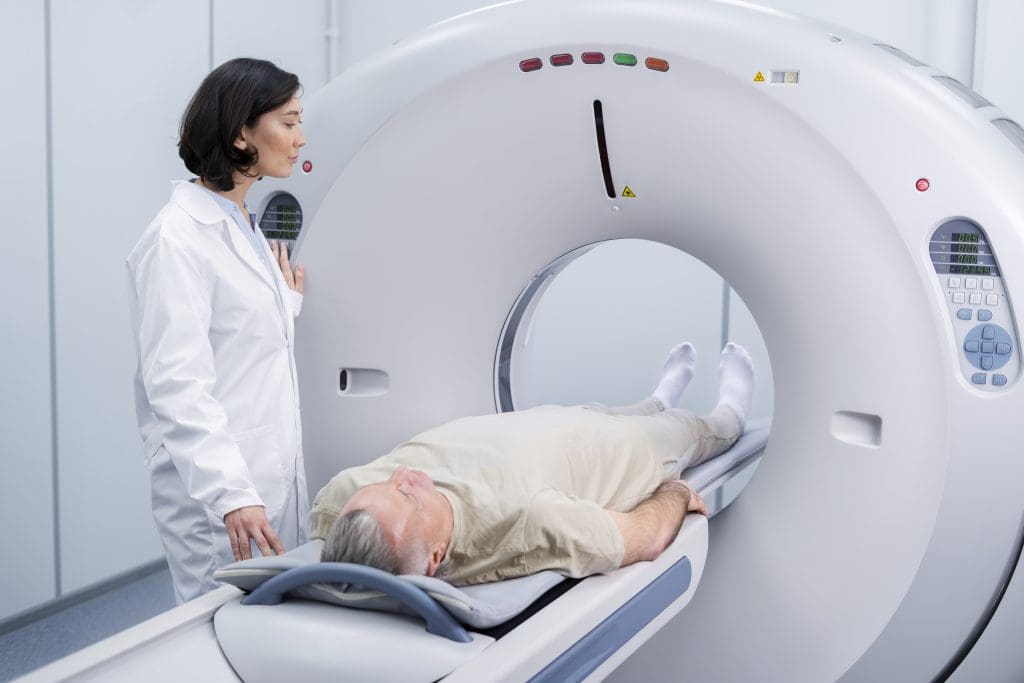
Oncologists are who focus on cancer. They diagnose, treat, and manage it. They also support and care for patients through their journey.
What is an Oncologist?
An oncologist is a with special training in cancer. They study, diagnose, and treat cancer. They can also specialize in certain types of cancer or treatments.
Types of Oncology Specialists
There are many types of oncology specialists. Each has a unique role:
- Medical Oncologists: They use medicines like chemotherapy to treat cancer.
- Radiation Oncologists: They treat cancer with radiation therapy.
- Surgical Oncologists: They are surgeons who remove tumors and cancerous tissues.
- Pediatric Oncologists: They treat cancer in children.
Having different specialties means cancer care is more complete and personalized for each patient.
The Oncologist-Patient Relationship
The bond between an oncologist and their patient is key. It’s based on trust, communication, and understanding. Oncologists offer medical treatment and emotional support. They help patients understand their diagnosis and treatment options.
The Multidisciplinary Cancer Care Team
Cancer care involves a team of healthcare professionals. This team includes:
| Team Member | Role |
| Oncologists | Lead the treatment plan, providing medical oncology care. |
| Nurses | Provide hands-on care, support, and education to patients. |
| Radiologists | Interpret imaging studies for diagnosis and treatment planning. |
| Pathologists | Examine tissues and cells to diagnose cancer. |
| Social Workers | Offer emotional support and connect patients with resources. |
This team approach ensures all aspects of care are covered. It improves outcomes and quality of life for patients.
How Cancer Diagnoses Are Typically Communicated
Talking about cancer diagnosis is very important. It needs care and understanding. aim to share the news in a way that helps and informs the patient.
Initial Diagnosis Conversations
The first talk about cancer is key. It helps the patient understand their situation and treatment choices. prepare well for these talks, thinking about the patient’s feelings and the information to share.
They discuss the cancer type, its stage, and treatment options. Being empathetic and clear is essential. Patients need to grasp their diagnosis and what it means for their future.
When share cancer news varies. Sometimes, it’s clear right away. Other times, it takes tests and talks to confirm. usually tell patients as soon as they’re sure. But, it depends on the patient’s needs and situation.
Breaking Bad News: Medical Protocols
Sharing bad news, like a cancer diagnosis, follows set rules. These rules help both the patient and the. The SPIKES protocol is one way are taught to share bad news well.
| Protocol Step | Description |
| S – Setting | Choose a private spot for the talk, away from distractions. |
| P – Perception | Know how the patient sees their situation before telling them. |
| I – Invitation | Ask the patient if they’re ready to hear the news. |
| K – Knowledge | Share the diagnosis clearly, with care and compassion. |
| E – Emotions | Recognize and talk about the patient’s feelings. |
| S – Strategy | Explain the next steps and treatment plans clearly. |
By using these protocols, can share the diagnosis well. This helps the patient now and in the future.
Understanding Cancer Prognosis
Knowing your cancer prognosis is key to your journey. A prognosis is an estimate of your disease’s likely outcome. It considers many factors that affect its progress.
What Goes Into a Prognosis
Several factors go into a cancer prognosis. These include the cancer type and stage, your overall health, and how well treatment works. Oncologists use these factors to estimate your prognosis.
- Type and stage of cancer
- Patient’s overall health and medical history
- Response to treatment
- Genetic factors
The Difference Between Prognosis and Life Expectancy
Prognosis and life expectancy are often confused, but they’re not the same. Prognosis is about the disease’s overall outlook. Life expectancy is a specific guess about how long you’ll live.
| Aspect | Prognosis | Life Expectancy |
| Definition | Overall outlook for the disease | Estimate of remaining lifespan |
| Factors Considered | Type and stage of cancer, overall health | Prognosis, age, health conditions |
Why Prognoses Are Never Exact
Cancer is complex and unique, making exact prognoses hard. Many factors can change the outcome. Oncologists use their knowledge and data to make educated guesses.
How Long Do You Live With Cancer?
How long you live with cancer depends on many factors. It’s hard to give a precise answer. But knowing your prognosis helps you make better care choices.
Understanding cancer prognosis is complex. It involves the cancer type and stage, among other things. By knowing these, patients can better manage their cancer journey and treatment choices.
Do Oncologists Tell You How Long You Have to Live?
Patients often wonder if their oncologist will tell them how long they have left. This question is key to understanding cancer care and the role of oncologists. They play a big part in sharing information about prognosis.
Communication Approaches Among Oncologists
Oncologists have different ways of sharing prognosis information. Some give exact life expectancy estimates. Others give more general info or skip talking about time altogether.
What affects these approaches includes:
- How ready the patient is to hear the news
- The uncertainty of the cancer’s prognosis
- The oncologist’s personal style and judgment
Patient Preferences for Prognostic Information
It’s vital to think about what patients want to know about their prognosis. Everyone has different needs and desires.
Research shows some patients want:
- Full details about their prognosis
- A general idea of their condition
- Flexibility in when and how they get the info
When and How Time Estimates Are Discussed
When and how oncologists talk about time estimates matters a lot. It affects how patients understand and cope with their situation.
Good practices are:
- Clear and caring communication
- Thinking about the patient’s emotional state
- Offering support resources
Ethical Considerations in Prognostic Disclosure
Talking about prognosis raises ethical questions. It’s about balancing the patient’s right to know with the risk of distress or losing hope.
Oncologists face these challenges. They must give accurate and supportive care while respecting the patient’s choices.
When a says you have months to live, it’s a lot to take in. It’s both helpful and scary. It’s important to understand what it means for your health.
Interpreting Time-Based Prognoses
Understanding a time-based prognosis is key. It’s not just about the months left. It’s about living well, treatments, and your health.
look at many things to guess how long you’ll live. They check the cancer type, your health, and how well you respond to treatment. Talking to your oncologist is important to get the full picture.
Statistical vs. Individual Outcomes
Prognoses are based on averages, but your outcome might be different. Remember, a prognosis is just an estimate, not a sure thing.
Many things can affect how long you live. This includes how well you respond to treatment and your overall health.
The Psychological Impact of Time-Limited Prognoses
Getting a time-based prognosis can really affect your mind. You might feel shocked, deny it, or get anxious or depressed.
Having people you can count on is key. This includes family, friends, and mental health experts. They can help you deal with your feelings.
How Patients Process Prognostic Information
How you handle the news depends on you. It’s based on your past, how you cope, and who supports you. Some want all the details, while others prefer less.
Talking openly with your is important. You should ask questions and ask for more information about your prognosis.
How Long Do Cancer Patients Live After Treatment?
Cancer treatment results can vary a lot. Many things affect how long a patient lives, like the cancer type and stage, their health, and how well the treatment works. Knowing these factors is key for patients and their families as they face cancer care challenges.
Survival Statistics Explained
Survival stats give insights into cancer patient outcomes. They show the percentage of patients alive after a certain time after diagnosis or treatment. The five-year survival rate is common, showing the percentage alive five years after diagnosis.
Key survival statistics include:
- Overall survival rate: The percentage of patients alive at a certain time after diagnosis.
- Disease-free survival rate: The percentage of patients who remain free from cancer recurrence.
- Progression-free survival rate: The percentage of patients whose cancer does not worsen.
Factors That Influence Post-Treatment Survival
Many things can affect how long cancer patients live after treatment. These include:
- The type and stage of cancer at diagnosis.
- The patient’s overall health and presence of comorbidities.
- The effectiveness of the treatment regimen.
- Genetic factors and biomarkers associated with the cancer.
- Lifestyle factors, such as diet, exercise, and smoking status.
Variations by Cancer Type and Stage
Cancer type and stage at diagnosis greatly affect survival rates. Early-stage cancers usually have better survival rates than late-stage ones. Some cancers, like testicular cancer, have high survival rates. Others, like pancreatic cancer, are often diagnosed late and have poorer outcomes.
| Cancer Type | 5-Year Survival Rate (Localized) | 5-Year Survival Rate (Distant) |
| Breast Cancer | 99% | 28% |
| Prostate Cancer | 100% | 31% |
| Lung Cancer | 61% | 6% |
How Long Can You Live With Cancer Without Knowing It?
Some cancers, in their early stages, may not show symptoms. This means people can live with cancer without knowing it. How long this can happen varies a lot, depending on the cancer type and how fast it grows.
As stated in a
“Cancer can be a silent disease, and in some cases, it may not be diagnosed until it has progressed to a more advanced stage.”
This shows why regular screenings and check-ups are so important for early detection.
The Chemotherapy Journey
Chemotherapy is a key part of cancer treatment. It involves using drugs to kill or slow down cancer cells. This treatment is designed to target fast-growing cells, which are common in cancer.
How Chemotherapy Works
Chemotherapy targets cells that grow quickly, like most cancer cells. The drugs can be taken by mouth or given through an IV. The aim is to kill cancer cells without harming healthy ones.
How Long Can You Be On Chemo?
How long someone is on chemotherapy varies. It depends on the cancer type, stage, and treatment goals. Some may be on chemo for months, while others for years.
- Treatment cycles: Chemotherapy is given in cycles with breaks in between to let the body recover.
- Response evaluation: Regular checks are done to see how well the treatment is working.
Monitoring Treatment Effectiveness
It’s important to keep track of how well chemotherapy is working. This means regular visits, imaging tests, and blood work. Changes to the treatment plan might be needed based on these results.
Side Effects and Quality of Life During Treatment
Chemotherapy can lead to side effects like fatigue, nausea, hair loss, and infections. It’s key to manage these to keep quality of life high. Helping with side effects, like anti-nausea meds and nutrition advice, is important.
- Fatigue management: Tips are given to help conserve energy and fight fatigue.
- Nutritional support: Eating right can help manage side effects and support health.
Life Expectancy When Chemo Stops Working
When chemotherapy stops working, it raises big questions about life expectancy. Many things can affect how long someone might live after this happens. Patients and their families often struggle to know what to expect next.
Signs That Chemotherapy Is No Longer Effective
There are clear signs that chemotherapy is not working anymore. These include:
- Increased tumor size or spread
- Rising tumor markers in blood tests
- Worsening symptoms or new symptoms
- Reduced performance status
Spotting these signs is key for to change treatment plans.
Chemo Failure Prognosis: What the Data Shows
Research gives us clues about what happens when chemotherapy fails. It shows survival rates change a lot. This depends on the cancer type, its stage, and the patient’s health.
| Cancer Type | Median Survival After Chemo Failure |
| Breast Cancer | 12-18 months |
| Lung Cancer | 6-12 months |
| Colorectal Cancer | 9-15 months |
This data shows survival can vary a lot. It stresses the importance of personalized care.
Individual Variations in Survival After Failed Chemotherapy
While data gives a general idea, survival can differ a lot for each person. Age, health, and other medical conditions are big factors in life expectancy.
Factors That Influence Post-Chemotherapy Survival
Many things can affect survival after chemotherapy fails. These include:
- The type and stage of cancer
- Previous treatments and their success
- Patient’s overall health and performance status
- Availability and accessibility of further treatments
Knowing these factors helps tailor care to each person’s needs.
Treatment Options After Chemotherapy Failure
When chemotherapy stops working, and patients look for other treatments. They aim to find something that can control the cancer, ease symptoms, and improve life quality.
Second-Line and Third-Line Treatments
Second-line treatments are considered when the first chemotherapy doesn’t work. These choices depend on the cancer type, the patient’s health, and past treatment results. Options might include different chemotherapy drugs, targeted therapy, or a mix of treatments.
If second-line treatments fail, third-line treatments might be an option. Deciding on third-line treatments depends on the patient’s health and available options.
trials offer access to new, experimental treatments. These trials are key for improving cancer care and give patients a chance to try innovative treatments.
- trials can offer new treatment options for patients with advanced cancer.
- These trials help in understanding the efficacy and safety of new treatments.
- Patients should discuss the benefits and risks with their oncologist.
Immunotherapy as an Alternative
Immunotherapy uses the body’s immune system to fight cancer. It can be used alone or with other treatments.
Immunotherapy types include:
- Checkpoint inhibitors
- Cancer vaccines
- Adoptive T-cell therapy
When to Consider Stopping Active Treatment
Stopping active treatment is a big decision. It involves thinking about quality of life, treatment goals, and health. It’s important to talk openly with the healthcare team about the pros and cons of continuing treatment.
When deciding to stop treatment, consider:
- The effectiveness of current treatment
- The impact of treatment on quality of life
- Available alternative care options, such as palliative care
End of Chemo Life Expectancy: Statistical Realities
When chemotherapy ends, a big change happens in a patient’s cancer fight. Knowing how long they might live is key for deciding what to do next.
Survival Rates After Chemo Ends
How long someone lives after chemo stops can change a lot. It depends on the cancer type, how far it has spread, and the patient’s health. Statistical data gives a general idea, but each person’s story can be different.
Studies show that how well chemo works affects survival rates. For example, cancers that chemo fights well tend to have better chances of survival even after treatment.
Chemo Stopped Working Survival Rate by Cancer Type
Survival chances after chemo stops vary by cancer type. Here are a few examples:
- Breast Cancer: People with breast cancer might live longer than others.
- Lung Cancer: Lung cancer patients often face a shorter survival period after chemo ends.
- Colorectal Cancer: Survival rates for colorectal cancer patients can vary based on the stage at diagnosis.
Factors That May Extend Survival
Several things can help extend life after chemo stops, including:
- Overall Health: Patients with fewer health problems tend to live longer.
- Response to Treatment: A good response to chemo is a sign of longer survival.
- Access to Trials: Joining trials can offer new treatments.
Quality of Life Considerations
While living longer is important, quality of life matters too. Patients and their families should talk about options to improve life quality.
Knowing the stats on life expectancy after chemo helps make better choices. It’s important to think about both how long and how well one lives when planning next steps.
Caring for a Cancer Patient at the End of Life
When caring for a cancer patient nearing the end, it’s all about comfort, dignity, and quality of life. The patient’s and family’s needs change as the disease advances. A caring and thorough approach is needed.
Transitioning to Palliative Care
Palliative care helps manage symptoms, pain, and stress of serious illnesses at any stage. It’s a big help when treatments no longer work. A team of experts works together to meet the patient’s physical, emotional, and social needs.
This care can start at any time and goes along with treatments. It focuses on pain management, emotional support, and making care decisions.
Hospice Services and When to Consider Them
Hospice care is for those with six months or less to live. It’s about comfort, pain management, and support for the patient and family. It’s a special kind of palliative care.
Hospice care can be in the patient’s home, centers, nursing homes, or assisted living. The goal is to provide care in a comfortable setting.
Supporting Physical and Emotional Needs
It’s key to support a cancer patient’s physical and emotional needs at the end. This means managing pain, emotional support, and spiritual care. Family and caregivers are also important.
Support comes from healthcare, family, and caregivers. It’s about communication, making decisions together, and focusing on quality of life. This ensures the patient stays comfortable and supported.
Resources for Caregivers
Caregivers face big challenges emotionally and practically. But, there are many resources to help. These include counseling, support groups, respite care, and educational materials.
Groups like the National Hospice and Palliative Care Organization and the Cancer Support Community offer help. They have online tools, helplines, and local services. These resources help caregivers manage stress and find support.
How to Talk to Your Oncologist About Prognosis
Talking to your oncologist about your cancer diagnosis is important. It’s about being open and honest. This helps you understand your treatment options and make informed decisions.
Questions to Ask About Life Expectancy
When you talk about your prognosis, ask the right questions. Ask about your life expectancy and what affects it. This includes your cancer type and stage, and your overall health.
Some specific questions to ask include:
- What is my life expectancy with and without treatment?
- How will my cancer type and stage affect my prognosis?
- Are there any trials or new treatments that could improve my outlook?
Discussing Quality vs. Quantity of Life
Understanding the balance between quality and quantity of life is key. Your oncologist can explain how treatments might affect your life expectancy and quality of life.
It’s essential to consider what matters most to you when talking about treatment goals. Whether you want to live longer or maintain your quality of life, your oncologist can guide you.
Including Family Members in Conversations
Having family members involved in your discussions can offer emotional support. It’s important to decide who you want there and to talk to your oncologist about it.
Having a support system is vital during your cancer journey. Don’t hesitate to ask your oncologist about resources for you and your loved ones.
Getting a Second Opinion
Getting a second opinion from another oncologist can give you more insights. It’s okay to ask your oncologist about getting a second opinion and what it might mean for you.
A second opinion can give you peace of mind and confidence in your treatment choices. Your oncologist should support your decision to seek more advice.
Living Well Despite a Limited Prognosis
Patients often wonder how to make the most of their time when faced with a limited prognosis. This question is central to a broader conversation about living well despite serious illness challenges.
Setting Priorities and Goals
Setting priorities and goals is key to living well with a limited prognosis. It’s about identifying what matters most to the patient and focusing on those life aspects.
- Identify personal values and priorities.
- Set realistic goals that align with these values.
- Communicate these goals to loved ones and healthcare providers.
By setting priorities and goals, patients can find direction and purpose, even with a limited prognosis.
Finding Meaning and Purpose
Finding meaning and purpose is vital when facing a limited prognosis. This can involve spending time with loved ones, pursuing hobbies, and more.
Some ways to find meaning and purpose include:
- Engaging in activities that bring joy and fulfillment.
- Connecting with others through support groups or social activities.
- Reflecting on life experiences and accomplishments.
Managing Hope and Realism
Managing hope and realism is a delicate balance for patients with a limited prognosis. It’s important to hold onto hope for the best while being realistic about the situation.
Strategies for managing hope and realism include:
- Focusing on the present moment.
- Seeking support from loved ones, healthcare providers, or support groups.
- Engaging in activities that promote a sense of control and empowerment.
Support Groups and Resources
Accessing support groups and resources is vital for patients with a limited prognosis. These can offer emotional support, practical help, and a sense of community.
Some examples of support groups and resources include:
| Resource Type | Description | Benefits |
| Support Groups | Groups of individuals with similar experiences | Emotional support, sense of community |
| Counseling Services | Professional counseling for patients and families | Emotional support, coping strategies |
| Palliative Care | Medical care focused on symptom management and quality of life | Improved quality of life, symptom management |
Conclusion: Navigating Cancer’s Uncertain Journey
Dealing with cancer is tough, even when chemo stops working. Knowing how long you might live can help you and your family plan. It’s about making choices that feel right for you.
Looking at cancer survival rates can give you a glimpse of what might happen. A study found many people turn to the internet for cancer info. This shows we need good, trustworthy sources online
Talking openly with your family and is key. Understanding your options can help you live better, even with cancer. It’s about making choices that improve your life.
FAQ
What is the difference between prognosis and life expectancy?
Prognosis is the likely disease outcome, while life expectancy is a survival time estimate. Oncologists use both to guide treatment and care.
How to live well despite a limited prognosis?
Living well with a limited prognosis means setting priorities, finding meaning, and managing hope and realism. Accessing support groups and resources helps maintain quality of life.
What is the role of oncologists in cancer care?
Oncologists are key in cancer care. They diagnose, treat, and provide supportive care. They work with a team to manage cancer and meet patient needs.
How to talk to your oncologist about prognosis?
To talk about prognosis, prepare questions about life expectancy, treatment options, and quality of life. It’s also good to involve family and consider a second opinion.
What are the treatment options after chemotherapy failure?
After chemotherapy fails, options include second-line therapies, trials, immunotherapy, or palliative care. Palliative care focuses on symptom management and improving life quality.
How long can you be on chemo?
How long you’re on chemotherapy varies. It depends on the cancer type, treatment goals, and how well you respond. Some might be on treatment for months, others for years.
How long can you live with cancer without knowing it?
Some cancers don’t show symptoms for a long time. How long you can live without knowing you have cancer varies. It depends on the cancer type and personal factors.
How long do cancer patients live after treatment?
Life after treatment varies. It depends on the cancer type, stage, and personal factors. Each person’s outcome is different.
Do oncologists tell you how long you have to live?
Oncologists might give a prognosis. But, predicting life expectancy is not always exact. They look at cancer type, stage, and how well treatment works.