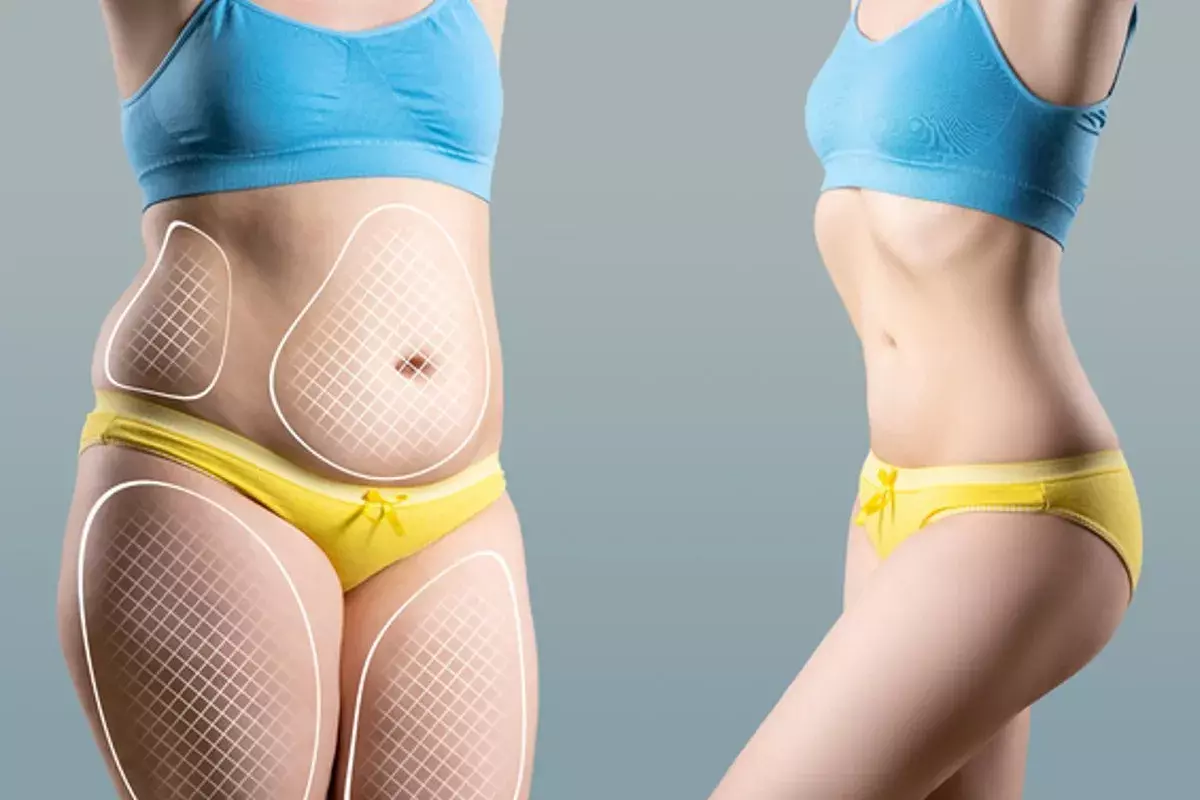
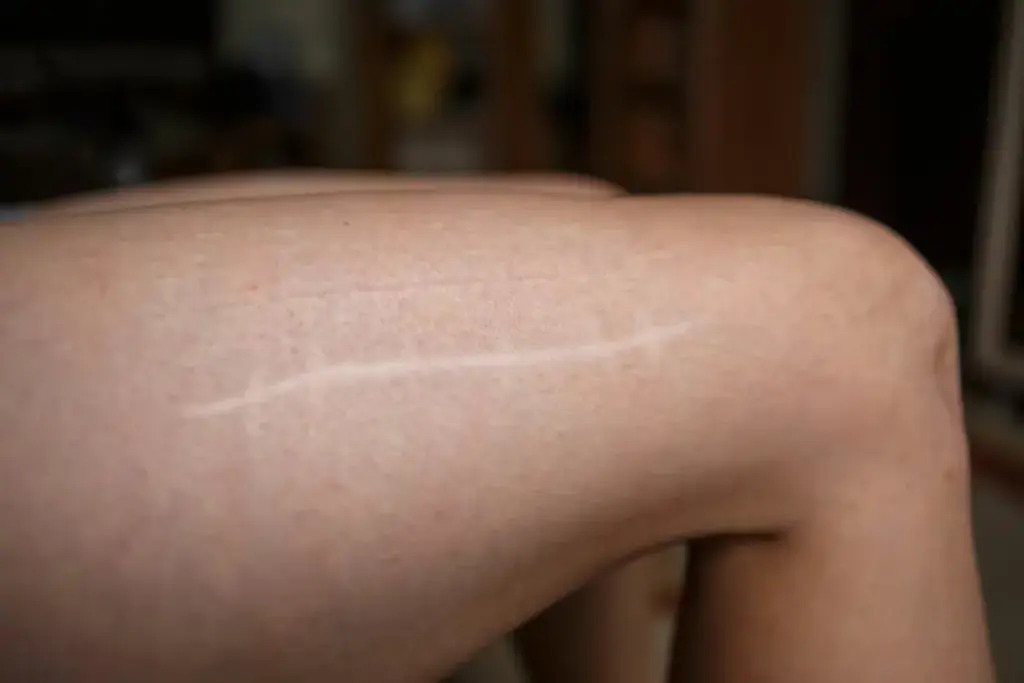
Every wound that goes through the skin’s second layer will leave a scar. But, how visible these scars are can differ. At Liv Hospital, we get your worries about scarring. We aim to give you care that makes scars less noticeable.
Wondering if stitches leave scars? Our experts explain the key factors that determine scarring, from wound care to stitch removal timing.
Today’s research and surgery methods give us a lot of control over scar visibility. We use advanced ways to close wounds, follow strict aftercare, and have proven ways to lessen scars. For more on how to avoid scars from stitches, check out this resource.
Key Takeaways
- Scars are a natural result of the healing process for wounds that penetrate the skin’s second layer.
- Modern surgical techniques and aftercare can significantly minimize scar visibility.
- Advanced wound closure methods reduce the risk of noticeable scarring.
- Proper aftercare is key for the best scar reduction.
- Techniques such as subcuticular stitching can reduce visible scarring.
The Truth About Stitches and Scarring
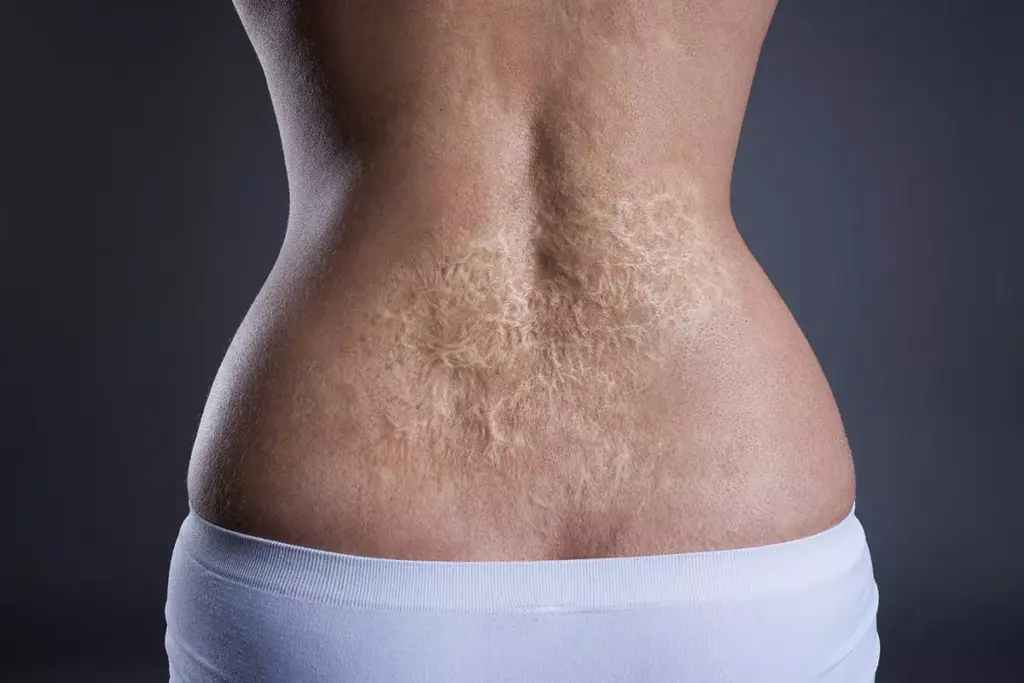
Stitches play a big role in how scars form after surgery. They help close wounds and aid in healing. But, how do stitches really affect scarring?
Studies show stitches can lower the chance of scarring and make scars smaller. This is because stitches help close wounds tightly. This tight closure lets the body heal faster and with less scarring.
How Stitches Actually Reduce Scarring
Stitches help the body heal by keeping wounds closed. This close alignment is key for efficient repair. When wounds are stitched tightly, the body can fix the skin better, leading to less visible scars.
Key benefits of stitches in reducing scarring include:
- Minimizing wound gap, which reduces the amount of collagen needed for repair
- Supporting the healing process by keeping the wound edges aligned
- Reducing the risk of infection, which can lead to more significant scarring
The Science Behind Scar Formation
Scars are a natural part of healing. When skin is hurt, the body makes collagen to fix it. The quality and amount of collagen fibers decide the scar’s look.
Scar formation science involves collagen production, fiber alignment, and growth factors. The more organized the collagen fibers, the less noticeable the scar will be.
Knowing how stitches affect scarring and the healing process helps patients. It lets them understand their care better and make informed choices.
Do Stitches Leave Scars? Factors That Influence Scarring
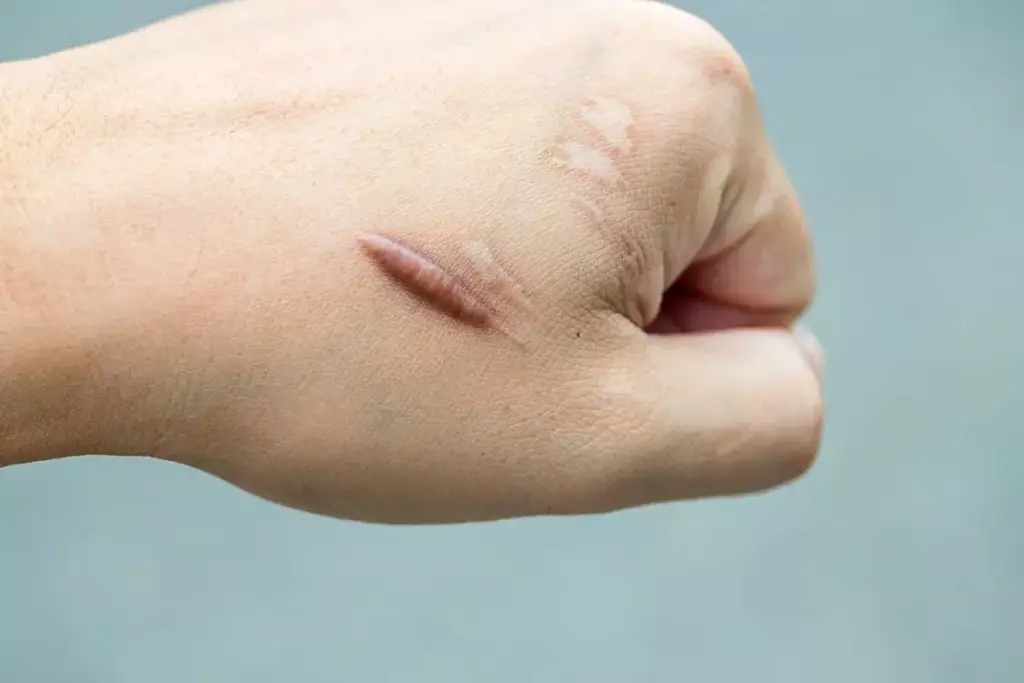
Many things can affect if stitches will leave scars. Knowing these can help us understand what to expect and maybe even reduce scarring.
Personal Factors: Age, Skin Type, and Genetics
Our personal traits greatly affect how our skin heals and scars. For example, younger people tend to heal faster and scar less than older ones. Skin color also matters; darker skin may be more likely to get certain scars, like keloids.
Our genes also play a big part. Some people naturally make more collagen, leading to thicker scars. Others might heal faster and scar less.
Wound-Related Factors: Location, Size, and Depth
The type of wound also affects scarring. Wounds in areas with more tension or movement, like joints, are more likely to scar. The size and depth of the wound also matter; bigger and deeper wounds usually scar more.
- Wounds on the face are more noticeable because they’re in a visible area.
- Bigger wounds need more stitches, which can lead to more visible scarring.
- Deeper wounds damage more tissue, making scarring more likely.
Medical Factors: Stitch Material and Technique
The materials and methods used for stitching also matter. Using fine sutures and precise techniques can reduce tissue damage and scarring. The skill of the person stitching is also important; more experienced ones can make scars less noticeable.
Some stitches are made to dissolve over time, which can lower the risk of scarring. The choice between dissolvable and non-dissolvable stitches depends on the wound and the patient’s health.
Minimizing Scarring from Stitches
To reduce scars from stitches, we need to know how stitches affect the skin. We’ll look at the best time to remove stitches, special care for facial stitches, and advanced stitching methods. These can help lessen scarring.
Optimal Timing for Stitch Removal
When to remove stitches is key to avoiding scars. Stitches left in too long can cause more scarring. But, removing them too soon might reopen the wound. The right time depends on the wound’s size and where it is. For example, face stitches are usually out in 3-5 days. Other body parts might wait 7-10 days.
Always listen to your doctor about removing stitches. They can check how well the wound is healing. For tips on avoiding stitch scars, check this resource.
Special Considerations for Facial Stitches
Facial stitches need extra care because facial skin is very sensitive. We aim to reduce scarring while making sure the wound heals right. Using thin sutures and careful wound closure helps a lot. Also, keeping the wound moist and protected from the sun is key to less visible scars.
- Use gentle skincare products to avoid irritating the skin.
- Avoid direct sun exposure to prevent hyperpigmentation.
- Keep the wound area moisturized to promote healing.
Advanced Techniques: Subcuticular Stitching
Subcuticular stitching is a special method for less scarring, mainly on the face. It places sutures under the skin, making scars less noticeable. This technique needs skill and precision but can greatly improve how a wound looks.
By using these methods, we can make scars from stitches less visible. Whether it’s the right timing for removal or advanced stitching, our goal is to get the best look for our patients.
Conclusion: Managing Expectations About Stitch Scars
Understanding what affects scarring is key to managing your expectations about scars from stitches. Scars are a natural part of healing, but their look can be improved with the right care and techniques.
Scars from stitches depend on personal factors, the type of wound, and medical methods. By focusing on these areas, you can make scars less noticeable. Taking good care of the wound and removing stitches on time are important steps.
Whether scars from stitches completely disappear is a complex question. While they might not vanish, they can become less visible with the right care. Using advanced stitching methods, like subcuticular stitching, can also help improve how scars look.
By following good wound care, using the best stitching methods, and having realistic hopes, you can manage scar appearance better. This approach helps achieve the best results possible.
FAQ
Do stitches always leave scars?
Scarring from stitches is a common worry. Stitches can help reduce scarring, but it depends on many things. These include your skin type, the wound, and the stitching method used.
How can I minimize scarring from stitches?
To lessen scarring, take good care of your wound. Make sure stitches are removed when they should be. Also, ask for stitches that are placed under the skin to help scars look less noticeable.
Does the location of stitches affect scarring?
Yes, where stitches are placed can affect scarring. For example, stitches on the face need extra care because facial skin is very sensitive.
Can the type of stitch material influence scarring?
The material used for stitches can also play a part. Some materials might cause more reactions or leave marks. Others are made to reduce these effects.
How long does it take for stitch scars to heal?
Healing times for stitch scars vary. Generally, it can take months to years for scars to fade and become less noticeable.
Are there any advanced techniques to reduce scarring from stitches?
Yes, we use special techniques like subcuticular stitching. This method places stitches under the skin to reduce scarring and aid in healing.
Can genetics affect how my skin scars from stitches?
Yes, genetics can influence how your skin scars. Knowing your genetic makeup helps us tailor treatments to reduce scarring.
Do stitches on the face leave more noticeable scars than elsewhere on the body?
Facial skin is very sensitive, making stitches there more likely to leave scars. But, with the right care and techniques, we can make these scars less noticeable.
Can I completely prevent scarring from stitches?
Preventing all scars from stitches is hard. But, by following good wound care, removing stitches at the right time, and using advanced stitching, we can greatly reduce scarring.
Reference:
National Center for Biotechnology Information. Evidence-Based Medical Guidance. Retrieved from https://www.ncbi.nlm.nih.gov/pmc/articles/PMC5792238/