Last Updated on November 26, 2025 by Bilal Hasdemir
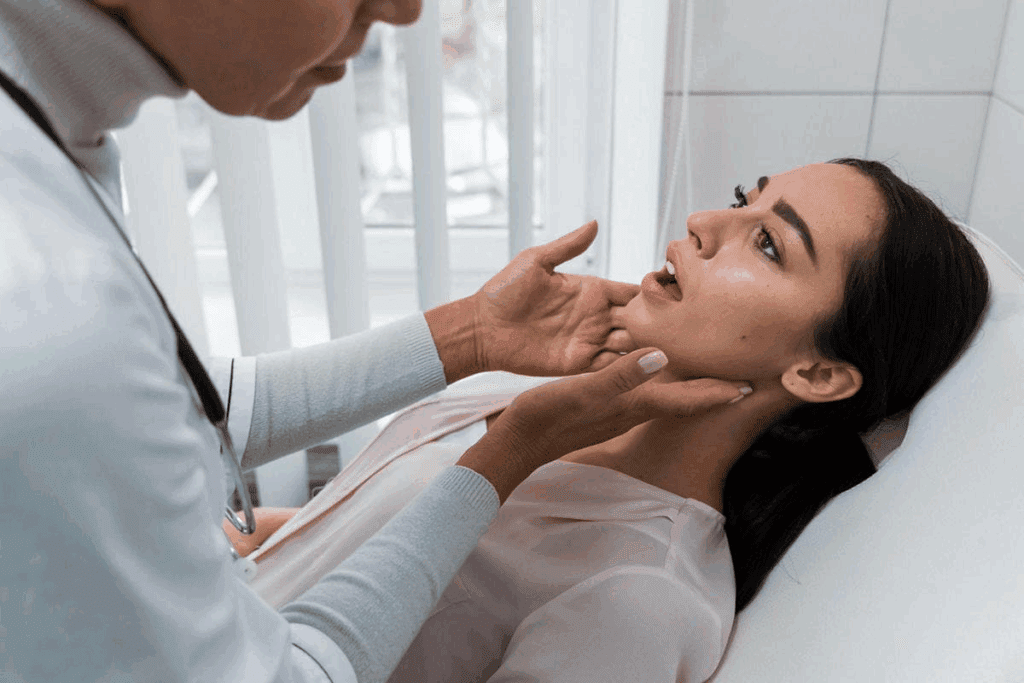
Thyroid cancer is the most common endocrine cancer. It often needs surgery or radioactive iodine ablation to treat. But some patients see thyroid tissue regrowth after these treatments. This raises big questions about recurrence and long-term care.
Do thyroids grow back after surgery or ablation? It’s rare, but thyroid tissue can regrow when remnant thyroid cells remain or when ectopic or nodular tissue is missed. Knowing about these rare cases is key to providing the best thyroid care. Liv Hospital uses patient-focused and evidence-based methods to help.
Key Takeaways
- Thyroid tissue regrowth can occur after thyroidectomy or ablation.
- Remnant thyroid cells or undetected ectopic tissue can lead to regrowth.
- Liv Hospital’s patient-centered approach aids in managing thyroid regrowth.
- Thyroid cancer treatment often involves surgery or radioactive iodine ablation.
- Long-term care is essential for patients experiencing thyroid tissue regrowth.
The Thyroid Gland: Structure and Function
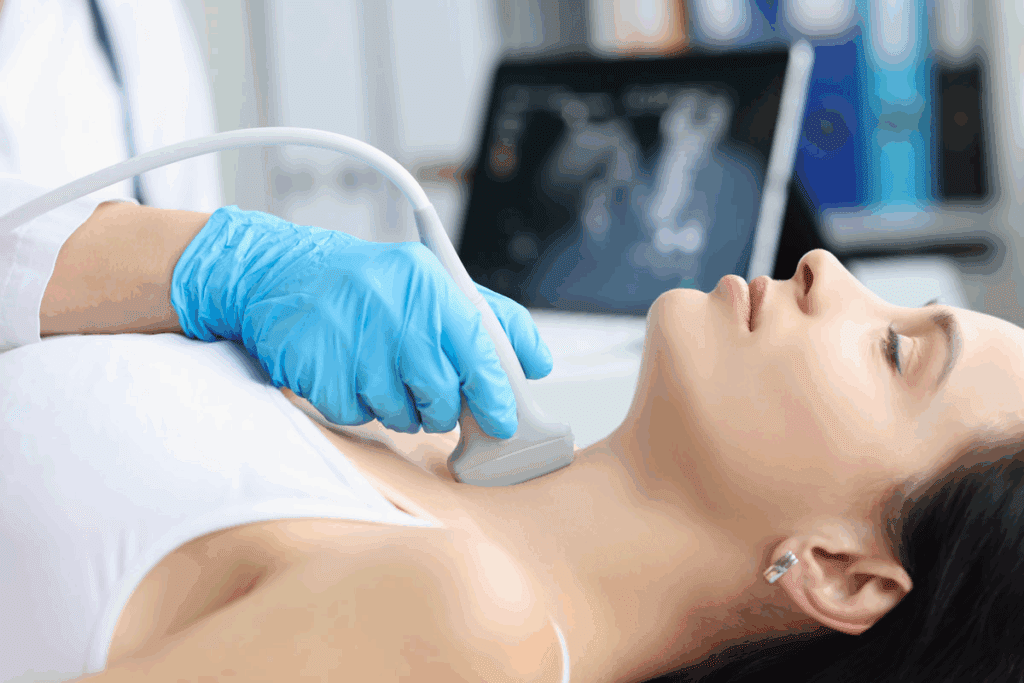
The thyroid gland is a key part of our body. It helps control how we grow, develop, and use energy. It’s found in the neck, below the Adam’s apple, and looks like a butterfly.
Anatomy and Physiology of the Thyroid
The thyroid gland has two lobes that wrap around the trachea. It’s filled with tiny sacs called follicles that make thyroid hormones. The gland has lots of blood vessels and nerves to help it work properly.
The thyroid gland makes hormones like thyroxine (T4) and triiodothyronine (T3). These hormones are important for how our cells work, making energy, and growing.
Thyroid Hormone Production and Regulation
How the thyroid gland makes hormones is complex. It involves the hypothalamus, pituitary gland, and thyroid gland working together. The hypothalamus makes TRH, which tells the pituitary gland to release TSH. TSH then tells the thyroid gland to make T4 and T3.
“The thyroid gland is a critical component of the endocrine system, and its hormones play a vital role in maintaining homeostasis and overall health.”
The Importance of Thyroid Health
Keeping the thyroid gland healthy is very important. Problems like hypothyroidism and hyperthyroidism can be serious if not treated. Regular check-ups and tests can catch issues early.
Experts say,
“Thyroid health is key for metabolic balance, and any imbalance can cause many symptoms and problems.”
Thyroid Conditions Requiring Surgical or Ablative Treatment
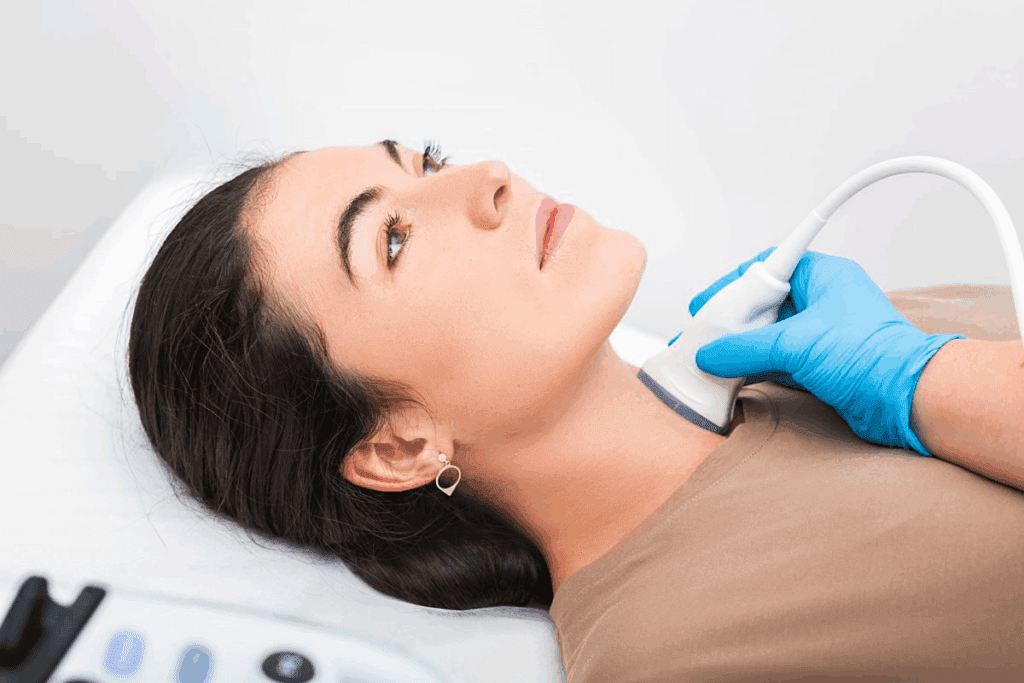
Thyroid health can be affected by several conditions. These often need medical treatment. This can greatly impact a person’s life, making timely and effective treatment essential.
Thyroid Cancer: Types and Treatment Approaches
Thyroid cancer is a common endocrine cancer worldwide. It affects thousands of people. There are different types, like papillary, follicular, medullary, and anaplastic thyroid cancer.
Treatment depends on the cancer type and stage. It often includes surgical removal of the thyroid gland (thyroidectomy) or radioactive iodine ablation.
The choice between surgery and ablation depends on several factors. These include the tumor size and aggressiveness, and the patient’s health. Sometimes, both treatments are recommended.
Hyperthyroidism and Graves’ Disease
Hyperthyroidism means the thyroid gland is overactive, making too much thyroid hormone. Graves’ disease is the main cause, affecting 70-80% of cases. Treatment includes medications, radioactive iodine ablation, and surgery.
- Medications: Antithyroid drugs to reduce hormone production.
- Radioactive Iodine Ablation: Uses radioactive iodine to destroy thyroid tissue.
- Surgery: Thyroidectomy to remove part or all of the gland.
Multinodular Goiter and Large Thyroid Nodules
A multinodular goiter causes the thyroid gland to enlarge with multiple nodules. Large nodules can cause swallowing, breathing, or speaking problems. Treatment may involve surgical removal or radiofrequency ablation to shrink nodules.
- Monitoring: Regular ultrasound and clinical checks.
- Surgery: Thyroidectomy for large or symptomatic nodules.
- Minimally Invasive Procedures: Radiofrequency or ethanol ablation.
Thyroidectomy Procedures and Techniques
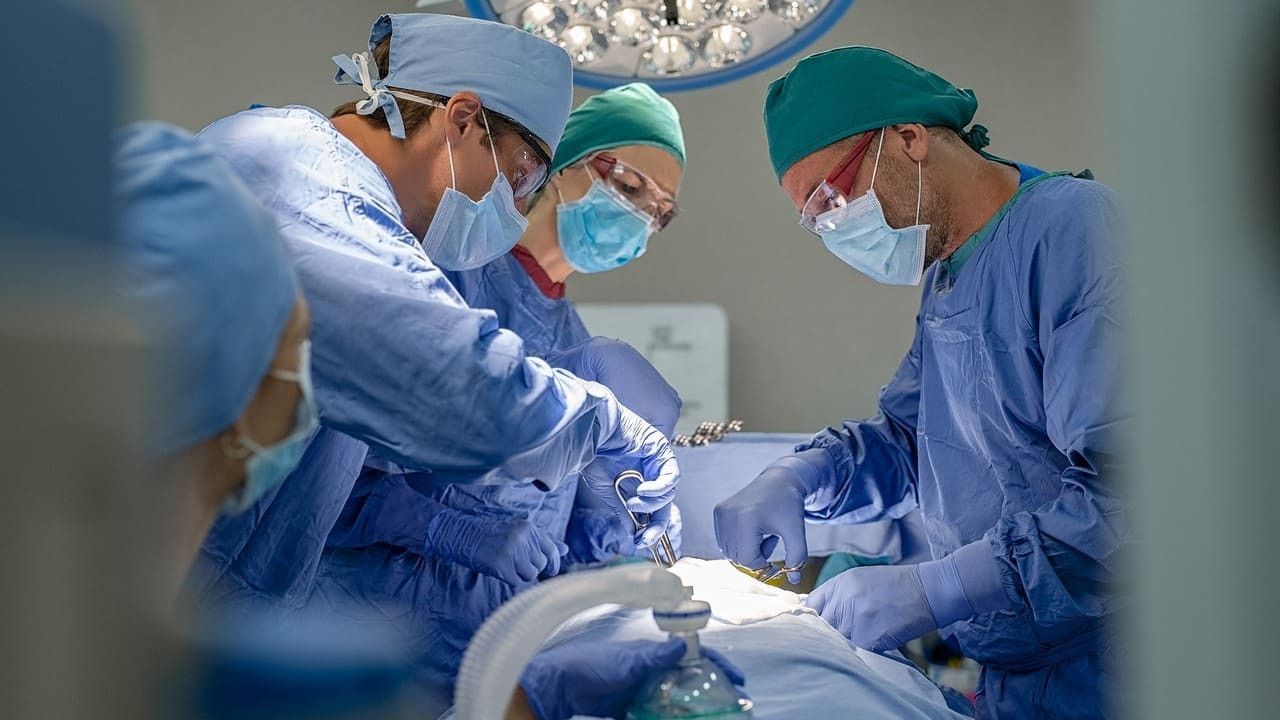
Thyroidectomy procedures vary a lot. This shows how different thyroid diseases are and how surgery needs to be tailored for each person. It’s a surgery that removes part or all of the thyroid gland.
Partial vs. Total Thyroidectomy
Choosing between partial and total thyroidectomy depends on the thyroid condition. Partial thyroidectomy removes only the bad part of the gland, keeping some function. It’s used for single thyroid nodules or small thyroid cancers.
Total thyroidectomy removes the whole gland. It’s usually for big thyroid cancers or cancers in both lobes.
Surgical Approaches and Modern Techniques
New surgical methods have made thyroidectomy better. The old way was open thyroidectomy, where a big incision was made in the neck. Now, there’s minimally invasive and robotic thyroidectomy, which uses small cuts and special tools. These methods aim to reduce scars and speed up recovery.
The right surgery depends on the patient’s body, the gland’s size and location, and the surgeon’s skill.
The Thyroidectomy Bed: What Remains After Surgery
After surgery, the area where the gland was is called the thyroidectomy bed. How much tissue is left can vary. Sometimes, a little thyroid tissue might stay, either on purpose or by accident.
| Surgical Approach | Description | Typical Use |
| Open Thyroidectomy | Traditional open surgery with a neck incision | Most thyroid conditions |
| Minimally Invasive Thyroidectomy | Smaller incisions, less scarring | Small thyroid nodules or early-stage cancer |
| Robotic Thyroidectomy | Highly precise, minimally invasive technique | Selected cases with specific indications |
It’s important for patients and doctors to know about thyroidectomy procedures and techniques. This knowledge helps in making the best choices for managing thyroid diseases.
Radioactive Iodine Ablation: How It Works
Radioactive iodine ablation uses radioactive iodine to target and destroy thyroid tissue. It’s often used for thyroid cancer and hyperthyroidism patients.
This treatment works because thyroid cells take in iodine. This makes it great for killing thyroid tissue, including cancer cells left after surgery.
The Science Behind Radioactive Iodine Treatment
Radioactive iodine treatment takes advantage of the thyroid gland’s iodine uptake. When radioactive iodine is given, thyroid cells absorb it. This leads to their destruction due to the radioactive emissions.
Effectiveness in Destroying Thyroid Tissue
Studies show that radioactive iodine ablation is very effective in destroying thyroid tissue. It’s a key treatment for thyroid cancer patients. It helps get rid of any thyroid tissue left after surgery, which might have cancer cells.
Limitations and Possible Incomplete Ablation
Even though radioactive iodine ablation is very effective, it’s not perfect. Sometimes, it can’t destroy all thyroid tissue. The dose of radioactive iodine, how much thyroid tissue there is, and the patient’s health can affect how well it works.
It’s important to know these limitations to manage patient hopes and plan for follow-up care. Sometimes, more treatments are needed to get the best results.
Do Thyroids Grow Back? Understanding Thyroid Regeneration
Thyroid regeneration is a complex process. It involves many factors, like hormones and cell actions. Understanding this helps us see how thyroids can grow back.
Cellular Mechanisms of Thyroid Tissue Regeneration
Thyroid tissue regenerates mainly through thyroid stem cells and progenitor cells. These cells are key in fixing and replacing thyroid tissue.
Key cellular mechanisms include:
- Thyroid stem cells get activated by damage or hormones.
- Progenitor cells grow and turn into working thyroid cells.
- Growth factors and signals help control these steps.
Thyroid Stem Cells and Progenitor Cell Populations
Thyroid stem cells and progenitor cells are vital for regrowth. Scientists have found specific cells that help in this process.
| Cell Type | Role in Regeneration | Markers |
| Thyroid Stem Cells | Replenish thyroid tissue | Oct4, Sox2 |
| Progenitor Cells | Differentiate into thyroid cells | Pax8, Nkx2-1 |
Research Evidence on Regrowth Potentials
Studies show that thyroid tissue can grow back. This happens when TSH levels are high and growth factors are present. The ability to regrow depends on how much thyroid tissue was removed and individual factors.
Research shows that thyroid regeneration is a dynamic process. It’s influenced by hormones, cells, and molecules working together.
Biological Factors Driving Thyroid Tissue Regrowth
Thyroid tissue can grow back after removal or treatment. This is due to several important biological factors. Knowing these factors helps us understand why and how this happens.
The Role of Elevated Thyroid-Stimulating Hormone (TSH)
Elevated TSH levels are key to making thyroid tissue grow back. TSH is a hormone from the pituitary gland that controls the thyroid. After thyroid removal or treatment, TSH levels often rise.
Elevated TSH is a strong signal for any leftover thyroid tissue to grow. Studies show that high TSH levels can make thyroid cells multiply. This helps in growing new tissue.
Growth Factors and Cellular Signaling Pathways
Growth factors and cellular pathways are also vital for thyroid tissue regrowth. Growth factors like epidermal growth factor (EGF) and fibroblast growth factor (FGF) help thyroid cells grow and change.
| Growth Factor | Role in Thyroid Regrowth |
| EGF | Stimulates thyroid cell proliferation |
| FGF | Promotes thyroid cell differentiation and growth |
| VEGF | Enhances angiogenesis, supporting tissue regrowth |
Inflammatory Responses and Tissue Repair
Inflammation after thyroid removal or treatment also helps thyroid tissue grow back. The body’s injury response includes cytokines and growth factors. These help in repairing and regrowing tissue.
This inflammation can help thyroid tissue grow by creating a good environment for cell growth and tissue change.
Knowing these biological factors is key to managing and predicting thyroid tissue regrowth. This is important for patients who have had thyroid removal or treatment.
Remnant Thyroid Tissue: The Primary Source of Regrowth
Thyroid regrowth often comes from leftover thyroid tissue after surgery. This tissue might be left on purpose or by accident. It can be found after a thyroidectomy or ablation.
Intentional Remnants in Partial Thyroidectomy
In a partial thyroidectomy, surgeons purposely keep some thyroid gland. This is to keep some thyroid function and avoid lifelong hormone replacement. The amount left depends on the surgery and the patient’s health.
Table 1: Comparison of Thyroid Tissue Remnants After Different Surgical Approaches
| Surgical Approach | Amount of Tissue Left Behind | Risk of Regrowth |
| Partial Thyroidectomy | Variable, depending on the procedure | Moderate to High |
| Total Thyroidectomy | Minimal to None | Low |
| Near-Total Thyroidectomy | Small amount | Low to Moderate |
Unintentional Remnants After “Total” Thyroidectomy
Even with total thyroidectomy, small thyroid tissue might stay behind. This is because of the thyroid’s complex anatomy and its close location to important structures. It’s hard to remove all of it.
Microscopic Tissue Detection Challenges
Finding tiny thyroid tissue bits is hard. Doctors use ultrasound and molecular tests to spot and track any leftover tissue.
Whether left on purpose or by accident, leftover thyroid tissue is key to regrowth. Knowing how regrowth happens helps doctors take better care of their patients.
Ectopic Thyroid Tissue and Its Clinical Significance
It’s important to know about ectopic thyroid tissue for managing thyroid diseases well. This tissue is found outside its usual place. It can grow back and make treating thyroid issues harder.
Common Locations of Ectopic Thyroid Tissue
Ectopic thyroid tissue can be in places like the tongue, neck, and along the thyroglossal duct path. It’s because of how it develops in the womb.
Why Ectopic Tissue May Survive Treatment
Ectopic thyroid tissue might not be killed by treatments like thyroidectomy or radioactive iodine. This is because it’s outside the main treatment area. It can grow back or come back as thyroid disease.
There are a few reasons why ectopic tissue can survive:
- It might not take up enough radioactive iodine.
- Surgery can’t always reach it.
- It might not be as sensitive to radioactive iodine.
Diagnostic Challenges in Identifying Ectopic Thyroid
Finding ectopic thyroid tissue is hard because it’s in different places. It can look like other things on scans. Doctors need to use different tests and check them under a microscope to be sure.
| Diagnostic Modality | Advantages | Limitations |
| Ultrasound | Non-invasive, easy to get | Can’t see as deep, depends on the doctor |
| CT Scan | Shows details well, anatomy clear | Uses radiation, needs contrast |
| Radioactive Iodine Scan | Shows how it works, looks at the whole body | Uses radiation, not as detailed |
Knowing about ectopic thyroid tissue is key to treating thyroid diseases well. By understanding where it is, why it can come back, and how hard it is to find, doctors can plan better treatments.
Timeline and Patterns of Thyroid Regrowth
Thyroid regrowth can happen in different ways. It depends on many biological and personal factors. Knowing these patterns and timelines is key to good patient care.
Early vs. Late Regrowth Patterns
Studies show thyroid regrowth can start early or late after surgery. Early regrowth often means there’s leftover thyroid tissue. Late regrowth might be due to hormonal changes or growth factors.
Key factors influencing early regrowth:
- Presence of remnant thyroid tissue
- Elevated thyroid-stimulating hormone (TSH) levels
- Genetic predispositions
Late regrowth factors:
- Hormonal fluctuations
- Growth factor activation
- Potential recurrence of underlying thyroid conditions
Nodular Regrowth vs. Diffuse Regeneration
Thyroid regrowth can take two main forms: nodular and diffuse. Nodular regrowth means distinct nodules form. Diffuse regeneration has a more even growth.
Nodular regrowth: Often linked to the return of thyroid nodules, which might need more checks.
Diffuse regeneration: Seen as a milder form, but ongoing watch is advised.
Patient-Specific Factors Affecting Regrowth Timing
Many personal factors influence when and how thyroid regrowth happens. These include age, gender, health conditions, and why the thyroid was removed.
Notable patient-specific factors:
- Age at the time of surgery or ablation
- Presence of autoimmune thyroiditis
- History of radiation exposure
Knowing these factors helps doctors plan better care for each patient. This improves results and makes patients happier.
Clinical Management of Regrown Thyroid Tissue
Managing regrown thyroid tissue requires a detailed plan. This includes monitoring, diagnosing, and treating the issue. After surgery or ablation, patients need regular check-ups to spot any thyroid growth.
Monitoring Protocols After Thyroidectomy or Ablation
Monitoring is key to catching thyroid tissue growth early. It involves ultrasound, thyroid function tests, and sometimes radioactive iodine scans. The type and frequency of these tests depend on the patient’s situation and risk factors.
Regular follow-up is vital. It helps spot changes in the thyroid area or new nodules. This early detection allows for quick action if needed.
Distinguishing Benign Regrowth from Recurrent Cancer
Distinguishing between benign regrowth and cancer is a big challenge. This decision affects the treatment plan.
Fine-needle aspiration biopsy is a key tool for assessing tissue. Doctors use clinical judgment, imaging, and histology to make an accurate diagnosis.
Treatment Options for Problematic Thyroid Regrowth
Treatment for thyroid regrowth varies based on several factors. These include the size, location, and type of regrowth. Treatment options range from hormone therapy to surgery or radioactive iodine.
For symptoms or suspected cancer, aggressive treatment might be needed. The treatment choice depends on the patient’s health, preferences, and the regrowth’s characteristics.
Conclusion
Thyroid tissue can grow back after thyroidectomy or ablation. This growth is due to several biological factors. These include leftover thyroid tissue and thyroid tissue found in other parts of the body.
Managing regrown thyroid tissue involves a detailed plan. This plan includes watching the patient closely and choosing the right treatment. It’s important to tell the difference between harmless growth and cancer.
Understanding thyroid tissue regrowth is key to good care. Healthcare teams need to know about the possibility of regrowth. They must use the right strategies to help patients who have had thyroid surgery.
FAQ
Does thyroid tissue grow back after thyroidectomy or ablation?
Yes, thyroid tissue can grow back after these treatments. This is rare, but more likely if some cells are left behind.
Can your thyroid grow back after being removed?
Sometimes, thyroid tissue can grow back. This happens more often if some cells are left after surgery.
What is the role of thyroid-stimulating hormone (TSH) in thyroid regrowth?
TSH helps thyroid tissue grow back. High levels of TSH encourage cells to grow and change.
Can thyroid cancer come back after total thyroidectomy?
Yes, thyroid cancer can come back after removing the thyroid. It’s important to watch for any signs of return.
How does radioactive iodine ablation affect thyroid tissue regrowth?
Radioactive iodine can destroy thyroid tissue. But if not all tissue is destroyed, it can grow back.
What are the clinical implications of ectopic thyroid tissue?
Ectopic thyroid tissue can survive treatments. It can cause confusion in diagnosis, leading to incorrect findings.
Can thyroid tissue regrow after radioactive iodine treatment?
Yes, thyroid tissue can grow back after this treatment. This is more likely if the treatment doesn’t work fully or if cells remain.
How is regrown thyroid tissue monitored and managed?
Doctors use ultrasound and blood tests to watch for regrown tissue. Treatment depends on the size, location, and type of tissue.
What are the differences between nodular regrowth and diffuse regeneration?
Nodular regrowth means distinct nodules form. Diffuse regeneration is when thyroid tissue grows more widely.
What patient-specific factors affect thyroid regrowth timing?
Factors like age, thyroid condition, and how much tissue was removed can affect when regrowth happens.
References
- National Institute of Diabetes and Digestive and Kidney Diseases. (2021). Thyroid Diseases.https://www.niddk.nih.gov/health-information/endocrine-diseases/thyroid-diseases