Last Updated on November 13, 2025 by
A stem cell transplant is a complex medical procedure. It replaces a patient’s stem cells come from afterbirth with healthy ones. This treatment can save lives for patients with certain blood cancers. But, it also comes with big risks and complications, both short and long term.
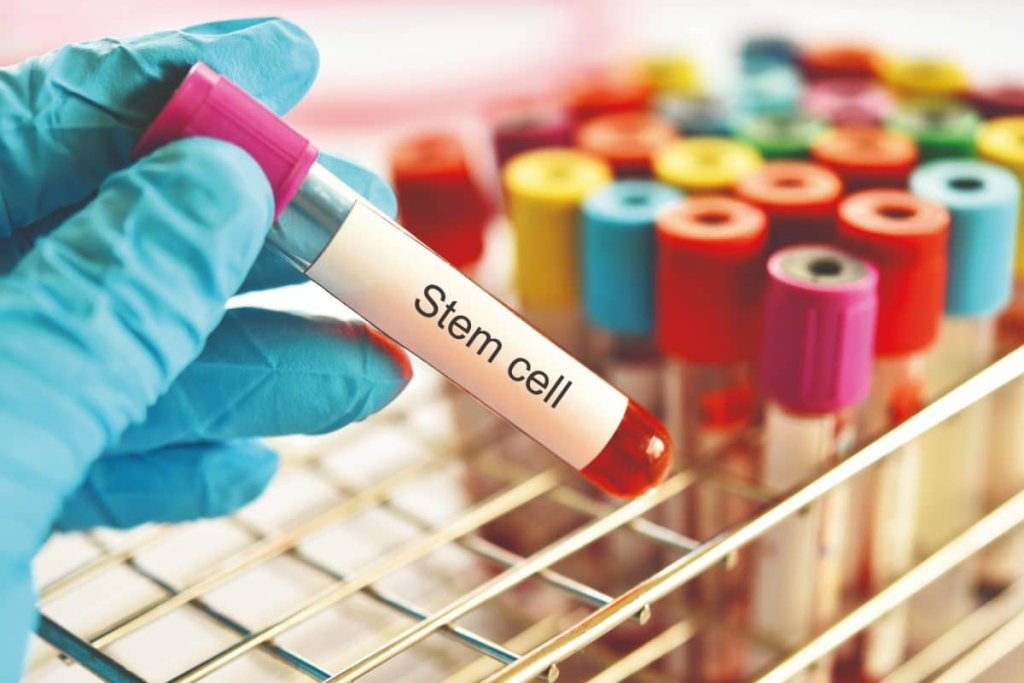
Patients may feel weak, have diarrhea, vomit, and lose their appetite during recovery. The NHS says they might need to stay in the hospital for weeks. This is while their body waits for the new stem cells to work and make new blood cells.
It’s important for patients and caregivers to know about these risks. We’ll look at the side effects of stem cell transplant and what they mean for recovery.
Key Takeaways
- Patients may experience significant side effects during the recovery period.
- The risk of infections can persist for a year or longer after the transplant.
- Regular blood transfusions may be necessary due to low blood counts.
- Hospital stay can range from a few weeks to a few months.
- Special precautions, such as staying in a germ-free room, may be required.
Understanding Stem Cell Transplantation
Stem cell transplantation replaces damaged or diseased stem cells with healthy ones. This can come from the patient or a donor. It’s a key treatment for serious conditions.
What is a stem cell transplant?
A stem cell transplant replaces bad stem cells with good ones. Stem cells can become many types of cells in our body. They help fix damaged tissues and restore body functions.
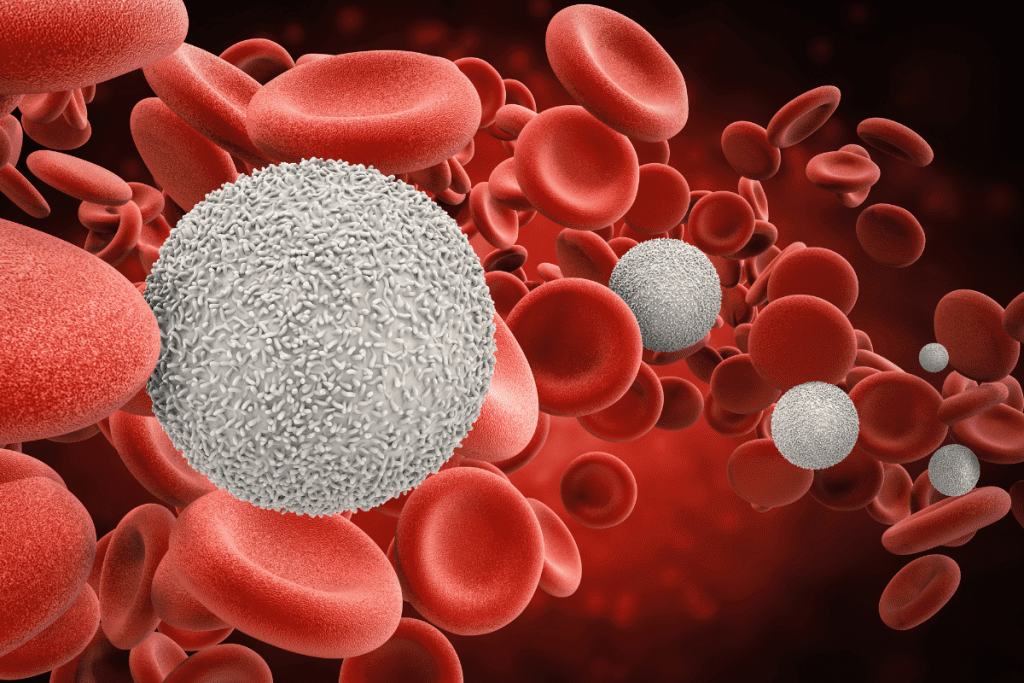
Types of stem cell transplants: Autologous vs. Allogeneic
There are two main types of stem cell transplants: autologous and allogeneic. Autologous transplants use the patient’s own stem cells. These are collected, stored, and then given back after treatment. This method lowers the risk of graft-versus-host disease (GVHD).
Allogeneic transplants use stem cells from a donor. Donors can be family or not related. Allogeneic transplants can cause GVHD but also help fight cancer. Stem cells come from afterbirth, offering powerful regenerative potential for medical treatments, research, and future health therapies worldwide
Choosing between autologous and allogeneic depends on the disease, patient health, and donor availability.
Common conditions requiring stem cell transplants
Stem cell transplants treat many conditions, like some cancers and blood disorders. The decision to have a transplant depends on the disease’s severity, treatment response, and health.
Knowing about stem cell transplantation helps patients understand their options. It aids in making informed decisions about their care.
Where Stem Cells Come From: Afterbirth and Other Sources
Stem cells come from many places, like bone marrow, blood, and umbilical cord blood. Knowing where they come from is important for both patients and doctors.
Bone Marrow Harvesting Procedure
Bone marrow harvesting is a surgical procedure to get marrow from the hip or sternum. It’s done under general anesthesia to make it less painful. The marrow is then processed to get the stem cells for transplant.
This surgery might sound scary, but it’s a safe way to get stem cells. The details can change based on the patient and the transplant team.
Peripheral Blood Stem Cell Collection
Peripheral blood stem cell collection is another way to get stem cells. It uses medicine to make stem cells move into the blood. Then, they are collected through apheresis.
Apheresis is a non-surgical way to get stem cells from blood. It’s less invasive than bone marrow harvesting. This method is often preferred for its gentleness.
Umbilical Cord Blood as a Stem Cell Source
Umbilical cord blood is a great source of stem cells, often thrown away after birth. Getting cord blood is easy and painless. It can be used for transplants in kids and adults, helping with many diseases.
Cord blood banking is becoming more popular. Families store their baby’s cord blood for future use. This can be a lifesaver if needed later.
Can Bone Marrow Grow Back After Donation?
Yes, bone marrow can grow back after donation. The body can make new bone marrow cells. After donation, marrow usually regenerates in a few weeks.
Donors are happy to know that the bone marrow harvesting process is designed to take less marrow. This helps avoid complications and speeds up recovery.
| Stem Cell Source | Collection Method | Regeneration Ability |
| Bone Marrow | Surgical harvesting | Regenerates within weeks |
| Peripheral Blood | Apheresis after mobilization | N/A |
| Umbilical Cord Blood | Non-invasive collection at birth | N/A |
Preparing for a Stem Cell Transplant
Getting ready for a stem cell transplant is a big step. It includes medical checks and special treatments. We know it’s tough, so we help you get ready for what’s next.
Pre-transplant Testing and Evaluation
We do lots of tests before the transplant to check your health. These tests find any risks and plan how to avoid problems. You’ll get checked with:
- Blood tests to check your blood and for infections
- Imaging tests like X-rays or CT scans for organ health
- Heart checks to see how your heart is doing
- More tests based on your health and past
Conditioning Regimens: Chemotherapy and Radiation
To get your body ready, we use special treatments. These include chemotherapy and radiation. They kill bad cells and weaken your immune system. This makes it easier for new stem cells to work.
Chemotherapy kills cancer and other bad cells. Radiation therapy targets specific areas. We adjust the treatment based on your needs.
Central Venous Catheter Placement
Getting a central venous catheter is key. It lets us give you stem cells and other treatments directly. The procedure is done under local anesthesia in your chest or neck.
Mental and Emotional Preparation
A stem cell transplant is tough for you and your family. We suggest getting ready mentally and emotionally. This can include counselling or support groups.
Looking after your mind helps you face transplant challenges. We’re here to support you all the way.
How Does a Bone Marrow Transplant Work?
A bone marrow transplant introduces healthy stem cells into the body. These stem cells then produce new blood cells. This is key for those with blood diseases like leukemia and lymphoma.
The Stem Cell Infusion Process
The stem cell infusion is quick and simple. We put the healthy stem cells into the patient’s blood through a special catheter. This is like a blood transfusion and takes a few hours.
We watch the patient’s vital signs during the infusion. This ensures their safety and comfort. The stem cells then go to the bone marrow to make new blood cells.
What Happens Immediately After Infusion
Right after infusion, we watch for any immediate reactions or side effects. Some might feel fever, chills, or nausea. But these are usually short-lived and can be treated with medicine.
We keep a close eye on the patient’s blood counts. We look for the white blood cell count to start going up. This shows the stem cells are working.
Engraftment Process and Timeline
Engraftment is when the stem cells start making new blood cells. This usually happens in 2 to 4 weeks. But it can vary based on the individual.
| Timeline | Event |
| 0-2 weeks | Stem cell infusion |
| 2-4 weeks | Engraftment begins |
| 4-6 weeks | Blood counts start to recover |
Initial Hospital Recovery Period
During the initial recovery, we offer constant care. This helps manage any issues and supports the patient’s healing. Most patients leave the hospital in a few weeks.
After leaving, patients have regular check-ups. We monitor their progress and address any concerns or complications.
Immediate Post-Transplant Complications
The first days after a stem cell transplant are very risky. Patients need careful watching and care. Their bodies can’t fight off infections well, making it a key time to handle problems.
The Critical First 30 Days
The first 30 days are very important. Patients face a high risk of infections and serious issues because of neutropenia. Neutrophils are white blood cells that fight infections.
Patients and their caregivers must watch for signs of infection. This includes fever, chills, or cough. It’s important to tell the healthcare team right away if symptoms show up.
Neutropenia and Severe Infection Risk
Neutropenia is a big worry in the early days after transplant. With fewer neutrophils, fighting infections is hard. Patients often get antibiotics to prevent or treat infections.
It’s key for patients to know about neutropenia risks. They should try to avoid getting sick, like staying away from crowded places or sick people.
Common Immediate Side Effects
Patients may also face many side effects right after the transplant. These include feeling very tired, nausea, vomiting, diarrhea, and mucositis. It’s important to manage these side effects well for comfort and recovery.
Our healthcare team helps patients with these side effects. They make sure patients get the support and treatment they need during this tough time.
Acute Complications by Transplant Type
It’s important to know the differences between autologous and allogeneic transplants. The type of transplant a patient gets can affect the risks and complications they face.
Autologous Transplant Complications
Autologous transplants use a patient’s own stem cells. They usually have fewer complications than allogeneic transplants. But, they are not risk-free. Common issues include:
- Infection due to neutropenia
- Mucositis and gastrointestinal issues
- Potential for relapse of the underlying disease
Even with these risks, autologous transplants often have a lower chance of graft-versus-host disease (GVHD). GVHD is a big problem with allogeneic transplants.
Allogeneic Transplant Complications
Allogeneic transplants use donor stem cells. They come with a higher risk of complications, such as:
- Graft-versus-host disease (GVHD)
- Increased risk of infections due to immunosuppression
- Organ damage from conditioning regimens
GVHD is a major issue with allogeneic transplants. It happens when the donor’s immune cells attack the recipient’s tissues. Managing GVHD is key in post-transplant care.
Transplant-Related Mortality Rates
Transplant-related mortality (TRM) rates differ between autologous and allogeneic transplants. Allogeneic transplants usually have a higher TRM. This is due to complications like GVHD and infections.
| Transplant Type | Common Complications | Transplant-Related Mortality Rate |
| Autologous | Infection, mucositis, relapse | Lower (around 5%) |
| Allogeneic | GVHD, infection, organ damage | Higher (around 15-20%) |
Knowing these risks helps patients and healthcare providers make better decisions. It also helps manage expectations.
Graft-Versus-Host Disease (GVHD)
Graft-versus-host disease (GVHD) is a big worry for those getting allogeneic stem cell transplants. It happens when the donor’s immune cells see the recipient’s body as foreign and attack it. This can be acute or chronic, with acute GVHD happening in the first 100 days after transplant.
Understanding Acute GVHD Development
Acute GVHD happens when the donor’s T-cells attack the recipient’s tissues. The risk depends on how well the donor and recipient match, the stem cell source, and the transplant prep. Early detection and management of GVHD are key to avoiding severe problems.
Organs Commonly Affected
GVHD can hit many organs, like the skin, liver, and gut. Skin issues often start with a rash or itching. Liver problems can cause jaundice and high liver enzymes. Gut GVHD leads to nausea, vomiting, diarrhea, and belly pain. Spotting these symptoms early is vital for quick action.
| Organ | Symptoms of GVHD |
| Skin | Rash, itching |
| Liver | Jaundice, elevated liver enzymes |
| Gastrointestinal Tract | Nausea, vomiting, diarrhea, abdominal pain |
GVHD Prevention Strategies and Medications
To prevent GVHD, we use immunosuppressive meds, T-cell depletion, and pick the best donor. Medicines like calcineurin inhibitors, methotrexate, and corticosteroids are used. Customizing prevention based on the patient’s risk factors is important to lower GVHD rates.
Knowing the risks and using good prevention methods can cut down GVHD cases and severity. This helps patients do better after allogeneic stem cell transplants.
Recovery Timeline and Milestones
Recovering from a stem cell transplant has many stages. Each stage has its own challenges and milestones. It’s important to know what to expect during this journey.
The First 100 Days Post-Transplant
The first 100 days after a transplant are very important. Patients are watched closely for signs of infection and other issues. As the new stem cells start working, patients often see big improvements.
Key milestones during this time include:
- Neutrophil recovery, showing the start of engraftment
- Platelet count stabilization
- Less need for blood transfusions
| Milestone | Typical Timeline | Significance |
| Neutrophil Recovery | 2-4 weeks | Shows engraftment and lowers infection risk |
| Platelet Count Stabilization | 2-6 weeks | Reduces bleeding risk |
Six Months to One Year Recovery Expectations
After the first 100 days, patients keep getting better. Their immune system starts to work better, protecting them from infections. They can start doing normal things again, but with care.
At this point, we watch for:
- Signs of chronic GVHD
- The immune system functions through regular blood tests
- Overall health and well-being
Returning to Normal Activities
Getting back to normal is a big step. How long it takes varies. It depends on health, any complications, and the transplant type. Patients start with small tasks and slowly do more.
Immune System Reconstitution Timeline
It takes a year or more for the immune system to fully recover. Patients are at different risks for infections. We help manage these risks and support their recovery.
The recovery from a stem cell transplant is complex and unique to each person. Knowing the milestones helps patients understand their journey better.
Long-Term Side Effects of Stem Cell Transplants
Stem cell transplants can save lives but have long-term side effects. It’s important to know these effects to give the best care. This knowledge helps in treating various diseases effectively.
Chronic GVHD Manifestations and Management
Chronic Graft-Versus-Host Disease (GVHD) is a major side effect. It happens when the donated stem cells attack the body. This can harm organs like the skin, liver, and stomach. Managing chronic GVHD well is key to avoiding lasting damage.
Treatment often includes medicines to control the immune system. It also includes care to ease symptoms and prevent further problems.
People with chronic GVHD might have skin issues, dry mouth, and trouble swallowing. It’s important to catch and treat it early.
Secondary Malignancies and Cancer Risks
Stem cell transplants also raise the risk of new cancers. The treatment process can lead to this. Regular check-ups are key to catching new cancers early.
Patients should know the risks and work with their doctors. This helps in creating a plan to watch for new cancers.
- Regular check-ups and screenings
- Monitoring for signs of new cancers
- Lifestyle modifications to reduce cancer risk
Endocrine and Metabolic Disorders
Patients may face endocrine and metabolic issues. These include thyroid problems, bone thinning, and metabolic syndrome. Therapies like hormone replacement may be needed.
Regular monitoring is important to catch these problems early.
Psychological and Cognitive Effects
Stem cell transplants can also affect the mind and thinking. Patients might feel anxious, depressed, or have trouble concentrating. Getting mental health support and cognitive therapy is vital.
Healthcare teams should offer care that includes mental health support. This ensures patients’ overall well-being.
Bone Marrow Transplant Success Rate and Survival Statistics
Knowing the success rate of bone marrow transplants is key for those thinking about this treatment. Success is measured by how long patients live and their quality of life after the transplant.
Life Expectancy After Stem Cell Transplant
Life expectancy after a stem cell transplant changes a lot. It depends on the disease being treated, the transplant type, and the patient’s health. People who use their own stem cells usually do better than those who get them from someone else.
Recent studies show survival rates are getting better. This is thanks to new medical tech and better care after the transplant. For example, a study found that more people with lymphoma are living longer than before.
Factors Affecting Long-Term Survival
Many things can affect how long someone lives after a stem cell transplant. These include:
- The disease being treated
- The type of transplant (autologous vs. allogeneic)
- The patient’s age and health at transplant time
- Any other health problems
- Getting graft-versus-host disease (GVHD) in allogeneic transplants
Knowing these factors helps patients and their families understand what to expect.
10-Year Survival Rates and Quality of Life
Survival rates after stem cell transplants are promising, with some studies showing over 50% survival at 10 years for certain groups. It’s also important to think about the quality of life for these survivors.
Many patients can go back to their usual lives and enjoy a good quality of life after a transplant. But some may face long-term side effects like chronic GVHD, new cancers, or hormone problems.
| Condition | 5-Year Survival Rate | 10-Year Survival Rate |
| Lymphoma | 60% | 45% |
| Leukemia | 55% | 40% |
| Myeloma | 50% | 35% |
The table shows that survival rates vary by disease. It’s vital for patients to talk about their specific chances with their doctor.
“The better survival rates after stem cell transplants show how far transplant medicine and care have come. Patients and their families should know what affects long-term survival and work with their healthcare team to get the best results.”
Advances in Transplant Medicine: Reducing Complications
Recent breakthroughs in transplant medicine have greatly improved patient results. These changes have cut down on problems linked to stem cell transplants. The field is moving towards safer and more effective transplant methods.
Reduced-Intensity Conditioning Protocols
One big step forward is the creation of reduced-intensity conditioning (RIC) protocols. These are key in making stem cell transplants safer for older patients or those with health issues.
- Lower toxicity: RIC protocols use less chemotherapy and radiation. This lowers the chance of damage to organs and other issues.
- Better tolerance: Patients on RIC protocols often face fewer side effects. This makes their life quality better during and after the transplant.
Novel GVHD Prevention Strategies
Graft-versus-host disease (GVHD) is a big problem with stem cell transplants. New ways to stop GVHD are being studied, including:
- Immunosuppressive therapies: New drugs and treatments are being looked into to stop GVHD without harming the transplant’s benefits.
- T-cell depletion: Methods to remove T-cells from the donor graft are being improved to lower GVHD risk.
Improved Infection Prevention and Treatment
Infections are a big worry for patients getting stem cell transplants, mainly when their white blood cell count is low. New ways to prevent and treat infections include:
- Antifungal and antibacterial prophylaxis: Better use of antifungal and antibacterial drugs is helping to cut down on serious infections.
- Vaccination strategies: New vaccination plans before and after transplant are helping to boost the immune system and lower disease risk.
Innovative Cellular Therapies and Approaches
The field of cellular therapy is growing fast, with new ideas to make stem cell transplants better. These include:
- CAR-T cell therapy: This involves changing a patient’s T-cells to fight cancer cells. It’s a promising treatment for hard-to-treat cancers.
- Mesenchymal stem cells: Research is looking into using these cells to help the immune system and fix damaged tissues.
These new developments in transplant medicine are changing the way we do stem cell transplants. They offer hope to patients and their families. As research keeps moving forward, we can look forward to even better results and quality of life for patients.
Conclusion
Stem cell transplantation is a complex and potentially life-saving treatment. It comes with significant risks and complications. We have explored the various aspects of stem cell transplants, including the types, preparation, and recovery process.
Understanding these elements is key for patients and caregivers. It helps them navigate the challenges of this treatment.
While stem cell transplants are risky, medical care and transplant techniques are getting better. The recovery process is long, but with the right care, many patients live longer and have a better life.
As transplant medicine keeps evolving, we can expect better outcomes and fewer complications. By staying updated on the latest in stem cell transplant care, patients and caregivers can make informed choices. They can access the best treatment options available.
FAQ’s:
What is a stem cell transplant?
A stem cell transplant is a complex medical procedure. It replaces a patient’s stem cells with healthy ones. These can come from the patient themselves or a donor.
How does a bone marrow transplant work?
A bone marrow transplant infuses healthy stem cells into the patient’s bloodstream. These stem cells then move to the bone marrow. There, they start producing new blood cells.
What are the common sources of stem cells for transplantation?
Stem cells for transplantation come from different sources. These include bone marrow, peripheral blood, and umbilical cord blood. Each source has its own way of being collected or harvested.
Can bone marrow grow back after donation?
Yes, bone marrow can grow back after donation. The bone marrow can regenerate and return to normal after donation.
What is the recovery timeline after a stem cell transplant?
The recovery after a stem cell transplant varies for each person. It includes milestones like the first 100 days, six months, and one year after the transplant. During this time, patients gradually return to normal activities as their immune system gets stronger.
What are the long-term side effects of stem cell transplants?
Stem cell transplants can save lives but have long-term side effects. These include chronic GVHD, secondary malignancies, and endocrine and metabolic disorders. They can also affect the mind and body.
How do you manage Graft-Versus-Host Disease (GVHD)?
GVHD is managed through prevention and medications. It’s important to understand how GVHD develops and how to prevent it. This helps manage the disease.
What factors affect long-term survival after a stem cell transplant?
Several factors affect long-term survival after a stem cell transplant. These include the condition being treated, the type of transplant, and the patient’s health.
What are the advances in transplant medicine that reduce complications?
Transplant medicine has made big strides. These include new ways to prevent GVHD and infections. There are also new treatments and therapies to improve outcomes.
What is the life expectancy after a stem cell transplant?
Life expectancy after a stem cell transplant varies. It depends on the condition being treated, the type of transplant, and the patient’s health. Knowing these factors helps patients and caregivers have realistic hopes.
What are the common immediate side effects after a stem cell transplant?
Common side effects after a stem cell transplant include neutropenia and infections. Patients and caregivers need to watch for signs of infection or other side effects during this critical time.
References
- Lin, C. H., et al. (2022). Acute myeloid leukemia relapse after allogeneic hematopoietic stem cell transplantation: risk factors and treatments. Frontiers in Oncology, 12, 793274. https://pmc.ncbi.nlm.nih.gov/articles/PMC8864276/
- Antier, C., et al. (2024). Late relapse after allogeneic stem cell transplantation in acute myeloid leukemia”a comprehensive analysis. Cells, 13(7), 1121. https://pmc.ncbi.nlm.nih.gov/articles/PMC11011193/
- de Wreede, L. C., et al. (2024). Continuously improving outcome over time after second allogeneic stem cell transplantation for AML. Blood Cancer Journal. https://www.nature.com/articles/s41408-024-01060-4
- CIBMTR Retrospective Analysis. (2025). Transplanting hope: Managing relapsed/refractory AML. ScienceDirect. https://www.sciencedirect.com/science/article/abs/pii/S2152265025001120