Last Updated on November 26, 2025 by Bilal Hasdemir
The gallbladder is a small, pear-shaped organ. It stores and concentrates bile from the livCan a Liver Grow Back After Removal? What Does the Liver Doer. This bile is key for digesting fats and vitamins A, D, E, and K.
When you eat, the gallbladder releases bile. This bile goes into the small intestine through the bile ducts. It helps with digestion. Many people ask, do you need your gallbladder, and understanding how it works and what happens if it’s removed is important for maintaining good digestion.
Key Takeaways
- The gallbladder stores bile, a fluid produced by the liver that aids in fat digestion.
- Bile release is triggered by eating, facilitating the digestion process.
- The gallbladder plays a significant role in the absorption of fat-soluble vitamins.
- Removal of the gallbladder can have implications for digestive health.
- Liv Hospital’s experienced team provides patient-centered insights into gallbladder health.
The Gallbladder: An Overview of This Small But Significant Organ
The gallbladder is a small organ under the liver. It plays a big role in digestion. It stores and releases bile, a fluid from the liver that helps digest fats.
Location and Anatomy of the Gallbladder
The gallbladder is shaped like a pear and sits under the liver. It has three parts: the fundus, body, and neck. Its design helps store and concentrate bile, which is then released into the small intestine to help digest fats.
Its location near the liver and small intestine makes it key to digestion.
How the Gallbladder Fits into the Digestive System
The gallbladder is part of the biliary system, which includes the liver, gallbladder, and bile ducts. The liver makes bile, which the gallbladder stores. When we eat fatty foods, the gallbladder releases bile into the small intestine. There, it helps digest and absorb fats.
This process is vital for fat digestion and vitamin absorption. Modern care for gallbladder diseases, like at Liv Hospital, uses advanced treatments and a team approach.
The Primary Functions of Your Gallbladder
Your gallbladder is key for storing and making bile more potent. Bile comes from the liver and is vital for digestion. It helps a lot with our digestive health.
Bile Storage and Concentration
The gallbladder holds bile from the liver and makes it stronger. This makes bile better at breaking down fats in the small intestine.
- Bile is stored and concentrated in the gallbladder.
- Concentration makes bile more effective for fat digestion.
- Efficient bile release aids in the absorption of fat-soluble vitamins.
Role in Fat Digestion and Vitamin Absorption
The gallbladder is key in fat digestion by releasing bile into the small intestine. Bile salts break fats into smaller bits. These bits are then absorbed by the intestinal walls.
- Bile salts emulsify fats, making them easier to digest.
- The emulsification process aids in the absorption of vitamins A, D, E, and K.
- Efficient fat digestion supports overall nutritional health.
The importance of the gallbladder in digestion cannot be overstated. It’s vital for breaking down fats and vitamins A, D, E, and K. Knowing its role helps us see why keeping the gallbladder healthy is important.
In summary, the gallbladder’s main jobs are storing and concentrating bile. It also plays a big part in fat digestion and vitamin absorption. These roles show how important the gallbladder is to our digestive system.
Do You Need Your Gallbladder? Understanding Its Necessity
The need for a gallbladder has sparked debate, mainly among those who have had it removed. Our bodies can adjust to life without this organ, making us wonder if it’s really necessary.
The Non-Essential Nature of the Gallbladder
The gallbladder is not a vital organ. Removing it doesn’t stop digestion. People can live well without it because the liver keeps making bile.
Key points to consider:
- The liver makes up for the gallbladder’s absence by always producing bile.
- Bile goes straight to the small intestine, helping with fat digestion and vitamin absorption.
- Not having a gallbladder might mean some digestive changes, but it’s not dangerous.
How the Body Compensates Without a Gallbladder
Without a gallbladder, the body adjusts how bile is stored and released. Bile is less concentrated and not released in big amounts. Yet, digestion keeps going.
Bile keeps flowing into the intestine, aiding in fat digestion, though not as well as with a gallbladder. This change lets people digest food and absorb nutrients.
Addressing Common Misconceptions About Gallbladder Necessity
Many think the gallbladder is key for digestion, but it’s not. Its absence doesn’t stop digestion. The gallbladder helps with fat digestion, but it’s not essential.
Some common misconceptions include:
- Thinking a gallbladder is vital for survival.
- Believing removing the gallbladder will cause severe digestive problems.
- Assuming a gallbladder is needed for vitamin absorption.
In truth, while the gallbladder helps, removing it doesn’t mean losing these functions. The liver keeps making bile.
Common Gallbladder Problems That May Lead to Removal
The gallbladder is not needed to live, but it can cause big health problems. Certain conditions might make doctors think about removing it.
Gallstones: The Leading Cause of Gallbladder Surgery
Gallstones are the top reason for gallbladder surgery. They are hard, small pieces that form in the gallbladder. They are usually made of cholesterol or bilirubin.
Gallstones can cause severe pain, known as biliary colic, and may lead to complications if not treated.
Doctors say diet, obesity, and genetics play a part in gallstones. Eating too much fat and cholesterol can raise your risk.
“Gallstones are a major health issue affecting millions worldwide. Understanding the risk factors and symptoms can help in early diagnosis and treatment.”
Dr. John Smith, Gastroenterologist
Cholecystitis and Other Inflammatory Conditions
Cholecystitis is inflammation of the gallbladder, often caused by gallstones blocking the cystic duct. This can be acute or chronic and may lead to serious complications if not properly managed.
Other inflammatory conditions of the gallbladder include:
- Acalculous cholecystitis, which occurs without the presence of gallstones
- Gangrenous cholecystitis, a severe form of acute cholecystitis
- Xanthogranulomatous cholecystitis, a rare form of chronic cholecystitis
| Condition | Description | Common Symptoms |
| Gallstones | Hard deposits in the gallbladder | Severe abdominal pain, nausea |
| Cholecystitis | Inflammation of the gallbladder | Abdominal pain, fever, jaundice |
| Gallbladder Polyps | Growths on the gallbladder wall | Often asymptomatic, sometimes abdominal pain |
Gallbladder Polyps and Cancer
Gallbladder polyps are growths on the gallbladder wall. Most are not harmful, but some can be cancerous.
Gallbladder cancer is rare but aggressive. It can be caused by gallstones, chronic inflammation, and genetic conditions.
Knowing about these gallbladder problems is key for early treatment. This might stop the need for surgery.
Gallbladder Removal Surgery: What to Expect
Modern medicine has made gallbladder removal surgery more advanced. This surgery, called cholecystectomy, is common for those with gallbladder disease. Knowing what to expect can make the process easier.
Laparoscopic Cholecystectomy: The Standard Procedure
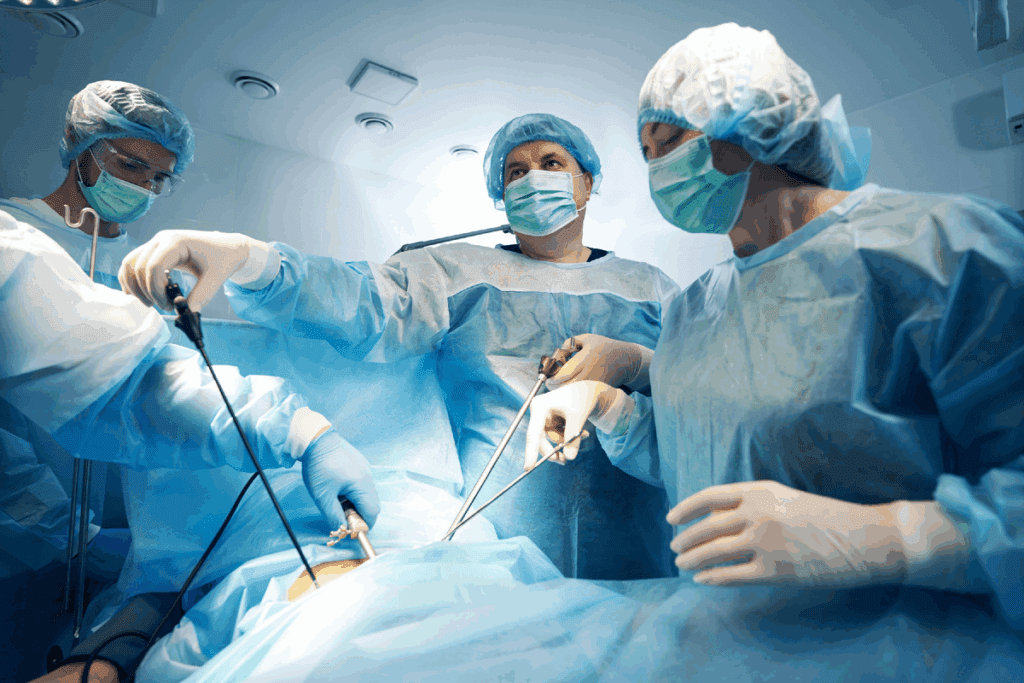
Laparoscopic cholecystectomy is the most common surgery for removing the gallbladder. It involves small incisions in the abdomen. A laparoscope with a camera lets the surgeon see the gallbladder on a screen.
This method causes less damage and trauma than open surgery. It leads to quicker recovery and less pain after surgery.
The surgery takes about 1 to 2 hours under general anesthesia. Patients get smaller scars, fewer complications, and a shorter hospital stay. They often go home the same day or the next day.
Open Cholecystectomy: When and Why It’s Performed
An open cholecystectomy is needed in some cases. This traditional surgery uses a bigger incision to access the gallbladder. It’s less common but used for complicated cases.
Open cholecystectomy takes longer to recover from, with a hospital stay of several days. But it’s better for handling complex situations.
Life After Gallbladder Removal: Immediate Changes
Life after gallbladder removal can be a big change. But knowing what to expect can make it easier. Most people don’t have big problems, but some might notice digestive changes. These changes are usually short-term and can be managed with the right care.
Recovery Timeline and Post-Surgical Care
The time it takes to recover from gallbladder removal surgery varies. Usually, it’s a few days to a week for laparoscopic surgery, the most common type. Post-surgical care is key for a smooth recovery. Patients are told to rest, avoid heavy lifting, and follow a special diet to help their digestive system adjust.
In the first few days, you might feel some discomfort like pain at the surgery site, tiredness, or mild digestive issues. These symptoms can be managed with pain meds and diet changes. It’s important to follow the post-operative instructions from your doctor to avoid complications and recover quickly.
Initial Digestive Adjustments
After gallbladder removal, your body needs to get used to bile flowing directly into your digestive system. Some people might have digestive adjustments like diarrhea, bloating, or trouble digesting fatty foods. These symptoms are usually short-term and can be helped by changing your diet.
Eating smaller, more frequent meals and avoiding fatty or greasy foods can help with digestive discomfort. Over time, most people find their digestive system adjusts to not having a gallbladder, and symptoms get better. But, it’s important to listen to your body and talk to your healthcare provider if symptoms don’t go away or are severe.
Knowing what to expect after gallbladder removal can make the transition easier. By understanding the recovery timeline, post-surgical care, and digestive adjustments, you can navigate this period better. This sets you up for a healthy life after surgery.
Long-Term Effects of Living Without a Gallbladder
Removing the gallbladder changes how bile flows and digests food. The liver keeps making bile, but it goes straight to the small intestine. This can affect the digestive system in many ways.
Continuous Bile Flow and Its Impact
Without a gallbladder, bile flows non-stop into the small intestine. This can cause digestive problems, as noted by
“The absence of a gallbladder leads to a steady stream of bile into the intestine, which can sometimes cause digestive discomfort.”
This constant flow might make bile salts reach the colon. This can lead to diarrhea or other digestive issues.
Potential Digestive Changes and Symptoms
After gallbladder removal, some people may face diarrhea, fatty stools, or bloating. These symptoms happen because bile can’t break down fats as well. This can cause malabsorption. But, most people get used to these changes in a few weeks or months.
Some people might have ongoing digestive problems. Yet, many manage their symptoms by changing their diet. For example, eating less fat can help with bile malabsorption issues.
Dietary Considerations After Gallbladder Removal
After gallbladder surgery, changing your diet is key to avoid digestive issues. Without a gallbladder, the body can’t digest fats well. This can cause stomach problems.
Foods That May Cause Discomfort
Some foods can upset your stomach after gallbladder surgery, mainly those high in fat. These foods are hard to digest. They can lead to diarrhea, bloating, and stomach pain.
- High-fat dairy products
- Fried foods
- Processed meats
Recommended Dietary Adjustments
To ease digestive changes after surgery, follow a gentle diet. Eat more fiber and cut down on fatty foods.
| Dietary Adjustment | Benefit |
| Increasing fiber intake | Helps in managing digestion and reducing symptoms of constipation |
| Reducing fat consumption | Minimizes the risk of diarrhea and abdominal pain |
| Eating smaller, more frequent meals | Eases digestion and reduces discomfort |
Supplements That May Help
Some people might need supplements to help with digestion after gallbladder surgery. These can include bile salts for fat digestion and vitamins for health.
Always talk to a doctor before taking supplements. They can check if you really need them.
Can a Gallbladder Heal Itself? Exploring Non-Surgical Options
Many patients wonder if their gallbladder can recover without surgery. The answer depends on the condition of the gallbladder.
In cases of mild inflammation or early-stage gallbladder disease, recovery without surgery is possible. Mild inflammation may sometimes resolve with appropriate treatment, allowing the gallbladder to function normally again.
When Mild Inflammation May Resolve Without Surgery
Mild gallbladder inflammation, or cholecystitis, can resolve without surgery if treated early. Early diagnosis and treatment are key to a good outcome.
For patients with mild gallbladder inflammation or gallstones without symptoms, non-surgical treatments are recommended. Adopting a healthy diet can help manage symptoms and potentially allow the gallbladder to heal.
Alternative Treatments and Their Effectiveness
Alternative treatments, including herbal remedies and lifestyle modifications, are sometimes considered for managing gallbladder issues. The effectiveness of these treatments varies and should be discussed with a healthcare provider.
Some studies suggest that certain herbal supplements may help dissolve gallstones or reduce inflammation. Consulting a healthcare professional before starting any alternative treatment is essential to ensure safety and efficacy.
“The management of gallbladder disease requires a holistic approach, including dietary adjustments and potentially alternative therapies, to support gallbladder health and overall well-being.”
In conclusion, while some gallbladder conditions may resolve without surgery, it’s vital to consult with a healthcare provider to determine the best treatment.
Conclusion: Living a Healthy Life With or Without Your Gallbladder
Knowing how the gallbladder works and what happens when it’s removed is key to staying healthy. Places like Liv Hospital use the latest methods and team up doctors to give top-notch care.
Life without a gallbladder means making some changes, like what you eat. Choosing the right foods can help avoid discomfort and keep your digestive system working well. Most people can live well without their gallbladder, thanks to their body’s adaptability.
To live well after losing your gallbladder, you need good medical care and the right diet. Understanding the changes after surgery helps you manage your health better.
FAQ
Do you need your gallbladder to live a healthy life?
No, many people live healthy lives without their gallbladder. The body can adjust to its absence. Modern medicine and diet changes help manage digestive changes.
What is the primary function of the gallbladder?
The gallbladder’s main job is to store and concentrate bile. This helps with fat digestion and vitamin absorption.
Can a gallbladder heal itself?
Sometimes, mild gallbladder inflammation can heal on its own. But, severe issues like gallstones or cholecystitis often need surgery.
What are the common problems that may lead to gallbladder removal?
Problems like gallstones, cholecystitis, polyps, and cancer may lead to gallbladder removal.
What can I expect after gallbladder removal surgery?
After surgery, you’ll need time to recover and adjust your diet. Your body will adapt, but some may face digestive changes or discomfort.
Are there dietary considerations after gallbladder removal?
Yes, avoid fatty foods and eat smaller meals after gallbladder removal. Supplements can also help with digestion.
Is the gallbladder necessary for digestion?
The gallbladder aids digestion but isn’t essential. Without it, the body adapts, and bile flows directly into the small intestine.
Can I live without my gallbladder?
Yes, many live without their gallbladder with minimal effects. Some may need to adjust their diet for digestion.
Why do I need a gallbladder?
The gallbladder stores bile for fat digestion and vitamin absorption. It’s vital for digestion but not for survival.
What happens if I don’t have a gallbladder?
Without a gallbladder, bile goes straight to the small intestine. This can cause digestive changes. Yet, many live healthy lives without it.
References
- Park, S., et al. (2024). Associations of cholecystectomy with metabolic health: A large population-based retrospective cohort study. Scientific Reports, 14, 12345. Retrieved from