
Explaining why do you ovulate during medicated fet cycle is typically suppressed by hormones. For those going through fertility treatments, it’s key to know if ovulation happens during a medicated Frozen Embryo Transfer (FET) cycle. A medicated FET cycle aims to stop natural ovulation. It uses special medicines to get the uterus ready for the embryo.
We make the uterus ready with estrogen and progesterone. This way, we don’t need natural ovulation. It makes the treatment more controlled and precise.
At Liv Hospital, we use the latest medical knowledge for medicated FET treatments. We make sure patients get the best care and support they need.
Key Takeaways
- Medicated FET cycles stop natural ovulation.
- Estrogen and progesterone are given to get the uterus ready.
- This method makes the treatment more controlled.
- Liv Hospital offers top-notch care for patients.
- We provide personal support during treatment.
Understanding the Basics of Frozen Embryo Transfer (FET)

Frozen Embryo Transfer, or FET, is a big step in fertility treatments. It’s a key part of reproductive technology. FET is often chosen over fresh embryo transfers because of its success rates.
What is a Frozen Embryo Transfer?
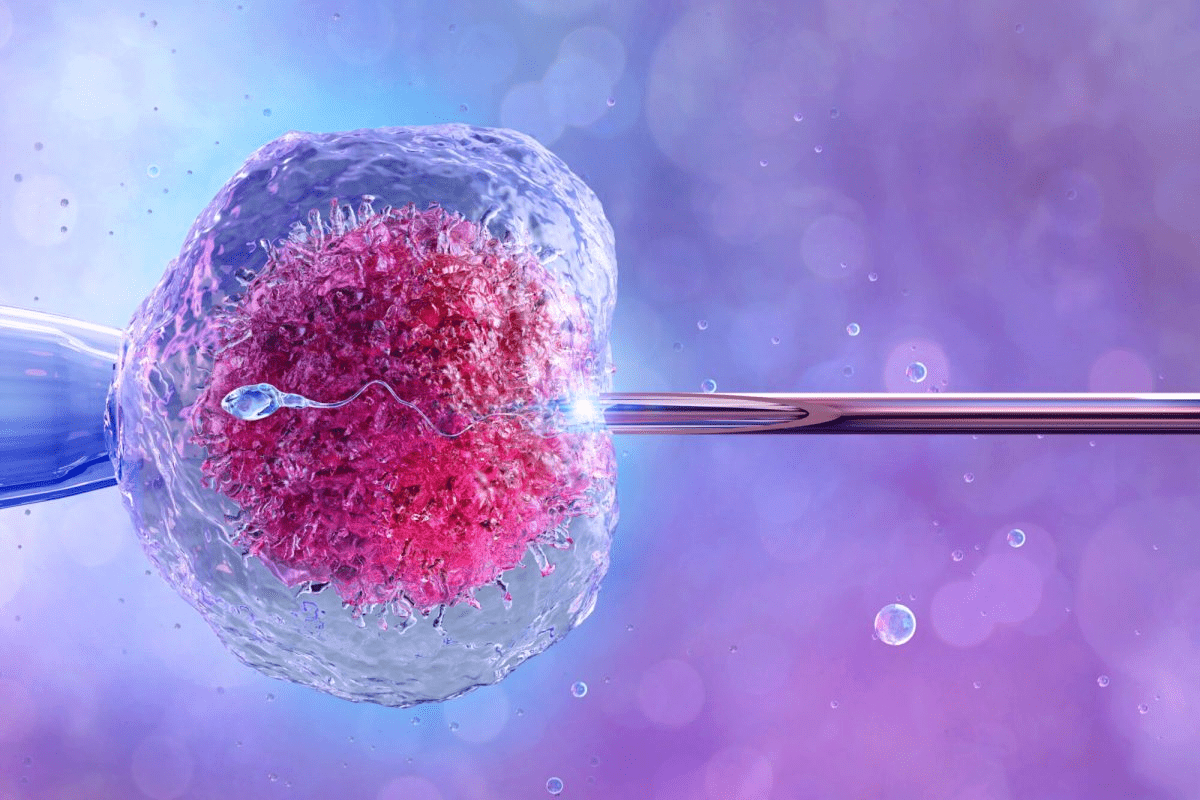
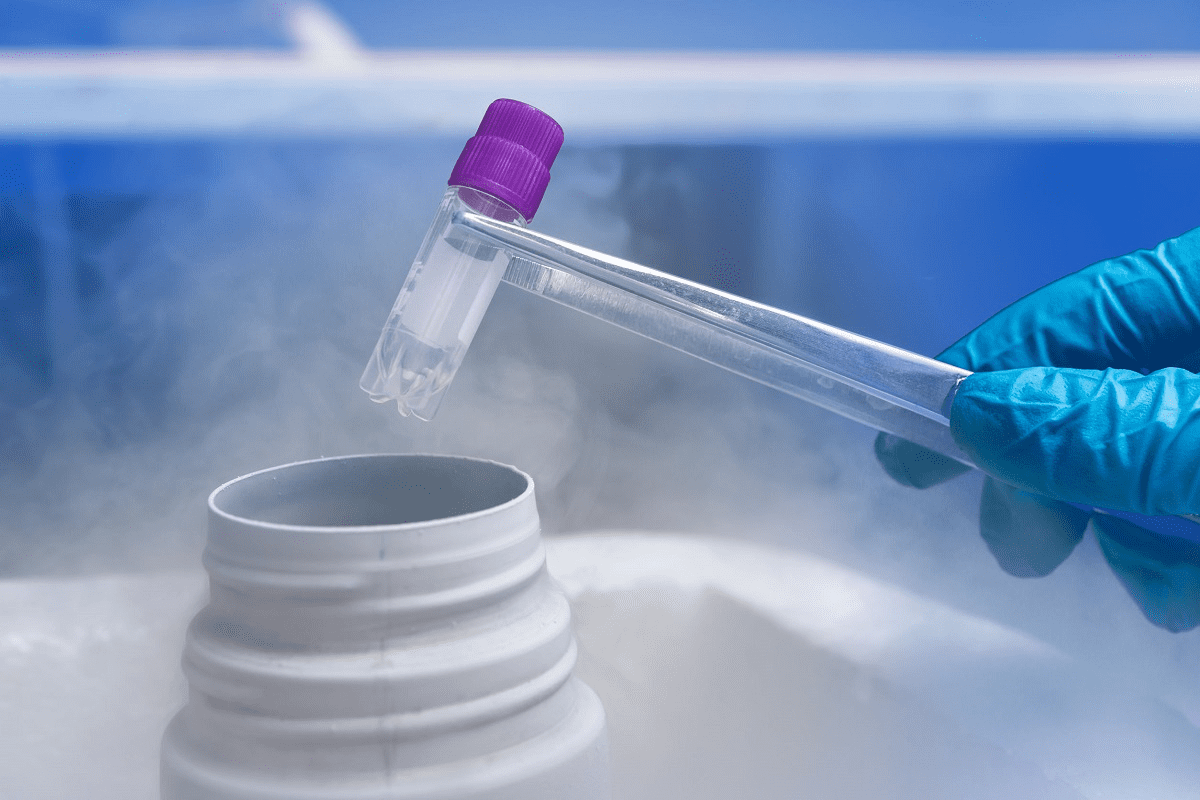
A Frozen Embryo Transfer involves thawing and placing a frozen embryo in a woman’s uterus. It’s part of assisted reproductive technology (ART). This method helps transfer embryos at the best time for a successful pregnancy.
The process starts with thawing the embryos. Then, they’re checked for health before being transferred. This method is popular because of its success and timing flexibility.
Different Types of FET Cycles
There are two main FET cycles: medicated and natural. The choice depends on the patient’s health, ovarian function, and the doctor’s advice.
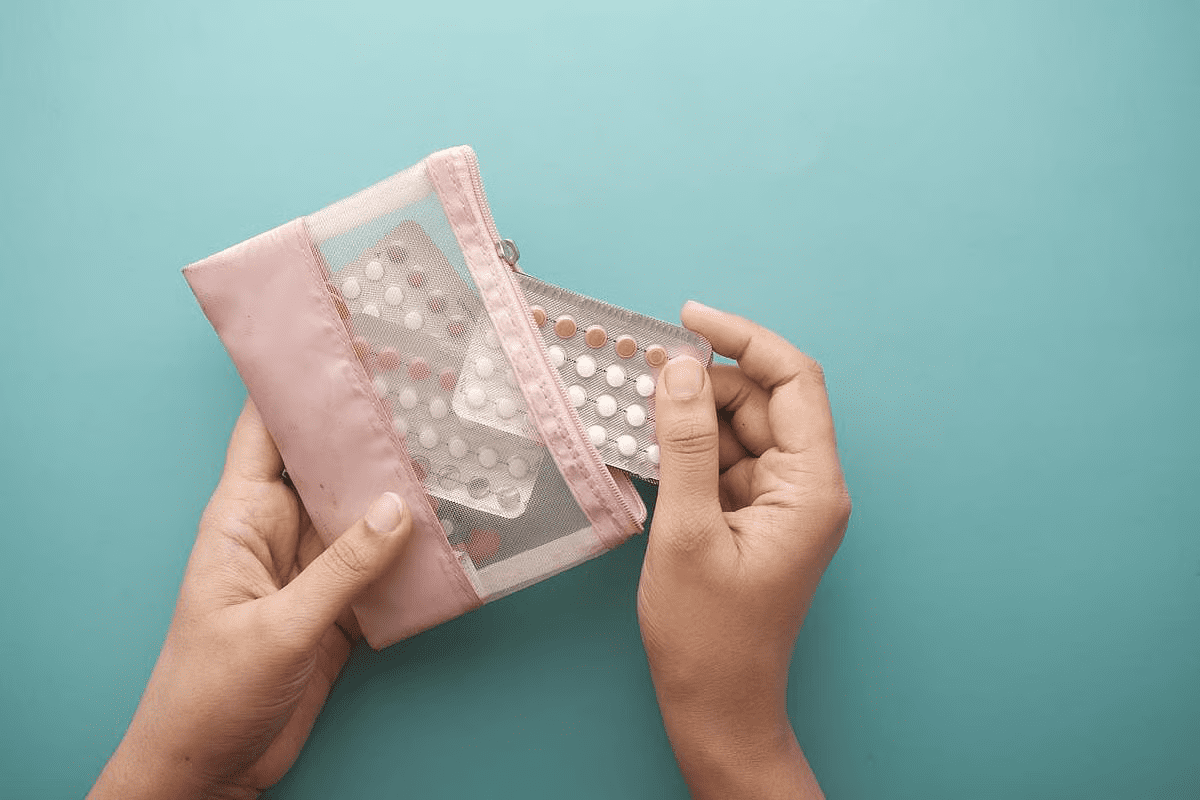
- Medicated FET Cycle: This cycle uses medications to control the natural cycle. It prepares the uterus with estrogen and progesterone for the embryo transfer.
- Natural FET Cycle: This cycle follows the natural menstrual cycle. It often uses little to no hormonal supplements.
Benefits of FET in Fertility Treatment
FET offers many benefits in fertility treatment. Some key advantages include:
- It avoids the risks of ovarian hyperstimulation syndrome (OHSS) seen in fresh transfers.
- It allows for better timing of embryo transfer, improving chances of success.
- It gives flexibility in scheduling, fitting treatment to personal needs.
- It reduces the need for another egg retrieval, using embryos from previous cycles.
Knowing about FET, including its types and benefits, helps people make better choices in fertility treatments.
Do You Ovulate During a Medicated FET Cycle?

Many people wonder if ovulation happens during a medicated FET cycle. Understanding how this affects your body’s natural cycles is key.
The Simple Answer: No
In a medicated FET cycle, ovulation does not occur naturally. The medications used stop your body’s natural ovulation. This creates a controlled cycle.
During a medicated FET cycle, the given medications stop the release of hormones that trigger ovulation. This is important for the FET’s success. It lets the fertility specialist control when the embryo is transferred.
How Medications Suppress Natural Ovulation
The drugs in a medicated FET cycle include gonadotropin-releasing hormone (GnRH) agonists or antagonists. These drugs stop the pituitary gland from releasing hormones that start ovulation. This stops the ovaries from releasing an egg, stopping natural ovulation.
Why Ovulation Suppression Matters in FET
Stopping natural ovulation is key for a medicated FET cycle’s success. It lets fertility specialists control the uterine environment. This is done by creating an artificial cycle.
This controlled environment boosts the chances of a successful pregnancy. It makes sure the uterine lining is ready for the embryo at the best time.
Medicated vs. Natural FET Cycles: Key Differences
It’s important to know the differences between medicated and natural FET cycles for those going through fertility treatment. The choice between these methods can greatly affect the success of the embryo transfer.
Natural FET: Working With Your Body’s Ovulation
Natural FET cycles follow your body’s natural cycle. They use your body’s natural hormones to get ready for the embryo. You need to watch your cycle closely to find the best time for the transfer.
Key aspects of natural FET cycles include:
- Monitoring follicular growth and ovulation
- Timing the embryo transfer according to the natural luteinizing hormone (LH) surge
- Avoiding exogenous hormone administration
Medicated FET: Creating an Artificial Cycle
Medicated FET uses hormones to make a fake cycle. This method gives more control over when the embryo is transferred. It’s often chosen for those with irregular cycles or for synchronized transfers.
The medicated FET protocol typically includes:
- Suppression of natural hormonal activity
- Estrogen supplementation to stimulate endometrial growth
- Progesterone administration to support implantation
Comparing Success Rates Between Approaches
Studies show both medicated and natural FET cycles can have high success rates. The right choice depends on many factors, like your medical history and the clinic’s methods.
“The decision between medicated and natural FET should be based on a thorough evaluation of the patient’s specific needs and circumstances.” – Fertility Specialist
Which Approach Is Right for You?
Choosing between medicated and natural FET cycles should be a team effort with your fertility specialist. Consider your cycle, hormones, and past treatments.
Ultimately, the most suitable approach will depend on:
- Individual medical history and current health status
- Fertility goals and treatment objectives
- The fertility clinic’s recommendations based on the latest research and protocols
The Complete Medicated FET Protocol
The medicated FET protocol has four main phases. These are initial suppression, estrogen priming, progesterone introduction, and embryo transfer. Knowing about these phases is key for those going through fertility treatment.
Initial Suppression Phase
The first step is the initial suppression phase. Here, medications stop the body’s natural hormonal cycle. This makes a controlled space for the embryo transfer.
This phase is vital. It stops ovulation and gets the uterine lining ready for the treatment plan.
Estrogen Priming Phase
After suppression, estrogen priming starts. Its goal is to make the uterine lining thick enough for implantation. Estrogen meds help grow the endometrium.
The length of this phase varies. It depends on how well the body responds to estrogen and the uterine lining’s thickness.
Progesterone Introduction
When the uterine lining is ready, progesterone is added. This hormone is key for early pregnancy. It’s introduced a few days before the embryo transfer.
Embryo Transfer Timing
The last step is the embryo transfer. The timing is very important. It’s based on the embryo’s development and the uterine lining’s readiness. Usually, it happens 5-6 days after starting progesterone.
| Phase | Purpose | Medications Used |
|---|---|---|
| Initial Suppression | Suppress natural hormonal cycle | GnRH agonists or antagonists |
| Estrogen Priming | Build up uterine lining | Estrogen tablets or patches |
| Progesterone Introduction | Prepare uterus for implantation | Progesterone injections or suppositories |
| Embryo Transfer | Transfer embryo to uterus | N/A |
The Role of Estrogen in Medicated FET
Estrogen is key in getting the uterus ready for a frozen embryo transfer (FET). In a natural cycle, estrogen builds up the uterine lining. For a medicated FET, estrogen is given to mimic this natural process. This ensures the lining is ready for the embryo.
How Many Days of Estrogen Before FET
The time given for estrogen before FET varies. It usually lasts about two weeks. This time lets the uterine lining thicken and get ready for the embryo.
Monitoring Endometrial Thickness is very important in FET cycles. We use ultrasound to check the lining’s thickness. It should be between 7 to 14 mm for the best chance of implantation.
Monitoring Endometrial Thickness
We watch the lining’s thickness closely with ultrasounds. We aim for a thickness that supports implantation. The thickness is measured in the sagittal plane. A trilaminar pattern is a good sign.
Types of Estrogen Medications Used
There are many estrogen medications for FET cycles. These include oral estradiol valerate, estradiol patches, and estradiol gel. The choice depends on the patient’s needs and the clinic’s protocol.
- Oral estradiol valerate is often used because it’s easy to take and works well.
- Estradiol patches give estrogen steadily and are good for those with stomach issues.
- Estradiol gel is another option, allowing for flexible dosing.
Optimal Endometrial Thickness for Transfer
The best thickness for FET is between 7 to 14 mm. This range is linked to better implantation and pregnancy rates. But, the perfect thickness can differ from person to person.
By managing estrogen and checking the lining’s thickness, we can increase the chances of a successful FET cycle.
Progesterone Timing for Frozen Embryo Transfer
Knowing when to start progesterone is key for a successful frozen embryo transfer (FET) cycle. Progesterone helps get the uterus ready for the embryo. It’s essential for a medicated FET cycle to support the endometrium and help the embryo implant.
When to Start Progesterone for Frozen Embryo Transfer
The timing of progesterone depends on the embryo’s stage. For day 3 embryos, start progesterone 3 days before. For day 5 blastocysts, start 5 days before.
Starting progesterone at the right time helps match the embryo’s growth with the uterus’s readiness. This is important for successful implantation.
How Many Days of Progesterone Before FET
The days of progesterone before FET vary by embryo stage. Day 3 embryos get 3 days, and day 5 blastocysts get 5 days. This ensures the uterus is ready for implantation.
Key Points to Consider:
- The embryo’s stage at transfer determines when to start progesterone.
- Progesterone is vital for preparing the uterus for implantation.
- The 5-day protocol for blastocysts is based on matching embryonic and endometrial development.
The Science Behind the 5 Days of Progesterone Before FET
The 5-day progesterone protocol for blastocysts is based on embryonic and endometrial development. Studies show it increases implantation success.
“The window of implantation is a critical period during which the embryo and the endometrium are synchronized for successful implantation.” –
Reproductive Endocrinology Expert
Progesterone Administration Methods
Progesterone can be given in different ways, like injections, suppositories, or capsules. The choice depends on the patient, doctor’s advice, and clinic protocols.
Each method has its benefits. The choice is made based on individual needs and clinic practices.
The Medicated FET Timeline Explained
Understanding the medicated FET timeline is key for those going through fertility treatment. The medicated FET cycle is a detailed process. It goes from getting ready before the cycle starts to the embryo transfer. We’ll walk you through it all, so you know what to expect.
Pre-Cycle Preparation
Before a medicated FET cycle begins, we get the body ready. This includes checking if the uterus is ready for the embryo. We use ultrasounds and blood tests to check the uterine lining and hormone levels.
Week-by-Week Breakdown
A medicated FET cycle lasts about 2-3 weeks. It starts with estrogen to thicken the uterine lining. Here’s what happens during this time:
- Week 1: We start estrogen therapy to thicken the uterine lining.
- Week 2: Progesterone is introduced to prepare the uterus for implantation.
- Week 3: Embryo transfer takes place, usually 5-6 days after progesterone start.
When is FET Done After Period
The timing of FET after the period varies. It depends on the individual’s cycle and the FET protocol. We wait until the uterine lining is ready before the transfer.
On Which Day of Cycle is FET Done
FET is done on the 5th or 6th day of progesterone. This is when the embryo is at the blastocyst stage. It’s important for the embryo to match the uterine lining.
| Day/Cycle | Event | Medication/Hormone |
|---|---|---|
| 1-14 | Estrogen therapy | Estrogen |
| 15 | Progesterone start | Progesterone |
| 20-21 | Embryo transfer | – |
The Embryo Transfer Procedure
Learning about the embryo transfer can ease worries and get you ready for what’s next. This key step in IVF puts the embryo in the uterus. It’s a vital part of the process.
How Long Does Embryo Transfer Take
The embryo transfer is quick, lasting about 15 to 30 minutes. It’s a painless method using a thin catheter to place the embryo in the uterus. The whole process, from start to finish, usually takes less than an hour.
What Happens During the Transfer
The patient lies on an examination table, with their legs up. The cervix is cleaned, and a speculum holds it in place. The embryo is then put into a catheter, guided through the cervix into the uterus. After the catheter is in, the embryo is released, and the catheter is pulled out slowly.
Day 3 vs. Day 5 Embryo Transfers
Embryo transfers can happen on day 3 or day 5. The choice depends on the embryo’s quality and the patient’s medical history.
- Day 3 Embryo Transfers: At this stage, embryos are about 6-8 cells. Transfers on day 3 are good for patients with fewer embryos.
- Day 5 Embryo Transfers: By day 5, embryos are blastocysts, with a higher chance of implanting. This stage lets for better picking of viable embryos.
Post-Transfer Instructions
After the transfer, patients are told to rest for a bit before going back to normal activities. Specific advice may vary, but common tips include:
- Avoid heavy lifting or hard activities for a few days.
- Take it easy and skip high-impact exercises.
- Follow the hormone support plan given.
It’s key to follow the fertility clinic’s specific post-transfer advice to increase the chances of success.
Monitoring During a Medicated FET Cycle
Monitoring a medicated FET cycle is key to a successful pregnancy. We watch many factors to make sure the cycle goes well.
Blood Tests: What They Measure
Blood tests are important for checking hormone levels during a medicated FET cycle. We look at estrogen and progesterone levels to see if they’re right for the embryo transfer.
These tests help us adjust the medication. This ensures the best environment for the embryo. Blood tests are done often, along with ultrasound monitoring.
Ultrasound Monitoring
Ultrasound monitoring is also vital in a medicated FET cycle. We use ultrasounds to check the endometrial thickness and development. This is important for embryo implantation.
During ultrasounds, we look at the uterine lining’s thickness, texture, and other factors. This helps us adjust the treatment plan if needed.
Signs That Your Cycle Is Progressing Well
There are signs that show a medicated FET cycle is going well. These include good hormone levels, a healthy endometrial lining, and no big complications.
| Signs of a Successful FET Cycle | Description |
|---|---|
| Optimal Hormone Levels | Estrogen and progesterone levels within the desired range |
| Healthy Endometrial Lining | A thick and receptive uterine lining |
| Absence of Complications | No significant issues that could impact the embryo transfer |
By watching these factors closely, we can increase the chances of a successful pregnancy. Our goal is to give the best care and support during the treatment.
Common Medications Used in Medicated FET Cycles
Understanding the medications in medicated FET cycles is key for those undergoing fertility treatment. These cycles use a mix of drugs to prepare the uterus for embryo implantation.
Estrogen Preparations
Estrogen is vital in medicated FET cycles. It thickens the uterine lining, making it ready for embryo implantation. There are different types of estrogen medications, like oral estradiol and estradiol patches or injections.
| Estrogen Preparation | Administration Method | Common Brands |
|---|---|---|
| Oral Estradiol | Oral tablets | Estrace, Estradiol |
| Estradiol Patches | Transdermal patches | Climara, Vivelle-Dot |
| Estradiol Injections | Intramuscular injections | Delestrogen |
Medical Expert, a fertility specialist, says, “The choice of estrogen preparation depends on the patient’s individual needs and medical history.”
“Estrogen therapy is a critical component of medicated FET cycles, and its effectiveness can significantly impact the success of the treatment.”
Medical Expert, Fertility Specialist
Progesterone Options
Progesterone is also key in medicated FET cycles. It supports implantation and keeps the pregnancy going. It can be given through vaginal suppositories, injections, or oral capsules.
- Vaginal Progesterone: Crinone gel, Endometrin suppositories
- Intramuscular Progesterone: Progesterone in oil injections
- Oral Progesterone: Prometrium capsules
The choice of progesterone administration method depends on the patient’s specific needs and the clinic’s protocols.
Additional Supportive Medications
Other medications may be given to support the FET cycle. These include:
- Low-dose aspirin to improve blood flow to the uterus
- Antibiotics to prevent infection
- Medications to manage stress and anxiety
It’s important for patients to work closely with their healthcare provider. They should understand the medications in their medicated FET cycle and follow the treatment plan carefully.
Post-Transfer Hormone Support
Hormone support after embryo transfer is key in a medicated FET cycle. It helps keep the uterus ready for implantation and early growth of the embryo.
Continuing Progesterone After Transfer
Progesterone is vital for getting the uterus ready for implantation and supporting early pregnancy. Continuing progesterone after transfer is essential until the placenta starts making this hormone, usually around 10 weeks.
This support helps in:
- Keeping the endometrium thick and receptive
- Supporting the early growth of the embryo
- Lowering the risk of early pregnancy loss due to low progesterone
Duration of Hormone Support
The duration of hormone support varies based on individual factors and clinic rules. Usually, progesterone support goes until the 10th week of pregnancy.
Important things to consider include:
- Checking progesterone levels to adjust supplements as needed
- Watching the overall health and growth of the pregnancy
- Slowly stopping hormone support as the placenta takes over
Transitioning to Pregnancy Support
Transitioning to pregnancy support means changing the hormone supplements as the pregnancy grows. This change is vital to keep the pregnancy supported.
Important parts of this transition include:
- Regular checks through blood tests and ultrasounds
- Changing the dosage and type of hormone supplements based on the pregnancy’s growth
- Guiding on any changes in symptoms or side effects
By managing hormone support after embryo transfer well, we can greatly increase the chances of a successful pregnancy in medicated FET cycles.
Conclusion
Understanding a medicated FET cycle is key for those going through fertility treatments. This method offers a controlled way to help a successful pregnancy. It involves careful monitoring and the right use of medications.
We’ve looked at the parts of a medicated FET cycle in this article. This includes the roles of estrogen and progesterone, the need for monitoring, and the differences with natural FET cycles.
Knowing these details helps patients on their fertility journey. It lets them make better choices about their treatment. The success of a frozen embryo transfer depends on the right hormonal support and embryo growth.
In conclusion, a well-managed medicated FET cycle boosts the chances of a successful pregnancy. We urge patients to work closely with their healthcare providers. This way, they can create a treatment plan that fits their needs.
FAQ
Do you ovulate during a medicated FET cycle?
No, ovulation doesn’t happen in a medicated FET cycle. The meds used stop natural ovulation. This makes a fake cycle for the best time to transfer embryos.
How many days of estrogen are typically required before FET?
Estrogen days before FET vary, but usually, it’s about two weeks. Then, progesterone starts, and the embryo transfer happens a few days later.
When to start progesterone for frozen embryo transfer?
Start progesterone a few days before the transfer. The exact time depends on the embryo’s stage. For blastocyst transfers, it’s 5 days before.
How many days of progesterone are required before FET?
For blastocyst transfers, 5 days of progesterone are needed before FET. It prepares the uterine lining for the embryo.
What is the difference between a medicated FET cycle and a natural FET cycle?
A medicated FET cycle uses meds to stop natural ovulation and create a fake cycle. A natural FET cycle follows the body’s natural cycle.
On which day of the cycle is frozen embryo transfer done?
The FET day varies based on the cycle and the FET protocol. In a medicated cycle, it’s after estrogen and progesterone use.
How long does embryo transfer take?
The embryo transfer itself is quick, about 15-30 minutes. But, getting ready and recovering can take longer.
What happens during the embryo transfer procedure?
The embryos are gently put into the uterus with a catheter. It’s done under ultrasound to place them right.
What are the common medications used in medicated FET cycles?
Medications include estrogen, progesterone, and other meds. They help prepare the uterine lining and support the embryo.
How is endometrial thickness monitored during a medicated FET cycle?
Ultrasound checks endometrial thickness during estrogen use. It makes sure the lining is ready for the embryo.
What is the optimal endometrial thickness for transfer?
The best endometrial thickness is around 7-14 mm. The doctor will check to find the best time for transfer.
How long is hormone support continued after embryo transfer?
Hormone support, like progesterone, goes on for weeks after transfer. It helps early pregnancy stages.
References
National Center for Biotechnology Information. Evidence-Based Medical Guidance. Retrieved from https://www.ncbi.nlm.nih.gov/pmc/articles/PMC6462301/
National Center for Biotechnology Information. Ovulation in Medicated Frozen Embryo Transfer (FET) Cycles. Retrieved from https://pubmed.ncbi.nlm.nih.gov/32444852/