Last Updated on November 27, 2025 by Bilal Hasdemir
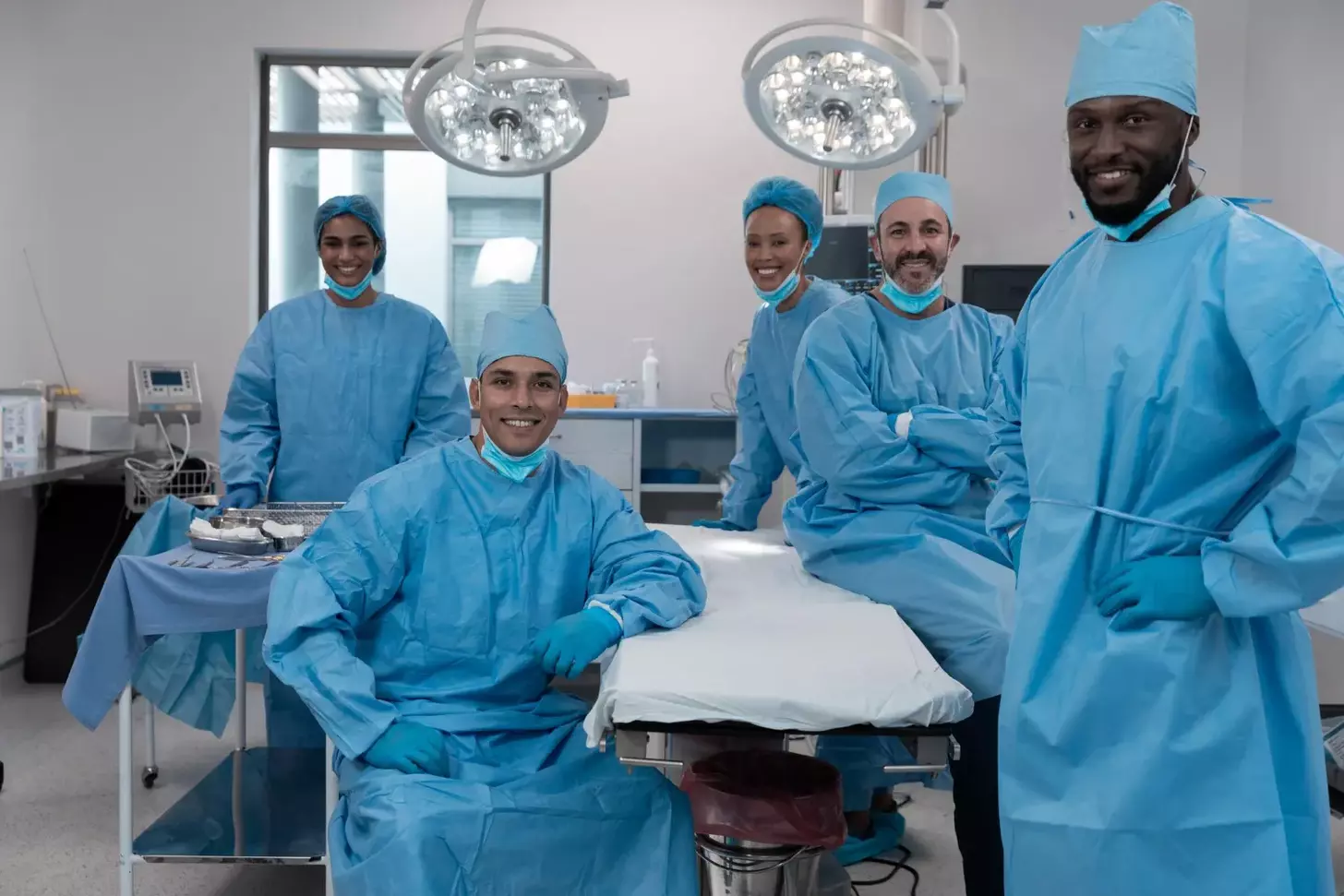
At Liv Hospital, we’re proud of our surgical team. They are highly skilled and dedicated to top-notch patient care. The surgical team in the operating room is complex. It needs precision, coordination, and a deep understanding of each role.
Our surgery team has a surgeon, anesthesiologist, surgical nurses, and surgical technologists. They work together perfectly to get the best results. Each person has a key role that’s vital for the surgery’s success.
Key Takeaways
- The surgical team is a multidisciplinary unit that includes various experts.
- Liv Hospital’s surgical teams are dedicated to delivering exceptional patient care.
- Each member of the surgical team has a defined role that’s key for the surgery’s success.
- The surgical team works together to achieve the best outcomes for patients.
- Liv Hospital is committed to providing world-class healthcare with complete support for international patients.
The Modern Surgical Environment
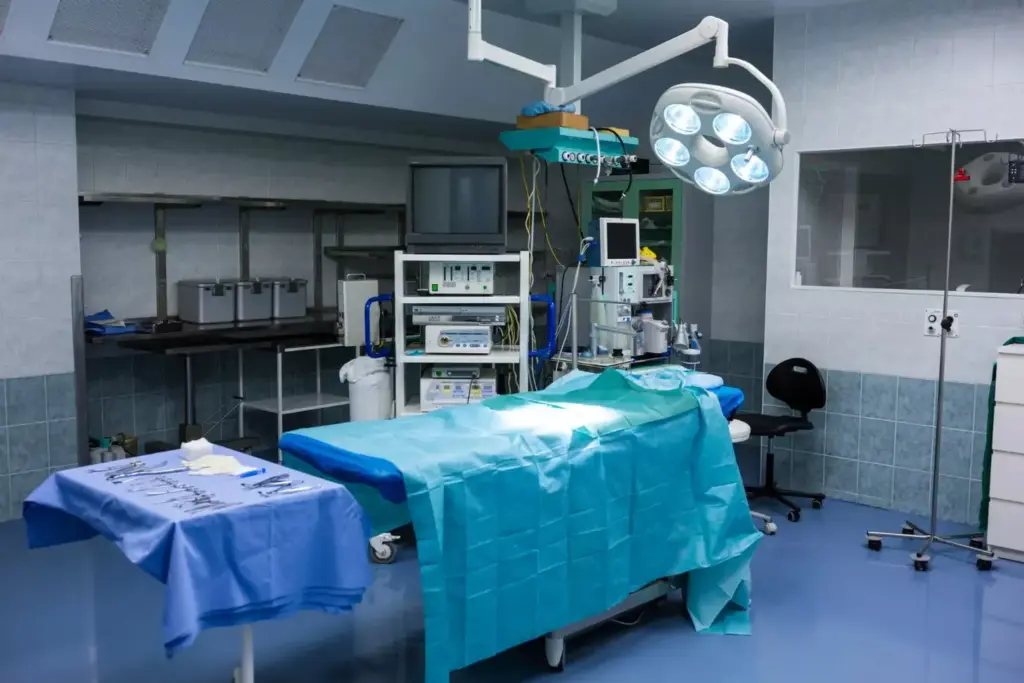
The world of surgery has changed a lot. New medical tech and better operating room designs have made a big difference. Now, surgeries are safer, more efficient, and less stressful for everyone involved.
Evolution of Operating Room Design
Operating rooms have changed a lot over time. Today, they are designed to be flexible and fit all sorts of medical equipment. This makes it easier for surgeons to do complex surgeries.
Modern operating rooms also have:
- Flexible layouts for different surgeries
- Advanced lighting and imaging systems
- Ergonomic designs to help staff stay focused
- Steps to prevent infections and keep the air clean
Technology Integration in Today’s Surgical Suite
Technology is key in today’s surgery. It helps make surgeries more precise and less invasive. This tech, like advanced medical equipment and digital systems, improves care and outcomes.
| Technology | Description | Benefits |
|---|---|---|
| Robotic Surgery Systems | High-definition, 3D visualization and precise robotic instruments | Enhanced precision, reduced recovery time |
| Advanced Imaging Systems | Intraoperative MRI and CT scans | Real-time imaging for complex procedures |
| Electronic Health Records (EHRs) | Digital patient records accessible during surgery | Improved information accuracy, enhanced patient safety |
These tech and design improvements have greatly enhanced surgery. Operating room surgeons and their teams can now provide better care. As we keep innovating, we’ll see even better results for patients and surgical teams.
Understanding the Doctor Operating Room Ecosystem
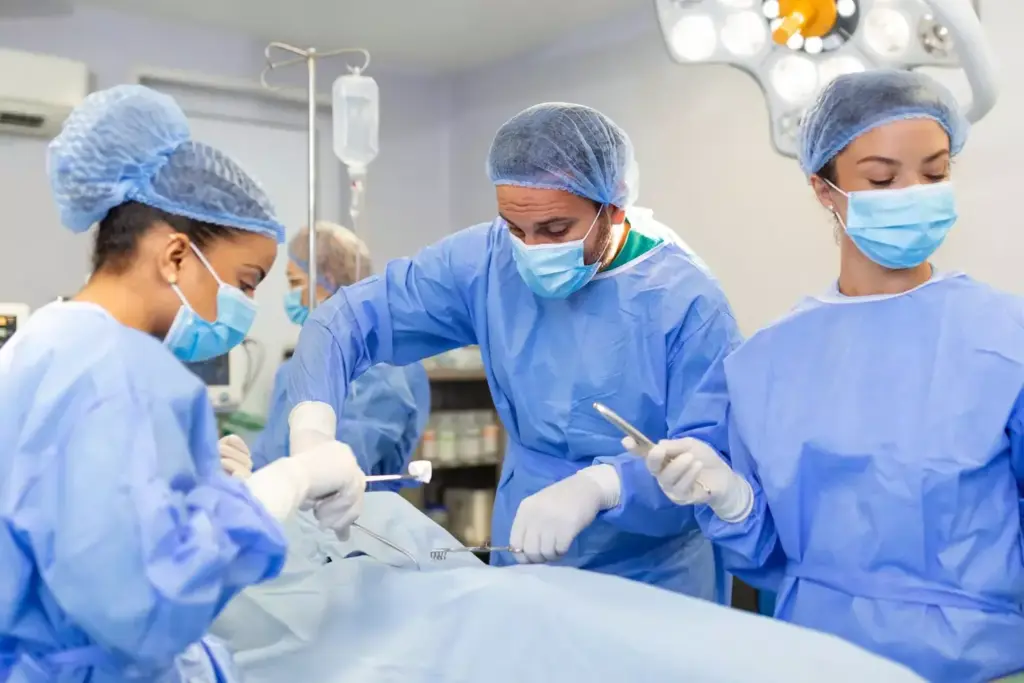
The doctor operating room is a complex place. It involves many professionals working together. We need to understand the different roles and responsibilities in the surgical team.
Good communication and a clear hierarchy are key. They help keep patients safe and ensure surgeries are successful. Each professional brings their expertise to the or team.
Hierarchy and Communication Channels
The operating room has a strict hierarchy. This ensures clear authority and communication. Surgeons lead the surgical team and make important decisions during surgery. Anesthesiologists and surgical nurses also have vital roles.
Communication is made easier with standard protocols and checklists. This makes sure everyone knows what to do during surgery.
| Role | Primary Responsibilities | Communication Channels |
|---|---|---|
| Surgeons | Perform surgery, make critical decisions | Direct communication with surgical team |
| Anesthesiologists | Manage patient anesthesia, monitor vital signs | Communication with surgeons and nurses |
| Surgical Nurses | Prepare operating room, assist during surgery | Coordination with surgeons and anesthesiologists |
Sterile vs. Non-Sterile Zones in the Medical Theater
Keeping the operating room sterile is very important. It helps prevent infections. Surgery staff follow strict rules to keep it clean.
The sterile zone is where the surgery happens. The non-sterile zone is everywhere else. Keeping these areas separate is key to patient safety.
Patient Safety as the Central Focus
Patient safety is the main goal in the operating room. Every decision and action is made to keep the patient safe. The surgical team works together to avoid risks.
Through training and teamwork, the or team keeps patients safe during surgery. They follow best practices and work together.
The Operating Surgeon: Team Leader and Primary Operator
The operating surgeon leads the surgical team. They make key decisions and perform the surgery. Their role is critical for the success of the operation.
Responsibilities Before, During, and After Surgery
The surgeon’s work starts before surgery. They review the patient’s history and imaging to plan the surgery. During the surgery, they follow the plan and adjust as needed. After, they manage the patient’s recovery and any complications.
Here are some key tasks for the surgeon:
- Conducting preoperative assessments and planning
- Leading the surgical team during the procedure
- Managing intraoperative complications
- Overseeing postoperative care and recovery
Decision-Making Authority in Critical Situations
In urgent situations, the surgeon must make fast, informed decisions. They need technical skill, leadership, and communication. They must stay calm, assess quickly, and guide the team.
“The surgeon’s ability to make quick, accurate decisions in the operating room is critical for patient safety and the success of the procedure.”
Effective decision-making includes:
- Assessing the situation and available data
- Consulting with other team members when necessary
- Directing the surgical team to implement the chosen course of action
Specialization and Expertise Requirements
The surgeon needs deep specialization and expertise. They must complete extensive training, stay updated with new techniques, and maintain their skills.
| Specialization | Typical Training | Key Skills |
|---|---|---|
| Cardiothoracic Surgery | 6-7 years residency | Complex vascular repair, cardiac surgery |
| Neurosurgery | 6-7 years residency | Microsurgery, intracranial navigation |
| Orthopedic Surgery | 5-6 years residency | Joint replacement, fracture management |
The surgeon’s role is demanding. It requires technical skill, leadership, and communication. These skills are essential for the best patient outcomes.
Anesthesiologists: Masters of Patient Consciousness
Anesthesiologists play a key role in the operating room. They assess patients before surgery, monitor them during, and care for them after. Their job is to make sure patients get safe and effective anesthesia care.
Pre-Operative Assessment and Planning
Before surgery, anesthesiologists check the patient’s health and look for any risks. They review the patient’s medical history, current medications, and allergies. Good planning is key to a safe and smooth surgery.
Anesthesiologists also talk to patients about anesthesia options. They explain the benefits and risks. This helps patients feel less anxious and make informed choices.
Intraoperative Monitoring and Management
During surgery, anesthesiologists watch the patient’s vital signs and adjust anesthesia levels. They need to be very skilled and attentive. They do more than just give anesthesia; they keep the patient stable.
Anesthesiologists work with the surgical team to keep the patient comfortable and safe. Their expertise is vital for managing complex cases and unexpected problems.
Post-Anesthesia Care Coordination
After surgery, anesthesiologists manage the patient’s recovery in the PACU. They handle pain and watch for any bad effects from the anesthesia. Good care in the PACU is important for a smooth recovery.
“The anesthesiologist’s role extends beyond the operating room, as they continue to care for the patient during the critical post-operative period, ensuring that the patient recovers safely and comfortably.”
Anesthesiologists also work with other healthcare professionals to plan for post-operative pain. They make sure patients get the right care and support during their recovery.
Surgical Nurses: The Backbone of the Operating Room
In the high-stakes environment of the operating room, surgical nurses are the unsung heroes. They keep everything running smoothly. Their expertise and dedication are key to the success of surgical operations.
Scrub Nurses and Their Critical Functions
Scrub nurses are in charge of keeping the area around the surgery clean and handling instruments. They work closely with the surgical team. This ensures all equipment is ready for use.
According to nursing resources, scrub nurses are vital in preventing infections at the surgical site.
Circulating Nurses: Orchestrating the Non-Sterile Domain
Circulating nurses handle the non-sterile parts of the operating room. They manage patient care and make sure supplies are on hand. They also keep accurate records and communicate well with the team.
Documentation and Communication Responsibilities
Effective documentation and communication are key for surgical nurses. They must record patient and surgical details accurately. This ensures care is continuous and transitions are smooth.
Together, scrub nurses and circulating nurses support the surgical team. They help lead to better patient outcomes.
Surgical Technologists: Instrument Specialists
Surgical technologists are key members of the surgical team. They prepare and maintain the surgical environment. Their skills are vital for efficient and safe surgeries.
Preparation and Maintenance of the Surgical Field
Surgical technologists set up the operating room. They arrange surgical instruments and equipment. They make sure all tools are sterilized and ready for the team.
They keep the sterile field clean during surgery. They pass instruments to surgeons and watch the surgical site. Their focus is key to avoiding complications and keeping patients safe.
Anticipating Surgeon’s Needs During Procedures
Surgical technologists must anticipate surgeons’ needs. They understand surgical steps and prepare instruments on time. This helps the surgery run smoothly and safely.
Their quick response to surgeons’ needs is critical. It prevents delays and complications.
Technical Knowledge of Surgical Instruments
Surgical technologists need to know surgical instruments well. They understand different instruments, their uses, and how to care for them.
| Instrument Type | Function | Special Considerations |
|---|---|---|
| Forceps | Grasping or holding tissue | Must be sterilized after each use |
| Scalpels | Making incisions | Blades must be changed frequently |
| Retractors | Holding back tissue for exposure | Must be handled carefully to avoid tissue damage |
In conclusion, surgical technologists are vital in the surgical team. They bring technical skills and attention to detail to the operating room. Their work is essential for successful surgeries and patient safety.
Physician Assistants and Surgical Residents
Physician assistants and surgical residents are key players in the surgical team. They play a big role in patient care. Their work includes direct patient care and support tasks that are vital for surgery success.
Learning While Contributing: The Role of Residents
Surgical residents are trainees who work under the supervision of experienced surgeons. They get hands-on experience and develop skills for their future careers. They help with patient care from before surgery to after.
Residents help the team by assisting in surgeries, watching patient vital signs, and doing tasks given by the team leader. This experience is key for them to become skilled surgeons.
Physician Assistants as Surgical Extenders
Physician assistants (PAs) are experienced healthcare professionals who work under surgeons to provide top-notch patient care. They are trained to do many tasks, like taking patient histories, helping in surgeries, and caring for patients after surgery.
PAs are flexible and adaptable, fitting well in the changing operating room. They help the surgical team, letting surgeons focus on complex tasks.
Career Development and Specialization Paths
Both surgical residents and physician assistants can grow in their careers and specialize. Residents can get more training in specific surgical areas. PAs can improve their skills through education and certifications.
These professionals have many career paths, working in different surgical fields like orthopedic, cardiovascular, and neurosurgery. Their work greatly improves patient care and advances surgery.
Specialized Support Roles in Complex Surgeries
Complex surgeries need the skills of specialized support staff. These professionals are key to giving top-notch care and making sure surgeries go smoothly.
Perfusionists in Cardiac Procedures
Perfusionists are vital in heart surgeries. They run machines that act like the heart and lungs during surgery. Their knowledge makes sure the blood is well-oxygenated and flows right, helping the team do complex repairs or replacements.
- Operate and maintain heart-lung machines
- Monitor patient’s vital signs during surgery
- Adjust equipment as necessary to maintain optimal patient conditions
Neuromonitoring Technicians
Neuromonitoring technicians are key in surgeries of the nervous system, like spinal or brain operations. They use special tools to watch the nervous system in real-time, so they can act fast if problems come up.
- Set up and operate neuromonitoring equipment
- Interpret data to identify possible neurological risks
- Share findings with the surgical team
Radiology Technicians in Interventional Procedures
Radiology technicians are vital in interventional procedures that use imaging like X-rays or ultrasound. They run imaging gear to show visuals in real-time that help the surgical team during small procedures.
- Operate imaging equipment during procedures
- Make sure images are clear for accurate views
- Work with the surgical team to adjust images as needed
These support roles work together to make complex surgeries a success. Their expertise and support help improve patient results and move surgery forward.
Teamwork Dynamics: The Secret to Surgical Success
Surgical success is not just about the surgeon’s skill. It also depends on the teamwork of the whole surgical team. We know that teamwork is key in the high-stakes operating room. Clear communication protocols and solving conflicts are essential.
Clear Communication During Critical Phases
Clear and concise communication is vital during surgery’s critical phases. We use specific communication protocols to keep everyone informed. This includes pre-operative briefings, time-outs, and debriefings after the surgery.
These protocols help reduce misunderstandings and errors, improving patient safety. We create a culture where everyone feels empowered to speak up. This leads to transparency and accountability.
Resolving Conflicts in High-Pressure Environments
Conflicts can happen in any team, including the operating room. We know that conflict resolution is key for a harmonious team. Our approach is to address issues quickly and constructively, without affecting patient care.
We promote respect and open communication to prevent conflicts from escalating. Training in conflict resolution and team building is a big part of our strategy. It helps improve teamwork.
Research on Team Performance and Patient Outcomes
Studies show that good teamwork leads to better patient outcomes and fewer complications. We keep up with the latest research to improve our practices.
Our focus on teamwork is not just for success in surgery. It’s also about patient well-being. By prioritizing teamwork, communication protocols, and conflict resolution, we aim for the highest standard of patient care.
Safety Protocols and Error Prevention
Keeping patients safe is our main goal. We do this by following strict safety protocols and error prevention steps in the operating room. Our surgical teams are trained to follow these rules closely. This helps us reduce risks and get the best results for our patients.
Surgical Time-Outs and Checklists
Using surgical time-outs and checklists is a key part of our safety plan. Before starting any surgery, we have a detailed time-out. We check the patient’s identity, confirm the surgery, and review important details. This step is vital to avoid mistakes and make sure everyone knows what to do.
- Verification of patient identity and procedure details
- Review of surgical site and any relevant medical history
- Confirmation of the availability of necessary equipment and personnel
Reducing Complications Through Standardized Procedures
Following set procedures helps lower the chance of problems during surgery. Our surgeons and staff stick to these rules to cut down on errors. This way, patients get the same high-quality care every time.
Here’s how we make it happen:
- Using evidence-based practices in our surgical protocols
- Keeping our procedures up-to-date with the latest research and guidelines
- Training our surgical staff regularly to keep them current with new techniques and best practices
Infection Control in the Sterile Environment
Keeping the operating room clean is key to avoiding infections. Our ORs are set up to reduce contamination risks. Our staff follows strict infection control rules to keep patients safe.
Here are some important steps:
- Following strict hand hygiene rules
- Using only sterile equipment and supplies
- Cleaning and disinfecting the OR regularly
The Future of Surgical Teams and Technology
Technology is changing how surgical teams work. It will play a big role in improving patient care and team dynamics.
Robotic Surgery and Changing Team Dynamics
Robotic surgery is changing surgical teams. Robotic systems help surgeons do complex surgeries with more precision. This means teams need to learn new skills, like using robotic equipment.
As robotic surgery grows, team roles are changing. Teams now include experts in robotic technology. This makes them more effective.
AI Integration in the Operating Room
Artificial Intelligence (AI) is being used in the operating room. It gives teams real-time data to help make decisions. AI quickly analyzes lots of data, spotting problems and suggesting the best surgical plans.
Teams need to understand AI data to work well with it. This teamwork improves patient care and makes surgeries smoother.
Virtual and Augmented Reality Applications
Virtual and Augmented Reality (VR/AR) are becoming key in surgical training. They let teams practice surgeries in a safe space. This reduces risks during real surgeries.
Training the Next Generation of Surgical Teams
As tech advances, training the next surgical teams is key. They need to know how to use AI, robotic surgery, and VR/AR. This includes both technical skills and teamwork.
We’re working on training programs for future teams. By embracing new tech and innovation, we aim to improve care and push surgical limits.
| Technology | Application in Surgery | Impact on Surgical Teams |
|---|---|---|
| Robotic Surgery | Enhanced precision in complex procedures | Requires new skills and team adaptation |
| AI Integration | Real-time data analysis for informed decision-making | Demands proficiency in interpreting AI data |
| VR/AR | Simulated training and surgical planning | Enhances team preparation and reduces risk |
Conclusion
We’ve looked into the surgical team’s complex world. It needs precision, coordination, and a deep understanding of each role. By working together and respecting each other, we can tackle tough surgeries better. This leads to better care for patients and more successful surgeries.
The team’s ability to work well together is key to great patient care. As we keep improving in medical tech and techniques, teamwork, safety, and preventing mistakes are vital. This ensures the best results for our patients.
By focusing on teamwork and safety, we keep our care standards high. We can also explore new possibilities in surgical medicine. This way, we provide top-notch healthcare with full support for our patients.
FAQ
What is the role of the operating surgeon in the surgical team?
The operating surgeon leads the team and does the surgery. They need to be very skilled and know the surgery well. They make important decisions when it matters most.
What are the key responsibilities of anesthesiologists during surgery?
Anesthesiologists make sure patients get safe anesthesia. They check patients before surgery, watch them during, and help after. Their job is to keep patients safe and comfortable.
What is the difference between scrub nurses and circulating nurses?
Scrub nurses handle the clean area, while circulating nurses manage the rest. Both need to talk well and write down important info. They must also know a lot about surgery and patient care.
What is the role of surgical technologists in the operating room?
Surgical technologists get everything ready for surgery. They help the surgeon by knowing about tools and equipment. They make sure the area is clean and ready.
How do physician assistants contribute to the surgical team?
Physician assistants help the team by giving great patient care. They work with the team to make sure patients get all the care they need.
What are some of the specialized support roles in complex surgeries?
Roles like perfusionists, neuromonitoring technicians, and radiology technicians are key in complex surgeries. They give important support to the team.
How do surgical teams ensure patient safety during complex procedures?
Teams use time-outs, checklists, and standard procedures to keep patients safe. These steps help avoid problems and ensure the best care.
How is technology changing the field of surgery?
New tech like robotic surgery and AI is changing surgery. Teams need to be ready to learn and work together to use these new tools.
What is the importance of teamwork dynamics in surgical success?
Good teamwork is key for success in surgery. Teams need to communicate well, solve problems, and respect each other. This way, patients get the best care.
What is the role of the surgical team in maintaining a sterile environment?
Teams are vital in keeping the area clean and safe. They follow strict rules to prevent infections and keep patients safe.
References:
• Nurse.com. (n.d.). The role of an OR nurse in surgical procedures. https://www.nurse.com/nursing-resources/or-nurse-resources/or-nurse-role-in-surgery/