Last Updated on November 26, 2025 by Bilal Hasdemir
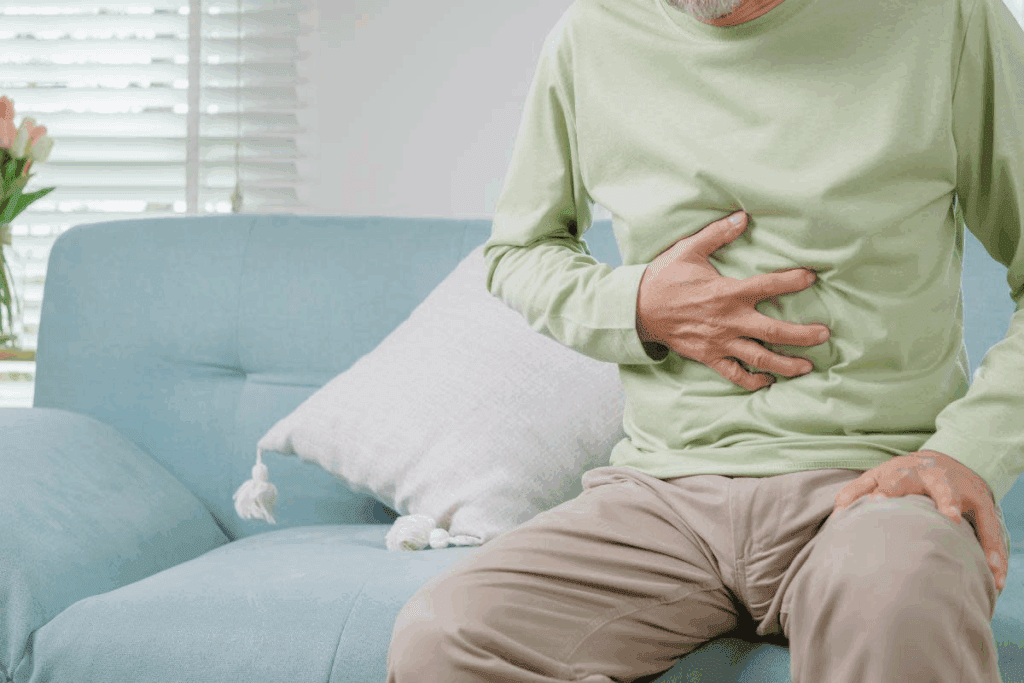
A hernia happens when an organ or tissue bulges through a weak spot in the muscle or tissue wall. You might have heard of inguinal, femoral, umbilical, and hiatal hernias. These can cause stomach pain and problems with digestion.Explore does a hernia cause diarrhea, related bowel changes, and treatment options.
Some hernias, like those in the abdominal area, can slow down digestion. This might lead to diarrhea. It’s important to know how different hernias affect digestion to get the right treatment.
Key Takeaways
- Hernias involve the protrusion of an organ or tissue through a weak muscle or tissue wall.
- Common hernia types include inguinal, femoral, umbilical, and hiatal hernias.
- Hernias can cause digestive symptoms, including diarrhea, by affecting bowel health.
- Proper diagnosis is essential for treating hernias and related digestive issues.
- Liv Hospital offers patient-centered care for diagnosing and treating various hernia types.
Understanding Hernias: Definition and Basic Concepts

A hernia happens when an organ or tissue bulges through a weak spot in the muscle or tissue. This weak spot is usually where the organ or tissue should stay. Hernias can occur in different parts of the body, leading to various types.
What Exactly Is a Hernia?
A hernia is when an organ or tissue pushes out of its usual place. This can be due to muscle wall weakness, increased pressure, or both. Not all hernias cause digestive problems. But, if the intestine gets trapped or cut off, you might feel sick, vomit, or have diarrhea.
Common Causes and Risk Factors
Many things can lead to hernias. These include genetics, age, being overweight, pregnancy, and doing heavy lifting. Knowing these risk factors helps prevent and catch hernias early.
Hernias often don’t hurt. You might notice a bulge or lump in your belly or groin. Sometimes, you only see it when you laugh, cough, or strain, like lifting something heavy. How easy it is to see the bulge depends on the hernia type and where it is.
| Type of Hernia | Common Location | Risk Factors |
| Inguinal Hernia | Groin area | Men, age, heavy lifting |
| Umbilical Hernia | Near the belly button | Infants, obesity, pregnancy |
| Hiatal Hernia | Upper stomach area | Age, obesity, smoking |
Different hernias have their own traits and risk factors. Knowing these differences is key for the right diagnosis and treatment.
The Main Types of Hernias Explained
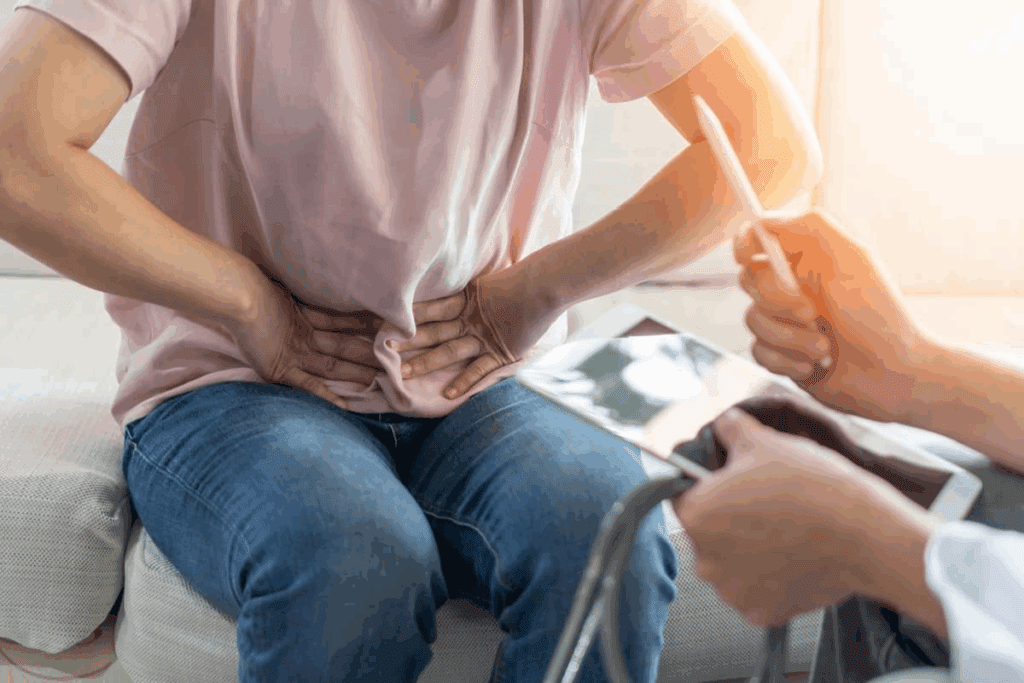
Hernias are a common medical condition that can manifest in various forms, each with distinct characteristics and types of hernias. Understanding these is key for diagnosis and treatment.
There are several named hernias, each occurring in different parts of the body and having unique implications for health. The main types include inguinal, femoral, umbilical, and hiatal hernias.
Inguinal Hernias
Inguinal hernias are the most common type. They occur when tissue, such as part of the intestine, protrudes through a weak spot in the abdominal muscles. They are more prevalent in men due to the way the male body is structured, but women can also develop them, often during pregnancy.
Femoral Hernias
Femoral hernias occur just below the inguinal ligament, where the femoral artery passes, and are more common in women. They are generally considered more dangerous than inguinal hernias because they are more likely to become strangulated.
Umbilical Hernias
Umbilical hernias happen around the belly button and are often seen in newborns, though they can occur at any age. They occur when part of the intestine bulges through an opening in the abdominal muscles near the navel.
Hiatal Hernias
Hiatal hernias occur when the upper part of the stomach bulges through the diaphragm into the chest cavity. This type of hernia can lead to symptoms like heartburn and difficulty swallowing.
The table below summarizes the main characteristics of these hernia types:
| Hernia Type | Location | Common Symptoms |
| Inguinal | Groin area | Bulge, discomfort, when coughing or lifting |
| Femoral | Below the inguinal ligament | Pain, in the groin or thigh |
| Umbilical | Around the belly button | Bulge or discomfort near the navel |
| Hiatal | Upper stomach through the diaphragm | Heartburn, difficulty swallowing |
Different hernia types can have varying impacts on the digestive system. For instance, hiatal hernias can directly affect digestion by causing gastroesophageal reflux disease (GERD) symptoms. Understanding these differences is key for managing symptoms and preventing complications.
The Connection Between Hernias and Digestive Function
It’s important to know how hernias impact the digestive system. Hernias can cause pain, bloating, and bowel obstruction. This is because they put pressure on the intestines, affecting gut health and digestion.
How Hernias Can Affect Your Digestive System
A hernia happens when an organ bulges through a weak spot in the muscle. This can affect the digestive system, leading to various symptoms. For example, a hiatal hernia can cause gastroesophageal reflux disease (GERD). This is when stomach acid flows back into the esophagus, causing discomfort.
Hernias can also block the flow of intestinal contents, leading to severe pain, constipation, and vomiting. In some cases, the trapped tissue can cut off blood supply, causing serious problems.
When to Be Concerned About Digestive Symptoms
Knowing the signs of a hernia affecting your digestive health is key. Look out for persistent abdominal pain, bloating, or changes in bowel habits. These could mean a hernia is causing digestive problems.
Experts say hernias and diarrhea are linked when the hernia blocks bowel passage. Getting help quickly can prevent serious issues like bowel obstruction or strangulation.
In summary, understanding the link between hernias and digestion is critical. If you’re experiencing digestive issues, think it might be a hernia. See a healthcare professional for an evaluation and treatment.
Does a Hernia Cause Diarrhea? Examining the Evidence
To figure out if hernias cause diarrhea, we need to look closely at medical studies. Hernias happen when an organ bulges through a weak spot in the muscle. This can affect how our body digests food.
Some hernias can mess with our bowels. For example, if a piece of intestine gets stuck in a hernia, it can block waste flow. This is called incarceration.
Research on Hernias and Bowel Disturbances
Research shows that serious hernias can change how we go to the bathroom. But, most hernias just cause a bulge, discomfort, or feeling of heaviness. They don’t usually make you have diarrhea.
Table: Types of Hernias and Their Impact on Bowel Function
| Type of Hernia | Potential Impact on Bowel Function |
| Inguinal Hernia | Possible bowel obstruction or incarceration if severe |
| Hiatal Hernia | Can cause gastrointestinal symptoms, including reflux |
| Umbilical Hernia | Risk of bowel incarceration if not treated |
When Diarrhea May Be a Warning Sign
Diarrhea can signal serious problems with hernias, like incarceration or strangulation. If a hernia cuts off blood to the intestine, it’s a medical emergency.
Differentiating Hernia-Related Diarrhea from Other Causes
It’s important to tell apart diarrhea from hernias and other stomach issues. A doctor needs to check you to find out why you have diarrhea. They can also see if a hernia is causing problems.
In short, hernias don’t usually cause diarrhea directly. But, some types and complications can affect bowel movements. Knowing about the kinds of hernias and how they affect digestion is key for right treatment.
Specific Hernia Types Most Likely to Cause Diarrhea
Certain hernias can cause diarrhea because of where they are and how they affect digestion. Knowing how different hernias impact bowel function is key for treatment.
Incarcerated Inguinal Hernias and Bowel Function
Incarcerated inguinal hernias happen when tissue gets stuck in the inguinal canal. This can cut off blood to the intestine. It leads to severe pain, nausea, vomiting, and changes in bowel habits, like diarrhea.
Liv Hospital stresses the need for quick medical help for these hernias. This is to avoid serious problems.
The risk of bowel issues is higher with these hernias. The trapped intestine can block, causing stool and gas buildup. This blockage makes the body try to move things along, leading to diarrhea.
Ventral Hernias Affecting the Intestines
Ventral hernias happen in the abdominal wall and can affect bowel function. If a ventral hernia gets big enough, it can trap parts of the intestine. This can cause bowel obstruction or compression.
This compression can mess with normal bowel movements, causing diarrhea. Ventral hernias are a big problem if they become incarcerated or strangulated. This can severely harm intestinal function.
The risk of serious complications means getting medical help quickly is very important.
How Bowel Compression Leads to Diarrhea
Bowel compression happens when a hernia presses on the intestines, messing with bowel movements. This can cause abdominal pain, constipation, and diarrhea. The chance of getting diarrhea depends on the hernia’s location and how bad it is, plus the person’s health.
In some cases, bowel compression can cause a partial blockage. This leads to constipation and diarrhea going back and forth. Knowing why these symptoms happen is key to treating them right.
Hernia in the Lower Left Abdomen: Special Considerations
It’s key to understand hernias in the lower left abdomen for diagnosing and treating digestive issues. These hernias are close to important digestive structures, making them tricky to deal with.
Types of Hernias Found in the Lower Left Stomach Area
There are several hernias in the lower left abdomen, like incarcerated inguinal hernias and ventral hernias. These can affect the bowel and cause big problems with digestion.
- Inguinal hernias happen when part of the intestine bulges through a weak spot in the muscles.
- Ventral hernias happen in the abdominal wall, often where a previous surgery was done.
Femoral hernias are less common but can be serious. They happen when tissue bulges through the wall of the femoral canal, near the groin.
Why Location Matters for Digestive Symptoms
The location of a hernia in the lower left abdomen affects digestive symptoms. Hernias here can press on or block the intestines, causing diarrhea, abdominal pain, and constipation.
The close location to the sigmoid colon and other parts of the lower GI tract can put pressure on the bowel. This can mess up normal bowel function.
Case Studies: Lower Left Hernias and Diarrhea
Many case studies show a link between lower left hernias and digestive issues like diarrhea. For example, a patient with an incarcerated inguinal hernia in the lower left might have severe diarrhea because of bowel compression.
- A study in a medical journal talked about a patient with a ventral hernia in the lower left who had chronic diarrhea.
- Another case was a patient with a femoral hernia who had intermittent diarrhea because of partial bowel obstruction.
These cases show why it’s important to think about hernia location when looking at digestive symptoms.
Complications of Hernias That Lead to Digestive Disturbances
Untreated hernias can cause serious problems with digestion. If a hernia is not treated, it can lead to many health issues. It’s important to know about these complications to get help early.
Incarcerated Hernias: When Tissue Gets Trapped
An incarcerated hernia happens when tissue bulging through the hernia opening gets stuck. This can cause a bowel obstruction, a serious problem with digestion. Symptoms include severe pain, vomiting, and constipation.
If a hernia is incarcerated, it can cause a bowel obstruction. This can lead to severe pain, vomiting, and constipation. It’s very important to get medical help right away to avoid more serious problems.
Strangulated Hernias: A Medical Emergency
A strangulated hernia is a serious condition where the blood supply to the trapped tissue is cut off. It’s a medical emergency that needs immediate attention. Without help, it can cause tissue death, infection, and even be life-threatening.
Symptoms of a strangulated hernia include severe pain, tenderness, redness, and fever. If you have these symptoms, you need to get medical help right away.
Bowel Obstruction and Its Symptoms
Bowel obstruction is a problem that can happen with incarcerated or strangulated hernias. It happens when the intestine is blocked, stopping the normal flow of contents. Symptoms include pain, bloating, vomiting, and constipation.
| Symptom | Description |
| Abdominal Pain | Severe cramping pain in the abdomen |
| Bloating | Feeling uncomfortably full or swollen |
| Vomiting | Forcing stomach contents out through the mouth |
| Constipation | Difficulty passing stools or infrequent bowel movements |
Getting help early can prevent serious problems from hernias. Knowing the risks and recognizing symptoms early can help in getting better treatment and outcomes.
Recognizing Hernia Stages and Their Relationship to Symptoms
Knowing the stages of hernia helps manage symptoms better. Hernias can grow from a small bulge to a serious issue if not treated. Experts say hernias and diarrhea are linked mainly when the hernia blocks bowel passage.
Early-Stage Hernias and Typical Symptoms
In the early stages, hernias might not show many symptoms. But as they grow, symptoms get clearer. Early signs include a bulge or lump, pain when coughing, lifting, or bending.
Different hernias show different symptoms. For example, inguinal hernias cause groin pain. Umbilical hernias lead to navel discomfort.
Advanced Hernias and Increased Risk of Complications
As hernias get worse, the risk of serious problems grows. Advanced hernias can cause severe pain, nausea, and vomiting. Problems like incarceration or strangulation are emergencies.
“The risk of complications from hernias, such as incarceration or strangulation, highlights the need for quick medical help.”
General Surgeon
The Progression of Digestive Symptoms as Hernias Worsen
Digestive symptoms can get worse as hernias grow, mainly if they affect the intestines. Diarrhea can happen if the hernia presses or blocks the bowel.
| Hernia Type | Early Symptoms | Advanced Symptoms |
| Inguinal Hernia | Groin bulge, mild discomfort | Severe groin pain, nausea |
| Umbilical Hernia | Navel bulge, discomfort | Severe abdominal pain, vomiting |
| Hiatal Hernia | Heartburn, regurgitation | Chest pain, difficulty swallowing |
It’s key to know about the different hernias and their digestive symptoms. Recognizing hernia stages helps patients get medical help early. This reduces the chance of serious problems.
Diagnosing Hernias When Digestive Symptoms Are Present
When you have digestive issues, figuring out if a hernia is the cause is key. It takes several steps to diagnose hernias that cause symptoms like diarrhea. These steps include physical exams and advanced imaging studies.
Physical Examination Techniques
A physical exam is often the first step in finding a hernia. Doctors at places like Liv Hospital use current methods to check you thoroughly. They might ask you to stand or cough to see if a hernia is present.
They also use touch to feel for tenderness or oddities in your belly. This is great for spotting inguinal, femoral, or umbilical hernias.
Imaging Studies and Their Importance
Even with a physical exam, imaging studies are needed to confirm a hernia diagnosis. They help see how severe the hernia is. Common tests include:
- Ultrasound: Good for spotting hernias and seeing how they affect nearby tissues.
- CT scans: Show detailed images of the hernia and its impact on digestion.
- MRI: Used in some cases to check the hernia and rule out other issues.
These tests are vital for understanding how a hernia affects your digestion. They help doctors plan the best treatment.
Ruling Out Other Causes of Digestive Symptoms
It’s important to tell if your digestive problems come from a hernia or something else. A detailed check helps figure out if it’s a hernia or another issue like inflammatory bowel disease or irritable bowel syndrome.
The table below shows how different tests are used:
| Diagnostic Approach | Application |
| Physical Examination | Initial assessment, detection of palpable hernias |
| Ultrasound | Detection of hernias, evaluation of tissue impact |
| CT Scans | Detailed imaging of hernia and its effect on digestive system |
| MRI | Further assessment of hernia, ruling out other conditions |
By using these methods together, doctors can find out if a hernia is causing your symptoms. Then, they can create a good treatment plan.
Treatment Options for Hernias Causing Digestive Symptoms
There are different ways to treat hernias that cause digestive problems. The choice depends on how bad the hernia is, what type it is, and the patient’s health.
Conservative Management Approaches
For mild hernias, doctors might suggest not doing anything right away. This can include:
- Making diet changes to help symptoms
- Staying away from heavy lifting or bending
- Watching the hernia for any signs of getting worse
This approach is often for small, painless hernias or those who can’t have surgery because of other health problems.
Surgical Interventions: When They’re Necessary
For big, painful, or risky hernias, surgery is usually the best option. There are two main types of surgery:
- Open Hernia Repair: A traditional method where the hernia is fixed through one big cut.
- Laparoscopic Hernia Repair: A newer, less invasive method using small cuts and a camera.
Which surgery is better depends on the hernia’s size, type, and the patient’s health.
Recovery and Expected Outcomes
How well you recover from hernia surgery depends on the surgery type and your health. Most people can expect:
- Some pain after surgery that can be managed with medicine
- Going back to normal activities slowly over a few weeks
- Better digestive symptoms as the hernia heals
Getting treatment early can stop serious problems. Most people see a big improvement in their symptoms after treatment.
Preventing Hernia-Related Digestive Problems
Hernias can cause digestive issues. To avoid this, make lifestyle changes and seek medical help early. Knowing about different hernias helps protect your digestive health.
Lifestyle Modifications to Reduce Risk
Changing your lifestyle can lower hernia risk. This includes:
- Dietary Changes: A high-fiber diet helps prevent constipation. This is key in avoiding hernias that affect digestion.
- Regular Exercise: Exercise keeps you at a healthy weight. This reduces strain on your abdominal muscles and lowers hernia risk.
- Avoiding Heavy Lifting: Avoiding heavy lifting or bending helps prevent straining. This reduces the chance of getting a hernia.
Early Intervention Strategies
Acting early is vital to prevent hernia complications. This means:
- Regular Check-Ups: Regular doctor visits can catch hernias early.
- Monitoring Symptoms: Knowing hernia symptoms helps you seek medical help quickly.
| Hernia Type | Digestive Impact | Preventive Measures |
| Inguinal Hernia | Potential bowel obstruction | Avoid heavy lifting, maintain a healthy weight |
| Hiatal Hernia | Acid reflux, difficulty swallowing | Dietary changes, avoid lying down after eating |
| Umbilical Hernia | Bowel obstruction | Maintain a healthy weight, avoid straining during bowel movements |
When to Seek Medical Attention
Knowing when to see a doctor is important. Seek help right away if you have:
- Severe abdominal pain
- Vomiting
- Fever
- Constipation or trouble passing gas
Experts say hernias and diarrhea are linked when the hernia blocks bowel passage. Knowing the signs and taking steps to prevent them can greatly reduce digestive problems from hernias.
Conclusion: Understanding the Relationship Between Hernias and Digestive Health
It’s important to know how hernias and digestive issues are connected. Some hernias can lead to diarrhea or other digestive problems. Spotting the signs of hernias early can help keep your digestive health in check.
Studies show that serious hernias can block the bowel and cause more issues. Whether a hernia leads to diarrhea depends on its type and how bad it is. Knowing about hernias and digestive health can help prevent serious problems.
Can a hernia cause diarrhea? Yes, in some cases. For example, an incarcerated inguinal hernia might lead to diarrhea. The risk of digestive symptoms varies with the hernia’s type and severity. Being informed and proactive can help avoid these issues.
FAQ
What kind of hernia is most likely to cause diarrhea?
Incarcerated inguinal hernias and ventral hernias are more likely to cause diarrhea. This is because they compress the bowel.
Can a hernia cause digestive problems, including diarrhea?
Yes, certain types of hernias can affect the digestive system. They can cause symptoms like diarrhea.
What are the main types of hernias that can affect the digestive system?
Inguinal, femoral, umbilical, and hiatal hernias are the main types. They can potentially impact digestive function.
How do hernias affect the digestive system?
Hernias can cause bowel compression, obstruction, or irritation. This leads to digestive symptoms like diarrhea.
What are the symptoms of a hernia in the lower left abdomen?
Symptoms may include pain, discomfort, or a bulge in the lower left abdomen. Digestive issues like diarrhea can also occur.
Can a strangulated hernia cause severe digestive symptoms?
Yes, a strangulated hernia is a medical emergency. It can cause severe digestive symptoms, including abdominal pain, nausea, and vomiting.
How are hernias diagnosed when digestive symptoms are present?
Diagnosis involves a physical examination and imaging studies like ultrasound or CT scans. Other causes of digestive symptoms are also ruled out.
What are the treatment options for hernias causing digestive symptoms?
Treatment may include conservative management approaches and surgical interventions. Lifestyle modifications can also help alleviate symptoms.
Can lifestyle changes help prevent hernia-related digestive problems?
Yes, maintaining a healthy weight and avoiding heavy lifting can help. Managing chronic conditions also reduces the risk of hernia-related digestive issues.
When should I seek medical attention for a suspected hernia?
Seek medical attention if you experience persistent or severe symptoms. This includes abdominal pain, vomiting, or difficulty passing stools.
Are there different stages of hernias, and how do they relate to symptoms?
Yes, hernias can progress from early-stage to advanced. This increases the risk of complications and digestive symptoms.
Can hernias cause bowel obstruction, and what are the symptoms?
Yes, hernias can cause bowel obstruction. Symptoms include abdominal pain, nausea, vomiting, and constipation or diarrhea.
References
- Huttinger, R. (2023). Spigelian hernia. In StatPearls. National Library of Medicine. Retrieved from https://www.ncbi.nlm.nih.gov/books/NBK538290/