Last Updated on November 25, 2025 by Ugurkan Demir

Acid reflux, or gastroesophageal reflux disease (GERD), happens when stomach acid goes back up into the esophagus. This causes irritation and chest pain. It can make you feel like you’re having a heart attack, which makes it hard to figure out what’s wrong.
Medical Expert, a cardiologist at Houston Methodist, says, “If you’re ever in doubt, it’s better to seek emergency care immediately.” We get how scary and confusing chest discomfort from acid reflux can be.
At Liv Hospital, we know how important it is to tell the difference between heart pain and other kinds of chest pain. Our care focuses on you and uses the latest medical methods to find and fix the problem.
Key Takeaways
- Acid reflux can cause chest pain that feels similar to a heart attack.
- Accurate diagnosis is key to tell apart heart pain and other chest pain.
- Liv Hospital’s advanced medical protocols help diagnose and treat acid reflux-related chest pain.
- Seeking immediate medical attention is advised if symptoms are unclear.
- Understanding the mechanisms behind acid reflux-induced chest pain is essential for proper treatment.
Understanding Acid Reflux and Its Symptoms
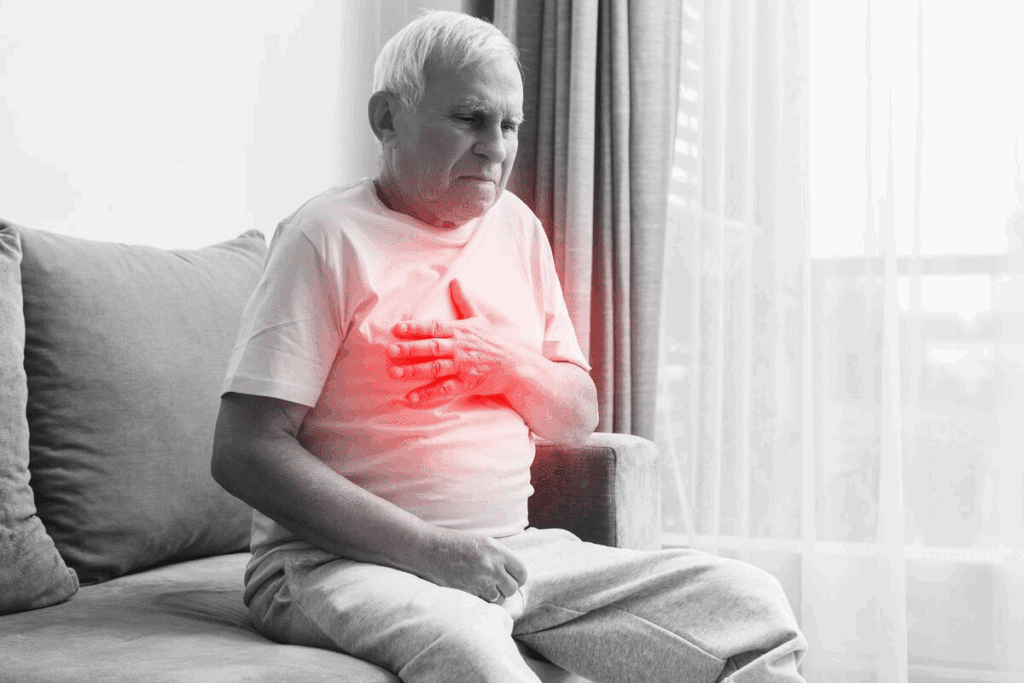
Acid reflux is a common problem that affects millions. It happens when stomach acid flows back into the esophagus. This can cause a lot of discomfort.
This condition is also known as gastroesophageal reflux disease (GERD). It occurs when the lower esophageal sphincter (LES) doesn’t close right. This lets stomach acid move back into the esophagus.
What Happens During Acid Reflux
When acid reflux happens, stomach acid goes back into the esophagus. This irritates the lining and causes inflammation. It can lead to pain and discomfort in the chest, throat, and other areas.
How bad acid reflux is can vary. Some people might only have mild symptoms. Others might have more severe and frequent episodes.
Common Symptoms Beyond Chest Pain
Acid reflux isn’t just about chest pain. It can also cause other uncomfortable symptoms. These include:
- Difficulty swallowing (dysphagia)
- Bloating and gas
- Nausea and vomiting
- A sour or bitter taste in the mouth
- Coughing or wheezing, often at night
These symptoms can really affect someone’s quality of life. If they last, it’s important to see a doctor.
Where Is Reflux Pain Felt in the Body
Reflux pain isn’t just in the chest. It can also be felt in other parts of the body. This includes:
- The throat, causing a sore or irritated feeling
- The neck and jaw, sometimes feeling like a toothache or ear pain
- The left side of the chest, which can be mistaken for cardiac pain
Knowing where reflux pain is felt can help find the cause. It’s important to get the right treatment.
The table below shows where reflux pain is felt and the symptoms that go with it.
| Area of Pain | Associated Symptoms |
| Chest | Chest pain, tightness, or burning sensation |
| Throat | Sore throat, difficulty swallowing |
| Neck and Jaw | Pain or discomfort, sometimes feeling like a toothache |
| Left Side of Chest | Pain or discomfort that can be mistaken for cardiac issues |
The Mechanism of Chest Discomfort from Acid Reflux

It’s important to understand how acid reflux causes chest pain. We’ll look at the main factors involved.
Esophageal Nerve Irritation
Acid reflux can irritate the nerves in the esophagus, causing pain. This happens when stomach acid flows back into the esophagus. It irritates the nerve endings, sending pain signals to the brain.
This irritation can come from direct acid contact or inflammation from acid exposure.
Central Sensitization in Chronic Cases
In long-term acid reflux cases, the nervous system becomes more sensitive. This is called central sensitization. It makes pain feel more intense.
Central sensitization is why some people feel more pain, even with the same amount of acid reflux.
Why Does Indigestion Cause Chest Pain
Indigestion, linked to acid reflux, can cause chest pain. The flow of stomach contents into the esophagus is uncomfortable. It can also lead to esophagitis, making pain worse.
Seeing indigestion as a problem with the esophagus, not just the stomach, helps understand chest pain.
Noncardiac chest pain, often tied to GERD, shows the complex link between stomach issues and chest pain. Knowing these mechanisms is key for proper diagnosis and treatment.
Characteristics of Reflux-Related Chest Pain
Chest pain from acid reflux can show different signs. Knowing these signs helps figure out why you’re feeling pain and what to do about it.
Location and Radiation of Pain
Reflux pain usually hits right behind the sternum. But it can spread to the neck, back, or left side. This makes it hard to tell it apart from heart pain.
Heartburn Sternum Pain Patterns
Heartburn pain feels like burning behind the breastbone. It gets worse when you lie down or bend over. You might also taste something sour or acidic, called acid regurgitation.
Indigestion Tightness in Chest Sensations
Some people feel indigestion tightness in the chest. It feels like something is squeezing you. This can be scary and might seem like heart problems. But, it’s important to look at the whole situation to find the real cause.
Duration and Triggers of Symptoms
How long reflux pain lasts can vary. It might only last a few minutes or go on for hours. Big meals, lying down after eating, and certain foods like caffeine or alcohol can trigger it. Knowing what to avoid can help ease your symptoms.
When Indigestion Feels Like a Heart Attack
Acid reflux symptoms can be scary, feeling like a heart attack. This can really worry people who are going through it.
Can Heartburn Mimic a Heart Attack?
Heartburn, a symptom of acid reflux, can feel like a heart attack. The chest pain can be very strong, making people worry about heart problems.
Medical Expert’t always clear. They can look like heartburn symptoms. This makes it hard to know what’s causing chest pain without a doctor’s check-up.
Similarities in Symptoms and Sensations
Acid reflux and heart attack symptoms can feel the same. This includes:
- Chest pain or discomfort
- A feeling of pressure or tightness in the chest
- Pain radiating to the arms, back, or neck
This makes it hard for people to tell the difference without a doctor’s help.
Research on Symptom Overlap
Studies show acid reflux and heart attack symptoms can look the same. Many patients with chest pain are first thought to have something else because of this.
This similarity can cause worry and confusion. It’s key to see a doctor if symptoms don’t go away or get worse.
Psychological Impact of Severe Reflux Pain
Severe reflux pain that feels like a heart attack can really affect your mind. The fear of having a heart attack can make anxiety worse. This can make reflux symptoms even more uncomfortable.
This cycle of fear and worsening symptoms shows why getting the right diagnosis and treatment is so important. It helps with both the physical pain and the emotional distress.
Differentiating Between Acid Reflux and Cardiac Chest Pain
It’s important to know the difference between acid reflux and heart pain. Both can hurt, but they need different treatments.
Key Distinguishing Features
Diagnosing chest pain can be tricky. Acid reflux causes heartburn, regurgitation, and trouble swallowing. Heart pain feels like pressure or tightness in the chest.
Acid reflux pain is burning and can be eased by antacids. Heart pain feels like a squeeze and may come with shortness of breath or nausea.
Red Flags That Suggest Heart Problems
Some symptoms mean you should see a doctor right away. These include:
- Shortness of breath
- Cold sweats
- Nausea or vomiting
- Lightheadedness or dizziness
- Pain radiating to the arm, back, or jaw
Medical Expert, if chest pain comes with these signs.
When to Seek Emergency Care
If you have chest pain with any of these signs, go to the emergency room. Here’s when to seek help:
| Symptom | Action |
| Chest pain with shortness of breath | Seek emergency care |
| Chest pain with cold sweats or nausea | Seek emergency care |
| Chest pain that radiates to arm, back, or jaw | Seek emergency care |
| Chest pain relieved by antacids | Consult a doctor if persistent |
Knowing these differences and the red flags helps you get the right care.
Indigestion Pain in the Left Side: Why Location Matters
Where you feel indigestion pain, like on the left side, can tell you a lot about its cause. We’ll look into why the pain’s location is important. And how it can be different from other chest pains.
Anatomical Reasons for Left-Sided Pain
The esophagus and heart are close together, which can make it hard to tell where pain comes from. The esophagus is behind the heart and in front of the spine. If it gets irritated or inflamed, you might feel pain on the left side of your chest.
To understand why you might feel pain on the left, let’s look at the esophagus. It’s a muscular tube that carries food from your mouth to your stomach. Because it’s near the heart and big blood vessels, symptoms can sometimes be misjudged.
Heartburn on Left Side vs. Cardiac Pain
Telling heartburn on the left from cardiac pain can be tricky because they share similar symptoms. But there are key differences. Heartburn feels like a burning in your chest and might taste sour. Cardiac pain feels like pressure or tightness in your chest that might spread to your arm, neck, or jaw.
Knowing these differences is key for the right diagnosis and treatment. Here’s a table that shows the main differences between heartburn and cardiac pain:
| Characteristics | Heartburn | Cardiac Pain |
| Sensation | Burning sensation | Pressure or tightness |
| Triggers | Eating, lying down | Physical exertion, stress |
| Associated Symptoms | Sour taste, regurgitation | Shortness of breath, dizziness |
Indigestion Chest Pain Patterns
Indigestion chest pain can show up in different ways, depending on why you’re feeling it. Some people get sharp pains, while others feel a dull ache. The pain might stay the same or change, often when you eat or lie down.
Spotting these patterns can help figure out what’s causing your pain. For example, pain that gets worse with food is often indigestion. But pain that happens when you’re active might mean something more serious.
Diagnosing the Cause of Chest Pain
Figuring out why someone has chest pain is a complex process. It involves many tests and checks. The main goal is to see if the pain is from the heart or something else like acid reflux.
Medical Tests to Identify Acid Reflux
To find out if acid reflux is causing chest pain, doctors use several tests. These include:
- Endoscopy: This lets doctors look at the esophagus and stomach for damage or irritation.
- Ambulatory acid probe tests: These measure acid in the esophagus over 24 hours.
- Esophageal pH monitoring: This test shows how much acid is in the esophagus.
A study in the Journal of Clinical Gastroenterology says endoscopy and pH monitoring help diagnose acid reflux better. This is important because acid reflux is linked to GERD.
“The diagnosis of GERD is often challenging due to its nonspecific symptoms, but the use of diagnostic tests like endoscopy and pH monitoring can help confirm the diagnosis.”
How Doctors Rule Out Cardiac Issues
It’s important to check if chest pain is from the heart. Doctors use tests to look at the heart’s health, including:
- Electrocardiogram (ECG): This measures the heart’s electrical activity.
- Blood tests: These check for heart damage enzymes in the blood.
- Cardiac imaging: Echocardiography or MRI images show the heart’s structure and function.
The American Heart Association says an ECG is key for checking heart function. It helps spot heart attacks or other heart problems. Using these tools quickly is important for treating heart-related chest pain.
Chest Pains Symptoms Acid Reflux vs. Heart Disease
Telling apart chest pain from acid reflux and heart disease is key. Both can cause chest pain, but the pain’s feel and other symptoms can help tell them apart. For example:
| Symptom | Acid Reflux | Heart Disease |
| Nature of Pain | Burning sensation, often after eating | Pressure or tightness, often with exertion |
| Triggers | Food, lying down | Physical activity, stress |
| Relief | Antacids, sitting up | Nitroglycerin, rest |
Knowing these differences is vital for a correct diagnosis. Doctors use a patient’s history, physical exam, and tests to find out why someone has chest pain. This helps them give the right treatment.
Managing and Treating Acid Reflux Chest Pain
Managing acid reflux chest pain needs a mix of lifestyle changes, medication, and sometimes advanced treatments. A good plan can help ease symptoms and improve life quality.
Lifestyle Modifications
Lifestyle changes are key in managing acid reflux chest pain. Avoiding trigger foods and substances like alcohol and cigarettes helps. Also, raising the head of the bed by 6-8 inches stops stomach acid from flowing back during sleep. Losing weight can also help by reducing stomach pressure.
Other lifestyle changes include:
- Avoiding tight clothing that can put pressure on the stomach
- Eating smaller, more frequent meals to reduce strain on the digestive system
- Avoiding lying down after meals
Medication Options
For some, lifestyle changes alone are not enough. In these cases, medication options are needed. Over-the-counter (OTC) antacids can quickly neutralize stomach acid. For ongoing symptoms, histamine-2 (H2) blockers or proton pump inhibitors (PPIs) can cut down acid production.
Talking to a healthcare provider is key to finding the right medication. A doctor said, “The right medication can greatly improve symptoms and life quality for acid reflux sufferers.”
“The right medication can significantly improve symptoms and quality of life for individuals with acid reflux.”
When to Consider Advanced Treatments
If lifestyle changes and medications don’t work, advanced treatments might be needed. These include endoscopic therapy or surgical interventions like fundoplication. These are for severe cases or when complications arise.
Seeing a gastroenterologist or a digestive disorder specialist is important. They can decide the best treatment based on your condition.
Conclusion: Living with and Understanding Reflux-Related Chest Pain
Understanding and managing chest pain from acid reflux is key to a better life. Making smart lifestyle changes and getting the right medical care helps a lot. This way, acid reflux’s daily impact can be greatly reduced.
Dealing with acid reflux means knowing what triggers chest pain and how to avoid it. A good treatment plan should tackle both symptoms and overall health. This approach is vital for managing acid reflux well.
Controlling reflux symptoms involves changing your lifestyle, using medicines, and sometimes more advanced treatments. Working with your doctor, you can create a plan that works for you. This plan can help you feel better and live better.
Knowing the difference between acid reflux chest pain and heart problems is important. The right treatment can ease symptoms and lessen worry about chest pain.
FAQ
What is acid reflux, and how does it cause chest pain?
Acid reflux, or gastroesophageal reflux disease (GERD), happens when stomach acid flows back into the esophagus. This causes irritation and discomfort. It can lead to chest pain that feels like a heart attack.
Can acid reflux feel like a heart attack?
Yes, acid reflux can cause chest pain that feels like a heart attack. It’s important to understand this pain and how to tell it apart from heart issues. This helps in getting the right treatment.
Where is reflux pain typically felt in the body?
Reflux pain is usually felt in the chest. It can also spread to other areas, like the left side. You might also feel bloating and have trouble swallowing.
Why does indigestion cause chest pain?
Indigestion causes chest pain because it irritates the esophageal nerves. In long-term cases, it can make the pain worse due to central sensitization.
Can heartburn mimic a heart attack?
Yes, heartburn can feel like a heart attack because of similar symptoms. Studies show acid reflux and heart symptoms can overlap. The severe pain from reflux can also have a big psychological impact.
How can I differentiate between acid reflux and cardiac chest pain?
To tell acid reflux and heart pain apart, look at where the pain is, how long it lasts, and what triggers it. Severe chest pain or trouble breathing are signs of heart problems and need urgent care.
Why does the location of indigestion pain, particular on the left side, matter?
The left side of indigestion pain matters because of how it relates to heart pain. Knowing the patterns of indigestion chest pain helps doctors make the right diagnosis.
What medical tests are used to identify acid reflux?
Tests like endoscopy and pH monitoring help find acid reflux and rule out heart disease. Doctors compare symptoms to figure out the cause of chest pain.
How can I manage and treat acid reflux chest pain?
To manage acid reflux chest pain, try lifestyle changes, medicines, and sometimes advanced treatments. There’s advice on easing symptoms and improving life quality.
What lifestyle modifications can help alleviate acid reflux symptoms?
Changing your diet, losing weight, and avoiding triggers can help with acid reflux symptoms.
When should I seek emergency care for chest pain?
Go to emergency care for chest pain if you have severe symptoms like trouble breathing, dizziness, or severe pain. Or if you have signs that suggest heart problems.
References
Ruel, M. (2024). Coronary artery bypass grafting: Past and future. Circulation, 150(10), 763-766. https://www.ahajournals.org/doi/10.1161/CIRCULATIONAHA.124.068312