Last Updated on November 26, 2025 by Bilal Hasdemir

Many people worry about how anesthesia affects memory when they have surgery. Studies show that general anesthesia can cause short-term memory issues. At Liv Hospital, making sure patients are safe and well is our main goal. We focus on the risks of anesthesia.
A recent study looked at how much surgery under general anesthesia affects long-term memory. The results show why talking about memory loss after surgery is so important.
Key Takeaways
- General anesthesia can trigger short-term memory problems.
- Understanding the risks associated with anesthesia is key before surgery.
- Liv Hospital prioritizes patient well-being and innovative care.
- A study found a possible negative link between surgery under general anesthesia and long-term memory.
- Talking about memory loss after surgery with patients is vital.
The Science Behind Anesthesia and Brain Function

Anesthesia works by changing how the brain functions. This change prevents pain and awareness during surgery. It affects many neural pathways, which can impact memory and thinking.
How Anesthetics Work in the Central Nervous System
Anesthetics affect the brain and spinal cord. They change how neurons work. Propofol and sevoflurane are examples that make GABA work better. GABA helps neurons calm down.
When anesthetics are given, they start by making you feel sleepy. They then make you lose consciousness. This happens because they reduce activity in parts of the brain that handle awareness and memory.
Neural Pathways Affected During Surgical Anesthesia
Many neural pathways are affected during surgery. This can impact memory and thinking. The hippocampus, key to memory, is very sensitive to anesthetics.
| Neural Pathway | Function | Effect of Anesthesia |
| Hippocampus | Memory formation | Impaired memory consolidation |
| Cerebral cortex | Processing sensory information | Reduced sensory processing |
| Basal ganglia | Control of voluntary motor movements | Disruption of motor control |
Studies show that how anesthesia affects memory can differ a lot. Age, the type of surgery, and any existing brain issues can play a big role. These factors can change how mmanymemory problems occur.
Types of Memory Affected by Anesthesia
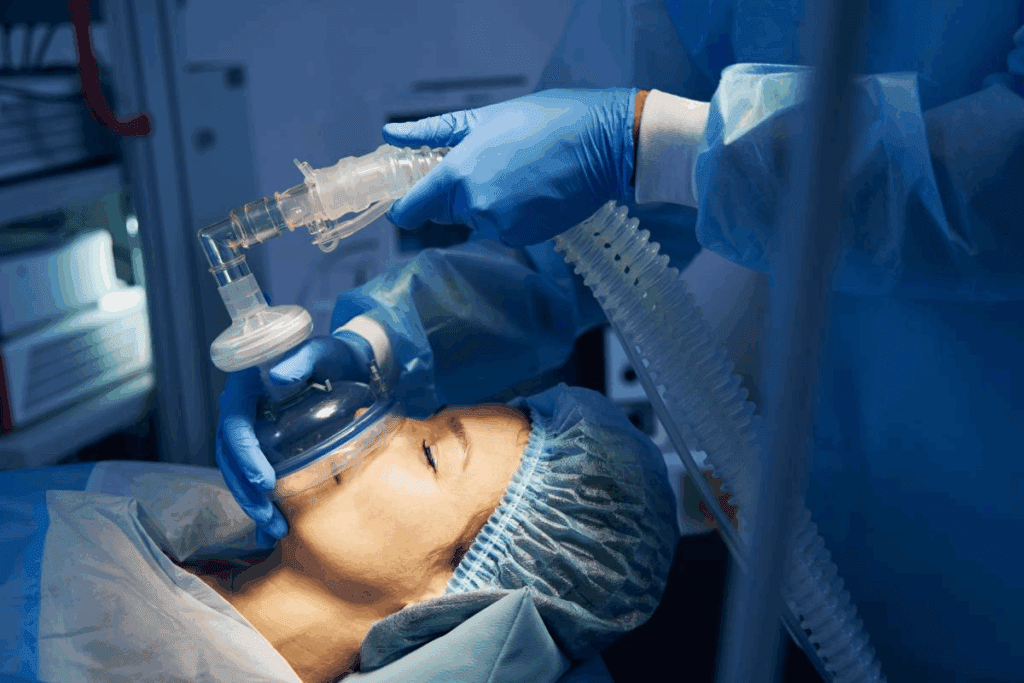
It’s important to know how anesthesia impacts different memories. This knowledge helps both patients and doctors. Anesthesia can affect memory in various ways, impacting cognitive functions differently.
Working Memory Disruption
Working memory, or the ability to hold information briefly, is often affected by anesthesia. Studies have shown that older adults may face big challenges with working memory after surgery.
For instance, patients might find it hard to remember instructions or tasks right after anesthesia. This is because anesthetics can make it tough for the brain to process and keep new information.
Executive Function Impairment
Executive functions, like planning and problem-solving, can also be impacted by anesthesia. Research indicates that anesthetics can disrupt the brain’s complex processes involved in these functions.
“The administration of anesthesia can temporarily affect the brain’s executive function, leading to difficulties in cognitive flexibility and control.”
Anterograde Amnesia After Surgery
Anterograde amnesia, or the inability to form new memories after amnesia starts, is common with anesthesia. Patients might struggle to remember events after surgery, which can be upsetting.
| Type of Memory | Effects of Anesthesia | Common Symptoms |
| Working Memory | Disruption | Difficulty recalling recent information |
| Executive Function | Impairment | Problems with planning and decision-making |
| Anterograde Memory | Amnesia | Inability to form new memories |
Understanding how anesthesia affects memory helps healthcare providers prepare patients for cognitive changes after surgery. They can then work on strategies to lessen these effects.
Does Anesthesia Cause Memory Loss? Understanding the Evidence
Medical research has looked into how anesthesia affects memory. Studies show that general anesthesia can lead to short-term memory issues. A study found that more surgeries under general anesthesia can harm cognitive skills like thinking and processing information.
Clinical Studies on Anesthesia-Related Memory Impairment
Many clinical studies have looked into anesthesia’s impact on memory. They check cognitive function before and after surgery. These studies have been key in understanding anesthesia’s risks.
A big review of clinical trials showed that surgery under general anesthesia can cause big cognitive drops right after surgery. But the long-term effects on memory are not as clear.
Distinguishing Between Anesthesia Effects and Other Surgical Factors
It’s hard to figure out if anesthesia or other surgical factors cause memory problems. Factors like surgery type, how long it lasts, and the patient’s health can also affect thinking.
To solve this, researchers use different study designs. They compare patients who got different anesthetics and control for other factors.
| Study Factor | Impact on Memory | Relevance to Anesthesia |
| Type of Anesthesia | General anesthesia may have a greater impact on memory than regional anesthesia. | High |
| Duration of Surgery | Longer surgeries are associated with greater cognitive decline. | Moderate |
| Patient Age | Older patients are more susceptible to anesthesia-related memory impairment. | High |
It’s important for healthcare providers and patients to understand the evidence on anesthesia and memory loss. By looking at clinical studies and the challenges of separating anesthesia effects from other surgery factors, we can better understand anesthesia’s risks.
Short-Term vs. Long-Term Memory Effects
Anesthesia’s impact on memory varies among patients. This raises concerns about short-term and long-term cognitive effects. It’s important to know the difference to understand anesthesia’s impact on the mind.
Immediate Post-Operative Cognitive Dysfunction
Immediate post-operative cognitive dysfunction (POCD) is common after surgery. It shows as confusion, disorientation, and memory lapses that usually go away in days or weeks. The type of anesthesia, surgery length, and patient health play a role in POCD.
A study in the Journal of Clinical Anesthesia found that older adults are more at risk for POCD. This is because they have less physical strength and often have more health issues. The study highlights the need for careful planning and care after surgery for older adults.
Persistent Memory Issues: Separating Myth from Reality
While most memory effects from general anesthesia are short-lived, some people face lasting memory problems. It’s key to separate real facts from stories. Studies show that long-lasting memory issues are more likely due to health problems or the surgery itself, not the anesthesia.
| Memory Effect | Short-Term | Long-Term |
| Immediate Post-Operative Cognitive Dysfunction | Common, typically resolves within days or weeks | Rare, may persist in some cases |
| Persistent Memory Issues | Rare, usually related to other factors | Uncommon, often associated with underlying health conditions |
In summary, while anesthesia can lead to memory loss, most of these effects are short-term. Knowing what affects short-term and long-term memory can help both patients and doctors make better choices about surgery.
Risk Factors for Anesthesia-Related Memory Problems
Many factors can affect how well you remember things after anesthesia. Knowing these can help both patients and doctors understand the risks and benefits of anesthesia.
Age-Related Vulnerability
Older people are more likely to have memory problems after anesthesia. This is because their bodies may not handle anesthesia as well as younger people’s. Research shows that older patients are more at risk of memory loss or trouble concentrating after surgery.
Pre-existing Cognitive Conditions
If you already have memory or thinking problems, anesthesia can make things worse. It’s important to tell your doctor about any thinking issues before surgery. This way, they can plan better to protect your memory.
“Patients with pre-existing cognitive conditions require careful consideration and planning before undergoing surgery with anesthesia.”
Medical Expert, Anesthesiologist
Duration and Type of Surgery
The length and type of surgery also play a role. Longer surgeries might need more anesthesia, which can affect your memory. Some surgeries, like those on the brain or heart, might also carry a higher risk of memory problems.
| Risk Factor | Description | Impact on Memory |
| Advanced Age | Older adults have reduced physiological reserves. | Higher risk of POCD and memory loss. |
| Pre-existing Cognitive Conditions | Presence of dementia or cognitive impairment. | Increased vulnerability to anesthesia’s cognitive effects. |
| Duration and Type of Surgery | Longer surgeries and certain types, like brain or heart surgery. | Potential for increased risk of memory problems. |
Doctors can plan better anesthesia care by knowing these risks. Patients should talk to their doctors about their own risks. This way, they can work together to reduce the chance of memory problems.
Common Anesthetics and Their Impact on Memory
Anesthesia’s effect on memory is complex. It depends on the type of anesthetic used. Different anesthetics affect memory and cognitive function differently.
Propofol and Memory Formation
Propofol is a common anesthetic known for its quick onset and recovery. Studies show it can affect memory, mainly at the start of anesthesia. Research indicates that propofol’s memory impact is usually reversible, with cognitive function returning once the drug is gone.
Some important points about propofol and memory:
- Propofol can cause anterograde amnesia, making it hard for patients to form new memories during anesthesia.
- The drug’s memory effects depend on the dose, with higher doses causing more memory loss.
- Recovery from propofol anesthesia is usually fast, with most patients getting back to normal quickly.
Sevoflurane and Cognitive Function
Sevoflurane is a common inhalational anesthetic studied for its cognitive effects. Research shows that sevoflurane can cause temporary cognitive impairment, including memory issues, more in elderly patients.
Important aspects of sevoflurane’s cognitive impact include:
- Sevoflurane can disrupt neural oscillations, affecting memory processing.
- The risk of cognitive dysfunction with sevoflurane is higher in older adults or those with pre-existing cognitive conditions.
- Studies indicate that the cognitive effects of sevoflurane are generally reversible, but recovery times vary.
Regional vs. General Anesthesia Effects
The choice between regional and general anesthesia affects memory. Regional anesthesia, which numbs a specific region of the body, may have a lower risk of cognitive impairment compared to general anesthesia, which affects the entire body and brain.
Considerations for regional vs. general anesthesia include:
| Anesthesia Type | Impact on Memory | Typical Use |
| Regional Anesthesia | Generally lower risk of memory impairment | Procedures involving specific body regions |
| General Anesthesia | Potential for more significant memory effects | Major surgeries require full unconsciousness |
In conclusion, the type of anesthetic used can significantly impact memory, with different anesthetics having varying effects. Understanding these differences is key for both patients and healthcare providers to make informed decisions about anesthesia and minimize memory-related risks.
The Biological Mechanisms of Memory Disruption
Anesthesia starts a chain of events that can mess with memory-making. Knowing how this works is key to reducing anesthesia loss-of-memory risks.
Disruption of Neural Oscillations
Anesthesia changes how brain waves work, which is vital for memory. Different drugs can mess with these waves, making it hard to remember things.
Neurotransmitter Changes During Anesthesia
Anesthetics play with brain chemicals, like GABA and NMDA, which are important for memory. This can really affect how we remember things.
Blood Flow Alterations to Memory Centers
Anesthesia can also change blood flow to the brain. This might mess with areas that help us remember, leading to memory loss and anesthesia problems.
| Biological Mechanism | Effect on Memory |
| Disruption of Neural Oscillations | Impairs memory consolidation |
| Neurotransmitter Changes | Affects memory formation |
| Blood Flow Alterations | Alters the perfusion of memory centers |
These biological processes are behind memory loss and anesthesia. By understanding them, we can work on ways to lessen memory problems after anesthesia.
Can Anesthesia Cause Memory Problems? Patient Experiences
After surgery, some patients notice changes in their memory. They wonder if anesthesia is to blame. Anesthesia is known to affect cognitive function in some. Patient experiences and case studies offer insights into anesthesia’s impact on memory.
Common Patient Reports After Surgery
Patients often report memory issues after surgery. They struggle to remember events and feel confused. These experiences can be unsettling, making patients question if anesthesia is the cause.
- Forgetting recent events or conversations
- Difficulty concentrating or learning new information
- Feeling disoriented or confused
While these symptoms are usually temporary, they can be distressing. Understanding these experiences is key to addressing concerns about anesthesia and memory loss.
“I’ve had patients report that they couldn’t remember their hospital stay or the days immediately following surgery. It’s not uncommon for patients to experience some level of memory loss after anesthesia,” says Medical Expert, an anesthesiologist with over a decade of experience.
Case Studies and Clinical Observations
Several case studies have looked into the link between anesthesia and memory problems. These studies often involve patients who have undergone significant surgical procedures under general anesthesia.
A study in the Journal of Clinical Anesthesia found that older adults are more susceptible to memory impairment after anesthesia. It highlights the need to monitor cognitive function in older patients post-surgery.
| Patient Group | Reported Memory Issues |
| Older Adults (>65 years) | Higher incidence of memory impairment |
| Younger Adults ( | Lower incidence of memory issues |
Clinical observations show the need for personalized anesthesia care. This is true for patients at higher risk of memory problems.
In conclusion, patient experiences and case studies show that anesthesia can cause memory issues. But the extent and duration of these effects vary widely. By understanding these factors, healthcare providers can better address patient concerns and minimize risks associated with anesthesia and memory loss.
Minimizing Memory Loss Risks Before Surgery
To lower the chance of memory loss after surgery, patients should improve their health and talk to their doctors. This early action can greatly affect the surgery’s success and recovery.
Pre-operative cognitive assessment is key to spotting those at risk for memory problems after surgery. It helps doctors tailor care to each patient’s needs.
Pre-Operative Cognitive Assessment
This assessment checks a patient’s thinking skills before surgery. It looks at memory, attention, and more. Knowing a patient’s starting cognitive state helps doctors predict and prevent risks.
A study found that this assessment can spot at-risk patients. This allows for targeted steps to lower these risks.
“Early identification of cognitive vulnerabilities enables healthcare teams to implement appropriate preventive measures, reducing postoperative cognitive complications.”
Anesthesia Planning for High-Risk Patients
For those at high risk, careful planning is critical. This means picking the right anesthesia and making a plan that fits the patient’s needs.
Regional anesthesia might be better for some. It could mean less general anesthesia, which might lower memory loss. The choice of anesthesia depends on the patient’s health, surgery type, and other factors.
Patients can work with their healthcare team to lessen memory loss. It’s important to talk about any worries about memory and anesthesia before surgery.
Recovery Strategies for Post-Anesthesia Memory Issues
Anesthesia-related memory loss can be upsetting. But cognitive rehabilitation and lifestyle changes can help. Patients who have had surgery and memory problems can get better with a mix of strategies.
Cognitive Rehabilitation Techniques
Cognitive rehabilitation is a program to help with memory and thinking problems. It includes:
- Memory exercises to improve recall and recognition
- Attention training to enhance focus and concentration
- Strategies to compensate for memory deficits
These methods are made for each person’s needs. They can change as the patient gets better.
| Cognitive Rehabilitation Technique | Description | Benefit |
| Memory Exercises | Activities designed to improve memory recall and recognition | Enhances memory function |
| Attention Training | Techniques to improve focus and concentration | Improves ability to focus |
| Compensatory Strategies | Methods to help patients cope with memory deficits | Supports daily functioning |
Lifestyle Factors That Support Memory Recovery
Along with cognitive rehab, lifestyle choices can also help. These include:
- Regular Physical Exercise: Boosts blood flow to the brain and helps the brain adapt
- Balanced Diet: Full of antioxidants, omega-3 fatty acids, and nutrients good for the brain
- Adequate Sleep: Key to memory and thinking
- Stress Management: Like meditation and yoga, to lower stress and help the brain
By adding these lifestyle choices and cognitive rehab, patients can likely get better memory and thinking skills after anesthesia.
Communicating with Your Healthcare Team About Memory Loss After Surgery
Talking to your healthcare team about memory loss after surgery is key to good care. Being informed and active helps you deal with memory loss better.
Questions to Ask Before Surgery
It’s important to ask the right questions before surgery. This helps you understand the risks of memory loss from anesthesia. Ask about the anesthesia type and its effects on memory.
For example, asking “Does anesthesia cause memory loss?” or “Can anesthesia cause memory loss?” starts a useful talk with your doctor.
- What type of anesthesia will be used, and how might it affect my memory?
- Are there any alternative anesthesia options that might reduce the risk of memory loss?
- How can we monitor my cognitive function during the recovery period?
When to Seek Help for Persistent Memory Problems
If you have ongoing memory issues after surgery, get help fast. Talking to your healthcare team can lead to early help and support. If you’re dealing with memory loss, ask your doctor about ways to manage and possibly recover from it.
Key indicators that you should seek help include:
- Significant difficulty recalling recent events or conversations.
- Challenges in learning new information or skills.
- Noticeable decline in cognitive function that interferes with daily activities.
By keeping the lines of communication open with your healthcare team and getting help when needed, you can get the best care for memory loss after surgery.
Conclusion
Patients need to understand how anesthesia affects memory. Anesthetics can change how our brains work, leading to memory problems. These issues can be short-term or last a long time.
Studies show that some anesthetics, like propofol and sevoflurane, can affect memory and thinking. Your age, any existing brain issues, and the surgery type also matter. These factors can change how much memory loss you might experience.
Patients can take steps to lower the risk of memory loss after anesthesia. They can get checked before surgery, talk to their doctors about anesthesia, and live a healthy lifestyle. Knowing about anesthesia’s impact on memory helps people make better choices for their care.
Does anesthesia cause memory loss? Yes, it can, but how much and for how long varies. As we learn more, we can find ways to lessen these risks and help patients recover better.
FAQ
Can anesthesia cause memory problems?
Yes, anesthesia can cause memory issues. This includes problems with working memory and executive function. It can also lead to anterograde amnesia after surgery. But how much it affects you depends on several things, like the type of anesthesia and your age.
Will anesthesia cause memory loss?
Anesthesia might cause memory loss, but it’s not a sure thing. The chance of memory loss depends on the type and length of anesthesia. It also depends on the patient’s individual characteristics.
Does anesthesia affect your memory?
Anesthesia can impact memory, mainly in the short term. Some people might have trouble with memory or cognitive function after surgery. But these problems are usually short-lived.
Can anesthetics cause memory loss?
Some anesthetics, like propofol and sevoflurane, might impair memory. But how much they affect memory varies. It depends on the specific medication and the patient’s individual factors.
What are the risk factors for anesthesia-related memory problems?
Certain factors increase the risk of memory problems from anesthesia. These include being older, having pre-existing cognitive conditions, and the type and length of surgery. If you have these risk factors, talk to your healthcare team about your concerns.
How can I minimize memory loss risks before surgery?
To lower the risk of memory loss, get a pre-operative cognitive assessment. Also, talk to your healthcare team about anesthesia planning. Keeping a healthy lifestyle and managing medical conditions can also help.
What are the recovery strategies for post-anesthesia memory issues?
To recover from memory issues after anesthesia, try cognitive rehabilitation. This includes memory exercises and cognitive training. Regular exercise, staying socially active, and managing stress can also help.
When should I seek help for persistent memory problems after surgery?
If you have ongoing memory problems after surgery, seek help. These problems should not interfere with your daily life. Talk to your healthcare team to figure out the best next steps.
Can anesthesia cause long-term memory loss?
While some people might have ongoing memory issues after surgery, long-term memory loss is rare. Most people’s cognitive function returns to normal after recovery.
How does anesthesia impact cognitive function?
Anesthesia can affect cognitive function in several ways. It can disrupt neural oscillations and alter neurotransmitter levels. It can also affect blood flow to memory centers. The specific effects depend on the type and duration of anesthesia and the individual patient.
References
- Culley, D. J., Baxter, M. G., Yukhananov, R., & Crosby, G. (2018). Long-term impairment of spatial memory following isoflurane–nitrous oxide anesthesia in aged rats. Neurobiology of Aging, 27(3), 417–421. https://www.ncbi.nlm.nih.gov/pmc/articles/PMC2734986/