Last Updated on November 27, 2025 by Bilal Hasdemir
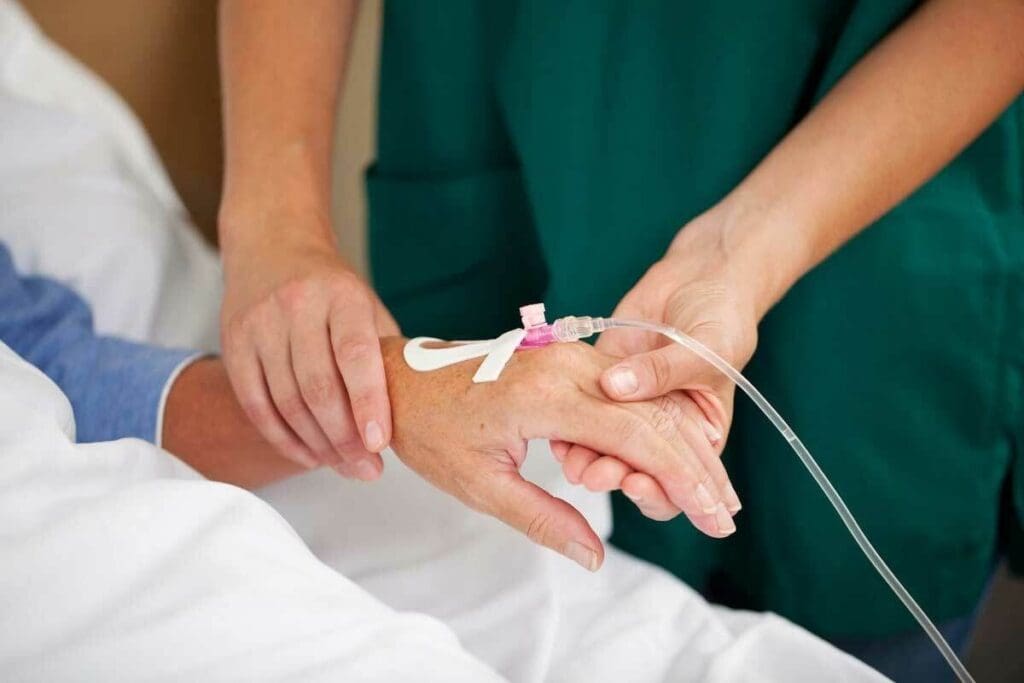
When facing cancer treatment, it’s key to know the differences between chemotherapy and radiation therapy. Both aim to fight cancer but in different ways. Chemotherapy uses drugs to attack cancer cells all over the body.
Radiation therapy, on the other hand, focuses on the tumor itself. Liv Hospital makes sure patients get the best care based on the latest research. Learn about the 14 main differences that affect your treatment.
Key Takeaways
- Chemotherapy is a systemic treatment that affects the whole body.
- Radiation therapy is a localized treatment targeting the tumor site.
- Understanding the differences between chemotherapy and radiation therapy is key for effective cancer treatment.
- Liv Hospital provides patient-centered care with internationally competitive standards.
- The choice between chemotherapy and radiation therapy depends on the type and stage of cancer.
- Both treatments have distinct approaches to combating cancer.
The Fundamental Nature of Cancer Treatments

It’s important to know the differences between cancer treatments. This knowledge helps both patients and doctors. Today, there are many ways to fight cancer.
Chemotherapy and radiation therapy are two main treatments. Chemotherapy kills cells all over the body. Radiation therapy, on the other hand, targets specific areas by damaging cancer cell DNA.
What Defines Modern Cancer Treatment Approaches
Modern treatments are more precise and effective. They are designed to meet each patient’s needs. The main difference between chemotherapy and radiation therapy is how they work and where they are used.
Chemotherapy uses drugs to kill cancer cells. Radiation therapy uses rays to damage DNA in specific areas. Knowing this helps doctors choose the best treatment for each patient.
| Treatment Characteristic | Chemotherapy | Radiation Therapy |
| Mode of Action | Targets rapidly dividing cells systemically | Damages DNA of cancer cells locally |
| Application | Systemic, affects whole body | Localized, targets specific area |
The Importance of Understanding Treatment Differences
Knowing the differences between chemotherapy and radiation therapy is key. A top oncologist says,
“The choice between chemotherapy and radiation therapy depends on the type of cancer, its stage, and the patient’s overall health.”
These choices affect treatment results and a patient’s life quality. Patients can make better decisions when they understand these differences.
In summary, cancer treatments like chemotherapy and radiation therapy work in different ways. Knowing these differences is essential for good treatment and care.
Does Chemotherapy Use Radiation? Clarifying Basic Concepts
Chemotherapy and radiation therapy are two different ways to fight cancer. They aim to kill cancer cells but do it in different ways.
Chemotherapy’s Drug-Based Mechanism
Chemotherapy uses drugs to stop cancer cells from growing. These drugs mess with the cell’s ability to make copies of itself. It’s a treatment that can reach cancer cells in other parts of the body.
Chemotherapy’s Key Characteristics:
- Uses drugs to target cancer cells
- Can be administered orally or intravenously
- Systemic treatment that affects the whole body
The American Cancer Society explains, “Chemotherapy is treatment with drugs that kill cancer cells or stop them from growing and dividing.” This shows how chemotherapy works through drugs.
Radiation Therapy’s Energy-Based Approach
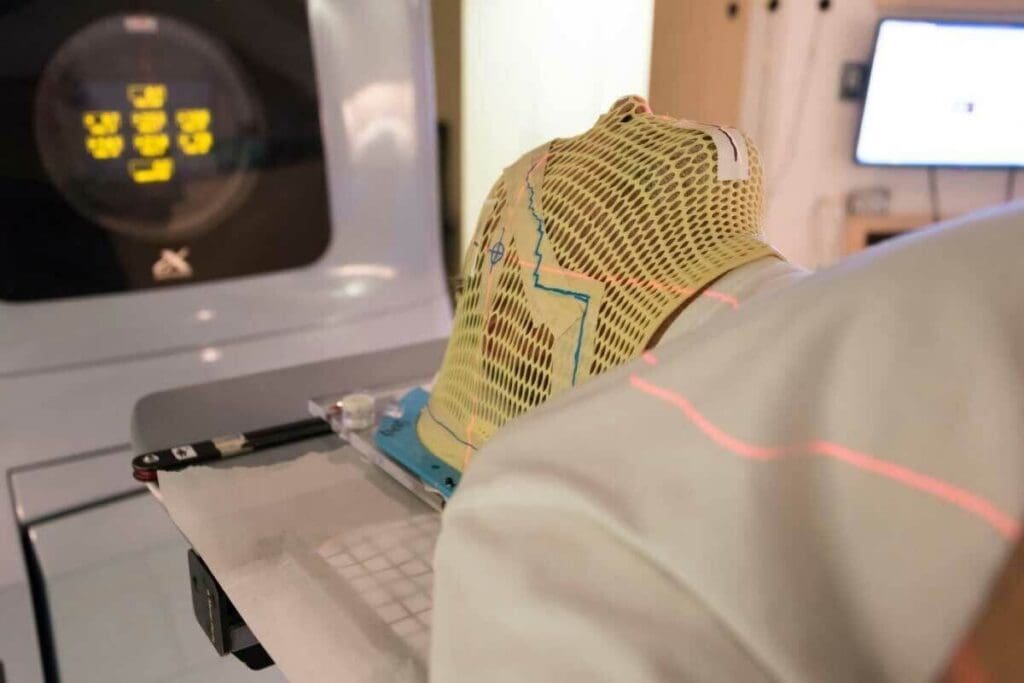
Radiation therapy uses beams of high-energy to harm cancer cells’ DNA. This stops them from making copies. It focuses on specific areas where cancer is found.
Radiation Therapy’s Key Characteristics:
- Uses high-energy beams to target cancer cells
- Localized treatment that targets specific areas
- Can be delivered externally or internally
| Treatment Aspect | Chemotherapy | Radiation Therapy |
| Mechanism | Drug-based, systemic | Energy-based, localized |
| Administration | Oral or intravenous | External or internal beam |
| Effect on Body | Affects whole body | Targets specific areas |
In conclusion, chemotherapy doesn’t use radiation. It fights cancer with drugs. Knowing the difference is key for patients to choose the right treatment.
Difference #1-3: Treatment Mechanisms and Delivery Methods
Chemotherapy and radiation therapy are key treatments for cancer. They work differently and are given in various ways. Knowing these differences helps patients and doctors make better choices.
How Chemotherapy Drugs Attack Cancer Cells
Chemotherapy uses drugs to kill or stop cancer cells from growing. These drugs can be taken by mouth, given through a vein, or injected. They target fast-growing cells, like cancer cells, but also harm other fast-growing cells.
This harm causes side effects. Chemotherapy drugs mess with the DNA or RNA of cancer cells. They stop these cells from making copies of themselves. Different drugs work in different ways, like damaging DNA or blocking DNA and RNA production.
How Radiation Energy Damages Cancer Cell DNA
Radiation therapy uses energy to destroy cancer cells. It damages the DNA of cancer cells, stopping them from growing. Radiation can come from outside the body or be placed inside the tumor.
The energy from radiation therapy kills cancer cells by damaging their DNA. This can be done with X-rays, gamma rays, or electron beams. The goal is to hit the tumor hard while keeping healthy tissues safe.
Oral vs. Intravenous vs. External Beam Delivery
Chemotherapy and radiation therapy are given in different ways. Chemotherapy can be pills, given through a vein, or injected. The choice depends on the cancer type, the drugs, and the patient’s health.
Radiation therapy usually comes from outside with a machine. Sometimes, it’s given internally with tiny radioactive sources near or in the tumor.
To show the differences, here’s a comparison:
| Treatment Characteristics | Chemotherapy | Radiation Therapy |
| Mechanism of Action | Drugs interfere with cancer cell DNA/RNA | High-energy particles damage cancer cell DNA |
| Administration Route | Oral, Intravenous, Injections | External Beam, Brachytherapy |
| Systemic vs. Localized | Systemic (affects whole body) | Localized (targets specific area) |
Difference #4-6: Systemic vs. Localized Treatment Effects
The difference between systemic and localized cancer treatments greatly affects patient outcomes and quality of life. Treatments like chemotherapy and radiation therapy fight cancer in different ways.
Chemotherapy’s Whole-Body Impact
Chemotherapy affects the whole body. It uses drugs to kill fast-growing cancer cells. But, it can also harm healthy cells, causing side effects.
Key aspects of chemotherapy’s whole-body impact include:
- Systemic distribution of chemotherapy drugs through the bloodstream
- Ability to target cancer cells that may have metastasized
- Potential for side effects due to the impact on healthy cells
Radiation Therapy’s Targeted Precision
Radiation therapy, on the other hand, targets the tumor site. It uses high-energy rays to damage cancer cells’ DNA. This approach helps protect healthy tissue nearby.
The benefits of radiation therapy’s targeted precision include:
- Reduced risk of damage to healthy cells and tissues
- Ability to deliver high doses of radiation directly to the tumor
- Potential for fewer systemic side effects compared to chemotherapy
Implications for Healthy Tissue Preservation
The choice between systemic and localized treatments affects healthy tissue. Chemotherapy can cause widespread side effects. But, radiation therapy’s focused approach helps protect healthy tissues.
“The goal of radiation therapy is to deliver a precise dose of radiation to the tumor while sparing surrounding healthy tissue.” –
American Cancer Society
In conclusion, knowing the differences between chemotherapy and radiation therapy is key. Patients and healthcare providers must understand these differences when deciding on treatments. This knowledge helps patients navigate their cancer treatment journey better.
Difference #7-9: Side Effect Profiles and Management
Chemotherapy and radiation therapy are both used to fight cancer. But they have different side effects. Knowing these differences helps patients manage their treatment better.
Distinctive Chemotherapy Side Effects
Chemotherapy affects the whole body, causing side effects like nausea, hair loss, and fatigue. This is because the drugs target fast-growing cells, not just cancer cells.
The side effects can vary a lot. This depends on the drugs used, how much is given, and the patient’s health.
Radiation Therapy-Specific Side Effects
Radiation therapy mainly affects the treated area. It can cause skin irritation, fatigue, and pain. The dose and where the radiation is aimed play a big role in how severe these effects are.
For example, radiation to the pelvic area might lead to urinary or bowel problems. Head and neck radiation can cause dry mouth or trouble swallowing.
Approaches to Side Effect Management
It’s important to manage side effects well. For chemotherapy, this might mean using antiemetic medications for nausea or scalp cooling to prevent hair loss. For radiation therapy, topical creams can help with skin issues, and exercises can reduce pain.
| Treatment | Common Side Effects | Management Strategies |
| Chemotherapy | Nausea, Hair Loss, Fatigue | Antiemetic medications, Scalp cooling |
| Radiation Therapy | Skin Irritation, Fatigue, Localized Pain | Topical creams, Specific exercises |
Understanding the side effects of chemotherapy and radiation helps doctors give better care. They can tailor their support to meet each patient’s needs, improving their treatment experience.
Difference #10-11: Treatment Scheduling and Duration
The way treatments are scheduled and how long they last are big differences between chemotherapy and radiation therapy. Knowing these differences helps patients get ready for their treatment.
Chemotherapy Cycles and Protocols
Chemotherapy is given in cycles. This lets the body recover while fighting cancer cells. The length of these cycles and how long chemotherapy lasts can change based on the cancer type, its stage, and the patient’s health.
Chemotherapy sessions can last from weeks to months. The treatment plan, including the drugs, dosage, and how often it’s given, is made just for the patient.
Radiation Therapy Fractionation Schedules
Radiation therapy is given in fractions over weeks. This method helps target the tumor without harming healthy tissue too much.
The schedule for radiation therapy depends on the cancer type, stage, and treatment goals. Some patients get treatment daily, Monday to Friday, for weeks. Others might have a shorter treatment.
Looking at chemotherapy vs radiotherapy, each has its own schedule needs. Knowing these differences is key for managing patient expectations and improving treatment results.
In summary, the scheduling and duration of chemotherapy and radiation therapy are quite different. Understanding these differences helps patients prepare for their treatment and make informed choices about their care.
Difference #12-14: Cancer-Specific Treatment Selection
Understanding cancer treatment is key. The choice between chemotherapy and radiation therapy varies by cancer type. It also depends on the cancer’s stage and the patient’s health.
Radiation vs. Chemo for Breast Cancer
For breast cancer, the choice between radiation and chemotherapy depends on the tumor’s stage and type. Radiation therapy is often used after lumpectomy to kill any remaining cancer cells. This helps reduce the risk of cancer coming back. Chemotherapy is used to treat cancer that has spread or to shrink large tumors before surgery.
The American Cancer Society says, “Radiation therapy is often used after a lumpectomy to kill any remaining breast cancer cells in the breast, underarm, and chest wall area.” This shows how radiation therapy targets specific areas in breast cancer treatment.
Treatment Preferences for Other Common Cancers
Different cancers have different treatment preferences. For example, prostate cancer is often treated with radiation therapy, either through external beam radiation or brachytherapy. On the other hand, cancers like leukemia and lymphoma are typically treated with chemotherapy because they affect the whole body.
- Cervical and uterine cancers often involve a combination of radiation and chemotherapy.
- Lung cancer treatment can include both chemotherapy and radiation therapy, depending on the stage and type.
- Colorectal cancer may be treated with chemotherapy, radiation, or a combination of both.
Combination Therapy Considerations
In many cases, a combination of chemotherapy and radiation therapy is used to treat cancer effectively. This approach is beneficial for cancers that are locally advanced or have a high risk of recurrence.
“Combining chemotherapy and radiation therapy can enhance treatment outcomes by addressing both local and systemic disease,” according to a study published in the Journal of Clinical Oncology.
The decision to use combination therapy depends on various factors. These include the cancer type, stage, and the patient’s overall health and preferences.
Radiotherapy vs. Chemotherapy: Making the Right Choice
It’s important to know the differences between radiotherapy and chemotherapy. This helps in making the right treatment choice. Healthcare experts look at many factors to decide which treatment is best.
Key Factors in Treatment Decision-Making
Several key factors influence the choice between radiotherapy and chemotherapy. These include the cancer type and stage, the patient’s health, and their personal wishes.
Type and Stage of Cancer: Some cancers work better with radiotherapy, while others need chemotherapy. For example, radiotherapy might be best for some skin cancers. But, chemotherapy could be better for cancers that have spread.
The Role of Cancer Stage and Location
The cancer’s stage and location are key in choosing the right treatment. Early-stage cancers might need different treatment than advanced ones.
Cancer Stage: The cancer stage helps decide if radiotherapy or chemotherapy is needed. Radiotherapy is often used for localized treatments. Chemotherapy is used for treatments that affect the whole body.
| Cancer Stage | Preferred Treatment | Reason |
| Early-stage | Radiotherapy | Localized treatment |
| Advanced-stage | Chemotherapy | Systemic treatment needed |
Patient-Specific Considerations
Each patient’s health and preferences also matter in treatment choices.
Overall Health: Patients with certain health issues might do better with one treatment over the other. For instance, someone with heart problems might avoid certain chemotherapy.
Personal Preferences: Patients’ feelings about treatment side effects, how long it lasts, and its impact on life quality are important. These are considered in treatment decisions.
Healthcare experts use these factors to help patients choose between radiotherapy and chemotherapy. They make decisions based on the latest evidence and what’s best for each patient.
Conclusion
It’s important to know the differences between chemotherapy and radiation therapy for good cancer care. These treatments work in different ways and are used for different reasons.
Choosing between chemotherapy and radiation depends on many things. This includes the cancer type and stage, and what the patient needs. Chemotherapy uses drugs to fight cancer cells. Radiation therapy uses high-energy rays to damage cancer cell DNA.
Understanding these differences helps patients and doctors make better choices. Both chemotherapy and radiation therapy are key in cancer treatment. They are each best for certain situations.
FAQ
Are chemo and radiation the same?
No, chemotherapy and radiation therapy are not the same. They are two different ways to fight cancer.
Does chemotherapy use radiation?
No, chemotherapy does not use radiation. It uses drugs to kill cancer cells. Radiation therapy uses rays to damage cancer cell DNA.
What is the difference between chemotherapy and radiation therapy?
Chemotherapy affects the whole body. Radiation therapy targets specific areas. This makes a big difference in how they treat cancer.
Is radiotherapy the same as chemotherapy?
No, radiotherapy and chemotherapy are not the same. Radiotherapy kills cancer cells with radiation. Chemotherapy uses drugs to attack cancer cells.
What are the differences in treatment effects between chemotherapy and radiation therapy?
Chemotherapy affects the whole body. Radiation therapy targets specific areas. This affects how much healthy tissue is saved.
How do the side effect profiles of chemotherapy and radiation therapy differ?
Chemotherapy can cause hair loss and nausea. Radiation therapy can cause skin irritation and fatigue. Each has its own side effects.
How are treatment scheduling and duration different between chemotherapy and radiation therapy?
Chemotherapy is given in cycles. Radiation therapy is given in smaller doses over time. This affects how long treatment lasts.
What factors influence the choice between radiotherapy and chemotherapy for breast cancer?
Choosing between radiotherapy and chemotherapy for breast cancer depends on several things. These include the cancer’s stage and type, and the patient’s health and goals.
Can chemotherapy and radiation therapy be used together?
Yes, chemotherapy and radiation therapy can be used together. This combination is often used to make treatment more effective for some cancers.
What are the key factors in treatment decision-making?
Treatment decisions are based on several factors. These include the cancer’s stage and location, and the patient’s health and goals.
Is radiation therapy or chemotherapy more effective for certain types of cancer?
The choice between radiation therapy and chemotherapy depends on the cancer type and stage. Some cancers respond better to one or the other.
How do treatment choices vary for different types of cancer?
Treatment choices vary based on the cancer type and stage. For example, radiation therapy might be better for localized cancers. Chemotherapy might be better for cancers that have spread.
Reference
- Chan, E., et al. (2021). Side Effects of Chemotherapy and Radiation Therapy. Cancer Treatment Reviews, 92, 102135. https://pubmed.ncbi.nlm.nih.gov/33851751/