Last Updated on November 27, 2025 by Bilal Hasdemir

Many of us start our day with a cup of coffee. But, worries about its effect on our heart health can be a concern. At Liv Hospital, we’re here to help you understand the latest about coffee and your heart.
Coffee is a favorite drink for many around the world. Its impact on the heart is something we all want to know. While most people can safely enjoy coffee, some might feel heart palpitations after drinking it. We aim to help you understand how coffee affects your heart rhythm so you can make better choices about your coffee.
Key Takeaways
- Coffee can cause heart palpitations in some people.
- The link between coffee and heart health is complex, influenced by many factors.
- Most people can safely drink moderate amounts of coffee.
- Those with heart conditions might be more at risk for coffee-related heart palpitations.
- Knowing how your body reacts to coffee is key for keeping your heart healthy.
The Global Love Affair with Coffee and Caffeine

Caffeine, mainly found in coffee, is a key part of our daily lives worldwide. As we look into coffee’s link to heart palpitations, knowing how much coffee people drink globally is key.
Coffee Consumption Statistics Worldwide
Coffee is a top traded crop globally. Over 2.25 billion cups are drunk every day. This isn’t just a trend in coffee-loving countries; it’s a worldwide love for coffee.
Some interesting facts about coffee drinking globally include:
- The average American drinks about 2.1 cups of coffee daily.
- Nordic countries lead in coffee drinking per person.
- Asia’s growing markets are seeing a rise in coffee fans.
Caffeine Content in Different Coffee Beverages
The caffeine in coffee can change a lot. This depends on the coffee bean type, roast, and how it’s brewed. Knowing this helps us understand how caffeine might affect heart rhythm.
Here’s a look at caffeine in popular coffee drinks:
- Espresso (1 shot): 60-120 mg
- Drip coffee (8 oz): 80-180 mg
- French press (8 oz): 100-200 mg
- Cold brew (8 oz): 150-300 mg
These differences in caffeine levels can greatly affect how coffee impacts people, like heart palpitations. As we dive deeper into coffee’s effect on heart rhythm, knowing these details is vital.
Understanding Heart Palpitations: What They Are and How They Feel

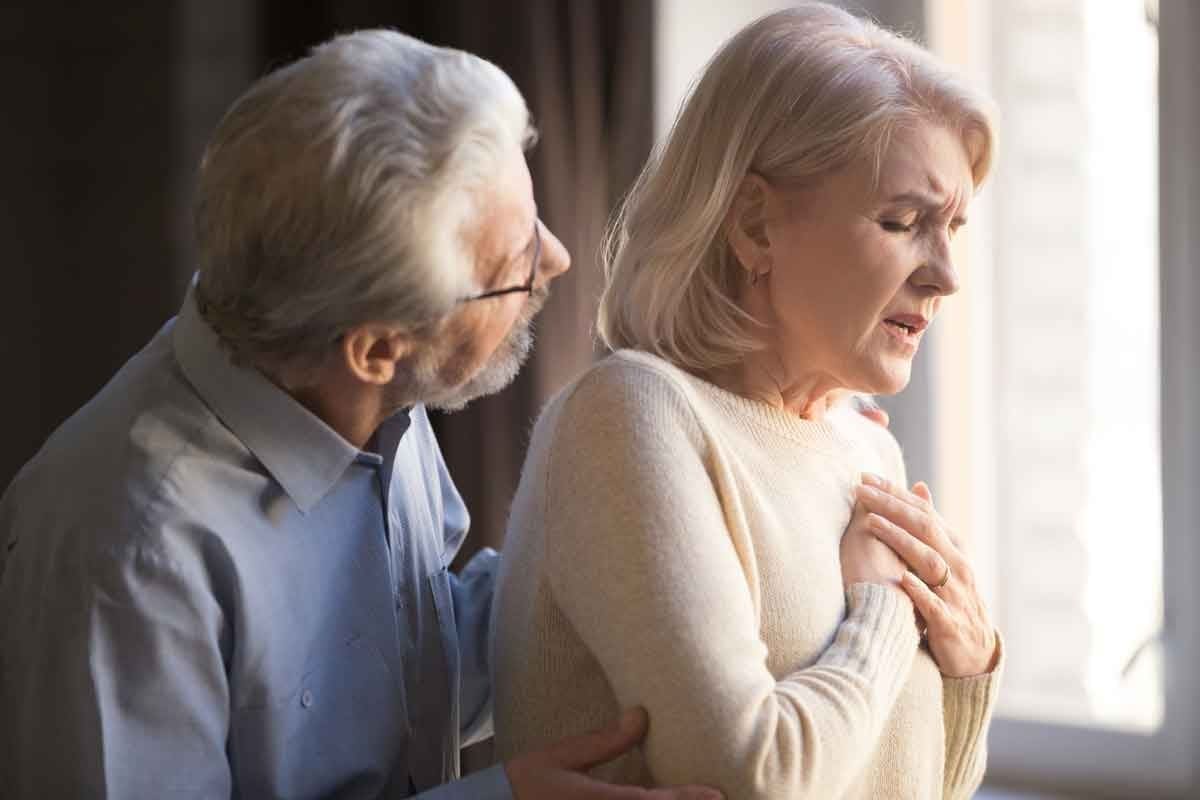
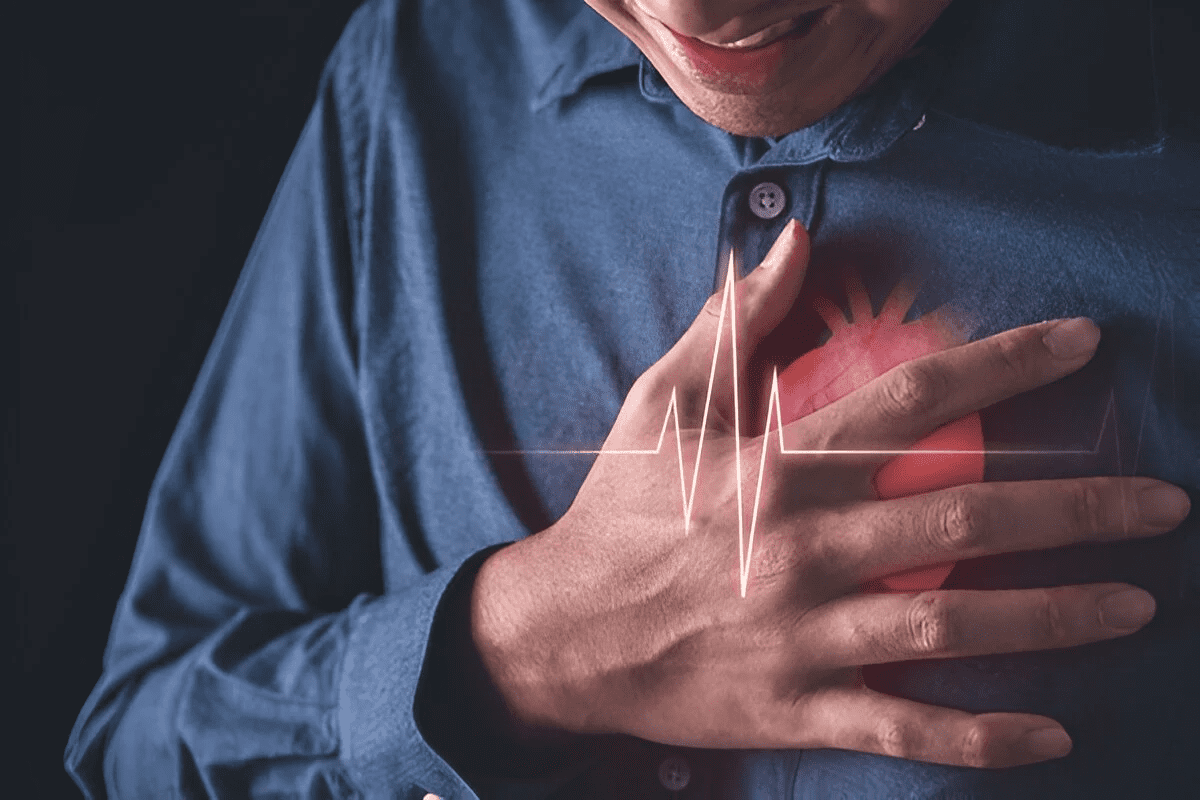
Heart palpitations feel like your heart is fluttering or racing. It can make you feel like your heart is beating irregularly or pounding in your chest. Many things can cause this, including drinking coffee.
Common Symptoms of Heart Palpitations
Palpitations can show up in different ways. You might feel your heart racing or pounding. Or, it might beat irregularly or skip a beat. You could also feel a flutter in your chest or a rapid heart rate.
These feelings can be scary, but they’re not always a big deal. Yet, if your palpitations keep happening or are really bad, you should see a doctor.
Differentiating Normal Heart Rhythms from Palpitations
Our heart rate can change for many reasons, like when we exercise or get stressed. But, palpitations are different. They feel irregular or unpleasant.
To tell if it’s just your heart beating normally or if it’s palpitations, watch if it’s beating in a steady pattern. Or if it’s beating in an odd way.
Knowing the difference can help you feel better. It can also help you take care of your heart, even when you drink coffee.
The Science Behind Caffeine’s Effect on the Cardiovascular System
Caffeine has a big impact on our heart and blood pressure. It can cause immediate and long-term effects. Let’s dive into how caffeine affects our body and heart rhythm.
How Caffeine Interacts with Your Body
Caffeine is a stimulant that changes how our body works. It gets into our bloodstream and affects many processes. Caffeine blocks adenosine receptors, making our brain and body more active. This leads to more dopamine and norepinephrine, which can make our heart beat faster and blood pressure go up.
Caffeine’s Impact on Heart Rate and Blood Pressure
Too much caffeine can make our heart rate and blood pressure go up. It makes our heart beat faster and stronger. Blood vessels get narrower, and the heart pumps more blood. This can be a big worry for people with heart problems.
| Physiological Effect | Description | Impact on Heart Health |
|---|---|---|
| Increased Heart Rate | Caffeine stimulates the heart to beat faster | May lead to palpitations or arrhythmias in sensitive individuals |
| Blood Pressure Increase | Caffeine causes blood vessels to constrict | Can be problematic for those with hypertension or heart disease |
| Cardiac Output Increase | The heart pumps more blood due to caffeine | May increase the risk of cardiac complications in high-risk patients |
It’s important to know how caffeine affects our heart. While most people can safely have some caffeine, too much or being very sensitive can harm our heart.
Caffeine Causing Heart Palpitations: What Research Reveals
Studies have looked into how caffeine affects heart palpitations. They show that caffeine’s impact on heart rhythm is complex. It’s something we should think about carefully.
Clinical Studies on Caffeine and Arrhythmias
Many studies have checked how caffeine affects heart rhythm. Some found that too much caffeine can lead to arrhythmias. These can feel like palpitations or heart flutters.
A study in a well-known medical journal found a link. It said people who drank a lot of caffeine were more likely to have arrhythmias. This includes atrial fibrillation. It shows that how sensitive you are to caffeine matters a lot.
Statistical Correlation Between Coffee Intake and Palpitations
Research shows a link between coffee and heart palpitations. Studies found that drinking a lot of coffee can increase the risk of palpitations.
But, how you react to caffeine can vary a lot. Things like genetic predisposition and pre-existing heart conditions can play a big role. We need more research to understand how caffeine and heart rhythm interact.
Common Experiences: Heart Palpitations After Coffee
For some, the morning coffee ritual brings an unsettling heart palpitation. Many people report heart palpitations after drinking coffee. It’s key to know the common symptoms and experiences tied to this.
Many coffee lovers say their heart skips a beat or flutters after drinking it. These feelings can be scary, mainly for those new to caffeine’s heart effects.
Reported Symptoms Among Coffee Drinkers
Coffee can cause heart palpitations in various ways. Some common symptoms include:
- A feeling of skipped beats or irregular heart rhythms
- A rapid or forceful heartbeat
- A sensation of fluttering in the chest
- Pounding or throbbing in the neck or chest
These symptoms can vary in intensity and how long they last. Not everyone who drinks coffee will feel these symptoms. But for those who do, it can be a worrying and uncomfortable feeling.
Duration and Intensity of Coffee-Related Palpitations
The length and strength of coffee-related heart palpitations can vary a lot. Some people might have brief, mild palpitations. Others might have longer and stronger episodes.
Factors that can affect how long and strong these palpitations are include:
- The amount of coffee consumed
- How sensitive someone is to caffeine
- Any heart conditions they might have
- Other health factors and lifestyle choices
Knowing these factors can help coffee fans reduce their risk of heart palpitations.
Individual Sensitivity: Why Some People Experience Palpitations from Coffee
Caffeine affects heart rhythm differently for everyone. Some people are more likely to get palpitations because of their body’s unique makeup. We look into why some folks are more at risk of caffeine causing heart palpitations.
Genetic Factors in Caffeine Metabolism
How we break down caffeine is shaped by our genes. The speed at which our bodies process caffeine can greatly impact its effects on the heart. Slow metabolizers might feel the effects of caffeine more, like heart palpitations, because it stays in their system longer.
Studies have found that certain genes, like CYP1A2, affect how we react to caffeine. People with specific versions of this gene might be more likely to feel caffeine’s stimulating effects on their heart.
Pre-existing Conditions That Increase Sensitivity
Having heart conditions can make you more sensitive to caffeine. Issues like atrial fibrillation, mitral valve prolapse, and other heart rhythm problems can lead to palpitations after drinking coffee.
| Pre-existing Condition | Potential Effect of Caffeine |
|---|---|
| Atrial Fibrillation | May exacerbate irregular heart rhythms |
| Mitral Valve Prolapse | Can increase symptoms like palpitations and arrhythmias |
| Heart Failure | Might increase heart rate and blood pressure, potentially worsening condition |
If you have a heart condition, it’s key to know how caffeine affects you. Talk to your doctor about safe caffeine intake. For more on heart health and coffee, check out VCU Health’s article on coffee and heart.
Moderate vs. Excessive Consumption: Finding Your Personal Threshold
Knowing the difference between safe and too much coffee is key for those who get heart palpitations. Most healthy adults don’t get palpitations from normal coffee drinking. But, how much caffeine you can handle can differ a lot from person to person.
It’s important to know the daily caffeine limits and when you’re drinking too much. This helps you enjoy your coffee without feeling bad.
Recommended Daily Caffeine Limits
Health groups around the world say up to 400 milligrams of caffeine a day is safe for adults. To understand this better, let’s look at how much caffeine is in different coffee drinks.
| Coffee Beverage | Average Caffeine Content (mg) |
|---|---|
| 8 oz brewed coffee | 95-200 |
| 1 oz espresso | 60-75 |
| 8 oz latte | 60-150 |
Caffeine can add up fast, which is why it’s important to watch how much you drink. This helps you stay within safe limits.
Signs You’re Exceeding Your Personal Tolerance
If coffee makes your heart skip beats, you might be drinking too much caffeine. Other signs include feeling jittery, anxious, having trouble sleeping, and a faster heart rate. If you notice these, it’s time to think about cutting back on caffeine.
By paying attention to how caffeine affects you, you can enjoy your coffee without harming your heart. It’s not just about how much coffee you drink. It’s also about how your body reacts to it.
Other Ingredients in Coffee That May Contribute to Heart Flutters
Caffeine is not the only thing in coffee that can affect your heart. Other ingredients and how coffee is made can also play a part. These factors can change how coffee impacts your heart rhythm.
The Role of Additives and Sweeteners
Things like sugar and creamers can change coffee’s makeup and might harm your heart. Sugar and creamers can raise your blood sugar and calorie count. This could indirectly affect your heart’s rhythm.
- Sugar and artificial sweeteners: High sugar intake is linked to heart disease risks.
- Creamers and milk alternatives: Some have saturated fats or artificial stuff that might not be good for your heart.
- Flavorings: Some flavorings, with lots of sugar or artificial stuff, could mess with your heart rhythm.
| Additive/Sweetener | Potential Impact on Heart Health |
|---|---|
| Sugar | High sugar and calorie intake can increase heart disease risk. |
| Artificial Sweeteners | They might be linked to metabolic syndrome and heart risks. |
| Creamers | They might have saturated fats, which could affect your heart. |
Coffee Preparation Methods and Their Impact
How coffee is made can also affect your heart health. Different brewing methods can change the levels of compounds that might affect your heart rhythm.
- Boiling vs. filtering: Unfiltered coffee might have more diterpenes, which could raise cholesterol.
- Espresso: It’s strong and often drunk in big amounts, which could increase caffeine intake.
- Cold brew: It might have different caffeine and acidity levels than hot-brewed coffee.
Knowing these things can help you choose your coffee wisely. Being careful about what you add and how you make your coffee can help keep your heart healthy.
When to Seek Medical Attention for Coffee-Related Heart Symptoms
Coffee-related heart palpitations can be scary. It’s important to know when to get help. If you feel heart palpitations after drinking coffee, watch for signs that mean you need to see a doctor right away.
Warning Signs That Require Immediate Care
Some symptoms with heart palpitations after coffee need quick medical help. These include:
- Severe chest pain or discomfort that doesn’t go away
- Shortness of breath or trouble breathing
- Dizziness or fainting spells
- Severe headache or confusion
- Rapid or irregular heartbeat that lasts
Diagnostic Tests Your Doctor May Recommend
Your doctor might suggest tests to find out why you have heart palpitations. These tests are:
- Electrocardiogram (ECG) to check your heart’s rhythm
- Holter monitor for 24 to 48 hours of heart rhythm tracking
- Echocardiogram to look at your heart’s structure and function
- Stress test to see how your heart acts under stress
Knowing why you have heart palpitations is key to finding the right treatment. If coffee makes your heart palpitate, talk to your doctor.
Practical Solutions for Coffee Lovers with Heart Sensitivity
Coffee lovers who get heart palpitations don’t have to give up their coffee. It’s hard to stop drinking coffee, so we offer solutions. These help you enjoy coffee without harming your heart too much.
Low-Caffeine Alternatives That Satisfy
Switching to low-caffeine coffee can help if you get heart palpitations. Here are some good options:
- Decaffeinated Coffee: It has very little caffeine, which can lessen heart palpitations.
- Half-Caf: A mix of regular and decaf coffee. It’s a good choice if you want less caffeine.
- Herbal Coffees: Chicory root coffee and other herbal coffees taste like regular coffee but have no caffeine.
Strategies to Reduce Caffeine’s Impact on Your Heart
There are ways to lessen caffeine’s effect on your heart:
- Monitor Your Intake: Keep track of how much coffee you drink. Be aware of caffeine in other foods and drinks too.
- Stay Hydrated: Drinking water helps your body process caffeine better.
- Avoid Coffee on an Empty Stomach: Drinking coffee with food can slow down caffeine absorption. This might help your heart.
- Consider Your Overall Diet: Eating a balanced diet with plenty of potassium (like bananas and leafy greens) is good for your heart.
By using these strategies, coffee lovers can enjoy their coffee while keeping their heart healthy. It’s about finding the right balance and paying attention to how caffeine affects you.
Medical Perspectives: What Cardiologists Say About Coffee and Heart Health
Cardiologists are studying how caffeine affects heart rhythm. New guidelines are coming out to help people make smart choices. The debate on coffee’s effect on heart health has been going on for a while. But, recent studies are giving us clearer answers.
Current Medical Guidelines on Caffeine Consumption
Most adults can safely drink moderate amounts of caffeine. The American Heart Association says 3 to 4 cups of coffee a day is okay. But, how much caffeine someone can handle varies a lot.
If you have heart problems or are sensitive to caffeine, talk to your doctor. Remember, caffeine is in more than just coffee. It’s also in tea, energy drinks, and some meds.
“Caffeine can have a significant impact on heart rate and blood pressure, and while moderate consumption is generally safe, excessive intake can lead to palpitations and other cardiovascular issues.”
Balancing the Benefits and Risks of Coffee
Drinking coffee in moderation might have some good points. Some research shows it could lower the risk of Parkinson’s, type 2 diabetes, and some cancers.
- Potential Benefits:Improves thinking skills
- May lower risk of some diseases
- Has antioxidants
- Potential Risks:Can raise heart rate and blood pressure
- May cause heart palpitations in some
- Can disrupt sleep
It’s important to think about these points when deciding how much coffee to drink. For most, the good things about coffee outweigh the bad. But, everyone is different.
Conclusion: Making Informed Decisions About Coffee Consumption
The link between coffee and heart palpitations is complex. It depends on how sensitive you are and your health. Some people might get heart palpitations from coffee, while others won’t. Knowing how caffeine affects you is key to deciding if coffee is safe for you.
If coffee makes you feel bad, watch how much caffeine you drink. Pay attention to how your body reacts to different amounts and types of coffee. You might want to try low-caffeine options or drink less to feel better.
Knowing how coffee affects your heart health lets you enjoy it safely. By listening to your body and being informed, you can enjoy your coffee without worrying. This way, you can enjoy your favorite drink while keeping your health in mind.
Does drinking coffee cause heart palpitations?
Coffee can lead to heart palpitations in some people. The chance and how bad it is depends on several things. These include how sensitive you are, how much you drink, and if you have heart problems.
How does caffeine affect heart rhythm?
Caffeine can make your heart beat faster. It might also cause irregular heartbeats or palpitations. This happens because it affects the heart’s electrical activity.
Can coffee cause heart palpitations in healthy individuals?
Yes, coffee can cause heart palpitations even in healthy people. This is more likely if you drink too much or are very sensitive to caffeine.
What are the symptoms of heart palpitations caused by coffee?
Symptoms include a fast, pounding, or irregular heartbeat. You might feel it in your chest, throat, or neck. You could also feel anxious or uncomfortable.
How much caffeine is too much for heart palpitations?
Too much caffeine varies by person. But, drinking more than 400 milligrams a day (about 3-4 cups of coffee) can raise your risk of palpitations.
Are there other ingredients in coffee that can cause heart palpitations?
Yes, additives like sugar, cream, or syrup can also cause heart palpitations. But, caffeine is usually the main culprit.
Can genetic factors influence caffeine’s effect on heart rhythm?
Yes, your genes can affect how you metabolize caffeine. This can change how caffeine affects your heart rhythm and increase your risk of palpitations.
What should I do if I experience heart palpitations after drinking coffee?
If you have persistent or severe palpitations, try drinking less caffeine. Also, talk to a healthcare professional for advice tailored to you.
Are there alternatives for coffee lovers who experience heart palpitations?
Yes, you can try decaf or low-caffeine coffee. Or, you might like tea or chicory. Gradually reducing your caffeine or switching to half-caf options can also help.
When should I seek medical attention for coffee-related heart symptoms?
Get immediate care if you have severe symptoms like chest pain, dizziness, or shortness of breath. Also, seek help if palpitations get worse or last a long time.
References
Metro Cardiovascular. How caffeine can lead to palpitations. https://www.metrocardiovascular.com/blog/how-caffeine-can-lead-to-palpitations
Premier Cardiology Consultants. Could your racing heart be caused by caffeine? https://www.premiercardiology.com/blog/could-your-racing-heart-be-caused-by-caffeine
American Heart Association. Caffeine and arrhythmias: A critical analysis of cardiovascular responses and arrhythmia susceptibility. https://www.ahajournals.org/doi/10.1161/CIRCEP.115.003088
National Center for Biotechnology Information (NCBI). Caffeine effects on the cardiovascular system. https://www.ncbi.nlm.nih.gov/pmc/articles/PMC11648991