Last Updated on November 17, 2025 by Ugurkan Demir
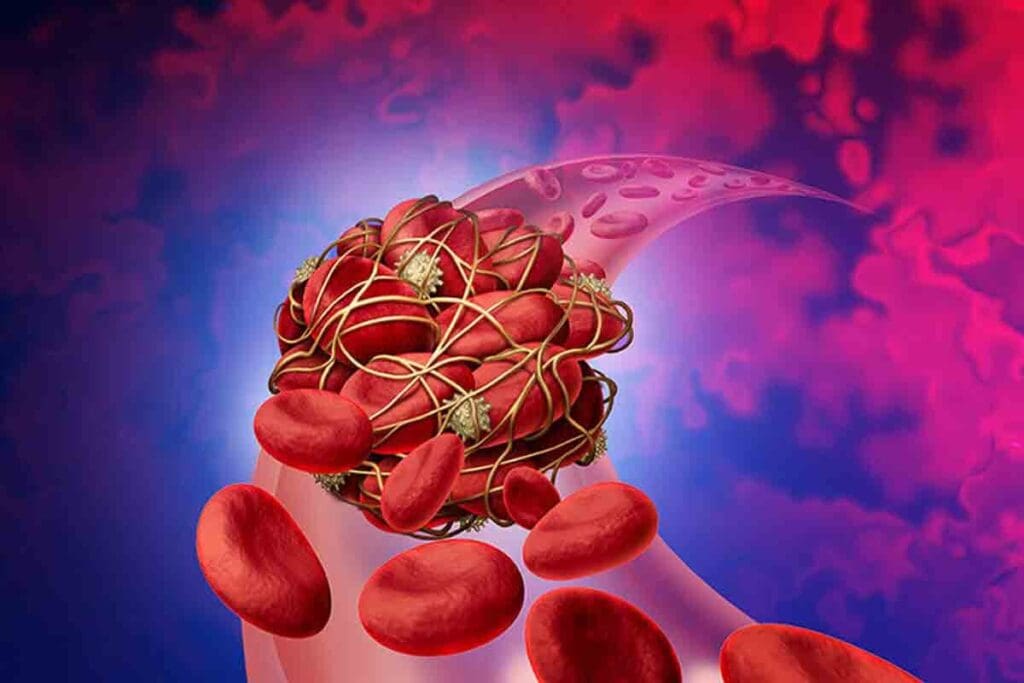
Deep vein thrombosis (DVT) is a serious blood clot condition, and many people ask, “does DVT go away on its own?” At Liv Hospital, we understand how concerning this can be.
The body can sometimes naturally break down clots. However, waiting for a DVT to resolve on its own can be dangerous. According to the Centers for Disease Control and Prevention (CDC), up to 900,000 Americans develop venous thromboembolism (VTE) each year, resulting in around 100,000 deaths from complications such as pulmonary embolism (PE).
While some clots may dissolve naturally, this is not always the case. Knowing how the body handles DVT and when to seek medical help is crucial for preventing serious complications.
Key Takeaways
- Blood clots, including DVT, can potentially resolve on their own, but this is not guaranteed.
- The body’s natural processes can break down clots, but medical intervention is often necessary.
- DVT is a serious condition that can lead to life-threatening complications.
- The CDC reports that VTE affects up to 900,000 Americans annually.
- Understanding the risks and treatment options for DVT is essential for patient care.
Understanding Blood Clots: Types and Formation
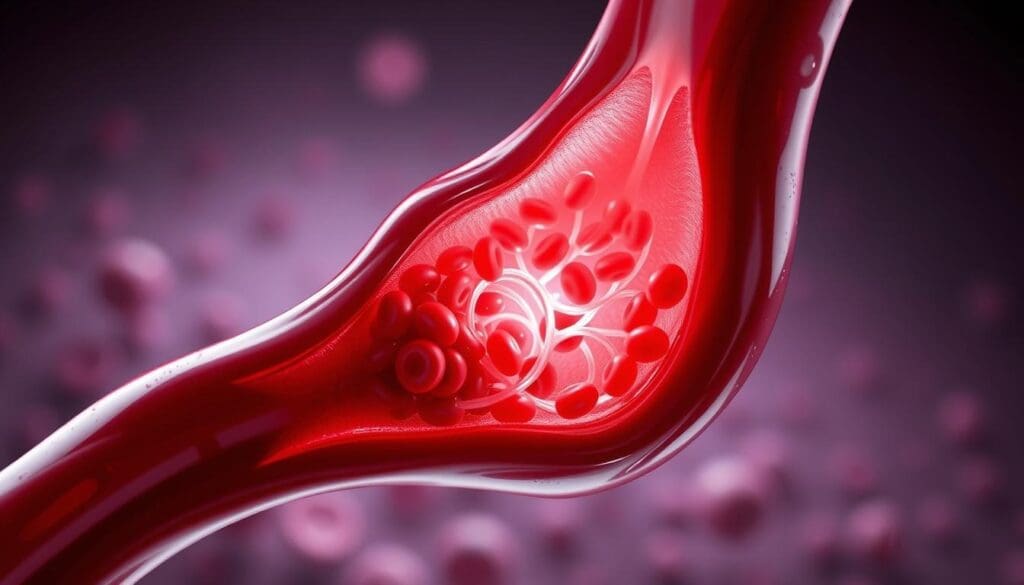
Blood clots are made of cells, platelets, and fibrin. They help the body heal when they form at injury sites. But, they can be harmful if they form in veins without a reason.
What Are Blood Clots?
A blood clot is a gel-like mass in veins or arteries. It’s made of blood cells, platelets, and fibrin. Fibrin acts like a mesh, holding the clot together. Clots are good for healing but bad if they form in veins without a reason.
How Blood Clots Form
The process of forming a blood clot is complex. It starts with platelets getting activated and the coagulation cascade. This leads to fibrinogen turning into fibrin, forming a clot. The body can dissolve this clot or it can cause problems.
Different Types of Blood Clots
Blood clots are classified by where they form and what they’re made of. Arterial clots are in arteries and can cause heart attacks and strokes. Venous clots are in veins and can lead to deep vein thrombosis (DVT). Knowing the type of clot helps doctors choose the right treatment.
The body has ways to break down clots, like fibrinolysis and collagenolysis. These processes help keep blood vessels healthy and prevent clot-related problems.
Deep Vein Thrombosis (DVT): A Closer Look
Deep Vein Thrombosis (DVT) is a serious condition. It happens when a blood clot forms in a deep vein, usually in the leg or pelvis. This can lead to serious health problems, like pulmonary embolism if the clot moves to the lungs.
Definition and Prevalence
DVT is when a blood clot forms in a deep vein. It can cause swelling, pain, cramping, or soreness in the leg. Many people get DVT every year, which can lead to serious complications if not treated.
DVT can happen to anyone, but some people are at higher risk. This includes older people, those who are overweight, and those with a family history of clotting disorders.
Common Locations for DVT
DVT often happens in the lower legs. It can occur in:
- Calf veins
- Popliteal vein (behind the knee)
- Femoral vein (in the thigh)
- Iliac veins (in the pelvis)
These areas are more likely to get clots because of blood stasis and increased pressure.
Risk Factors for Developing DVT
Several things can increase your chance of getting DVT, including:
- Prolonged immobility or bed rest
- Surgery or trauma
- Cancer and its treatment
- Family history of blood clots
- Obesity
- Age over 60
Knowing these risk factors is key to preventing and catching DVT early. Spotting the signs and symptoms early can help prevent serious problems.
The Body’s Natural Clot Dissolution Mechanisms
The body has a way to dissolve blood clots naturally. This process is called fibrinolysis. It breaks down fibrin, a protein in blood clots.
Fibrinolysis: Breaking Down Fibrin
Fibrinolysis starts when plasminogen turns into plasmin. Plasmin is an enzyme that dissolves fibrin clots. This is key for restoring normal blood flow and avoiding clot-related problems.
Plasminogen turns into plasmin with help from tissue plasminogen activator (tPA). For more on dissolving blood clots, check out WebMD’s article on dissolving blood clots.
Collagenolysis: Remodeling the Vessel Wall
Collagenolysis helps fix the vessel wall after a clot forms. It breaks down collagen, a key part of the wall. This allows the vessel to return to normal.
- Collagen breakdown is done by matrix metalloproteinases (MMPs).
- This process is vital to avoid long-term damage to the vessel.
Timeline of Natural Clot Breakdown
The time it takes for a clot to dissolve naturally varies. It depends on the clot’s size, location, and the person’s health. It can take from a few days to weeks.
It’s important to understand how the body dissolves blood clots naturally. This process is complex but vital for keeping blood vessels healthy.
Immune System’s Role in Clot Resolution
When a blood clot forms, the immune system quickly acts to dissolve it. This process involves many immune cells working together. They break down the clot.
Neutrophils: First Responders
Neutrophils are the first immune cells to tackle a clot. They release enzymes and antimicrobial peptides to start breaking down the clot. These substances target the fibrin matrix that makes up the clot.
Macrophages: Clearing Cellular Debris
After neutrophils start, macrophages join the fight. Macrophages clean up dead cells and other debris. This step is key for clot dissolution and tissue repair.
Inflammatory Response and Clot Dissolution
Inflammation is vital for clot resolution. It helps remove the clot and aids in healing. But, it must be controlled to avoid harming nearby tissues.
| Immune Cell | Role in Clot Resolution |
| Neutrophils | Release enzymes to break down fibrin matrix |
| Macrophages | Clear cellular debris and promote tissue repair |
The teamwork of neutrophils, macrophages, and the inflammatory response is key. It shows how blood clots can dissolve naturally. Knowing these steps helps us understand clot resolution better.
Does DVT Go Away on Its Own?
To understand if DVT can resolve on its own, we need to look at several factors. These include the clot’s size, where it is, and the patient’s health.
Factors Affecting Natural Resolution
Many things can affect if a DVT will go away by itself. These include:
- Clot Size: Smaller clots are more likely to dissolve naturally than larger ones.
- Clot Location: The location of the DVT within the venous system can impact its likelihood of self-resolution.
- Patient Health: Underlying health conditions, such as mobility issues or chronic diseases, can influence the body’s ability to dissolve clots naturally.
Timeframe for Possible Self-Resolution
The time it takes for DVT to possibly resolve on its own varies. It can take weeks to months for the body to dissolve a clot naturally.
Success Rates of Natural Resolution
Research shows that small clots are more likely to dissolve on their own. But larger DVTs have a lower chance. The success rate depends on the clot size and the patient’s health.
Studies have found that while some DVTs can resolve naturally, there’s a risk of complications. These include pulmonary embolism or post-thrombotic syndrome if not treated.
Size Matters: How Clot Size Affects Self-Resolution
The size of a blood clot is key in deciding if it can dissolve by itself. Studies show that smaller clots are more likely to dissolve naturally. But, larger clots usually need medical help.
Small Clots vs. Large Clots
Small blood clots, under 1 cm, often dissolve by themselves. The body naturally absorbs them. But, bigger clots are riskier and less likely to dissolve without treatment.
Key differences between small and large clots:
- Small Clots: More likely to dissolve naturally, fewer complications, less likely to cause significant symptoms.
- Large Clots: Less likely to resolve on their own, higher risk of complications such as pulmonary embolism, more likely to cause severe symptoms.
Location Impact on Resolution
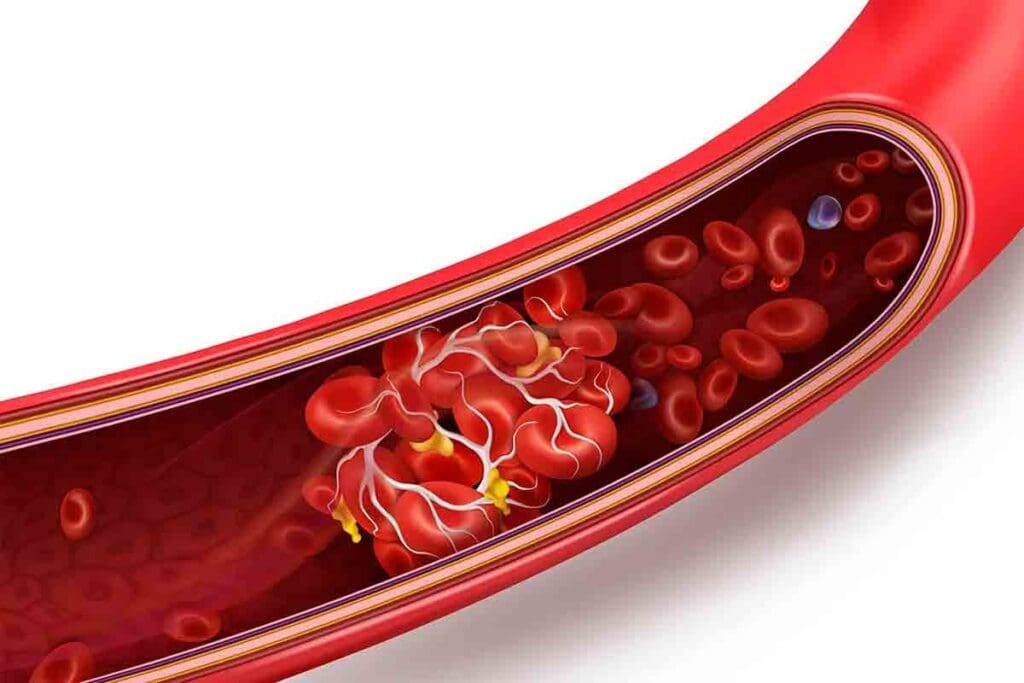
The place of a blood clot also matters a lot. Clots in the deep veins of the legs, called deep vein thrombosis (DVT), are very concerning. They can break loose and cause a pulmonary embolism.
Clot locations and their implications:
- Clots in superficial veins are generally less dangerous and more likely to resolve on their own.
- DVTs are more serious and often require medical treatment to prevent complications.
Partial vs. Complete Resolution
At times, a blood clot may partially dissolve by itself. But, full resolution is often needed to avoid long-term problems. The body’s natural fibrinolytic system tries to break down clots, but it can be slow and not always complete.
Things that affect full resolution include:
- Clot size and location
- Patient’s overall health and presence of underlying conditions
- Effectiveness of the body’s natural clot dissolution mechanisms
In conclusion, while some blood clots can dissolve by themselves, size and location play big roles. Larger clots and those in critical spots are less likely to dissolve fully without medical help.
Risks of Leaving Blood Clots Untreated
Untreated blood clots can be very dangerous. They can lead to serious health issues if not treated quickly. A blood clot in a deep vein can cause severe problems.
Pulmonary Embolism
Pulmonary embolism is a major risk of untreated blood clots. It happens when a clot moves to the lungs and blocks blood flow. This can be deadly if not treated fast.
Symptoms of pulmonary embolism include sudden breathlessness, chest pain, and coughing up blood. If you have these signs, get medical help right away.
Post-Thrombotic Syndrome
Post-thrombotic syndrome is another issue from untreated DVT. It causes long-term pain, swelling, and skin color changes in the affected limb. This can really lower your quality of life.
Getting the initial blood clot treated can help avoid post-thrombotic syndrome.
Chronic Venous Insufficiency
Untreated blood clots can also cause chronic venous insufficiency. This happens when veins can’t return blood to the heart because of clot damage. It leads to ongoing swelling, pain, and skin changes.
Mortality Risks
The death risks from untreated blood clots are high. Pulmonary embolism, in particular, is deadly. Many people die each year from pulmonary embolism, often because their DVT was not treated or diagnosed.
It’s key to know the dangers of not treating blood clots. If you think you have a blood clot, get medical help fast to avoid these serious problems.
Medical Interventions for Blood Clots
Medical treatments are key to dealing with blood clots and avoiding serious health issues. Quick treatment with anticoagulants is often advised to stop blood clot complications.
Anticoagulation Therapy
Anticoagulation therapy is the main treatment for blood clots. It aims to stop clot growth and prevent embolisms. This therapy uses medicines that slow down blood clotting, lowering the chance of more clots forming. Anticoagulants are given orally or by injection, based on the patient’s needs.
Thrombolytic Therapy
Thrombolytic therapy is for severe blood clot cases with high risk of complications. It uses drugs to break down the clot, improving blood flow. Thrombolytic agents are used in emergencies, like big clots that are very dangerous.
Mechanical Thrombectomy
Mechanical thrombectomy removes the clot from the blood vessel physically. It uses a catheter-based device to grab and remove the clot. Mechanical thrombectomy is helpful when thrombolytic therapy can’t be used or has failed.
Inferior Vena Cava (IVC) Filters
IVC filters are used to stop pulmonary embolism in patients who can’t take anticoagulants or have failed treatment. These filters are placed in the inferior vena cava to catch any clots heading to the lungs.
In summary, there are many medical treatments for blood clots, each suited for different situations. The right treatment depends on the patient’s condition and the clot’s severity.
Catheter-Directed Thrombolysis: Accelerating Clot Resolution
Catheter-directed thrombolysis is a key treatment for deep vein thrombosis. It uses a catheter to deliver medication directly to the clot. This method helps dissolve the clot faster.
Procedure Overview
The process starts with a catheter being inserted into the vein. Imaging guides the catheter to the clot. Then, thrombolytic medication is infused into the clot.
Key steps in the procedure include:
- Insertion of a catheter into the affected vein
- Guiding the catheter to the clot using imaging techniques
- Infusion of thrombolytic medication directly into the clot
- Monitoring the progress of clot dissolution
Candidates for Catheter-Directed Thrombolysis
Not all patients with deep vein thrombosis are good candidates for this treatment. Ideal candidates have:
- Large or extensive clots
- Symptoms that are severe or rapidly progressive
- Clots that are located in critical areas
- Failed or contraindications to anticoagulation therapy
A healthcare professional must evaluate each patient to see if they are a good fit for this treatment.
Success Rates and Recovery
Catheter-directed thrombolysis is effective in many patients. Success depends on the clot size, location, and the patient’s health.
Benefits of catheter-directed thrombolysis include:
- Rapid reduction in clot size
- Improvement in symptoms
- Potential reduction in the risk of long-term complications
Recovery involves watching for complications and may include anticoagulant medications to prevent future clots.
Recovery and Monitoring After a Blood Clot
Recovering well after a blood clot is key to avoiding problems. It involves medical care, lifestyle changes, and regular doctor visits.
Follow-up Imaging
Imaging tests are important for checking how a blood clot is healing. Doctors use ultrasound or venography to see the clot’s size and where it is. This helps them change treatment plans if needed.
Duration of Treatment
How long treatment lasts for a blood clot depends on several things. These include the clot’s size, where it is, and the person’s health. Usually, treatment with anticoagulants lasts 3 to 6 months. But sometimes, it can go longer.
Signs of Successful Resolution
When a blood clot heals, symptoms like pain and swelling get better. Also, imaging tests show the clot is gone. Patients should watch their symptoms and tell their doctor if they change.
Managing Residual Symptoms
Dealing with leftover symptoms is a big part of getting better. Doctors might suggest wearing compression stockings to reduce swelling. They also recommend ways to manage pain. It’s vital for patients to follow their doctor’s advice on managing symptoms and getting back to normal activities.
Going to regular check-ups is key. It helps doctors see if treatment is working and handle any new problems.
When to Seek Medical Attention for Suspected Blood Clots
Spotting blood clot symptoms early is key to better treatment. Blood clots can form anywhere in the body. Their symptoms depend on where they are.
Warning Signs and Symptoms
Leg pain or swelling, redness, and warmth are common signs of blood clots. Blood clots can also form in arms or other areas, showing different symptoms. Knowing these signs is vital for quick medical help.
- Leg pain or discomfort that may feel like cramping or soreness
- Swelling in the affected limb
- Redness or discoloration of the skin
- Warmth or a feeling of heat in the affected area
Emergency Situations
Severe blood clots can cause life-threatening conditions like pulmonary embolism. It’s important to know the emergency signs for quick action.
- Shortness of breath or difficulty breathing
- Chest pain that worsens with deep breathing
- Rapid heart rate or palpitations
- Dizziness or fainting
Diagnostic Procedures
Healthcare professionals use different tests to find and confirm blood clots when you seek help.
- Ultrasound to visualize the blood flow and detect clots
- Blood tests to measure clotting factors and detect signs of clotting
- CT scans or MRIs to provide detailed images of the affected area
Quickly recognizing symptoms and knowing when to get medical help can greatly improve blood clot treatment outcomes.
Conclusion: Balancing Natural Processes with Medical Intervention
It’s key to know how the body naturally clears clots and when medical help is needed. The body can handle small clots on its own. But, bigger clots or those in important spots might need a doctor’s help.
By mixing the body’s natural ways with medical care, people with DVT can get better. This mix can really help those with DVT.
Spotting DVT signs early and getting medical help fast is important. Doctors might use medicines or other methods to treat it. This way, the risk of serious problems like pulmonary embolism goes down.
To really fix DVT, we need to understand how the body naturally clears clots and when we need doctors. This balanced way helps doctors give the best care. It makes patients do better.
FAQ
Do blood clots go away on their own?
Some blood clots can dissolve naturally. But, it depends on the clot’s size, where it is, and your health.
Can a blood clot resolve on its own without treatment?
Yes, small clots might go away by themselves. But, bigger clots or those in tricky spots might need doctor help to avoid problems.
How long does it take for a blood clot to dissolve on its own?
It can take weeks or even months for the body to break down a clot naturally.
What factors influence the natural resolution of DVT?
Clot size, location, and your health matter. So do any underlying health issues.
Can DVT resolve on its own without medical treatment?
Some DVTs might clear up by themselves. But, doctor care is usually needed to avoid serious issues and ensure clot breakdown.
What are the risks of leaving blood clots untreated?
Untreated clots can cause serious problems. These include pulmonary embolism, post-thrombotic syndrome, and chronic venous insufficiency.
How do medical interventions help resolve blood clots?
Treatments like anticoagulation therapy, thrombolytic therapy, and mechanical thrombectomy can dissolve or remove clots. This reduces the risk of serious issues.
What is catheter-directed thrombolysis, and how does it work?
This procedure delivers medication directly to the clot to dissolve it. It’s used for larger or more complex clots.
When should I seek medical attention for suspected blood clots?
If you have leg pain, swelling, or trouble breathing, get help right away. Quick treatment can stop serious problems.
Can blood clots disappear on their own?
Yes, some clots can clear up by themselves. But, it’s key to see a doctor to figure out the best treatment and avoid complications.
Will a blood clot in the leg go away on its own?
Whether a leg clot goes away naturally depends on its size, location, and your health.
Does DVT go away on its own?
Some DVTs might clear up by themselves. But, doctor care is usually needed to ensure clot breakdown and prevent issues.
References
- Righini, M., et al. (2013). Clot resolution after 3 weeks of anticoagulant treatment in acute pulmonary embolism. Journal of Thrombosis and Haemostasis, 11(4), 747-752. https://pubmed.ncbi.nlm.nih.gov/23347140/