
Does endometriosis show up on ultrasound? This ultimate guide reveals the surprising, critical truth about the limitations of scans for diagnosis. Endometriosis affects many women worldwide, with 5-10% of them being impacted. It’s hard to diagnose. We often use pelvic ultrasound to check symptoms first.
But, many women are surprised when their ultrasound looks normal. They’re in a lot of pain. Medical Expert. Cope from Medical organization says, “endometriosis can be hard to detect outside of surgery.” At Liv Hospital, we use advanced imaging to help diagnose endometriosis.
Key Takeaways
- Pelvic ultrasound is often used as a first-line imaging test for women with suspected endometriosis.
- Endometriosis can be challenging to detect using pelvic ultrasound alone.
- Advanced imaging techniques are available for evaluating endometriosis.
- Liv Hospital offers international expertise and patient-centered care for endometriosis diagnosis and treatment.
- A thorough evaluation is key for accurate diagnosis and effective treatment planning.
Understanding Endometriosis: A Common Yet Challenging Condition

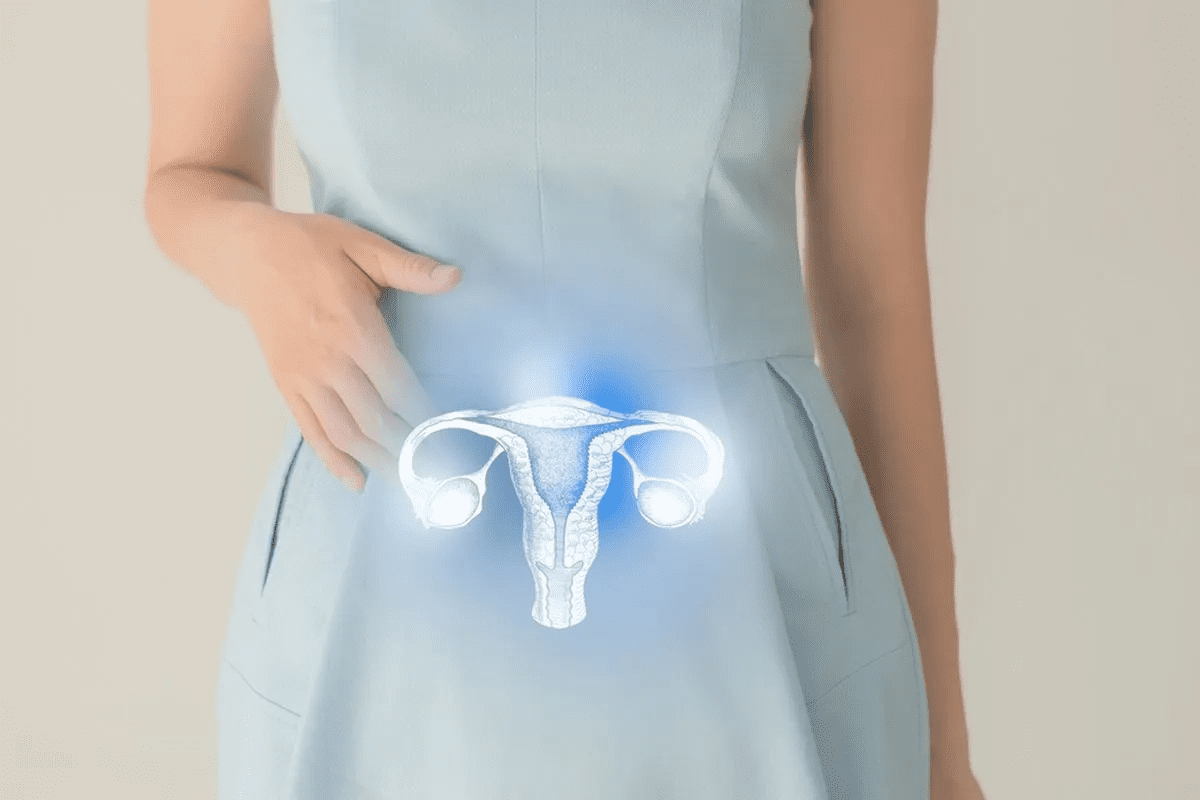
Endometriosis is when uterine-like tissue grows outside the uterus. It’s a big reason for pelvic pain and infertility. It affects millions of women globally, making diagnosis and treatment hard.
What is Endometriosis?
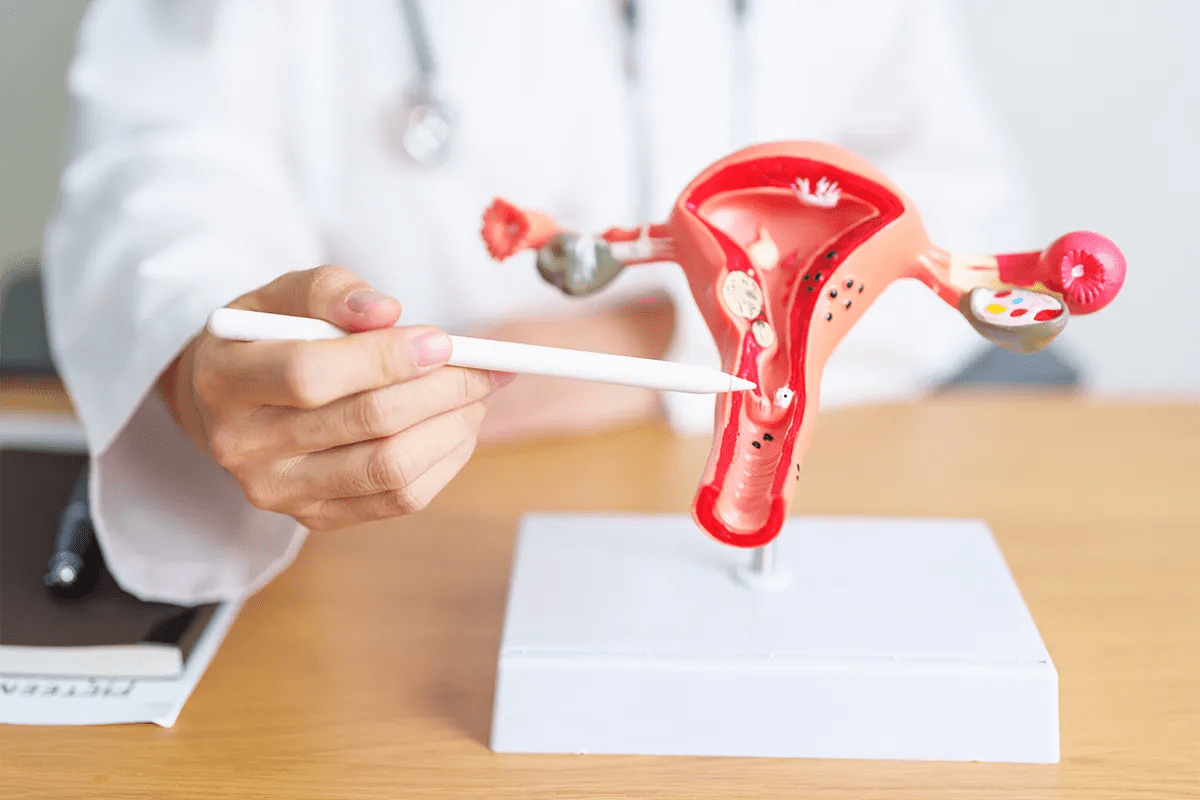
Endometriosis happens when tissue like the uterus lining grows outside the uterus. This causes inflammation, scarring, and painful adhesions. This misplaced tissue, called endometrial implants, can be on ovaries, fallopian tubes, and other pelvic areas. The exact cause is unknown, but it’s thought to be genetic, hormonal, and environmental.
Key characteristics of endometriosis include:
- Presence of endometrial-like tissue outside the uterus
- Inflammation and scarring due to misplaced tissue
- Association with pelvic pain, infertility, and other symptoms
Prevalence and Impact on Women’s Health
Endometriosis affects 5-10% of women worldwide. But, it might be more common because it’s often missed. It causes chronic pelvic pain, heavy bleeding, and infertility. It also affects women’s mental health, impacting their quality of life.
Prevalence | Impact |
5-10% of women worldwide | Chronic pelvic pain |
Higher among those with symptoms like chronic pelvic pain and infertility | Infertility |
Often underdiagnosed | Emotional and psychological effects |
Common Symptoms and Diagnostic Challenges
Endometriosis symptoms vary among women. They include chronic pelvic pain, painful menstrual cramps, heavy or irregular bleeding, and infertility. Diagnosing it is hard because its symptoms can be like other conditions. A sure diagnosis usually needs surgery like laparoscopy or laparotomy.
The journey to diagnose endometriosis is long and complex. It often involves:
- Initial assessment of symptoms and medical history
- Pelvic examination and ultrasound imaging
- Surgical diagnosis through laparoscopy or laparotomy
Understanding endometriosis is key for healthcare providers. It helps them give the right care and support to women. By knowing about its prevalence, symptoms, and challenges, we can improve diagnosis and treatment.
The Role of Medical Imaging in Endometriosis Diagnosis

Medical imaging is key in diagnosing endometriosis. It gives doctors the tools they need for accurate diagnoses. This shows how important medical imaging is in understanding and treating endometriosis.
Available Diagnostic Imaging Methods
There are several medical imaging techniques for diagnosing endometriosis. Ultrasound and MRI are the most used. Ultrasound is often the first choice because it’s easy to get and doesn’t hurt. MRI gives detailed images that are important for complex cases.
These methods help us see how far endometriosis has spread. They show us where the lesions and adhesions are. The choice of imaging depends on where and how bad the endometriosis is.
Why Ultrasound is Often the First Choice
Ultrasound is often the first test for endometriosis symptoms. It’s non-invasive, easy to get, and affordable. Transvaginal ultrasound (TVUS) is special because it gives clear pictures of the pelvic area. It helps find endometriomas and deep infiltrating endometriosis.
The Diagnostic Journey for Endometriosis Patients
The journey to diagnose endometriosis can be complex. It involves clinical checks, patient history, and imaging. Every patient’s journey is different, based on symptoms and other health issues. Medical imaging helps make the diagnosis process faster and more accurate, leading to better treatment.
Types of Pelvic Ultrasound Used for Endometriosis Detection
It’s important to know about the different pelvic ultrasound types for finding endometriosis. These tools help doctors see the condition and decide on treatments.
Transabdominal Ultrasound
Transabdominal ultrasound scans the pelvic area from the belly. It’s good for looking at big structures. But, it might not work well because of gas in the bowel or body size.
Transvaginal Ultrasound (TVUS)
Transvaginal ultrasound (TVUS) is great for finding ovarian endometriosis. It gives a close-up look at the reproductive organs. TVUS is usually better than transabdominal ultrasound for checking the uterus and ovaries.
Specialized Ultrasound Techniques
There are also special ultrasound methods for better results. These include sonohysterography and specific ultrasound plans for finding deep endometriosis.
Ultrasound Type | Key Features | Diagnostic Effectiveness for Endometriosis |
Transabdominal | Non-invasive, scans through the abdomen | Useful for initial assessment, but limited by factors like bowel gas |
Transvaginal (TVUS) | Provides detailed view of reproductive organs | Highly effective for detecting ovarian endometriosis |
Specialized Techniques | Advanced methods like sonohysterography | Enhances detection of deep infiltrating endometriosis |
Using these various pelvic ultrasound types helps doctors get better at diagnosing endometriosis. This leads to more effective treatments for patients.
Does Endometriosis Show Up on Ultrasound? The Complete Answer
Ultrasound can help find endometriosis, but it’s not always easy. It depends on several things. Knowing what ultrasound can and can’t do is key.
Factors Affecting Visibility on Ultrasound
Many things affect if ultrasound can see endometriosis. These include how bad the endometriosis is, the sonographer’s skill, and the ultrasound machine’s quality. For example, deep endometriosis is easier to spot than surface lesions.
Medical Expert. This shows how important it is to have skilled people and good equipment for accurate tests.
Limitations of Ultrasound Technology
Ultrasound has its limits in finding endometriosis. It’s hard to spot surface endometriosis. Also, how well it works depends on the person doing the test. This means you need experienced sonographers.
Knowing these limits helps set the right expectations for patients. It also guides when more tests are needed.
Understanding Detection Rates by Endometriosis Type
How well ultrasound finds endometriosis changes with the type. Deep and ovarian endometriosis are easier to spot. But surface endometriosis is harder to find.
- Deep infiltrating endometriosis: High detection rates with skilled operators.
- Ovarian endometriomas: Often detectable, even with transvaginal ultrasound.
- Superficial peritoneal endometriosis: Hard to detect, often needs laparoscopy.
Knowing these rates helps doctors talk to patients about what ultrasound can show. It also helps decide if more tests are needed.
Detecting Ovarian Endometriosis Through Ultrasound
Ovarian endometriomas, also known as “chocolate cysts,” can be found through ultrasound. This is a key way to spot ovarian endometriosis. These cysts have unique signs that ultrasound can show.
Identifying Endometriomas (Chocolate Cysts)
Endometriomas look like thick-walled cysts with a “ground glass” look. This is because they contain old blood. Finding these cysts is important because they often mean you have ovarian endometriosis.
A study in the Journal of Ultrasound in Medicine found ultrasound is very good at spotting endometriomas. Spotting these cysts is a big step in diagnosing ovarian endometriosis.
Accuracy Rates for Ovarian Endometriosis Detection
How well ultrasound works depends on who is doing it and the equipment. Studies show that with skilled people, ultrasound can be very accurate.
Study | Sensitivity | Specificity |
Exacoustos et al. (2013) | 84% | 90% |
Moro et al. (2014) | 91% | 98% |
Van Holsbeke et al. (2010) | 85% | 96% |
The table shows ultrasound is very good at spotting ovarian endometriosis. This makes it a reliable tool for doctors.
Case Examples and Ultrasound Imaging Features
Let’s look at a case. A 30-year-old woman had pelvic pain and heavy periods. Ultrasound found a 4 cm cyst that looked like an endometrioma. This cyst helped confirm she had ovarian endometriosis.
“The use of transvaginal ultrasound has revolutionized the diagnosis of ovarian endometriosis, allowing for the non-invasive detection of endometriomas with high accuracy.”Medical Expert. Hendrix, Obstetrics & Gynecology
The image shows what an endometrioma looks like. Pictures like this are key for diagnosing and treating ovarian endometriosis.
Deep Infiltrating Endometriosis: Ultrasound Detection Capabilities
Ultrasound technology is getting better at finding deep infiltrating endometriosis. This is thanks to clear guidelines and methods. Deep infiltrating endometriosis is a serious form of endometriosis. It causes a lot of pain and makes it hard to diagnose.
IDEA Consensus Guidelines for Detection
The International Deep Endometriosis Analysis (IDEA) group has set rules for ultrasound checks. These rules help look at the pelvic area carefully. This makes finding deep infiltrating endometriosis more accurate.
The IDEA guidelines suggest a detailed check of the pelvic area. This includes the uterosacral ligaments, the vaginal wall, and the bowel. A thorough scan is key to seeing how deep the endometriosis is.
Sensitivity and Specificity Statistics
Studies show ultrasound can find deep infiltrating endometriosis well. It’s done by skilled sonographers following the IDEA guidelines. Sensitivity and specificity are important here.
Ultrasound’s sensitivity for finding DIE is between 70% and over 90%. Specificity is usually above 90%. This means ultrasound is good at saying who doesn’t have DIE.
Specialized Protocols for Improved Detection
There are special ultrasound methods for finding DIE better. These include bowel prep to clear gas and see the bowel wall better. Tenderness-guided scanning also helps by checking for pain during the scan.
Using these special methods and following the IDEA guidelines helps doctors find deep infiltrating endometriosis better. This helps in diagnosing and treating women with this condition.
Why Superficial Endometriosis Often Remains Hidden on Ultrasound
Superficial endometriosis is hard to spot on ultrasound because it’s tricky to find. We’ll look at why this is, focusing on the nature of these lesions, ultrasound’s limits, and the gap in diagnosis.
Characteristics of Superficial Lesions
Lesions from superficial endometriosis are small and shallow. This makes them hard to see with today’s ultrasound tech. They don’t have clear edges or big sizes that would stand out on an ultrasound.
Key characteristics of superficial endometriosis lesions include:
- Small size, often less than 1 cm in diameter
- Shallow depth, making them less distinguishable from surrounding tissue
- Lack of distinct boundaries, complicating detection
Technical Limitations in Detection
Ultrasound tech’s abilities also affect finding superficial endometriosis. Ultrasound is great for many things, but it struggles with small or shallow lesions.
Technical limitations include:
- Resolution limits of ultrasound equipment
- Difficulty in distinguishing between different types of tissue
- Operator-dependent variability in image quality and interpretation
Technical Limitation | Impact on Diagnosis |
Resolution Limits | Difficulty in detecting small lesions |
Tissue Distinction | Challenges in identifying endometriosis lesions |
Operator Variability | Variability in diagnostic accuracy |
The Diagnostic Gap: When 80% of Cases May Be Missed
About 80% of women with endometriosis have superficial lesions. These are often too small or shallow to see on ultrasound. This creates a big gap in diagnosis, where many cases go unnoticed or misdiagnosed.
This gap in diagnosis has big effects on patient care. Untreated endometriosis can cause a lot of pain and delay treatment. Knowing ultrasound’s limits in finding superficial endometriosis is key to better diagnosis.
Beyond Ultrasound: Additional Diagnostic Methods for Endometriosis
For many patients, ultrasound alone is not enough to confirm endometriosis. More tests are needed. Ultrasound gives initial insights, but more methods are required for a clear diagnosis and treatment plan.
MRI: When and Why It’s Recommended
Magnetic Resonance Imaging (MRI) gives detailed views of the pelvic area. MRI is key when ultrasound results are unclear or when deep infiltrating endometriosis (DIE) is suspected. It helps see how far endometriotic lesions spread and guides surgery.
We suggest MRI when ultrasound can’t confirm a diagnosis, and symptoms don’t go away. MRI’s clear images are vital for spotting endometriosis, even in hard-to-see areas.
Laparoscopy: The Gold Standard for Diagnosis
Laparoscopy is the top method for finding endometriosis. It’s a small surgery that lets doctors see the pelvic organs and check for endometriotic lesions through biopsy. It not only finds endometriosis but also treats it by removing or ablating lesions.
We often choose laparoscopy when other tests don’t give clear results or when endometriosis is strongly suspected. Seeing and biopsying areas directly makes laparoscopy a key tool for diagnosing endometriosis.
Emerging Diagnostic Technologies
New technologies are changing how we diagnose endometriosis. These include advanced ultrasound, new biomarkers, and AI in imaging. These new tools aim to make diagnoses more accurate, reduce the need for surgery, and improve patient care.
We’re watching these new technologies closely. They might lead to earlier and more accurate endometriosis detection. As research advances, these innovations could make diagnosing endometriosis easier and less invasive for patients.
What to Expect During a Pelvic Ultrasound for Endometriosis
Getting a pelvic ultrasound for endometriosis involves several steps. Knowing these can make your experience smoother and more effective.
Preparation Instructions
Before your ultrasound, there are important steps to follow. For a transabdominal ultrasound, you need a full bladder. This makes the pelvic organs clearer. But, for a transvaginal ultrasound, you should have an empty bladder.
Key Preparation Steps:
- Follow the specific instructions provided by your healthcare provider regarding bladder fullness.
- Arrive on time for your scheduled appointment.
- Be prepared to discuss your medical history and any symptoms you are experiencing.
The Procedure Experience
Here’s what you can expect during the ultrasound:
For a transvaginal ultrasound, a thin probe is inserted into the vagina. This gives a closer look at the uterus and ovaries. It might feel a bit uncomfortable but is usually not painful.
What to Expect During the Procedure:
Procedure Type | Description | Discomfort Level |
Transabdominal Ultrasound | Probe moved over the abdomen | Minimal |
Transvaginal Ultrasound | Probe inserted into the vagina | Moderate |
Understanding Your Results
After the ultrasound, a radiologist or healthcare provider will review the images. They might find endometriomas, deep infiltrating endometriosis, or other conditions.
Interpreting Your Results:
- Discuss your results with your healthcare provider to understand their implications.
- Further diagnostic tests may be recommended based on the ultrasound findings.
- A treatment plan will be developed in accordance with your diagnosis.
Knowing what to expect from a pelvic ultrasound for endometriosis helps prepare you. It makes the diagnostic journey smoother.
Conclusion: The Value and Limitations of Ultrasound in Endometriosis Diagnosis
Ultrasound is a key tool in finding endometriosis. It helps spot certain types of the condition. We’ve seen how transvaginal ultrasound can find endometriomas and deep infiltrating endometriosis well.
But, we must know ultrasound’s limits in diagnosing endometriosis. It’s great for some types but not all, like superficial endometriosis.
Ultrasound’s strength is in its non-invasive first look. It helps plan further tests and treatments. Knowing its strengths and weaknesses helps doctors give better care to those with endometriosis.
FAQ
Can a pelvic ultrasound detect endometriosis?
Yes, a pelvic ultrasound can spot certain types of endometriosis. This includes ovarian endometriomas and deep infiltrating endometriosis. But, how well it works depends on the skill of the person doing the scan and the type of endometriosis.
Does endometriosis show up on ultrasound?
Endometriosis can be seen on ultrasound, but it depends on the type and where it is. Ovarian endometriomas and deep infiltrating endometriosis are easier to spot than superficial endometriosis.
What are the limitations of ultrasound in detecting endometriosis?
Ultrasound has its limits when it comes to finding endometriosis, mainly for superficial lesions. The skill of the person doing the scan and the quality of the equipment also play a role.
Can transvaginal ultrasound detect endometriosis?
Yes, transvaginal ultrasound (TVUS) is great for finding endometriosis, like ovarian endometriomas and deep infiltrating endometriosis. TVUS gives a clearer view of the pelvic organs than transabdominal ultrasound.
How accurate is ultrasound in detecting ovarian endometriosis?
Ultrasound is pretty good at finding ovarian endometriomas, with accuracy rates between 80% to 90%. But, how accurate it is can change based on the skill of the person doing the scan and the equipment used.
Can ultrasound detect deep infiltrating endometriosis?
Yes, ultrasound can spot deep infiltrating endometriosis, using special techniques and protocols. The IDEA consensus guidelines help standardize ultrasound for finding deep infiltrating endometriosis.
Why is superficial endometriosis often missed on ultrasound?
Superficial endometriosis is often missed on ultrasound because of its small size and location. The quality of the equipment can also make it hard to diagnose.
What additional diagnostic methods are used for endometriosis?
Other ways to diagnose endometriosis include MRI and laparoscopy. MRI is good for complex cases or when ultrasound results are unclear. Laparoscopy is the best way to see the pelvic organs and diagnose endometriosis.
How should I prepare for a pelvic ultrasound for endometriosis?
To prepare for a pelvic ultrasound, you might need a full bladder for transabdominal ultrasound and an empty bladder for transvaginal ultrasound. Your healthcare provider will give you specific instructions.
What can I expect during a pelvic ultrasound for endometriosis?
During a pelvic ultrasound, a trained operator will use a transabdominal or transvaginal approach. The scan is usually painless, but you might feel some discomfort during the transvaginal scan.
How do I understand my ultrasound results for endometriosis?
Your healthcare provider will explain your ultrasound results and discuss them with you. They will tell you if endometriosis is present or not, and any other findings from the scan.
References
World Health Organization. Pelvic Ultrasound Sensitivity in Detecting Endometriosis. Retrieved from https://www.who.int/news-room/fact-sheets/detail/endometriosis