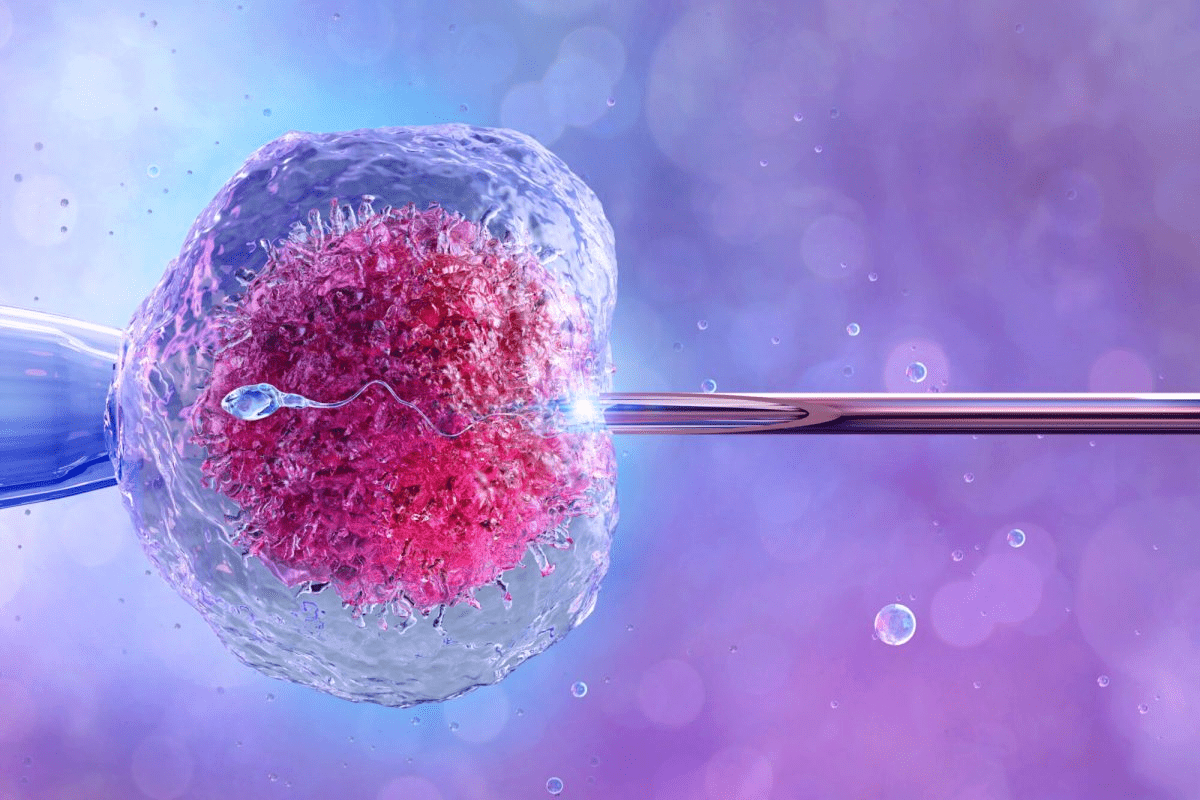
Many people going through IVF worry about how sex might affect their chances of success. They often wonder if orgasm after embryo transfer or sex during IVF can impact implantation.
The path to parenthood through IVF is filled with questions and worries. But, medical studies tell us that orgasm doesn’t harm IVF results. In fact, some studies hint that timely sexual activity might even help improve pregnancy chances.
At Liv Hospital, we offer top-notch healthcare and support for those seeking IVF. We aim to clear up these concerns with the latest research and expert advice.
Key Takeaways
- Current medical evidence shows that orgasm does not negatively affect IVF implantation or embryo transfer outcomes.
- Timely sexual activity may potentially enhance pregnancy outcomes during IVF treatment.
- Expert opinions from board-certified reproductive endocrinologists support these findings.
- IVF patients can be reassured that sexual activity, including orgasm, does not hinder treatment success.
- Liv Hospital provides extensive support and world-class healthcare for IVF patients.
The IVF Journey: Understanding the Process and Key Milestones

Knowing about the IVF process helps manage expectations and reduce anxiety. It involves several stages, from the first consultation to embryo transfer. Each stage is important and has its own needs.
Stages of IVF Treatment: From Stimulation to Transfer
The IVF process starts with ovarian stimulation. Medications are used to make the ovaries produce many eggs. This stage is key because it increases the chances of getting healthy eggs for fertilization.
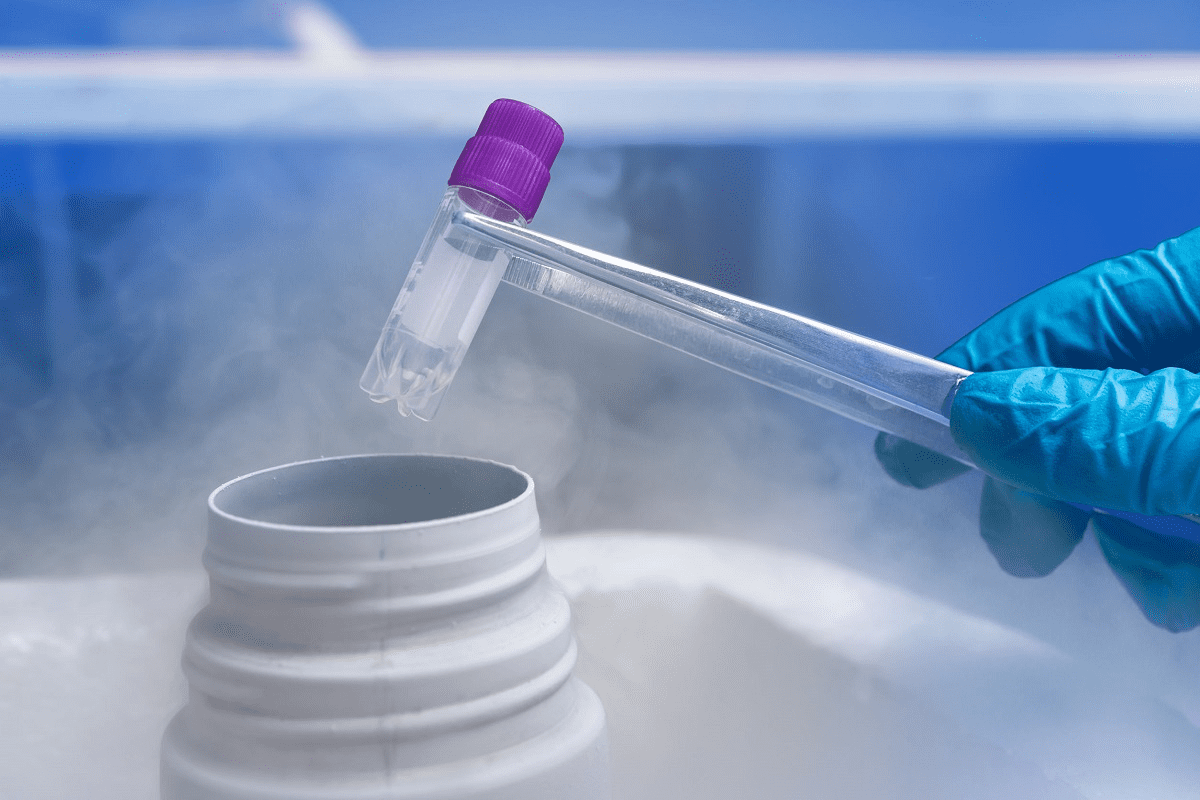
After stimulation, eggs are taken out through a minor surgery. Then, the eggs are fertilized with sperm in the lab. The embryos grow for 3-5 days.
Choosing the right time for embryo transfer is a big decision. It depends on the quality of the embryos and how ready the uterus is.
| Stage | Description | Typical Duration |
|---|---|---|
| Ovarian Stimulation | Medications stimulate ovaries to produce multiple eggs | 8-14 days |
| Egg Retrieval | Minor surgery to retrieve eggs | 1 day |
| Embryo Culture | Eggs are fertilized and embryos are cultured | 3-5 days |
| Embryo Transfer | Embryo(s) are transferred to the uterus | 1 day |
The Critical Window for Successful Implantation
The implantation window is between 6 to 10 days after fertilization. During this time, the embryo must attach to the uterine lining for a successful pregnancy.
Factors influencing successful implantation include:
- Embryo quality
- Uterine receptivity
- Hormonal balance
Reproductive specialists say, “The synchronization between embryo development and uterine preparation is key to successful implantation.”
“The synchronization between embryo development and uterine preparation is key to successful implantation.”
By understanding these stages and the critical window for implantation, patients can better navigate their IVF journey. They can make informed decisions and manage their expectations.
Common Concerns About Sexual Activity During Fertility Treatment
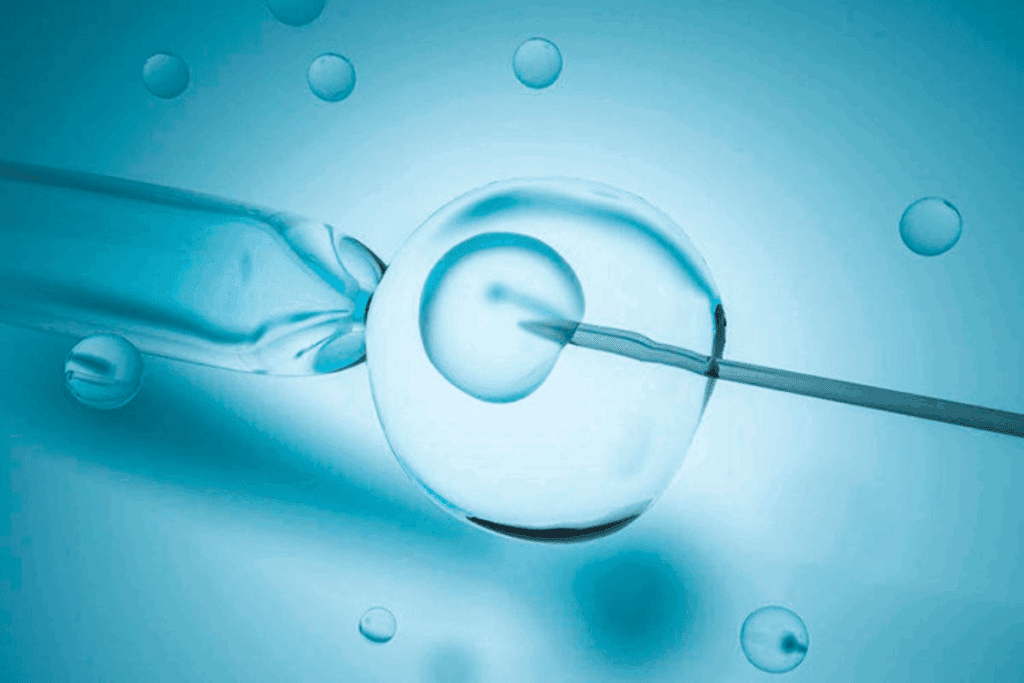
Many people getting IVF treatment worry about sex and its effect on their chances of success. Mixing intimacy with medical treatment can be tough. They often wonder what’s safe and okay during this important time.
Why Patients Worry About Masturbation and Orgasm
Patients are worried if sex, like masturbation, can mess up IVF implantation. They think about how uterine contractions during orgasm might affect the embryo transfer. Some fear it could mess up the implantation process or cause problems.
These worries have some basis, as old medical advice often said no to sex during IVF. This was because of worries about uterine contractions possibly harming embryo implantation.
Historical Medical Advice on Sexual Activity During IVF
Oldly, doctors told patients to avoid sex during IVF because of uterine contractions. But today’s research shows that some sex doesn’t hurt IVF chances. In fact, some studies say sex before embryo transfer might even help success rates.
Old worries included:
- Uterine contractions possibly messing up embryo implantation
- Concerns about orgasm’s effects on the reproductive system
- Fears of getting infections from sex
But, as we’ll see later, many of these worries have been eased by new IVF methods and understanding the reproductive process better.
By looking at the past and current research, we can clear up this sensitive topic. This helps patients make smart choices about sex during IVF treatment.
Does Female Masturbation Affect Implantation IVF? The Medical Evidence
Many women are curious if masturbating during IVF treatment could affect implantation success. The medical evidence offers good news on this topic.
Current Scientific Consensus from Reproductive Specialists
Reproductive specialists have looked into what affects IVF success rates. The American Society for Reproductive Medicine (ASRM) says there’s no proof that female masturbation harms IVF implantation or embryo transfer success.
A study in the Journal of Assisted Reproduction and Genetics found no link between sexual activity during IVF and pregnancy rates. The study looked at women undergoing IVF, comparing those who were sexually active to those who weren’t.
| Study | Sample Size | Findings |
|---|---|---|
| Journal of Assisted Reproduction and Genetics | 200 patients | No significant impact on pregnancy rates |
| Fertility and Sterility | 150 patients | No adverse effects on IVF outcomes |
What Board-Certified Endocrinologists Recommend
Board-certified reproductive endocrinologists usually say that moderate sexual activity, including masturbation, won’t harm IVF success. Medical Expert, a top fertility specialist, says, “While we advise caution during certain IVF stages, there’s no strong evidence that masturbation or orgasm harms implantation.”
“The key to a successful IVF cycle is maintaining a healthy lifestyle and following the treatment plan. Sexual activity, in moderation, is not typically a concern.”
Medical Expert, Reproductive Endocrinologist
It’s important for patients to talk about their situation with their fertility specialist. Things like medical history and the IVF treatment plan can affect advice on sexual activity during treatment.
Understanding the medical evidence and expert opinions helps patients make informed choices about sexual activity during IVF. This reduces anxiety and makes the experience healthier.
Understanding the Physiology: Orgasm and Uterine Contractions
Orgasm’s effects on the female reproductive system are interesting, mainly in fertility treatments like IVF. Orgasm leads to uterine contractions, sparking debate on its impact on embryo implantation.
How Female Orgasm Affects the Reproductive System
Orgasm changes the female reproductive system. The uterus contracts, and blood flow to the pelvic area increases. These contractions are rhythmic and intense.
The exact reasons for these contractions are complex. Hormonal changes and neural responses play a role.
The uterine contractions during orgasm worry some IVF patients. They fear these contractions might harm embryo implantation. Yet, most research says orgasm doesn’t greatly affect IVF success.
Are Uterine Contractions a Concern for Embryo Implantation?
Studies on orgasm and embryo implantation show mixed results. Some think contractions might dislodge the embryo. Others see no link between orgasm and implantation success.
Experts say uterine contractions during orgasm are not a big worry for embryo implantation. The IVF process is carefully timed to help implantation. Patients should talk to their doctors about their concerns.
In summary, orgasm causes uterine contractions, but it doesn’t seem to affect embryo implantation in IVF. Patients should always talk to their healthcare providers for advice tailored to their situation.
Timing Considerations: Masturbation During Different IVF Stages
Understanding the role of sexual activity in IVF is key. The IVF journey has many stages, each with its own rules for intimacy and treatment success.
Sexual Activity During Ovarian Stimulation
At the start of IVF, when eggs are stimulated, many wonder about sex. Moderate masturbation is usually safe during this time. But, always check with your fertility doctor first, as everyone’s situation is different.
Orgasm After Egg Retrieval: Safety Guidelines
Egg retrieval is a big step in IVF. After it, you’re told to rest and avoid sex for a bit. Usually, a few days of rest are advised to avoid infections or bleeding. Always follow your doctor’s post-procedure instructions.
Masturbation After Embryo Transfer: What to Know
After embryo transfer, the wait begins. Many worry about activities that might harm the embryo. Most studies say masturbation or sex won’t hurt implantation. But, it’s wise to balance your activities and avoid too much strain.
In summary, while there are rules for sex during IVF, moderate masturbation is generally safe. It’s vital to talk to your fertility team about your concerns. They can give you advice tailored to your needs for the best results.
The Surprising Research on Sex Before Embryo Transfer
Recent studies have found a surprising link between sex before embryo transfer and better IVF success rates. This discovery has caught the attention of fertility experts and patients. It challenges old views on sex during IVF treatment.
Clinical Studies Showing Improved Success Rates
Several studies have looked into the link between sex before embryo transfer and IVF results. A study in the Journal of Assisted Reproduction and Genetics found a big difference. Women who had sex the day before embryo transfer had much higher pregnancy rates than those who didn’t.
Another study at the European Society of Human Reproduction and Embryology (ESHRE) meeting found something similar. It showed that sex before embryo transfer led to better implantation rates.
Understanding Why Intercourse Before Transfer May Help
Researchers are not yet sure why sex before embryo transfer might help. But they have a few theories. One idea is that sex might make the uterus more ready for the embryo.
Some studies think that parts of semen might help get the uterus ready for implantation. Orgasm could also help by causing uterine contractions, which might help the embryo implant.
It’s important to remember that more research is needed. But these findings are encouraging for couples trying fertility treatments.
Debunking Myths: Can Orgasm Cause Miscarriage After IVF?
Many IVF patients worry that orgasm might trigger a miscarriage. But is this worry based on science? The fear of early pregnancy loss is already a big worry for those going through fertility treatment. Let’s look at the facts and clear up the worries about orgasm during the two-week wait after IVF.
Addressing Fears About Early Pregnancy Loss
Early pregnancy loss is a risk with any pregnancy, including IVF. But does orgasm or sex increase this risk? A study in the Fertility and Sterility journal found no proof that moderate sex, including orgasm, raises miscarriage risk after IVF.
Medical Expert, a well-known fertility expert, says, “There’s a common myth that sex can cause a miscarriage. But research shows it’s not true.” She stresses the need to understand the physical and mental sides of fertility treatment.
“The uterus is very strong and not easily upset by sex or orgasm,” Medical Expert. “Patients should know that some sex is unlikely to cause a miscarriage.”
Scientific Evidence on Orgasm During the Two-Week Wait
Studies have given us good news. A study on sex during the two-week wait after embryo transfer found no bad effects on pregnancy success. In fact, some studies say sex before embryo transfer might even help success rates, as talked about in Section 7.
| Study | Sample Size | Findings |
|---|---|---|
| Fertility and Sterility Journal | 200 IVF patients | No significant correlation between orgasm and miscarriage |
| Human Reproduction Journal | 150 IVF patients | Sexual activity before embryo transfer may improve IVF success rates |
It’s key for patients to talk to their healthcare providers about their own situations. While most studies are reassuring, every case is different.
In conclusion, while miscarriage fears are real, science doesn’t back up the claim that orgasm causes miscarriage after IVF. Patients should know the facts and feel confident in making choices about sex during IVF.
Psychological Benefits of Sexual Activity During Fertility Treatment
Sex during IVF treatment offers many psychological benefits. It can greatly improve the well-being of those going through fertility treatment. The focus is often on the physical aspects, but the mental benefits are just as important.
Sex can be a natural way to reduce stress. IVF can be emotionally tough, and sex helps release tension. Stress can harm fertility treatment outcomes, so managing it is key.
Stress Reduction and Hormonal Balance
Sex can lower stress by releasing endorphins, or “feel-good” hormones. These hormones help reduce anxiety and boost well-being. It also helps balance hormones, which is vital during IVF.
During orgasm, certain hormones are released. These hormones help regulate the reproductive system.
To show how sex affects stress and hormones, consider this:
| Benefits | Description |
|---|---|
| Stress Reduction | Release of endorphins helps alleviate anxiety and tension |
| Hormonal Balance | Regulation of reproductive hormones through sexual activity |
| Emotional Well-being | Promotion of overall mental health and relationship satisfaction |
Maintaining Intimacy and Relationship Health
Sex during IVF is also key for keeping intimacy and relationship health strong. The emotional stress of fertility treatment can strain couples. Sex helps keep their bond strong.
It’s important for couples to talk openly with their healthcare provider about sex during IVF. This can help ease worries and ensure they’re making the right choices for their treatment.
When Caution Is Warranted: Special Circumstances
Some medical conditions and recovery guidelines after IVF need special care. General advice is good, but each person’s situation is different. Knowing these special cases is key for a successful IVF journey.
Medical Conditions That May Require Abstinence
Some health issues might mean you can’t have sex during IVF. These include:
- History of cervical cerclage or cervical insufficiency
- Presence of ovarian cysts or other reproductive abnormalities
- Recent uterine or cervical surgery
- Active infections or other health concerns
Talking to your fertility specialist about your health is very important. They can give you advice on sex during IVF.
Post-Procedure Recovery Guidelines
After some IVF procedures, like egg retrieval, you might need to follow certain rules. These rules often tell you when to have sex. This helps your body heal and lowers the risk of problems.
| Procedure | Recommended Abstinence Period | Rationale |
|---|---|---|
| Egg Retrieval | 1-2 weeks | Allow ovarian recovery and minimize infection risk |
| Embryo Transfer | 24-48 hours | Reduce uterine contractions and stress |
By following these guidelines, you can have a smooth recovery. This also helps your chances of a successful IVF outcome.
Understanding and following these special guidelines helps you feel confident during your IVF journey. It increases your chances of success and reduces risks.
Communicating With Your Fertility Team About Sexual Activity
Talking to your fertility specialist about sex can ease your worries and make treatment better. It’s important to be open and honest. This way, you’ll get the right advice for your situation during IVF.
Initiating Conversations About Sexual Health
Talking to your doctor about sex might feel scary, but it’s a big part of your treatment. Write down your questions or worries before your visit. This helps make sure you don’t forget anything important to ask.
Your fertility specialist is ready to answer your questions. They use the latest research and their experience to help you. By sharing about your sex life, you get advice that fits your needs.
Key Questions to Ask Your Fertility Specialist
It’s good to have a list of questions ready when you talk about sex with your team. Here are some key ones to think about:
| Question Category | Example Questions |
|---|---|
| Sexual Activity During IVF Stages | Are there specific times during IVF treatment when I should avoid sexual activity? |
| Safety and Comfort | How can I minimize discomfort or risks associated with sexual activity during fertility treatment? |
| Impact on Treatment Success | Could sexual activity before or after embryo transfer affect the success of my IVF treatment? |
By asking these questions and talking to your fertility team, you’ll understand how to handle sex during IVF better.
Conclusion: Making Informed Decisions About Sexual Activity During Your IVF Journey
Understanding the role of sexual activity in IVF is key. We look at the evidence and expert views to help patients. This way, they can make smart choices about their IVF journey.
Sex during fertility treatment is complex. It involves physical, mental, and emotional aspects. We found that patients can stay intimate during IVF. They just need to know what to consider and the benefits.
Orgasm and uterine contractions might not affect IVF success much. But, the mental benefits of sex are important. They help reduce stress and keep relationships strong during fertility challenges.
Knowing about sex during IVF helps patients make choices that improve their health and relationships. We suggest talking openly with fertility teams. This way, patients can make decisions that fit their unique situation, making their IVF journey better.
FAQ
Does female masturbation affect IVF implantation?
Medical studies show that female masturbation doesn’t harm IVF implantation. Some research even suggests it might help improve success rates.
Can orgasm cause miscarriage after IVF?
No, science doesn’t back up the idea that orgasm leads to miscarriage after IVF. It’s not seen as a risk for early pregnancy loss.
Is it safe to have sex during ovarian stimulation for IVF?
Sex during ovarian stimulation is usually safe. But, always check with your fertility specialist. They can give advice based on your situation.
Can I masturbate after embryo transfer?
Yes, masturbation after embryo transfer is generally safe. There’s no strong evidence it harms implantation or pregnancy chances.
Does sexual activity during IVF affect the chances of success?
Some studies hint that sex before embryo transfer might boost IVF success. But, more research is needed to confirm this.
Are there any medical conditions that require abstinence during IVF?
Yes, some health issues might mean you should avoid sex during IVF. Your fertility specialist will give advice based on your health.
How can I discuss sexual activity with my fertility team?
It’s key to talk openly with your fertility team about sex during IVF. They can offer personalized advice and reassurance.
Can I have sex the night before embryo transfer?
Sex the night before embryo transfer is usually safe. Some studies even suggest it might be beneficial.
Does arousal during implantation affect IVF success?
There’s not much research on arousal during implantation and IVF success. But, staying relaxed and healthy is good for your well-being.
Is it safe to have an orgasm after egg retrieval?
After egg retrieval, it’s best to avoid activities that might cause discomfort. Your fertility specialist will give you specific instructions.
References
World Health Organization. Masturbation’s Impact on IVF Implantation and Embryo Transfer. Retrieved from https://www.who.int/reproductivehealth
Government Health Resource. Evidence-Based Medical Guidance. Retrieved from https://academic.oup.com/humupd/article/23/4/463/3075538