Last Updated on November 26, 2025 by Bilal Hasdemir
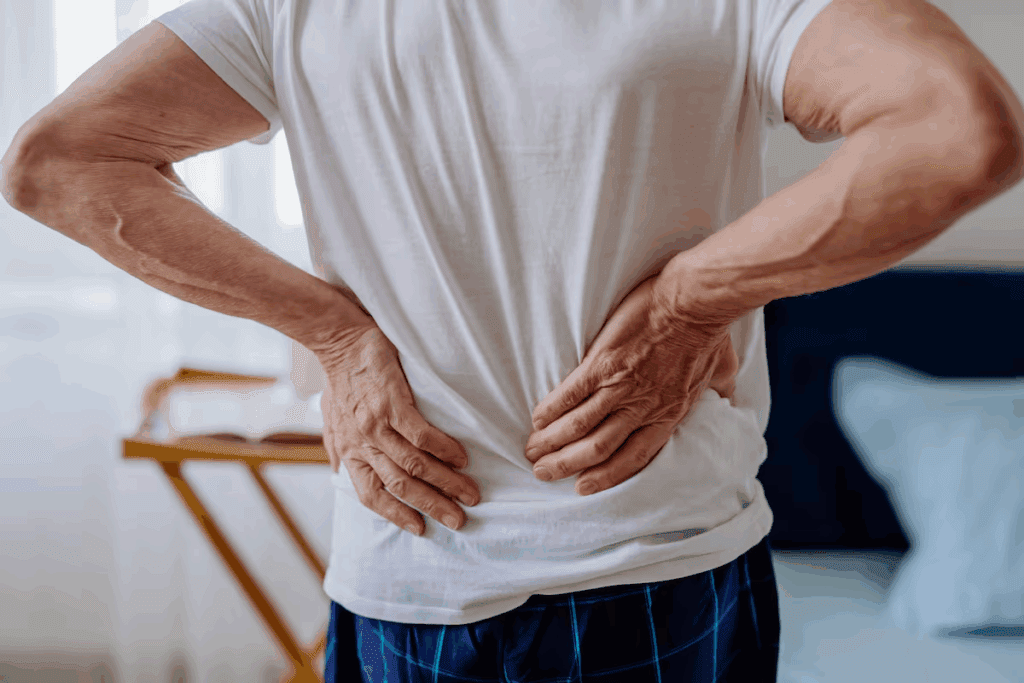
A hernia happens when tissue or an organ bulges through a weak spot in muscle or tissue. Not all hernias cause pain, but some can lead to discomfort in the lower back. Does hernia cause back pain? Get the surprising answer. Learn what women (and men) should know about hernia-related back pain.
Medical News Today says a hernia can make a bulge that may cause discomfort or pain. It’s important to understand how hernias and back pain are connected. This knowledge helps in diagnosing and treating the issue effectively.
Key Takeaways
- A hernia can potentially cause back pain if it affects the surrounding muscles or nerves.
- Certain types of hernias are more likely to lead to back discomfort.
- Accurate diagnosis is essential to determine if a hernia is causing back pain.
- Liv Hospital’s advanced diagnostics help patients find the answers they need.
- Personalized care is key to effectively addressing hernia-related back pain.
Understanding Hernias: Types and Causes
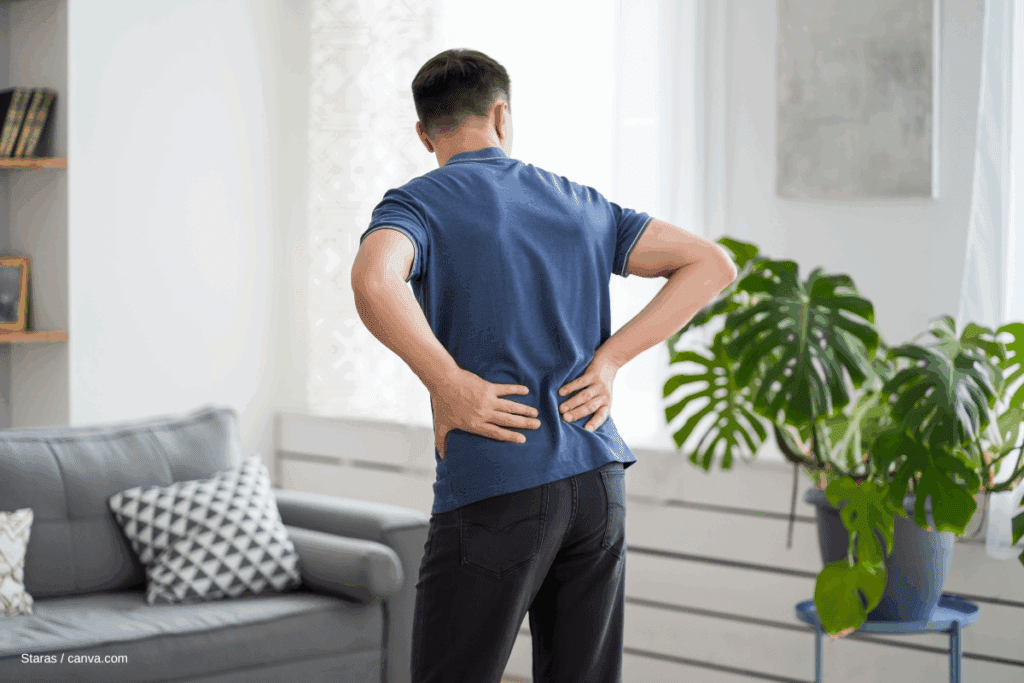
It’s important to know about hernias to find their causes and types. A hernia happens when an organ or tissue bulges through a weak spot in the muscle or tissue. This weak spot is usually where the muscle or tissue should hold it in place.
What Exactly Is a Hernia?
A hernia is when an organ or tissue pushes through a weak spot or natural opening. This can happen because of muscle weakness and strain. Hernias can grow quickly or slowly, depending on their cause.
Common Types of Hernias
There are many types of hernias, each with its own features. The most common ones are:
- Inguinal Hernia: This is when tissue, like part of the intestine, pushes through a weak spot in the abdominal muscles in the groin area.
- Umbilical Hernia: It occurs when part of the intestine bulges through an opening in the abdominal muscles near the navel.
- Incisional Hernia: This happens through a scar or incision in the abdominal wall, caused by previous surgery.
Risk Factors for Developing Hernias
Several things can make you more likely to get a hernia. These include:
- Age: Older adults are more likely to get hernias because their muscles get weaker with age.
- Family History: If your family has a history of hernias, you might be more at risk too.
- Chronic Coughing or Sneezing: Constant coughing or sneezing can strain the abdominal muscles, raising the risk of a hernia.
- Physical Strain: Doing heavy lifting or intense physical activities can also lead to hernias.
Knowing about the different hernias and their causes helps you prevent them. It also helps you know when to get medical help.
Does Hernia Cause Back Pain? The Connection Explained
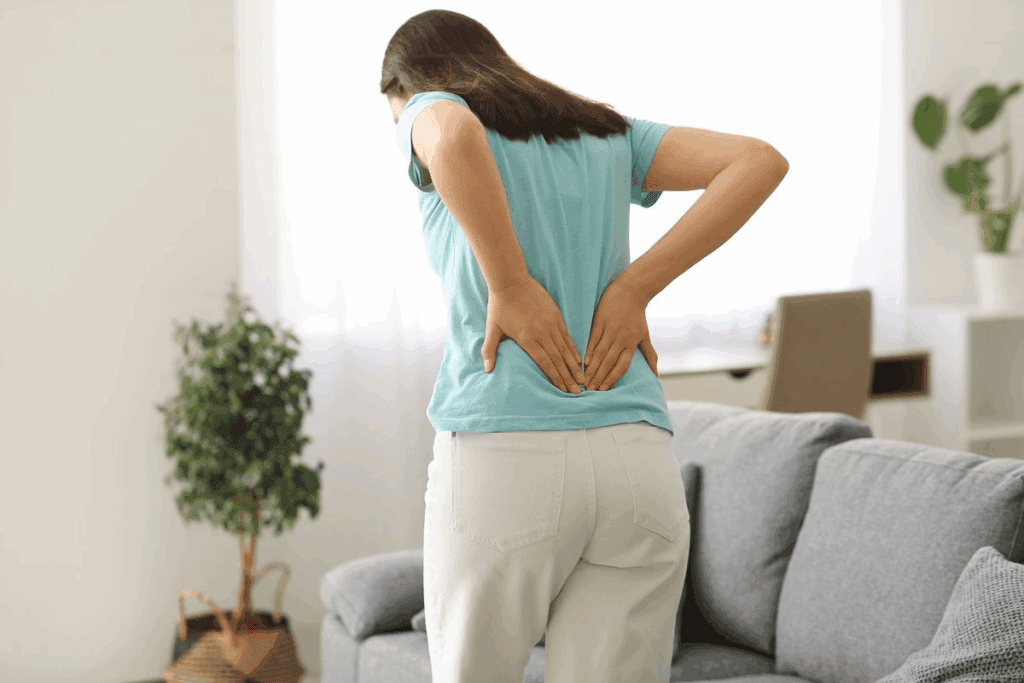
Hernias can cause back pain in a few ways. They can press on nerves, leading to pain in the back. Hernias in the groin or belly button area might not directly hurt the back. But, they can put pressure on nerves, causing pain to spread to the back.
Direct vs. Referred Pain Mechanisms
It’s important to know the difference between direct and referred pain. Direct pain is felt right where the hernia is. Referred pain is felt somewhere else, often because of nerve issues.
An inguinal hernia might cause pain in the lower back or groin. This can make it hard to figure out the cause without a doctor’s help.
Nerve Compression and Radiating Discomfort
Nerve compression plays a big role in hernia-related back pain. When a hernia presses on a nerve, it can cause pain that spreads. This pain can be felt in the back or legs, not just where the hernia is.
Nerve compression can cause numbness, tingling, and sharp pains. If the hernia affects a major nerve, the pain can be very bad.
Current Research on Hernia-Related Back Pain
Recent studies have helped us understand hernias and back pain better. They show that some hernias are more likely to cause back pain. This is because of where they are and what they press on.
A study mentioned in the third web source talks about how hernia symptoms differ between men and women. It says some hernias can cause back pain more often in certain groups.
It’s key for doctors to know about these differences. They need to look at the type of hernia, where it is, and the person’s health. This helps them treat hernia-related back pain better.
Spinal Hernias and Their Impact on Back Health
Spinal hernias, also known as herniated or slipped discs, are a big cause of lower back pain. They can also send pain down the legs. This happens when the soft inner gel of the disc leaks out through a tear in the outer disc. This can press on nearby nerves.
Herniated Discs: The Most Direct Cause of Back Pain
Herniated discs are a common problem that many people face. They cause back pain and sciatica. The pain from herniated discs can be mild or very severe and gets worse with movement.
Common causes of herniated discs include:
- Aging
- Trauma or injury
- Straining or heavy lifting
- Genetic predisposition
Common Symptoms of Spinal Hernias
The symptoms of spinal hernias can differ based on where and how bad the hernia is. Common signs include:
| Symptom | Description |
| Lower Back Pain | Pain in the lumbar region, often worsened by movement |
| Sciatica | Pain radiating down one or both legs |
| Numbness or Tingling | Sensory disturbances in the legs or feet |
| Weakness | Muscle weakness in the affected leg |
Sciatica: When Hernia Pain Radiates Down the Legs
Sciatica is a condition where pain goes down the sciatic nerve. This nerve runs from the lower back, through the hips, and down each leg. It’s often linked to herniated discs and can be very painful.
Symptoms of sciatica include:
- Sharp, shooting pain down the leg
- Numbness or tingling sensations
- Weakness in the leg or foot
Abdominal Hernias and Back Discomfort
Abdominal hernias can cause back pain in different ways. They happen when an organ bulges through a weak spot in the abdominal wall. This can lead to pain that might spread to the back.
Inguinal Hernias: Prevalence and Pain Patterns in Men
Inguinal hernias are more common in men. They happen when tissue bulges through a weak spot in the groin area. The pain is usually in the groin but can go to the lower back if the hernia is big or if nerves are involved.
Prevalence of Inguinal Hernias in Men:
| Age Group | Prevalence Rate |
| 18-35 years | 2-4% |
| 36-55 years | 5-7% |
| 56+ years | 10-15% |
Can Umbilical Hernia Cause Back Pain in Adults?
Umbilical hernias can cause pain around the navel, which might spread to the back. In adults, these hernias are linked to increased pressure, obesity, or multiple pregnancies. While rare, they can cause back pain if they become trapped or cut off blood flow.
How Abdominal Hernias Indirectly Affect the Back
Abdominal hernias can affect the back by changing how you stand or walk because of pain. This extra strain can lead to back pain. Also, if a hernia presses on nerves, it can cause pain in the back.
- Altered posture due to hernia discomfort
- Nerve compression or irritation
- Increased strain on back muscles
It’s important to understand how hernias can lead to back pain. Knowing this can help find the right treatment. This way, people can get relief from their symptoms.
Gender-Specific Hernia Symptoms and Concerns
Hernias show up differently in men and women. This is key for getting the right diagnosis and treatment. Symptoms and concerns can change a lot between genders.
Can a Hernia Cause Back Pain in Females? Special Considerations
Women might feel certain symptoms based on the hernia’s type and where it is. For example, a hernia can lead to back pain, mainly in the lower belly or pelvis. This pain can spread to the lower back, making it important to think about hernias as a cause of back pain in women.
“The relationship between hernias and back pain in women is complex and requires careful evaluation.” Pregnancy, the menstrual cycle, and hormonal changes can affect how pain from a hernia feels and how bad it is.
Hernia Back Pain on the Right Side: More Common in Women
Women might feel more pain on the right side due to differences in pelvic anatomy and hormonal changes. This pain can be linked to different hernias, like inguinal and umbilical ones.
Male-Specific Hernia Symptoms and Pain Patterns
Men often get certain hernias, like inguinal ones, which cause specific pain. Symptoms include a bulge in the groin, pain during activity, and pain that goes to the testicles.
Men should watch out for these signs and see a doctor if the pain doesn’t go away or is very bad.
Hormonal Influences on Hernia Development and Pain Perception
Hormonal changes can impact hernia pain in both men and women. For instance, pregnancy can make women more likely to get hernias because of increased pressure inside the belly.
“Hormonal changes during the menstrual cycle and menopause can also affect how pain is felt, making it key to consider these in diagnosis and treatment.”
Knowing the gender-specific differences in hernia symptoms helps doctors give better care.
Recognizing Hernia-Related Back Pain Symptoms
Back pain from hernias can show up in different ways. It’s key to know the signs. Some hernias can cause back pain. Knowing these symptoms helps in figuring out if back pain is from a hernia.
Characteristic Signs That a Hernia Is Causing Your Back Pain
When a hernia causes back pain, there are specific symptoms. You might see a bulge or lump, feel sharp pain, or pain that gets worse with movement.
Nerve compression also plays a role in back pain from hernias. When nerves get compressed or irritated, it can cause pain or numbness in the back and nearby areas.
Hernia Shooting Pain: Understanding Nerve Involvement
Shooting pain from hernias happens when nerves get compressed or damaged. This pain can be very severe and might spread to the legs or groin. Knowing about nerve involvement is key to diagnosing and treating hernia-related back pain.
Nerve entrapment is when a nerve gets pinched or compressed, causing pain. In hernias, nerve entrapment can happen when the hernia presses on nearby nerves.
Can a Hernia Make Your Back Hurt? Differentiating Causes
Telling if back pain is from a hernia or something else can be tough. But, there are clues like the presence of a hernia, the type of pain, and other symptoms.
- Pain that gets worse with certain activities or movements
- Presence of a bulge or lump in the affected area
- Sharp or stabbing pain
- Radiating pain or numbness
By knowing these signs and symptoms, people can figure out if their back pain is from a hernia. This helps them get the right medical care and treatment.
What Helps Hernia Pain at Home: Management Strategies
Knowing how to manage hernia pain at home is key for those wanting to ease their symptoms. It involves making lifestyle changes, maintaining good posture, and using supportive devices.
Safe Activities and Proper Posture Techniques
Keeping a good posture is vital to reduce strain on your back and belly. This can help lessen hernia pain. Safe activities like walking or swimming are also good.
Tips for Proper Posture:
- Stand up straight with shoulders back.
- Avoid bending or twisting.
- Use ergonomic furniture.
Effective Home Remedies for Hernia-Related Back Pain
There are several home remedies for hernia back pain. Applying ice or heat, taking pain relievers, and using relaxation techniques can help.
Relaxation Techniques:
- Deep breathing exercises.
- Meditation or mindfulness.
- Progressive muscle relaxation.
Activities and Positions to Avoid with a Hernia
Some activities and positions can make hernia pain worse. Avoid heavy lifting, bending, or twisting. Also, don’t lie flat on your back for too long.
Supportive Devices and Their Proper Use
Using hernia belts or trusses can offer extra support and pain relief. It’s important to use them correctly to get the most benefit.
| Management Strategy | Description | Benefits |
| Proper Posture | Maintaining correct posture to reduce strain on the back and abdomen. | Reduces discomfort, prevents further injury. |
| Supportive Devices | Using hernia belts or trusses to provide additional support. | Helps manage pain, provides stability. |
| Home Remedies | Applying ice/heat, taking pain relievers, practicing relaxation techniques. | Relieves pain, reduces stress. |
By using these strategies daily, people can better manage their hernia pain at home. It’s important to talk to healthcare professionals to make these strategies fit your needs.
When to Seek Medical Attention for Hernia-Related Back Pain
Knowing when to get medical help for hernia back pain is key. Spotting warning signs early can prevent serious issues and ensure you get the right treatment.
Warning Signs That Require Immediate Care
Some symptoms mean you need to see a doctor right away. These include severe pain that doesn’t go away, nausea and vomiting, and trouble with urination or bowel movements. If you notice any of these, don’t wait to get help.
Other signs to watch for are a change in the hernia’s look, like it turning color or feeling sore, and a fever. These could mean an infection. Knowing these signs helps you act fast to avoid bigger problems.
Diagnostic Procedures for Suspected Hernias
When you see a doctor for hernia back pain, they’ll start with a physical exam. They’ll check for tenderness and any other issues. Based on what they find, they might do more diagnostic tests.
These tests could include imaging tests like X-rays, CT scans, or MRI scans. They help see the hernia and how it affects nearby tissues. Sometimes, an ultrasound is used, mainly for certain types of hernias.
Treatment Options: From Conservative Management to Surgical Intervention
The treatment for hernia back pain depends on how bad the hernia is and how much pain you’re in. Conservative management is often tried first. This includes pain meds, changing your lifestyle, and using hernia belts.
If these steps don’t work or if the hernia is complicated, surgery might be needed. Surgery can be traditional or laparoscopic, aiming to fix the hernia and ease the pain.
Talking to your doctor about the risks and benefits of each option is important. This helps choose the best treatment for you.
Conclusion: Living Well with Hernia Awareness
Knowing about hernias and their link to back pain is key. It helps people take action to manage their symptoms. This way, they can improve their life quality.
Dealing with hernias needs a full plan. This includes being aware, managing symptoms, and making lifestyle changes. Safe activities, good posture, and supportive devices help a lot. These steps can lessen pain and stop problems.
It’s important to manage hernia symptoms well to live a good life. Knowing when to seek medical help and understanding treatment options is vital. With the right steps, people can live well with hernias and enjoy their daily lives more.
FAQ
Does a hernia cause back pain?
Yes, a hernia can lead to back pain. This depends on the hernia’s type and where it is located.
Can a hernia cause back pain in females?
Yes, females can experience back pain from hernias. Symptoms can change due to hormones and other factors.
Can inguinal hernia cause back pain?
Yes, inguinal hernias can lead to back pain. This is more likely if the hernia is big or if nerves are compressed.
What helps hernia pain at home?
To ease hernia pain at home, try safe activities and proper posture. Use ice or heat, take pain relievers, and wear supportive devices.
Can umbilical hernia cause back pain in adults?
Yes, umbilical hernias can cause back pain in adults. This is more common with large hernias or discomfort in the back.
How can I differentiate between hernia-related back pain and other causes of back pain?
Look for signs like a bulge or lump, pain in the groin or abdomen, and pain or numbness that spreads. These can point to hernia-related back pain.
Can a hernia make your back hurt?
Yes, a hernia can cause back pain. The pain’s severity can vary, depending on the hernia’s type and severity.
What are the warning signs that require immediate medical care for hernia-related back pain?
Seek medical help for severe pain, trouble walking or standing, numbness or tingling, and signs of bowel obstruction or strangulation.
Can hernia cause pain in the back?
Yes, hernias can cause back pain. The pain’s location and spread can vary, based on the hernia’s type and location.
Will a hernia cause lower back pain?
Yes, some hernias, like spinal or abdominal hernias, can cause lower back pain. This pain can be direct or indirect.
References:
- Dydyk, A. M., Khan, M., & Naeem, N. (2023). Disk Herniation. In StatPearls. National Library of Medicine (NCBI). https://www.ncbi.nlm.nih.gov/books/NBK441822/
- Wright, R., Bagg, S., & Mukherjee, D. (2017). Pain and compression neuropathy in primary inguinal hernia. Annals of Surgery, 265(3), e5–e10. https://pubmed.ncbi.nlm.nih.gov/28819736/