Last Updated on November 25, 2025 by Ugurkan Demir

Chest pain after eating can be scary, making you worry about your heart. But, indigestion, or dyspepsia, is often the real cause. At Liv Hospital, we make sure you know the difference between indigestion and heart problems.
Indigestion can lead to chest pain, feeling like a burning or sharp ache behind your breastbone. This pain is usually linked to acid reflux. Our experts say that while chest pain can signal a heart attack, it can also mean heartburn, which isn’t a heart issue.
Key Takeaways
- Indigestion can cause chest pain, often mistaken for heart-related issues.
- Heartburn is a common symptom of indigestion, feeling like a burning sensation in the chest.
- Understanding the root causes of indigestion-related chest pain is key for the right diagnosis.
- At Liv Hospital, we help you tell apart indigestion from heart problems.
- Getting the right diagnosis is vital for effective treatment and peace of mind.
Understanding Indigestion and Its Impact on the Chest
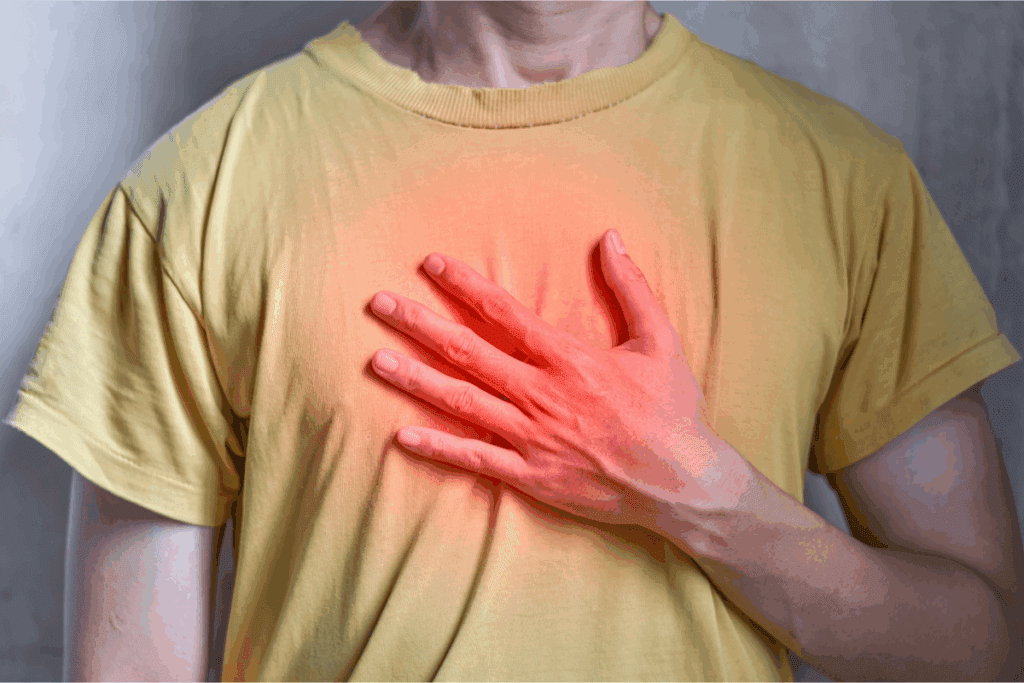
Indigestion, or dyspepsia, is a common stomach problem. It can cause chest pain, making it important to look into it. This pain often happens after eating or drinking.
What Is Indigestion or Dyspepsia?
Indigestion affects the stomach and digestive system. It’s not a disease but a sign of a problem, like GERD or food intolerance. Symptoms include bloating, nausea, and heartburn, which can feel like chest pain.
The Spectrum of Digestive Discomfort
People feel different kinds of discomfort from indigestion. Some feel a dull ache, while others have sharp pains. Diet, stress, and health can change how you feel it.
How Common Is Chest Pain with Indigestion?
Chest pain from indigestion is quite common. Many people have it at some point. Knowing what causes it helps manage it better.
Does Indigestion Cause Chest Pain? The Physiological Connection

Indigestion and chest pain are linked through acid reflux and irritation of the esophagus. This irritation can lead to discomfort in the chest. It’s a series of events that happens when we have indigestion.
The Mechanism of Acid Reflux and Esophageal Irritation
Acid reflux happens when stomach acid flows back into the esophagus. This irritates its lining, causing inflammation and discomfort. The discomfort is often felt as chest pain.
The esophagus and stomach are separated by a muscle called the lower esophageal sphincter (LES). This muscle keeps stomach acid from flowing back into the esophagus.
How Stomach Acid Affects Chest Sensations
Stomach acid irritating the esophagus can cause a burning sensation or pressure in the chest. This feeling is often mistaken for heart pain. The acid can also make the esophagus spasm, leading to sharp, severe chest pain.
The Nerve Pathways of Digestive Pain
The nerves that send pain signals from the esophagus to the brain are the same as those from the heart. This shared pathway makes it hard to tell if chest pain is from indigestion or the heart. Knowing about these nerve pathways is key to accurately diagnosing chest pain.
Understanding the link between indigestion and chest pain helps us see why indigestion can cause chest pain. It’s different from heart pain. This knowledge is vital for correct diagnosis and treatment.
Types of Chest Discomfort Caused by Indigestion
It’s important to know how indigestion can affect the chest. Indigestion, or dyspepsia, can cause different kinds of chest pain. This can be scary and affect your daily life.
Burning Sensations Behind the Breastbone
A common symptom of indigestion is a burning feeling behind the breastbone. This is often due to acid reflux. When stomach acid flows back into the esophagus, it irritates the lining and causes pain.
Sharp Pain vs. Dull Pressure
Indigestion can cause both sharp pain and dull pressure in the chest. Sharp pains are sudden and stabbing. Dull pressure feels like a heavy, squeezing sensation.
These feelings come from how indigestion irritates the esophagus and nerves.
Does Indigestion Cause Chest Tightness?
Yes, indigestion can cause chest tightness. This feels like a constriction or pressure in the chest. It can be uncomfortable and worrying.
It’s important to tell the difference between this and heart-related chest tightness. This way, you can get the right treatment.
Knowing the types of chest discomfort from indigestion helps you get the right medical help. Understanding these differences can help manage indigestion and improve chest health.
GERD: The Leading Cause of Digestive-Related Chest Pain
Understanding GERD is key for those with frequent chest pain. It’s a common cause. Gastroesophageal reflux disease (GERD) happens when stomach acid flows back into the esophagus. This can irritate the esophagus lining, causing discomfort.
Understanding Gastroesophageal Reflux Disease
GERD is marked by frequent acid reflux. It can cause heartburn, chest pain, and trouble swallowing. It’s a more serious and ongoing form of acid reflux than occasional indigestion.
How GERD Differs from Occasional Indigestion
Occasional indigestion is common and usually not harmful. But GERD is a persistent issue that needs medical care. The main difference is in symptom frequency and severity. GERD symptoms happen more often and can be worse, leading to complications if not treated.
Long-term Effects on the Esophagus and Chest Sensations
Long-term GERD can harm the esophagus, causing inflammation and scarring. It might even lead to Barrett’s esophagus. These changes can cause ongoing chest pain and discomfort.
| Condition | Frequency of Symptoms | Potential Complications |
| Occasional Indigestion | Infrequent | Rare |
| GERD | Frequent | Esophagitis, Stricture, Barrett’s Esophagus |
It’s important to know the difference between GERD and occasional indigestion for proper treatment. If you have ongoing chest pain or GERD symptoms, see a healthcare provider.
Common Triggers That Worsen Indigestion and Chest Pain
Knowing what makes indigestion and chest pain worse is key to feeling better. Many things can make symptoms worse. Knowing these can help you take steps to feel better.
Dietary Factors and Problem Foods
Some foods can make indigestion and chest pain worse. Spicy foods, citrus fruits, tomatoes, chocolate, and fatty or fried foods are culprits. These foods can make more acid in your stomach or let acid flow back up into your esophagus, causing pain.
Eating Habits and Meal Timing
How and when you eat can affect indigestion. Eating big meals or lying down after eating can make symptoms worse. Try eating smaller meals more often and skip late-night snacks to help.
Stress, Anxiety, and Emotional Triggers
Stress and anxiety can make digestive problems like indigestion worse. Stress can make your stomach produce more acid and cause stomach cramps. Using relaxation methods like meditation or deep breathing can help manage stress.
| Trigger | Effect on Indigestion |
| Spicy Foods | Increases stomach acid production |
| Large Meals | Puts pressure on the lower esophageal sphincter |
| Stress and Anxiety | Can cause stomach contractions and increase acid production |
By understanding and managing these triggers, you can lessen indigestion and chest pain. This can greatly improve your life quality.
Differentiating Between Indigestion and Heart Attack Pain
It’s important to know the difference between indigestion and heart attack pain. Both can cause chest pain, making it hard to tell them apart.
Key Distinguishing Features and Patterns
There are key differences between the two. Location and type of pain are important. Indigestion usually feels like a burning in the upper belly or lower chest.
On the other hand, heart attack pain feels like pressure or tightness in the chest’s center.
The timing and triggers of pain also matter. Indigestion pain often comes after eating and can be caused by certain foods. Heart attack pain, though, can happen anytime without a clear reason.
Warning Signs That Indicate a Cardiac Problem
Some symptoms point more to a heart attack than indigestion. Look out for radiating pain to the arm, neck, or jaw, shortness of breath, and lightheadedness. If you notice these, get help right away.
When Symptoms Overlap: The Diagnostic Challenge
It can be tough when symptoms of indigestion and heart attack look the same. Doctors then use diagnostic tests like ECGs and blood tests to figure out what’s causing the pain.
In summary, while both can cause chest pain, there are clear differences. Knowing these can help you get the right medical help.
Other Conditions That Can Mimic Indigestion Chest Pain
While indigestion often causes chest pain, other issues can look like it. It’s key to know these other causes for correct diagnosis and treatment.
Gallbladder Issues and Biliary Pain
Gallbladder problems, like gallstones or cholecystitis, can cause chest pain. This pain is sharp and may start after eating fatty foods.
Musculoskeletal Causes of Chest Discomfort
Muscle problems, like costochondritis or strained chest muscles, can also cause chest pain. This pain is usually in one spot and can be felt by pressing on it.
Pulmonary Conditions That Affect the Chest
Pulmonary issues, such as pneumonia or pleurisy, can also cause chest pain. These conditions often come with symptoms like coughing or trouble breathing.
Esophageal Muscle Dysfunction and Hypersensitivity
Esophageal problems, like spasms or hypersensitivity, can cause chest pain similar to indigestion. These issues involve abnormal muscle contractions or increased sensitivity to stimuli.
| Condition | Characteristics | Distinguishing Features |
| Gallbladder Issues | Sharp pain after fatty meals | Radiates to right shoulder or back |
| Musculoskeletal Causes | Localized pain | Pain reproduced by pressing on the area |
| Pulmonary Conditions | Cough, shortness of breath | Often accompanied by fever or chills |
| Esophageal Dysfunction | Chest pain without clear triggers | May have difficulty swallowing |
Knowing about these conditions helps doctors give the right treatment for chest pain. This ensures patients get the care they need for their specific issue.
When to Seek Medical Attention for Chest Pain
If you’re feeling chest pain, it’s key to know when to get help. Chest pain can mean many things, from mild indigestion to serious heart issues. Knowing when to seek medical help is vital for your health.
Red Flags That Require Emergency Care
Some chest pain symptoms mean you need to go to the hospital right away. These include:
- Severe, crushing, or squeezing chest pain that doesn’t improve with rest
- Pain radiating to the arm, neck, jaw, or back
- Shortness of breath or difficulty breathing
- Dizziness or fainting
- Nausea or vomiting
- Rapid or irregular heartbeat
If you or someone else has these symptoms, call emergency services right away.
Symptoms That Warrant a Scheduled Doctor’s Visit
Not all chest pain needs emergency care. Some can be checked by a doctor during a scheduled visit. These include:
- Recurring chest pain related to meals or position
- Mild chest discomfort that persists or worsens over time
- Chest pain accompanied by other symptoms like indigestion, bloating, or difficulty swallowing
Your doctor can look into these symptoms and figure out what’s causing them. They’ll then suggest the right treatment.
What Information to Share with Healthcare Providers
When you see a doctor for chest pain, share as much as you can. Tell them:
- The nature of your chest pain (sharp, dull, burning, etc.)
- When your chest pain occurs and how long it lasts
- Any factors that relieve or exacerbate your chest pain
- Any other symptoms you’re experiencing
- Your medical history, including any previous heart or digestive conditions
Sharing all this info helps your doctor make a correct diagnosis. They can then create a treatment plan that works for you.
How Doctors Diagnose the Cause of Chest Pain
Doctors use a detailed method to find out why patients have chest pain. This is key to figuring out if it’s from indigestion, heart problems, or something else.
Initial Assessment and Medical History
The first step is a detailed check-up and talking about the patient’s health history. Doctors want to know about the pain’s details, like how long it lasts and how bad it is. They also ask about past health issues and lifestyle, like diet and smoking.
Diagnostic Tests for Digestive Issues
To check for digestive problems, doctors use several tests. These include:
- Endoscopy: A way to see inside the upper digestive system.
- Ambulatory Acid Probe Tests: These measure acid flow in the esophagus.
- Esophageal Manometry: This test looks at esophageal muscle action during swallowing.
Procedures to Rule Out Cardiac Causes
To check for heart-related chest pain, doctors might do:
- Electrocardiogram (ECG): A test that shows the heart’s electrical activity.
- Stress Test: This monitors the heart under stress, often through exercise or medicine.
- Coronary Angiography: Uses dye and X-rays to see the heart’s arteries.
The Role of Gastroenterologists in Diagnosis
Gastroenterologists are key in figuring out digestive-related chest pain. They look at test results, make a diagnosis, and suggest treatments. Their knowledge helps tell if the pain is from the heart or not.
Knowing how doctors diagnose chest pain helps patients get the right care for their condition.
Treatment Options for Indigestion-Related Chest Pain
Understanding how to treat indigestion-related chest pain is key. The right treatment depends on the cause and how bad the symptoms are.
Over-the-Counter Medications and Antacids
For mild chest pain from indigestion, OTC meds and antacids are a good start. Antacids neutralize stomach acid, giving quick relief. H2 blockers and proton pump inhibitors (PPIs) cut down stomach acid production.
- Antacids: Tums, Rolaids, Mylanta
- H2 Blockers: ranitidine (Zantac), famotidine (Pepcid)
- PPIs: omeprazole (Prilosec), lansoprazole (Prevacid)
Prescription Treatment Options
If OTC meds don’t work, stronger treatments might be needed. This includes more powerful PPIs or drugs that help the digestive tract move better.
Lifestyle Modifications as Treatment
Changing your lifestyle is also important for managing chest pain from indigestion. Dietary adjustments like avoiding certain foods and eating smaller meals can help. Other good changes include:
- Elevating the head of the bed
- Losing weight if overweight
- Avoiding tight clothing
- Quitting smoking
When Surgery Might Be Considered
In severe cases, surgery might be needed if other treatments fail or there’s damage to the esophagus. Surgical options like fundoplication can strengthen the lower esophageal sphincter.
Knowing about these treatment options helps people work with their doctors to manage indigestion-related chest pain effectively.
Conclusion: Managing Indigestion for Better Chest Health
Managing indigestion is key for better chest health. Knowing the causes, symptoms, and treatments helps. This way, people can ease their symptoms and avoid future problems.
Effective management includes lifestyle changes, diet adjustments, and sometimes medical help. We talked about avoiding triggers like certain foods and stress. This can help lessen indigestion episodes.
It’s important to work with healthcare providers to create a personal plan. This plan helps manage indigestion and improves chest health. It reduces the risk of chest pain and boosts quality of life.
By focusing on chest health and managing indigestion, we can all live more comfortably. Let’s work together for a healthier life.
FAQ
Can indigestion cause chest pain?
Yes, indigestion can cause chest pain. This pain often comes from acid reflux. It irritates the esophagus, leading to burning or pressure in the chest.
How does indigestion cause chest tightness?
Indigestion can cause chest tightness by irritating the esophagus. This irritation leads to inflammation. You might feel pressure or tightness in your chest.
What is the difference between indigestion and heart attack pain?
Indigestion pain is linked to eating and may include bloating and nausea. Heart attack pain is more severe. It spreads to the arm or jaw and isn’t tied to eating.
Can GERD cause chest pain?
Yes, GERD can cause chest pain. The acid reflux from GERD irritates the esophagus. This can lead to pain and discomfort in the chest.
What are the common triggers that worsen indigestion and chest pain?
Common triggers include certain foods, eating habits, and stress. Identifying and managing these can help ease symptoms.
How do doctors diagnose the cause of chest pain?
Doctors use a few methods to find the cause of chest pain. They look at your medical history and do tests for digestive issues. They also check for heart problems. Gastroenterologists are key in diagnosing digestive-related chest pain.
What are the treatment options for indigestion-related chest pain?
Treatment options include medicines and lifestyle changes. Sometimes, surgery is needed. The best plan combines these approaches.
When should I seek medical attention for chest pain?
Seek medical help right away for severe pain, trouble breathing, or arm or jaw pain. For ongoing symptoms, see a doctor and share important details.
Can other conditions mimic indigestion chest pain?
Yes, other issues like gallbladder problems or muscle issues can feel like indigestion. Accurate diagnosis is key to finding the real cause.
How can I manage indigestion for better chest health?
To manage indigestion, know what causes your symptoms and make lifestyle changes. Work with your doctor to find the best treatment. This can help ease symptoms and improve chest health.
Does indigestion cause chest pain on the left side?
Indigestion can cause pain on the left side, but it’s more common in the center. The pain can spread to different areas, including the left side.
What is the role of lifestyle modifications in treating indigestion-related chest pain?
Making lifestyle changes is key in treating indigestion-related chest pain. Changes like diet, eating habits, and stress management can help. These steps can reduce symptoms and prevent future issues.
References
- Camasão, D. B., & Mantovani, D. (2021). The mechanical characterization of blood vessels and their substitutes in the continuous quest for physiologically relevant performances: A critical review. Mechanics Research Communications, 114, 103655. https://www.sciencedirect.com/science/article/pii/S2590006421000144