Clarifying the options for unused embryos and whether does ivf destroy embryos is the only choice. IVF treatment often leads to more embryos than needed. This raises questions about what happens to the extra ones. IVF is a detailed process from the first consultation to the embryo transfer. To understand what happens to unused embryos, we need to look at how they are made and why many are created during IVF.
How Embryos Are Created During IVF
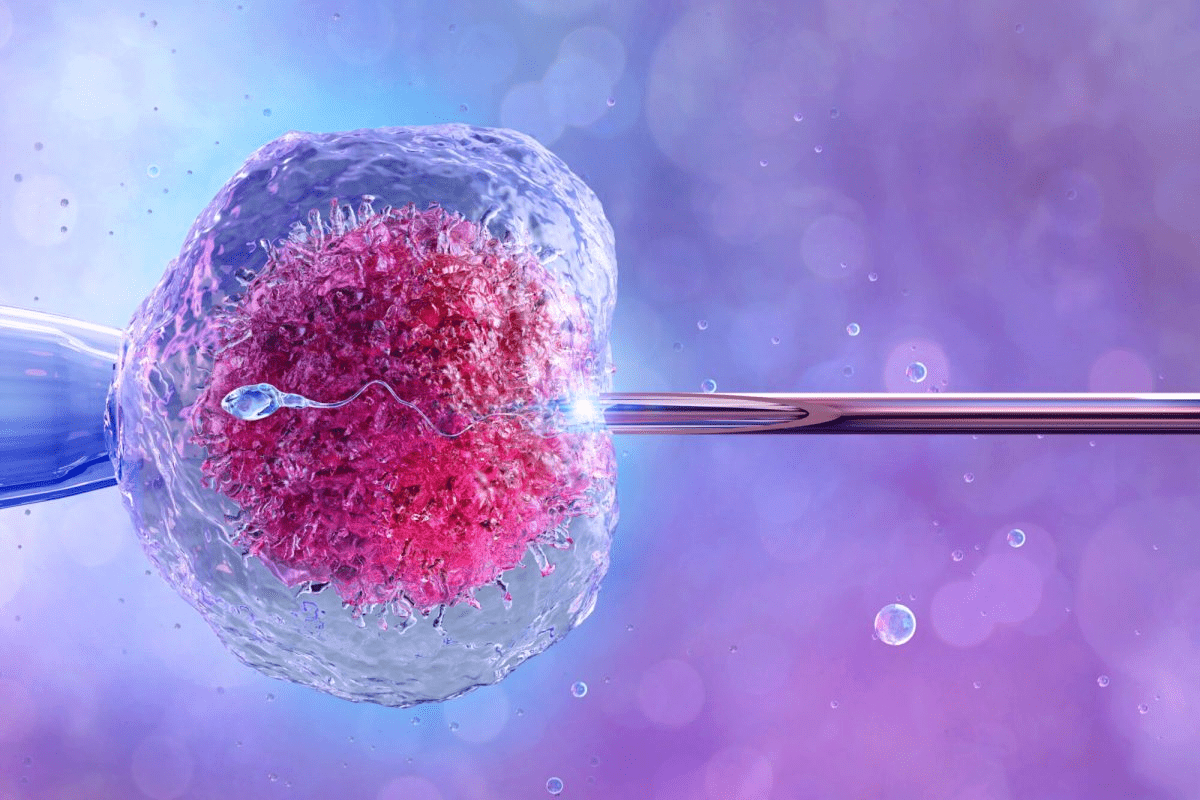
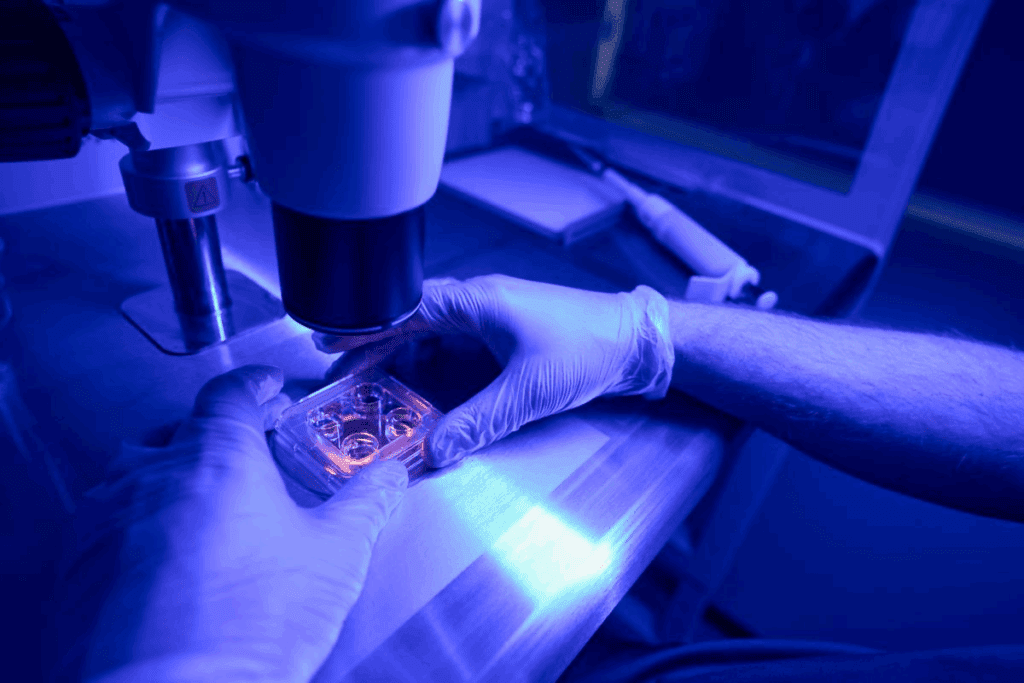
Embryos are made in a lab during IVF. This starts with ovarian stimulation, where meds help the ovaries produce many eggs. After the eggs are taken out, they meet sperm in the lab. If it works, the embryos grow for 3-5 days before being put in the uterus.
We watch the embryos closely to see if they’re good for transfer. The best ones are chosen for transfer, and others might be frozen for later use.
Why Multiple Embryos Are Typically Produced
IVF makes many embryos to up the chances of a successful pregnancy. Not all embryos grow well or are good for transfer. By making lots of embryos, we pick the healthiest ones for transfer, which helps the chances of success.
The Centers for Disease Control and Prevention (CDC) says the live birth rate with embryo donation is 43-45%. This shows how important it is to have many embryos for transfer.
| IVF Cycle Outcome | Percentage |
|---|---|
| Live Birth Rate with Embryo Donation | 43-45% |
| Successful Fertilization Rate | 60-70% |
| Embryo Implantation Rate | 30-40% |
Making many embryos during IVF is common. It helps us increase the chances of a successful pregnancy while needing fewer cycles.
Understanding the Scale: Unused Embryo Statistics
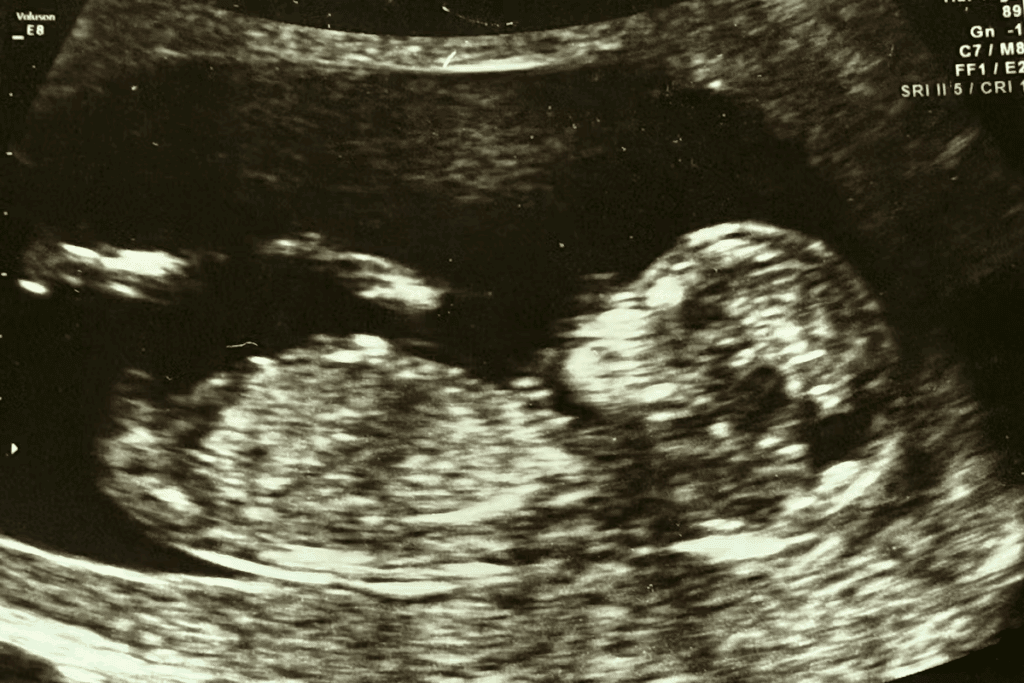
The IVF process creates many unused embryos, leading to important questions about their future. Looking into the stats on unused embryos helps us understand the issue better.
Annual Numbers in the United States
It’s estimated that 1.5 to 1.8 million embryos are not used each year in the U.S. This big number shows the challenges of IVF and the tough choices couples have about their embryos.
Let’s break down the numbers:
| Year | Estimated Unused Embryos |
|---|---|
| 2020 | 1,500,000 – 1,800,000 |
| 2021 | 1,550,000 – 1,850,000 |
| 2022 | 1,600,000 – 1,900,000 |
Current Frozen Embryo Storage Numbers
Between 600,000 to 1.5 million frozen embryos are stored in U.S. cryogenic facilities. This range shows the uncertainty in tracking these numbers. But it’s clear that a lot of embryos are being stored.
Knowing these numbers is key to tackling the ethical, medical, and personal issues with unused embryos. As we look ahead, we must think about the options for these embryos. This includes donation, research, and the rules that guide these choices.
Storage Options for Unused Embryos
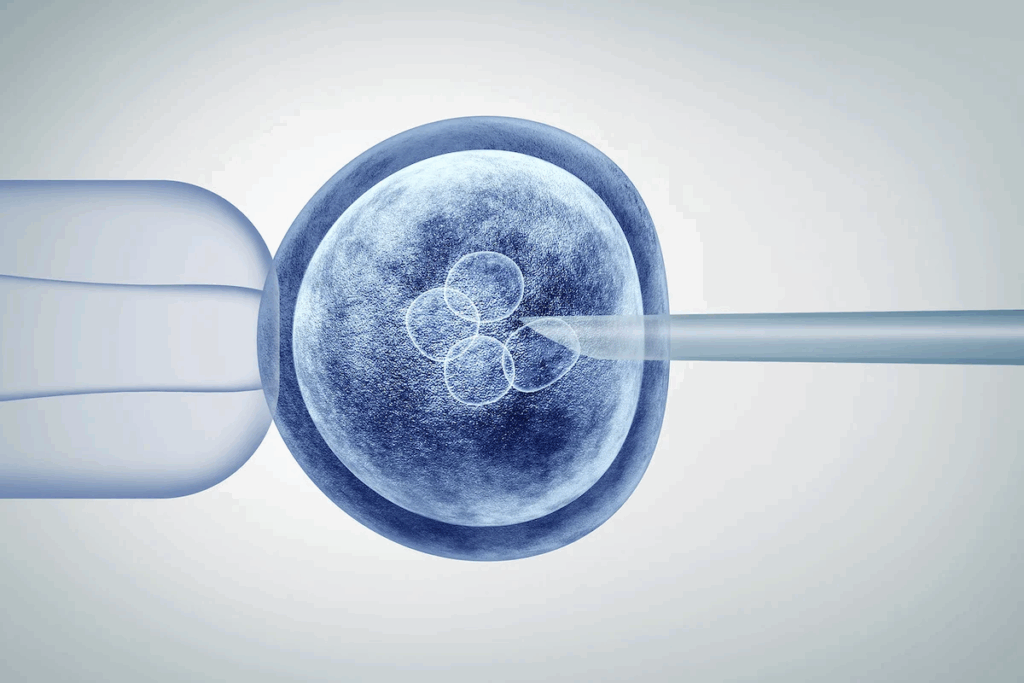
Unused embryos from IVF treatments need careful thought for storage. Couples must know the methods, costs, and limits.
Cryopreservation Technology and Methods
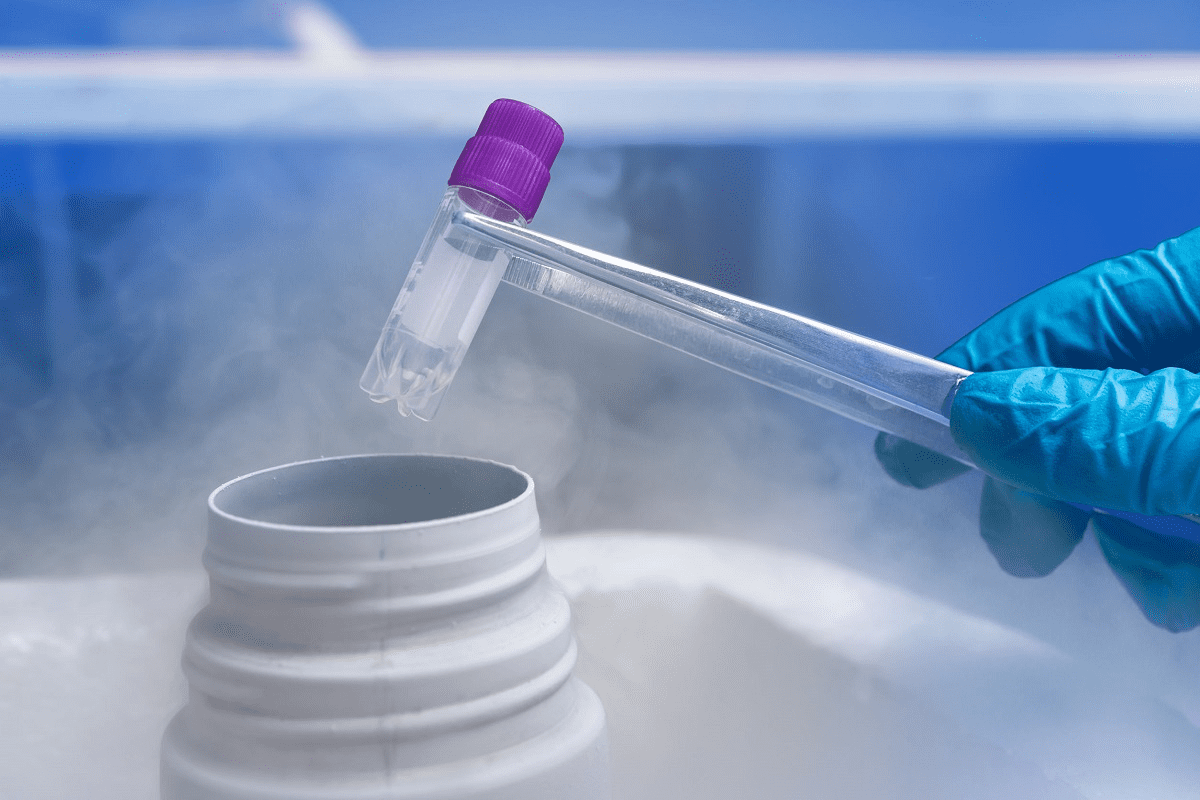
Cryopreservation is the main way to store unused embryos. It cools them to very low temperatures to stop all activity. This keeps them ready for later use. New methods, like vitrification, have made frozen embryos more likely to survive.
We use the latest cryopreservation to keep embryos in top condition. This helps them stay viable and gives couples more time to plan their future.
Cost Considerations for Long-Term Storage
Storing embryos costs vary by clinic and location. There’s an initial freezing fee and then yearly fees. These fees can be $800 to over $1,000, depending on the place and services.
Couples should ask about all costs, including extra fees for services like embryo transfer or storage extensions.
Typical Storage Timeframes and Limitations
How long embryos can be stored varies by country. Some countries have strict limits, while others, like the U.S., have no federal limit. Clinics also have their own rules, so it’s key to ask about these.
It’s important to know the laws and clinic policies about storing embryos. This helps couples make the best choices for their embryos.
Does IVF Destroy Embryos? Understanding the Reality
The question of whether IVF destroys embryos is complex. It involves understanding medical practices and ethical considerations. We need to know how IVF affects embryo disposal decisions.
Defining Embryo Disposal in Medical Terms
Embryo disposal is when embryos are no longer needed in IVF treatments. This can happen for many reasons, like completing family planning or changes in personal life. Clinics have different ways of handling this, with some allowing compassionate transfer. This gives patients a more personal experience.
Timing of Disposal Decisions
Deciding to dispose of embryos is a big choice for those undergoing IVF. The timing depends on many things, like family planning goals or relationship changes. It’s a deeply personal decision that involves many emotional and ethical factors.
Ethical Considerations Around Embryo Disposition
The ethics of embryo disposal are complex and varied. They involve questions about the moral status of embryos and individual rights. Ethical views differ widely, based on culture, religion, and philosophy.
Understanding these ethical views is key. It helps us have a more informed and compassionate conversation about embryo disposal in IVF.
Donation Options for Unused Embryos
Embryo donation is a kind way for those with unused embryos to help others have children. It brings happiness to the recipients and a sense of purpose to the donors.
Donating Embryos to Other Couples
Donating embryos to other couples is a good choice for those who’ve finished building their family through IVF. Many clinics and agencies help match donors with recipients. They consider things like medical history and personal preferences.
The success rate for embryo donation is high. The CDC says there’s a 43-45% chance of a live birth. This shows that embryo donation can lead to successful pregnancies.
Key considerations for embryo donation include:
- Screening and matching processes to ensure compatibility between donors and recipients
- Legal agreements that protect the rights and responsibilities of both parties
- Emotional support for donors and recipients throughout the process
Legal Considerations in Embryo Donation
Legal aspects are very important in embryo donation. Contracts are drawn up to outline the donation terms. This includes the donors giving up their parental rights and the recipients accepting the embryos.
It’s vital for donors and recipients to know the legal side of embryo donation. Clinics often team up with lawyers. This ensures everyone is protected and the donation follows the law.
| Legal Aspect | Description |
|---|---|
| Contractual Agreements | Legally binding contracts outlining the terms of embryo donation |
| Parental Rights | Donors relinquish parental rights, which are then accepted by recipients |
| Regulatory Compliance | Ensuring that the donation process adheres to relevant laws and regulations |
Scientific Research and Unused Embryos
Scientific research using donated embryos is key to future medical advancements. These embryos help us understand human development, diseases, and treatments. They are vital for advancing our knowledge.
Types of Research Using Donated Embryos
Donated embryos are used in many research areas. This includes studies on embryonic development and stem cell research. Stem cell research is getting a lot of attention for its promise in regenerative medicine.
Researchers are looking into using stem cells from embryos for new treatments. This includes diseases like Parkinson’s, diabetes, and heart disease. Studying embryonic development helps scientists understand genetic factors and how abnormalities occur.
“The use of human embryos in research has the power to change our understanding of human biology and disease. It could lead to new treatments.”
Regulations Governing Embryo Research in the U.S.
In the U.S., embryo research is tightly regulated and overseen. The Human Embryonic Stem Cell Research follows strict guidelines. These ensure the ethical use of embryos. Donors must give informed consent, and embryos can’t be made just for research.
| Regulatory Aspect | Description |
|---|---|
| Informed Consent | Donors must provide consent for the use of their embryos in research. |
| Ethical Oversight | Research proposals are reviewed by ethics committees to ensure compliance with guidelines. |
| Funding Restrictions | Government funding for embryonic stem cell research is subject to specific regulations. |
Potential Medical Advancements from Embryo Research
Research using donated embryos could lead to big medical breakthroughs. By studying embryonic development, scientists can find new ways to treat diseases. This research helps us understand the causes of diseases and develop new treatments.
Some possible medical advancements include:
- Regenerative medicine using stem cells from embryos.
- Improved understanding of genetic factors influencing development.
- New treatments for diseases based on insights from embryonic development studies.
As research keeps advancing, we’re getting closer to medical breakthroughs. The use of donated embryos in research is key to this progress. It offers hope for new treatments and a deeper understanding of human health.
Disposal Methods for Unused Embryos
After IVF treatment, couples must decide what to do with unused embryos. This choice is tough, with many options based on personal beliefs and clinic rules.
Standard Medical Waste Procedures
Clinics usually treat unused embryos as biohazardous waste. They are incinerated to follow medical waste rules. This process is simple and keeps everyone safe.
Compassionate Transfer Explained
Some clinics offer a kinder way called “compassionate transfer.” They thaw the embryos and then transfer them to the woman’s uterus. This option gives couples a sense of closure.
Variations in Disposal Practices Among Clinics
How clinics dispose of embryos can differ a lot. This depends on the clinic’s policies, local laws, and what the couple wants. Some places might give more choices or talk more about how to dispose of embryos.
Some clinics let couples choose compassionate transfer. This way, they can pick an option that fits their beliefs and values.
The ways to get rid of unused embryos are:
- Standard medical waste procedures
- Compassionate transfer
- Donation to other couples or research (as discussed in previous sections)
Global Variations in Handling Unused Embryos
How countries deal with unused embryos varies a lot. This is because of local laws, religious views, and ethical thoughts. These differences show how complex it is to decide what to do with embryos, depending on where you are in the world.
Regulatory Differences Across Countries
Rules about unused embryos change a lot from country to country. For example, Italy has strict rules against destroying or donating embryos. This shows a conservative view on handling embryos. On the other hand, some places have laws that let people choose to donate or use embryos for research.
- Countries with strict embryo disposal rules
- Nations with laws that allow embryo donation
- Places with special rules for embryo research
Cultural and Religious Influences on Policies
Culture and religion greatly shape embryo policies. In some places, the belief in the value of life leads to strict laws. Religious teachings also play a big role, with some religions having clear views on embryos.
These factors are clear in the different ways the world handles unused embryos. It shows how culture and religion deeply influence decisions on embryos.
Emerging Trends in Embryo Disposition
Recently, new ways of dealing with unused embryos have emerged. This is thanks to technology progress and changing public views. One trend is the rise of embryo donation for those trying to have children.
Another trend is the growing interest in embryo research. This includes work on stem cells, which could lead to big medical advances.
Conclusion
IVF brings up many questions about unused embryos. These questions mix medical, ethical, and personal thoughts. The way we deal with unused embryos will change as IVF technology gets better.
It’s important to know what happens to embryos not used in IVF. Patients and doctors need to think about many things. This includes where to store them, if they can be donated, and how to dispose of them.
The world of IVF and embryos is always changing. We need to tackle the tough issues around unused embryos. By looking into how we handle embryos, we can help those going through IVF more.
FAQ
What happens to embryos that are not used in IVF?
Unused embryos can be frozen for later use, donated to others, or used for research. The choice depends on what the individuals want and the clinic’s rules.
How are IVF embryos discarded?
Embryos can be thrown away like regular medical waste or given a compassionate transfer. This depends on the clinic’s rules and local laws.
Does IVF destroy embryos?
IVF itself doesn’t destroy embryos. But, not all embryos are used, and some might be thrown away or used for research.
How many embryos are destroyed in IVF each year?
The number of embryos destroyed each year changes. It depends on how many IVF cycles are done and how many embryos are not used.
Can an embryo stop growing after implantation?
Yes, embryos can stop growing after they implant. This is called embryonic arrest. It can happen for many reasons, like genetic problems.
What are the storage options for frozen embryos?
The main way to store frozen embryos is through cryopreservation. Clinics use special equipment to keep them very cold.
How are frozen embryos destroyed?
Frozen embryos are usually thawed before they’re thrown away. The way they’re disposed of can differ, with some clinics using regular medical waste methods.
Are embryos fertilized during IVF?
Yes, during IVF, eggs are fertilized with sperm in a lab dish. This creates embryos.
What are the possible medical breakthroughs from embryo research?
Using donated embryos for research can help us understand human development better. It can also improve IVF success rates and lead to new treatments for diseases.
How many frozen embryos are there in the US?
It’s hard to say exactly how many frozen embryos there are in the US. This is because clinics report differently. But, it’s thought to be hundreds of thousands.
Why do embryos stop developing after day 3?
Embryos might stop growing because of genetic issues, bad culture conditions, or problems with their development.
National Center for Biotechnology Information. Evidence-Based Medical Guidance. Retrieved from https://www.ncbi.nlm.nih.gov/pmc/articles/PMC2672894/