Last Updated on November 4, 2025 by mcelik
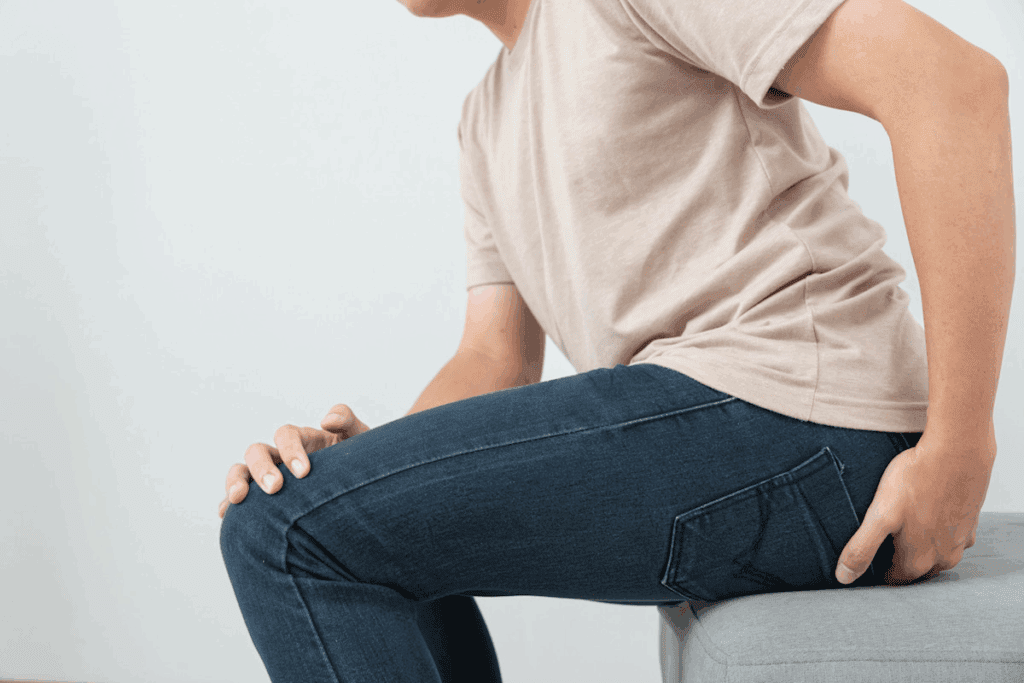
Trochanteric bursitis causes pain in the outer hip. It can make daily tasks hard. Sitting for long periods makes it worse because it puts more pressure on the bursae.
People with hip bursitis often feel pain when they sit. This pain can really affect their quality. It’s not just about the pain; it’s about how it changes their daily life.
Key Takeaways
- Sitting can increase pressure on the bursae, worsening trochanteric bursitis symptoms.
- Hip bursitis is characterized by pain on the outer aspect of the hip.
- Prolonged sitting is a common exacerbating factor for hip pain.
- Managing sitting habits can be a key part of treating trochanteric bursitis.
- Understanding how sitting affects hip bursitis helps in finding better ways to manage it.
What Is Trochanteric Bursitis and How Does It Affect the Hip?
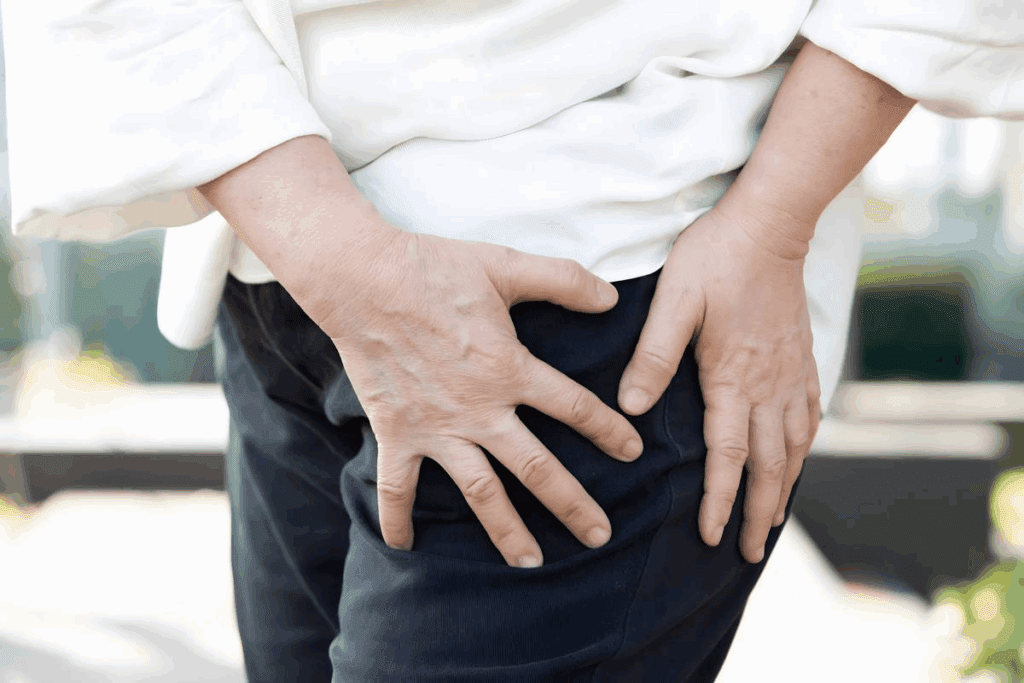
Trochanteric bursitis is a condition that affects the hip. It happens when the trochanteric bursa, a fluid-filled sac near the hip, gets inflamed. This sac helps reduce friction in the hip area.
The Function of Bursae in the Body
Bursae are small, fluid-filled sacs that reduce friction between bones, tendons, and skin. They help joints and tissues move smoothly. In the hip, they act as cushions for muscles and tendons.
Location and Role of the Trochanteric Bursa
The trochanteric bursa is near the greater trochanter, a bony part on the outside of the hip. It reduces friction between the iliotibial band and the greater trochanter. When it gets inflamed, it causes pain and discomfort, known as trochanteric bursitis.
It’s often mistaken for other conditions. This shows how important it is to get a correct diagnosis.
Prevalence and Demographics of Hip Bursitis
Trochanteric bursitis is common, mainly in middle-aged and older adults. It affects women more than men, possibly because of differences in hip anatomy and walking style. Activities like running or cycling can also raise the risk.
A study in the Journal of Orthopaedic & Sports Physical Therapy found trochanteric bursitis affects 1.8 to 5.7 per 1,000 adults each year. It’s a big concern for both athletes and non-athletes.
Common Symptoms of Trochanteric Bursitis
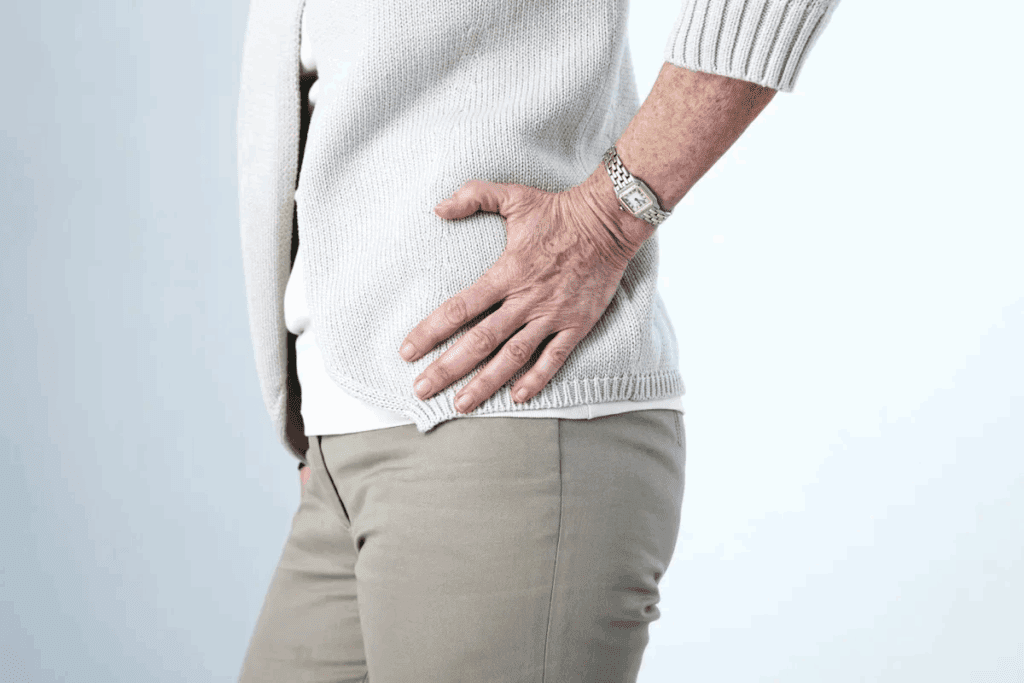
Trochanteric bursitis symptoms are unique and can really hurt. People with this issue often feel pain on the outside of their hip. This pain can also spread down their thigh.
Characteristic Pain Patterns and Locations
The pain from trochanteric bursitis usually happens on the outside of the hip. It can feel sharp or dull. Activities like walking, climbing stairs, or lying on the affected side can make it worse. Understanding these pain patterns is key to diagnosis.
How Symptoms Manifest During Daily Activities
Everyday tasks can make trochanteric bursitis symptoms worse. Standing or walking for a long time can hurt more. Knowing how these activities affect you can help manage your symptoms.
Differentiating Hip Bursitis from Other Hip Conditions
Telling trochanteric bursitis apart from other hip problems is important for treatment. Conditions like osteoarthritis or tendonitis can have similar symptoms. A doctor can make an accurate diagnosis with a physical exam and imaging.
Knowing the common symptoms of trochanteric bursitis helps people get the right medical care. They can also find ways to manage their condition better.
The Direct Impact of Sitting on Trochanteric Bursitis
Sitting for too long can make trochanteric bursitis symptoms worse. It’s important to tackle this in treatment plans. Understanding how sitting affects trochanteric bursitis is key to managing it well.
Pressure on Hip Bursae
Sitting for long periods puts constant pressure on the trochanteric bursa. This can cause more inflammation and pain. For people with trochanteric bursitis, this pressure makes things worse.
Studies show that sitting for a long time increases pressure on the hip bursae. This makes managing trochanteric bursitis even harder.
Worsening of Bursitis Symptoms
Sitting can make bursitis symptoms worse for several reasons. When we sit, our hip is bent, which presses the bursa. This can irritate the bursa, causing more pain and swelling.
Sitting also reduces the hip’s range of motion and flexibility. This makes it harder to manage the condition.
The main reasons sitting worsens bursitis symptoms are:
- Compression of the bursa between the greater trochanter and the iliotibial tract
- Reduced range of motion and flexibility in the hip
- Increased pressure on the trochanteric bursa
Research Evidence
Studies have looked into how sitting affects hip inflammation. They’ve found that sitting for a long time can lead to more inflammation. This can make conditions like trochanteric bursitis worse.
A study in the Journal of Orthopaedic Research found that sitting for a long time increases pressure on the hip bursae. This supports the idea that sitting can make trochanteric bursitis symptoms worse.
Key findings from research on sitting and hip inflammation include:
| Study | Key Findings |
| Journal of Orthopaedic Research | Prolonged sitting increases pressure on the hip bursae |
| Journal of Physical Therapy | Regular breaks from sitting can reduce inflammation |
Causes and Risk Factors for Developing Trochanteric Bursitis
Trochanteric bursitis can come from many sources. This includes our body’s structure, how we move, and our daily habits. Knowing what causes it helps us avoid it and treat it better.
Anatomical and Biomechanical Factors
Our body’s shape and how it moves are key to getting trochanteric bursitis. These include:
- Abnormal gait patterns: Walking differently can stress the bursa more.
- Leg length discrepancies: When legs are not the same length, it can put uneven pressure on the hips.
- Poor hip biomechanics: Weak muscles or unstable hips can lead to bursitis.
Activity-Related Triggers
Some activities can make trochanteric bursitis worse. These include:
- Repetitive motion: Doing the same hip movements over and over, like in cycling or running.
- High-impact activities: Sports or exercises that stress the hip joint a lot.
- Prolonged standing or walking: Standing or walking for a long time can bother the bursa.
Age, Gender, and Genetic Considerations
Who we are can also affect our risk of getting trochanteric bursitis:
- Age: It’s more common in people in their 40s and 50s and older.
- Gender: Women get it more often than men, possibly because of pelvic and gait differences.
- Genetic predisposition: If your family has hip issues, you might be more likely to get them too.
Occupational and Lifestyle Risk Factors
Our job and how we live can also raise our risk of getting trochanteric bursitis:
- Occupations involving prolonged standing: Jobs that make you stand for hours.
- Sedentary lifestyle: Sitting a lot can make your hip muscles tight, raising your risk.
- Poor posture: Bad posture, whether standing or sitting, can harm your hip alignment and bursa health.
Understanding these causes and risks enables us to take effective steps in preventing trochanteric bursitis and managing its symptoms more effectively.
How Different Sitting Positions Affect Hip Bursitis Pain
Knowing how sitting positions affect hip bursitis pain is key to managing it well. The way we sit can either help or hurt the pain from trochanteric bursitis.
Cross-Legged Sitting and Its Effects on the Hip
Sitting cross-legged can be tough for those with hip bursitis. This position puts more pressure on the trochanteric bursa, making pain and swelling worse. Sitting this way rotates the hip and presses on the bursa, causing more pain.
To not make hip bursitis worse, it’s best to avoid sitting cross-legged. Keeping the hips in a neutral position can help lessen the strain on the bursa.
Impact of Slouching vs. Upright Posture
Good posture is important for managing hip bursitis pain when sitting. Slouching or bad posture can put extra stress on the trochanteric bursa. But sitting up straight can spread out the weight, easing pressure on the bursa.
Sitting straight with feet on the floor or a footrest can help ease pain. Also, make sure the chair height supports your thighs for better posture.
Sitting Surface Considerations: Hard vs. Soft
The surface we sit on also affects hip bursitis pain. Hard surfaces can press harder on the bursa, while very soft ones might not support well. This can lead to poor posture and more pressure on the hip.
Using a cushion or a chair with the right padding is a good middle ground. The cushion should be firm enough to support but soft enough for comfort. Finding the right firmness can help reduce hip bursitis pain.
Ergonomic Solutions for Sitting with Trochanteric Bursitis
Making ergonomic changes to how we sit can really help with trochanteric bursitis. The right adjustments can cut down on pain and discomfort.
Optimal Chair Design and Features
The chair’s design is key for support and comfort with trochanteric bursitis. An ergonomic chair should adjust in height and have lumbar support for good posture. The seat depth should fit so your back rests against the backrest, with a 2-3 inch gap from your knees.
Armrests should adjust to let your shoulders relax. This reduces hip strain. Look for a chair with breathable fabric or mesh for long sitting comfort.
Supportive Cushions and Accessories
Supportive cushions and accessories can boost sitting comfort. A coccygeal cushion or lumbar roll supports the lower back. For trochanteric bursitis, a cushion under the hip should be used carefully to avoid more pressure.
Items like standing desk converters or balance ball chairs offer sitting alternatives. They can reduce hip pressure.
Workspace Modifications for Hip Pain Relief
Changing your workspace can help with hip pain. Keep often-used items close to avoid twisting and turning. Positioning the computer monitor directly in front and at a good distance helps posture.
Take regular breaks to stand, stretch, and move. This reduces static postures that worsen hip bursitis and boosts overall health.
Diagnosing Hip Bursitis: What to Expect
Knowing how to diagnose hip bursitis can ease your mind. It’s key to get a correct diagnosis for the right treatment.
Physical Examination Techniques
A detailed physical check is the first step. Doctors use different methods to see how your hip works and where it hurts.
- Palpation: They press on certain spots to find tenderness.
- Range of Motion Tests: They check how well your hip moves and what hurts it.
- Special Tests: They do specific tests, like the Ober test, to see if the IT band is tight.
These steps help doctors tell if it’s hip bursitis or something else.
Imaging Studies and Their Importance
Even with a physical check, imaging tests are often needed. They help confirm the diagnosis and check for other issues.
- X-rays: They look for bone spurs or calcification.
- Ultrasound: It shows inflammation in soft tissues.
- MRI: It gives detailed views of bones and soft tissues.
When to Seek Medical Attention for Hip Pain
Knowing when to see a doctor for hip pain is important. If you have any of these symptoms, it’s time to get help:
- Persistent pain that doesn’t get better with rest.
- Severe pain that makes daily tasks hard.
- Swelling or redness around the hip.
- Recent injury or trauma to the hip.
Getting a diagnosis and treatment early can greatly help with hip bursitis.
Conservative Treatment Approaches for Trochanteric Bursitis
Conservative treatments are a first step against trochanteric bursitis pain. They help manage symptoms and aid in recovery. We’ll look at different ways to treat trochanteric bursitis.
Rest and Activity Modification Strategies
Starting treatment often means changing how you move. Resting the affected hip and avoiding painful activities is key. This might mean doing things differently or taking breaks.
It’s also important to avoid movements that stress the hip too much. For instance, not doing repetitive hip flexion or direct pressure can help.
Ice and Heat Therapy Applications
Ice and heat are used to reduce pain and swelling. Ice packs are good for the early stages to reduce inflammation and numb pain. Heat therapy is better for relaxing muscles and improving blood flow later on.
Switching between ice and heat can help. But it’s important to watch how your body reacts and adjust as needed.
Over-the-Counter Pain Management Options
OTC pain meds can help with trochanteric bursitis pain. Nonsteroidal anti-inflammatory drugs (NSAIDs) like ibuprofen are often suggested for their anti-inflammatory effects.
Always follow the dosage instructions and talk to a doctor before starting any medication. This is important, even more so if you have other health issues or are taking other meds.
Medical Interventions for Persistent Hip Bursitis
If you have persistent hip bursitis, there are medical treatments that can help. When simple treatments don’t work, it’s time to try more advanced options. These can help reduce pain and improve how your hip works.
Corticosteroid Injections: Procedure and Effectiveness
Corticosteroid injections are a common treatment for hip bursitis. They put anti-inflammatory medicine right into the bursa. This helps target the pain. The shot is usually given under ultrasound to make sure it’s in the right place.
These injections can give quick pain relief. But their effects don’t last long. They’re often used with other treatments to help more.
Benefits of Corticosteroid Injections:
- Rapid pain relief
- Minimally invasive procedure
- Can be used in conjunction with physical therapy
Physical Therapy Approaches and Benefits
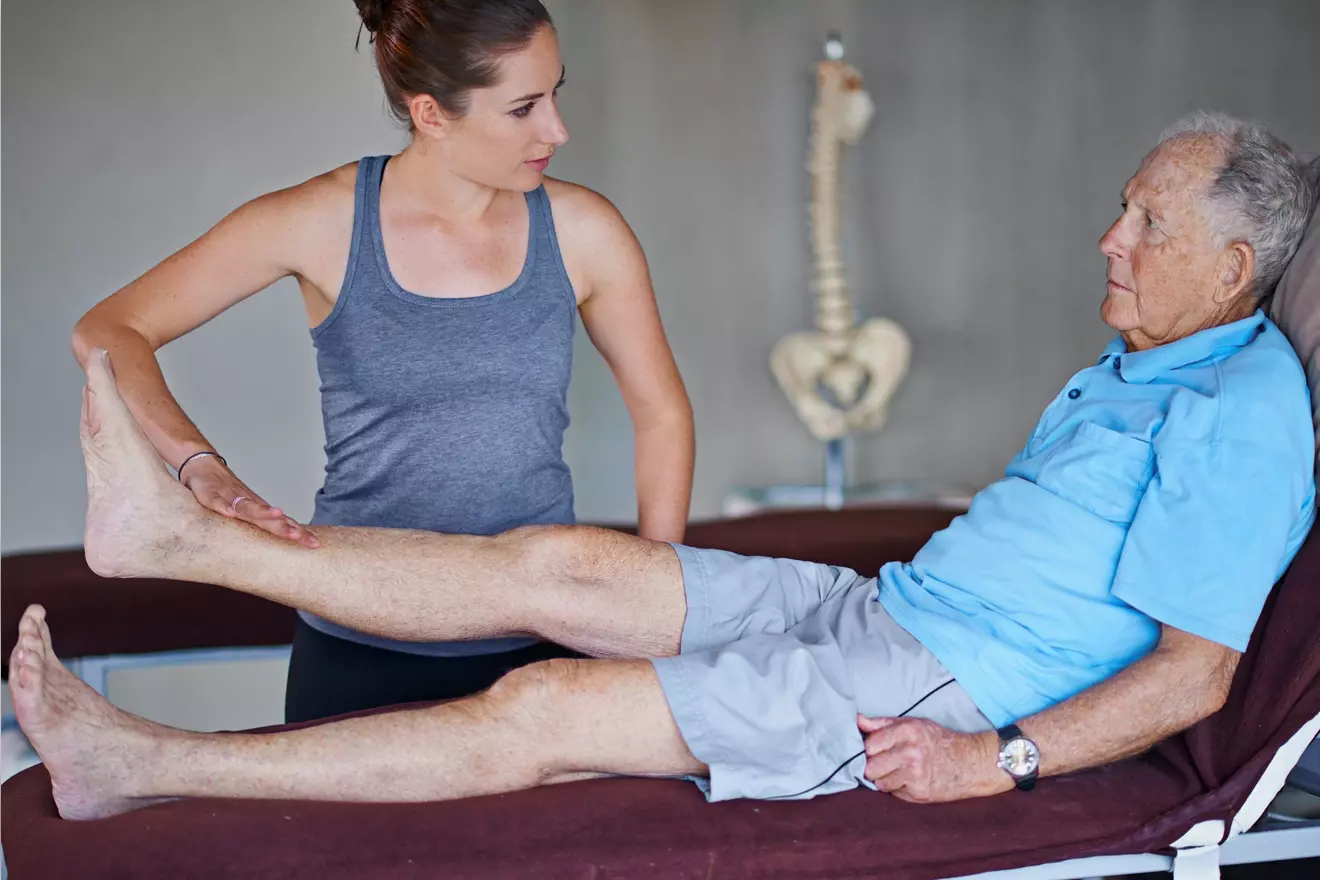
Physical therapy is key in treating hip bursitis, alongside medical treatments. A physical therapist creates a plan of exercises to strengthen the hip muscles. This improves flexibility and helps the bursa heal.
Key components of physical therapy for hip bursitis include:
- Stretching exercises to improve flexibility
- Strengthening exercises for hip and core muscles
- Education on proper posture and body mechanics
Surgical Options for Severe or Resistant Cases
If hip bursitis is severe or doesn’t respond to other treatments, surgery might be needed. Surgery can include removing the bursa or fixing tendonitis or hip problems. Surgery is usually a last choice, but it can offer lasting relief for some patients.
| Treatment Option | Description | Potential Benefits |
| Corticosteroid Injections | Injection of anti-inflammatory medication into the bursa | Rapid pain relief, minimally invasive |
| Physical Therapy | Personalized exercise program to strengthen hip muscles and improve flexibility | Long-term pain management, improved function |
| Surgery | Removal of the bursa or correction of underlying hip abnormalities | Permanent relief for severe or resistant cases |
Effective Exercises and Stretches to Relieve Trochanteric Bursitis
Stretching and strengthening exercises are key to easing trochanteric bursitis symptoms. Adding specific exercises to your daily routine can help reduce pain and enhance hip function.
Gentle Hip and IT Band Stretching Routines
Gentle stretching is vital for easing hip and IT band tension. Here are some stretches we recommend:
- IT Band Stretch: Stand with your affected side closest to a wall, cross the opposite leg over the affected one, and lean towards the wall. Hold for 30 seconds.
- Hip Flexor Stretch: Kneel on your affected leg, with the other foot in front of you. Lean forward, stretching the front of your hip. Hold for 30 seconds.
Strengthening Exercises for Supporting Muscles
Strengthening the muscles around the hip can support the joint and lessen bursitis symptoms. Key exercises include:
- Glute Bridges: Lie on your back with knees bent and feet flat on the floor. Lift your hips towards the ceiling, squeezing your glutes. Hold for a few seconds before lowering.
- Clamshell Exercise: Lie on your side with knees bent and feet touching. Lift your top knee, keeping your feet together, and then lower it back down.
Exercise Modifications to Prevent Symptom Aggravation
To prevent worsening trochanteric bursitis symptoms, it’s important to modify exercises. We suggest:
- Avoid deep hip flexion or bending at the waist.
- Reduce the intensity of exercises if you experience pain.
- Using supportive equipment or cushions to reduce strain on the hip.
By adding these exercises and stretches to your routine and making necessary adjustments, you can manage trochanteric bursitis effectively. This will help you find relief.
Alternative Sitting Options for People with Hip Bursitis
Finding a comfortable sitting spot with trochanteric bursitis takes some creativity and the right tools. People with hip bursitis often need to try different sitting setups to ease their pain. We’ll look at some options that might help.
Standing Desks and Their Benefits
Standing desks are becoming popular for cutting down on sitting time. They let users switch between sitting and standing, which can ease hip bursae pressure. Adjustable standing desks that fit individual heights are a good choice, as they help maintain good posture and reduce hip strain.
The perks of standing desks include:
- Less sitting time can lessen trochanteric bursa pressure
- Improved posture thanks to adjustable heights
- More movement and flexibility all day
Kneeling Chairs and Other Ergonomic Alternatives
Kneeling chairs and other ergonomic options can also help with hip bursitis pain. These chairs spread out the user’s weight, easing hip pressure and improving posture. It’s worth trying out different ergonomic chairs to find the best fit.
Some benefits of kneeling chairs include:
- Less pressure on the hip joint and bursae
- Better spinal alignment and posture
- Stronger core for better stability
Importance of Movement Breaks and Position Changes
It’s key to mix up sitting with regular movement breaks and position changes, no matter the setup. We recommend standing, stretching, or moving every 30-60 minutes. This can help loosen up stiffness and ease bursae pressure.
Here are some tips for movement breaks:
- Set reminders to stand and stretch regularly
- Use a timer to keep sitting periods short
- Do simple exercises or stretches during breaks
By using different sitting options and taking regular breaks, people with hip bursitis can manage their symptoms better. This can lead to more comfort overall.
Lifestyle Modifications to Manage Hip Bursitis Symptoms
For those with trochanteric bursitis, making lifestyle changes can help a lot. It’s important to treat the condition medically, make lifestyle changes, and adjust your environment.
Weight Management Strategies
Keeping a healthy weight is key to lessening hip joint pressure. Too much weight can make hip bursitis worse by putting more stress on the hip.
- Try low-impact exercises like swimming or cycling to stay fit without hurting your hip.
- Eat a balanced diet full of fruits, veggies, and lean proteins to help lose weight and stay healthy.
- Talk to a doctor or dietitian to get a weight loss plan that’s right for you.
| Weight Management Strategy | Benefits for Hip Bursitis |
| Low-impact exercise | Improves fitness without aggravating hip bursitis |
| Balanced diet | Supports weight loss and overall health |
| Professional guidance | Personalized plan for effective weight management |
Sleep Positioning Tips for Hip Pain Relief
How you sleep can really affect hip bursitis symptoms. Choosing the right sleep position can help ease pain and discomfort.
Here are some tips for sleeping to reduce hip strain:
- Sleep on your back with a pillow under your knees to cut down on hip pressure.
- If you sleep on your side, put a pillow between your knees to keep your hips aligned.
- Try not to sleep on the side that hurts the most to avoid putting pressure on the inflamed bursa.
Daily Activity Adjustments to Reduce Inflammation
Making small changes in your daily routine can help fight inflammation and ease hip bursitis symptoms. These simple steps can make a big difference.
- Stand and stretch regularly if you’re sitting for a long time.
- Avoid doing the same hip movements or activities that make your symptoms worse.
- Use ergonomic tools and supports to lessen hip strain.
By making these lifestyle changes, people with trochanteric bursitis can manage their symptoms better and live a better life.
Long-Term Prognosis and Management of Trochanteric Bursitis
Managing trochanteric bursitis long-term means making lifestyle changes and getting medical help. Knowing what affects your recovery can help you take steps to get better and avoid it coming back.
Typical Recovery Timeline Expectations
The time it takes to recover from trochanteric bursitis varies. It depends on how bad the condition is and how well the treatment works. Usually, with the right care, symptoms start to get better in a few weeks to months.
| Treatment Duration | Expected Improvement |
| 2-4 weeks | Initial reduction in pain and inflammation |
| 6-12 weeks | Significant improvement in symptoms, increased mobility |
| 3-6 months | Further reduction in symptoms, return to normal activities |
Strategies for Preventing Recurrence
To stop trochanteric bursitis from coming back, you need to make lifestyle changes and do specific exercises.
- Maintaining a healthy weight to reduce pressure on the hip
- Engaging in regular, low-impact exercises to strengthen the hip muscles
- Avoiding activities that aggravate the condition
- Using proper techniques when sitting or standing
Approaches for Managing Chronic Cases
For those with chronic trochanteric bursitis, ongoing management is key.
Chronic cases might need ongoing physical therapy, lifestyle changes, and sometimes medical treatments like corticosteroid injections. Those with chronic trochanteric bursitis need to work with their healthcare provider to create a personalized plan.
“Effective management of chronic trochanteric bursitis requires patience, persistence, and a collaborative approach between the patient and healthcare provider.”
– Expert in Orthopedic Care
In conclusion, while managing trochanteric bursitis can be tough, knowing the long-term outlook and using effective management strategies can greatly improve your life.
When to Consult a Specialist for Hip Bursitis
If you’re dealing with ongoing hip pain, it’s important to know when to see a specialist for trochanteric bursitis. This condition can really affect your life, and getting help early can make a big difference.
Types of Healthcare Providers for Bursitis Treatment
Many healthcare providers can help with trochanteric bursitis. These include:
- Primary Care Physicians: They’re often the first to see you and can start treatment.
- Orthopedic Specialists: They know a lot about bones and muscles and can offer more advanced treatments.
- Physical Therapists: They create exercise plans to make your hip stronger and more mobile.
- Pain Management Specialists: They can give treatments like injections to help with pain and swelling.
Choosing the right doctor depends on how bad your symptoms are and what you need.
Warning Signs That Require Immediate Medical Attention
While trochanteric bursitis isn’t usually an emergency, some signs need quick attention. These include:
- Severe Pain: Sudden, really bad pain that doesn’t get better with rest or medicine.
- Increased Swelling or Redness: Big swelling, redness, or warmth around the hip.
- Fever: Having a fever could mean you have an infection.
- Loss of Mobility: Trouble moving your hip or putting weight on it.
- Trauma: A recent fall or injury to the hip.
If you notice any of these signs, you should get medical help right away. This can help avoid more serious problems.
Knowing when to see a specialist and spotting warning signs are key to managing trochanteric bursitis. Getting the right care at the right time can help ease symptoms, avoid complications, and improve your life.
Conclusion
Knowing how sitting affects trochanteric bursitis is key to managing hip bursitis well. We’ve looked at the causes, symptoms, and treatments for trochanteric bursitis. This shows why getting the right diagnosis and using conservative treatments are so important.
Using ergonomic solutions, changing daily habits, and doing exercises to strengthen the hip muscles can help. It’s vital to work with healthcare experts to create a treatment plan that fits you. This ensures the best results for those dealing with trochanteric bursitis.
Managing trochanteric bursitis needs a full approach that tackles the root causes and makes lifestyle changes. By being proactive, people can lower the chance of it coming back. This leads to lasting relief from hip bursitis symptoms.
FAQ
What is trochanteric bursitis?
Trochanteric bursitis occurs when the bursa near the hip joint gets inflamed. This causes pain and discomfort in the outer hip or thigh.
How does sitting affect trochanteric bursitis?
Sitting can make trochanteric bursitis worse. This is because it puts pressure on the bursa. It’s worse if the sitting position is not right or if you sit for a long time.
What are the common symptoms of trochanteric bursitis?
Symptoms include pain in the outer hip or thigh. You might also feel tenderness, swelling, and have trouble lying on the affected side or walking.
Doctors diagnose it by doing a physical exam and looking at your medical history. They might also use X-rays or MRI to check for other conditions.
What are the conservative treatment approaches for trochanteric bursitis?
Treatments include resting, changing your activities, using ice and heat, and taking over-the-counter pain meds.
Can exercises help relieve trochanteric bursitis?
Yes, gentle exercises can help. They improve flexibility and support the hip muscles, easing symptoms.
What lifestyle modifications can help manage hip bursitis symptoms?
Keeping a healthy weight, adjusting daily activities, and sleeping properly can reduce inflammation and ease symptoms.
When should I seek medical attention for hip bursitis?
See a doctor if you have severe pain, swelling, or if symptoms don’t get better or get worse over time.
What types of healthcare providers treat hip bursitis?
Orthopedic specialists, rheumatologists, and primary care doctors can diagnose and treat hip bursitis.
Are there alternative sitting options for people with hip bursitis?
Yes, using standing desks, kneeling chairs, or taking breaks to move can help ease discomfort.
Can ergonomic solutions help with sitting-related hip bursitis pain?
Yes, the right chair design, supportive cushions, and workspace changes can help reduce hip pain while sitting.
What is the long-term prognosis for trochanteric bursitis?
Most people can get better with the right treatment and care. But some might have chronic symptoms.
How can I prevent trochanteric bursitis recurrence?
To prevent it, keep a healthy weight, avoid repetitive strain, and do regular exercise and stretching.
References
- Reid, D. (2016). The management of greater trochanteric pain syndrome: A systematic literature review. Journal of Orthopaedics, *13*(1), 15–28. https://www.ncbi.nlm.nih.gov/pmc/articles/PMC4761624/