
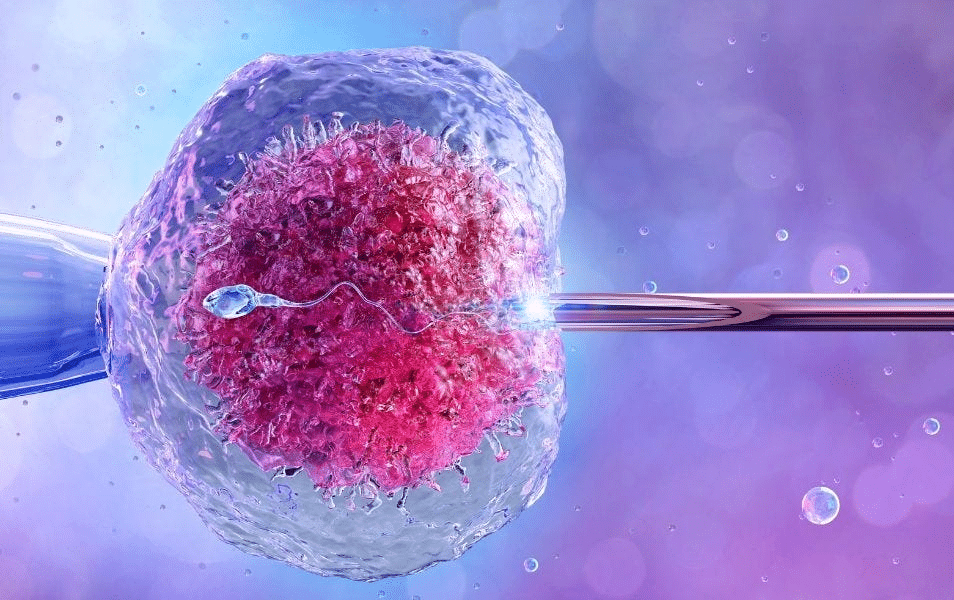
Progesterone is key for fertility and pregnancy success. It helps thicken the uterine lining, making it ready for a fertilized egg. Studies show that taking progesterone during the luteal phase can boost pregnancy chances in certain fertility treatments.Explaining how does taking progesterone increase chance pregnancy by supporting the uterine lining.
At Liv Hospital, we focus on personalized care in fertility treatments. Our approach ensures that progesterone therapy meets each patient’s unique needs. This way, we aim to increase the chances of successful pregnancies for our patients.
Key Takeaways
- Progesterone is vital for preparing the uterus for a fertilized egg.
- Luteal phase progesterone supplementation can enhance pregnancy rates.
- Personalized progesterone therapy is essential for effective fertility treatment.
- Progesterone levels are critical for keeping early pregnancy going.
- Tailored treatment plans can greatly improve fertility outcomes.
The Role of Progesterone in Fertility and Conception
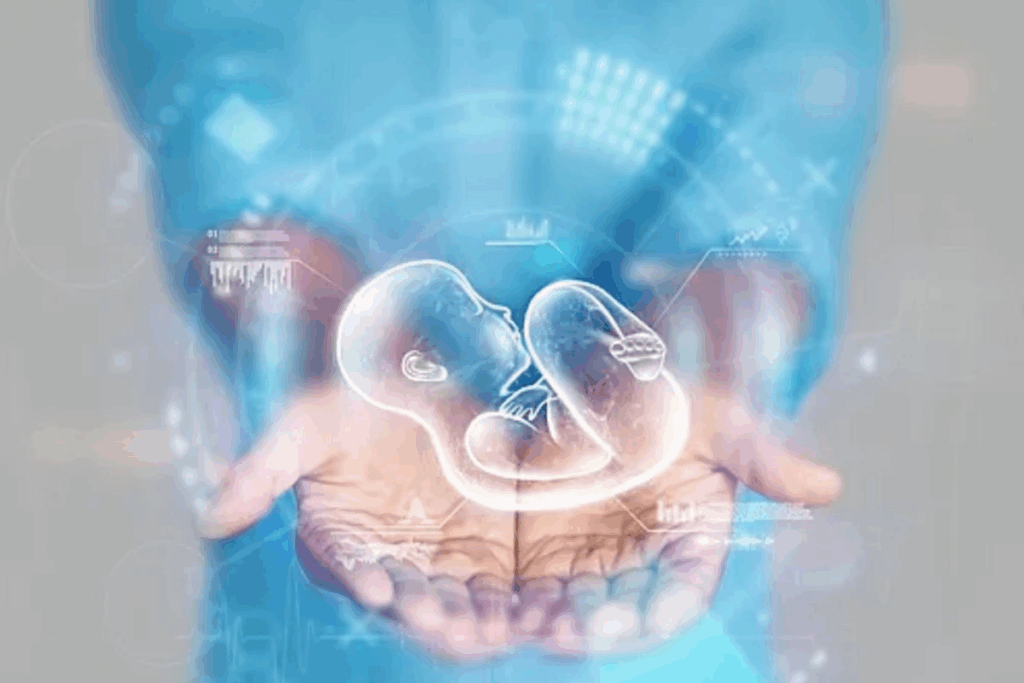
Progesterone is key in getting ready the uterine lining for implantation, a vital step in getting pregnant. This hormone has many roles in fertility, helping in the early stages of pregnancy.
Understanding the Hormone’s Natural Function
After ovulation, progesterone levels go up. This helps make the uterine lining thicker and more nourishing for a fertilized egg. This natural process is key for a successful pregnancy. We’ll see how this hormone aids in embryo development and keeps early pregnancy going.
How Progesterone Supports Early Pregnancy
In early pregnancy, progesterone keeps the uterine lining thick and supportive for the growing embryo. This support is vital for the embryo’s growth and development. Women who struggle to keep a healthy pregnancy often take progesterone supplements.
- Progesterone helps prepare the uterine lining for implantation.
- It supports the embryo’s development in early pregnancy.
- Progesterone levels are key for a healthy pregnancy.
Understanding progesterone’s natural role and its support in early pregnancy shows its importance in fertility and conception.
Does Taking Progesterone Increase Chance of Pregnancy? The Scientific Evidence
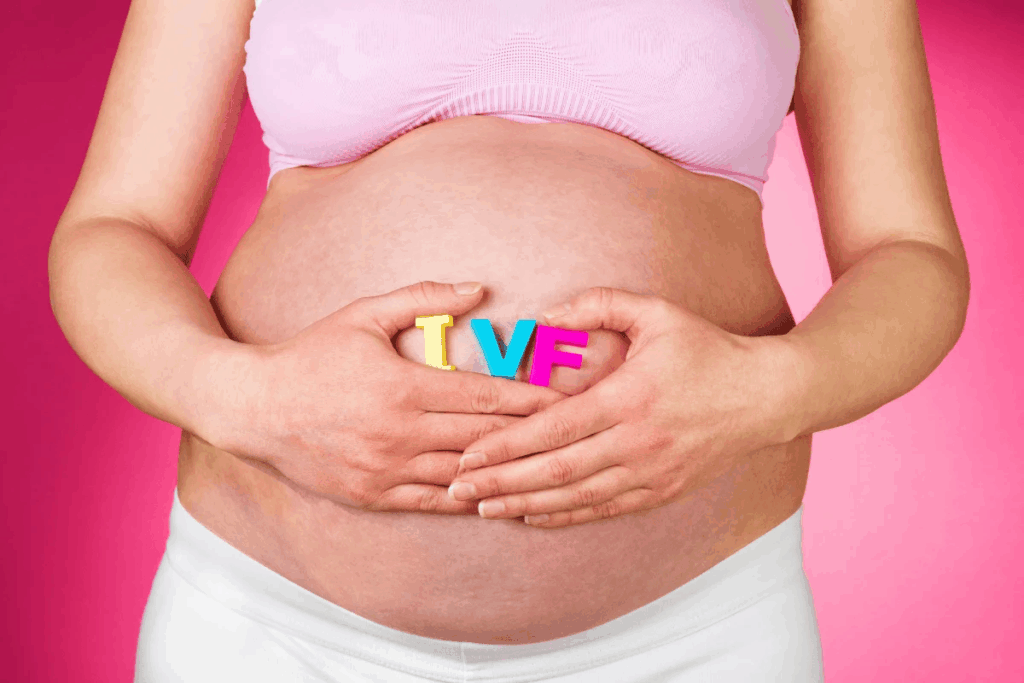
Research on progesterone has shown it can help with pregnancy in certain cases. It prepares the uterus for implantation and supports early pregnancy. Looking at the science helps us understand how it can boost pregnancy chances.
Research on Luteal Phase Supplementation
The luteal phase is key for implantation and early growth. Progesterone levels rise during this time to support the uterus. But, some women might not have enough progesterone for a pregnancy.
Luteal phase supplementation with progesterone has been studied a lot. It can help improve pregnancy rates, mainly in women with low progesterone levels.
- Progesterone makes the uterine lining thicker, better for implantation.
- It supports early embryonic growth.
- Studies show it can greatly increase pregnancy rates.
Clinical Studies and Success Rates
Many studies have looked into progesterone’s role in pregnancy. They’ve covered different fertility treatments like IVF and IUI.
A big study found that progesterone during the luteal phase boosts pregnancy rates in IVF. Success rates depend on the treatment, dosage, and patient factors.
- Progesterone helps a lot in cases of luteal phase deficiency.
- The best dosage and method can vary by patient.
- It’s usually kept up until the placenta can take over, around 8-10 weeks.
Progesterone, mainly in the luteal phase, can greatly improve pregnancy chances in certain treatments. Always talk to a healthcare provider about the right progesterone plan for you.
When Progesterone Supplementation Is Most Beneficial
Progesterone supplements are great for women trying to get pregnant or who keep losing pregnancies. This hormone helps the uterus get ready for a fertilized egg and supports early pregnancy. Knowing when to use progesterone supplements can help women choose the best fertility treatments.
For Women Undergoing Fertility Treatments
Women trying In Vitro Fertilization (IVF) or Intrauterine Insemination (IUI) can really benefit from progesterone. Studies show that it can boost pregnancy chances by helping the uterus get ready for the egg.
Our team has seen how progesterone helps women with IVF. It supports the luteal phase, making it easier for the egg to implant and grow.
Fertility Treatment | Benefit of Progesterone Supplementation |
IVF | Supports luteal phase and enhances endometrial receptivity |
IUI | Improves pregnancy rates by supporting early pregnancy |
For Women with Recurrent Pregnancy Loss
Women who keep losing pregnancies might also get help from progesterone. Research finds that it can lower the risk of miscarriage by supporting early pregnancy.
Progesterone is very helpful for women who keep losing pregnancies because of luteal phase issues. It gives them a better chance of having a baby.
For Women with Luteal Phase Defects
Luteal phase defects happen when the corpus luteum doesn’t make enough progesterone. Women with this issue can get help from progesterone supplements. It supports the luteal phase and boosts chances of getting pregnant.
Progesterone helps make the uterus ready for the egg by thickening the lining and supporting the growing embryo. It helps women with luteal phase defects have a better chance of a successful pregnancy.
Optimal Timing: Taking Progesterone After Ovulation
Knowing when to take progesterone is key for women trying to get pregnant. Progesterone levels go up after ovulation. This helps get the uterus ready for a fertilized egg.
Starting progesterone after ovulation is important. It supports the luteal phase. This phase is key for implantation and early pregnancy.
The Critical Importance of the Luteal Phase
The luteal phase is a vital part of the menstrual cycle. It comes after ovulation. Progesterone makes the uterine lining thick, ready for implantation.
“Progesterone is essential for maintaining the pregnancy,” it supports implantation and early embryo growth.
The luteal phase lasts about 14 days. Without enough progesterone, conceiving or keeping a pregnancy can be hard. So, taking progesterone after ovulation can help.
When to Start Progesterone Supplementation
The best time to start progesterone is after ovulation, around day 14-16 of a 28-day cycle. This supports the luteal phase and helps with implantation.
It’s important to talk to a healthcare provider. They can figure out the best time for you based on your fertility and cycle.
What Happens If You Take Progesterone Too Early
Progesterone too early can cause problems. It might mess with ovulation or change hormone levels. This can hurt your chances of getting pregnant.
Potential risks of early progesterone supplementation include:
- Disruption of normal ovulation
- Altered cervical mucus production
- Changes in the uterine environment
Always check with a healthcare provider. They can help find the best time for progesterone. This way, you get the most benefits with the least risks.
Progesterone Dosage and Administration Methods
Knowing how to take progesterone is key for women trying to get pregnant. It’s a big part of fertility treatments. The way you take it can really affect how well it works.
Progesterone can be taken in different ways, each with its own good and bad points. What method you choose depends on your health, the fertility issue, and your doctor’s advice.
Vaginal Progesterone (200mg Twice Daily)
Vaginal progesterone is a common choice, given at 200mg twice a day. It’s great because it goes straight to the uterus. This can help a lot with implantation and early pregnancy.
The good things about vaginal progesterone are:
- It’s very effective in the uterus
- It has fewer side effects than taking pills
- It goes right to where it’s needed
Women using progesterone 200 mg vaginally might have a better chance of getting pregnant. This is because the hormone works directly on the uterus.
Oral Progesterone Options (Including Prometrium)
Oral progesterone, like Prometrium, is another choice. It might not work as well as vaginal progesterone in the uterus. But it can help with fertility too.
Important things to know about oral progesterone are:
- Prometrium is a special kind of progesterone for fertility.
- It might cause more side effects than vaginal progesterone.
- Your doctor will help figure out the right dose and timing for you.
Injectable Progesterone
Injectable progesterone is less common for fertility support. It’s given as shots in the muscle.
Things to think about with injectable progesterone are:
- It can cause more side effects because it goes into the bloodstream.
- You’ll need to see your doctor more often for shots.
- It might be an option if other methods don’t work.
In short, picking how to take progesterone depends on many things. It’s about what you need and what your doctor suggests. Knowing your options can help you make the best choice for your fertility journey, including if you can get pregnant while taking progesterone pills.
How Progesterone Improves Endometrial Receptivity
Progesterone helps make the endometrium ready for an embryo. It prepares the uterus for a growing embryo. This hormone is key in getting the uterus ready.
Creating an Optimal Environment for Implantation
The endometrium changes a lot with progesterone. It becomes ready for an embryo to implant. Progesterone makes the endometrium thicker, helping the embryo stick better.
When progesterone levels go up, the endometrium gets ready for implantation. It changes its genes and proteins to help the embryo attach.
Endometrial Changes During Supplementation
Progesterone makes several important changes in the endometrium. These include:
- Increased thickness and receptivity of the endometrial lining
- Enhanced expression of genes involved in implantation
- Improved vascularization and blood flow to the endometrium
These changes make implantation more likely, helping with conception.
Endometrial Change | Description | Impact on Implantation |
Increased Thickness | Progesterone causes the endometrial lining to thicken | Provides a more favorable environment for embryo attachment |
Gene Expression | Progesterone influences the expression of genes involved in implantation | Facilitates embryo-endometrium interaction |
Vascularization | Improved blood flow to the endometrium | Supports the nutritional needs of the implanting embryo |
Timeline for Endometrial Response
The time it takes for the endometrium to respond to progesterone varies. Changes can start in a few days after starting the supplement.
Knowing when the endometrium responds is key for timing embryo transfer. This can improve chances of pregnancy.
Progesterone makes the endometrium more receptive. This can greatly increase the chances of successful implantation and pregnancy.
Getting Pregnant on Progesterone: Success Stories and Statistics
Many women have gotten pregnant while taking progesterone. We’re here to share their stories and the stats that show it works. Progesterone helps women with fertility issues get pregnant.
Success Rates with Different Fertility Challenges
Studies show progesterone helps women get pregnant during fertility treatments. Women with luteal phase defects see better results with progesterone therapy.
Success Rates Comparison
Fertility Challenge | Without Progesterone | With Progesterone |
Luteal Phase Defects | 15% | 30% |
Recurrent Pregnancy Loss | 20% | 40% |
IVF Treatments | 25% | 45% |
Prometrium Pregnancy Success Rates
Prometrium, an oral progesterone, is known for its pregnancy support. Studies show it makes the uterus more receptive to implantation.
“Prometrium has been a key part of my fertility treatment, and I’m thankful for its success,” says a patient who got pregnant with Prometrium’s help.
Factors That Influence Success
Progesterone can boost pregnancy chances, but many factors affect its success. These include the reason for infertility, how and when progesterone is taken, and the patient’s health.
Healthcare providers can tailor progesterone therapy for better results. It’s important for women to work with their doctors to find the best approach for them.
Potential Side Effects and Risks of Progesterone Therapy
Progesterone therapy helps many women with fertility issues. But, it also has side effects and risks. Knowing about these is key for making smart choices.
Common Side Effects
Women on progesterone may face several side effects. These include:
- Dizziness and drowsiness
- Breast tenderness
- Mood changes, such as anxiety or depression
- Nausea and bloating
A study in a medical journal found common side effects. They were mostly mild to moderate.
“The majority of women tolerated progesterone therapy well, with few discontinuing treatment due to side effects.”
When to Consult Your Doctor
If you have severe or lasting side effects, see your doctor. Some symptoms need quick medical help, like:
- Severe allergic reactions
- Chest pain or trouble breathing
- Severe headache or vision changes
Your doctor can help manage side effects and decide the best treatment for you.
Monitoring During Treatment
Regular checks during progesterone therapy are important. They help avoid risks and quickly fix side effects. This includes:
Monitoring Aspect | Description | Frequency |
Symptom assessment | Evaluation of side effects and overall well-being | At each follow-up visit |
Hormone level checks | Measurement of progesterone levels to ensure therapeutic range | As directed by your healthcare provider |
Ultrasound examinations | Monitoring of endometrial thickness and fetal development | As necessary based on treatment plan |
By watching how you react to progesterone, your doctor can adjust your treatment. This helps you get the best results.
Conclusion: Making Informed Decisions About Progesterone and Fertility
Understanding progesterone’s role in fertility is key. Women can make smart choices about their reproductive health. Progesterone supplements can help with fertility and better pregnancy outcomes.
We’ve looked at how progesterone aids in early pregnancy. We’ve also seen the scientific backing for its use. Knowing when to take it is also important.
Women thinking about using progesterone for fertility should talk to doctors first. This ensures the treatment fits their needs. It helps avoid risks while maximizing benefits.
So, does taking progesterone help get pregnant? Yes, for many, like those with luteal phase defects or in fertility treatments. The answer is yes. Will progesterone help me get pregnant? The evidence says it can, with the right guidance from doctors. Can progesterone help you get pregnant? It does, by preparing the uterus and supporting early pregnancy.
FAQ
How long after taking progesterone will I get pregnant?
Progesterone is usually started after ovulation. How long it takes to get pregnant can vary. It depends on your fertility and how well the progesterone works.
Can you get pregnant while taking progesterone 200 mg?
Yes, you can get pregnant while taking 200 mg of progesterone. This dose helps the uterine lining get ready for implantation.
Will taking progesterone help you get pregnant?
Taking progesterone can help you get pregnant. It supports the luteal phase and makes the uterine lining ready for implantation. This is helpful for women with certain fertility issues.
Can you get pregnant while taking progesterone pills?
Yes, you can get pregnant while on progesterone pills. These pills support early pregnancy and improve chances of success.
Taking progesterone after ovulation
Taking progesterone after ovulation is common. It helps the luteal phase and prepares the uterine lining for implantation. This increases the chances of a successful pregnancy.
Does taking progesterone increase chance pregnancy?
Yes, taking progesterone can increase pregnancy chances. It’s most helpful for women with luteal phase defects or recurrent pregnancy loss. It supports implantation and early pregnancy.
What happens if you take progesterone too early?
Taking progesterone too early can upset the hormonal balance. It might also affect ovulation, which can harm fertility.
Does progesterone help you get pregnant?
Progesterone can help women get pregnant. It supports the luteal phase and makes the uterine lining ready for implantation. This is most beneficial for women with certain fertility issues.
What is the success rate of Prometrium in achieving pregnancy?
The success rate of Prometrium varies. It depends on your fertility issue and how well the progesterone works for you.
What are the possible side effects of progesterone therapy?
Side effects of progesterone therapy include dizziness, drowsiness, and breast tenderness. If you have any bad reactions, talk to your doctor.
When to start progesterone supplementation?
Start progesterone after ovulation, during the luteal phase. This helps prepare the uterine lining for implantation and boosts pregnancy chances.
References
National Center for Biotechnology Information. Evidence-Based Medical Guidance. Retrieved from https://www.ncbi.nlm.nih.gov/pmc/articles/PMC4436586/