Last Updated on November 26, 2025 by Bilal Hasdemir
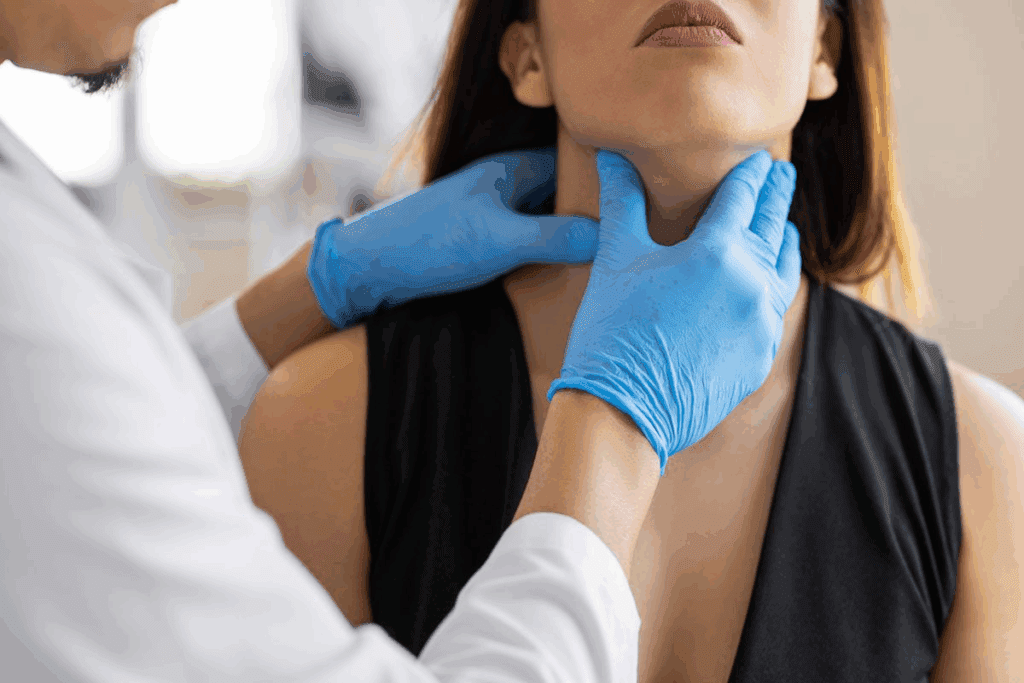
The thyroid gland plays a vital role in regulating metabolism, growth, and development. However, when nodules or cancer are present, removing or ablating the gland may be necessary. Many patients ask, does thyroid grow back after such procedures?
In most cases, the thyroid does not fully regrow once removed. However, thyroid regrowth can occur if small amounts of thyroid tissue remain after surgery or ablation. This regrowth is rare but possible. Understanding how and why it happens, along with the potential risks and symptoms, helps patients feel informed and confident about their treatment choices.
At Liv Hospital, experts guide patients through every step of thyroid care — from diagnosis to recovery — ensuring clarity on questions like does thyroid grow back and what to expect after surgery.
Key Takeaways
- Thyroid regrowth can occur after removal or ablation if thyroid tissue remains.
- The likelihood of regrowth depends on the extent of the initial surgery or ablation.
- Thyroid nodules can lead to swelling, pressure, or changes in hormone levels.
- Understanding thyroid function is key for managing regrowth.
- Patients should talk to their healthcare provider about their specific risks and recovery.
Understanding Thyroid Regrowth: The Basics
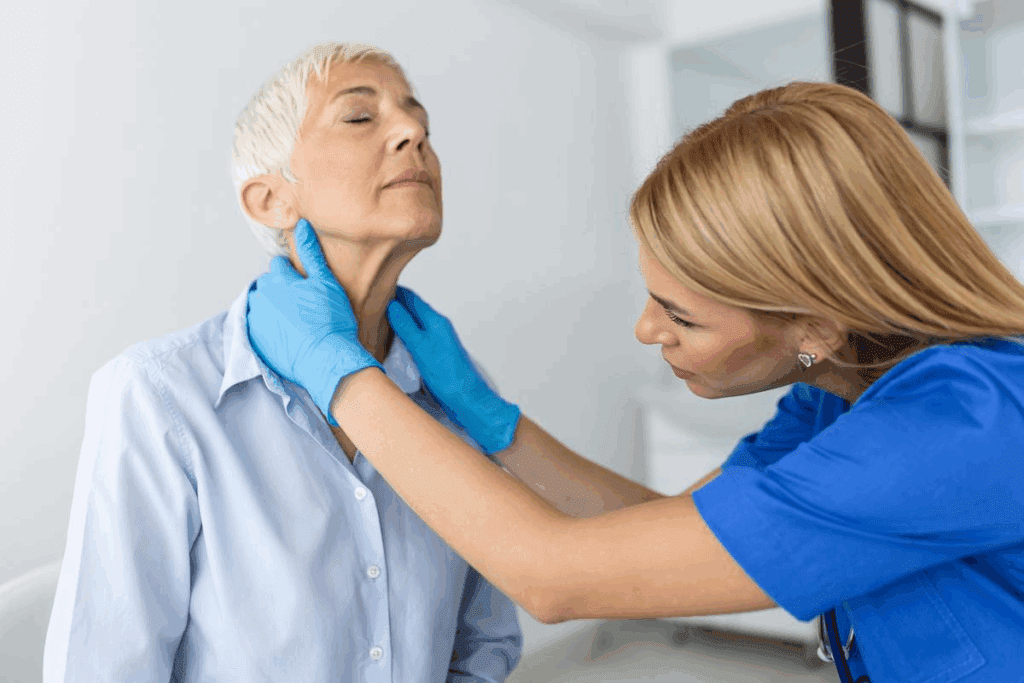
To understand thyroid regrowth, we must first know about the thyroid gland. It’s a key gland in the neck that makes hormones. These hormones control many body functions.
What is the Thyroid Gland and Its Function
The thyroid gland makes thyroid hormones, like triiodothyronine (T3) and thyroxine (T4). These hormones help control heart rate, blood pressure, and body temperature. They also affect metabolism and energy.
| Thyroid Hormone | Function | Impact on Body |
| Triiodothyronine (T3) | Regulates metabolism | Influences heart rate, energy levels |
| Thyroxine (T4) | Controls metabolic rate | Affects weight, body temperature |
Common Reasons for Thyroid Removal or Ablation
Thyroid removal or ablation is often needed for thyroid cancer, hyperthyroidism, and thyroid nodules. Thyroid cancer requires gland removal to stop cancer spread. Hyperthyroidism might need ablation to lower hormone levels. Thyroid nodules, even if benign, can be removed if they cause discomfort.
Doctors decide on gland removal or ablation after careful evaluation. Knowing why this is done helps us understand thyroid regrowth.
Does Thyroid Grow Back? The Science Behind Regrowth
Thyroid regrowth is a fascinating process where thyroid tissue grows back after removal. The thyroid gland is key in controlling metabolism, growth, and development. Knowing how thyroid regrowth works is important for those who have had their thyroid removed or ablated.
The ability of the thyroid gland to grow back is due to progenitor cells and growth factors. Progenitor cells can turn into different types of cells, including thyroid cells. Growth factors are proteins that help cells grow and multiply.
Prevalence of Thyroid Tissue Regeneration
Research shows that thyroid tissue regeneration is common. Studies found that many patients who had part of their thyroid removed or used radioactive iodine to ablate it see their thyroid grow back.
A study in the Journal of Clinical Endocrinology and Metabolism found that about 40% of patients who had part of their thyroid removed saw it grow back. Another study in the Thyroid journal found that 25% of patients who used radioactive iodine to ablate their thyroid saw it grow back.
| Study | Procedure | Regrowth Rate |
| Journal of Clinical Endocrinology and Metabolism | Partial Thyroidectomy | 40% |
| Thyroid journal | Radioactive Iodine Ablation | 25% |
Documented Cases of Thyroid Regrowth
Many documented cases of thyroid regrowth have been reported. These cases show how different people can experience regrowth in different ways.
A case in the Journal of Thyroid Research told of a patient whose thyroid grew back after part of it was removed. The patient’s thyroid hormone levels got back to normal, and they felt fine.
In conclusion, thyroid regrowth is a complex process influenced by many factors, like progenitor cells and growth factors. Knowing about thyroid regrowth can help patients and doctors understand it better.
Mechanisms of Thyroid Tissue Regeneration
Understanding how thyroid tissue regenerates is key to managing thyroid health. This process is complex, involving many cellular and molecular steps.
Role of Progenitor Cells in Thyroid Regrowth
Progenitor cells are vital in regrowing thyroid tissue. They can turn into thyroid follicular cells, helping restore thyroid function. Studies show these cells are activated when thyroid tissue is lost, aiding in regrowth.
- Progenitor cells differentiate into thyroid follicular cells.
- They are activated in response to thyroid tissue loss.
- Their role is critical for restoring thyroid function.
Growth Factors That Stimulate Thyroid Regeneration
Growth factors are important for thyroid regeneration. They help cells grow and differentiate. Epidermal growth factor (EGF) and fibroblast growth factor (FGF) are examples. They are essential for the regeneration process.
“Growth factors play a vital role in thyroid tissue regeneration by promoting cell growth and differentiation.”
How Elevated TSH Levels Influence Regrowth
Elevated TSH levels play a big role in thyroid regrowth. They stimulate thyroid cell growth. High TSH levels tell the thyroid gland to make more hormones, driving regeneration.
Key points to consider:
- Elevated TSH levels stimulate thyroid cell proliferation.
- High TSH levels drive the regeneration process.
Complete vs. Partial Thyroid Procedures
Understanding the difference between complete and partial thyroid surgery is key. The choice depends on the thyroid condition, gland involvement, and the patient’s health. It’s a decision that affects both patients and healthcare providers.
Total Thyroidectomy and Regrowth Possibilities
A total thyroidectomy removes the whole thyroid gland. It’s often chosen for thyroid cancer or severe hyperthyroidism. The chance of thyroid regrowth is low because the gland is fully removed.
Partial Thyroidectomy and Remnant Tissue Activation
A partial thyroidectomy removes only the affected part of the gland. It leaves healthy tissue behind. This method is used for benign nodules or localized cancer.
The remnant tissue can grow back. This can lead to thyroid function issues again.
Having remnant tissue has both good and bad sides. It can help with thyroid function, reducing the need for hormone replacement. But, it also raises the risk of thyroid problems coming back. This means ongoing care and monitoring are needed.
Radioactive Iodine Ablation and Its Limitations
Radioactive iodine ablation is a common treatment for destroying thyroid tissue. But, it doesn’t always remove all thyroid cells. This method uses radioactive iodine to target and destroy thyroid cells, mainly those left after surgery.
Mechanism of Radioactive Iodine Treatment
The treatment works by using the thyroid gland’s natural iodine uptake. When radioactive iodine is given, thyroid cells absorb it. This delivers a dose of radiation that kills the thyroid tissue. It’s very effective for treating thyroid cancer and hyperthyroidism by reducing thyroid tissue.
Key aspects of radioactive iodine treatment include:
- Targeted destruction of thyroid cells
- Effective for thyroid cancer and hyperthyroidism treatment
- Localized radiation minimizing damage to other tissues
Why Some Tissue May Survive Ablation
Even with its success, some thyroid tissue might not be destroyed by radioactive iodine ablation. Several factors can lead to this, like the treatment dose, ectopic thyroid tissue, and how sensitive thyroid cells are to radiation.
Reasons for tissue survival include:
- Insufficient dose of radioactive iodine
- Presence of ectopic thyroid tissue not targeted by the treatment
- Variable sensitivity of thyroid cells to radiation
In summary, radioactive iodine ablation is a strong tool for thyroid management. But, some thyroid tissue might survive and even grow back. Knowing how this treatment works and its limits is key for managing patient care and expectations.
Risk Factors for Thyroid Regrowth
Several factors can affect the chance of thyroid tissue growing back after surgery or treatment with radioactive iodine. Knowing these factors helps doctors give better care and watch for regrowth.
Age as a Factor in Thyroid Regeneration
Studies show that younger individuals are more likely to see their thyroid grow back. As people get older, their bodies can’t regrow tissues as well. A study in the Journal of Clinical Endocrinology and Metabolism found that those under 30 are more likely to see their thyroid grow back.
“The younger the patient, the higher the likelihood of thyroid tissue regeneration.”
– Journal of Clinical Endocrinology and Metabolism
Autoimmune Conditions and Regrowth Risk
People with autoimmune thyroiditis, like Hashimoto’s thyroiditis, face a higher risk of thyroid regrowth. Autoimmune diseases can make the thyroid gland work harder, leading to regrowth. It’s important for doctors to keep a close eye on these patients for signs of regrowth.
| Autoimmune Condition | Risk Level for Regrowth |
| Hashimoto’s Thyroiditis | High |
| Graves’ Disease | Moderate |
Ectopic Thyroid Tissue and Regrowth Potencial
Ectopic thyroid tissue, found outside the usual thyroid spot, can also lead to regrowth. This tissue can be in places like the tongue, lymph nodes, and lungs. Finding ectopic thyroid tissue makes it harder to tell if regrowth is happening and needs careful watching.
In summary, knowing the risks for thyroid regrowth is key for good patient care. These risks include age, autoimmune conditions, and ectopic thyroid tissue. Doctors should be aware of these to give the best care and watch for regrowth.
Clinical Signs of Thyroid Regrowth
Thyroid regrowth shows itself in different ways that need quick medical help. Spotting these signs early is key for good care and treatment. These signs fall into two main groups: physical symptoms and lab findings.
Physical Symptoms of Regenerating Thyroid Tissue
Physical signs of thyroid growth include swelling in the neck, pain, and voice or swallowing changes. These happen because the growing thyroid tissue presses or hurts nearby areas.
Laboratory Findings Indicating Regrowth
Labs are vital for spotting thyroid regrowth. Changes in T3 and T4 levels and high TSH levels hint at regrowth. Keeping an eye on these hormone levels is key for catching it early.
| Laboratory Test | Normal Range | Indications of Regrowth |
| TSH | 0.4-4.0 mIU/L | Elevated levels |
| T3 | 80-180 ng/dL | Changes in levels |
| T4 | 4.5-12.0 μg/dL | Changes in levels |
Monitoring After Thyroid Procedures
Follow-up care after thyroid surgery or ablation is very important. It helps catch any problems early, like thyroid tissue growing back. A good follow-up plan is key to keeping the patient healthy.
Recommended Follow-up Schedule
Patients should stick to a follow-up plan after thyroid removal or ablation. They’ll see their healthcare provider regularly. This is to check their health and watch for any signs of thyroid growth.
The number of visits can change based on the patient’s health and the surgery details. Usually, visits are every 6 to 12 months. At these times, the doctor might do physical checks and order tests if needed.
Imaging and Blood Tests for Detecting Regrowth
Imaging and blood tests are key in spotting thyroid growth after surgery. Ultrasound is often used to check the thyroid area for any growth. Thyroglobulin blood tests also help find thyroid tissue, showing if it’s growing back.
For those who had their thyroid removed, blood tests for thyroglobulin are very helpful. High levels mean thyroid tissue might be present. This calls for more tests, like ultrasounds, to confirm.
Managing Post-Ablative Hypothyroidism
Managing post-ablative hypothyroidism is key for those who’ve had their thyroid removed or ablated. Hypothyroidism happens when the thyroid gland doesn’t make enough thyroid hormones. These hormones are vital for our body’s functions.
Patients usually need hormone replacement therapy after thyroid removal or ablation. This therapy uses synthetic thyroid hormones to replace what’s missing.
Hormone Replacement Therapy After Thyroid Removal
Hormone replacement therapy is a common treatment for hypothyroidism after thyroid removal or ablation. It aims to bring thyroid hormone levels back to normal. This helps ease symptoms and improves life quality.
The main medication used is levothyroxine (T4). It gets turned into triiodothyronine (T3) in our bodies. Regular monitoring of hormone levels is key to adjust the dosage right.
Adjusting Treatment When Regrowth Occurs
If thyroid tissue grows back, treatment might need to change. This regrowth can affect how much thyroid hormone is made, requiring adjustments in therapy.
It’s important to watch for regrowth with imaging and blood tests. If regrowth is found, doctors might need to tweak the hormone replacement therapy or explore other options.
Patients should stay in close touch with their healthcare providers. This is to manage post-ablative hypothyroidism well and adjust treatment plans as needed.
Advanced Treatment Approaches for Recurrent Thyroid Tissue
Dealing with recurrent thyroid tissue requires advanced treatments. These are chosen based on the patient’s needs. The decision between surgery and non-surgical methods depends on several factors.
Surgical Options for Regrown Thyroid Tissue
Surgery is often the choice for significant thyroid regrowth. This is true, even if there’s a chance of cancer. Revision surgery is more complex than the first surgery. This is because of the changed anatomy and scarring from before.
| Surgical Approach | Indications | Benefits |
| Revision Thyroidectomy | Suspected or confirmed malignancy, significant regrowth | Removal of potentially malignant tissue, reduction of recurrence risk |
| Lymph Node Dissection | Cancer spread to lymph nodes | Removal of cancerous lymph nodes, staging accuracy |
Non-Surgical Interventions for Thyroid Regrowth
For some, non-surgical treatments are better. They focus on managing symptoms and possibly reducing thyroid tissue growth. Radioactive iodine therapy is a common non-surgical option for thyroid cancer.
Monitoring and follow-up are key in managing recurrent thyroid tissue. No matter the treatment, regular check-ups and tests are vital. They help catch any changes early, allowing for quick action.
Conclusion
Thyroid regrowth is influenced by many factors. These include the type of thyroid procedure, autoimmune conditions, and progenitor cells. It’s key for patients who have had their thyroid removed or ablated to understand these.
Thyroid tissue can grow back, which changes how we care for patients. Total thyroidectomy and radioactive iodine ablation are common procedures. They can affect how likely regrowth is.
Thyroid regrowth is not simple. Its chance depends on many things. Patients should keep in touch with their doctors to watch for signs of regrowth. They should also change their treatment plans if needed.
Understanding thyroid regrowth helps both patients and doctors. It makes managing thyroid disease easier. Together, they can find better ways to handle the condition.
FAQ
Can your thyroid gland grow back after being removed?
Yes, sometimes thyroid tissue can grow back after it’s removed. This depends on the method used and individual factors.
What is post-ablative hypothyroidism?
Post-ablative hypothyroidism is when your thyroid gland doesn’t work right after treatments like radioactive iodine or surgery.
How common is thyroid regrowth after radioactive iodine treatment?
Thyroid regrowth after radioactive iodine treatment can happen. But, how often it does depends on several things, like the treatment dose and if there’s leftover thyroid tissue.
Can thyroid tissue regrow after total thyroidectomy?
Even with total thyroidectomy, thyroid tissue can sometimes grow back. This might be because of tiny leftover tissue or thyroid tissue in other places.
What are the risk factors for thyroid regrowth?
Younger age, having autoimmune conditions, and thyroid tissue in other places are risk factors for thyroid regrowth.
How is thyroid regrowth detected?
Doctors use physical checks, ultrasound, and blood tests to find thyroid regrowth. These tests check thyroid function and thyroglobulin levels.
What are the symptoms of regrowing thyroid tissue?
Signs of thyroid regrowth include feeling hyperthyroid again, neck swelling, or discomfort. Some cases might not show symptoms at all.
How is post-ablative hypothyroidism managed?
Doctors treat post-ablative hypothyroidism with hormone replacement therapy. They might adjust the treatment if thyroid tissue grows back.
Can thyroid regrowth be treated?
Yes, thyroid regrowth can be treated. Doctors might remove the tissue surgically or use non-surgical methods like radioactive iodine.
Why did my thyroid grow back after radioactive iodine treatment?
Thyroid tissue might come back if some cells survive the treatment. This could be because of not using enough radioactive iodine or having resistant cells.
Is thyroid regrowth a common complication after thyroid surgery?
Thyroid regrowth is a possible complication after thyroid surgery. How likely it is depends on the surgery type and individual factors.
Can ectopic thyroid tissue contribute to regrowth?
Yes, ectopic thyroid tissue can lead to regrowth. It might not be fully removed during surgery or not affected by radioactive iodine treatment.
References
- Dahmiwal, T., et al. (2024). Dietary considerations in cholecystectomy. Journal of Gastrointestinal Surgery, 28(5), 345-350. Retrieved from