Many women wonder if wearing a bra prevent sagging. The link between bra wearing and breast sagging is a long-standing debate.
Some think going braless might cause sagging. But, the truth is not simple. Studies have shown mixed results, leaving many questions.
It’s important to know if wearing a bra can prevent breast sagging. This knowledge helps women keep their breasts firm.
Key Takeaways
- The debate surrounding bra wearing and breast sagging is ongoing.
- Research findings on the topic are mixed.
- Understanding the relationship between bra wearing and breast sagging is essential.
- Facts about bra wearing and breast sagging are not straightforward.
- Women’s concerns about breast sagging are valid.
Understanding Breast Anatomy and Natural Changes
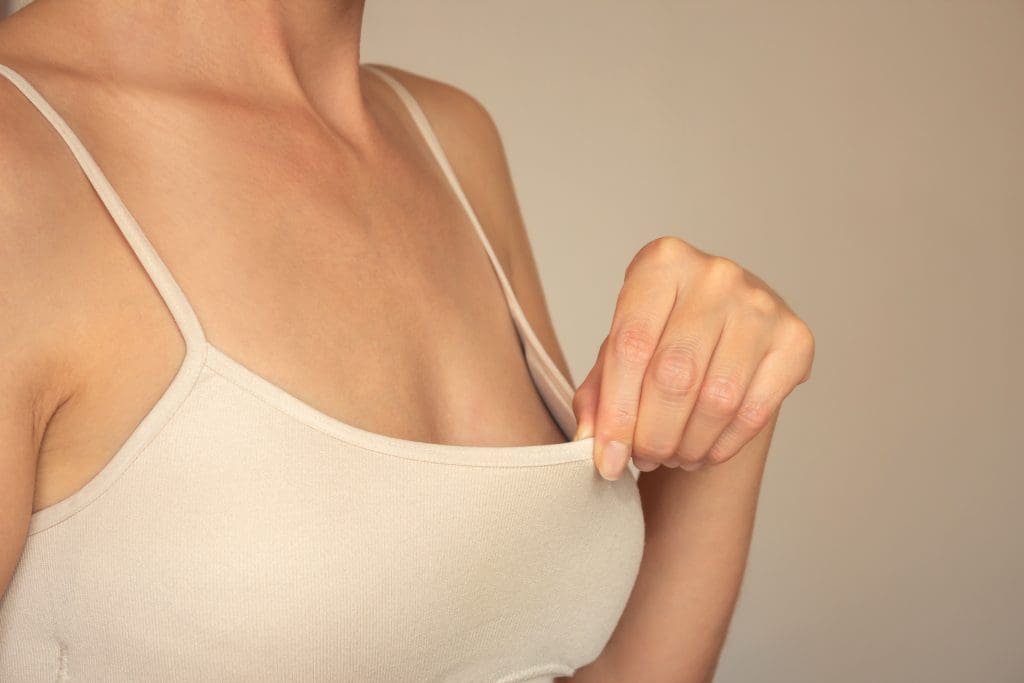
It’s important to know about breast anatomy and how it changes naturally. Breasts are made of different tissues, and these change over time. This is due to various factors.
Breast Tissue Composition
Breast tissue mainly has glandular, fatty, and connective tissue. Glandular tissue makes milk during lactation. Fatty tissue shapes and sizes the breast. Connective tissue, like ligaments, supports the breast.
“The breast is a dynamic organ that undergoes significant changes throughout a woman’s life,” says a leading expert in breast health. “These changes can affect the appearance and firmness of the breasts.”
Natural Aging Process of Breasts
As women age, their breasts naturally change. The glandular tissue decreases, and fatty tissue increases. This, along with gravity and skin stretching, can cause breasts to sag.
The aging process of breasts involves several changes:
- Reduction in glandular tissue
- Increase in fatty tissue
- Stretching of skin and Cooper’s ligaments
- Potential loss of breast firmness and elasticity
A study in the Journal of Breast Health found, “The aging process affects the composition and structure of breast tissue, leading to changes in breast appearance and potentially contributing to sagging.”
Knowing these natural changes helps in making informed decisions about breast health. While some sagging is normal with age, understanding these factors can help women take steps to keep their breasts healthy and looking good.
What Causes Breast Sagging?
Many things can cause breast sagging, including genetics, hormones, and lifestyle. Knowing what causes it is key for keeping breasts firm and healthy.
Genetic Factors
Genetics greatly affect breast shape, size, and firmness. If your family has a history of sagging breasts, you might too. Genetic predisposition can make some breasts more likely to sag.
Hormonal Influences
Hormones change a lot in a woman’s life, affecting her breasts. Changes in estrogen during puberty, menstruation, pregnancy, and menopause can make breasts sag.
Weight Fluctuations
Big changes in weight can also cause breasts to sag. When you gain weight, breasts get bigger. Losing weight can leave the skin loose. Keeping a steady weight can help prevent this.
Pregnancy and Breastfeeding
Pregnancy and breastfeeding can also make breasts sag. During pregnancy, breasts grow, and after breastfeeding, they might not go back to normal. Wearing the right support during these times is advised.
| Factor | Description | Impact on Breast Sagging |
| Genetic Factors | Influence breast tissue elasticity and strength | High |
| Hormonal Influences | Affect breast tissue firmness and density | Moderate to High |
| Weight Fluctuations | Cause breast tissue to expand and contract | High |
| Pregnancy and Breastfeeding | Lead to breast enlargement and tissue stretching | Moderate to High |
Knowing about these factors can help women take better care of their breasts. This might reduce the chance of them sagging.
The Science Behind Breast Support
The science of breast support involves gravity, mechanical forces, and tissue elasticity. Knowing these factors helps us see how bras can stop or slow down breast sagging.
Gravity’s Effect on Breast Tissue
Gravity pulls on breast tissue, making it sag over time. This effect changes from person to person, based on their breast tissue and body shape. Breast tissue follows the laws of physics, making gravity a big factor in sagging.
Mechanical Forces During Movement
Mechanical forces, like those from running or jumping, also affect breast sagging. These movements make breasts bounce, putting strain on the tissue and its support. A good bra can lessen these forces, giving more support and lowering sagging risks.
Tissue Elasticity and Stretching
Breast tissue elasticity is key in support. The skin and Cooper’s ligaments, which naturally support the breasts, can stretch with age, weight changes, and pregnancy. Knowing about tissue elasticity helps us see how bras can support and possibly prevent sagging.
Notable Research Studies on Bras and Breast Support
Many studies have looked into how bras affect breast support. They’ve tried to understand if bras cause breast sagging. This topic has sparked a lot of debate.
The French Study Controversy
The French study is often talked about in the bra and breast sagging debate. It claimed that wearing a bra could weaken the breast’s natural support. But, some scientists question its findings.
Criticisms of the French study include doubts about its methods and sample size. Yet, it’s a key part of the bra and breast health discussion.
University Research Findings
University studies have looked into how bras affect breast support. They’ve studied how different bras impact breast movement and support during exercise. For example, sports bras can greatly reduce breast movement, which might help prevent sagging.
Other studies have looked at the long-term effects of bra wearing on breast tissue. Some say bras are essential for support, while others find little benefit in preventing sagging.
Limitations of Current Research
Even with valuable insights, current research has big limitations. Many studies have small samples or methodological issues. Also, the variety in bra designs and wear makes it hard to draw general conclusions.
Future research needs to improve by using better methods and larger, more varied groups. This will help scientists give clearer answers about bras and breast support.
Expert Opinions: What Doctors and Specialists Say
Doctors and specialists have different views on bras and breast sagging. Some say bras help, while others think they’re not needed.
Medical Perspectives
Many agree that bras offer temporary support, mainly during exercise. A leading breast specialist, says, “A good bra can greatly support breasts, mainly for those with bigger busts.”
But, some doctors don’t think bras are key to stopping sagging. A renowned expert in breast health, believes, “Our bodies, including breasts, are meant to move. Relying too much on bras might not solve sagging problems.”
Disagreements in the Medical Community
The medical world is split on bras and sagging. Some say bras don’t really help in the long run because skin and ligaments support breasts.
A study in a top medical journal showed little proof that bras stop sagging. This has caused doctors to have different views, with some pushing for a more detailed approach to support.
Recommendations Based on Clinical Experience
Despite the differences, many doctors suggest a balanced view. A breast surgeon, thinks, “While bras might not stop sagging, they can offer comfort and support. This is key for women with bigger breasts or who do a lot of exercise.”
Choosing to wear a bra should depend on personal comfort and lifestyle. As a plastic surgeon, says, “Women should think about their own situation and talk to doctors to find the best way to care for their breasts.”
Bras and Sagging: Separating Fact from Fiction
It’s important to know the truth about bras and breast sagging. Many myths and misconceptions have grown from the debate. This has confused many people.
Common Myths About Bra Wearing
Many myths surround bras and sagging. One myth is that bras stop breasts from sagging by providing constant support. But, research shows this might not be true. Another myth is that not wearing bras makes breasts stronger, but there’s little proof of this.
Some think certain bras, like underwire ones, are better at stopping sagging. But, the science isn’t clear. It’s key to look at the facts behind these myths.
Evidence-Based Conclusions
Studies have looked into bras and sagging, revealing some surprises. For example, a study found that bras don’t always stop sagging. It didn’t matter how often women wore them.
“The idea that wearing a bra prevents sagging is a myth. In reality, the breast tissue is supported by Cooper’s ligaments, and wearing a bra doesn’t significantly impact the elasticity of these ligaments.”
Research shows that genetics, age, and lifestyle matter more for sagging than bras. Knowing this helps women make better choices for their health.
By looking at the research and expert views, we can understand bras and sagging better. This knowledge lets women choose what’s best for their bodies and lives.
Different Types of Bras and Their Support Levels
It’s important for women to know about the different types of bras and their support levels. This knowledge helps prevent breast sagging. With so many bras out there, understanding their support levels can guide your choices.
Underwire vs. Wireless Bras
Underwire bras have a thin wire under the breast for extra support and separation. They’re great for fuller busts because they lift and separate better. Wireless bras, or soft-cup bras, give a natural shape without a wire. They’re good for smaller busts or those who like a relaxed fit.
Underwire bras are best for larger busts, but some find them uncomfortable. Wireless bras are comfy for daily wear but might not support larger busts enough.
Sports Bras and Compression
Sports bras are made for women who are active. They offer high support and compression to keep breasts stable during exercise. Compression sports bras press the breasts against the chest, reducing movement.
The compression level varies among sports bras, with some being more supportive than others.
Bralettes and Minimal Support Options
Bralettes are soft, lightweight bras that offer little support. They’re often worn for comfort or as a fashion statement. While they’re not good for high-impact activities or larger busts, they’re comfy for everyday wear.
Bralettes are perfect for smaller busts or as a layering piece. But, they don’t have enough support for active women or those with fuller busts.
Specialized Bras for Sagging Prevention
Some bras are made to prevent sagging. They might have extra support features like additional straps or bands. These help spread the weight of the breasts evenly.
When picking a bra to prevent sagging, look for one with good support and a comfortable fit. Also, choose high-quality materials that keep their shape well.
Sleeping in a Bra: Does It Help Prevent Sagging?
Many women sleep in a bra, but does it stop breasts from sagging? Some say it offers extra support. Others think it’s not needed.
Nighttime Support Theories
Some believe wearing a bra at night keeps breasts firm. They say it reduces movement and offers constant support. But, there’s not much science to prove this.
Supporters think a bra keeps breasts stable, fighting gravity’s pull. Critics say breasts need to “breathe” and constant support might harm them.
Potential Benefits and Drawbacks
Wearing a bra at night has both good and bad sides. It might give extra support and make sleeping more comfortable. But, it could also cause irritation or discomfort if it’s too tight or not made for sleep.
Potential Benefits:
- More support at night
- Less breast movement
- Could be more comfortable
Potential Drawbacks:
- It might be uncomfortable or cause irritation
- There’s little scientific proof it works
- It could restrict breast tissue
Sleep Bra Recommendations
If you sleep in a bra, picking the right one is key. Sleep bras are made to be comfy and offer gentle support without being too tight.
| Bra Type | Features | Benefits |
| Soft Cup Bra | Soft, breathable fabric; minimal support | Comfortable for sensitive skin |
| Wireless Sleep Bra | No underwire; designed for comfort | Reduces irritation risk |
| Sports Sleep Bra | Moisture-wicking; moderate support | Ideal for active sleepers |
Whether sleeping in a bra stops sagging depends on many things. These include your breast type, bra fit, and how comfortable you are. Some might find it helpful, while others won’t see a big difference.
The Impact of Bra Fit on Breast Health
Breast health is closely tied to bra fit. A good fit prevents sagging and discomfort. It also keeps breast tissue healthy.
Signs of Poor Bra Fit
A bad bra fit shows in many ways, like:
- Straps digging into the shoulders
- A band that rides up the back
- Cups that are too tight or too loose
- Overflow of breast tissue
- Gapping between the cups
These signs mean the bra isn’t supporting right. This can cause discomfort, pain, and long-term health problems.
How Proper Fit Affects Support
A bra that fits right supports well. It lessens strain on breast tissue and muscles. This support is key for:
- Minimizing breast movement during physical activity
- Distributing the weight of the breasts evenly
- Preventing strain on the shoulders and back
Getting a proper fit boosts breast health and comfort a lot.
Professional Fitting Recommendations
Getting a professional bra fitting is a good idea. Experts can help with:
- Determining the correct bra size
- Selecting the most suitable bra style for individual needs
- Adjusting the bra for optimal comfort and support
Professional fitters can find the best bras for you. This improves breast health and boosts confidence.
Key Takeaways: A well-fitting bra is key for breast health. Getting a professional fitting can greatly improve comfort and support.
Natural Methods to Maintain Breast Firmness
There are many natural ways to keep breasts firm. Doing exercises, taking care of your skin, and eating right can make breasts healthier and firmer.
Targeted Exercises for Chest Muscles
Exercises that make the pectoral muscles stronger can help breasts stay firm. Some good exercises are:
- Push-ups
- Chest presses
- Pec deck exercises
These exercises make the muscles under the breasts stronger. They also make the chest look better. Doing these exercises regularly can make breasts look firmer over time.
Skin Care and Collagen Support
Good skin care is key for firm breasts. Collagen production is important for skin that stretches well. Using creams and serums with collagen and vitamins helps keep the skin healthy.
Look for products with:
- Retinol
- Vitamin C
- Hyaluronic acid
Nutrition for Breast Health
Eating a balanced diet is good for breast health. Foods full of antioxidants, like berries and leafy greens, protect breast tissue. Drinking plenty of water also helps keep the skin elastic and breasts healthy.
| Nutrient | Benefit | Food Sources |
| Vitamin C | Boosts collagen production | Citrus fruits, strawberries |
| Omega-3 fatty acids | Reduces inflammation | Salmon, walnuts |
| Antioxidants | Protects breast tissue | Berries, leafy greens |
By adding these natural methods to your daily life, you can help keep your breasts firm.
Age-Related Changes and Appropriate Support Solutions
As women age, their breast tissue changes, needing different bra support. Each life stage brings new needs for bra support. It’s key to pick the right bra for your age.
Support Needs in Your 20s and 30s
In the 20s and 30s, hormonal shifts, pregnancy, or weight changes affect breast density. A good bra is vital for support. Look for:
- Adjustable straps for a customizable fit
- Breathable fabrics to prevent irritation
- Adequate cup size to accommodate breast tissue
Active women should wear sports bras during exercise. They help reduce breast movement and offer extra support.
Support Needs in Your 40s and 50s
In the 40s and 50s, gravity and aging cause breasts to sag. Bras with underwire or made for mature breasts are best. Consider:
- Bras with wider straps to distribute the weight more evenly
- Soft, comfortable fabrics that don’t dig or chafe
- Supportive designs that help counteract sagging
Support Needs After Menopause
After menopause, estrogen loss changes breast density and causes more sagging. Look for bras that support gently without being too tight. Features to look for:
- Soft, stretchy materials for comfort
- Minimal support designs that are gentle on the skin
- Ease of wear, such as front-fastening bras
Knowing how breast anatomy changes with age helps choose the right bra. This boosts comfort and confidence.
Sports, Physical Activity, and Breast Support
Playing sports and doing physical activities can change how your breasts feel. It’s important to wear the right support to stay comfortable and avoid injuries. Women who are active often find their breasts move, which can cause pain or harm if not supported right.
Impact of Exercise on Breast Tissue
Exercise can change your breast tissue in different ways. Activities like running or jumping make your breasts move a lot. This can put strain on the Cooper’s ligaments, which help hold your breasts in place.
Proper breast support during exercise is key to reduce this movement and avoid damage. The right support also helps you feel more comfortable and perform better.
Choosing the Right Sports Bra
Finding the right sports bra is very important for good breast support during exercise. You should think about the activity’s impact, your breast size and type, and what you like in terms of comfort.
- For low-impact activities, a minimal support bra may be enough.
- High-impact activities need a sports bra with maximum support to reduce breast movement.
- Look at the bra’s material and design for comfort and lasting quality.
Activity-Specific Support Recommendations
Each activity has its own needs for breast support. For example, running, which involves a lot of vertical movement, needs more support than yoga, which is lower impact.
Knowing what your activity needs helps pick the right support. Talking to a professional fitter or getting advice from athletes who do your sport can also help a lot.
Cultural Perspectives on Bras and Breast Support
The evolution of breast support is deeply intertwined with cultural norms and values.
Cultural attitudes toward bras and breast support have changed a lot over time. These changes reflect broader societal shifts. Understanding these cultural perspectives helps us see how bra wearing and breast sagging are connected.
Historical Evolution of Breast Support
Women have always sought to support their breasts across cultures. In ancient Greece and Rome, they used cloth wraps. The modern bra, though, is a more recent invention, shaped by social changes and technology.
“The bra is not just a piece of clothing; it’s a symbol of societal attitudes towards women’s bodies.”
Unknown
The early 20th century brought the first modern bras, mainly for modesty. Over time, bras have changed, showing how cultural values and women’s roles have shifted.
Modern Attitudes and the Braless Movement
Today, there’s a growing casualness about bra wearing, thanks to the braless movement. This movement is part of a larger trend towards body positivity and acceptance.
- The braless movement challenges traditional views of femininity and beauty.
- It advocates for comfort and freedom from traditional lingerie.
- It’s been influenced by social media, where women share their bra-wearing choices.
Body Positivity and Breast Acceptance
The body positivity movement has greatly influenced attitudes towards breast support and bra wearing. It encourages women to choose bras based on comfort and personal preference, not just societal pressure.
| Cultural Aspect | Historical Influence | Modern Attitude |
| Breast Support | Use of cloth wraps in ancient civilizations | Variety of bra designs for different activities |
| Bra Wearing | Modesty-focused designs in the early 20th century | Braless movement promoting comfort and freedom |
| Body Image | Societal beauty standards influencing bra design | Body positivity movement encouraging acceptance |
As cultural attitudes evolve, so will how women support their breasts. This reflects a mix of cultural norms, personal preference, and the ongoing search for comfort and confidence.
When to Consider Medical Interventions for Sagging
When simple fixes don’t work, medical help might be needed. For some, sagging breasts can really affect their life. This makes looking into medical options a good idea.
Non-Surgical Options
Non-surgical methods aim to make breasts look better without surgery. Laser therapy and radiofrequency treatments help by making skin tighter and more elastic.
These methods can help, but results vary. You might need more than one treatment. Always talk to a doctor to see what’s best for you.
Surgical Approaches
For serious sagging, surgery might be the best choice. Mastopexy, or a breast lift, can reshape and lift breasts. It can be done alone or with implants.
Choosing surgery should be a big decision. Talk to a certified plastic surgeon. They’ll help pick the right method for you, based on your sagging, tissue, and what you want.
Weighing the Risks and Benefits
Thinking about medical help for sagging breasts? It’s key to know the risks and benefits. Non-surgical methods are safer but might not change things as much. Surgery is riskier but can give better, lasting results.
- Risks include scarring, infection, and changes in nipple feeling.
- Benefits are a better-looking breast and more confidence.
Choosing medical help should be based on what’s best for you. Talking to doctors can help you make a smart choice.
Conclusion: Making Informed Decisions About Bras and Sagging
Understanding how bras affect breast sagging is key. It lets women choose the best bra for their needs. This choice is important for their breast health.
Preventing sagging requires a few things. First, finding a bra that fits right is essential. A healthy lifestyle and knowing what causes sagging also play big roles. Bras are important, but they’re not the only thing that keeps breasts healthy.
Deciding on bras and sagging is about finding a balance. It’s about what feels good, fits your lifestyle, and keeps your breasts healthy. By staying informed and adjusting as needed, women can keep their breasts looking and feeling great.
FAQ
Does wearing a bra prevent breast sagging?
Studies show mixed results, but most agree bras don’t stop sagging. Yet, a good bra can offer support and comfort.
What causes breast sagging?
Many things cause sagging, like genes, hormones, weight changes, and pregnancy. Gravity and aging also play a part.
Can bras with more support prevent sagging?
Bras with extra support, like underwire, can lift and comfort. But, there’s little proof they stop sagging.
Is it better to wear a bra to bed to prevent sagging?
Wearing a bra at night doesn’t stop sagging. Experts say avoid tight bras for better sleep and skin health.
What type of bra is best for sagging breasts?
For sagging breasts, choose a supportive bra. Look for underwire or minimizer bras with wide straps and a snug band.
Can exercise help prevent breast sagging?
Yes, exercises like push-ups and chest presses can tone muscles. This can make breasts look better.
Are there any natural methods to maintain breast firmness?
Yes, exercise, a healthy weight, and good skin care help. Vitamin C and omega-3s also support breast health.
When should I consider medical interventions for sagging?
If sagging worries you, talk to a doctor or plastic surgeon. They can discuss options like lifts or implants.
What are the benefits of a proper bra fit?
A good bra fit offers comfort, support, and looks better. It also prevents skin issues from bad fits.
Can I prevent breast sagging with a specific type of bra?
No bra type stops sagging for sure. But, a supportive and comfy bra can help.
Do compression bras really work?
Compression bras offer extra support and may help during exercise. But, their effect on sagging is debated.
How often should I get a bra fitting?
Get a bra fitting every 6-12 months. Or, when your size or shape changes, to ensure a good fit.