Last Updated on December 1, 2025 by Bilal Hasdemir

Every year, thousands of people consider donating bone marrow, a life-saving procedure for patients with blood cancer, leukemia, or other serious disorders. Understanding the process of donating bone marrow can help reduce fear and anxiety. From preparation to recovery, knowing what to expect ensures anyone donating bone marrow feels informed and confident in their decision.
But, donating bone marrow isn’t as painful as many think. Modern medicine has made it less painful and easier to do.
This article will clear up what it’s like to be a bone marrow transplant donor. We’ll talk about what you can expect and answer common worries.
Key Takeaways
- Understanding the bone marrow donation process can alleviate concerns about pain.
- The procedure is designed to be as comfortable as possible for donors.
- Advancements in medical technology have made bone marrow donation less invasive.
- Bone marrow donation can be a life-saving act for those with blood cancer or disorders.
- Potential donors should be aware of the steps involved in the donation process.
Understanding Bone Marrow and Its Importance
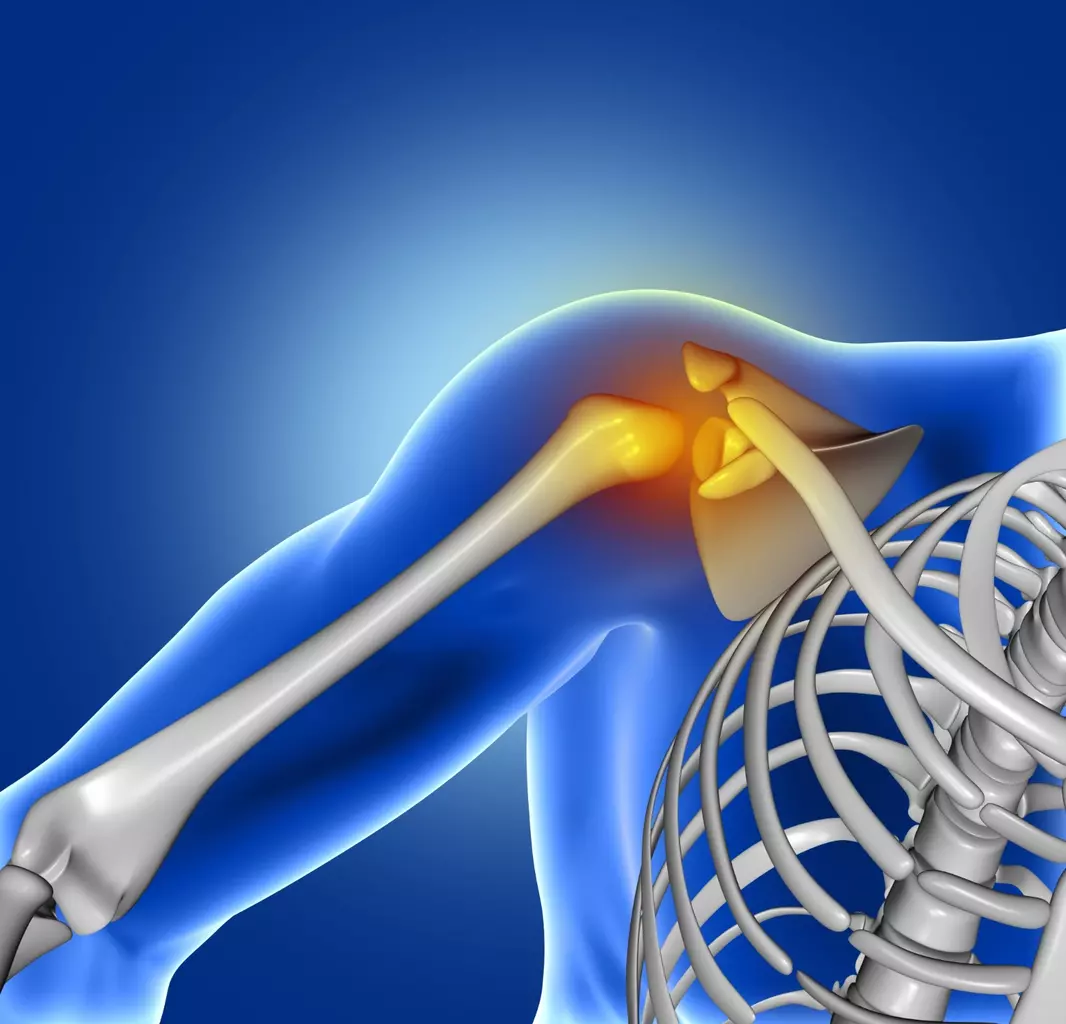
Bone marrow is the soft, spongy tissue inside some of our bones. It’s key for making blood cells. Every day, it makes over 200 billion new blood cells, including red and white blood cells, and platelets.
What is Bone Marrow and Why It Matters
Bone marrow is more than just tissue; it’s a vital organ. It makes blood cells that carry oxygen, fight infections, and stop bleeding. Without it, our bodies wouldn’t work right.
The Life-Saving Role of Bone Marrow Transplants
Bone marrow transplants save lives for many with serious diseases. A bone marrow transplant can replace damaged marrow with healthy one. This gives patients a new chance at life, vital for those with blood cancers or aplastic anemia.
Common Conditions Treated with Bone Marrow Transplants
Bone marrow transplants treat serious health issues. They help with aplastic anemia and blood cancers like non-Hodgkin lymphoma. By swapping out sick marrow for healthy, they offer hope to those with few other options.
How to Donate Bone Marrow: The Complete Process
The journey to become a bone marrow donor begins with a simple step. First, you must join a registry like Be The Match. It’s the largest bone marrow registry in the world.
Initial Registration with Be The Match and Other US Registries
Signing up with Be The Match or other US registries is the first step. You can register online or at local events. You’ll need to give basic information and agree to be listed.
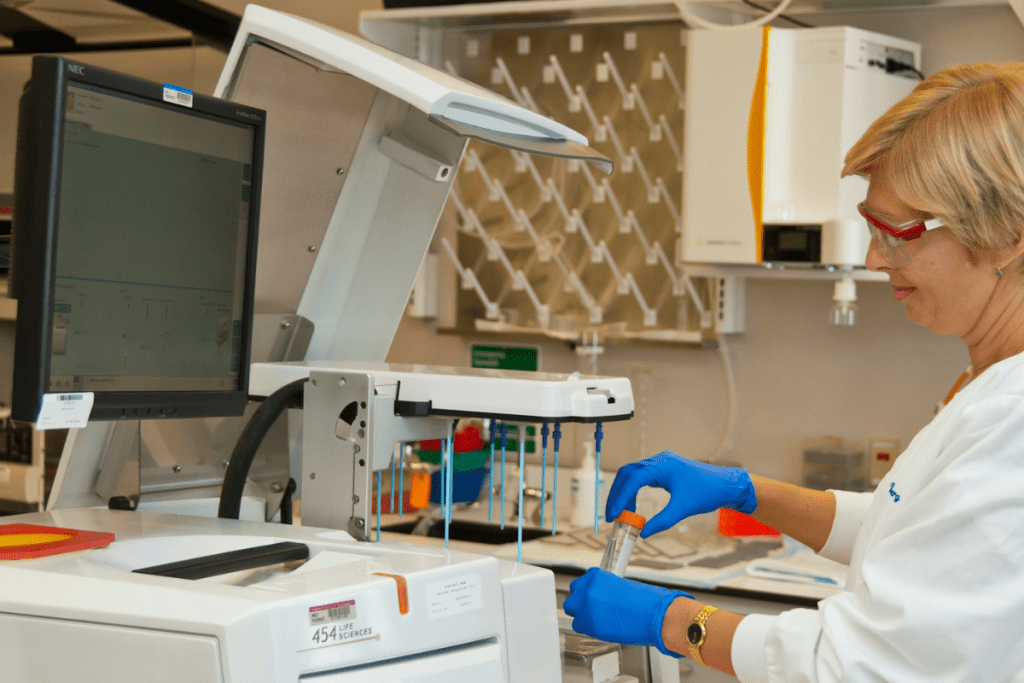
During registration, you’ll also give a cheek swab or blood sample. This is for Human Leukocyte Antigen (HLA) typing. HLA typing is key in finding a compatible donor.
The Matching Process and HLA Typing
After registering, your HLA typing info is stored. When a patient needs a transplant, the registry looks for a match. This is based on HLA typing.
The matching process compares your HLA typing with the recipient’s. A close match is vital for a successful transplant. The registry uses advanced software to find matches.
| HLA Typing Level | Description | Match Probability |
| High Resolution | Detailed HLA typing for precise matching | 1 in 10,000 |
| Low Resolution | Basic HLA typing for initial screening | 1 in 1,000 |
Pre-Donation Health Evaluation and Counseling
If you’re a match, you’ll go through a health check. This includes your medical history, a physical exam, and tests. It’s to make sure you’re healthy enough to donate.
You’ll also get counseling. This covers the donation process, risks, and recovery.
Donors are checked for health and any risks. This is important for your safety and the recipient’s.
Different Methods of Bone Marrow Donation
There are two main ways to donate bone marrow. Each method has its own features. It’s important for donors to know about these to make the right choice.
Traditional Bone Marrow Harvest Procedure
The traditional method takes marrow from the pelvic bones. It needs general or regional anesthesia to make the donor comfortable. The whole process takes a few hours, and the donor goes home in a day or two.
To get the marrow, a small cut is made in the lower back or hip. A needle and syringe are used to take out the marrow. Only a small part of the marrow is taken, and it grows back over time.
Peripheral Blood Stem Cell (PBSC) Donation
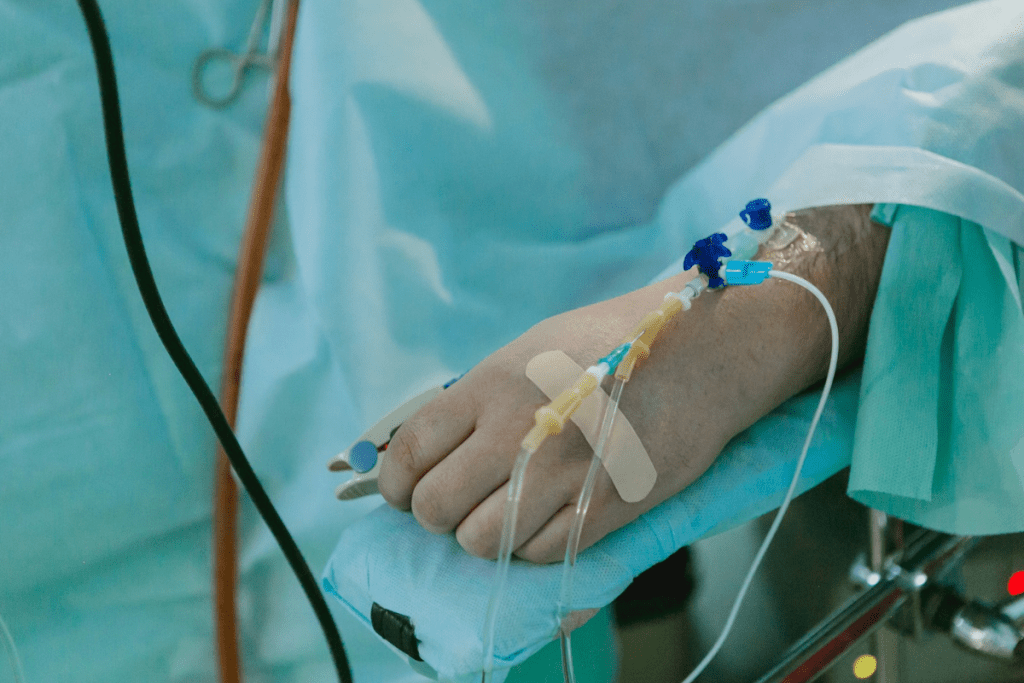
PBSC donation is a gentler way to get stem cells from the blood. Before giving blood, the donor gets filgrastim to release more stem cells. The blood is then passed through a machine to separate the stem cells and return the rest to the donor.
This method is more popular today because it’s less invasive and has a quicker recovery. The process can take hours, and the donor might feel some side effects from the filgrastim, like bone pain or tiredness.
Comparing the Two Methods: Pros and Cons
Both methods have their good and bad sides. The traditional method gets marrow directly, which can help in some cases. But, it needs anesthesia and takes longer to recover.
| Method | Pros | Cons |
| Traditional Bone Marrow Harvest | Direct collection of marrow, potentially beneficial for certain conditions | Requires anesthesia, longer recovery period |
| PBSC Donation | Less invasive, quicker recovery, fewer risks associated with anesthesia | May require multiple days of filgrastim injections, potentially side effects |
PBSC donation is less invasive and has a quicker recovery. But, it might cause side effects from the filgrastim and needs preparation over several days. The choice between the two depends on the recipient’s needs and the donor’s health.
Is Bone Marrow Donation Painful? The Truth About Discomfort
Many people wonder if bone marrow donation hurts. It’s a big decision, and knowing about pain is important. Bone marrow donation is a complex but well-managed process.
Pain During Traditional Bone Marrow Harvest
The traditional method takes marrow from the hip bone. It’s done under anesthesia to reduce pain. Most donors don’t feel pain during the procedure because of the anesthesia. But, some might feel pain or discomfort later. This can be treated with pain medicine.
Discomfort During PBSC Donation
Peripheral Blood Stem Cell (PBSC) donation uses a drug to release stem cells. Some donors might feel bone pain, fatigue, or other side effects from the drug. These symptoms usually go away after the donation is done.
Pain Management Options and Anesthesia
Pain control is key during bone marrow donation. For the traditional method, anesthesia is used to prevent pain. For PBSC donation, strategies are in place to handle the drug’s side effects. Donors are watched closely, and their pain plans are adjusted as needed.
What Real Donors Say About Pain Levels
Many donors say the pain was less than they thought. They describe it as feeling like a bruise or muscle soreness.
“I was surprised at how manageable the pain was after the donation. It felt like a bad bruise, but it was worth it to know I was helping someone in need.”
Donor experiences differ, but most find the pain temporary and manageable.
The Bone Marrow Donation Procedure: Step by Step
The bone marrow donation process is detailed and requires careful steps. Donors must prepare and undergo evaluations before donating.
Before the Procedure: Preparation and Testing
Before donating, individuals must prepare and pass tests. This includes a medical history check, physical exam, and tests to check bone marrow quality. Donors also sign a consent form to understand the risks and benefits.
Donors may need HLA typing to match with the recipient. This is done with a blood test or cheek swab. Matching is key to reduce risks for the recipient.
During the Procedure: What to Expect
On donation day, donors are cared for by a medical team. For traditional bone marrow harvest, donors get anesthesia. Bone marrow is then taken from the hip area. The whole process takes a few hours.
For PBSC donation, donors get filgrastim shots to boost stem cells. Blood is drawn, stem cells are separated, and then returned. This process also takes several hours.
Immediate Post-Procedure Care
After donation, donors are watched for side effects. Traditional donors may feel pain, which is managed with medication. Rest and staying hydrated are also important.
PBSC donors might feel bone pain or fatigue from filgrastim. These effects usually go away in a few days. Donors should tell their doctor about any severe side effects.
Recovery After Bone Marrow Donation
Donating bone marrow is a big step, and knowing how to recover is key. Recovery times differ for everyone. But, being informed helps manage expectations and makes recovery smoother.
Short-Term Recovery Timeline
The recovery period is usually a few weeks. Right after donation, donors might feel fatigue, pain, or stiffness. These feelings are often managed with medicine. Most donors go home the same day or the next day, based on the donation method.
In the first week, rest and avoid hard activities. Feeling weak or tired is common. As the body heals, donors can start doing normal things again.
Long-Term Effects and Follow-up
Long-term effects are usually small. But, some donors might feel tired or have other side effects. It’s important to have follow-up appointments with healthcare providers.
The good news is that the body makes new bone marrow cells fast. Most donors get back to normal health in a few weeks. Regular check-ups help catch any problems early.
Managing Side Effects and Discomfort
Handling side effects is a big part of getting better. Follow your healthcare provider’s advice on pain and care after donation. Common side effects include pain at the donation site, fatigue, and dizziness.
- Resting adequately
- Staying hydrated
- Following medication instructions
By doing these things, donors can lessen discomfort and help their body heal.
Returning to Normal Activities
Going back to normal activities should be slow. Avoid heavy lifting, bending, or hard exercise for a few weeks. It’s important to listen to your body and not rush back too fast.
Most donors can get back to their usual life in a few weeks. But, how long it takes can depend on your health and the donation method.
Eligibility Requirements: Who Can Donate Bone Marrow
To donate bone marrow, you must meet certain criteria. These rules are to keep both the donor and the recipient safe.
Age and Health Requirements in the US
In the United States, you must be 18 to 44 years old to join the Be The Match registry. Some registries might let you join up to age 60. You also need to be in good physical and mental health.
Key health requirements include:
- Being free from certain infectious diseases
- Having a suitable body mass index (BMI)
- Passing a thorough health screening
Medical Conditions That May Disqualify Donors
Some medical conditions can stop you from donating bone marrow. These include:
- Cancer (except for certain cases)
- Autoimmune diseases
- Certain infectious diseases like HIV or hepatitis
- Neurological disorders
Each person’s health history is reviewed carefully.
Special Considerations for Family Members
Family members are often the best match for bone marrow transplants. Siblings have the highest chance of being a match. Parents and children can also be considered.
Family members go through the same screening as unrelated donors. They also get extra tests to check if they’re compatible.
Bone Marrow Compatibility Factors
Bone marrow compatibility is checked through Human Leukocyte Antigen (HLA) typing. This genetic test looks at specific proteins on white blood cells.
Key factors in bone marrow compatibility include:
- HLA-A, HLA-B, and HLA-DRB1 matching
- Other genetic markers
The closer the match between donor and recipient, the lower the risk of problems.
Common Misconceptions About Bone Marrow Donation
Bone marrow donation is often misunderstood. Many myths surround it, making people hesitant to donate. These myths can cause unnecessary fear about the process.
Myth vs. Reality: The Pain Factor
Many think bone marrow donation is very painful. But, most donors only feel mild to moderate discomfort. The pain level can change based on the donation method.
Donation Methods and Pain: Traditional bone marrow harvest uses anesthesia to reduce pain. PBSC donation, on the other hand, may cause temporary side effects like bone pain or fatigue.
Misconceptions About Donation Risks
Some believe bone marrow donation is very risky. But, the risks are actually quite low. Serious problems are rare, and most donors recover quickly.
Risk Management: Donors get a full medical check-up before donating. Medical professionals closely watch the donation process to keep donors safe.
Every year, thousands of people donate bone marrow, a life-saving procedure for patients with blood cancer or other disorders. Understanding donating bone marrow can help ease fears and prepare donors for the process.
The Truth About Recovery Time
Many think recovery from bone marrow donation takes a long time. But, most donors can get back to normal in just a few weeks. Recovery time can vary based on the donation method and the donor’s health.
- Donors often feel tired and uncomfortable after donating.
- Full recovery usually takes 2-4 weeks.
- Some donors might have lingering effects like bruising or soreness.
Financial Considerations and Compensation
Some think donors get paid for their donation. But, in the U.S., it’s illegal to pay for bone marrow or blood stem cell donation. Donors might get some costs covered, like travel expenses, but not for the donation itself.
Support for Donors: Organisations like the National Marrow Donor Program (NMDP) and Be The Match help with costs. They aim to ease the financial burden on donors.
Conclusion: Weighing the Temporary Discomfort Against Saving a Life
Bone marrow donation is a selfless act that can change lives. It may cause some temporary pain, but the chance to save a life is worth it.
Donors might feel some pain during the donation. This could be from bone marrow harvest or PBSC donation. But, this pain is usually manageable and doesn’t last long.
The Be The Match registry and others make donating easier. They ensure donors get the care and support they need. Knowing what to expect helps donors decide if they can help save a life.
Choosing to donate bone marrow is a personal choice. But for those who can, it’s a rewarding way to help someone in need.
FAQ
What is bone marrow donation?
Bone marrow donation is when someone gives their bone marrow to help someone with a serious disease. This can be for diseases like leukemia or lymphoma.
How do I donate bone marrow?
First, you need to sign up with a donor registry like Be The Match. Then, you’ll go through HLA typing and a health check.
Is bone marrow donation painful?
Bone marrow donation might hurt a bit, but how much depends on the method and your pain threshold. Most people find the pain manageable with medicine
What are the different methods of bone marrow donation?
There are two main ways. One is traditional bone marrow harvest from the hipbone. The other is Peripheral Blood Stem Cell (PBSC) donation, which takes stem cells from your blood.
How long does it take to recover from bone marrow donation?
Recovery times vary, but most people can get back to normal in a few days to weeks after donating.
Can I donate bone marrow if I have a medical condition?
Some health issues might stop you from donating. You’ll have a health check to see if you’re eligible.
How is bone marrow compatibility determined?
Compatibility is checked through HLA typing. This looks at the genetic markers on your white blood cells.
How do I become a bone marrow donor?
To donate, sign up with a donor registry, give a cheek swab or blood sample for HLA typing, and pass a health check.
Reference
American Cancer Society. (2024). What’s it like to donate bone marrow or stem cells? https://www.cancer.org/cancer/leukemia/bone-marrow-and-stem-cell-transplant/donating.html
Be The Match. (2025). Bone marrow donation process: What donors can expect. National Marrow Donor Program. https://bethematch.org/support-the-cause/donate-bone-marrow/what-to-expect/
European Medicines Agency. (2015). Donating hematopoietic stem cells. European Commission. https://www.ema.europa.eu/en