Last Updated on November 27, 2025 by Bilal Hasdemir
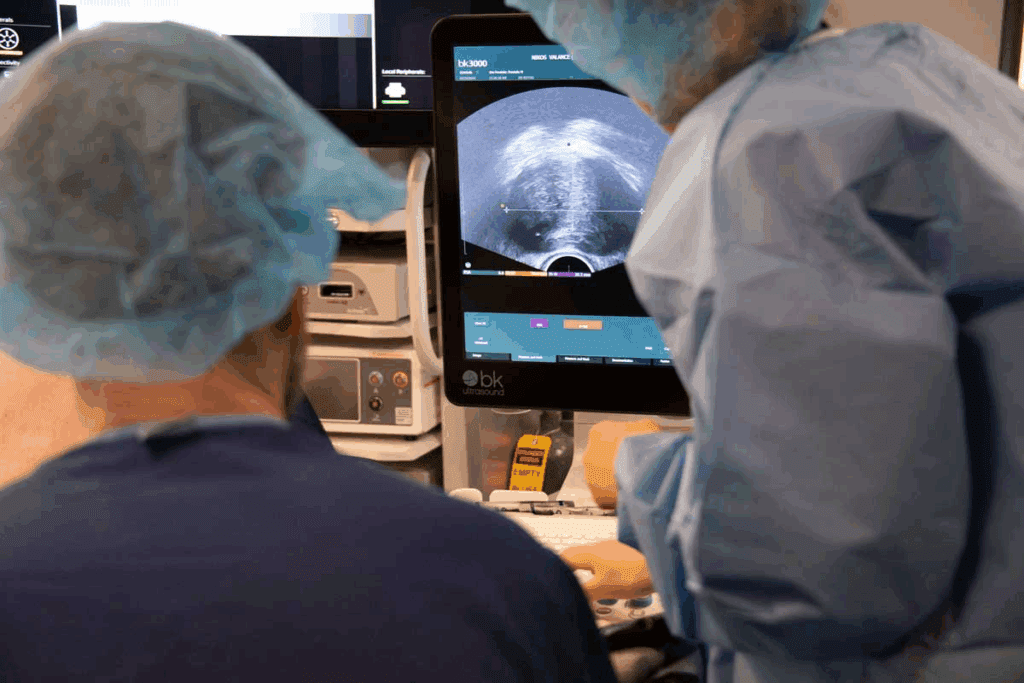
The prostate gland is key to the male reproductive system. Prostate surgery, or prostatectomy, removes part or all of it.
This surgery is needed for men with prostate cancer or other issues. While it can save lives, it also has downsides that patients should know.
It’s important to understand the effects of prostate cancer surgery. This helps in choosing the right treatment.
Key Takeaways
- Prostate surgery involves removing part or all of the prostate gland.
- The procedure is often necessary for prostate cancer treatment.
- Potential downsides of prostate surgery exist and should be considered.
- Understanding the implications is key for making informed choices.
- Patients should talk to a healthcare professional about their options.
Understanding Prostate Surgery and Its Purpose

The prostate gland is key to men’s health. It’s found in the pelvis, below the bladder, and around the urethra. It helps with normal urine and reproductive functions.
The Function of the Prostate Gland
The prostate gland is small, like a walnut. It helps the male reproductive system by making seminal fluid. This fluid nourishes and protects sperm during ejaculation.
Common Conditions Requiring Prostate Surgery
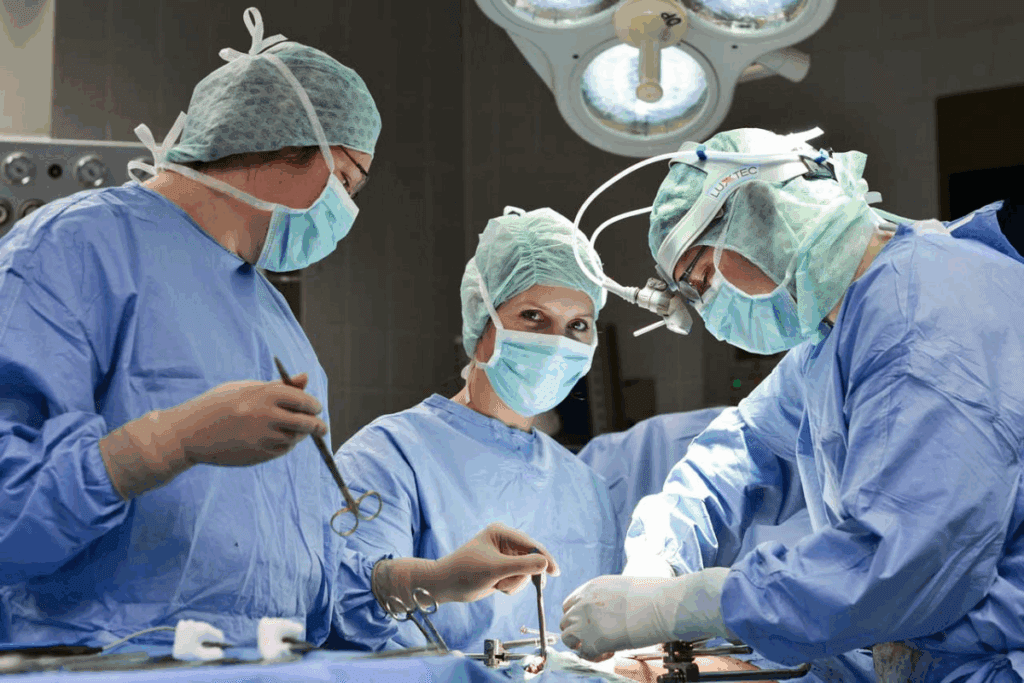
Prostate surgery, like radical prostatectomy, is needed for conditions like prostate cancer and BPH. These issues can make it hard to urinate, cause frequent trips to the bathroom, and lead to pain.
- Prostate Cancer: A malignant tumor in the prostate gland, which can be life-threatening if not treated promptly.
- Benign Prostatic Hyperplasia (BPH): A non-cancerous enlargement of the prostate gland that can cause urinary obstruction.
- Urinary Obstruction: A condition where the flow of urine is blocked, often due to an enlarged prostate.
Goals of Surgical Intervention
The main goals of prostate surgery are to remove diseased parts and improve symptoms. It aims to enhance the patient’s quality of life by fixing urinary and reproductive issues.
For prostate cancer, radical prostatectomy aims to remove the prostate and any cancerous tissue. For BPH, surgery removes the enlarged part to ease urinary blockage.
Types of Prostatectomy Procedures
It’s important for patients to know about the different prostatectomy procedures. Each type has its own benefits and risks. Understanding these can help patients make better choices about their treatment.
Radical Prostatectomy
Radical prostatectomy removes the prostate gland and nearby tissues. It’s often chosen for prostate cancer that’s only in the gland. The goal is to get rid of all cancerous tissue.
Simple Prostatectomy
Simple prostatectomy removes only the enlarged part of the prostate. This is usually because of BPH. It’s less invasive than radical prostatectomy and aims to improve urinary symptoms.
Robotic-Assisted Laparoscopic Prostatectomy
This method uses a robotic system for a minimally invasive surgery. It allows for precise removal of the prostate through small incisions. This can lead to less blood loss and faster recovery.
Open vs. Minimally Invasive Approaches
The choice between open and minimally invasive surgery depends on several factors. These include the patient’s health, cancer stage, and the surgeon’s skill. Minimally invasive surgeries often mean less pain and shorter hospital stays.
| Procedure | Description | Recovery Time | Indications |
| Radical Prostatectomy | Removal of prostate and surrounding tissues | Several weeks | Prostate cancer |
| Simple Prostatectomy | Removal of enlarged prostate tissue | Fewer weeks | BPH |
| Robotic-Assisted Laparoscopic Prostatectomy | Minimally invasive removal of prostate | Generally quicker | Prostate cancer, sometimes BPH |
Each prostatectomy procedure has its own benefits and risks. Choosing the right procedure should be based on a detailed discussion with a healthcare provider. This ensures the procedure aligns with the patient’s specific needs and health status.
Immediate Surgical Risks and Complications
When you’re facing prostatectomy, it’s important to think about the immediate risks. This surgery is big and comes with many risks. These can affect your recovery and health.
Anesthesia-Related Complications
Anesthesia complications are a big worry with prostate surgery. These can be mild or very serious. People with health issues are at higher risk. Doctors will check these risks before the surgery.
Bleeding and Blood Transfusion Risks
Bleeding is another risk during or after surgery. Even with precautions, some patients might lose a lot of blood. This could mean needing a blood transfusion. There are risks with blood transfusions, like reactions or infections.
Infection Risks
There’s always a chance of infection with any surgery. This can happen at the surgery site or in the urinary tract. Doctors use antibiotics to lower this risk. They watch patients closely for signs of infection.
Damage to Surrounding Organs
The prostate is close to other important parts. There’s a chance of damage to these areas during surgery. This could hurt the rectum, urethra, or nerves. Surgeons try to avoid this, but it’s something to think about.
Short-Term Recovery Challenges
Recovering from prostate surgery comes with several immediate challenges. Patients face many hurdles in the first few days after surgery. These can affect their comfort and overall recovery experience.
Hospital Stay Duration
The time spent in the hospital after surgery varies. It depends on the surgery type and the patient’s health. Patients with minimally invasive surgery usually stay less than those with open surgery.
Typical Hospital Stay Durations:
| Surgical Approach | Average Hospital Stay |
| Minimally Invasive | 1-2 days |
| Open Surgery | 2-4 days |
Pain Management Issues
Managing pain is key during recovery. Patients may feel pain or discomfort at the surgery site. This can be treated with medication and other methods.
Pain management strategies may include:
- Prescription pain medications
- Non-pharmacological interventions such as relaxation techniques
Catheter Discomfort and Management
A urinary catheter is often used after surgery. It helps with healing but can be uncomfortable. Proper management is essential.
Activity Restrictions During Recovery
Patients are advised to limit activities early on. This helps with healing and prevents complications. Avoiding heavy lifting, bending, or strenuous exercise is recommended.
Recommended Activity Levels:
| Activity Type | Recommended Level |
| Physical Exercise | Limited to light activities |
| Lifting | Avoid heavy lifting |
Knowing about these challenges helps patients prepare for recovery. Working with healthcare providers is key to managing any issues that come up.
Urinary Function Complications
Prostatectomy can lead to urinary issues, like incontinence. It’s key for patients to know these possible side effects before or after surgery.
Types of Urinary Incontinence and Prevalence
There are different types of urinary incontinence after prostatectomy. The main ones are:
- Stress Incontinence: This is when urine leaks during activities that put pressure on the belly, like coughing or lifting.
- Urge Incontinence: It’s when you can’t hold your urine and it leaks out suddenly.
- Mixed Incontinence: This is a mix of stress and urge incontinence.
Many studies show that a lot of men deal with incontinence after surgery.
Timeline for Urinary Control Recovery
How long it takes to get back to normal varies. Some men get better in a few months, while others take longer. The surgery type, age, and health all play a role.
| Time Post-Surgery | Continence Recovery Rate |
| 3 months | 40-60% |
| 6 months | 60-80% |
| 1 year | 80-90% |
Permanent Incontinence Risks
Some men might not get their urinary control back. The chance of this happening depends on the surgery and the patient’s health. If incontinence doesn’t go away, it can really affect your life and might need more treatment.
It’s important to know about the risks of urinary problems after prostate surgery. This helps set realistic expectations and make better choices about treatment.
Sexual Function Impacts After Prostatectomy
Men who have prostatectomy often face changes in their sex life. This includes trouble getting an erection. How much these changes affect a man can depend on the surgery type and his health.
Erectile Dysfunction Rates and Causes
Erectile dysfunction (ED) is a common side effect of prostatectomy. Studies show ED rates can be between 30% and 90%. This depends on the surgery method and the man’s health before surgery.
The causes of ED include nerve damage, reduced blood flow, and psychological factors. Nerve damage happens during surgery. Reduced blood flow and psychological factors also play a role.
Using nerve-sparing techniques can lower the risk of ED. These techniques aim to protect the nerves around the prostate. Yet, even with these methods, some men might experience ED.
Changes in Orgasm and Ejaculation
Men after prostatectomy may also see changes in orgasm and ejaculation. One common change is dry orgasm, where no seminal fluid is released. This happens because the prostate and seminal vesicles are removed or changed during surgery.
Some men might also feel less intense orgasms or pain during ejaculation. These changes can be upsetting and affect a man’s quality of life.
Timeline for Sexual Function Recovery
The time it takes for sexual function to recover after prostatectomy varies. Some men might get their erectile function back in a few months. Others might take up to two years or more.
| Time After Surgery | Expected Recovery |
| 0-3 months | Limited recovery; focus on healing |
| 3-6 months | Initial signs of recovery; some men experience improved erectile function |
| 6-12 months | Continued improvement in erectile function for some men |
| 1-2 years | Significant recovery for many men; some may stillexperience erectile dysfunction |
It’s important for men having prostatectomy to talk about sex concerns with their doctor before and after surgery. There are treatments available to help with erectile dysfunction and other sexual function changes.
Psychological and Emotional Effects
Prostate surgery can have big effects on a man’s mind and feelings. It can change how he feels about himself and his life. These changes can affect his happiness and well-being.
Body Image and Masculinity Concerns
Men might worry about how they look and feel like a man after surgery. Losing the prostate gland can make them feel different. One man said,
“I felt like I had lost a part of my identity as a man.”
These feelings can be hard to deal with. It’s important to get support to feel better.
Relationship and Intimacy Challenges
Prostate surgery can also affect relationships and sex life. Changes in how a man urinates or feels during sex can be tough on partners. Open communication and support from loved ones and doctors are key to getting through these times.
Depression and Anxiety Following Surgery
Many men feel sad or anxious after surgery. Adjusting to the changes can be tough. Seeking professional help is important. Doctors can help find ways to manage these feelings.
In summary, prostate surgery can deeply affect a man’s mind and feelings. It’s important to understand these effects to prepare and cope with them.
Long-Term Quality of Life Considerations
Life after prostatectomy involves many changes. These include physical, emotional, and social adjustments. Patients face various challenges that affect their daily life and well-being.
Chronic Pain Possibilities
Chronic pain is a possible long-term side effect of prostate surgery. It can cause discomfort in the pelvic area, penis, or perineum. Effective pain management strategies are key to improving quality of life.
A study in the Journal of Urology showed many patients face chronic pain after prostatectomy. But, the pain’s severity and impact differ from person to person.
Lifestyle Adjustments
After prostate surgery, making lifestyle changes is important. Patients might need to adjust their physical activity, diet, and daily routines. This helps manage their condition effectively.
“After my surgery, I had to make significant changes to my lifestyle, including my diet and exercise routine. It wasn’t easy, but it was worth it for my overall health.” – John, prostate cancer survivor
Some key lifestyle adjustments include:
- Incorporating pelvic floor exercises to improve bladder control
- Making dietary changes to support urinary health
- Gradually increasing physical activity to improve overall health
Impact on Social Activities
Prostatectomy can also affect a patient’s social activities and relationships. Issues like urinary incontinence and erectile dysfunction can lower confidence and social interaction.
| Aspect | Pre-Surgery | Post-Surgery |
| Social Engagement | Active participation | Potential reduction due to incontinence or ED |
| Intimacy | Normal sexual function | Possible erectile dysfunction |
| Physical Activity | Regular exercise | Initial restrictions, gradual return |
Support from family, friends, and support groups is vital. It helps patients cope with these changes.
Fertility Implications of Prostate Removal
It’s key for men to know how prostatectomy affects fertility. This surgery is often done for prostate cancer or other issues. It removes the prostate gland.
This surgery can harm a man’s ability to have children. Men who might want kids should think about this before surgery.
Infertility as a Permanent Outcome
Prostate removal can lead to infertility. The nerves and structures around the prostate are vital for fertility. Damage to these can cause permanent infertility.
Men should know that fertility loss is often permanent. The impact on fertility depends on the surgery type and the man’s health.
Fertility Preservation Options Before Surgery
Men wanting to keep their fertility can explore options before surgery. Sperm banking is a common choice. It involves storing sperm for later use in fertility treatments.
Talking to a healthcare provider or fertility specialist is important. They can help choose the best option based on your situation.
It’s also vital to consider the emotional side of losing fertility. Men facing surgery should know about counseling services available to them.
Understanding the fertility effects of prostate removal helps men make informed choices. They can look into preservation options to protect their reproductive health.
Less Common but Serious Complications
It’s important for patients to know about the possible complications of prostatectomy. While prostate surgery is usually safe, there are serious but rare issues that can happen.
Rectal Injury Risks
Rectal injury is a rare but serious problem after prostate surgery. This risk is higher if there’s a lot of inflammation or scarring around the prostate.
Deep Vein Thrombosis and Pulmonary Embolism
Deep vein thrombosis (DVT) and pulmonary embolism (PE) can be complications after prostate surgery. DVT is when blood clots form in deep veins, usually in the legs. PE happens when these clots move to the lungs.
Lymphedema Following Lymph Node Removal
Lymphedema is a condition where fluid builds up in the body’s tissues, causing swelling. It can happen after lymph nodes are removed during prostate surgery.
Anastomotic Stricture Development
An anastomotic stricture is when the connection between the bladder and urethra narrows after prostate surgery. This can cause trouble with urination.
The following table summarizes the less common but serious complications associated with prostatectomy:
| Complication | Description | Risk Factors |
| Rectal Injury | Damage to the rectum during surgery | Inflammation, scarring around the prostate |
| DVT/PE | Formation of blood clots in deep veins or lungs | Immobility, previous history of DVT/PE |
| Lymphedema | Swelling due to lymph node removal | Extensive lymph node dissection |
| Anastomotic Stricture | Narrowing of the bladder-urethra connection | Surgical technique, previous urinary issues |
Can You Live Without a Prostate?
Men often wonder about life after a prostate removal. The prostate is key to the male reproductive system. Yet, it must be removed sometimes to treat prostate cancer.
Physiological Changes After Complete Removal
Removing the prostate gland changes a man’s body. One big worry is how it affects urinary function. Men might struggle with incontinence or trouble controlling their urine.
It can also mess with sexual function. This might cause erectile dysfunction.
Hormone-Related Effects
The prostate gland doesn’t make hormones. But, removing it might be part of a treatment plan. This plan could include hormone therapy for prostate cancer.
Hormone effects are more tied to the treatment than the prostate removal itself.
Long-Term Health Monitoring Needs
Men after a prostate removal need ongoing health checks. These include watching for cancer return and managing side effects like incontinence or erectile dysfunction. They might also need to make lifestyle changes to stay healthy.
Talking to a healthcare provider is key. They can explain the specific effects of living without a prostate. This helps plan for any long-term care needed.
Managing and Minimizing Side Effects
It’s important for patients to manage side effects after prostate surgery. This helps them get back to their normal life. Knowing how to deal with these effects is key.
Pelvic Floor Physical Therapy
Pelvic floor physical therapy is a non-invasive approach that helps patients recover. It strengthens muscles that support the bladder and bowel. This improves continence and lowers the risk of long-term incontinence.
A personalized therapy plan is created by a pelvic health specialist. The plan may include Kegel exercises and biofeedback. These help patients control their pelvic muscles again.
Medications for Erectile Dysfunction
Erectile dysfunction (ED) is a common side effect of prostate surgery. Luckily, there are medication options to manage it. Phosphodiesterase type 5 inhibitors (PDE5 inhibitors) are often prescribed. They enhance nitric oxide, a natural chemical that relaxes muscles in the penis, increasing blood flow.
Other treatments include penile injections, vacuum erection devices, and penile implants for severe cases. It’s important to talk to a healthcare provider to find the best treatment.
Surgical Devices for Incontinence
Surgical devices can help with incontinence after prostate surgery. The artificial urinary sphincter (AUS) is implanted around the urethra. The male sling is a less invasive option that provides support to the urethra.
These devices can greatly improve life for those with incontinence. They offer more confidence and control over urination.
Psychological Support Resources
The psychological impact of prostate surgery is significant. Patients may feel anxiety, depression, or body image concerns. It’s important to have access to psychological support resources.
Support groups, both in-person and online, are great for sharing experiences. They offer support from others who have gone through similar challenges. Counseling or therapy can also help with emotional recovery.
Alternative Treatments to Consider
When you get a prostate cancer diagnosis, knowing about different treatments is key. Prostatectomy is common, but it’s not the only choice.
Active Surveillance for Prostate Cancer
Active surveillance means watching the cancer closely. You’ll have regular check-ups, biopsies, and PSA tests. It’s often suggested for low-risk cancer.
Benefits of Active Surveillance:
- Avoidance of immediate side effects associated with surgery or radiation
- Preservation of quality of life
- Potential to avoid or delay treatment if the cancer is not aggressive
Radiation Therapy Options
Radiation therapy kills cancer cells with high-energy rays. There are two main types: external beam radiation therapy (EBRT) and brachytherapy.
“Radiation therapy has evolved significantly, providing more targeted and effective treatments with fewer side effects.”
Types of Radiation Therapy:
| Type | Description |
| EBRT | Delivers radiation from outside the body |
| Brachytherapy | Involves placing radioactive material directly into the prostate |
Hormone Therapy Approaches
Hormone therapy, or androgen deprivation therapy (ADT), lowers male hormones. These hormones help prostate cancer grow.
How Hormone Therapy Works:
- Reduces testosterone levels, slowing cancer growth
- Can be used in combination with other treatments
- May be used for advanced prostate cancer
Emerging Focal Therapies
Focal therapies target cancer directly, sparing healthy tissue. High-intensity focused ultrasound (HIFU) and cryotherapy are examples.
These treatments give men with prostate cancer more options than surgery. Each has its own benefits and risks. Talking to a healthcare provider is essential to choose the best treatment.
When Surgery Remains the Best Option Despite Downsides
In some cases, the benefits of prostate surgery are greater than the risks. Prostatectomy is a big surgery that can greatly improve a patient’s life. For some, surgery is the best choice.
High-Risk Cancer Scenarios
When prostate cancer is aggressive, surgery is often the best treatment. The benefits of surgery include removing the tumor and stopping it from spreading.
High-risk cancer has a high Gleason score, high PSA levels, or has spread. In these cases, prostatectomy benefits include lowering cancer risk and improving survival chances.
| Cancer Characteristic | Surgery Benefits |
| High Gleason Score | Removal of aggressive cancer cells |
| Elevated PSA Levels | Reduction in PSA levels post-surgery |
| Cancer Spread to Surrounding Tissues | Prevention of further cancer spread |
Severe Urinary Obstruction Cases
Prostate surgery is needed for severe urinary blockage due to an enlarged prostate. The prostate surgery benefits include fixing urinary retention and improving function.
Severe urinary blockage can greatly lower quality of life, causing pain and trouble urinating. Surgery can remove the blockage, greatly improving well-being.
Weighing Benefits Against Possible Complications
When thinking about prostate surgery, weigh the benefits against possible risks. Surgery can offer big advantages, but it’s important to know the risks and make a well-informed choice.
Patients should talk to their doctor about their situation. Consider the severity of their condition, health, and personal wishes. By looking at the benefits of surgery and risks, patients can choose what’s best for them.
Conclusion
Prostate surgery, like prostatectomy and prostate removal, is a big step for treating prostate cancer. It can save lives but comes with its own set of challenges.
The surgery can lead to serious complications. These include immediate risks and long-term effects on how you pee and have sex. You might face issues like not being able to control your urine, trouble getting an erection, and changes in how you orgasm and ejaculate.
Even with these risks, prostatectomy is a key treatment for many men. It’s often chosen for those with high-risk cancer or severe urinary problems. Talking to a doctor about these risks helps patients make better choices about their health.
Choosing to have prostate surgery should be a careful decision. It’s important to weigh the benefits against the risks. You should also think about other treatments like radiation or watching the cancer closely without immediate action.
FAQ
What is the prostate gland, and what is its function?
The prostate gland is a small gland in men, about the size of a walnut. It makes fluid for semen. This gland is key to the male reproductive system.
What is prostatectomy, and why is it performed?
Prostatectomy is a surgery to remove the prostate gland. It’s done to treat prostate cancer, BPH, or other issues related to the prostate.
What are the different types of prostatectomy procedures?
There are several types, like radical prostatectomy and simple prostatectomy. Robotic-assisted laparoscopic prostatectomy is another option. Each has its own benefits and risks.
What are the immediate risks and complications of prostatectomy?
Right after surgery, risks include problems with anesthesia, bleeding, infection, and damage to nearby organs.
How long does it take to recover from prostate surgery?
Recovery time varies. Most men stay in the hospital for a few days. It can take several weeks to get back to normal activities.
What are the common urinary function complications after prostatectomy?
Many men face urinary incontinence after surgery. The severity and how long it lasts can vary.
Can prostatectomy cause erectile dysfunction?
Yes, erectile dysfunction is a possible side effect. The risk depends on the surgery type and individual factors.
How does prostate removal affect fertility?
Removing the prostate usually makes a man infertile. The prostate helps in semen production.
Are there alternative treatments to prostate surgery?
Yes, there are alternatives. These include active surveillance, radiation therapy, hormone therapy, and new focal therapies. The choice depends on the condition.
Can you live without a prostate?
Yes, living without a prostate is possible. But, it might mean ongoing health checks and managing side effects.
How can side effects of prostatectomy be managed?
To manage side effects, pelvic floor physical therapy and medications for erectile dysfunction are used. There are also devices for incontinence and support resources.
When is surgery the best option for prostate cancer?
Surgery is often the best choice for high-risk cancer, severe urinary blockage, or when other treatments fail.
What are the less common but serious complications of prostatectomy?
Serious but rare complications include rectal injury, deep vein thrombosis, and pulmonary embolism. Lymphedema and anastomotic stricture are also possible.
How does prostate removal affect hormone levels?
Removing the prostate doesn’t directly change hormone levels. But, hormone therapy might be used with surgery to treat cancer.
What lifestyle adjustments are needed after prostate surgery?
After surgery, men might need to change their diet, exercise, and social activities. This helps manage side effects.
Reference
- Angulo, J. C., & De la Peña, A. (2024). Complications of prostate cancer treatment: Open issues. World Journal of Urology, 42(2), 213-224. https://pmc.ncbi.nlm.nih.gov/articles/PMC11173163/