Last Updated on December 1, 2025 by Bilal Hasdemir
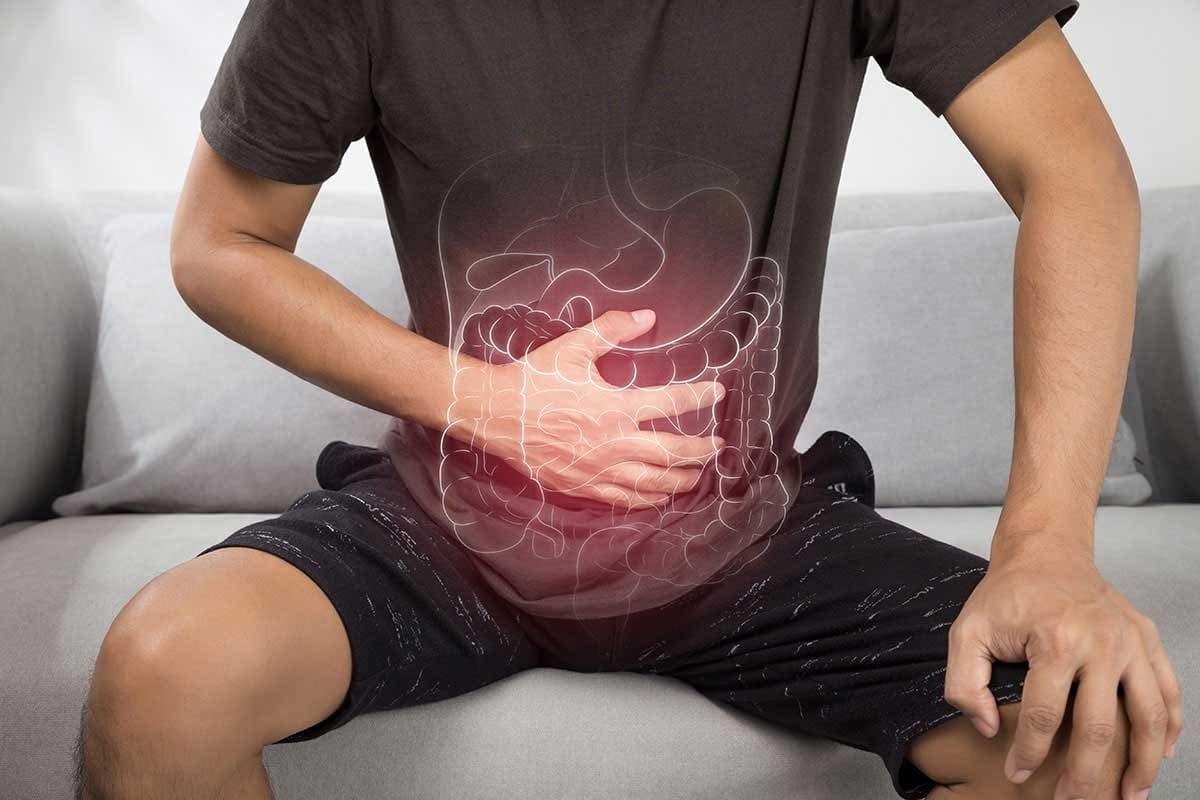
Recovering from back surgery is tough, and dressing is one of the biggest challenges. Doctors say it’s hard to do daily tasks without making things worse.

We know you want to get back to doing things on your own. This article will give you tips on dressing after back surgery. We’ll cover different methods, clothes, and tools to help you through this tough time.
How do you dress after back surgery? This ultimate guide gives you the best tips for putting on pants.
Key Takeaways
- Simple techniques can make dressing easier after surgery.
- Choosing the right clothing can significantly impact recovery.
- Adaptive tools can help regain independence.
- Professional guidance is available for a smooth recovery.
- Safe dressing practices can reduce the risk of complications.
Understanding Post-Surgery Movement Restrictions

Knowing what movements to avoid after back surgery is key to a good recovery. After surgery, patients must follow specific rules to heal right and avoid problems.
Common Back Surgery Procedures and Their Limitations
Back surgery includes many procedures, like discectomy, laminectomy, and spinal fusion. Each surgery has its own rules for what to avoid. For example, after a spinal fusion, patients should not lift heavy, bend, or twist for months. This helps the vertebrae fuse correctly.
It’s important to know these rules to plan daily tasks, like getting dressed. Below is a table that shows common surgeries and what movements to avoid.
| Surgery Type | Movement Restrictions | Typical Recovery Time |
| Discectomy | Avoid heavy lifting, bending | 2-6 weeks |
| Laminectomy | Minimize twisting, bending | 4-8 weeks |
| Spinal Fusion | Avoid heavy lifting, bending, twisting | 3-6 months |
Why Bending and Twisting Are Restricted
Bending and twisting are hard on the spine, even more so after surgery. These actions can mess up the healing process. They might cause hardware failure or incomplete fusion. Staying away from these movements helps avoid these issues.
Typical Recovery Timeline for Dressing Independence
How long it takes to get back to dressing yourself varies. It depends on the surgery and how fast you recover. Usually, it takes 4 to 12 weeks. But, your health, age, and following instructions can change this time.
By knowing and following the rules for movement after surgery, patients can have an easier and more effective recovery.
Essential Preparation Before Attempting to Dress
To dress comfortably and safely after back surgery, preparation is key. A good dressing strategy can help reduce discomfort and avoid complications during recovery.
Setting Up Your Dressing Area
It’s important to set up a good dressing area. Make sure it’s big enough for you to move around without hurting your back. The room should be bright and at a comfortable temperature to help you relax.
Gathering Necessary Tools and Clothing
Before you start dressing, get all your clothes and tools ready. You’ll need comfy clothes with elastic waistbands, dressing sticks, and reachers. Having everything close by will help you avoid bending or stretching.
- Loose-fitting pants and tops
- Dressing sticks or reachers
- Elastic waistbands or adaptive clothing
Timing Your Medication for Optimal Comfort
Make sure to take your pain medication at the right time. Talk to your doctor about when to take it so you’re comfortable while dressing. This pre-surgery prep can really help your recovery.
Following these steps will help you create a dressing strategy focused on comfort and safety. This will make your recovery smoother.
Recommended Clothing Options for Back Surgery Recovery
Choosing the right clothes after back surgery can greatly improve your recovery. The right clothes can help you feel less pain, avoid problems, and make everyday tasks simpler.
Look for clothes that are both comfy and practical. Here are some top picks:
Elastic Waist Pants and Shorts
Elastic waist pants and shorts are great for recovery. They don’t have zippers or buttons, which can be hard and painful when you’re healing. Elastic waistbands offer flexibility and comfort, letting you move freely without hurting your back.
Loose-Fitting Bottoms
Loose bottoms like sweatpants or skirts are also good choices. They let you move easily and don’t squeeze your body, which is key when you’re healing. Choose breathable, soft fabrics for more comfort.
Adaptive Clothing Designed for Limited Mobility
Adaptive clothing is made for people with limited mobility, perfect for after surgery. It often has magnetic closures or Velcro that’s easy to use without bending or stretching a lot.
Let’s look at how these clothes compare:
| Clothing Type | Comfort Level | Ease of Use |
| Elastic Waist Pants | High | Easy |
| Loose-Fitting Bottoms | High | Easy |
| Adaptive Clothing | Variable | Very Easy |
| Traditional Pants | Low | Difficult |
The table shows elastic waist pants, loose bottoms, and adaptive clothes are way better than regular clothes for comfort and ease.
Basic Sitting Technique for Putting on Pants

Learning the right sitting technique is key for safely putting on pants after back surgery. Avoiding excessive strain on your back is crucial. This is true when you’re doing everyday tasks like getting dressed.
Proper Chair Selection and Positioning
Choosing the right chair is very important. You want a sturdy, armless chair or a stool that lets you sit with your feet flat. This helps you dress comfortably and safely.
- Make sure the chair is at a height that keeps your knees at or below hip level.
- Place the chair so you can easily get in and out without twisting or bending.
- Think about using a chair with a firm cushion for extra support.
Step-by-Step Sitting Method
To sit down safely, follow these steps:
- Stand with your back to the chair and hold onto something stable for support if needed.
- Slowly lower yourself onto the chair, keeping your back straight and bending at the knees.
- Adjust your position once seated to make sure you’re comfortable and stable.
| Sitting Technique | Benefits |
| Keeping back straight | Reduces strain on the spine |
| Bending at the knees | Minimizes bending at the waist |
| Using a stable chair | Prevents falls and injuries |
Safety Considerations While Sitting
While sitting, it’s important to stay safe and comfortable. Here are some tips:
- Avoid sitting for too long, as it can make you stiff.
- Keep things you need within easy reach to avoid stretching or bending.
- Think about using dressing aids like a dressing stick or reacher to help with putting on pants.
By following these guidelines for sitting properly, you can greatly reduce the chance of discomfort or injury while dressing after back surgery.
Lying Down Method for Putting on Pants
The lying down method is great for those with back surgery limitations. It reduces back strain while dressing. We’ll show you how to do it safely and effectively.
Preparing Your Bed Surface
Before you start, make sure your bed is ready. Clear it of clutter and use a firm mattress for support. You might also want a bed wedge or extra pillows for comfort.
- Clear the bed of any unnecessary items.
- Use a firm mattress for better support.
- Consider using a bed wedge or extra pillows for comfort.
Step-by-Step Lying on Bed Technique
To put on pants while lying down, follow these steps:
- Lie on your back with your knees slightly bent.
- Place your pants on the bed beside you, within easy reach.
- Slide one leg into one pant leg, using your hands to guide it.
- Repeat the process for the other leg.
- Once both legs are in the pant legs, use your hands to pull the pants up to your hips.
Getting Up Safely After Dressing
After dressing, getting up safely is key to avoid back strain. Here’s how to do it:
- Roll onto your side, keeping your knees bent.
- Use your arms to push yourself up to a sitting position.
- Take a moment to sit before standing up.
- Use a support, like a bed rail or a helper, if needed.
By following these steps, you can minimize the risk of injury and make the dressing process more manageable.
Using a Dressing Stick Effectively
Back surgery can start a tough recovery journey. Even simple tasks become hard. A dressing stick helps a lot. It’s made to make tasks like bending and reaching easier, which are hard after surgery.
Types of Dressing Sticks Available
Dressing sticks come in many designs. Each one meets different needs. You can find:
- Standard dressing sticks with a hook at one end
- Dressing sticks with a grabber or claw attachment for added functionality
- Folding dressing sticks for easy storage and portability
Choosing the right dressing stick is key. It should be comfortable and fit your needs.
Proper Technique for Pants Management
Putting on pants with a dressing stick takes patience and practice. Here’s how to do it:
- Stand with your feet shoulder-width apart, holding the dressing stick in one hand.
- Use the dressing stick to guide your pants up your legs, starting from your feet.
- As you pull your pants up, adjust your grip on the dressing stick to maintain control.
- Once your pants are at the desired height, use the dressing stick to make any necessary adjustments.
It might take a few tries to get it right. Don’t worry if it’s hard at first.
Combining Dressing Stick with Other Methods
Using a dressing stick with other methods can work best. You might use it with the lying down or sitting technique. Here’s how different methods compare:
| Method | Advantages | Disadvantages |
| Lying Down Method | Reduces strain on the back, easy to manage with assistance | Requires a flat surface, may be challenging to get up |
| Sitting Technique | Provides support, can be done independently with practice | Requires a sturdy chair, may strain the back if not done correctly |
| Dressing Stick | Enhances reach, reduces bending and twisting | Requires practice to master, may not be suitable for all clothing |
Knowing the good and bad of each method helps you find the best way to dress. It’s all about finding what works for you.
One patient said, “A dressing stick was a big help during my recovery. It let me do things on my own and made dressing easier.”
“The dressing stick is a simple yet effective tool that can greatly simplify the dressing process. It’s an essential item for anyone recovering from back surgery.”
— Occupational Therapist
Mastering the Reacher Tool for Dressing
Learning to use a reacher tool is key for dressing easily and safely after back surgery. It lets you pick up clothes and put them on without hurting your back. This makes getting dressed a lot easier.
Selecting the Right Reacher Tool
When picking a reacher tool, think about a few things:
- Grip Type: Find one with a grip that’s easy to hold, even if your hands are weak.
- Jaw Type: Some have claws, others are gentler. Pick what you need.
- Length: Longer reachers are more versatile but harder to control.
Try out different reachers to see which one is best for you.
Grabbing and Maneuvering Pants
To put on pants with a reacher tool, do this:
- Place your pants where you can reach them, on a bed or chair.
- Grasp the waistband with the reacher.
- Use the reacher to lift and move the pants over your feet and up your legs.
Troubleshooting Common Reacher Problems
Here are some common reacher tool issues:
| Problem | Solution |
| Difficulty grasping clothing | Change the grip on your reacher or try a different one with a better jaw. |
| Clothing slipping out of the reacher | Make sure you have a good grip on the fabric. A reacher with a rubber grip might help. |
By getting good at using a reacher tool, you can make dressing after back surgery easier. This helps avoid back pain and makes recovery smoother.
The Rope Pull Method Explained
After back surgery, simple tasks like putting on pants can be hard. The rope pull method helps. It lets you dress without bending or twisting, easing back strain.
Creating a Simple Rope Pull System
To make a rope pull system, you need a strong rope or cord and some basic tools. Choose a rope that’s long enough to reach from your pants to your hand when seated or lying down.
Here’s a simple guide to set up your rope pull system:
- Thread the rope through the waistband of your pants, making a loop on each side.
- Tie a knot at the rope’s end to keep it from slipping.
- Check the rope’s length and adjust it for comfort and ease.
Step-by-Step Instructions
Using the rope pull method is easy. Here’s how to put on pants with this technique:
- Sit or lie down comfortably, with your pants nearby.
- Pull the rope to bring the pants towards you, keeping your back straight.
- Once the pants are close, use the rope to guide them onto your legs.
- Adjust the pants as needed, using the rope for any tweaks.
Adapting the Method for Different Pants Styles
The rope pull method works for many pants styles, including elastic waistbands and adaptive clothing. Here’s how to adjust it for different pants:
| Pants Style | Rope Placement | Adjustment Tips |
| Elastic Waistband | Thread rope through waistband | Adjust rope length to fit the elasticity |
| Adaptive Clothing | Use existing adaptive features with rope | Change rope placement based on design |
| Button Fly | Thread rope through belt loop or waistband | Use rope to guide pants, then fasten buttons |
By adjusting the rope pull method for your pants, you can dress more easily and comfortably after back surgery.
How to Dress After Back Surgery: Complete Strategy
Creating a detailed dressing plan is key for a smooth recovery after back surgery. It means planning your morning, saving energy, and adjusting how you dress to fit your surgery needs. This way, you can slowly get back to doing things on your own and follow occupational therapy advice.
Morning Routine Planning
It’s important to plan your morning to make dressing easier. Lay out your clothes the night before to avoid bending or stretching in the morning. Use a timer to help you stay on track while you dress.
Energy Conservation Techniques
It’s important to save energy during recovery. Take breaks while dressing to avoid getting tired. Use tools like dressing sticks or reachers to reduce strain on your back. This is a big part of your dressing strategy.
Adapting Methods to Your Specific Surgery
Every surgery is different, and so is your recovery. Talk to your doctor or occupational therapist to know what you can and can’t do. Be ready to change your dressing plan as you get better.
Clip-and-Pull Aids for Independent Dressing
Clip-and-pull aids have changed how people with limited mobility dress on their own. These tools make it easier to put on pants and other clothes. They help avoid the pain and trouble of bending and twisting.
We will look at different options, like store-bought and homemade aids. We’ll also show how to use them right.
Commercial Options Available
Many companies make dressing aids, including clip-and-pull tools. These are made to last, easy to use, and fit different clothes.
- Clip-and-Pull Devices: These tools have a long handle and a clip at the end. They let users pull clothes into place without bending.
- Dressing Sticks with Clips: Some sticks have clips or hooks. This makes them better for handling clothes.
| Product | Description | Benefits |
| Clip-and-Pull Aid | A long-handled tool with a clip for grasping clothing | Reduces bending and straining |
| Dressing Stick with Clip | A versatile tool for managing clothing, equipped with a clip | Enhances dressing independence |
DIY Alternatives
If you like making things yourself or need something special, DIY options are good. They can meet your needs better than store-bought ones.
- Creating a Clip-and-Pull Aid: You can make your own using PVC pipes, clips, and handles. It’s tailored to your needs.
- Modifying Existing Tools: You can make everyday tools like grabbers or tongs better for dressing. Just add clips or rubber grips.
Proper Usage Techniques
Using clip-and-pull aids right is key to their success.
- Positioning: Make sure the clothes are within reach. They should not be too tight or too loose.
- Grasping: Use the aid to hold the clothes securely. Adjust as needed.
- Pulling: Pull the clothes gently into place. Avoid straining or jerking.
Learning to use clip-and-pull aids well can greatly improve dressing independence. It makes getting dressed easier and less hard.
Managing Underwear and Base Layers
After back surgery, you need new ways to dress, like underwear and base layers. It’s important to pick clothes that are comfy and don’t cause problems.
Specialized Underwear Options
Choosing the right underwear is key for a smooth recovery. Look for soft fabrics and clothes that don’t rub or put pressure on your back. Good features include:
- Elastic waistbands for easy adjustment
- Soft, breathable materials like cotton or modal
- Minimal seams to reduce irritation
There are many underwear types made for comfort during recovery. Adaptive underwear with magnetic closures or Velcro straps can be really helpful.
Techniques for Layering Clothing
Layering clothes helps keep you comfy and flexible. Here are some tips:
- Begin with a soft, comfy base layer.
- Add a light, loose layer for warmth.
- Use a dressing stick or reacher to manage clothes without bending.
| Layer | Clothing Item | Key Features |
| Base Layer | Soft underwear | Soft fabrics, minimal seams |
| Middle Layer | Lightweight tops and bottoms | Loose-fitting, breathable materials |
| Outer Layer | Comfortable outerwear | Easy to put on, adjustable |
Hygiene Considerations
Keeping clean is very important during recovery. Be gentle when dressing and undressing to avoid skin irritation. Use gentle, fragrance-free cleansers and keep your clothes clean.
By picking the right underwear, learning to layer, and focusing on hygiene, you can greatly improve your comfort and recovery after back surgery.
Footwear Solutions When You Can’t Bend
When you can’t bend, simple tasks like putting on shoes become hard. After back surgery, dressing, including wearing shoes, can be tough. We’ll look at ways to make this easier.
Slip-On Shoe Options
Slip-on shoes are a great choice for those who can’t bend. They don’t need laces or bending to wear. You can find slip-on shoes in many styles, from casual to formal.
- Ease of use without needing to bend or tie laces
- Comfortable designs suitable for recovery periods
- Variety of styles to suit different occasions
Long-Handled Shoe Horns
If you want to keep wearing your usual shoes, a long-handled shoe horn is helpful. It lets you put on shoes without bending or straining your back.
| Feature | Benefit |
| Long handle | Reduces need to bend or strain |
| Easy grip | Simple to use for individuals with limited dexterity |
Elastic Laces and Other Adaptations
Elastic laces make wearing shoes easier during recovery. They let you put on and take off shoes without tying. Other helpful adaptations include:
- Velcro straps for easy fastening
- Adaptive shoe designs with simplified fastening systems
“Adaptive clothing and footwear solutions have revolutionized the way we approach dressing after surgery. These innovations not only provide comfort but also promote independence during the recovery period.” –
Recovery Specialist
Using these footwear solutions helps those recovering from back surgery stay comfortable and independent.
Occupational Therapy Insights for Dressing
Occupational therapy is key in helping patients get back on their feet after back surgery. Dressing, a simple task, can be hard during recovery.
Professional Recommendations
Occupational therapists suggest using special tools and techniques for dressing. These include dressing sticks, reachers, and elastic waistbands. It’s important to find the right fit for each patient’s needs.
Adaptive Techniques: Dressing while sitting or lying down can ease back strain. A dressing stick helps manage clothes without bending or twisting.
Therapeutic Exercises to Improve Dressing Ability
Exercises can boost flexibility, strength, and range of motion for dressing. We suggest gentle exercises that won’t make things worse.
| Exercise | Purpose | Frequency |
| Gentle shoulder rolls | Improve shoulder flexibility | 3 times a day |
| Seated arm raises | Enhance arm strength | 2 times a day |
| Leg swings | Maintain leg mobility | Daily |
When to Seek Additional Help
If dressing is too hard, getting help from an occupational therapist might be needed. They offer tailored advice and support.
Recovering from back surgery takes time. With the right help, patients can get back to dressing and other daily tasks.
Progressing Toward Normal Dressing
After back surgery, getting back to dressing yourself is key. As you heal, you’ll find it easier to do everyday tasks like getting dressed. This is a big step in your recovery.
Milestone Markers in Recovery
There are important signs that show you’re getting better and more able to dress yourself. These include:
- Increased range of motion
- Reduced pain during dressing
- Ability to dress without assistance
- Gradual reduction in the use of dressing aids
Keeping an eye on these signs helps you stay motivated and see how far you’ve come.
Gradually Reducing Dependence on Aids
As you get better, it’s important to use fewer dressing aids. Start by doing simple tasks on your own. Then, slowly make the tasks more challenging. For instance, you might start by dressing while sitting, then move to standing or walking while you dress. It’s essential to avoid strain during this time.
“The key to successful recovery is gradual progress. Don’t rush the process, and listen to your body.”
Knowing When It’s Safe to Bend Again
Knowing when it’s okay to bend again is a big part of recovering from back surgery. Your doctor will tell you when it’s safe. But usually, you should avoid bending or twisting until your doctor says it’s okay. When you do bend, do it carefully and avoid any movements that cause strain or discomfort.
By following these tips and paying attention to your progress, you can get back to dressing on your own. This will help you on your way to a full recovery.
Common Mistakes to Avoid While Dressing
Dressing after back surgery needs careful thought to avoid strain and aid in recovery. Knowing common mistakes can help prevent complications and support independence during healing.
Dangerous Movements and Positions
Some movements and positions can stress your back, possibly causing injury or slowing recovery. Avoid bending, twisting, or lifting heavy things, as these can strain your back and harm the surgical area.
When getting dressed, stay seated or lie down to avoid standing for long or sudden movements. Use tools like dressing sticks or reachers if needed.
Signs You’re Pushing Too Hard
It’s key to listen to your body and know when you’re overdoing it. Increased pain, numbness, tingling, or weakness in your legs are signs to slow down and adjust your dressing method.
Feeling tired faster than usual or having trouble staying balanced are also warning signs. If you notice these, reassess your approach and seek help if needed.
Emergency Strategies When Stuck
Even with the best planning, you might find yourself in a bind. Having a plan can help. Keep a phone handy to call for help and consider a personal emergency response system (PERS) if you’re alone.
If dressing is hard, don’t be afraid to ask for help from a family member or caregiver. Having a backup plan, like a friend or professional caregiver, can be helpful on tough days.
| Common Mistake | Consequence | Prevention Strategy |
| Bending or twisting | Strain on the surgical site | Dress while seated or lying down |
| Standing for long periods | Fatigue and possible dizziness | Use a dressing stick or reacher |
| Ignoring body signals | Increased pain or injury | Listen to your body and rest when needed |
Conclusion
Recovering from back surgery needs patience and the right techniques. A good dressing strategy is also key. By following the tips in this article, you can dress while feeling less pain and recovering smoothly.
We looked at different ways to put on pants, like sitting methods and using tools like dressing sticks. These methods help you stay independent while following your recovery rules.
As you get better, keep practicing these techniques. Try to use fewer aids. This will help you dress on your own again and feel more confident.
Using these tips and strategies every day will help you recover well. Stay true to your recovery plan and ask for help when you need it.
FAQ
What type of pants are recommended after back surgery?
We suggest elastic waist pants or loose-fitting bottoms. They are easy to put on and take off without bending or twisting.
How can I dress without bending after back surgery?
Use a dressing stick, reacher tool, or rope pull method to dress without bending. Also, wear adaptive clothing made for people with limited mobility.
What is the best way to put on pants while sitting?
Choose a sturdy chair with armrests. Position your pants within easy reach. Use a step-by-step sitting method to avoid straining your back.
Can I use a dressing aid if I have limited hand dexterity?
Yes, there are dressing aids for limited hand dexterity. Look for clip-and-pull aids or dressing sticks with ergonomic handles.
How long does it take to regain dressing independence after back surgery?
Recovery time varies based on surgery type and individual factors. It usually takes several weeks to regain dressing independence, with progress and practice.
Are there any specific clothing features that can make dressing easier?
Yes, look for clothing with elastic waistbands, magnetic closures, or adaptive designs. These features simplify dressing and reduce back strain.
Can occupational therapy help improve my dressing ability?
Yes, occupational therapy offers personalized guidance and exercises. It helps improve dressing ability and overall recovery.
What are some common mistakes to avoid while dressing after back surgery?
Avoid bending, twisting, or lifting heavy objects. Be cautious of positions that strain your back. If you feel pain or discomfort, stop and reassess your technique.
How can I manage underwear and base layers after back surgery?
Use specialized underwear options and layer clothing carefully. Practice good hygiene to avoid discomfort and complications.
What type of footwear is suitable after back surgery?
Slip-on shoes, shoes with elastic laces, or those with a long-handled shoe horn are good. They reduce bending and back strain.
References
World Health Organization. Dressing after back surgery practical tips. Retrieved from https://www.who.int/publications/i/item/9789241549882