Last Updated on November 26, 2025 by Bilal Hasdemir

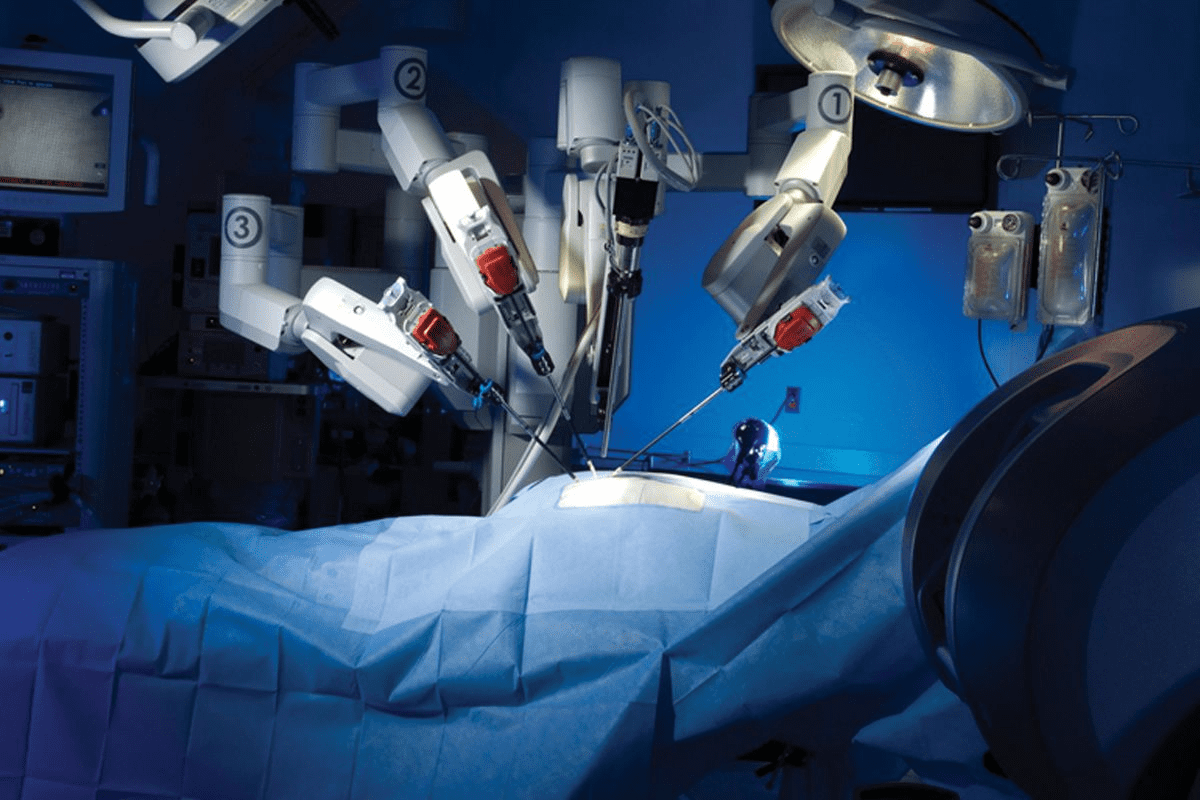
Colon resection surgery, also known as bowel resection, removes a diseased or blocked part of the large intestine. After this surgery, many patients wonder about their diet and lifestyle, including alcohol consumption.
It’s important to know how soon can you drink alcohol after colon resection affects recovery. MSK guidelines say patients should talk to their doctors about drinking before surgery. This can change their care plan.
Doctors tell patients to stay away from alcohol for at least two weeks after colon resection. They can start drinking again once they’ve finished their pain meds and antibiotics.
Key Takeaways
- Avoid alcohol for at least two weeks after colon resection or bowel surgery.
- Resume drinking only after completing prescribed pain medication and antibiotics.
- Discuss alcohol consumption with healthcare providers before surgery.
- Understand the implications of alcohol on the recovery process.
- Follow a complication-free healing process by avoiding alcohol.
Understanding Colon Resection and Bowel Surgery
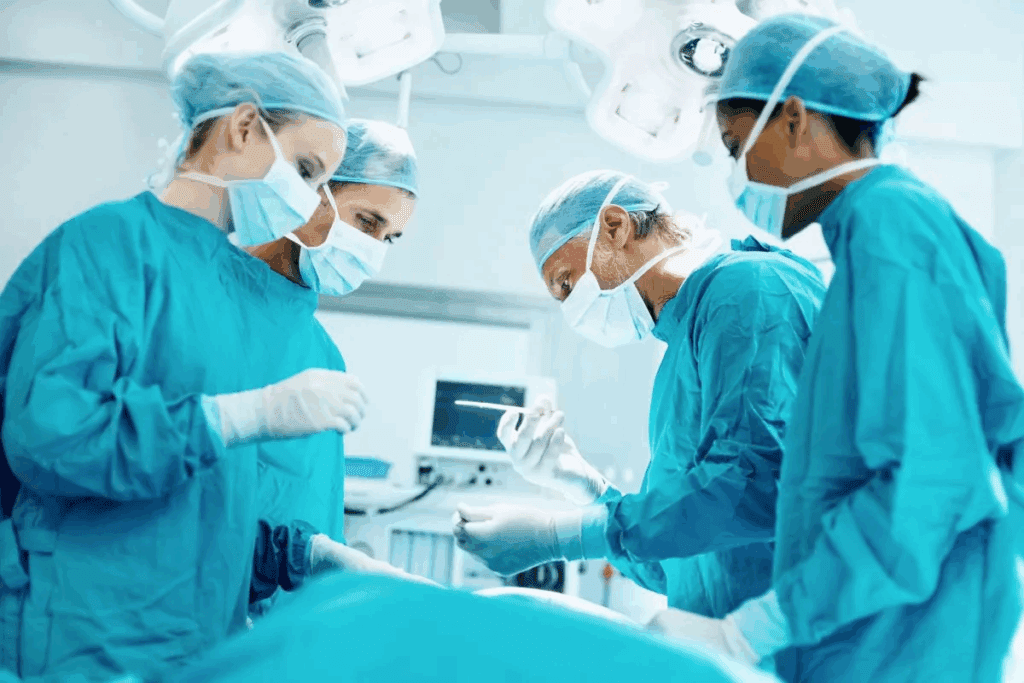
It’s important to know about colon resection and bowel surgery if you’re facing them. This surgery removes the sick part of the colon and joins the healthy parts back together. It’s done for many reasons, like colon cancer, diverticulitis, and bowel obstruction.
Types of Colon and Bowel Surgeries
There are different ways to do colon resection surgery. Open surgery uses one big cut in the belly. Minimally invasive surgery uses small cuts and tools through them. The choice depends on the patient’s health, the surgery’s complexity, and the surgeon’s skill.
“Surgical techniques have gotten better, helping patients more,” says Dr. John Smith, a top surgeon. “For example, minimally invasive surgeries cause less pain and faster recovery.”
Common Reasons for Colon Resection
Most colon resections are for colon cancer. Other reasons include:
- Diverticulitis – inflammation of the diverticula, which are small pouches in the wall of the colon.
- Bowel obstruction – a blockage that prevents the normal flow of intestinal contents.
- Inflammatory bowel disease (IBD) – conditions like Crohn’s disease and ulcerative colitis.
Drinking too much alcohol before or after surgery can lead to problems. It’s key to listen to your doctor about alcohol.
What Happens During the Procedure
During a colon resection, the surgeon takes out the sick part of the colon and joins the healthy parts. This surgery is detailed and needs careful work to keep bowel function after surgery.
The surgery has several steps:
- The patient gets general anesthesia to stay comfortable and pain-free.
- The surgeon makes the needed cuts, depending on the surgery type.
- The sick part of the colon is found and removed carefully.
- The healthy ends are joined together, called anastomosis.
Knowing about colon resection and bowel surgery helps patients get ready for the surgery and recovery.
The Impact of Surgery on Your Digestive System
Colon resection surgery changes how your body digests food and absorbs nutrients. It’s important to understand these changes to manage your recovery better.
Anatomical Changes After Colon Resection
After surgery, your digestive system’s structure changes. Removing part of the colon can alter bowel movements and nutrient absorption. A medical expert notes, “The colon is key in absorbing water and electrolytes from waste.” The extent of these changes depends on the surgery’s extent and your health.
Initial Digestive Function Following Surgery
Patients often see digestive function changes after surgery. WebMD says patients start with liquids and then soft foods as they heal. This gradual diet helps reduce discomfort and complications.
Timeline for Digestive Recovery
The time it takes for your digestive system to recover varies. It usually takes weeks for it to get back to normal.
“The recovery process can be influenced by factors such as the patient’s pre-surgery health, the type of surgical procedure, and adherence to post-operative care instructions.”
Following a specific diet after surgery is recommended to aid in recovery.
How Soon Can You Drink Alcohol After Colon Resection?
Patients often ask when they can drink alcohol again after colon resection surgery. It’s important to wait the right amount of time to avoid complications during recovery.
General Medical Guidelines
Doctors usually tell patients to avoid alcohol for a while after surgery. Memorial Sloan Kettering (MSK) advises patients to discuss their alcohol consumption with their healthcare team before surgery. This shows how important it is to get advice that fits your situation.
It’s key to listen to your doctor’s specific advice. They can give you personalized guidance based on your health, the surgery type, and any complications.
The Two-Week Minimum Waiting Period
Most doctors recommend waiting at least two weeks before drinking alcohol again. This gives your body time to heal and lowers the risk of problems. It’s also advised to wait until after completing pain medication and antibiotics, as alcohol can interact with these and cause issues.
Factors That May Extend This Timeline
Some things might make you wait longer than two weeks to drink alcohol. These include complications after surgery, the surgery type, and your health. If you have health issues or complications, you might need to wait even longer.
It’s important to be patient and follow your doctor’s advice. This ensures a safe and effective recovery.
Medication Interactions: Why Timing Matters
After a colon resection, your body needs careful handling of medications. This includes pain drugs and antibiotics. Knowing how these interact with alcohol is key for a smooth recovery.
Alcohol and Pain Medication Dangers
Drinking alcohol with pain meds after surgery is risky. “It can cause bleeding, slow breathing, and serious problems,” doctors say. Always stick to your pain plan and skip the booze until it’s okay.
Key risks of mixing alcohol and pain meds include:
- Higher chance of bleeding in the gut
- More sleepiness, which can harm breathing
- Worse thinking and judgment
Antibiotic Interactions with Alcohol
Antibiotics help prevent infections after surgery. Mixing them with alcohol might not be as bad as with pain meds. But, it’s important to know the risks. “Alcohol can make antibiotics cause nausea and vomiting,” doctors note.
When It’s Safe to Resume Drinking After Medication
When you can start drinking again depends on your meds and health. Usually, wait 24 to 48 hours after antibiotics. For pain meds, it’s longer and your doctor will tell you when.
Always talk to your doctor before drinking again. They’ll check if it’s safe for you based on your recovery and meds.
Potential Complications of Early Alcohol Consumption
Drinking alcohol too soon after bowel surgery can cause serious health problems. It’s important to watch your alcohol intake while recovering from colon surgery. This is because alcohol can lead to several complications after surgery.
Increased Risk of Surgical Site Infections
Drinking alcohol early after surgery raises the risk of surgical site infections. Alcohol weakens the immune system, making it harder to fight off infections. Studies have found that alcohol use after surgery increases the chance of infections at the surgical site. This can cause longer hospital stays and more treatments.
- Impaired immune function
- Increased susceptibility to infections
- Potential for severe complications
Anastomotic Leaks and Alcohol
Early alcohol use also raises the risk of anastomotic leaks. Anastomotic leaks happen when the surgical connection between intestine parts breaks. Alcohol can slow down healing, making leaks more likely. This serious issue might need more surgery.
- Interference with the healing process
- Increased risk of anastomotic leaks
- Potential need for additional surgical intervention
Impact on Wound Healing and Recovery Time
Alcohol can also slow down wound healing and extend recovery time. It makes the body less able to heal wounds, leading to longer recovery periods. This is a big concern for those who have had major surgeries like colon resection.
In summary, avoiding alcohol in the early recovery stages after colon or bowel surgery is key. This helps prevent complications like infections, leaks, and slow healing.
Pre-Surgery Alcohol Use and Its Impact on Recovery
Drinking alcohol before surgery can affect how well you recover after a colon resection. Knowing how alcohol impacts surgery can help patients decide about drinking before surgery.
How Pre-Operative Drinking Affects Outcomes
Research shows heavy drinking before surgery can lead to worse results. This includes more complications and a higher chance of death. Alcohol can slow down healing, making recovery harder.
Heavy alcohol intake before surgery raises the risk of problems. This includes infections, bleeding, and heart issues. Alcohol weakens the immune system, making it harder to fight off infections.
Increased Risk of Complications
Patients who drink a lot before surgery face a higher risk of complications. This includes infections at the surgical site and systemic issues like pneumonia and sepsis.
It’s important for patients to know their drinking habits before surgery can affect recovery. Cutting down or stopping alcohol before surgery can lower the risk of complications.
Higher Mortality Rates in Heavy Drinkers
Heavy drinkers are at a higher risk of dying after surgery. The reasons are complex, involving liver function, immune response, and overall health.
Patients who drink a lot should talk to their doctor about it before surgery. This can help assess risks and find ways to reduce them.
Factors Affecting Your Personal Recovery Timeline
Your recovery time after colon resection surgery depends on many things. Knowing these can help you and your doctor make a recovery plan just for you.
Pre-Surgery Health Status
Your health before surgery is key to your recovery. People with fewer health problems usually heal faster.
Open vs. Minimally Invasive Procedures
The surgery type greatly affects your recovery time. Minimally invasive surgeries often mean shorter hospital stays and quicker healing.
Age and Comorbidity Considerations
Age and other health issues can slow down your recovery. Older people or those with many health problems may need more time to get better.
Adherence to Post-Operative Care Protocols
It’s important to follow your doctor’s advice after surgery. This includes taking your meds, going to follow-up visits, and making lifestyle changes.
| Factor | Impact on Recovery | Typical Recovery Time |
| Pre-Surgery Health Status: Good | Faster recovery | 4-6 weeks |
| Pre-Surgery Health Status: Poor | Slower recovery | 8-12 weeks |
| Minimally Invasive Surgery | Quicker recovery | 2-4 weeks |
| Open Surgery | Longer recovery | 6-8 weeks |
Gradual Reintroduction of Alcohol: Best Practices
Patients who have had a colon resection should plan carefully before drinking alcohol again. This careful approach helps ensure a safe and healthy return to alcohol.
Starting with Small Amounts
Experts advise starting with small amounts of alcohol. This slow start helps the body adjust and lowers the chance of bad reactions.
For example, a patient might start with a small glass of wine or a single beer. It’s important to drink in a controlled setting. This way, the patient can watch how their body reacts.
Monitoring Your Body’s Response
It’s important to watch how your body reacts when you start drinking again. Pay attention to any changes in your stomach, how you feel overall, and any signs of trouble.
“Listening to your body’s signals is very important. If you feel uncomfortable, in pain, or notice other bad effects, stop right away and talk to your doctor.”
Types of Alcohol to Consider First
When choosing what to drink first, consider clear spirits or wine. These are usually gentler on the stomach than darker drinks or those with more sugar.
- Clear spirits like vodka or gin
- Wine, mainly dry types
- Beer, starting with lighter kinds
When to Stop and Consult Your Doctor
If you feel bad, like stomach pain, nausea, or vomiting, stop drinking right away. Then, talk to your doctor.
It’s wise to be cautious when starting to drink again after surgery. Talking to your doctor can give you advice that fits your specific situation.
Conclusion: The Importance of Personalized Medical Advice
Recovering from colon resection surgery needs careful thought. This includes when to start drinking alcohol again. General guidelines help, but
it’s key to talk to your doctor. They can give advice that fits your health and how you’re doing.
Liv Hospital stresses the need to follow the latest medical advice and care during recovery. Your surgeon can give you specific advice on drinking after surgery. This helps you recover safely and well.
Getting personalized medical advice helps avoid complications and makes recovery smoother. It’s vital for making smart health choices, like when to drink alcohol after surgery.
FAQ
How soon can I drink alcohol after colon resection surgery?
It’s best to wait at least two weeks before drinking alcohol after colon surgery. This time can change based on your health and any complications.
What are the risks of drinking alcohol too soon after bowel surgery?
Drinking too soon after surgery can cause problems. These include infections, leaks, and slow healing of wounds.
Can I drink alcohol while taking pain medication after colon resection?
No, it’s not safe to drink alcohol with pain meds after surgery. It can increase the risk of bleeding.
How does pre-surgery alcohol consumption affect recovery outcomes after colon resection?
Drinking a lot before surgery can raise the risk of issues. These include infections, bleeding, and heart problems, affecting recovery.
What factors influence my recovery timeline after colon resection surgery?
Many things affect how long it takes to recover. These include your health before surgery, the surgery type, age, and any health issues you have. Following post-surgery care is also important.
How should I reintroduce alcohol into my diet after colon resection surgery?
Start with small amounts of alcohol when you begin again. Watch how your body reacts. Stop and talk to your doctor if you have any bad effects.
Are there specific guidelines for alcohol consumption after a colonic resection?
General advice is to wait at least two weeks. But, your doctor’s specific advice is key. They can tailor guidance to your health and recovery.
Can drinking alcohol after bowel surgery lead to anastomotic leaks?
Yes, drinking too soon can raise the risk of leaks. This is a serious issue that can slow down recovery.
How does colon resection surgery affect my digestive system, and how does this relate to alcohol consumption?
Surgery can change how you digest food and absorb nutrients. It may take time for your digestive system to adjust. This can affect how your body handles alcohol.
References:
ShrEstha, G. (2023). Spigelian hernia: A rare case presentation and review of literature. Journal of Surgical Case Reports. Retrieved from https://www.sciencedirect.com/science/article/pii/S2210261223002079