Last Updated on November 25, 2025 by
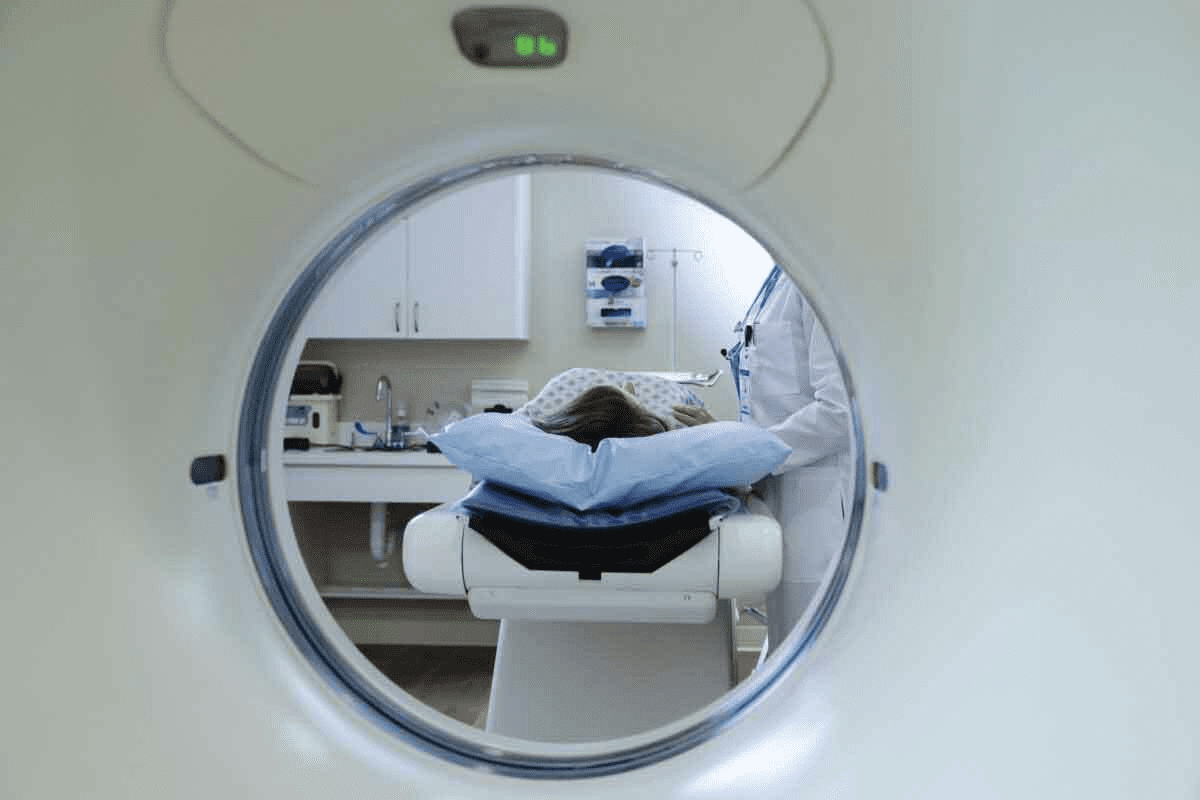
A CT urogram is a test that uses X-rays and dye to see the urinary system. This includes the kidneys, bladder, and ureters. It helps find problems in the urinary tract.
Most people can drive after a CT urogram because sedatives are not usually given. But if you’re wondering “CT what?, it’s simply a special scan of your urinary tract. If you’ve had special medications or don’t feel well, it’s smart to have someone with you or wait until you’re feeling better before driving.
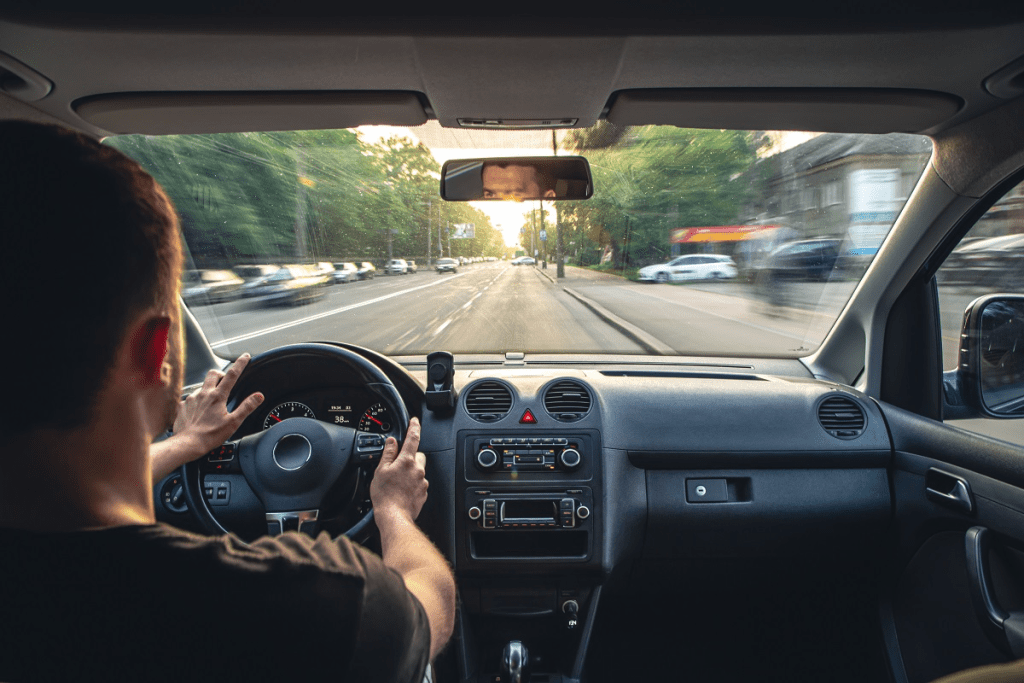
Safety is very important. Studies and guidelines from top hospitals tell us it’s safe to drive after the test. Usually, you can go back to normal activities, like driving, unless your doctor says not to.
Key Takeaways
- Most patients can drive after a CT urogram without issues.
- Sedatives are not routinely used during the procedure.
- If you feel unwell or have received special medications, it’s best not to drive.
- Follow the specific advice given by your healthcare provider.
- Normal activities can usually be resumed immediately after the test.
Understanding CT Urograms: The Basics of CT Urograms
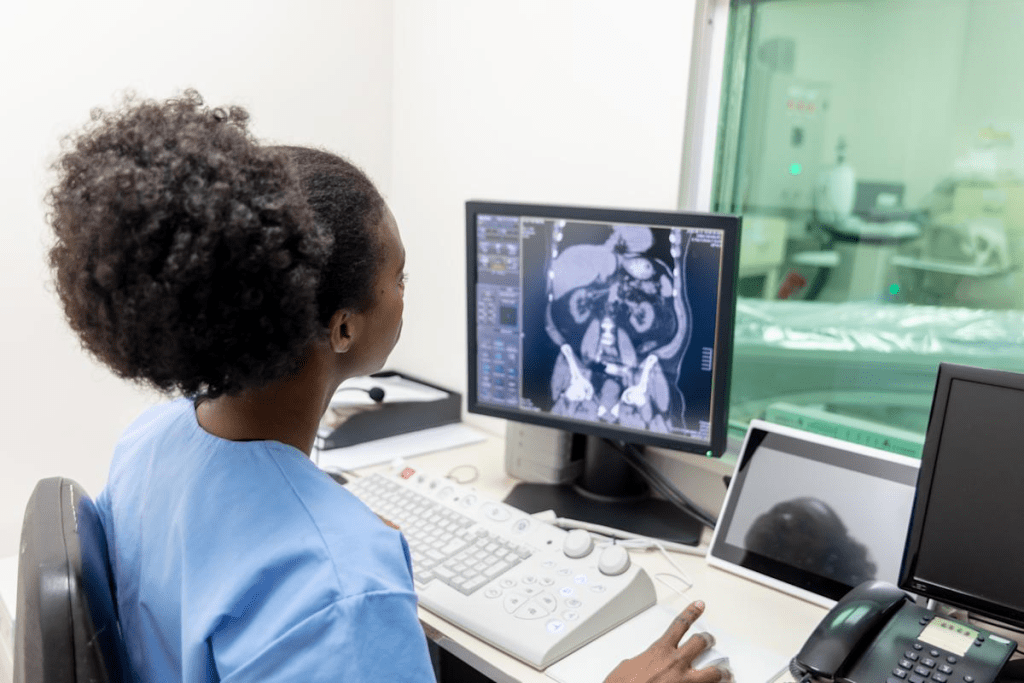
Understanding a CT urogram is key. It’s a detailed test that uses X-rays to show the urinary tract. These images are then turned into 2D pictures.
Definition and Purpose of Computerized Tomography Urograms
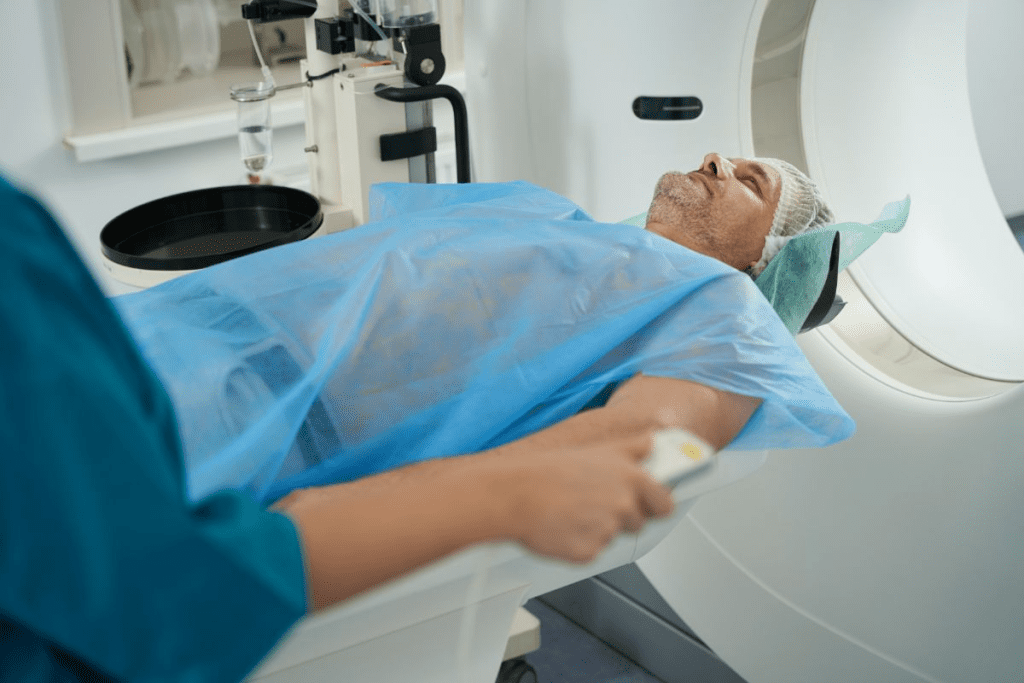
A CT urogram is a scan of the urinary system. It looks at the kidneys, ureters, and bladder. Its main goal is to find and track problems like kidney stones and tumors.
“The use of CT urograms has revolutionized the diagnosis of urinary tract disorders, providing unmatched detail and accuracy,” say doctors. A contrast dye is injected to make the urinary system stand out, helping spot issues.
How CT Urography Differs from Other Imaging Tests
CT urography is unique because it combines detailed images with quick results. It’s great for those with complex urinary issues or past surgeries. The contrast dye makes the urinary system clearer, leading to more accurate diagnoses.
It’s different from a regular CT scan because it focuses on the urinary system. The contrast dye used in CT urograms makes it better for spotting problems that other tests might miss.
The Role of Contrast Media in Urogram CT
The contrast media in CT urograms are essential. It makes the urinary tract visible, helping doctors find problems that might not show up without it.
While contrast media is usually safe, it can cause side effects like nausea or itching. These effects are usually mild and short-lived. But, in rare cases, serious reactions can happen, so it’s important to have medical supervision during and after the test.
The CT Urogram Procedure: What to Expect
If you’re set for a CT urogram, you might wonder what it’s all about. A CT urogram is a test that shows the urinary system. It’s great for finding kidney stones and other problems in the urinary tract.
Preparation and the Scanning Process
The CT urogram process has a few steps. First, you’ll lie on a table that moves into the CT scanner. You might get contrast dye to make the urinary tract show up better. Our team will help you feel comfortable and safe.
- You might need to hold your breath for a bit to get clear images.
- The contrast dye goes into a vein in your arm.
- Our staff will keep an eye on you the whole time to answer any questions.
Duration and Comfort Considerations
The whole CT urogram usually takes 30 minutes to an hour. The scan itself is fast, but getting ready and settled can take longer. We aim to make you as comfortable as possible, easing any worries or discomfort.
Comfort measures include:
- Adjusting the table to a comfy position.
- Offering blankets or pillows if you need them.
- Telling you what’s happening at each step to calm your nerves.
Immediate Post-Procedure and Possible Risks
After the scan, you’ll be watched for a bit to see if you react to the dye. Most people can go back to normal activities right away. But, some might feel a little sick or dizzy.
It’s key to follow our after-procedure advice to avoid risks. If you have serious symptoms like trouble breathing, a fast heart rate, or bad pain, get help right away.
Common Effects After a CT Urogram
CT urograms are usually safe, but some people might feel side effects from the contrast media. We’ll look at these effects, how long they last, and when they might be serious.
Normal Physical Sensations from Contrast Media
The dye in CT urograms can cause some common feelings. You might feel:
- A warm sensation or flushing
- A metallic taste
- Mild nausea
These feelings are usually mild and go away quickly after the test. For more info on CT urograms and their effects, check out this article.
Typical Duration of Side Effects
Most side effects from the dye are short-lived. They usually go away within a few minutes to hours after the test. Sometimes, mild side effects can last up to 24 hours. It’s important to follow your doctor’s post-procedure advice to handle these effects well.
Distinguishing Normal Reactions from Complications
While most reactions to the dye are mild, it’s key to tell them apart from serious complications. Severe reactions include:
- Difficulty breathing
- Rapid heartbeat
- Severe rash or itching
If you have any of these symptoms, get medical help right away. It’s a good idea to watch your condition and tell your doctor about any unusual or lasting symptoms.
In summary, while CT urograms are useful, it’s important to know about possible side effects and how to deal with them. This ensures patient safety and comfort.
Driving Safety After Your CT Urogram
It’s important for patients and their caregivers to know about driving safety after a CT urogram. We’ll give you tips on how to stay safe while driving. We’ll also explain the need for an observational period after the procedure.
General Guidelines for Most Patients
Most people can drive home after a CT urogram. But it’s key to follow some rules. If you feel okay and haven’t had any bad reactions to the contrast, driving is usually safe. Yet, it’s wise to check how you’re feeling before driving.
If you have sedation or feel uncomfortable, it’s best to have someone with you. Or, find another way to get home. We care about your safety and the safety of others on the road.
Statistical Safety Data on Post-Procedure Driving
Research shows most patients can drive soon after a CT urogram without big risks. The data says severe reactions that could affect driving are rare. But, we stress the need for a short watch period to catch any side effects.
The Observational Period and Its Purpose
The watch period after a CT urogram is a safety step. It lets doctors check for any quick, bad reactions to the contrast. This way, they can act fast if needed, keeping risks low.
Knowing why this watch period is important helps patients see the steps taken to keep them safe. It shows how much we care about your health and safety after the test.
When Driving Is Not Recommended After a CT Scan for Kidney Stones or Urinary Tract Infections
After a CT urogram, some patients might not be able to drive. We look at when it’s best not to drive. This is to keep patients safe and follow medical advice.
Patients Requiring Pre-medication for Contrast Allergies
People with contrast media allergies need pre-medication to avoid allergic reactions. They take corticosteroids and antihistamines, which can affect their ability to drive. We tell these patients to find another way to get home.
Cases Involving Sedation or Anti-Anxiety Medications
Some patients get sedation or anti-anxiety meds before or during the CT urogram. These can make it hard to think clearly and react quickly. So, they should plan for someone else to drive them.
Severe Reactions Requiring Extended Monitoring
Though rare, some people can have severe reactions to contrast media. These reactions might need extra time in a hospital. It’s important for them to have a safe way home, as they might not be well enough to drive.
To understand when driving is not okay, let’s look at a summary table:
| Condition | Reason for Not Driving | Recommended Action |
| Contrast Allergies Requiring Pre-medication | Potential side effects from pre-medication | Arrange for alternative transportation |
| Sedation or Anti-Anxiety Medications | Impaired cognitive function and reaction times | Have someone drive you home |
| Severe Reactions | Need for extended medical monitoring | Stay under medical supervision until stable |
Knowing these situations helps patients plan their ride home after a CT urogram. This ensures their safety.
Planning Your Transportation for a CT Urogram Appointment
Before your CT urogram, think about how you’ll get there and back. A smooth trip can make your experience better. It helps reduce stress and makes the whole thing more positive.
Questions to Ask Your Healthcare Provider Beforehand
Talk to your doctor about your CT urogram. They can tell you if you can drive after it. Ask:
- If the procedure will make you too tired to drive
- About any side effects from the dye that might affect driving
- How long should you wait before driving again
Your doctor will give advice based on your health and the procedure.
Alternative Transportation Options
If you can’t drive, have a plan B. Here are some ideas:
- Public Transportation: Buses or trains might be easy, depending on where you are and how close the facility is.
- Ride-sharing Services: Uber or Lyft can take you home, which is great if you’re not feeling well.
- Family or Friends: Ask someone you trust to drive you. Make sure they can and will help.
Creating a Safety Plan for Your Procedure Day
A safety plan is more than just a ride. It’s about being ready for anything. Here’s how:
- Save a taxi or ride-sharing number in your phone.
- Keep your doctor’s number handy for questions or concerns.
- Tell your driver or friend about your meds and any side effects.
Plan ahead and be ready. This way, your CT urogram appointment will be safe and stress-free.
Resuming Normal Activities: Timeline and Recommendations
After a CT urogram, knowing when to start normal activities is key for a smooth recovery. We’ll help you understand the post-procedure guidelines and what to expect during your recovery.
Immediate Post-Procedure Guidelines
Right after your CT urogram, it’s important to follow certain guidelines for your safety and comfort. Drink plenty of water to clear the contrast media from your body. Most people can go back to normal activities soon after, but avoid hard work for the rest of the day.
Watch how your body reacts to the contrast media. Be on the lookout for any odd symptoms like rash, itching, or trouble breathing. If you have a severe reaction, get medical help right away.
24-48 Hours After Your Procedure
In the 24-48 hours after your CT urogram, keep drinking water and watch for any unusual reactions to the contrast media. Some people might feel:
- Nausea or vomiting
- Diarrhea or stomach pain
- Headache or feeling dizzy
If these symptoms don’t go away or get worse, call your healthcare provider for advice.
When to Seek Medical Attention for Delayed Reactions
Most reactions to the contrast media are mild and short-lived. But there are times when you need to see a doctor. Delayed reactions that need urgent care include:
- Severe rash or itching that doesn’t go away
- Difficulty breathing or swallowing
- Chest pain or feeling tight
Knowing about these possible issues and when to get help is vital for your safety and health after a CT urogram.
Conclusion
We’ve looked into the safety and steps of CT urograms, including driving after. A CT urogram is a key tool for diagnosing and treating urinary tract problems.
Most people can go back to normal activities, like driving, soon after a CT urogram. But it’s important to listen to your doctor’s advice. Knowing how contrast media works and following your doctor’s instructions is key to a safe recovery.
Understanding the CT urogram process and what happens after helps patients prepare. It also helps them avoid any risks or discomfort. This summary shows how important it is to follow post-procedure guidelines for safety.
FAQ
What is a CT urogram?
A CT urogram is a test that uses X-rays and dye to see the urinary system. This includes the kidneys, ureters, and bladder.
How long does a CT urogram procedure take?
A CT urogram usually takes 30 minutes to an hour. But you might spend more time at the hospital. This is for getting ready and checking after the test.
Can I drive after a CT urogram?
Most people can drive after a CT urogram. But, wait a bit first. This is to make sure you don’t have any bad reactions to the dye.
What are the common side effects of a CT urogram?
Common side effects include mild reactions to the dye. These can be nausea, dizziness, or itching. They usually go away quickly.
When should I not drive after a CT urogram?
Don’t drive if you have to take medicine for dye allergies. Also, avoid driving if you were given sedation or had severe reactions during or after the test.
How long do side effects from contrast media last?
Side effects from the dye are usually short-lived. They can last from a few minutes to a few hours. But, in rare cases, they might last longer.
What should I do if I experience delayed reactions after a CT urogram?
If you have delayed reactions, like severe pain or trouble urinating, seek medical help right away. Also, watch for signs of an allergic reaction.
Can I resume normal activities immediately after a CT urogram?
Most people can go back to normal activities soon after the test. But always follow the advice of your healthcare provider.
What is the role of contrast media in a CT urogram?
Contrast media make the urinary tract more visible during the CT urogram. This helps doctors make more accurate diagnoses of problems in the kidneys, ureters, and bladder.
How does CT urography differ from other imaging tests like IVP or KUB?
CT urography gives more detailed images of the urinary system than tests like IVP or KUB. This makes it better for diagnosing complex conditions.
References
- Andreucci, M., Solomon, R., & Tasanarong, A. (2014). Radiographic contrast media nephrotoxicity: Pathogenesis and prevention. BioMed Research International, 2014, 942872.https://pmc.ncbi.nlm.nih.gov/articles/PMC4034507/