Last Updated on December 2, 2025 by Bilal Hasdemir

Nearly 1.5 million people have surgery for colon cancer or other issues each year in the U.S. A colectomy is often a lifesaving surgery. But, knowing when to start driving again can be confusing.
Getting back to normal activities is a big step in recovery. When you can start driving after colectomy depends on several things. These include the surgery type, your health, and how well you’re recovering.
It’s very important to listen to your healthcare team. They can help make sure you’re safe on the road. We’ll look at what to consider when it’s okay to drive after a colectomy.
Key Takeaways
- Recovery time varies significantly among individuals after a colectomy.
- The type of surgery (open, laparoscopic, or robotic) impacts the recovery pace.
- Healthcare provider guidance is key for knowing when to start driving again.
- Certain medications can affect your ability to drive.
- How comfortable you feel and your reaction time are important for safe driving after a colectomy.
What Happens During a Colectomy Surgery

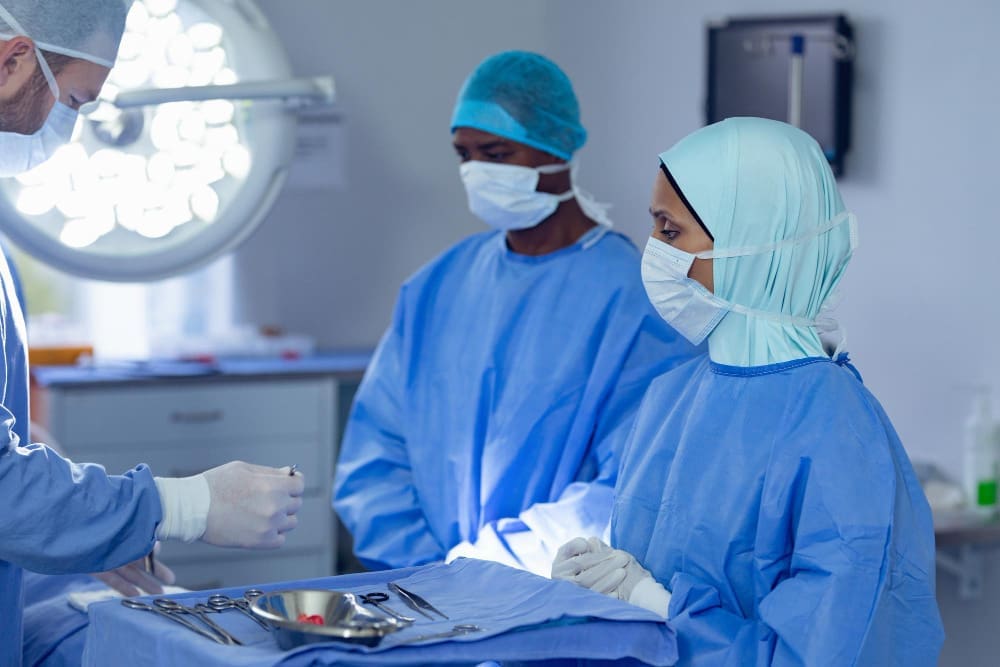
A colectomy surgery is a big medical procedure. It involves removing part or all of the colon. This is done to treat problems with the large intestine.
Different Types of Colectomy Procedures
There are many types of colectomy procedures. Each one is used for different reasons and has its own results. The main types are:
- Right Colectomy (Right Hemicolectomy): This involves removing the right side of the colon.
- Left Colectomy (Left Hemicolectomy): This involves removing the left side of the colon.
- Total Colectomy: This involves removing the entire colon.
- Sigmoid Colectomy: This focuses on removing the sigmoid colon, a part of the large intestine.
Physical Impact on Your Body
The physical effects of a colectomy can be big. They can affect many parts of your health and recovery. Right after surgery, you might feel:
- Pain and Discomfort: You might feel pain and discomfort after surgery.
- Changes in Bowel Habits: The surgery can change how you go to the bathroom.
- Fatigue: Recovering from a colectomy can be very tiring.
Type of Colectomy | Surgical Focus | Common Physical Impacts |
Right Colectomy | Removing the right side of the colon | Changes in bowel habits, possible diarrhea |
Left Colectomy | Removing the left side of the colon | Possible changes in bowel frequency, risk of constipation |
Total Colectomy | Removing the entire colon | Significant changes in bowel habits, possible ileostomy or j-pouch creation |
Sigmoid Colectomy | Removing the sigmoid colon | Changes in bowel habits, possible reduced frequency of bowel movements |
The Initial Recovery Phase After Colectomy

The journey to recovery after a colectomy starts with careful hospital care and rest at home. Patients are closely monitored for any complications, and pain management is a priority. We emphasize the importance of this phase to ensure a smooth and effective recovery.
Hospital Stay Duration
The length of hospital stay after a colectomy can vary. It depends on the type of surgery and the patient’s overall health. Usually, patients stay in the hospital for 3 to 7 days.
During this time, medical staff watch for any signs of complications and manage pain. Adequate rest and following hospital guidelines are key for a successful initial recovery.
First Week at Home: No Driving Allowed
After being discharged from the hospital, patients spend the first week at home recovering. It’s important to note that driving is not recommended during this initial week. The body’s reaction to surgery can affect driving abilities.
We advise patients to follow this guideline to ensure their safety and the safety of others on the road.
During the first week at home, patients should focus on resting and following post-operative instructions. This includes managing pain through prescribed medication and monitoring the surgical site for any signs of infection. Gradually increasing mobility is also important. By adhering to these guidelines, patients can lay the foundation for a successful recovery.
Why Driving Is Restricted After Colectomy Surgery
Driving is restricted after colectomy surgery for safety reasons. After surgery, the body is stressed, and it needs time to heal. Driving too soon can be dangerous for the patient and others.
Physical Limitations Affecting Driving Ability
After surgery, patients face physical limitations that make driving hard. They might have less mobility, pain, and discomfort in their belly. These issues make it hard to react fast in traffic.
Some challenges include:
- It’s hard to turn or check blind spots because of limited movement.
- Pain or discomfort can distract from driving.
- Making sudden movements or stops is hard because of post-operative pain.
Safety Risks During Early Recovery
During early recovery, patients face safety risks. They might get infections, bleed, or have bad reactions to medicine. These issues can make driving unsafe.
Also, pain meds can slow down thinking and reaction times. This increases the chance of accidents. It’s important for patients to follow driving restrictions to stay safe and protect others.
Typical Timeline for Driving After Colectomy
After a colectomy, many patients ask when they can drive again. The time it takes to start driving depends on the surgery type and other factors.
Recovery times vary because everyone heals differently. The surgery’s complexity also plays a role. Here’s a general idea of what to expect.
The Average Two-Week Driving Restriction
Most doctors tell patients to avoid driving for two weeks after surgery. This two-week driving restriction helps ensure patients are fully recovered before driving.
During this time, pain meds can affect driving skills. Also, the discomfort and limited movement make driving risky.
Recovery Differences by Procedure Type
The type of colectomy affects recovery time, including when to start driving. For example, a minimally invasive surgery might have a shorter recovery than a traditional open colectomy.
Knowing these differences helps manage expectations and plan care. We’ll look into how different procedures affect driving times.
By considering these factors, patients can better understand their driving timeline after colectomy. This helps plan their recovery.
Doctor Clearance Requirements Before Driving
Before you start driving again after a colectomy, getting your doctor’s okay is key. It makes sure you’re physically fit to drive safely and well.
Post-Operative Follow-Up Appointments
After your surgery, your doctor will book several post-operative follow-up appointments. These are important to check how you’re healing and if you’re strong enough to drive.
At these visits, your doctor will look for any issues, check your wound, and see how you’re doing physically. They’ll also talk about your meds and any changes needed.
Medical Criteria for Driving Approval
Your doctor will look at certain medical criteria to decide when you can drive. These include:
- Being able to sit comfortably in the driver’s seat
- Having enough movement to drive safely
- Having enough strength for driving tasks
- Having little or no pain while driving
- No side effects from pain meds that could affect driving
Meeting these criteria and getting your doctor’s approval means you can drive safely again after your surgery.
Pain Medication Considerations for Safe Driving
After a colectomy surgery, managing pain while driving safely is a big challenge. Patients often take pain meds to ease discomfort. But these can make driving risky.
How Pain Medications Affect Driving Ability
Pain meds, like opioids, can make you feel sleepy, dizzy, and slow to react. These effects can make driving unsafe. Driving on these meds is dangerous, not just for you, but for others too. The sleepy side effects are a big problem right after surgery.
These meds can also mess with your thinking, judgment, and coordination. These are key for safe driving. It’s important to know that driving risks don’t just stop after you recover. Some meds can keep affecting you even after you’re better.
When to Stop Pain Medication Before Driving
Always talk to your doctor before driving on pain meds. It’s best to avoid driving on opioids or meds that make you sleepy. The exact time will depend on the medication, dosage, and how you react to it.
Waiting 24 to 48 hours after stopping these meds is a common rule. But, this can change based on the medication and your health. Always follow your doctor’s advice on pain management and driving. They can give you personalized guidance based on your situation.
Physical Readiness Assessment for Driving After Colectomy
Checking if you’re ready to drive after a colectomy is key for safety. Your body must heal fully before you can drive. It’s important to make sure you can handle driving’s demands.
Essential Physical Abilities for Safe Driving
To drive safely after a colectomy, you need certain physical skills. These include:
- Range of motion: You must be able to move your arms and legs freely for driving.
- Reaction time: Your reaction time must be quick for unexpected road situations.
- Strength and endurance: You need enough strength and endurance for driving tasks without pain or tiredness.
Self-Assessment Exercises Before Driving
Before you start driving again, do some self-assessment exercises. These help figure out if you’re ready to drive safely.
- Check your range of motion: Try moving your arms and legs like you would for driving, like turning the wheel and pressing pedals.
- Test your reaction time: Practice quick reactions to driving scenarios, like sudden stops or turns.
- Assess your comfort level: See how comfortable or painful it is to sit and drive.
By checking your physical readiness and doing these exercises, you can safely return to driving after a colectomy.
Driving After Colectomy: Practical Safety Guidelines
After a colectomy, getting back to driving needs careful thought and prep. As you heal and get ready to drive again, some key safety tips can help. They ensure a safe and easy transition.
Vehicle Modifications for Comfort
Adjusting your car for comfort can greatly improve your driving after a colectomy. Small changes can make a big difference. They help reduce discomfort and improve safety.
- Adjust your seat and steering wheel to a comfortable position to minimize strain on your body.
- Use a cushion or lumbar support if necessary to alleviate back pain.
- Consider using a seatbelt adjuster to reduce pressure on your abdomen.
Car adjustments can reduce discomfort and complications when driving after abdominal surgery.
“Proper vehicle adjustments can significantly reduce the risk of discomfort and complications during driving after abdominal surgery.”
Journal of Surgical Research
Modification | Benefit |
Seat Adjustment | Reduces strain on the body |
Lumbar Support | Alleviates back pain |
Seatbelt Adjuster | Reduces pressure on the abdomen |
Planning Your First Post-Surgery Drive
Planning your first drive after surgery is key for a safe and calm experience. Here are some tips:
- Choose a quiet route to avoid heavy traffic and reduce stress.
- Drive during the day when visibility is better.
- Have a friend or family member accompany you on your first drive.
- Keep your phone nearby in case of emergencies.
It’s also essential to assess your physical readiness before driving. Make sure you can do basic driving tasks like checking mirrors, braking, and accelerating without discomfort.
By following these practical safety guidelines, you can ensure a safe and comfortable return to driving after a colectomy. Always get advice from your healthcare provider on when it’s okay to start driving again.
Special Driving Considerations for Different Colectomy Types
The type of colectomy procedure can affect how long it takes to recover and when you can drive again. Each surgery has its own challenges, like pain and recovery time. These factors can decide when it’s safe to get behind the wheel.
Driving After Right Colectomy
A right colectomy removes the right side of the colon. This surgery can cause specific problems that might make driving hard. Patients might feel pain on the right side of their belly, which can get worse when they wear a seatbelt or drive.
Doctors usually tell patients to wait at least two weeks before driving after a right colectomy. But, this time can change based on how fast you recover and what your doctor says. It’s important to be able to drive safely and quickly, which might be hard at first.
Recovery Aspect | Right Colectomy Considerations |
Discomfort Location | Right side of the abdomen |
Typical Recovery Time | 2-4 weeks |
Driving Restrictions | Avoid driving for at least 2 weeks |
Driving After Left or Sigmoid Colectomy
Left or sigmoid colectomy surgeries remove parts of the left side or sigmoid colon. These surgeries can cause different problems than a right colectomy. Patients might feel pain or discomfort on the left side or lower belly, making it hard to drive.
The time it takes to recover and when you can drive again can vary. Usually, doctors say to wait at least two weeks, like with a right colectomy. But, it depends on how you’re doing and what your doctor says.
It’s very important to listen to your doctor about when you can start driving again. They will consider things like if you can stop quickly, if you’re comfortable, and if there are any complications. These things help decide when you’re ready to drive.
Potential Complications That May Delay Resuming Driving
After colectomy surgery, complications can affect when you can drive again. Most patients recover well, but knowing about possible issues is important for a smooth recovery.
Wound Healing Issues
Wound healing problems are a big worry after colectomy. Issues like infection, dehiscence, or hematoma can make recovery longer. Signs of wound infection include increased redness, swelling, pain, or discharge. If you notice these signs, call your doctor right away.
- Check your wound daily for any changes.
- Keep the wound clean and dry as your doctor advises.
- Tell your healthcare team about any unusual symptoms or concerns.
Unexpected Post-Operative Symptoms
Unexpected symptoms after surgery can also delay driving. Symptoms like severe abdominal pain, fever, vomiting, or trouble urinating need quick medical help. These could mean complications like bowel obstruction, internal bleeding, or infection.
- Severe abdominal pain that doesn’t get better with medicine.
- Fever over 101.5°F (38.6°C).
- Vomiting blood or constant nausea.
Watching how your body reacts to surgery and telling your doctor about any worries is key. This helps manage problems early. It’s important for a quick recovery and getting back to driving.
Legal and Insurance Implications of Driving During Recovery
After a colectomy surgery, it’s key to know the legal and insurance rules about driving. This time is not just for healing. It’s also when patients deal with legal and money matters.
Insurance Coverage Considerations
Insurance is a big part of getting better. Patients must know what their insurance pays for, like extra care during recovery. It’s vital to check your insurance policy to see what’s covered and what’s not. This includes rules about driving after surgery.
Some policies have special rules for driving after surgery. Patients should talk to their insurance company about these rules. This helps plan the recovery, including when it’s okay to drive again.
Legal Requirements for Medical Fitness
Rules for driving vary by place, but they all want drivers to be safe. After a colectomy, patients must be in good shape to drive. They need to meet these standards before driving again.
Following the doctor’s advice on when to drive is important. Medical clearance is often needed to make sure drivers are safe. This is not just a suggestion; in many places, it’s the law.
- Check local laws about driving after surgery.
- Get medical clearance before driving again.
- Know what your insurance covers for post-surgery care.
Understanding these legal and insurance rules helps patients recover from colectomy surgery. It makes sure they are ready to drive safely and legally.
Alternative Transportation Options During Your Recovery
Having a good plan for getting around is key when you’re recovering from a colectomy. You might not be able to drive because of pain or physical issues. So, it’s smart to look into other ways to get where you need to go.
Organizing Support from Family and Friends
Getting help from loved ones is a great way to manage your transport needs. They can drive you to appointments or help with shopping. Here are some tips to get them involved:
- Create a schedule: Work with your family and friends to plan out who will drive you and when.
- Be clear about your needs: Tell them exactly what you need, like a ride to the doctor or help with groceries.
- Show appreciation: Saying thank you to those who help can keep them supporting you.
Professional Transportation Services
If you can’t get help from family and friends, or need extra help, consider professional services. They offer rides to medical appointments and more. Look for services that:
- Offer door-to-door service for your comfort.
- Know how to help patients after surgery, keeping you safe.
- Have cars with features you might need, like wheelchair access.
Using these options can make your recovery easier and safer. It lets you focus on getting better without worrying about how to get around.
Resuming Driving in Relation to Other Activities
Starting to drive again after a colectomy is a big step. But, it’s also key to think about how it fits into your recovery plan. As you begin driving, you’ll also get back to work and join in social and family events.
Work Return Timeline Compared to Driving
The time it takes to go back to work can differ a lot from when you start driving. Driving might be possible in a few weeks. But, going back to work could take longer, depending on your job’s physical demands.
Job Type | Average Return to Work Time | Driving Resumption Time |
Desk Job | 4-6 weeks | 2-4 weeks |
Manual Labor | 8-12 weeks | 2-4 weeks |
Social and Family Activities
Doing social and family activities is vital for your mental and emotional health. But, it’s important to not overdo it and rest enough.
Tips for Balancing Activities:
- Start with short visits and gradually increase the duration.
- Prioritize activities that are most important to you.
- Listen to your body and rest when needed.
Understanding how to balance driving with other activities helps you recover better and smoother.
Real Patient Experiences with Driving After Colectomy
Many people have shared their stories about driving after a colectomy. They talk about the challenges they faced and how they got past them. Their experiences offer valuable advice for those going through the same thing.
Case Studies: When Patients Resumed Driving
Some case studies show when patients could drive again after a colectomy. For example, a 45-year-old patient drove within three weeks after a laparoscopic surgery. They followed their doctor’s advice and slowly got back to being active.
On the other hand, a patient who had an open surgery took longer to drive again. This shows that everyone recovers differently.
These stories underline the need for personalized medical advice. They also show that recovery times can vary greatly.
Common Challenges and Solutions
Driving after a colectomy can be tough. Patients might feel uncomfortable, have less mobility, or worry about safety. To tackle these issues, there are a few steps to take:
- Gradual Return to Driving: Start with short drives and gradually increase the duration to build confidence and comfort.
- Vehicle Adjustments: Make necessary adjustments to the vehicle, such as using a cushion for support or adjusting the seat for better comfort.
- Follow Medical Advice: Adhere to the doctor’s recommendations regarding when to resume driving and any specific precautions to take.
By understanding these common challenges and using practical solutions, patients can better manage their recovery.
Professional Drivers: Special Recovery Considerations
Recovering from a colectomy is a big deal for professional drivers. They need to plan carefully and follow certain rules to drive safely. Their job requires both physical strength and the skill to handle complex vehicles.
Commercial and Professional Driving Requirements
Drivers must meet strict rules to drive commercially. After a colectomy, they need a doctor’s okay to get back on the road. This means:
- They must wait until they’re fully recovered to drive.
- They have to pass medical tests set by transport authorities.
- They might need extra checks to make sure they’re fit to drive.
The Federal Motor Carrier Safety Administration (FMCSA) has rules for medical checks and qualifications for drivers.
Requirement | Description | Timeline |
Medical Clearance | Getting the green light from a doctor | Usually 6-12 weeks |
Medical Examination | Passing a medical test as FMCSA requires | Before starting to drive again |
Functional Assessment | Checking if they can drive safely | When the doctor says it’s time |
Extended Recovery Needs for Professional Drivers
Drivers need more time to recover because their job is tough. Recovery time depends on:
- The type of colectomy they had.
- How healthy they were before the surgery.
- The demands of their driving job.
It’s important for drivers to focus on healing. They should not rush back to work to avoid safety risks.
Knowing what they need to recover and the rules they must follow helps drivers plan their return. This ensures they’re safe and meet the driving requirements.
Conclusion: Creating Your Personal Post-Colectomy Driving Plan
When you’re getting ready for colectomy surgery, making a detailed recovery plan is key. This plan should include a safe driving strategy. It must also follow your doctor’s advice closely.
A good colectomy recovery plan helps you deal with driving challenges after surgery. You need to think about your physical limits, pain meds, and health before driving.
To make your own driving plan after colectomy, talk to your healthcare provider first. Learn about the driving rules after surgery. This includes any follow-up visits and medical checks you need.
By listening to your doctor and watching your body heal, you can safely start driving again. This careful approach helps you get back to driving on your own terms. It also keeps you safe during your recovery.
FAQ
How long after a colectomy can I resume driving?
Most doctors say you shouldn’t drive for at least two weeks after a colectomy. But, it really depends on the surgery type, how you’re feeling, and what your doctor says.
What factors influence my ability to drive after a colectomy?
Several things can affect your driving after a colectomy. These include the surgery type, how much you can move, your pain meds, and how fast you’re recovering.
Can I drive after a right colectomy or left colectomy?
The type of colectomy you had can change how you recover and when you can drive. People who had a right colectomy might need more time to get back to driving than those who had a left or sigmoid colectomy.
Why is driving restricted after colectomy surgery?
Driving is limited after colectomy surgery for a few reasons. These include physical limits, safety concerns, and how pain meds might affect your driving skills.
How do pain medications affect my ability to drive?
Pain meds can slow down your reaction time, judgment, and coordination. This makes it unsafe to drive. It’s best to avoid driving while taking meds that make you drowsy or dizzy.
When can I stop taking pain medication before driving?
Always listen to your doctor about when to stop pain meds before driving. You should wait until you’re no longer taking meds that could make driving unsafe.
What are the essential physical abilities required for safe driving after a colectomy?
To drive safely, you need good range of motion, strength, and quick reactions. You should be able to do simple tasks like checking mirrors and reacting to emergencies.
How do I assess my physical readiness for driving after a colectomy?
You can check your readiness to drive with simple tests. Try checking your blind spots, reacting to a horn, and see how comfortable you are sitting.
Are there any vehicle modifications that can make driving more comfortable after a colectomy?
Yes, you can make driving more comfy by adjusting your seat, using a back support, or changing your vehicle’s controls. Talk to your healthcare provider or a driving expert for advice.
What are the legal and insurance implications of driving during recovery from a colectomy?
Driving during recovery might affect your insurance and could lead to legal issues if you’re in an accident. Always follow your doctor’s advice and check with your insurance about coverage.
What alternative transportation options are available during my recovery?
You can get help from family and friends or use professional services like ride-sharing or taxis during your recovery.
How does resuming driving relate to returning to work and other activities?
Starting to drive again is a big step in your recovery. It might also mean you’re ready to go back to work and other activities. Start slowly and follow your doctor’s advice on when to start driving and other activities.
Are there special recovery considerations for professional drivers?
Yes, professional drivers might need more time to recover and must meet specific rules for driving. Make sure you’re fully recovered before driving again to ensure safety.
How can I create a personal post-colectomy driving plan?
Create a driving plan by following your doctor’s advice, checking your physical readiness, and planning for other ways to get around. Make a plan that fits your needs and ensures you drive safely.