Last Updated on November 26, 2025 by Bilal Hasdemir
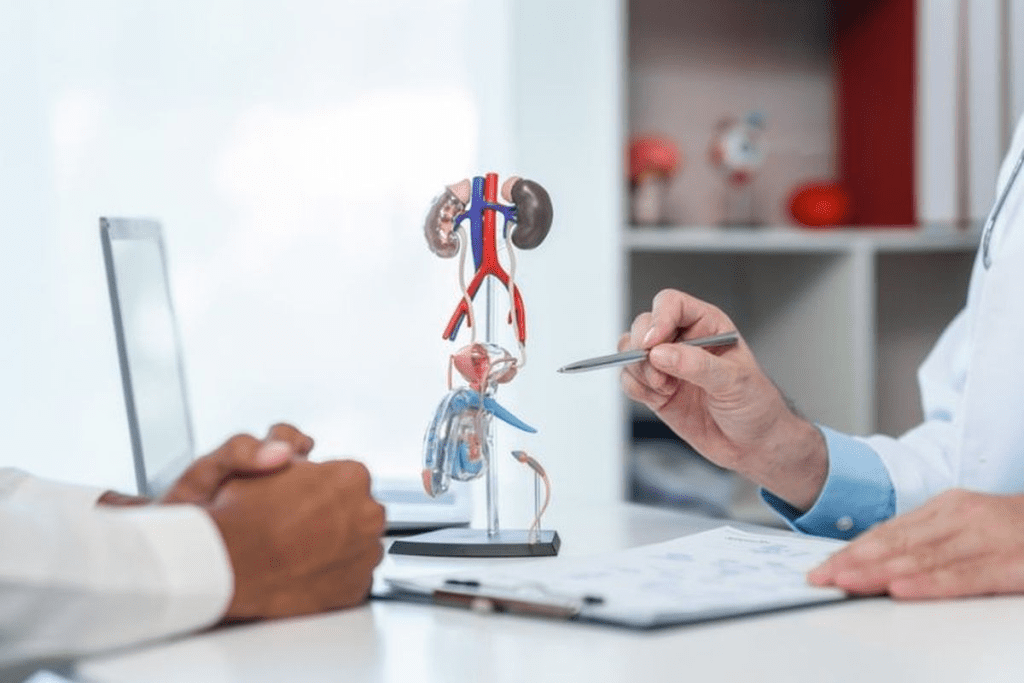
Choosing to have prostate surgery is a big decision. It means you have to think about how to get back to normal life, like driving. Learn when it’s safe to start driving after prostate surgery and tips to ensure comfort, safety, and a smoother recovery.
Many wonder, “When can you drive after prostatectomy?” It really depends on the surgery type and how fast you recover. Doctors usually tell patients not to drive for a while to keep everyone safe.
Knowing when you can start driving again is important. It helps you get back on the road safely and smoothly.
Key Takeaways
- Recovery time before driving again varies based on the surgery type.
- Safety considerations play a significant role in determining when to resume driving.
- Understanding the recovery process is key to a safe return to daily activities.
- Patients should follow specific guidelines provided by their healthcare provider.
- Resuming driving should be based on individual recovery progress.
Understanding Prostate Surgery and Recovery Basics
It’s key for patients to know about prostate surgery and recovery. This knowledge helps them deal with their treatment journey better. Prostate surgery treats cancer and other issues, with different methods and recovery times.
Common Types of Prostate Procedures
There are many prostate surgeries, like Robotic Prostatectomy, Open Radical Prostatectomy, and TURP (Transurethral Resection of the Prostate). Robotic prostatectomy is a small incision surgery that uses robots for precision and less blood loss. Open radical prostatectomy needs a big cut to remove the prostate, used for serious cases. TURP treats BPH by removing tissue that blocks urine flow.
General Recovery Timeline Overview
The recovery time varies by surgery type. Patients usually recover in weeks to months. Robotic prostatectomy often has a quicker recovery, with some back to normal in weeks. Open radical prostatectomy takes longer, sometimes up to 6-8 weeks or more.
Following the surgeon’s advice is vital for a smooth recovery. Health, age, and complications can affect how fast you recover.
Medical Factors Affecting Your Ability to Drive
After prostate surgery, many medical factors can affect your ability to drive safely. It’s important to understand these factors for a safe return to driving.
Effects of Anesthesia on Driving Ability
Anesthesia from prostate surgery can affect your thinking and reaction time. It’s best to avoid driving until the anesthesia’s effects have gone away. This can take a few hours to a couple of days, depending on the anesthesia.
Pain Management Medications and Their Impact
Pain meds after prostate surgery can make driving hard. These meds can make you feel sleepy, dizzy, and slow to react. Always follow your doctor’s advice on when it’s okay to drive again.
| Medication Type | Potential Side Effects | Impact on Driving |
| Opioids | Drowsiness, dizziness | High risk of accidents |
| NSAIDs | Gastrointestinal issues | Minimal direct impact |
Physical Limitations Following Surgery
Physical issues after prostate surgery, like pain or limited movement, can also affect driving. Make sure you’re feeling okay before you drive. Avoid driving if you’re in too much pain or discomfort.
When Can You Drive After Prostatectomy?
Knowing when it’s safe to drive again after prostate surgery is key to getting back to normal. Everyone recovers differently, but there are some general rules to follow. These can help you plan when you’ll be ready to drive again.
Immediate Post-Surgery Period (0-1 Week)
In the first week after surgery, it’s best to avoid driving. This is because of the anesthesia and pain meds, which can slow down your reactions. A study says, “Don’t drive until you’re off pain meds and can stop quickly if needed.” This usually takes 7-10 days, but it depends on how fast you heal and the surgery type.
Early Recovery Phase (1-2 Weeks)
As you start to feel better, your pain might lessen. But, it’s important to listen to your doctor about driving. You might be able to drive again in 1-2 weeks if you’re off pain meds and can move easily. Make sure you can stop quickly and safely.
Mid-Recovery Phase (2-4 Weeks)
By the middle of your recovery, you’ll likely be feeling much better. You’ll have more energy and be able to move around more easily. At this point, many people can start driving again if their doctor says it’s okay. Just remember to stay careful and think about how long you can sit without getting uncomfortable.
Full Recovery and Beyond
It can take months to fully recover from prostate surgery. Even if you can drive in a few weeks, keep following your doctor’s advice and go to all your follow-up visits. “Full recovery means being able to do everything without pain or discomfort,” doctors say.
“The key to a successful recovery is patience and adherence to post-operative care instructions.”
Restrictions After Prostate Surgery Driving
After prostate surgery, patients face many driving restrictions. These rules are key to keeping everyone safe on the road.
Sitting Position Limitations
Sitting for long times can be painful after surgery. This makes driving hard, as long trips or traffic jams are tough. It’s best to stop often to stretch and ease the pain.
Reaction Time and Concentration Concerns
Recovery from surgery can slow down how fast you react and think. Medications and pain can make it hard to drive safely. Always check how you feel before driving.
Emergency Braking Considerations
Being able to brake quickly is also a concern. After surgery, you might react slower or have trouble moving. Knowing this can help prevent accidents.
In short, driving after prostate surgery needs careful thought. Understanding the surgery’s effects helps decide when it’s safe to drive again.
Driving After Prostate Surgery: Guidelines by Procedure Type
Knowing the driving rules after prostate surgery is key for a safe recovery. The surgery type affects how long it takes to get back to driving.
After Robotic Prostatectomy
Robotic prostatectomy causes less damage and bleeding than open surgery. People usually feel better and can drive again in 1 to 2 weeks. This depends on how well they recover and feel comfortable driving.
After Open Radical Prostatectomy
Open radical prostatectomy needs a bigger cut and takes longer to heal. It can take 4 to 6 weeks to drive again. This is because the healing is slower and there’s more pain.
After TURP (Transurethral Resection of the Prostate)
TURP is a less invasive surgery that heals fast. Most people can drive in 1 to 3 weeks. But, having a catheter and urinary issues might make driving uncomfortable.
After Laser Prostate Surgery
Laser prostate surgery heals quickly. People can drive in a few days to a week after surgery. This depends on their recovery and any urinary problems.
It’s vital to listen to your doctor about driving after prostate surgery. Everyone recovers differently.
Can You Drive With a Catheter After Prostate Surgery?
Many patients wonder if they can drive with a catheter after prostate surgery. Having a catheter can make them worry about driving again.
Practical Tips for Driving with a Catheter
Driving with a catheter needs some adjustments for safety and comfort. Here are some tips:
- Secure the catheter bag properly to prevent it from getting in the way or being damaged.
- Wear comfortable clothing that doesn’t put pressure on the catheter site.
- Be aware of your body’s limitations and take regular breaks during long drives.
A study in the Journal of Urology says managing the catheter well is key. It helps avoid problems while driving.
“Patients with catheters should be cautious and take necessary precautions to avoid discomfort or complications while driving.”
Journal of Urology
When to Avoid Driving with a Catheter
While driving with a catheter is possible, there are times to avoid it:
| Situation | Reason to Avoid Driving |
| Immediately after surgery | Anesthesia effects and discomfort may impair driving ability. |
| Catheter-related complications | Infection, blockage, or leakage may require immediate medical attention. |
| Discomfort or pain | Driving may exacerbate the discomfort or pain, potentially leading to an accident. |
Always listen to your doctor about driving with a catheter after prostate surgery. By being careful and knowing your limits, you can stay safe and recover well.
Legal and Insurance Considerations for Post-Surgery Driving
Patients recovering from prostate surgery face many legal and insurance hurdles before driving again. It’s key to understand these to ensure a smooth recovery and avoid legal or financial problems.
Doctor Advice on Driving Post Prostatectomy
Deciding to drive after prostate surgery needs careful thought. Your doctor’s advice is key. They know your surgery, health, and how you’re healing.
Important Questions to Ask Your Surgeon
Talking to your surgeon about driving is important. Ask them these questions:
- What are the specific risks associated with driving after my type of prostate surgery?
- How long should I wait before resuming driving?
- Are there any specific symptoms or conditions that would make driving unsafe?
- How can I manage pain or discomfort while driving?
- Are there any restrictions on driving at night or for long distances?
Red Flags That Indicate You’re Not Ready to Drive
Some signs mean you shouldn’t drive yet. Watch out for these:
- Severe pain or discomfort that could distract you while driving.
- Drowsiness or fatigue due to pain medication or the surgery itself.
- Impaired reaction time or reduced ability to respond to emergency situations.
- Urinary or bowel issues that could cause discomfort or distraction while driving.
- Vision problems or other sensory impairments that could affect your ability to drive safely.
If you notice any of these signs, wait until they go away before driving.
Returning to Normal Life After Prostatectomy
Going back to normal life after prostate surgery is a big step for patients. It involves following medical advice and adjusting to new routines. Patients aim to regain their independence and get back to their usual activities.
Resuming Daily Activities Beyond Driving
Patients want to get back to their daily tasks after surgery. This includes bathing, dressing, and doing household chores. It’s key to listen to the surgeon’s advice on when to start these activities safely.
Start with light activities and slowly increase the intensity. This helps build strength and avoids discomfort or injury.
Lifting Restrictions and Physical Activity Guidelines
After surgery, lifting heavy objects is usually not allowed. Patients should avoid lifting anything too heavy for a while. Physical activity guidelines suggest gentle exercises like walking to improve circulation and aid recovery.
It’s important to follow the surgeon’s recommendations for physical activity. Too much activity can cause problems, so balance is key.
Travel Considerations During Recovery
Traveling after prostate surgery needs careful planning. Consider the distance and mode of travel, and if medical care is available at your destination. It’s wise to avoid long trips early on.
Before traveling, consult your surgeon for advice. They can give personalized guidance based on your recovery. This helps avoid risks from traveling too soon after surgery.
Safe Activities and Mobility After Prostate Surgery
After prostate surgery, it’s important to focus on safe activities and mobility. Doing the right activities can help you heal faster. It also helps you get stronger and more independent.
Recommended Exercises to Improve Recovery
Gentle exercises can help a lot in your recovery. They improve blood flow, reduce stiffness, and boost your overall health. Here are some exercises you might find helpful:
- Pelvic floor exercises (Kegels) to strengthen the muscles around the bladder and urethra.
- Short walks to improve circulation and prevent blood clots.
- Stretching exercises to maintain flexibility and reduce muscle tension.
Alternative Transportation Options During Recovery
While you’re recovering, it’s best to avoid driving and hard activities. Here are some good ways to get around:
| Transportation Option | Benefits |
| Public Transportation | Cost-effective and reduces the need for personal driving. |
| Ride-sharing Services | Convenient and flexible, allowing you to travel without exerting yourself. |
| Family/Friend Assistance | Personalized support and companionship during travel. |
Gradual Return to Independence
As you get better, start doing small tasks again. Then, slowly do more based on how you feel. This way, you can get back to your normal life.
By sticking to these tips and doing safe activities, you can recover well. You’ll also get your independence back after prostate surgery.
Conclusion
Recovering from prostate surgery needs patience and careful planning, mainly when it comes to driving. Different factors like the surgery type, anesthesia effects, and physical limits are key. They decide when it’s safe to drive again.
It’s vital to prioritize safety and follow medical advice for a smooth prostate surgery recovery. Patients should understand their body’s healing and not rush back to driving. Knowing the recovery timeline and staying informed can lower driving risks after surgery.
As recovery progresses, patients can slowly get back to normal activities, including driving. It’s important to follow healthcare guidelines and listen to your body. This way, individuals can safely return to normal life after prostatectomy, avoiding complications and improving overall health.
By being informed and cautious, patients can overcome the challenges of driving after prostate surgery and have a successful recovery. Always talk to your healthcare provider for advice on when to start driving again and other activities post-surgery.
FAQ
How long after prostate surgery can I drive?
The time to start driving after prostate surgery varies. It depends on the surgery type and how well you recover. Usually, it takes 1-4 weeks to get back behind the wheel.
Can I drive with a catheter after prostate surgery?
Yes, you can drive with a catheter, but it needs careful handling. Make sure the catheter is secure and avoid tight clothes. Also, be careful when getting in and out of your car.
What are the restrictions on driving after prostate surgery?
After surgery, you might face limits on sitting, reacting, and braking. These can affect your safety on the road. It’s important to consider these when you start driving again.
How does anesthesia affect my ability to drive after surgery?
Anesthesia can slow down your reaction time and focus. It’s best to wait until it wears off before driving.
Can I drive after robotic prostatectomy?
After robotic prostatectomy, you might need 1-2 weeks before driving. Always listen to your surgeon’s advice and check your own recovery.
Are there any exercises that can improve recovery after prostate surgery?
Yes, gentle exercises like pelvic floor exercises and short walks can help. Always talk to your doctor about the best exercises for you.
What are the insurance and legal considerations for driving after prostate surgery?
Check your insurance while recovering and know the legal risks of driving against doctor’s orders.
How long do I need to wait before resuming daily activities after prostatectomy?
The time to get back to daily life varies. It depends on your surgery and how you recover. Always follow your surgeon’s advice on lifting, activity, and travel.
What are the signs that I’m not ready to drive after prostate surgery?
Signs you’re not ready to drive include ongoing pain, limited movement, and slow reactions. If you notice these, talk to your surgeon.
Can I travel after prostate surgery?
Discuss travel plans with your surgeon during recovery. Avoid long trips and hard activities in the early stages.
References
- National Cancer Institute. (2024). Postoperative recovery guidelines for prostatectomy. https://www.cancer.gov/research/progress/prostate-cancer
- American Urological Association. (2023). Guidelines for post-prostatectomy recovery. https://www.auanet.org/guidelines