Last Updated on November 13, 2025 by

What medication treats chemo-induced anemia? Explore drugs for anaemia and the amazing, powerful pharmacological solutions for relief during cancer treatment.
Chemotherapy-induced anemia is a common side effect of cancer treatment. It affects a significant percentage of patients. Erythropoiesis-stimulating agents (ESAs), like epoetin alfa and darbepoetin alfa, help boost red blood cell production.
We know managing anemia is key to better patient outcomes and quality of life. Aranesp, a prescription medicine, treats anemia caused by chemotherapy. It’s important to remember that Aranesp should only be used for anemia in patients getting chemotherapy for at least two months.
Key Takeaways
- Chemotherapy-induced anemia is a common side effect of cancer treatment.
- ESAs, such as epoetin alfa and darbepoetin alfa, stimulate red blood cell production.
- Aranesp is a prescription medicine used to treat anemia caused by chemotherapy.
- Managing anemia is key to improving patient outcomes and quality of life.
- Aranesp should be used according to specific guidelines to ensure safe and effective treatment.
Understanding Chemotherapy-Induced Anemia
Chemotherapy can damage the cells that make red blood cells, leading to anemia. This is a common issue for cancer patients. It greatly affects their quality of life.
How Chemotherapy Affects Red Blood Cell Production
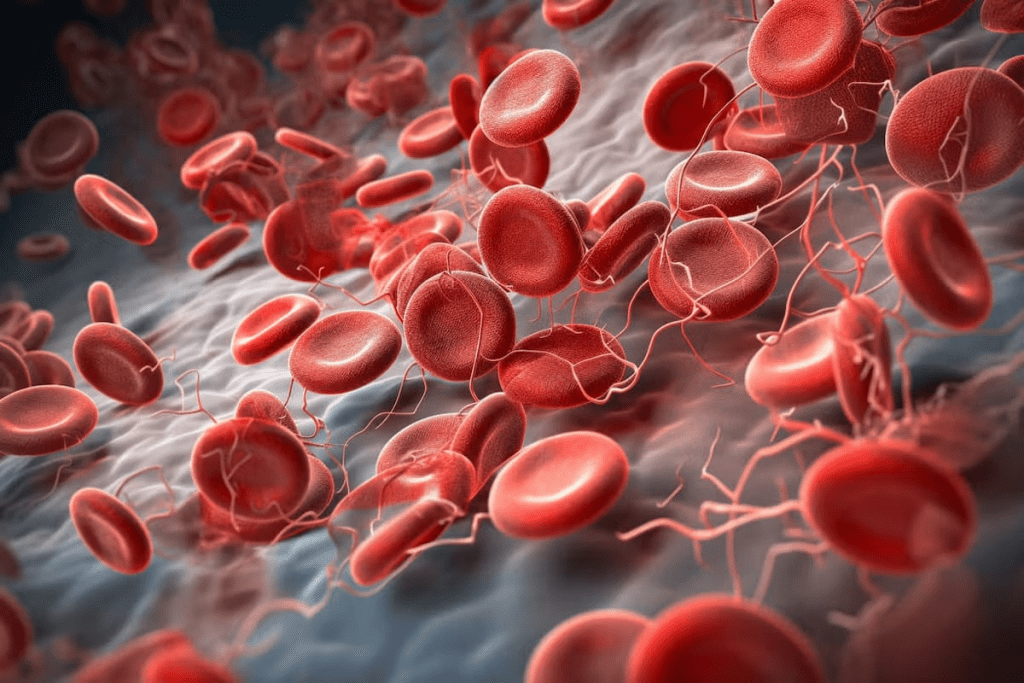
Chemotherapy targets fast-growing cells, like cancer and those in the bone marrow. This harms the production of red blood cells. As a result, anemia occurs, with fewer red blood cells or less hemoglobin.
Red blood cells carry oxygen to our body’s tissues and organs. Without enough, our body’s tissues and organs may not get enough oxygen. This can cause symptoms.
Common Symptoms and Impact on Cancer Treatment
Anemia from chemotherapy can make you feel very tired, dizzy, and short of breath. These symptoms can make it hard to keep up with cancer treatment. They might even cause delays or less intense treatments.
- Fatigue: Feeling very tired that stops you from doing daily things.
- Dizziness: A Feeling that you might fall over, which raises the risk of accidents.
- Shortness of breath: Trouble breathing, even when you’re not doing much or are resting.
Managing anemia well is key to feeling better and staying on track with treatment. Knowing what causes and symptoms of chemotherapy-induced anemia helps find the right treatments for anemia.
Erythropoiesis-Stimulating Agents: Primary Drugs for Anemia
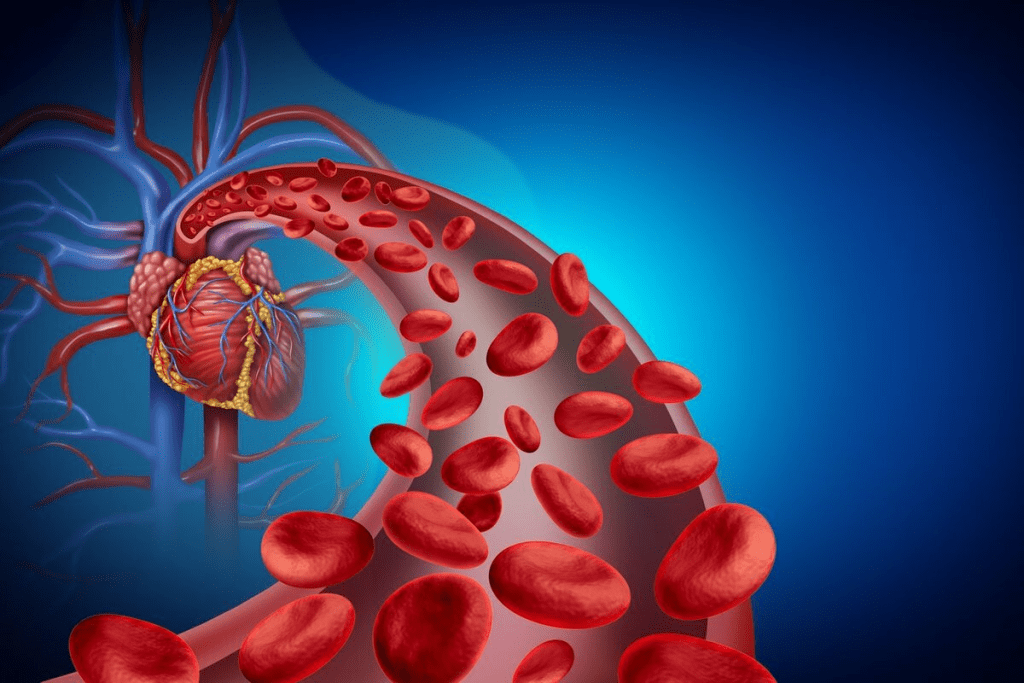
Erythropoiesis-stimulating agents (ESAs) are important drugs for anemia in chemotherapy patients. They boost the production of red blood cells. This increases hemoglobin levels and cuts down on the need for blood transfusions.
Darbepoetin Alfa (Aranesp)
Darbepoetin alfa is a long-acting ESA that helps treat anemia in cancer patients. It lasts longer in the body, so patients need to take it less often. Studies show it raises hemoglobin levels and improves life quality for cancer patients.
Epoetin Alfa (Procrit, Epogen)
Epoetin alfa is another ESA that works well for anemia in cancer patients. It boosts the production of red blood cells. It’s sold under names like Procrit and Epogen and given through injections.
Comparative Efficacy of ESA Options
Comparing ESAs like darbepoetin alfa and epoetin alfa, several factors are important. Both can raise hemoglobin levels and reduce blood transfusions. But their dosing and how patients react can differ. Darbepoetin alfa’s longer action means less frequent doses, which might be better for some.
Combining Iron Therapy with ESAs
Adding iron therapy to ESA treatment can improve results for anemia in cancer patients. Iron helps the bone marrow make more red blood cells. This combo can lead to better hemoglobin levels and lower ESA doses.
Understanding ESAs and iron therapy helps doctors create better treatment plans for anemia. This approach can greatly enhance patient outcomes and quality of life.
Red Blood Cell Transfusions for Severe Anemia
For those with severe anemia from chemotherapy, red blood cell transfusions are a quick fix. Severe anemia makes it hard to breathe, feel weak, and tired. These transfusions boost red blood cells, helping organs get the oxygen they need.
Necessity of Transfusions
Transfusions are key when anemia is severe and affects treatment. Doctors decide based on hemoglobin levels, symptoms, and overall health.
Key indicators for transfusion include:
- Hemoglobin levels below a certain threshold (typically around 7-8 g/dL)
- Symptomatic anemia causing significant distress or impairing vital organ function
- Need for rapid improvement in oxygen delivery to tissues
Immediate and Long-Term Benefits
Transfusions quickly raise red blood cell counts. This boosts oxygen to tissues, easing symptoms like fatigue and shortness of breath. It improves quality of life and helps with treatment.
Over time, transfusions support patients through treatment. But they must be managed to avoid iron overload.
Transfusion Protocols for Cancer Patients
Protocols for cancer patients consider their health, transfusion history, and risks. They include:
- Pre-transfusion assessment to determine the need for transfusion
- Selection of appropriate blood components
- Monitoring during and after transfusion for adverse reactions
- Post-transfusion follow-up to assess response and manage possible complications
By sticking to these protocols, healthcare teams can reduce risks and enhance benefits for cancer patients with severe anemia.
Clinical Efficacy and Quality of Life Improvements
Anemia treatments play a big role in making patients feel better during chemotherapy. Managing anemia well can lead to better health outcomes and a better quality of life. We will look at the evidence for different treatments for anemia in cancer patients.
Documented Hemoglobin Response Rates
Research shows that treatments like erythropoiesis-stimulating agents (ESAs) can raise hemoglobin levels in cancer patients. Increased hemoglobin treatment is linked to better patient results. For example, a study on darbepoetin alfa found a 1.8 g/dL increase in hemoglobin over 12 weeks.
“The use of ESAs has been shown to reduce the need for red blood cell transfusions and improve overall patient outcomes,” as noted in clinical guidelines for the management of chemotherapy-induced anemia.
Patient-Reported Outcomes
Patient feedback is key in measuring how well anemia treatments work. When hemoglobin levels go up, patients often feel less tired and have more energy. Treatments for anemia have been shown to positively affect these areas.
- Reduced fatigue
- Improved energy levels
- Enhanced overall quality of life
One patient said, “After treatment for my anemia, I felt like a new person. I had the energy to do things I hadn’t been able to for months.”
Such patient-reported outcomes show why managing anemia is so important in cancer care.
Safety Considerations and Risk Management
Safety is key when treating anemia caused by chemotherapy, like with erythropoiesis-stimulating agents (ESAs). It’s important to know the risks of these treatments. This helps us choose the best options for cancer patients.
Thromboembolism and Cardiovascular Risks
ESAs can increase the risk of blood clots and heart problems. Research shows that patients on ESAs face a higher risk of these serious issues. For example, one study found more blood clots in ESA users than in those on a placebo.
Doctors must think carefully before using ESAs. They look at the patient’s blood levels, heart health, and overall risks. It’s vital to watch for signs of blood clots and heart issues closely.
- Check the patient’s heart health history.
- Keep an eye on blood levels to avoid too high numbers.
- Use the smallest ESA dose needed to lower risks.
FDA Warnings and Regulatory Guidance
The FDA has warned about ESAs due to safety concerns. They say to use ESAs only when necessary and to tell patients about the risks. This includes a higher chance of blood clots and heart problems.
“ESAs should be used with caution and at the lowest effective dose to minimize the risk of adverse events,” as per FDA guidelines.
Doctors must follow these rules and make sure patients understand the ESA risks. They should talk about other treatments, like iron and blood transfusions. This helps weigh the benefits against the dangers.
Knowing the risks and how to manage them helps doctors treat anemia safely. This way, they can help patients without causing harm.
Conclusion: Advances in Chemotherapy-Induced Anemia Management
There has been a lot of progress in treating anemia caused by chemotherapy. Now, we have many options like darbepoetin alfa (Aranesp) and epoetin alfa (Procrit, Epogen). We also use red blood cell transfusions.
This progress has greatly improved how patients feel during their cancer treatment. Knowing how to treat anemia is key. It helps doctors choose the best treatment for each patient, like using ESAs with iron.
It’s important to treat low hemoglobin levels quickly. This helps avoid serious problems and keeps cancer treatment going. As research keeps moving forward, we’ll see even more ways to manage anemia. This will lead to better care for patients.
FAQ’s:
What is chemotherapy-induced anemia?
Chemotherapy-induced anemia happens when chemo damages the bone marrow. This leads to fewer red blood cells, causing anemia.
How does chemotherapy affect red blood cell production?
Chemo can harm the bone marrow, where red blood cells are made. This results in fewer red blood cells and anemia.
What are the common symptoms of chemotherapy-induced anemia?
Symptoms include feeling very tired, weak, and pale. You might also have shortness of breath and dizziness.
What are Erythropoiesis-Stimulating Agents (ESAs) used for?
ESAs, like darbepoetin alfa and epoetin alfa, help make more red blood cells. They’re for patients with anemia caused by chemo.
How do ESAs work?
ESAs tell the bone marrow to make more red blood cells. This helps fight anemia.
What is the role of iron therapy in treating chemotherapy-induced anemia?
Iron therapy is used with ESAs. It helps ensure there’s enough iron for making red blood cells.
When are red blood cell transfusions necessary?
Transfusions are needed for severe anemia. They help patients feel better right away.
What are the benefits of red blood cell transfusions?
Transfusions quickly ease anemia symptoms. They improve a patient’s quality of life.
What are the risks associated with ESAs?
ESAs can increase the risk of blood clots and heart problems. The FDA has warnings and guidelines for their use.
How can chemotherapy-induced anemia be managed?
Management includes ESAs, iron therapy, and transfusions. Monitoring and risk management are also key.
Can chemotherapy cause blood clots?
Yes, chemo can raise the risk of blood clots. Patients on ESAs or other treatments need to be watched closely.
What treatments are available for anemia?
Treatments include ESAs, iron supplements, and transfusions. There are other options too.
How do ESAs and iron therapy work together?
ESAs boost red blood cell production. Iron therapy ensures there’s enough iron. Together, they improve treatment results.
References
- Ãlvarez, Y. E., et al. (2021). SEOM clinical guidelines for anemia treatment in cancer patients. Clinical & Translational Oncology, 23, 686“698. https://www.ncbi.nlm.nih.gov/pmc/articles/PMC8057996/
- Rodgers, G. M. (2012). Cancer- and chemotherapy-induced anemia. Hematology/Oncology Clinics of North America, 26(3), 483-496. https://pubmed.ncbi.nlm.nih.gov/22570293/