Last Updated on November 25, 2025 by Ugurkan Demir

Bladder spasms can really mess up your day, causing uncomfortable and unpredictable urinary urgency. These sudden muscle contractions in the bladder can mess with your work, social life, and overall happiness. Luckily, antispasmodic meds can help by easing these muscle spasms. Find the 7 best drugs for bladder spasms. Learn how these antispasmodic medications work to relieve painful bladder contractions.
At Liv Hospital, we get how tough bladder spasms can be. We’re all about giving you the best care. Antispasmodic medications like oxybutynin, tolterodine, and solifenacin are often used to treat overactive bladder and UTIs. Knowing how these meds work can help you choose the right treatment for you.
Key Takeaways
- Bladder spasms are involuntary contractions that cause discomfort and urinary urgency.
- Antispasmodic medications help alleviate symptoms by reducing bladder contractions.
- Oxybutynin, tolterodine, and solifenacin are commonly used antispasmodic medications.
- Understanding treatment options is key for the best results.
- Liv Hospital offers patient-focused care for bladder spasms.
Understanding Bladder Spasms and Their Impact

It’s important to understand bladder spasms to manage them well. These spasms are sudden and can cause a lot of pain. They can also make it hard to do everyday things.
What Causes Bladder Spasms
Many things can cause bladder spasms. This includes infections, irritation, and some nerve problems. We’ll look at these causes to see how they lead to spasms.
Urinary tract infections (UTIs) often cause bladder spasms. When bacteria infect the urinary tract, it can cause inflammation. This irritation makes the bladder muscle contract without control.
Bladder irritation from certain medicines or stones can also cause spasms. Plus, nerve problems like multiple sclerosis or spinal cord injuries can mess with the bladder’s function, leading to spasms.
Common Symptoms and Diagnosis
The symptoms of bladder spasms vary. They often include a sudden need to urinate, needing to go often, and leaking urine. Doctors diagnose bladder spasms by looking at your medical history, doing a physical exam, and sometimes doing urodynamic tests.
Recognizing these symptoms is key to getting the right care. A doctor can find out why you’re having spasms. They might suggest anti spasm medication for bladder or other bladder antispasmodics.
Conditions Associated with Bladder Spasms
Bladder spasms are linked to several conditions. These include overactive bladder syndrome, interstitial cystitis, and detrusor overactivity. Knowing about these conditions helps manage bladder spasms better.
We’ll look at how these conditions relate to bladder spasms. Proper diagnosis and treatment are vital. Treatment often includes lifestyle changes, behavioral therapies, and medication like bladder spasm med. It’s tailored to each person’s needs.
| Condition | Characteristics | Management Approaches |
| Overactive Bladder Syndrome | Frequent, urgent need to urinate | Lifestyle changes, behavioral therapies, medication |
| Interstitial Cystitis | Bladder pain, frequent urination | Pain management, bladder instillations, lifestyle modifications |
| Detrusor Overactivity | Involuntary bladder contractions | Behavioral therapies, medication, bladder training |
“Understanding the underlying causes and associated conditions of bladder spasms is key to effective management and improving the quality of life for those affected.”
How Antispasmodic Medications Work for Bladder Control
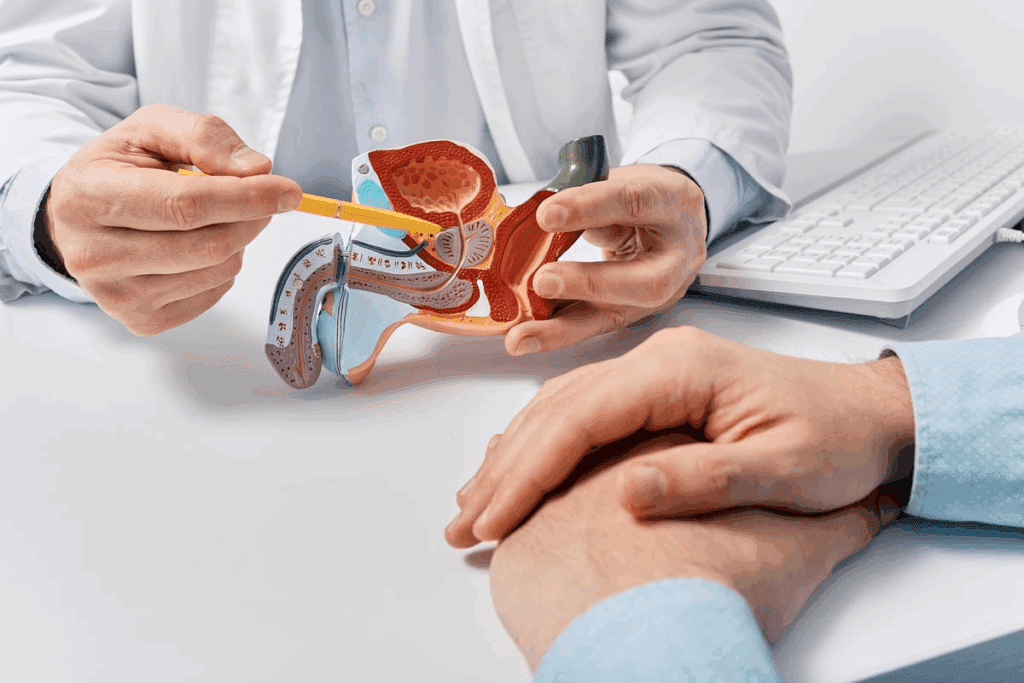
It’s important to know how antispasmodic medications work for bladder spasms. These drugs aim to relax the bladder muscle and stop unwanted contractions.
Mechanism of Action
Antispasmodic medications, like antimuscarinics and beta-3 adrenergic agonists, relax the bladder muscle. Antimuscarinics stop acetylcholine from acting on muscarinic receptors in the bladder, which reduces spasms. Beta-3 adrenergic agonists activate beta-3 receptors, making the bladder muscle relax.
This action helps lessen bladder spasms, making life better for those affected.
Types of Antispasmodic Medications
There are many antispasmodic medications for bladder spasms. Some include:
- Oxybutynin
- Tolterodine
- Solifenacin
- Darifenacin
- Trospium Chloride
- Mirabegron
- Fesoterodine
Each type works differently and is chosen based on the patient’s needs and history.
Expected Benefits and Limitations
Antispasmodic medications can reduce bladder spasms and improve control. They can also make life better overall. But, they might cause side effects like dry mouth, constipation, or even affect thinking.
It’s key for patients to talk to their doctor about the best medication and dosage for them.
Oxybutynin: The Traditional First-Line Treatment
Oxybutynin is a well-known treatment for bladder spasms. It’s used for overactive bladder and urinary incontinence. We’ll look at its benefits and possible downsides.
Overview of Oxybutynin
Oxybutynin is a medication that relaxes the bladder muscle. This helps reduce bladder spasms. It comes in tablets, extended-release tablets, and patches, making treatment flexible.
Pros of Oxybutynin
Oxybutynin has many advantages. It helps with frequent and urgent urination, improving life quality. Its different forms allow for tailored treatment plans.
- Effective in reducing urinary frequency and urgency
- Available in multiple formulations for flexible dosing
- Long history of use, with well-understood effects
Cons of Oxybutynin
Oxybutynin also has side effects. Common issues include dry mouth, constipation, and blurred vision. Elderly patients might experience cognitive problems.
- Potential for anticholinergic side effects like dry mouth and constipation
- Risk of cognitive impairment, specially in older adults
- May not be suitable for patients with certain medical conditions
Key Features and Effectiveness
Oxybutynin is effective in treating bladder spasms. It relaxes the bladder muscle, reducing spasms. The choice of formulation affects its effectiveness and tolerance.
Key Features: Antimuscarinic action, multiple formulations, long history of use.
Effectiveness: Proven to reduce urinary frequency and urgency, improving quality of life.
Tolterodine: A Better-Tolerated Alternative
For those with overactive bladder, tolterodine might be a good choice. It’s an antispasmodic drug used to treat bladder spasms and related symptoms.
Overview
Tolterodine relaxes the bladder muscle, helping it hold more urine. This reduces how often you need to go. It’s great for those with urgency, frequency, or urge incontinence.
Advantages
Tolterodine is known for its favorable tolerability profile. It has fewer side effects, like dry mouth, compared to other drugs like oxybutynin. This makes it a more comfortable option for many.
Disadvantages
Though tolterodine is generally well-tolerated, it has its downsides. Some people might get gastrointestinal disturbances or headaches. It’s also not for everyone, due to certain health conditions or medications.
Efficacy and Key Features
Tolterodine effectively reduces overactive bladder symptoms like urgency and frequency. Its extended-release form means you only need to take it once a day. This makes it easier to stick to the treatment plan. Its targeted action on the bladder muscle makes it both effective and easy to tolerate.
Solifenacin: Targeted Bladder Relief
Solifenacin is a medication that helps with bladder issues. It works by relaxing the muscles in the bladder. This makes it easier to go to the bathroom and helps manage symptoms of an overactive bladder.
It’s important to take solifenacin as directed by your doctor. This ensures it works best for you. Always follow the dosage instructions and don’t stop taking it without talking to your doctor first.
While solifenacin can help with bladder problems, it’s not for everyone. It’s not safe for people with certain health conditions or who are taking certain medications. Always tell your doctor about any other medications you’re taking before starting solifenacin.
It’s also important to talk to your doctor about any side effects you might experience. While most people don’t have serious side effects, some might experience dizziness, headaches, or dry mouth. If you have any concerns, don’t hesitate to reach out to your doctor.
Overall, solifenacin can be a helpful option for managing bladder issues. It’s designed to provide targeted relief and improve your quality of life. Always follow your doctor’s instructions and talk to them if you have any questions or concerns.
Darifenacin: Selective M3 Receptor Antagonist
Darifenacin is a targeted treatment for bladder spasms and urinary issues. It works by focusing on the M3 receptor. This makes it a good choice for overactive bladder symptoms.
Overview
Darifenacin targets the M3 muscarinic receptor. This receptor is key in bladder contractions. By focusing on this receptor, darifenacin helps with frequent and urgent urination in overactive bladder.
Pros
Darifenacin has several benefits:
- Targeted Action: It’s specific to the M3 receptor. This means it can treat bladder issues more effectively with fewer side effects.
- Effective Symptom Management: Studies show darifenacin works well for overactive bladder. It reduces incontinence episodes.
- Flexible Dosage: Darifenacin comes in different forms. This allows doctors to adjust the dose for each patient.
Cons
While darifenacin is generally safe, it has some downsides:
- Common Side Effects: Patients might get dry mouth, constipation, and other side effects. But these are less common than with other treatments.
- Limited Use in Certain Patients: Darifenacin might not be right for everyone. It’s not good for people with certain health issues or those taking certain medicines.
Key Features and Effectiveness
Darifenacin’s success in treating overactive bladder comes from its M3 receptor focus. This targeted approach helps manage symptoms and may be better tolerated than other treatments. Research shows darifenacin can greatly improve life quality for those with overactive bladder.
Trospium Chloride: For Patients with Cognitive Concerns
Bladder spasm management has a key ally in Trospium Chloride, great for those with cognitive issues. It’s an antimuscarinic drug that helps ease bladder spasm symptoms.
Overview
Trospium Chloride doesn’t cross the blood-brain barrier. This makes it safe for patients at risk of brain side effects from other drugs. It’s safer for those with vulnerable brains.
Pros
The main plus of Trospium Chloride is its low risk of brain side effects. This is a big win for older folks or those with brain problems. It also helps manage bladder spasms, making life better for patients.
Cons
Despite its benefits, Trospium Chloride has downsides. It can cause dry mouth, constipation, and trouble peeing. Watching for these side effects is key to success.
Key Features and Effectiveness
Trospium Chloride is proven to treat bladder spasms well. Its special trait of not reaching the brain is a big plus. It’s taken twice a day and works as well as other similar drugs.
Mirabegron: A Different Approach to Drugs for Bladder Spasms
Bladder spasms can be managed with Mirabegron, a beta-3 adrenergic agonist. This drug relaxes the bladder muscle, increasing its capacity. We’ll look at its benefits, drawbacks, and key features.
Overview
Mirabegron is a beta-3 adrenergic agonist, a new way to treat bladder spasms. It works differently than traditional drugs, relaxing the bladder muscle. This is key for those with frequent or urgent urination.
Pros
Mirabegron relaxes the bladder muscle without the usual side effects of other drugs. Patients often see better symptoms like urgency and frequency. It’s also easy to take once a day, making it more convenient.
Cons
While Mirabegron is mostly safe, it can raise heart rate and blood pressure. It’s important to watch heart health, even more so for those with heart issues. It’s not for everyone, like those with severe high blood pressure.
Key Features and Effectiveness
Mirabegron’s unique action makes it effective against bladder spasms. It relaxes the detrusor muscle, boosting bladder capacity. Studies show it helps reduce urgency and frequency.
Fesoterodine: Extended-Release Option
Fesoterodine is a key treatment for overactive bladder. It’s an extended-release medication that helps manage bladder spasms. This makes it a valuable option for those dealing with these issues.
Characteristics of Fesoterodine
Fesoterodine is effective in treating overactive bladder symptoms. It comes in an extended-release form. This makes it easier for patients to stick to their treatment plan.
Advantages of Fesoterodine
Fesoterodine is great at reducing symptoms like urgency and frequency. Its extended-release form means patients only need to take it once a day. This boosts patient adherence to treatment.
Key Benefits:
- Effective in managing overactive bladder symptoms
- Extended-release formulation for once-daily dosing
- Improves patient compliance
Potential Drawbacks of Fesoterodine
While generally safe, fesoterodine can cause side effects. These include dry mouth, constipation, and blurred vision. It’s important to watch for these.
Common Side Effects:
- Dry mouth
- Constipation
- Blurred vision
Key Features and Effectiveness
Studies have shown fesoterodine is effective against overactive bladder. Its extended-release form makes it easy to follow a once-daily regimen. This helps patients stick to their treatment.
| Feature | Description | Benefit |
| Extended-Release Formulation | Once-daily dosing | Improves patient compliance |
| Effectiveness | Reduces symptoms of overactive bladder | Enhances quality of life |
| Side Effect Profile | Common side effects include dry mouth and constipation | Monitored and managed with proper care |
Comparing Antispasmodic Medications: Which Is Right for You?
When looking at antispasmodic medications for bladder spasms, we see differences in how well they work, how well they’re tolerated, and their cost. It’s important to consider these factors to find the right medication for each person.
Effectiveness Comparison
Each antispasmodic medication works differently to help with bladder spasms. Oxybutynin and Tolterodine are well-known and effective. Solifenacin and Darifenacin offer relief with fewer side effects. Mirabegron is a different option for those who don’t do well with traditional treatments.
| Medication | Primary Mechanism | Effectiveness Rating |
| Oxybutynin | Muscarinic Receptor Antagonist | High |
| Tolterodine | Muscarinic Receptor Antagonist | High |
| Solifenacin | Muscarinic Receptor Antagonist | High |
| Darifenacin | M3 Receptor Antagonist | Moderate to High |
| Mirabegron | Beta-3 Adrenergic Agonist | Moderate |
Side Effect Profiles
Every antispasmodic medication has its own set of side effects. Common issues include dry mouth, constipation, and blurred vision. Tolterodine and Solifenacin are often easier on the body than Oxybutynin. Mirabegron might raise your heart rate and blood pressure.
Special Considerations for Different Patient Groups
Some groups need special care when choosing an antispasmodic. For example, older adults might be more affected by side effects on the brain. Trospium Chloride might be safer for them because it’s less likely to get into the brain.
Cost and Insurance Coverage
The price of antispasmodic medications can vary a lot. Generic versions of older drugs like Oxybutynin are usually cheaper. Newer or branded drugs might cost more but could be covered by insurance. Always check with your insurance to know what you’ll pay out of pocket.
By comparing the effectiveness, side effects, and costs of different medications, both healthcare providers and patients can make better choices. This helps find the best treatment for bladder spasms.
Conclusion
Managing bladder spasms and overactive bladder is key to a better life for those affected. Antispasmodic medications are a big help. They ease symptoms and help control the condition.
We’ve looked at many antispasmodic drugs in this article. These include oxybutynin, tolterodine, and solifenacin. Each has its own benefits and side effects. It’s important to know these differences to choose the right treatment for overactive bladder.
Knowing what causes bladder spasms and how medications work helps. People can then work with their doctors to find the best treatment for them.
FAQ
What are bladder spasms and how are they treated?
Bladder spasms are sudden, unwanted muscle contractions in the bladder. They can cause discomfort and a strong urge to urinate. Doctors often prescribe antispasmodic medications to help manage these symptoms.
What causes bladder spasms?
Several things can cause bladder spasms. These include infections, irritation, and some neurological conditions.
How do antispasmodic medications work for bladder control?
These medications relax the bladder muscle. This reduces contractions and helps ease symptoms of bladder spasms.
What are the different types of antispasmodic medications available for bladder spasms?
There are many types of antispasmodic medications. These include oxybutynin, tolterodine, solifenacin, darifenacin, trospium chloride, mirabegron, and fesoterodine.
What is oxybutynin used for?
Oxybutynin is often the first choice for treating bladder spasms. It helps manage overactive bladder and incontinence.
What are the side effects of antispasmodic medications?
Side effects can vary by medication. Common ones include dry mouth, constipation, and problems with thinking and memory.
Is trospium chloride suitable for patients with cognitive concerns?
Yes, trospium chloride is good for those worried about cognitive side effects. It doesn’t cross the blood-brain barrier, reducing these risks.
How does mirabegron work?
Mirabegron relaxes the bladder muscle. This increases bladder capacity and helps with bladder spasms symptoms.
What is the advantage of fesoterodine’s extended-release formulation?
Fesoterodine’s extended-release form is convenient. It’s taken once a day, which can help patients stick to their treatment plan.
How do I choose the right antispasmodic medication for my bladder spasms?
Choosing the right medication depends on several factors. These include symptom severity, medical history, and personal preferences. Always talk to a healthcare provider for the best option.
Are antispasmodic medications for bladder spasms covered by insurance?
Insurance coverage varies by medication and provider. It’s best to check with your insurance to see if they cover it.
Can antispasmodic medications be used to treat urinary tract infections (UTIs)?
Yes, these medications can help with UTI symptoms like bladder spasms. But they don’t treat the infection itself.
What is the role of antispasmodic medication in managing bladder spasm caused by UTI?
These medications help manage UTI-related bladder spasms. They reduce contractions and ease symptoms.
Are there any bladder antispasmodic drugs that are more effective than others?
Effectiveness can vary based on individual factors and medication. It’s best to consult a healthcare provider for advice.
Reference
National Center for Biotechnology Information. (2025). 7 Best Drugs for Bladder Spasms Antispasmodic Medications. Retrieved from https://www.ncbi.nlm.nih.gov/books/NBK499985/v