The dream of having twins is a common wish for many parents. But, the journey to conceive twins naturally is filled with myths about pills and supplements.
About 1 in 250 pregnancies naturally result in twins. Knowing the real factors that lead to twin conception helps couples plan their family better.
At Liv Hospital, we use the latest medical knowledge to help couples conceive. Our guide tells the truth about naturally conceiving twins. We clear up myths and share what really affects twin pregnancies.
Key Takeaways
- Understanding the biological and genetic factors that influence twin conception.
- Debunking myths about miracle pills for conceiving twins.
- The role of lifestyle and fertility treatments in twin pregnancies.
- Empowering couples with knowledge for informed family planning decisions.
- The importance of patient-centered care in fertility treatments.
Understanding Twin Conception: The Science Behind Multiple Pregnancies
Learning about how twins are made can help couples dream of having twins. The process of making twins involves many things like genetics, the environment, and health.
Types of Twins: Identical vs. Fraternal
There are two kinds of twins: identical and fraternal. Identical twins come from one egg splitting into two embryos. They share the same DNA. On the other hand, fraternal twins are made when two eggs are fertilized by two different sperm. They are genetically different, like any other siblings.
Natural Occurrence Rates of Twin Pregnancies
In the United States, about 3% of babies are twins. This number has gone up over the last 30 years. This increase is due to better fertility treatments and more women having babies later in life.
How Multiple Ovulation Happens
When more than one egg is released during a cycle, it’s called hyper ovulation. This can lead to having fraternal twins. Hyper ovulation can run in families, making some women more likely to release multiple eggs.
Knowing about twin conception can help couples trying to have twins. While some things can’t be changed, understanding the process can guide their choices.
Genetic Factors That Influence Twin Conception

Genetics play a big role in having twins. This is more true for fraternal twins. Research shows genetics are key.
Maternal Family History and Its Impact
A woman’s family history is very important. If her family has a history of fraternal twins, she’s more likely to have twins too. This is because her family’s genes might make her release more eggs at once. Women with a family history of twins are more likely to release multiple eggs, increasing their chances of having fraternal twins.
The “Twin Gene” Explained
The “twin gene” refers to the genetic factors that increase the chances of having twins. There isn’t one single gene for twinning. But, research shows many genetic factors can lead to hyper ovulation.
The presence of certain genetic markers can increase the chances of releasing multiple eggs during ovulation.Knowing these markers can help predict the chances of having twins.
Paternal Genetic Contribution to Twin Conception
The father’s genetics also play a role in having twins. While the mother’s genetics have a direct impact, the father’s genetics might also influence the conception of twins, mainly fraternal twins. But, how much and how they influence it is being studied.
Biological Factors That May Increase Your Chances
While there’s no surefire way to conceive twins, certain biological factors can up your chances. Knowing these can help those trying to conceive twins naturally.
Advanced Maternal Age (35+)
Women over 35 are more likely to conceive twins. This is because their bodies produce more follicle-stimulating hormone (FSH) with age. Advanced maternal age is a significant factor because it naturally increases the chances of hyper ovulation, leading to fraternal twins.
“The older a woman is, the higher her FSH levels tend to be, which can lead to the release of multiple eggs and, consequentially, a higher chance of conceiving twins.”
Body Mass Index and Twin Conception
Research shows women with a higher body mass index (BMI) might have a greater chance of conceiving twins. The exact reasons are not fully understood, but it’s believed that higher insulin levels and other metabolic changes associated with a higher BMI may influence ovulation and increase the likelihood of releasing multiple eggs.
Previous Pregnancies and Their Influence
Women who have had multiple pregnancies are more likely to conceive twins in subsequent pregnancies. This is because the body tends to be more efficient at releasing multiple eggs after having had previous successful pregnancies. The history of previous pregnancies can be an indicator of a woman’s potentia to conceive twins.
By understanding these biological factors, individuals can better assess their chances of conceiving twins naturally. While these factors can increase the likelihood, it’s essential to remember that conceiving twins is influenced by a combination of genetic, environmental, and biological factors.
The Truth About Pills to Have Twins: Separating Fact from Fiction
Many people look for “pills to have twins” because they want to conceive twins. Supplements claiming to help with this are popular. They are marketed as natural ways to boost fertility and encourage twin births.
Common Over-the-Counter Supplements Marketed for Twin Conception
Some supplements are linked to a higher chance of having twins. These include:
- Folic acid supplements
- Clomiphene citrate (though typically prescription, sometimes accessed over-the-counter)
- Various herbal supplements claiming to enhance fertility
Even though these supplements are promoted for twin conception, their effectiveness is not proven by science. Most of the evidence is based on personal stories, not scientific studies.
Scientific Evidence on Supplement Effectiveness
Scientists are not all agreed on whether supplements help with twin conception. Some research shows that folic acid might help with fertility. But, the connection to having twins is not well understood.
Key findings include:
- Limited evidence supporting the role of supplements in twin conception
- Some studies indicating a possible link between folic acid and increased twinning rates
- A lack of regulation and standardization in the supplement industry
Potential Risks of Unregulated Fertility Supplements
Using unregulated fertility supplements can be risky. These supplements might have unknown ingredients, wrong amounts, or even harmful substances. This is because they are not tested or regulated well.
Potential risks include:
- Adverse reactions to unknown or unlisted ingredients
- Interactions with other medications or health conditions
- Lack of quality control and purity
In summary, while “pills to have twins” are marketed, it’s wise to be cautious. Before starting any supplements, it’s best to talk to a healthcare professional. This is very important when you’re trying to conceive.
Fertility Treatments and Their Impact on Twin Conception
Fertility treatments, like medications and in vitro fertilization, are key in twin conceptions. About 40% of twin births come from these treatments, including IVF. We’ll look at how these treatments boost twin chances and the risks involved.
Ovulation-Inducing Medications and Multiple Births
Ovulation-inducing meds aim to get more eggs from the ovaries. This ups the chance for multiple fertilizations and births. These meds help with infertility and up twin conception chances.
Common ovulation-inducing medications are clomiphene citrate and gonadotropins. They work well but need close watch to avoid too many pregnancies.
In Vitro Fertilization and Multiple Embryo Transfer
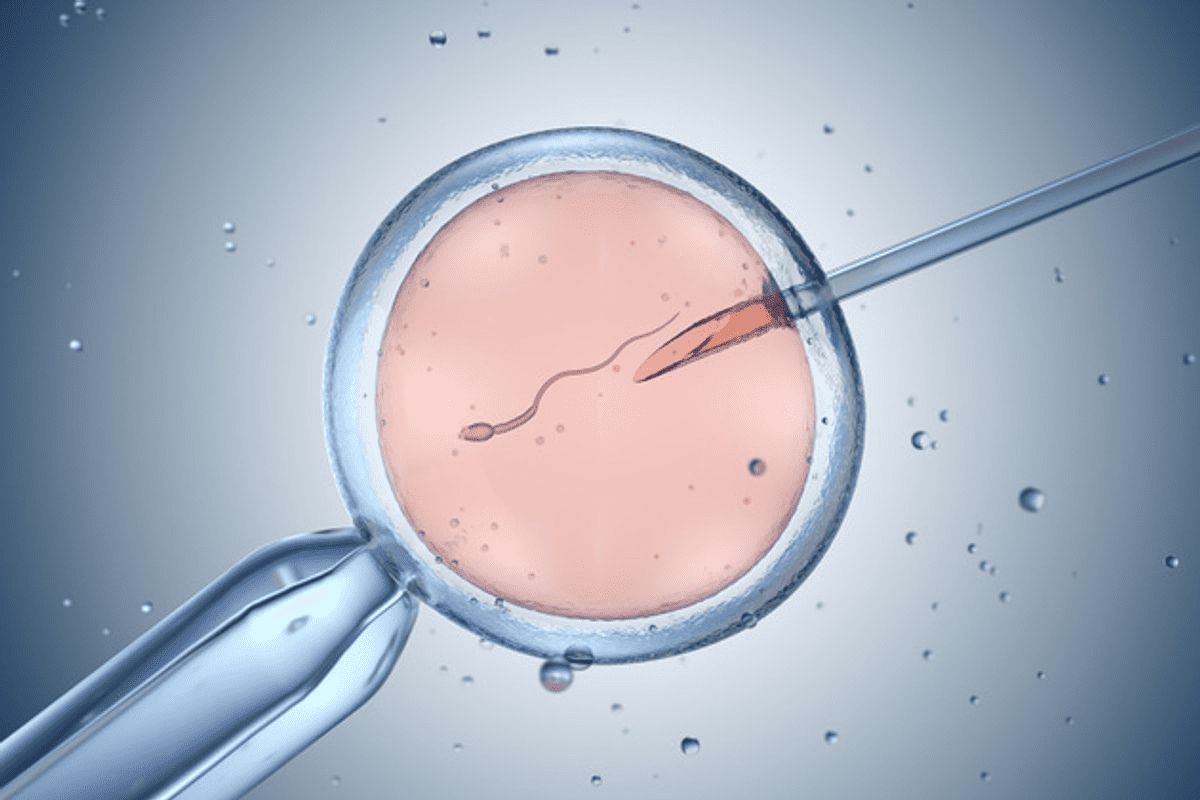
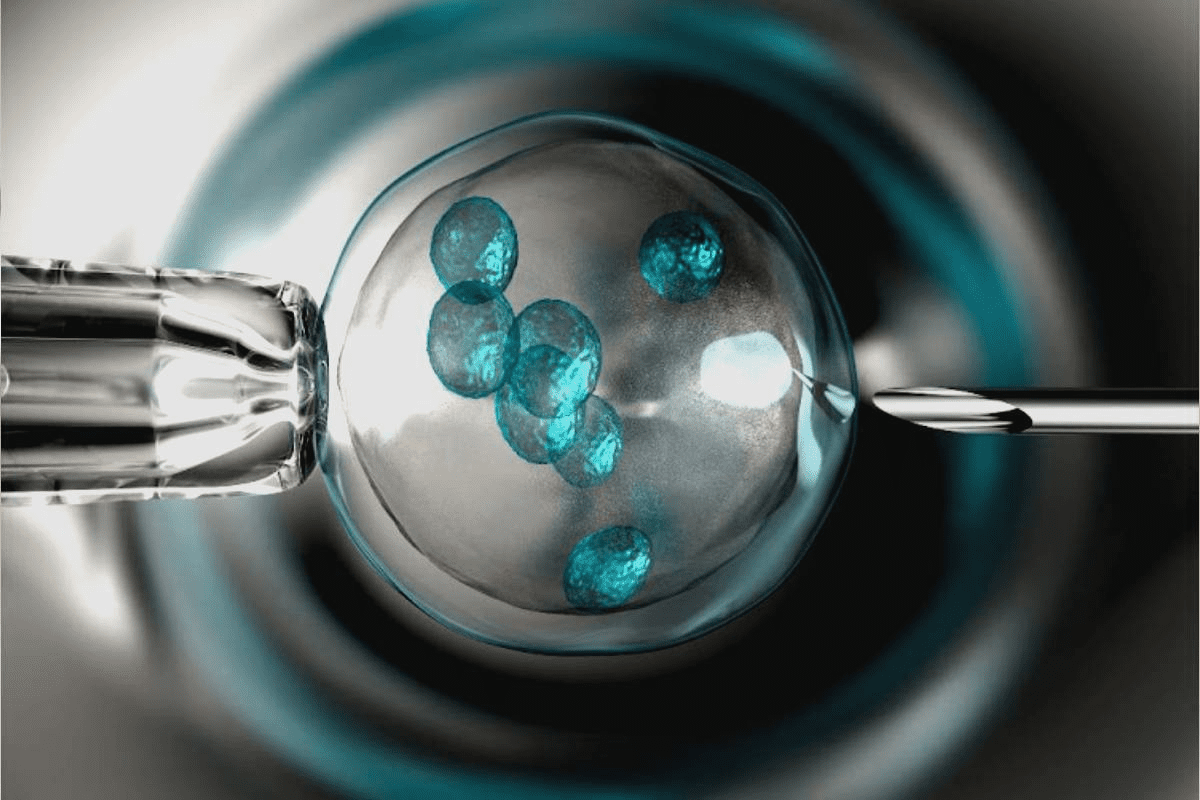
IVF fertilizes eggs outside the body and then puts embryos in the uterus. To up success chances, they often put in more than one embryo. This can lead to multiple births.
Transferring multiple embryos is a common IVF tactic. But it also raises the risk of multiple pregnancies, including twins.
Risks Associated with Medically Assisted Twin Conception
Fertility treatments boost twin chances but come with risks. Multiple pregnancies pose dangers to mom and babies, like preterm labor and low birth weight. It’s vital to know these risks and talk them over with your doctor.
Key considerations include watching ovulation meds closely. Also, deciding on how many embryos to transfer in IVF is critical.
Dietary Approaches That May Influence Twin Conception
Research shows that certain diets might help you conceive twins. While genetics and other factors matter, what you eat can also play a role.
Foods That May Increase Chances of Twins
Some foods might boost your chances of having twins. These include:
- Dairy products: Studies suggest dairy might increase twin chances.
- Foods high in folate: Folate-rich foods help prevent birth defects and might also boost twin chances.
- Protein-rich foods: A diet full of protein can improve fertility and possibly lead to twins.
The Role of Dairy Products and Insulin-like Growth Factor
Dairy products have caught the eye of researchers when it comes to twins. They think dairy might help because of its effect on insulin-like growth factor (IGF).
IGF is a protein that helps cells grow and develop. Research shows that more IGF might make ovaries release more eggs. This could mean a higher chance of twins.
Nutritional Supplements and Their Effects on Fertility
Some supplements might also help with fertility and twin chances. These include:
- Folic acid supplements: While mainly for preventing birth defects, some studies link folic acid to more eggs released.
- Other fertility-enhancing supplements: Supplements like folate, vitamin D, and omega-3 fatty acids can boost fertility. This might increase twin chances.
Always talk to a healthcare provider before taking supplements. They can help weigh the benefits and risks.
Natural Methods and Lifestyle Changes to Consider When Trying for Twins
Trying to conceive twins can be a holistic journey. It’s not just about the biology of twin conception. It’s also about making lifestyle choices that boost fertility.
Optimizing Your Ovulation Cycle
Knowing and optimizing your ovulation cycle is key when trying to conceive twins. Tracking ovulation helps pinpoint the best times to conceive. Tools like basal body temperature tracking, ovulation predictor kits, and fertility apps are very helpful.
Eating a diet full of antioxidants and folic acid supports ovulation. Leafy greens, berries, and citrus fruits are great for health and fertility.
The Impact of Exercise on Fertility and Multiple Ovulation
Exercise boosts fertility in both men and women. It keeps weight healthy, lowers stress, and boosts reproductive health. For women, it can even encourage multiple ovulation.
But, too much exercise can harm fertility. Aim for moderate activities like brisk walking, cycling, or swimming. These keep the heart healthy and support fertility.
Stress Management Techniques for Enhanced Fertility
Stress can hurt fertility. Using stress management techniques like meditation, yoga, or deep breathing can help. These activities relax the mind and improve mental health, making it easier to conceive.
Also, getting enough sleep and balancing work and life is important. Adequate rest regulates hormones, essential for fertility. By managing stress and focusing on self-care, couples can naturally increase their chances of having twins.
Cultural and Traditional Methods for Conceiving Twins
Cultures worldwide have long been fascinated with twins. They’ve developed unique ways to conceive them. These methods show the universal interest in multiple births.
Historical Practices Across Different Cultures
Historically, twins have been seen with both wonder and superstition. In Africa, some believe certain foods and rituals can help conceive twins. For example, the Yoruba people of Nigeria eat a special yam that might increase their twinning rate.
“The Yoruba people’s diet, rich in a particular yam that contains a phytoestrogen, has been linked to their high rate of dizygotic twinning.”
Nature Medicine
In other places, twins are seen as special, even divine. This has led to practices to encourage their conception.
Modern Adaptations of Traditional Methods
Some old methods have been updated for today. For instance, changing diets based on traditional beliefs might help conceive twins.
- Dietary changes, like eating more dairy, are thought to increase twin chances.
- Modern fertility clinics are exploring these traditional practices for their benefits.
| Culture | Traditional Method | Believed Outcome |
|---|---|---|
| Yoruba (Nigeria) | Consumption of specific yams | Increased chance of twins |
| Some African Cultures | Rituals and specific diets | Encouraging twin conception |
| Western Cultures | Dietary adjustments (e.g., more dairy) | Potential increase in twin births |
Separating Fact from Fiction in Folk Remedies
Folk remedies for twins are common but often untested. It’s important to view them skeptically. Some are based on stories, not science.
Critical Evaluation: It’s key to tell the difference between plausible and superstitious remedies.
In summary, cultural twin conception methods are varied and interesting. But, their success is not the same. Understanding these practices helps us see the many factors at play in twin conception.
Health Considerations When Pursuing a Twin Pregnancy
Having twins naturally or through medical help means knowing the health risks. Twin pregnancies can lead to preterm birth and low birth weight. It’s key to understand these risks for the best outcomes.
Maternal Health Risks in Multiple Pregnancies
Women with twins face higher health risks than those with single babies. These include gestational diabetes, hypertension, and preeclampsia. Knowing these risks helps manage them better.
Maternal Health Risks: Here’s a table showing some key risks for twin pregnancies.
| Health Risk | Description | Management Strategy |
|---|---|---|
| Gestational Diabetes | High blood sugar levels during pregnancy | Monitoring blood sugar, dietary adjustments |
| Hypertension | High blood pressure | Regular blood pressure checks, medication if necessary |
| Preeclampsia | A condition characterized by high blood pressure and damage to organs such as the liver and kidneys | Regular prenatal check-ups, bed rest, hospitalization in severe cases |
Preparing Your Body for a Higher-Risk Pregnancy
Getting ready for a twin pregnancy means improving your health before getting pregnant. This includes keeping a healthy weight, managing any health issues, and eating well for the pregnancy’s needs.
Nutritional Preparation: Eating a balanced diet is essential. Focus on folic acid, iron, and calcium for a healthy pregnancy.
Prenatal Care Requirements for Twin Pregnancies
Twin pregnancies need more prenatal care than single pregnancies. This includes more ultrasounds, monitoring for issues, and a birth plan with a specialist in twins.
Prenatal care is vital for spotting and handling problems early. Regular visits help doctors keep an eye on the mother and babies.
Realistic Expectations: Understanding Your Chances
The journey to conceive twins starts with knowing the odds. The idea of twins is exciting, but it’s important to know the chances. Having realistic expectations is key.
Naturally, twin pregnancies are rare, happening in about 3 in every 1,000 births. But, some factors can up the chances.
Statistical Probability of Conceiving Twins Naturally
The odds of conceiving twins naturally depend on genetics, age, and past pregnancies. Women over 35, and those in their late 30s, have a better chance. This is because of higher follicle-stimulating hormone (FSH) levels.
To grasp the odds, let’s look at some key factors and their impact:
| Factor | Impact on Twin Conception Rate |
|---|---|
| Age (35+ years) | Increased FSH levels boost chances |
| Family History of Twins | Significantly increases likelihood |
| Previous Twin Pregnancy | Higher chances of conceiving twins again |
Combining Multiple Factors to Increase Odds
While there’s no surefire way to conceive twins, combining factors can help. For example, a woman over 35 with a family history of twins and previous twin pregnancies may have a better chance.
Key factors to consider:
- Advanced maternal age
- Family history of twins
- Previous pregnancies, including twins
- Dietary influences, like dairy products
When to Consider Medical Assistance
For some, natural conception may not work, or fertility challenges may exist. Medical help, like IVF or ovulation medications, can boost twin conception chances.
Talking to a healthcare provider about these options is vital. This helps make an informed choice.
By understanding the odds and combining factors, couples can have better expectations about conceiving twins naturally.
Conclusion: Embracing the Journey to Parenthood
The journey to becoming a parent is a big deal. It doesn’t matter if you’re having one or two babies. What’s important is having a healthy pregnancy and enjoying the journey.
We’ve looked at many things that can help you conceive twins naturally. This includes genetics, diet, and fertility treatments. We also talked about understanding your chances and getting ready for a twin pregnancy.
Being a parent is more than just having a baby. It’s about taking care of a healthy pregnancy and welcoming your new baby with love. We suggest staying informed, managing your hopes, and focusing on your health and happiness.
This way, you’ll be ready for this amazing change, whether you’re having twins or one baby. We hope this guide has given you useful information and support on your way to becoming a parent.
FAQ
What are the chances of conceiving twins naturally?
About 3 in every 1,000 births are twins. Family history, age, and body type can change these odds.
How does family history impact the likelihood of having twins?
Family history, like maternal side, boosts twin chances. This is true for fraternal twins.
Are there any supplements or “pills” that can increase the chances of having twins?
No scientific proof supports over-the-counter twin supplements. Some might even be harmful due to lack of regulation.
How do fertility treatments impact the chances of conceiving twins?
Treatments like ovulation meds and IVF raise twin chances. IVF often uses multiple embryos for better success.
Can diet and lifestyle changes increase the chances of conceiving twins?
No surefire diet for twins, but dairy and healthy weight might help.
How does age affect the chances of conceiving twins?
Being over 35 increases twin chances, mainly fraternal twins. This is due to higher FSH levels.
Are there any health risks associated with twin pregnancies?
Yes, twin pregnancies are riskier. They might lead to diabetes, high blood pressure, and early labor. Good prenatal care is key.
Can stress affect fertility and the chances of conceiving twins?
Stress can hurt fertility. Stress-reducing activities like meditation and yoga might help.
How can I optimize my ovulation cycle to increase the chances of conceiving twins?
Knowing your ovulation cycle is important. A healthy lifestyle, including diet and exercise, supports fertility.
When should I consider seeking medical assistance to conceive twins?
If you’re struggling to conceive, see a healthcare provider. They can discuss fertility treatments and twin chances.
What are the prenatal care requirements for twin pregnancies?
Twin pregnancies need more check-ups and monitoring. This includes ultrasounds, blood tests, and other tests.
Can I purposely have twins through medical means?
Fertility treatments can increase twin chances, but success is not guaranteed. Doctors aim for a safe pregnancy, balancing risks and success.
References
National Health Service (NHS). Natural Twin Conception: Pills, Supplements, and True Facts. Retrieved from https://www.nhs.uk/pregnancy/finding-out/pregnant-with-twins/
The dream of having twins is a common wish for many parents. But, the journey to conceive twins naturally is filled with myths about pills and supplements.
About 1 in 250 pregnancies naturally result in twins. Knowing the real factors that lead to twin conception helps couples plan their family better.
At Liv Hospital, we use the latest medical knowledge to help couples conceive. Our guide tells the truth about naturally conceiving twins. We clear up myths and share what really affects twin pregnancies.
Key Takeaways
- Understanding the biological and genetic factors that influence twin conception.
- Debunking myths about miracle pills for conceiving twins.
- The role of lifestyle and fertility treatments in twin pregnancies.
- Empowering couples with knowledge for informed family planning decisions.
- The importance of patient-centered care in fertility treatments.
Understanding Twin Conception: The Science Behind Multiple Pregnancies
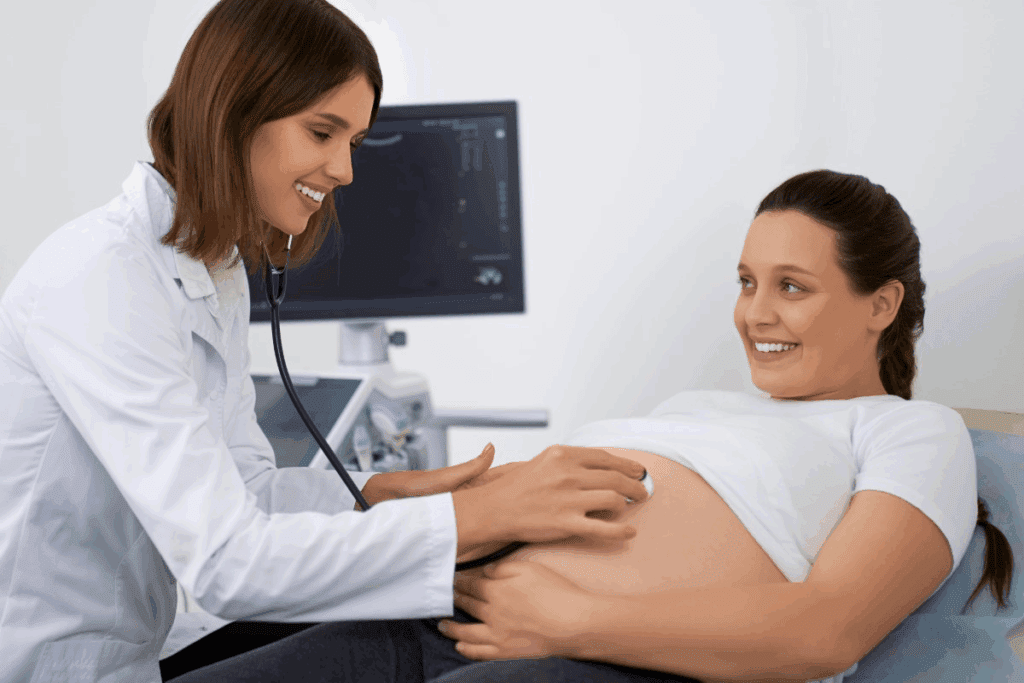
Learning about how twins are made can help couples dream of having twins. The process of making twins involves many things like genetics, the environment, and health.
Types of Twins: Identical vs. Fraternal
There are two kinds of twins: identical and fraternal. Identical twins come from one egg splitting into two embryos. They share the same DNA. On the other hand, fraternal twins are made when two eggs are fertilized by two different sperm. They are genetically different, like any other siblings.
Natural Occurrence Rates of Twin Pregnancies
In the United States, about 3% of babies are twins. This number has gone up over the last 30 years. This increase is due to better fertility treatments and more women having babies later in life.
How Multiple Ovulation Happens
When more than one egg is released during a cycle, it’s called hyper ovulation. This can lead to having fraternal twins. Hyper ovulation can run in families, making some women more likely to release multiple eggs.
Knowing about twin conception can help couples trying to have twins. While some things can’t be changed, understanding the process can guide their choices.
Genetic Factors That Influence Twin Conception
Genetics play a big role in having twins. This is more true for fraternal twins. Research shows genetics are key.
Maternal Family History and Its Impact
A woman’s family history is very important. If her family has a history of fraternal twins, she’s more likely to have twins too. This is because her family’s genes might make her release more eggs at once. Women with a family history of twins are more likely to release multiple eggs, increasing their chances of having fraternal twins.
The “Twin Gene” Explained
The “twin gene” refers to the genetic factors that increase the chances of having twins. There isn’t one single gene for twinning. But, research shows many genetic factors can lead to hyper ovulation.
The presence of certain genetic markers can increase the chances of releasing multiple eggs during ovulation.Knowing these markers can help predict the chances of having twins.
Paternal Genetic Contribution to Twin Conception
The father’s genetics also play a role in having twins. While the mother’s genetics have a direct impact, the father’s genetics might also influence the conception of twins, mainly fraternal twins. But, how much and how they influence it is being studied.
Biological Factors That May Increase Your Chances
While there’s no surefire way to conceive twins, certain biological factors can up your chances. Knowing these can help those trying to conceive twins naturally.
Advanced Maternal Age (35+)
Women over 35 are more likely to conceive twins. This is because their bodies produce more follicle-stimulating hormone (FSH) with age. Advanced maternal age is a significant factor because it naturally increases the chances of hyper ovulation, leading to fraternal twins.
“The older a woman is, the higher her FSH levels tend to be, which can lead to the release of multiple eggs and, consequentially, a higher chance of conceiving twins.”
Body Mass Index and Twin Conception
Research shows women with a higher body mass index (BMI) might have a greater chance of conceiving twins. The exact reasons are not fully understood, but it’s believed that higher insulin levels and other metabolic changes associated with a higher BMI may influence ovulation and increase the likelihood of releasing multiple eggs.
Previous Pregnancies and Their Influence
Women who have had multiple pregnancies are more likely to conceive twins in subsequent pregnancies. This is because the body tends to be more efficient at releasing multiple eggs after having had previous successful pregnancies. The history of previous pregnancies can be an indicator of a woman’s potentia to conceive twins.
By understanding these biological factors, individuals can better assess their chances of conceiving twins naturally. While these factors can increase the likelihood, it’s essential to remember that conceiving twins is influenced by a combination of genetic, environmental, and biological factors.
The Truth About Pills to Have Twins: Separating Fact from Fiction
Many people look for “pills to have twins” because they want to conceive twins. Supplements claiming to help with this are popular. They are marketed as natural ways to boost fertility and encourage twin births.
Common Over-the-Counter Supplements Marketed for Twin Conception
Some supplements are linked to a higher chance of having twins. These include:
- Folic acid supplements
- Clomiphene citrate (though typically prescription, sometimes accessed over-the-counter)
- Various herbal supplements claiming to enhance fertility
Even though these supplements are promoted for twin conception, their effectiveness is not proven by science. Most of the evidence is based on personal stories, not scientific studies.
Scientific Evidence on Supplement Effectiveness
Scientists are not all agreed on whether supplements help with twin conception. Some research shows that folic acid might help with fertility. But, the connection to having twins is not well understood.
Key findings include:
- Limited evidence supporting the role of supplements in twin conception
- Some studies indicating a possible link between folic acid and increased twinning rates
- A lack of regulation and standardization in the supplement industry
Potential Risks of Unregulated Fertility Supplements
Using unregulated fertility supplements can be risky. These supplements might have unknown ingredients, wrong amounts, or even harmful substances. This is because they are not tested or regulated well.
Potential risks include:
- Adverse reactions to unknown or unlisted ingredients
- Interactions with other medications or health conditions
- Lack of quality control and purity
In summary, while “pills to have twins” are marketed, it’s wise to be cautious. Before starting any supplements, it’s best to talk to a healthcare professional. This is very important when you’re trying to conceive.
Fertility Treatments and Their Impact on Twin Conception
Fertility treatments, like medications and in vitro fertilization, are key in twin conceptions. About 40% of twin births come from these treatments, including IVF. We’ll look at how these treatments boost twin chances and the risks involved.
Ovulation-Inducing Medications and Multiple Births
Ovulation-inducing meds aim to get more eggs from the ovaries. This ups the chance for multiple fertilizations and births. These meds help with infertility and up twin conception chances.
Common ovulation-inducing medications are clomiphene citrate and gonadotropins. They work well but need close watch to avoid too many pregnancies.
In Vitro Fertilization and Multiple Embryo Transfer
IVF fertilizes eggs outside the body and then puts embryos in the uterus. To up success chances, they often put in more than one embryo. This can lead to multiple births.
Transferring multiple embryos is a common IVF tactic. But it also raises the risk of multiple pregnancies, including twins.
Risks Associated with Medically Assisted Twin Conception
Fertility treatments boost twin chances but come with risks. Multiple pregnancies pose dangers to mom and babies, like preterm labor and low birth weight. It’s vital to know these risks and talk them over with your doctor.
Key considerations include watching ovulation meds closely. Also, deciding on how many embryos to transfer in IVF is critical.
Dietary Approaches That May Influence Twin Conception
Research shows that certain diets might help you conceive twins. While genetics and other factors matter, what you eat can also play a role.
Foods That May Increase Chances of Twins
Some foods might boost your chances of having twins. These include:
- Dairy products: Studies suggest dairy might increase twin chances.
- Foods high in folate: Folate-rich foods help prevent birth defects and might also boost twin chances.
- Protein-rich foods: A diet full of protein can improve fertility and possibly lead to twins.
The Role of Dairy Products and Insulin-like Growth Factor
Dairy products have caught the eye of researchers when it comes to twins. They think dairy might help because of its effect on insulin-like growth factor (IGF).
IGF is a protein that helps cells grow and develop. Research shows that more IGF might make ovaries release more eggs. This could mean a higher chance of twins.
Nutritional Supplements and Their Effects on Fertility
Some supplements might also help with fertility and twin chances. These include:
- Folic acid supplements: While mainly for preventing birth defects, some studies link folic acid to more eggs released.
- Other fertility-enhancing supplements: Supplements like folate, vitamin D, and omega-3 fatty acids can boost fertility. This might increase twin chances.
Always talk to a healthcare provider before taking supplements. They can help weigh the benefits and risks.
Natural Methods and Lifestyle Changes to Consider When Trying for Twins
Trying to conceive twins can be a holistic journey. It’s not just about the biology of twin conception. It’s also about making lifestyle choices that boost fertility.
Optimizing Your Ovulation Cycle
Knowing and optimizing your ovulation cycle is key when trying to conceive twins. Tracking ovulation helps pinpoint the best times to conceive. Tools like basal body temperature tracking, ovulation predictor kits, and fertility apps are very helpful.
Eating a diet full of antioxidants and folic acid supports ovulation. Leafy greens, berries, and citrus fruits are great for health and fertility.
The Impact of Exercise on Fertility and Multiple Ovulation
Exercise boosts fertility in both men and women. It keeps weight healthy, lowers stress, and boosts reproductive health. For women, it can even encourage multiple ovulation.
But, too much exercise can harm fertility. Aim for moderate activities like brisk walking, cycling, or swimming. These keep the heart healthy and support fertility.
Stress Management Techniques for Enhanced Fertility
Stress can hurt fertility. Using stress management techniques like meditation, yoga, or deep breathing can help. These activities relax the mind and improve mental health, making it easier to conceive.
Also, getting enough sleep and balancing work and life is important. Adequate rest regulates hormones, essential for fertility. By managing stress and focusing on self-care, couples can naturally increase their chances of having twins.
Cultural and Traditional Methods for Conceiving Twins
Cultures worldwide have long been fascinated with twins. They’ve developed unique ways to conceive them. These methods show the universal interest in multiple births.
Historical Practices Across Different Cultures
Historically, twins have been seen with both wonder and superstition. In Africa, some believe certain foods and rituals can help conceive twins. For example, the Yoruba people of Nigeria eat a special yam that might increase their twinning rate.
“The Yoruba people’s diet, rich in a particular yam that contains a phytoestrogen, has been linked to their high rate of dizygotic twinning.”
Nature Medicine
In other places, twins are seen as special, even divine. This has led to practices to encourage their conception.
Modern Adaptations of Traditional Methods
Some old methods have been updated for today. For instance, changing diets based on traditional beliefs might help conceive twins.
- Dietary changes, like eating more dairy, are thought to increase twin chances.
- Modern fertility clinics are exploring these traditional practices for their benefits.
| Culture | Traditional Method | Believed Outcome |
|---|---|---|
| Yoruba (Nigeria) | Consumption of specific yams | Increased chance of twins |
| Some African Cultures | Rituals and specific diets | Encouraging twin conception |
| Western Cultures | Dietary adjustments (e.g., more dairy) | Potential increase in twin births |
Separating Fact from Fiction in Folk Remedies
Folk remedies for twins are common but often untested. It’s important to view them skeptically. Some are based on stories, not science.
Critical Evaluation: It’s key to tell the difference between plausible and superstitious remedies.
In summary, cultural twin conception methods are varied and interesting. But, their success is not the same. Understanding these practices helps us see the many factors at play in twin conception.
Health Considerations When Pursuing a Twin Pregnancy
Having twins naturally or through medical help means knowing the health risks. Twin pregnancies can lead to preterm birth and low birth weight. It’s key to understand these risks for the best outcomes.
Maternal Health Risks in Multiple Pregnancies
Women with twins face higher health risks than those with single babies. These include gestational diabetes, hypertension, and preeclampsia. Knowing these risks helps manage them better.
Maternal Health Risks: Here’s a table showing some key risks for twin pregnancies.
| Health Risk | Description | Management Strategy |
|---|---|---|
| Gestational Diabetes | High blood sugar levels during pregnancy | Monitoring blood sugar, dietary adjustments |
| Hypertension | High blood pressure | Regular blood pressure checks, medication if necessary |
| Preeclampsia | A condition characterized by high blood pressure and damage to organs such as the liver and kidneys | Regular prenatal check-ups, bed rest, hospitalization in severe cases |
Preparing Your Body for a Higher-Risk Pregnancy
Getting ready for a twin pregnancy means improving your health before getting pregnant. This includes keeping a healthy weight, managing any health issues, and eating well for the pregnancy’s needs.
Nutritional Preparation: Eating a balanced diet is essential. Focus on folic acid, iron, and calcium for a healthy pregnancy.
Prenatal Care Requirements for Twin Pregnancies
Twin pregnancies need more prenatal care than single pregnancies. This includes more ultrasounds, monitoring for issues, and a birth plan with a specialist in twins.
Prenatal care is vital for spotting and handling problems early. Regular visits help doctors keep an eye on the mother and babies.
Realistic Expectations: Understanding Your Chances
The journey to conceive twins starts with knowing the odds. The idea of twins is exciting, but it’s important to know the chances. Having realistic expectations is key.
Naturally, twin pregnancies are rare, happening in about 3 in every 1,000 births. But, some factors can up the chances.
Statistical Probability of Conceiving Twins Naturally
The odds of conceiving twins naturally depend on genetics, age, and past pregnancies. Women over 35, and those in their late 30s, have a better chance. This is because of higher follicle-stimulating hormone (FSH) levels.
To grasp the odds, let’s look at some key factors and their impact:
| Factor | Impact on Twin Conception Rate |
|---|---|
| Age (35+ years) | Increased FSH levels boost chances |
| Family History of Twins | Significantly increases likelihood |
| Previous Twin Pregnancy | Higher chances of conceiving twins again |
Combining Multiple Factors to Increase Odds
While there’s no surefire way to conceive twins, combining factors can help. For example, a woman over 35 with a family history of twins and previous twin pregnancies may have a better chance.
Key factors to consider:
- Advanced maternal age
- Family history of twins
- Previous pregnancies, including twins
- Dietary influences, like dairy products
When to Consider Medical Assistance
For some, natural conception may not work, or fertility challenges may exist. Medical help, like IVF or ovulation medications, can boost twin conception chances.
Talking to a healthcare provider about these options is vital. This helps make an informed choice.
By understanding the odds and combining factors, couples can have better expectations about conceiving twins naturally.
Conclusion: Embracing the Journey to Parenthood
The journey to becoming a parent is a big deal. It doesn’t matter if you’re having one or two babies. What’s important is having a healthy pregnancy and enjoying the journey.
We’ve looked at many things that can help you conceive twins naturally. This includes genetics, diet, and fertility treatments. We also talked about understanding your chances and getting ready for a twin pregnancy.
Being a parent is more than just having a baby. It’s about taking care of a healthy pregnancy and welcoming your new baby with love. We suggest staying informed, managing your hopes, and focusing on your health and happiness.
This way, you’ll be ready for this amazing change, whether you’re having twins or one baby. We hope this guide has given you useful information and support on your way to becoming a parent.
FAQ
What are the chances of conceiving twins naturally?
About 3 in every 1,000 births are twins. Family history, age, and body type can change these odds.
How does family history impact the likelihood of having twins?
Family history, like maternal side, boosts twin chances. This is true for fraternal twins.
Are there any supplements or “pills” that can increase the chances of having twins?
No scientific proof supports over-the-counter twin supplements. Some might even be harmful due to lack of regulation.
How do fertility treatments impact the chances of conceiving twins?
Treatments like ovulation meds and IVF raise twin chances. IVF often uses multiple embryos for better success.
Can diet and lifestyle changes increase the chances of conceiving twins?
No surefire diet for twins, but dairy and healthy weight might help.
How does age affect the chances of conceiving twins?
Being over 35 increases twin chances, mainly fraternal twins. This is due to higher FSH levels.
Are there any health risks associated with twin pregnancies?
Yes, twin pregnancies are riskier. They might lead to diabetes, high blood pressure, and early labor. Good prenatal care is key.
Can stress affect fertility and the chances of conceiving twins?
Stress can hurt fertility. Stress-reducing activities like meditation and yoga might help.
How can I optimize my ovulation cycle to increase the chances of conceiving twins?
Knowing your ovulation cycle is important. A healthy lifestyle, including diet and exercise, supports fertility.
When should I consider seeking medical assistance to conceive twins?
If you’re struggling to conceive, see a healthcare provider. They can discuss fertility treatments and twin chances.
What are the prenatal care requirements for twin pregnancies?
Twin pregnancies need more check-ups and monitoring. This includes ultrasounds, blood tests, and other tests.
Can I purposely have twins through medical means?
Fertility treatments can increase twin chances, but success is not guaranteed. Doctors aim for a safe pregnancy, balancing risks and success.
References
National Health Service (NHS). Natural Twin Conception: Pills, Supplements, and True Facts. Retrieved from https://www.nhs.uk/pregnancy/finding-out/pregnant-with-twins/