Last Updated on November 27, 2025 by Ugurkan Demir

Do you often feel nasal dryness that messes with your daily life and sleep? Dry nose symptoms bother millions, from mildly annoying to very painful if not treated.
Sinus dryness can really affect your life quality. It can be caused by many things like the environment, medicines, allergies, or health issues. Knowing what causes it is the first step to feeling better.
This guide will show you seven ways to ease dry nasal passages. You’ll learn how to feel more comfortable and improve your health.
7 effective solutions to relieve dry nose symptoms, such as crusting, itching, and irritation.
Key Takeaways
- Understanding the causes of nasal dryness is key to feeling better.
- Things like the environment, medicines, and allergies can cause dry nose symptoms.
- There are seven effective ways to ease dry nasal passages.
- Keeping your nose moist can make a big difference in your daily life and sleep.
- It’s important to tackle any health issues to find lasting relief.
Understanding Dry Nose Symptoms and Their Impact
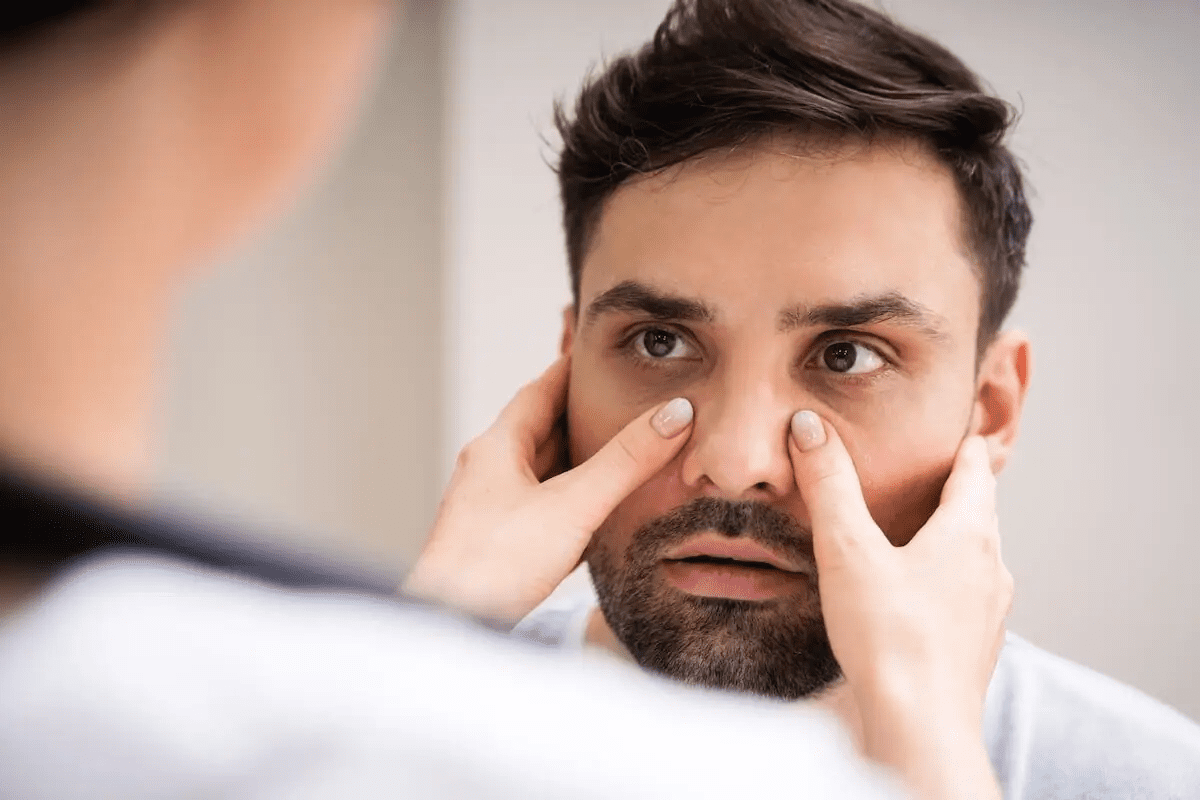
Dryness in the nasal passages is more than just a minor issue. It can really affect our health. When the mucous membranes don’t have enough moisture, we can feel a range of uncomfortable symptoms.
Common Signs of Nasal Dryness
Dry nose symptoms can show up in different ways. You might feel irritation, burning, or inflammation. Some common signs include:
- Nasal congestion
- Nosebleeds
- Secondary sinus infections
- A general feeling of discomfort in the nasal area
These symptoms can vary in how bad they are. They can be caused by many things, like the environment or health problems.
How Dry Nasal Passages Affect Daily Life
Dry nasal passages can really mess with your daily life. They can make breathing hard, which can disrupt sleep and daily tasks. Nosebleeds, though usually minor, can be scary and inconvenient. Also, secondary sinus infections can lead to serious health issues that need doctor’s care.
It’s important to understand how these symptoms affect us. This knowledge helps us manage dry nose symptoms better and improve our quality of life.
What Causes Dry Nose Symptoms?

Dry nose symptoms come from many sources. These include environmental factors, medical conditions, and changes in our body. Knowing what causes them helps us find relief.
Environmental Factors
Environmental factors greatly affect dry nose symptoms. Low indoor humidity, common in winter or air-conditioned spaces, dries out our nose. Also, polluted air and strong odors can irritate our nose, making it dry.
A study in the Journal of Allergy and Clinical Immunology found that dry environments harm our nasal mucosa. This makes us more likely to get infections.
“The nasal mucosa is highly sensitive to changes in humidity and temperature, making it vulnerable to dryness in certain environmental conditions.”
- Dry climates
- Air conditioning or heating
- Exposure to pollutants or strong odors
Medical Conditions and Medications
Some medical conditions and medicines can make our nose dry. For example, allergic rhinitis can cause dryness if not treated. Medicines like decongestants and antihistamines can also dry out our nose.
Medical Condition | Effect on Nasal Passages |
Allergic Rhinitis | Increased nasal dryness and congestion |
Sinusitis | Nasal dryness and inflammation |
Aging and Physiological Changes
As we age, our nose can get drier. Our nasal mucosa changes, making less moisture, which leads to dryness.
Knowing why our nose gets dry is key to treating it. By tackling these causes, we can ease dry nose symptoms and keep our nose healthy.
The Connection Between Respiratory Conditions and Nasal Dryness
Nasal dryness can be both a symptom and a consequence of various respiratory conditions. We will explore how certain health issues affect the nasal passages, leading to dryness and discomfort.
Allergic Rhinitis and Hyperosmolar Nasal Secretions
Allergic rhinitis is a common condition that significantly contributes to nasal dryness. Research has shown that patients with allergic rhinitis often have hyperosmolar nasal secretions, which can exacerbate nasal dryness. This condition occurs when the nasal mucosa is exposed to allergens, leading to an inflammatory response and changes in the composition of nasal secretions.
The increased osmolarity of nasal secretions in allergic rhinitis patients can cause discomfort and irritation in the nasal passages. Managing allergic rhinitis effectively is key to alleviating nasal dryness associated with this condition.
COVID-19 and Its Effects on Nasal Passages
The COVID-19 pandemic has highlighted the impact of viral infections on nasal health. Studies have indicated that COVID-19 can cause significant nasal dryness and congestion. The virus affects the nasal mucosa, leading to inflammation and disruption of normal nasal functions.
Patients recovering from COVID-19 often report experiencing dry nose and congestion as part of their symptomatology. Understanding the effects of COVID-19 on nasal health is essential for providing appropriate care and relief to affected individuals.
By recognizing the link between respiratory conditions like allergic rhinitis and COVID-19, and nasal dryness, we can better address the root causes of nasal discomfort. This helps us provide effective solutions for relief.
Recognizing When Dry Nose Symptoms Require Medical Attention
It’s important to know when dry nose symptoms need a doctor’s help. Many cases can be handled at home, but some need medical care.
Warning Signs of Complications
Look out for these signs: persistent nosebleeds, severe facial pain, or a fever with dry nose. These could mean a sinus infection dry sinuses or another serious issue that needs quick treatment.
Also, watch for thick, discolored nasal discharge or a bad smell. These signs might mean an infection. Dry sinuses can lead to serious problems if not treated right.
Secondary Infections and Chronic Conditions
Dry nose can cause secondary infections if the nasal passages stay dry. Atrophic rhinitis is a chronic condition that can happen from neglecting dry nose symptoms.
Knowing these risks and taking action early is key. If your dry nose symptoms don’t go away or get worse, see a doctor. This can help avoid long-term damage.
Solution #1: Hydration and Moisture Retention Techniques
Keeping your nose moist is key to feeling better. We can do this by drinking lots of water and using special sprays. These methods help your nose stay healthy.
Internal Hydration Methods
Drinking water is vital for your nose. Try to drink 8-10 glasses a day to keep your nose moist. Eating foods with lots of water, like fruits and veggies, also helps.
Saline Nasal Sprays and Rinses
Saline sprays and rinses moisturize your nose. They help remove dirt and dryness, making your nose feel better. Always use these sprays as directed.
DIY Saline Solutions
Creating your own saline solution is easy and cheap. You’ll need:
Ingredient | Quantity |
Distilled Water | 1 cup |
Non-Iodized Salt | 1/2 teaspoon |
Baking Soda | 1/4 teaspoon |
Mix these until the salt and baking soda dissolve. Use this solution with a neti pot or squeeze bottle. Make sure your equipment is clean to avoid infections.
Using these methods daily can help manage dry nose symptoms. It also improves your nose’s health.
Solution #2: Environmental Modifications for Nasal Health
Making changes to our environment can help with dry nose issues. Simple adjustments can ease dry nose symptoms and boost nasal health.
Choosing and Using the Right Humidifier
A humidifier is great for fighting dry nose. Pick one that fits your space and needs. Cool mist humidifiers are safe and work well. Clean it often to avoid bacteria and keep it running right.
Humidifiers come in different types. Ultrasonic humidifiers are quiet and good for bedrooms. Evaporative humidifiers work better in bigger areas.
Optimal Humidity Levels for Different Seasons
Keeping humidity levels right is key for your nose. Aim for 30% to 50% humidity indoors. In dry seasons, like winter, keep it higher. In humid times, keep it lower to stop mold.
- Winter: 40-50% relative humidity
- Summer: 30-40% relative humidity
Avoiding Indoor Air Pollutants and Irritants
Using a humidifier is just part of the solution. It’s also important to avoid indoor pollutants. Dust, pet dander, and chemicals from products can harm your nose. HEPA filters in air purifiers can clean the air, making it safer for your nose.
Try to stay away from things that can dry out your nose. This includes tobacco smoke and harsh chemicals. By doing so, you can lessen dry nose and discomfort.
Solution #3: Topical Treatments for Dry Nasal Passages
Dry nasal passages can be managed with the right treatments. These treatments apply moisturizers directly to the nasal mucosa. This helps relieve dry nose symptoms.
Nasal Moisturizers and Ointments
Nasal moisturizers and ointments offer quick relief from dryness and irritation. Nasal moisturizers keep the nasal mucosa hydrated. Ointments protect against dry air and irritants.
When picking a nasal moisturizer or ointment, look at the ingredients. Some have petroleum-based ingredients, while others use natural ingredients. Knowing the difference helps you choose wisely.
Petroleum-Based vs. Natural Products
Petroleum-based products, like those with petroleum jelly, block dry air. Yet, some prefer natural options due to concerns about petroleum’s long-term effects.
- Petroleum-Based Products: Effective barrier, widely available, and often inexpensive.
- Natural Products: May have soothing ingredients like aloe vera or essential oils, with fewer side effects.
Application Techniques for Maximum Benefit
To get the most from topical treatments, apply them correctly. Use a cotton swab or your finger to apply a small amount to the inside of your nostrils. Be gentle to avoid pushing too far.
Reapply as needed, often before bed or in dry places. Using these products with humidifiers helps keep your nose healthy.
Solution #4: Steam Therapy and Physical Interventions
Steam therapy is a great way to fight dry nose problems. It loosens mucus and makes your nose feel less dry. This gives quick relief to those with dry nasal passages.
Steam Inhalation Methods
There are easy ways to use steam therapy every day. Using a steam humidifier adds moisture to the air, keeping your nose moist. Or, you can inhale steam from a bowl of hot water with a towel over your head. This is good for severe dryness or congestion.
Adding eucalyptus oil or menthol to the water can make it even better. These ingredients help clear your sinuses and open your airways.
Warm Compress Techniques for Sinus Relief
Applying a warm compress to your face also helps with sinus issues. Soak a cloth in warm water, wring it out, and place it on your face. Focus on your nose and sinuses.
The warmth loosens mucus and reduces sinus pressure. It also boosts blood flow to the area. This is great for those with sinus headaches or facial pain from a dry nose.
By using steam therapy and warm compresses daily, you can manage dry nose symptoms. This improves your nasal health.
Solutions #5-7: Lifestyle Approaches to Managing Dry Nose Symptoms
There are ways to manage dry nose symptoms beyond medical treatments. Making lifestyle changes can help. These changes can improve your nasal health.
Dietary Adjustments for Mucous Membrane Health
Your diet affects the health of your mucous membranes, including in your nose. Increasing omega-3 fatty acids in your diet is key. Foods like salmon, walnuts, and flaxseeds are good sources.
Drinking plenty of water is also important. It helps keep your nose moist.
A healthcare professional said, “A well-balanced diet rich in essential nutrients can significantly contribute to the health of nasal mucosa.”
“A diet lacking in essential nutrients can lead to dryness and irritation in the nasal passages.”
Allergen Management Strategies
Managing allergens is vital for those with dry nose symptoms, like those with allergic rhinitis. Identifying and avoiding allergens can help. This means using air purifiers, cleaning regularly, and staying indoors during peak pollen times.
These steps can greatly improve your nasal health. For example, HEPA filters in air purifiers can cut down on indoor allergens, easing dry nose symptoms.
Stress Reduction and Its Impact on Nasal Health
Stress can make dry nose symptoms worse by weakening your immune system and causing inflammation. Stress reduction techniques like meditation, yoga, and deep breathing can help. They can lessen the severity of dry nose symptoms.
A healthcare provider noted, “Stress management is an often-overlooked aspect of treating nasal dryness.” Adding stress reduction to your daily routine can boost your overall health, including your nasal health.
Conclusion
Understanding why our noses get dry is key to feeling better. We’ve looked at seven ways to help, like drinking more water and using humidifiers. We also talked about steam therapy and how to live healthier.
To really help a dry nose, we need to use many of these methods together. This way, we can feel less discomfort and keep our noses healthy. Trying these tips can make a big difference in how we feel.
Managing a dry nose means knowing why it happens and making changes in our lives. By using the tips from this article, we can start to feel better. This is the first step to keeping our noses healthy for a long time.
FAQ
What are the common signs of nasal dryness?
Signs include irritation, burning, congestion, and nosebleeds. If not treated, these can cause infections.
What causes dry nose symptoms?
Symptoms can come from dry air, allergies, aging, or some medicines.
How does allergic rhinitis contribute to nasal dryness?
Allergic rhinitis can make nasal secretions too dry. It’s key to manage allergies to avoid dryness.
Can COVID-19 cause dry nose symptoms?
Yes, COVID-19 can make noses very dry. This is something to think about when recovering.
When should I seek medical attention for dry nose symptoms?
See a doctor for nosebleeds, facial pain, fever, or if symptoms get worse. These could mean an infection.
How can I relieve dry nose symptoms at home?
Drink water, use saline sprays, and make your own saline solution. Humidifiers and clean air help too.
What are the benefits of steam therapy for dry nose symptoms?
Steam therapy adds moisture to your nose. It helps with congestion and dryness.
How can I manage dry nose symptoms through lifestyle changes?
Eat right, avoid allergens, and reduce stress. These help keep your nose healthy.
What is the best way to make a DIY saline solution for nasal irrigation?
Mix water, salt, and baking soda. The mix should be right to moisturize your nose.
Are there any topical treatments available for dry nasal passages?
Yes, there are moisturizers and ointments. Choose based on what you prefer and need.
How can I prevent dry sinuses and throat?
Stay hydrated, use humidifiers, avoid irritants, and manage allergies. Regular irrigation helps too.
Can dry sinuses lead to infection?
Yes, untreated dry sinuses can cause infections. Watch for fever or pain to seek help.
References
American Academy of Otolaryngology—Head and Neck Surgery. (n.d.). Tonsillectomy. Retrieved from https://www.enthealth.org/be_ent_smart/post-tonsillectomy-pain-management-for-children-education-for-caregivers/