
For those who struggle with severe obesity, traditional weight loss methods often fail. Bariatric surgery has become a highly effective solution. The gastric sleeve and duodenal switch are two popular choices.Detailed analysis of the efficacy and risks of duodenal switch vs gastric sleeve.
At Liv Hospital, we focus on patient-centered bariatric care. Our team has international surgical expertise. We aim to help you find the right surgery for your weight loss goals and health.
Studies show that gastric sleeve surgery can lead to 65-75% weight loss. On the other hand, duodenal switch can result in 75-85% weight loss within 18-24 months after surgery.
Key Takeaways
- Understanding the differences between gastric sleeve and duodenal switch surgeries is key to making a good choice.
- Bariatric surgery is a highly effective treatment for obesity, leading to significant weight loss.
- The choice between gastric sleeve and duodenal switch depends on your weight loss goals and health.
- Liv Hospital offers personalized bariatric care with expert surgical teams.
- Post-surgery weight loss varies between the two procedures, with duodenal switch often leading to more weight loss.
Understanding Bariatric Surgery Options
Bariatric surgery is now seen as a key treatment for obesity. Obesity rates are rising worldwide, making weight loss surgery more in demand. This surgery is a big part of treating obesity in a new way.
The Growing Popularity of Weight Loss Surgery
Weight loss surgery, or bariatric surgery, is getting more popular. The latest studies show it’s the best way to control obesity for those who can’t lose weight on their own. Its popularity has grown thanks to better surgery methods, better results for patients, and more people knowing about its benefits.
The Role of Bariatric Surgery in Treating Obesity
Bariatric surgery is a key solution for obesity. It helps people lose weight and also improves health problems like diabetes and high blood pressure. Knowing how bariatric surgery works helps people choose the right treatment for them.
Overview of Available Surgical Options
There are many bariatric surgery options, each with its own benefits. The Duodenal Switch and Gastric Sleeve are two common ones. They vary in how complex they are and how they affect the body. It’s important to understand these differences when choosing a surgery.
Looking into these options and their effects can help people reach their weight loss goals. It also improves their health overall.
What is a Gastric Sleeve Procedure?
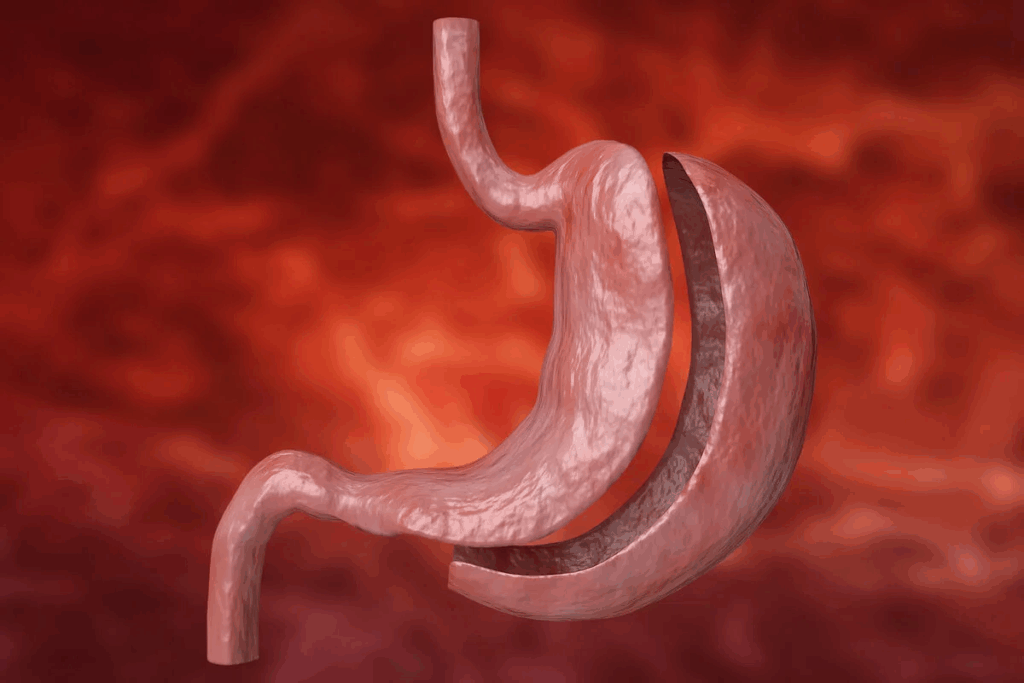
Gastric sleeve surgery, also known as sleeve gastrectomy, is a big step in bariatric surgery. It removes a big part of the stomach, leaving a narrow, sleeve-shaped stomach. We’ll look into the surgery’s details, including its process, weight loss benefits, and effects on hormones and metabolism.
The Surgical Process Explained
The gastric sleeve procedure is done laparoscopically, with small cuts in the abdomen. The surgery usually takes 60-90 minutes. A big part of the stomach is removed, leaving a narrow stomach. This limits how much food you can eat.
How Gastric Sleeve Works for Weight Loss
The gastric sleeve procedure helps with weight loss by limiting food intake. With a smaller stomach, you feel full faster and eat less. Also, less ghrelin is made, which helps control hunger.
Hormonal and Metabolic Effects
The gastric sleeve procedure has big effects on hormones and metabolism. It reduces hunger by making the stomach smaller and removing ghrelin-producing parts. It also helps your metabolism and improves insulin sensitivity, which can help with type 2 diabetes.
What is a Duodenal Switch Procedure?
The Duodenal Switch procedure is a surgery for severe obesity. It’s for those needing a lot of weight loss. It’s a detailed way to manage obesity.
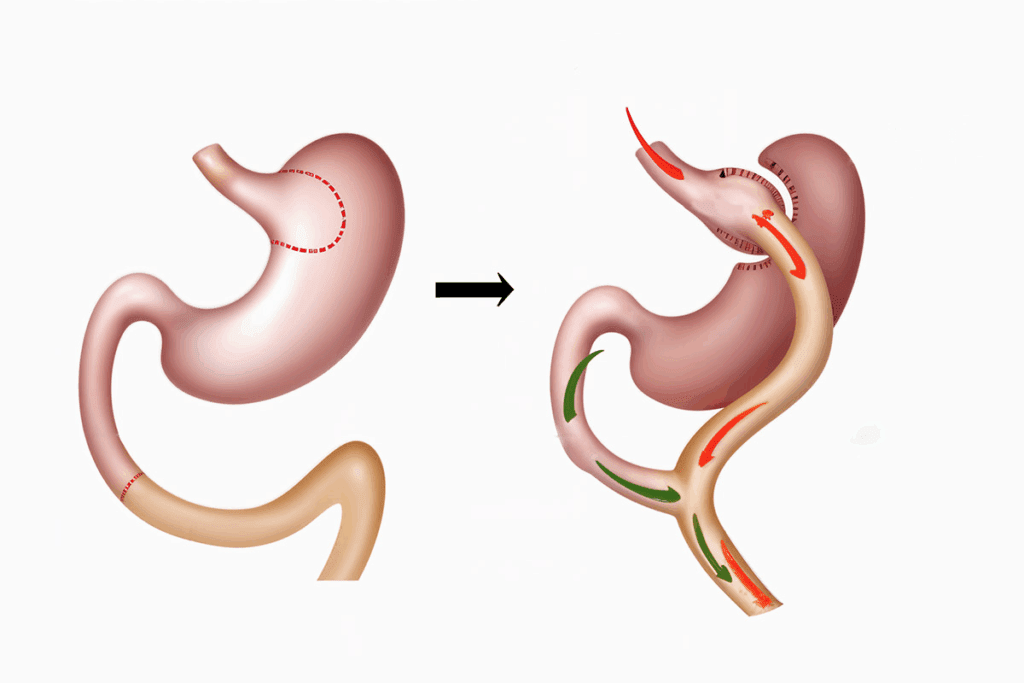
The Two Components: Sleeve Gastrectomy and Intestinal Bypass
The Duodenal Switch has two parts: sleeve gastrectomy and intestinal bypass. Sleeve gastrectomy makes the stomach smaller. This limits how much food you can eat, helping with weight loss.
The intestinal bypass changes how the small intestine works. It makes it harder for the body to absorb calories and nutrients. This helps with more weight loss.
How Duodenal Switch Creates Weight Loss
The Duodenal Switch works by making you eat less and absorb fewer nutrients. The smaller stomach makes you feel full sooner. The intestinal bypass reduces calorie and nutrient absorption, leading to weight loss.
This method is very effective for those with high BMIs. It’s also good for those who haven’t lost enough weight with other surgeries.
Metabolic and Digestive Changes
The Duodenal Switch changes how your body processes food and absorbs nutrients. It reduces stomach size and changes the intestine’s path. This can affect how you digest food and absorb nutrients.
You might need to change your diet and take supplements. But, it can also help with health issues like type 2 diabetes and high blood pressure.
Duodenal Switch vs Gastric Sleeve: Key Differences
Duodenal switch and gastric sleeve are two different bariatric surgeries. Each has its own benefits and things to think about. Knowing these differences helps you choose the right surgery for you.
Surgical Complexity and Technique
The duodenal switch is more complex than gastric sleeve. It includes a sleeve gastrectomy and an intestinal bypass. This makes the surgery longer and riskier. Gastric sleeve, on the other hand, is simpler and less invasive.
“The duodenal switch is more complex because of its two parts,” says Medical Expert, a top bariatric surgeon. “It can lead to more weight loss but also raises the risk of nutritional problems.”
Anatomical Changes in Each Procedure
Gastric sleeve surgery removes a big part of the stomach, leaving a narrow stomach. This reduces stomach size and helps with weight loss. Duodenal switch also removes part of the stomach but also changes the small intestine. This can lead to more nutrient loss.
Impact on Digestion and Nutrient Absorption
Gastric sleeve mainly changes the stomach’s size, with little effect on nutrient absorption. Duodenal switch, with its intestinal bypass, changes nutrient absorption more. This can lead to more weight loss but also raises the risk of nutritional problems.
- Gastric Sleeve: Reduces stomach capacity, minimal impact on nutrient absorption.
- Duodenal Switch: Reduces stomach capacity and significantly alters nutrient absorption due to intestinal bypass.
When choosing between duodenal switch and gastric sleeve, think about how they affect your nutrition and health after surgery.
Weight Loss Outcomes and Effectiveness
Looking at the weight loss results of gastric sleeve and duodenal switch surgeries helps patients choose wisely. Both methods are very effective in losing a lot of weight. But, how much weight you lose can differ between the two.
65-75% Excess Weight Loss with Gastric Sleeve
Gastric sleeve surgery is very good at helping people lose weight. On average, patients lose 65-75% of their excess body weight. This is because the stomach gets smaller, which means you eat less and feel less hungry.
- Average weight loss: 65-75% of excess body weight
- Mechanism: Reduction in stomach size, decreased hunger
75-85% Excess Weight Loss with Duodenal Switch
Duodenal switch surgery leads to even more weight loss. Patients often lose 75-85% of their excess body weight. This is because it combines the stomach reduction of the sleeve with an intestinal bypass.
- Average weight loss: 75-85% of excess body weight
- Mechanism: Combination of sleeve gastrectomy and intestinal bypass
Long-Term Weight Maintenance Statistics
Keeping weight off long-term is key after bariatric surgery. Both gastric sleeve and duodenal switch surgeries help people keep the weight off for years. But, how well you do depends on your diet, exercise, and aftercare.
- Gastric Sleeve: Sustained weight loss observed over 5+ years
- Duodenal Switch: High rate of long-term weight maintenance reported
Knowing how much weight you might lose and how well you can keep it off helps you choose the right surgery. This way, you can pick the best option for your needs.
Ideal Candidates for Each Procedure
Choosing between duodenal switch and gastric sleeve depends on several factors. It’s important to look at the patient’s health, BMI, and lifestyle. This helps find the best fit for each procedure.
BMI Considerations
Body Mass Index (BMI) is key in picking the right surgery. Gastric sleeve is best for those with a BMI of 35 to 45. Duodenal switch is for those with a BMI over 45. This is because each surgery offers different levels of weight loss and health benefits.
Procedure | BMI Range | Expected Weight Loss |
Gastric Sleeve | 35-45 | 65-75% |
Duodenal Switch | 45+ | 75-85% |
Health Conditions That May Influence Selection
Health conditions also play a big role. For example, those with severe metabolic disorders might do better with duodenal switch. It has a bigger impact on metabolism. But, those with milder health issues might see enough improvement with gastric sleeve.
“The choice between duodenal switch and gastric sleeve should be tailored to the individual patient’s health profile and needs.”
Expert Opinion
Lifestyle Factors in Decision Making
Lifestyle is also important. It includes diet and following post-surgery nutrition advice. Duodenal switch needs more nutritional support because it affects how the body absorbs nutrients. So, those who find it hard to stick to diet plans might do better with gastric sleeve.
In the end, picking between duodenal switch and gastric sleeve should be a team effort. A healthcare provider should consider the patient’s health, preferences, and lifestyle.
Comparing Recovery and Risks
Choosing between duodenal switch and gastric sleeve surgery requires looking at recovery times and risks. Each surgery has its own recovery path. Knowing these differences helps in making a well-informed choice.
Surgical Duration
Gastric sleeve surgery usually lasts about 107 minutes. Duodenal switch surgery, being more complex, can take up to 297 minutes. The longer surgery time for duodenal switch may increase its risk.
Hospital Stay and Initial Recovery
Considering hospital stay and initial recovery is key. Gastric sleeve patients often stay in the hospital for 1 to 3 days. Duodenal switch patients might stay longer, from 2 to 4 days, due to the procedure’s complexity.
At home, gastric sleeve patients usually recover in 2 to 4 weeks. Duodenal switch patients might need 4 to 6 weeks to fully recover. Recovery times can vary based on health and complications.
Potential Complications for Each Procedure
Both surgeries have possible complications. Gastric sleeve risks include:
- Leakage from the staple line
- Bleeding
- Narrowing of the stomach
Duodenal switch risks include:
- Malabsorption of nutrients
- Diarrhea
- Potential for vitamin deficiencies
Long-Term Side Effects to Consider
Long-term effects can greatly affect a patient’s life. Gastric sleeve long-term risks include:
- Weight regain if dietary habits are not maintained
- Potential for stomach stretching over time
Duodenal switch long-term risks include:
- Chronic diarrhea
- Malabsorption leading to deficiencies in vitamins and minerals
- The need for lifelong vitamin supplementation
Knowing these risks and side effects is vital for choosing the right bariatric surgery.
Cost Considerations and Insurance Coverage
When choosing between Duodenal Switch and Gastric Sleeve, money matters. Knowing the costs and what insurance covers helps patients decide wisely.
Average Costs in the United States
A Gastric Sleeve costs about $15,000 on average. The Duodenal Switch is pricier, at around $25,000. Prices can change based on where you are, who does the surgery, and the hospital’s fees.
Here’s a quick look at the average costs for each:
- Gastric Sleeve: $15,000
- Duodenal Switch: $25,000
Insurance Coverage Criteria for Each Procedure
Insurance for bariatric surgery varies. Most cover it if it’s seen as medically needed. For both Gastric Sleeve and Duodenal Switch, you usually need a high BMI or health issues.
It’s smart to check with your insurance about what they cover and what you need.
Additional Expenses to Anticipate
There are costs beyond the surgery itself. You’ll need to think about:
- Tests and visits before surgery
- Costs for care and check-ups after
- Supplements and vitamins
- Extra surgeries or treatments
Quality of Life After Surgery
The journey after bariatric surgery is filled with adjustments that lead to a better quality of life. Patients recover and adapt, experiencing significant changes in their overall well-being.
Dietary Changes and Restrictions
One of the first changes after surgery is a new diet. Patients must follow a strict eating plan with smaller, more frequent meals. This helps manage weight loss and reduces risks.
After a Duodenal Switch or Gastric Sleeve, patients start with liquids and soft foods. They gradually move to solid foods. This helps the stomach heal and adjust.
Vitamin and Mineral Supplementation Requirements
Patients often need vitamin and mineral supplementation after surgery. The type and amount depend on the surgery and patient needs.
For example, Duodenal Switch patients may need more supplements due to malabsorption. Regular check-ups with healthcare providers are key to adjust supplements as needed.
Physical Activity and Lifestyle Adjustments
Patients are encouraged to add regular physical activity to their lifestyle. Exercise helps with weight loss and improves health.
Start with gentle activities like walking. Gradually increase workout intensity and duration. This helps maintain weight loss and improves quality of life.
Psychological Impact and Body Image
Bariatric surgery has a big psychological impact on patients. Rapid weight loss and body shape changes can boost self-esteem and body image.
But, patients should be ready for emotional challenges during weight loss. Support from healthcare, family, and support groups is vital in navigating these changes.
Making Your Decision: Questions to Ask Your Surgeon
Starting your journey to a healthier you means making a smart choice about bariatric surgery. You’re looking at Duodenal Switch and Gastric Sleeve. It’s key to know your health goals and how each surgery can meet them.
Evaluating Your Personal Health Goals
Figuring out your health goals is a big step in picking the right surgery. Think about what you want to get from surgery. This could be losing a lot of weight, improving health, or feeling better overall. Ask yourself:
- What is my current BMI, and what do I aim for?
- Do I have any health conditions that could influence my choice?
- How important is the rate of weight loss to me?
Important Factors in the Decision Process
Many things will shape your choice between Duodenal Switch and Gastric Sleeve. These include how complex the surgery is, risks, weight loss, and how it affects digestion. Consider the following:
Factor | Duodenal Switch | Gastric Sleeve |
Surgical Complexity | More complex, involving two components | Less complex, single procedure |
Expected Weight Loss | Typically higher (75-85% EWL) | Significant (65-75% EWL) |
Impact on Digestion | More significant changes, possible malabsorption | Less impact on digestion, mainly restrictive |
The Role of the Multidisciplinary Team
A team of experts is key in your bariatric surgery journey. This team includes surgeons, nutritionists, and psychologists. They help you get ready for surgery and the lifestyle changes that come with it. Their advice is very helpful in making a good choice.
By looking at your health goals, thinking about the key factors, and getting advice from a team, you’ll be ready to choose the best surgery for you.
Conclusion: Choosing the Right Bariatric Procedure for Your Journey
When comparing duodenal switch and gastric sleeve surgeries, it’s clear that the right choice varies. It depends on your health, weight loss goals, and personal preferences. We’ve looked at the main differences, including surgical techniques and weight loss results.
It’s important to talk to healthcare professionals before starting your bariatric surgery journey. They can help you choose the best procedure for your needs. Knowing the details of each surgery helps you make a choice that fits your health goals and lifestyle.
Choosing the right bariatric procedure is a big decision. It needs careful thought about your unique situation. By considering the benefits and risks of each option and getting advice from healthcare experts, you can start a successful weight loss journey. This journey can lead to better health overall.
FAQ
What is the main difference between a duodenal switch and a gastric sleeve?
The duodenal switch is more complex and changes how your body absorbs nutrients. It includes a sleeve gastrectomy and an intestinal bypass. On the other hand, a gastric sleeve just removes a big part of your stomach.
Which procedure is more effective for weight loss: duodenal switch or gastric sleeve?
The duodenal switch is often better for losing weight. People can lose up to 85% of excess body weight. The gastric sleeve helps with weight loss too, but not as much, with a loss of 65-75%.
What are the key factors to consider when choosing between duodenal switch and gastric sleeve?
Think about your BMI, health conditions, lifestyle, and goals. If you have a higher BMI, the duodenal switch might be better. Certain health issues can also influence your choice.
How do the recovery processes differ between gastric sleeve and duodenal switch?
The duodenal switch surgery takes longer and you might stay in the hospital longer. It also has a slightly longer recovery time because it’s more complex.
What are the possible complications associated with each procedure?
Both surgeries have risks. The duodenal switch might have a higher risk of nutritional problems because of the intestinal bypass.
How do the costs of duodenal switch and gastric sleeve compare?
The duodenal switch is pricier, costing about $25,000 in the U.S. The gastric sleeve is cheaper, at around $15,000.
Will insurance cover the cost of these bariatric surgeries?
Insurance coverage varies. Both procedures might be covered if they’re deemed medically necessary. But, the criteria can differ.
What lifestyle changes are required after undergoing bariatric surgery?
You’ll need to make big changes in your diet. Eat smaller, more frequent meals. You might also need to take vitamins and minerals to avoid deficiencies.
How do I decide which bariatric procedure is right for me?
Talk to a team of healthcare professionals. Consider your health goals, BMI, health conditions, and lifestyle.
What is the role of a multidisciplinary team in choosing a bariatric procedure?
A team of surgeons, nutritionists, and other experts helps decide which procedure is best for you. They assess your suitability and guide your choice.
Is a gastric sleeve revision to duodenal switch possible?
Yes, sometimes a gastric sleeve can be changed to a duodenal switch. But, always talk to a healthcare professional first.
What are the differences between gastric bypass and gastric sleeve?
Gastric bypass creates a small stomach pouch and reroutes the intestine. Gastric sleeve removes a big part of the stomach. Your health needs and goals will decide which one is better for you.
Which is better, gastric bypass or sleeve?
It depends on your health, BMI, and what you prefer. Always consult with healthcare professionals to find the best option for you.
What is a modified duodenal switch?
A modified duodenal switch is a variation of the duodenal switch. It might have adjustments to fit individual needs, like the length of the intestinal bypass.
References:
Kodama, Y., et al. (2013). Mechanistic comparison between gastric bypass vs. duodenal switch with sleeve gastrectomy in rat models. PLoS ONE, 8(9), e72896. https://www.ncbi.nlm.nih.gov/pmc/articles/PMC3938871/
Government Health Resource. Evidence-Based Medical Guidance. Retrieved from https://jamanetwork.com/journals/jama/fullarticle/199844