Last Updated on November 26, 2025 by Bilal Hasdemir
At Liv Hospital, we know that a bowel obstruction is a serious issue. It needs quick medical help. When the intestines can’t move things along, it causes a lot of pain and can even lead to death.
We understand that the risk of death from a bowel obstruction worries many. If not treated, it can be deadly. So, it’s important to know what causes it, its symptoms, and how to treat it to avoid such tragic outcomes.Is dying from bowel obstruction a real risk? Get the shocking truth on how this occurs and if this fatal outcome can be prevented.
We are committed to giving our patients the best care, even in tough times. We aim to support and guide those seeking healthcare from abroad.
Key Takeaways
- A bowel obstruction can be life-threatening if not treated promptly.
- Prompt medical attention is crucial to prevent fatal outcomes.
- Understanding the causes, symptoms, and treatment options is vital.
- Liv Hospital provides state-of-the-art, compassionate care for patients.
- Comprehensive support and guidance are available for international healthcare seekers.
The Pathophysiology of Bowel Obstruction
It’s important to know how bowel obstruction works to understand its dangers. This condition happens when something blocks the intestine, stopping food from moving. This block can be partial or full and can happen in the small or large intestines.
Definition and Types of Intestinal Blockages
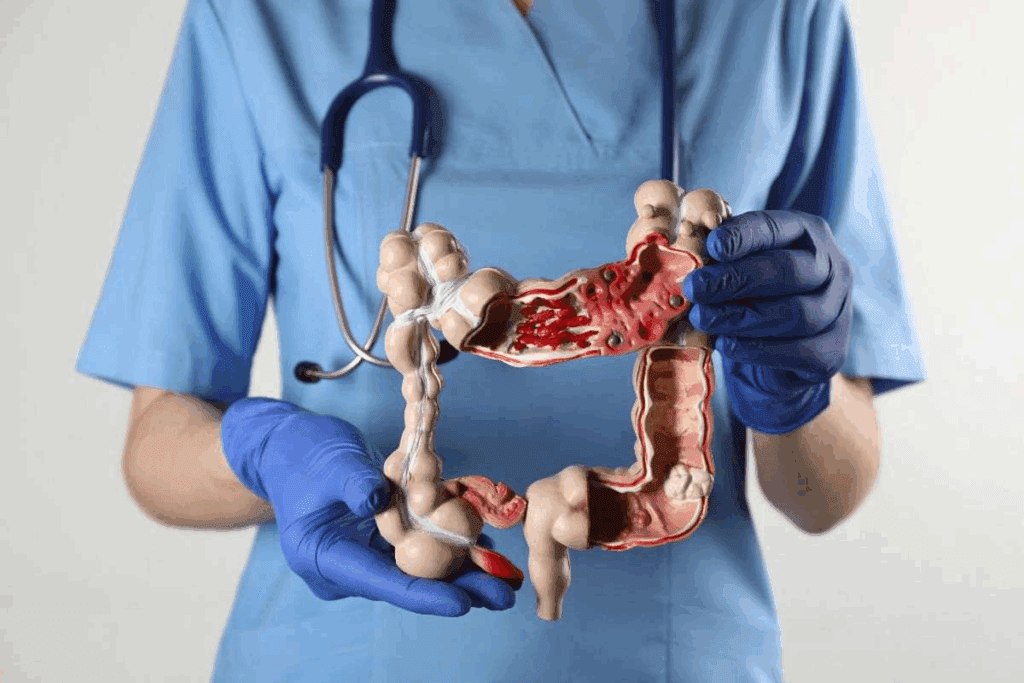
Bowel obstruction is divided into two types: small bowel obstruction and large bowel obstruction. Small bowel obstruction happens when the blockage is in the small intestine. Large bowel obstruction is when the blockage is in the large intestine or colon.
There are many reasons for bowel obstruction. These include mechanical obstructions like adhesions, hernias, and tumors. Non-mechanical causes include ileus, a temporary stop in bowel muscle contractions.
| Type of Obstruction | Causes | Complications |
| Small Bowel Obstruction | Adhesions, Hernias, Tumors | Ischemia, Perforation |
| Large Bowel Obstruction | Tumors, Volvulus, Diverticulitis | Perforation, Peritonitis |
How Normal Intestinal Function Is Disrupted
Normal bowel function relies on the movement of contents through peristalsis. When there’s an obstruction, this movement stops. This leads to buildup, causing distension, nausea, vomiting, and pain.
As the blockage continues, it can cause serious problems like ischemia. This is when high pressure in the intestine cuts off blood flow. If not treated, it can lead to necrosis and perforation, causing peritonitis, a serious condition.
“The mortality rate for bowel obstruction remains significant, particularly in cases where diagnosis is delayed or the obstruction is complicated by other serious health conditions.”
In summary, knowing how bowel obstruction works is key to understanding its dangers. Recognizing its types and complications helps healthcare providers treat it quickly. This can help lower the death rate from this condition.
Dying from Bowel Obstruction: The Fatal Progression
It’s important for both patients and doctors to understand how bowel obstruction can be fatal. If not treated quickly, it can cause serious problems. Knowing the stages of its progression is key.
Initial Symptoms to Terminal Stages
The first signs of bowel obstruction can differ based on the blockage’s location and how bad it is. Symptoms often start with stomach pain, nausea, vomiting, and trouble going to the bathroom. These signs can get worse as the blockage gets more serious.
In the early days, people might feel a bit of stomach pain and have irregular bowel movements. But as it gets worse, the pain gets stronger, and vomiting happens more often. If not treated, it can cause the intestine to die from lack of blood.
The final stages of bowel obstruction bring severe problems. These include a hole in the intestine, inflammation of the lining around the intestines, and sepsis. These can lead to failure of many organs, which is often deadly.
Timeframe and Progression Without Treatment
The time it takes for bowel obstruction to get worse without treatment varies. It depends on the blockage’s location, how severe it is, and the patient’s health.
| Stage | Timeframe | Symptoms and Complications |
| Initial | 0-24 hours | Mild abdominal pain, nausea, vomiting |
| Progressing | 24-72 hours | Increasing pain, frequent vomiting, constipation |
| Advanced | 72+ hours | Severe pain, ischemia, tissue death, perforation |
Without quick medical help, bowel obstruction can be deadly. It’s vital for those with symptoms to get medical help right away.
Mortality Statistics: Can You Die from a Bowel Obstruction?
It’s important to know the mortality stats of bowel obstruction. This condition is serious and can be deadly if not treated right.
Survival Rates and Influencing Factors
Survival rates for bowel obstruction vary a lot. This depends on the cause and the patient’s health.
Small bowel obstruction is more deadly in the elderly or those with health issues.
- Health problems can make treatment harder and outcomes worse.
- Getting a diagnosis and treatment quickly is key to survival.
Impact of Delayed Diagnosis on Mortality
Waiting too long to diagnose bowel obstruction can be deadly. It can lead to serious problems like intestinal ischemia or perforation.
Quick medical care can greatly lower death rates in bowel obstruction cases.
| Type of Obstruction | Mortality Rate (%) | Influencing Factors |
| Small Bowel Obstruction | 10-20 | Age, comorbidities, timely intervention |
| Large Bowel Obstruction | 15-30 | Cancer, underlying health, delayed diagnosis |
Small Bowel Obstruction Death: Specific Risks and Mechanisms
It’s key to know the dangers of small bowel obstruction to avoid fatal results. This condition, where the small intestine gets blocked, can cause serious issues if not treated fast.
Why Small Intestine Blockages Are Particularly Dangerous
The small intestine is vital for absorbing nutrients. A blockage can stop this, leading to dehydration, electrolyte imbalances, and serious health risks. The closed-loop obstruction is especially risky. It can cause quick damage and death of the bowel tissue.
- Severe abdominal pain
- Vomiting
- Abdominal distension
- Constipation or obstipation
These signs can get worse, leading to serious problems like intestinal ischemia, perforation, and peritonitis. These issues can greatly increase the chance of death.
High-Risk Scenarios for Fatal Outcomes
Some groups face a higher risk of dying from small bowel obstruction. These include older adults, those with many health problems, and people who get a late diagnosis or treatment.
- Elderly patients with comorbid conditions
- Patients with a history of abdominal surgery
- Individuals with underlying intestinal diseases
Recent studies on palliative care show its value in managing symptoms, like pain, in the end stages of illness. Good palliative care can make life better for those with terminal conditions.
Large Bowel Obstruction and Its Fatal Complications
Large bowel obstruction is a serious condition that can be fatal if not treated quickly. We will look at how it differs from small bowel obstruction. We will also talk about the dangers of perforation.
Distinguishing Features from Small Bowel Obstruction
Large bowel obstruction has unique features compared to small bowel obstruction. The main difference is where the blockage happens. The large intestine, or colon, is more likely to have obstructions from tumors or volvulus.
The symptoms of large bowel obstruction are similar to small bowel obstruction. These include abdominal pain, constipation, and vomiting. But, the severity and how fast these symptoms get worse can depend on the cause and location of the blockage.
| Characteristics | Large Bowel Obstruction | Small Bowel Obstruction |
| Common Causes | Cancer, volvulus, diverticulitis | Adhesions, hernias, intussusception |
| Symptoms | Abdominal pain, constipation, bloating | Abdominal pain, vomiting, constipation |
| Complications | Perforation, peritonitis, sepsis | Ischemia, necrosis, perforation |
Perforation Risks and Consequences
Perforation is a big risk with large bowel obstruction. When the bowel is blocked, pressure can build up. This can cause the bowel wall to burst, leading to peritonitis, an infection of the abdominal cavity.
Perforation can lead to serious problems like sepsis, organ failure, and death. Quick medical help is key to avoid these issues. Treatment usually involves emergency surgery to fix the blockage and any damage to the bowel.
In cases like Lisa Presley’s, even with top-notch care, bowel obstruction can still be fatal. Knowing the risks and recognizing symptoms early can help prevent such tragedies.
Critical Complications That Lead to Death
Bowel obstruction can lead to serious complications that may be fatal if not treated quickly. It’s a complex issue that needs immediate and effective care to avoid severe outcomes.
Intestinal Ischemia and Tissue Death
Intestinal ischemia is a dangerous complication of bowel obstruction. It happens when the intestine doesn’t get enough blood. This can cause tissue death, or necrosis, which can lead to harmful bacteria in the abdominal cavity.
Intestinal ischemia is a medical emergency. If not treated right away, it can have severe consequences, including death.
Peritonitis and Septic Shock
When the intestine perforates, it can cause peritonitis. This is an inflammation of the lining of the abdominal cavity. It can lead to septic shock, a life-threatening condition where the body’s response to an infection gets out of control.
Peritonitis and septic shock are serious issues. They need aggressive treatment, including antibiotics and surgery.
Multi-Organ Failure Cascade
If bowel obstruction is not treated, it can lead to multi-organ failure. This happens when the body’s organs, like the kidneys, liver, and lungs, can’t function properly.
Multi-organ failure is a life-threatening condition. It requires intensive care and support.
Palliative Care Research Findings
Research shows that palliative care is crucial in managing bowel obstruction symptoms, especially in the final stages. Palliative care aims to relieve symptoms, pain, and stress of serious illnesses.
Studies have found that palliative care can improve the quality of life for patients with bowel obstruction, even in advanced stages.
Effective Pain Control Strategies
Managing pain is key for patients with bowel obstruction. Effective strategies include medications like opioids, and other interventions like nerve blocks and palliative care.
We know that dying from bowel obstruction can be painful. But with proper care and management, it’s possible to reduce suffering and improve the patient’s quality of life.
Vulnerable Populations at Higher Risk of Fatal Outcomes
Some groups face a higher risk of death from bowel obstruction. They need quick medical help to avoid fatal results.
Elderly Patients and Comorbidities
Elderly people are more at risk due to their health issues and other conditions. Age-related decline in physiological reserve and chronic conditions make treatment harder.
Older adults might get a late diagnosis. Their symptoms could be seen as normal aging. This delay can cause serious problems like intestinal ischemia or perforation, raising the risk of death.
Post-Surgical Patients
Those who have had surgery recently are also at high risk. Adhesions can cause mechanical obstruction. Early symptoms might be missed, leading to a late diagnosis.
Post-surgical patients need close monitoring for signs of bowel obstruction. Symptoms include abdominal pain, nausea, and vomiting. Quick action is needed to avoid strangulation or gangrene of the bowel.
Individuals with Chronic Intestinal Conditions
People with chronic intestinal diseases like Crohn’s or ulcerative colitis are also at risk. These conditions can narrow the intestine or cause adhesions, leading to obstruction.
Effective management of these conditions is key. It includes following treatment plans, regular check-ups, and learning to spot early signs of obstruction.
Knowing the risks and acting early can greatly improve outcomes for these groups. Quick detection and proper care are essential to lowering death rates from bowel obstruction.
High-Profile Cases: Lisa Presley and Bowel Obstruction Mortality
Lisa Presley’s death from bowel obstruction shows how serious this condition is. Her passing shocked many and brought attention to bowel obstruction’s deadly risks.
Medical Analysis of Celebrity Cases
Celebrity deaths often shed light on health issues. Lisa Presley’s death from bowel obstruction made people wonder about its severity and the need for quick medical care. Bowel obstruction is a serious condition that can lead to severe complications if not treated promptly.
Looking into Lisa Presley’s case, we see how dangerous bowel obstruction can be, especially with other health issues. It’s a blockage in the intestines that can cause severe pain, vomiting, and constipation.
“The severity of bowel obstruction cannot be overstated. It requires immediate medical attention to prevent serious complications.”
Lessons for Public Health Awareness
High-profile cases like Lisa Presley’s death can raise awareness about public health. They show how crucial it is to spot bowel obstruction symptoms early and get medical help fast.
| Symptom | Description | Action |
| Severe Abdominal Pain | Pain that is intense and may be accompanied by vomiting | Seek immediate medical attention |
| Constipation or Obstipation | Inability to pass stool or gas | Consult a healthcare provider |
| Vomiting | May be accompanied by abdominal tenderness | Seek emergency care if persistent |
Knowing the risks and spotting symptoms early can lower the risk of dying from bowel obstruction. Public awareness campaigns and education are key in this effort.
We must learn from cases like Lisa Presley’s to improve public health awareness and promote timely medical interventions for bowel obstruction.
Prevention Strategies to Avoid Fatal Bowel Obstructions
By making lifestyle changes and watching for early signs, you can lower your risk of dying from a bowel obstruction. We will look at ways to avoid fatal bowel obstructions.
Lifestyle Modifications and Dietary Considerations
Changing your lifestyle is key to preventing bowel obstructions. Eat a diet full of fiber, drink plenty of water, and exercise regularly. Foods high in fruits, vegetables, and whole grains help prevent constipation, a major risk factor.
Management of Underlying Risk Factors
It’s also important to manage risk factors. This means keeping an eye on conditions like Crohn’s disease and diverticulitis. Regular doctor visits can catch problems early.
Recognizing Early Warning Signs
Knowing the early signs of bowel obstruction is crucial. Look out for abdominal pain, bloating, constipation, and vomiting. If these symptoms get worse, get medical help fast to avoid serious problems.
| Prevention Strategy | Description | Benefits |
| Dietary Changes | Increasing fiber intake, staying hydrated | Reduces constipation risk |
| Regular Exercise | Engaging in physical activity | Improves bowel motility |
| Managing Underlying Conditions | Monitoring and treating conditions like Crohn’s disease | Reduces complication risk |
In conclusion, to prevent fatal bowel obstructions, you need to make lifestyle changes, eat right, manage health risks, and watch for early signs. By doing these things, you can greatly lower your risk of dying from a bowel obstruction.
Life-Saving Treatment Approaches and International Best Practices
Liv Hospital uses the latest international guidelines for bowel obstruction treatment. This ensures patients get the best care. We follow international best practices to keep our treatments up-to-date and effective.
Emergency Medical Interventions
Timely emergency care is key for bowel obstruction. Our emergency team is ready to act fast. They provide care that can greatly improve patient outcomes.
The main interventions include:
- Rapid assessment and stabilization of the patient
- Administration of appropriate fluids and electrolytes
- Decompression of the bowel through nasogastric suction
- Prompt surgical consultation when necessary
Surgical Timing and Techniques
The timing and method of surgery are crucial for effective bowel obstruction management. Our surgeons and medical team decide when to operate. They consider the patient’s health and the obstruction’s severity.
Some surgical techniques we use are:
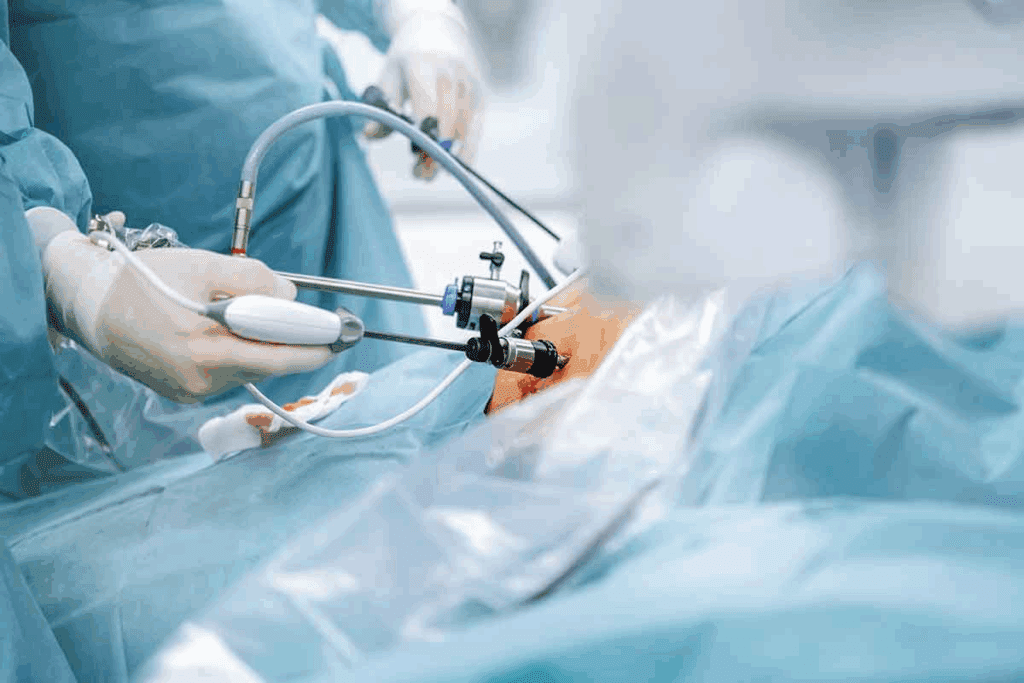
- Laparoscopic surgery for less invasive procedures
- Open surgery for more complex cases or when laparoscopy is not feasible
- Bowel resection to remove the obstructed segment
- Adhesiolysis to relieve adhesions causing the obstruction
Liv Hospital’s Approach to Bowel Obstruction Management
At Liv Hospital, we take a team approach to treat bowel obstruction. Our gastroenterologists, surgeons, and radiologists work together. We focus on:
- Personalized treatment plans tailored to the individual patient’s needs
- State-of-the-art diagnostic and therapeutic facilities
- Continuous monitoring and follow-up care to prevent recurrence
We stick to international best practices and use our expertise. Our goal is to lower mortality rates and improve patient quality of life.
Conclusion: Reducing Mortality from Bowel Obstruction
Understanding bowel obstruction is key to lowering death rates. We’ve looked at how it works, its dangers, and the serious problems it can cause. We’ve also talked about how quick medical help and knowing about it can save lives.
With fast and right treatment, many can avoid dying from bowel obstruction. Spotting early signs and dealing with risk factors can make a big difference. Liv Hospital shows how important full care is for better results.
We need to keep spreading the word about bowel obstruction. By teaching more people about it, we can cut down on deaths. This helps those at risk live better lives.
FAQ
Can you die from a bowel obstruction?
Yes, bowel obstruction can be fatal if not treated quickly. It can cause severe problems like intestinal ischemia and peritonitis. These can lead to failure of multiple organs.
Is dying from a bowel obstruction painful?
Yes, dying from a bowel obstruction is painful. The pain is often severe. It can also cause nausea, vomiting, and swelling in the abdomen. It’s important to manage pain well in palliative care.
What are the risks associated with small bowel obstruction?
Small bowel obstruction is very dangerous. It has a high risk of causing intestinal ischemia and tissue death. If not treated fast, it can cause serious problems like perforation and septic shock.
Can bowel obstruction cause death in elderly patients?
Yes, elderly patients are at higher risk of dying from bowel obstruction. This is because of health problems, less ability to fight off illness, and delayed diagnosis. Quick medical help is key for them.
How can bowel obstruction be prevented?
To prevent bowel obstruction, make lifestyle changes and eat right. Manage health risks and watch for early signs. Early treatment can greatly lower death rates.
What is the impact of delayed diagnosis on mortality rates for bowel obstruction?
Delayed diagnosis can greatly increase death rates from bowel obstruction. Quick medical care is vital to avoid severe problems and improve chances of survival.
Can an obstructed bowel cause death?
Yes, an obstructed bowel can be deadly if not treated quickly. It can lead to serious issues like intestinal ischemia and peritonitis. These can cause failure of multiple organs.
What are the distinguishing features of large bowel obstruction?
Large bowel obstruction has unique features. It has a higher risk of perforation and more noticeable swelling in the abdomen. Quick medical care is crucial to prevent severe problems.
What is Lisa Presley’s cause of death related to bowel obstruction?
Lisa Presley died from a bowel obstruction. Her case highlights the need for fast medical care and awareness about bowel obstruction risks.
Can you die from a bowel blockage?
Yes, a bowel blockage can be fatal if not treated quickly. It’s important to seek medical help right away if symptoms don’t get better or get worse.
What are the critical complications that can lead to death from bowel obstruction?
Serious complications that can lead to death from bowel obstruction include intestinal ischemia and peritonitis. Also, septic shock and failure of multiple organs can occur. Quick medical care is key to prevent these issues.
References
- Biondo, S., Pares, D., Kreisler, E., Marti, R., & Jaurrieta, E. (2003). Risk factors for strangulation in small bowel obstruction. World Journal of Surgery, 27(1), 20-24. Retrieved from https://pubmed.ncbi.nlm.nih.gov/12478286/