Last Updated on November 27, 2025 by Ugurkan Demir
When your child has ear pain and then gets diarrhea, it might seem strange. But, yes, these symptoms can be linked. We’ll look into why and how. The connection between ear infection and diarrhea: learning about systemic inflammation and medication side effects, especially in children.
Ear infections, common in young kids, can lead to diarrhea. Knowing this connection helps doctors diagnose and treat better. At Liv Hospital, we focus on caring for our patients fully.
Key Takeaways
- Ear infections can cause diarrhea, mostly in children.
- Gastrointestinal symptoms like diarrhea can be triggered by ear infections.
- Understanding the connection between ear infections and diarrhea is key for proper diagnosis.
- Comprehensive care is essential for treating related symptoms effectively.
- Liv Hospital provides internationally recognized care for patients with complex conditions.
The Connection Between Ear Infections and Diarrhea

It’s important to understand how ear infections and diarrhea are linked. We usually focus on ear infection symptoms. But, there’s a big connection between these infections and symptoms like diarrhea, which is common in young kids.
Understanding the Overlooked Relationship
Research shows that acute otitis media-associated diarrhea (AOMD) is a big issue, mainly in kids under two. “The connection between ear infections and stomach problems is not just a coincidence,” studies say. It shows how our body reacts to infection and how different parts of our body work together.
Ear infections, like acute otitis media (AOM), can cause stomach problems. This is because of shared infections or how our body reacts to them. Doctors need to think about stomach symptoms when treating ear infections.
How Common Is This Phenomenon?
Studies show that kids with ear infections often get diarrhea. This means we need to treat these infections in a more complete way. AOMD is not uncommon and doctors should pay attention to it to help kids better.
By understanding the link between ear infections and diarrhea, we can give better care. We can treat both the ear infection and its effects on the body more effectively.
What Is an Ear Infection?
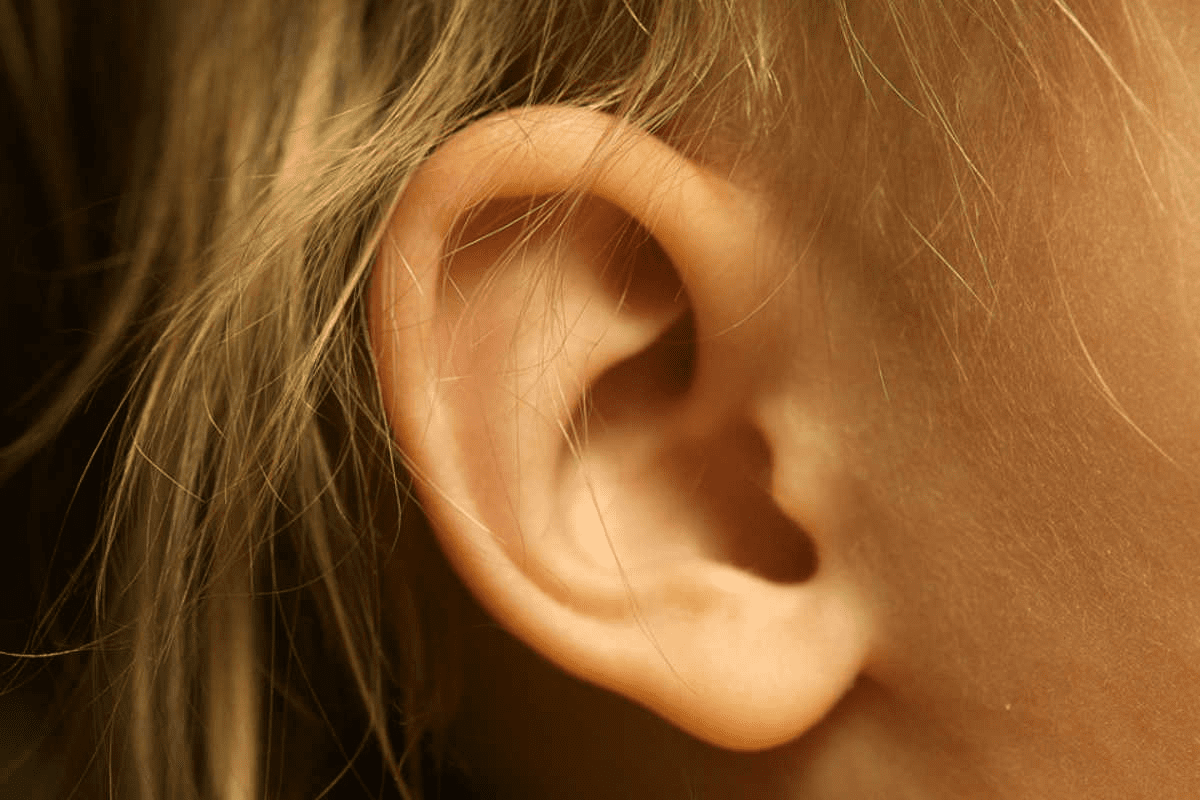
Ear infections are common, mainly in young kids. This is because their ears are different. An ear infection, or otitis, happens when germs infect the middle ear. It causes pain and can make hearing hard.
Ear infections can affect different parts of the ear. There are outer, middle, and inner ear infections. Otitis media, or middle ear infections, are most common in kids. This is because of how their Eustachian tubes work.
Types of Ear Infections
Knowing the types of ear infections helps find the right treatment. Here’s a quick look:
- Outer Ear Infections (Otitis Externa): These happen in the outer ear canal. They’re often from bacteria or fungi. Swimmer’s ear is a common one.
- Middle Ear Infections (Otitis Media): This type is the most common. It affects the area behind the eardrum. Kids get it a lot because of their Eustachian tubes.
- Inner Ear Infections (Labyrinthitis): These are less common. They affect the inner ear. They can mess with balance and hearing.
Common Causes and Risk Factors
Ear infections are usually from viruses or bacteria. Several things can make you more likely to get one:
- Anatomical Issues: Kids’ Eustachian tubes are shorter and more horizontal. This makes it easier for germs to get to the middle ear.
- Respiratory Infections: Colds, flu, and sinus infections can lead to ear infections.
- Allergies: Seasonal allergies or allergies to certain things can increase the risk.
- Environmental Factors: Being around smoke and pollution can also play a part.
A medical expert says, “The anatomy of a child’s ear, like the Eustachian tube, is key in their risk for ear infections.” Knowing these causes and risk factors is key for prevention and treatment.
“Prevention and early treatment of ear infections are key to avoid complications and reduce hearing loss risk.”
Ear Infection and Diarrhea: The Scientific Evidence
Ear infections and diarrhea seem unrelated, but studies show they’re connected, mainly in kids. This link has made doctors curious, leading to more research on why and how it happens.
Research Findings on the Connection
Studies reveal a strong link between ear infections and diarrhea in young children. Some germs that cause ear infections also upset the stomach. For example, respiratory viruses can lead to both ear infections and stomach problems.
Researchers have found a specific condition called Acute Otitis Media-Associated Diarrhea (AOMD). It happens when kids have both ear infections and diarrhea at the same time.
Acute Otitis Media-Associated Diarrhea (AOMD)
AOMD is a big concern for kids under two. It’s caused by certain germs that also cause ear infections. Knowing about AOMD helps doctors treat both ear and stomach problems better.
The science behind ear infections and diarrhea shows we need a complete approach to treating them. By understanding the link, doctors can give better care, helping kids feel better faster.
Viral vs. Bacterial Ear Infections and Digestive Symptoms
Both viral and bacterial ear infections can cause stomach problems. But they work in different ways. Knowing how they differ helps doctors treat them better.
How Viral Infections Affect Multiple Systems
Viral ear infections can make you feel sick all over. You might get a fever, feel tired, and have stomach issues like diarrhea. The virus can mess with many parts of your body, making symptoms hard to track.
Viral infections can cause inflammation in various parts of the body. This can lead to stomach problems like diarrhea.
Bacterial Infections and Their Systemic Effects
Bacterial ear infections can also make you feel sick all over. If they cause a lot of inflammation, your immune system might react. This can affect your stomach too.
Infection Type | Common Systemic Symptoms | Potential Impact on Digestive System |
Viral Ear Infection | Fever, Fatigue | Gastrointestinal disturbances, Diarrhea |
Bacterial Ear Infection | Fever, Inflammation | Diarrhea, Nausea |
In conclusion, both viral and bacterial ear infections can cause stomach problems. It’s important to know the difference to treat them right.
Mechanisms Behind Ear Infection-Related Diarrhea
To understand how ear infections can cause diarrhea, we need to look at the connections between these two conditions.
Shared Infectious Agents
One key factor is shared infectious agents that can hit both the ear and the stomach. Some viruses and bacteria can infect different parts of the body.
For example, respiratory viruses like the flu or adenovirus can make you sick in your nose and stomach. Bacteria like Streptococcus pneumoniae can cause ear infections and stomach problems too.
Infectious Agent | Ear Infection | Gastrointestinal Symptoms |
Respiratory Viruses (e.g., Influenza) | Otitis Media | Diarrhea, Vomiting |
Bacteria (e.g., Streptococcus pneumoniae) | Acute Otitis Media | Diarrhea |
Fever and Inflammatory Response
The body’s response to infection is another key factor. When we get sick, our body fights back with fever and inflammation.
This fight can make us feel sick in other ways, like causing diarrhea. The fever and inflammation are our body’s defense, but they can also make us feel worse.
Immune System Activation
The activation of the immune system is also important. When our immune system finds invaders, it goes into action.
This action can sometimes harm other parts of our body, like our stomach. This can lead to symptoms like diarrhea.
Knowing how these mechanisms work helps us find better ways to treat both ear infections and stomach problems.
Children and Ear Infection-Related Diarrhea
Young children are more likely to get diarrhea with an ear infection. This is because their immune systems are not fully developed. This risk is highest in kids under two years old.
Why Children Under Two Are Most Vulnerable
Children under two face a higher risk of diarrhea from ear infections. Their Eustachian tubes are shorter and more horizontal. This makes them more likely to get infections.
Their immune systems are also not fully grown. This makes it harder for them to fight off infections.
Some key factors contributing to this vulnerability include:
- Immature Eustachian Tube: Young children’s Eustachian tubes are more open to bacteria. This leads to more infections.
- Developing Immune System: Kids’ immune systems are learning to recognize harmful pathogens. This can lead to over or under reactions to infections.
- Increased Exposure: Young children are often exposed to many pathogens. This is due to daycare or contact with other kids. It raises their risk of getting infections.
Developmental Factors in Pediatric Cases
The development of a child’s ear and immune system is key. As children grow, their Eustachian tubes change. This makes them less prone to infections.
Also, their immune system gets better at fighting infections. Understanding these changes is vital for treating ear infections in kids.
Key considerations include:
- Monitoring for Complications: Doctors should watch for signs of complications like severe diarrhea. This is important in young children to prevent dehydration.
- Tailoring Treatment: Treatment plans should match the child’s age, health, and the severity of the infection.
- Parental Education: Teaching parents about ear infection signs and symptoms is important. This helps in early detection and treatment.
Recognizing Symptoms: When Ear Pain Meets Digestive Issues
It’s important to know the signs of ear infections and stomach problems. When someone has both ear pain and stomach issues, doctors need to look at how these symptoms might be connected.
Common Symptom Patterns
Ear infections, often seen in kids, can show up in many ways. Some common signs include:
- Ear pain or discomfort
- Fever
- Gastrointestinal disturbances such as diarrhea
- Hearing loss or muffled hearing
These symptoms happen because the body reacts to infection. A study found that stomach problems in ear infection patients are not rare. They might be due to the infection itself or the body’s fight against it.
Symptom | Frequency |
Ear pain | 80-90% |
Fever | 50-70% |
Diarrhea | 20-40% |
Hearing loss | 30-50% |
Additional Symptoms to Watch For
There are more signs doctors should look out for when treating ear infections and stomach problems. These include:
- Dizziness or vertigo
- General malaise or irritability
- Loss of appetite
- Sleep disturbances
A doctor said, “Dizziness or vertigo in ear infection patients might mean the inner ear is affected. This needs careful checking and treatment.”
Differentiating from Other Conditions
It’s key to tell ear infections with stomach symptoms from other issues. Doctors should think about other possible causes, like:
- Viral gastroenteritis
- Other bacterial infections
- Food poisoning
- Allergic reactions
A detailed medical history and physical check, along with tests if needed, can help find the real cause of symptoms.
Understanding how ear infections and stomach problems are linked helps doctors give better care. This leads to better health outcomes for patients.
Medication Side Effects: When Treatment Causes Diarrhea
Treating ear infections with medication can sometimes cause diarrhea. This is because it affects the health of the gut. Antibiotics, needed to fight bacterial infections, can upset the balance of gut bacteria. This can lead to stomach problems.
Antibiotics and Gastrointestinal Disturbances
Antibiotics are often used to treat bacterial ear infections. But, they can also upset the stomach, causing diarrhea. The disruption of beneficial bacteria can lead to an overgrowth of harmful bacteria, resulting in diarrhea.
Studies show that the risk of antibiotic-associated diarrhea varies. Broader-spectrum antibiotics are more likely to cause diarrhea. This is because they affect more of the gut microbiota.
Antibiotic Type | Risk of Diarrhea | Examples |
Narrow-spectrum | Lower | Penicillin |
Broad-spectrum | Higher | Amoxicillin-clavulanate, Cephalosporins |
Managing Medication-Induced Diarrhea
It’s important to manage diarrhea caused by antibiotics. We suggest several ways to do this.
- Probiotics: Taking probiotics can help restore the balance of gut microbiota. Probiotics contain live bacteria and yeasts that are beneficial for gut health.
- Adjusting Antibiotic Regimens: In some cases, adjusting the type or dosage of antibiotics can help minimize gastrointestinal side effects.
- Hydration: Ensuring adequate hydration is essential to prevent dehydration caused by diarrhea.
By understanding the side effects of ear infection medications and managing them, we can improve treatment outcomes. This makes patients more comfortable.
When to Seek Medical Attention
Knowing when to get medical help is key for dealing with ear infections and stomach problems. Ear infections, whether caused by viruses or bacteria, can sometimes get worse or have other symptoms that need quick doctor visits.
Warning Signs in Adults
Adults with ear infections should watch for signs that mean they need to see a doctor. Look out for severe ear pain, high fever (over 102°F), and signs of dehydration like too much thirst, dark urine, or feeling dizzy. Also, if you see ear drainage that’s bloody or smells bad, you need to see a doctor.
Another important sign is neurological symptoms like headaches, confusion, or a stiff neck. These could mean a serious infection. If you have any of these symptoms, get medical help right away.
Red Flags in Children
Children, and kids under two in particular, are more at risk from ear infections. Watch for high fever, irritability, and refusal to feed. Also, look for signs of dehydration like fewer wet diapers or a dry mouth.
If a child has severe ear pain or shows signs of hearing loss like not responding to sounds, they need to see a doctor. Also, if the fever doesn’t go away or symptoms get worse, get medical help.
Questions to Ask Your Healthcare Provider
When you go to the doctor for ear infections and stomach problems, it’s good to have questions ready. Ask about the cause of the infection, the best treatment, and how to handle symptoms.
You might also want to ask about possible complications and how to avoid them. And ask about follow-up care to make sure you recover well. Knowing more can help you feel more confident in your treatment.
Treatment and Management Approaches
Treating ear infections and related gastrointestinal symptoms requires both medical help and supportive care. We must tackle the ear infection and any symptoms like diarrhea for full care.
Medical Interventions for Both Conditions
For bacterial ear infections, antibiotics are often used. But, antibiotics can sometimes cause or worsen diarrhea. In these cases, we might need to change the treatment to manage diarrhea.
- Antibiotics for bacterial ear infections
- Pain management medications for ear pain relief
- Anti-diarrheal medications (in some cases, under medical supervision)
Home Care Strategies for Comfort
Along with medical treatments, home care strategies can help manage symptoms and improve comfort. These include:
- Applying warm compresses to the affected ear
- Elevating the head while sleeping to reduce ear pressure
- Using over-the-counter pain relievers (as directed)
Creating a comfortable environment can greatly help in recovery.
Hydration and Nutrition During Recovery
Adequate hydration and nutrition are key during recovery from an ear infection and diarrhea. We suggest:
- Drinking plenty of fluids, such as water or electrolyte-rich beverages
- Eating bland, easy-to-digest foods like bananas, rice, applesauce, and toast (BRAT diet)
- Avoiding spicy or fatty foods that can upset the digestive system
Keeping well-hydrated and well-nourished supports the body’s healing and can lessen symptoms.
Conclusion
It’s key to understand how ear infections and diarrhea are connected. This knowledge helps in diagnosing and treating these issues. Scientific studies show a strong link between the two, making a full approach to treatment necessary.
Ear infections, often seen in kids, can cause more than just ear pain. Symptoms like diarrhea are common. Knowing the causes, signs, and treatments is vital for managing these conditions well.
By taking a complete approach, doctors can help patients with ear infections and stomach problems more effectively. This shows the complex nature of ear infection and diarrhea’s relationship. Healthcare professionals need to keep learning about this connection to give better care and improve patient results.
FAQ
Can an ear infection cause diarrhea?
Yes, ear infections, like acute otitis media (AOM), can cause diarrhea, mainly in children.
Why do ear infections sometimes cause diarrhea?
Ear infections and diarrhea are linked through shared infections and the body’s response to them. The immune system also plays a role.
Are children more likely to experience diarrhea with an ear infection?
Yes, kids under two are more at risk for ear infections and diarrhea. This is due to their body development.
Can viral ear infections cause diarrhea?
Yes, viral infections can affect more than just the ears. They can also cause diarrhea.
Can antibiotics used to treat ear infections cause diarrhea?
Yes, antibiotics can lead to diarrhea as a side effect. It’s important to know how to handle this.
How can I manage diarrhea caused by an ear infection or its treatment?
Drinking plenty of water and eating well are key to feeling better. Probiotics can also help with antibiotic side effects.
When should I seek medical attention for an ear infection and diarrhea?
Adults and kids have different signs to watch for. Look out for severe pain, high fever, and dehydration. Knowing these signs can help.
Can ear infections be treated without causing diarrhea?
While antibiotics are often needed for ear infections, doctors can adjust treatments. This can help reduce diarrhea risk.
Are there any home care strategies that can help manage ear infection-related diarrhea?
Yes, staying hydrated, eating right, and using probiotics can help manage diarrhea. They support recovery too.
Does an ear infection always cause diarrhea?
No, not every ear infection leads to diarrhea. But knowing the connection is important for treatment.
Can an ear infection cause a runny nose?
Yes, ear infections can also cause a runny nose. This is true if the infection affects multiple systems.
References
National Center for Biotechnology Information. (2025). Can an Ear Infection Cause Diarrhea What You. Retrieved from https://www.ncbi.nlm.nih.gov/books/NBK470332/