Last Updated on November 27, 2025 by Ugurkan Demir

Why is my ear warm? Learn 7 causes, including fever, emotional response, and blood flow, and simple solutions to cool them down.
Ever felt your ears turning hot without knowing why? This can happen for many reasons, like feeling embarrassed or when it’s really hot outside.
At Liv Hospital, we know hot ears can worry you. Sometimes, it’s a sign of a bigger health issue. We use the latest technology and care that’s based on science to figure out why your ears get hot. Then, we give you solutions that fit just right for you.
Key Takeaways
- Hot ears can be caused by a range of factors, from harmless responses to underlying medical conditions.
- Understanding the causes of hot ears is key to managing them well.
- Liv Hospital offers a patient-centered approach to diagnose and treat hot ears.
- Advanced diagnostics and evidence-based care are used to provide personalized solutions.
- Hot ears can be a symptom of an underlying condition that needs medical attention.
What Causes Hot Ears? Understanding the Phenomenon
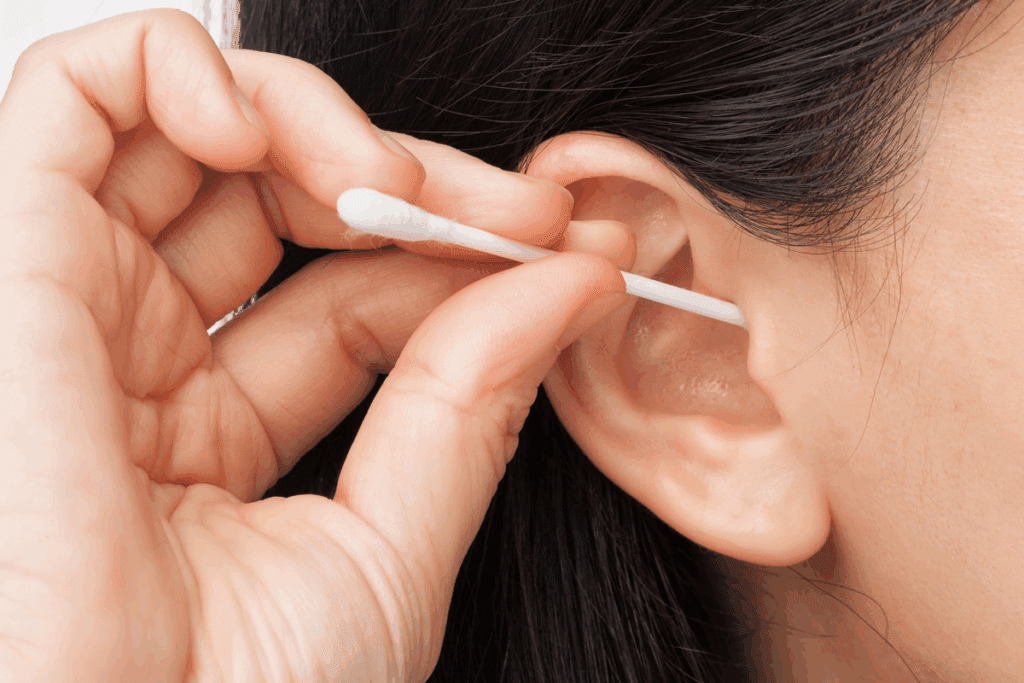
Feeling hot ears is common and can come from many reasons. We’ll look at the main causes, focusing on how our body reacts to make us feel this way.
The Science of Vasodilation and Increased Blood Flow
When blood vessels widen, more blood flows to the skin’s surface. This can make our ears feel warm because of the extra warm blood. Vasodilation happens for many reasons, like temperature changes, emotions, and some health issues.
Understanding vasodilation is key because it ties together many reasons for hot ears. Knowing about vasodilation helps us figure out why our ears might be hot.
How to Recognize When Your Ears Are Abnormally Hot
Telling if our ears are too hot can be tricky. If your ears are hot and you also have redness, pain, or a fever, it might mean there’s a problem.
To see if your hot ears are a worry, think about these points:
- Duration: How long have your ears been hot?
- Intensity: Is the heat just a little warm or does it hurt?
- Context: Are there things that make your ears hot, like stress or allergies?
Looking at these points helps us understand if our hot ears are normal or if there’s something more serious going on.
Cause #1: Emotional Responses and Ear Warm Sensations
Emotions and physical sensations are closely tied. Feeling hot ears can be a surprising sign of strong emotions. This happens because our body reacts to emotions in complex ways, including the release of hormones.
Anxiety, Stress, and Stress Hormone Release
Stress and anxiety make our body release hormones like adrenaline and cortisol. These hormones get us ready to either fight or flee. They make blood vessels widen and blood flow increase, including to our ears. This can make our ears feel hot or warm.
Here’s a simple table showing how it works:
Physiological Response | Description |
Stress Hormone Release | Adrenaline and cortisol are released in response to anxiety or stress. |
Vasodilation | Blood vessels dilate, allowing increased blood flow. |
Increased Blood Flow | More blood flows to the ears, causing them to feel hot or warm. |
Managing Emotion-Triggered Hot Ears
To manage hot ears caused by emotions, we need to tackle the root causes. Deep breathing, meditation, and muscle relaxation can help lower stress and anxiety. This way, we can reduce the occurrence and severity of hot ears.
Being mindful of our emotions and recognizing stress signs early is key. Regular exercise, a healthy diet, and enough sleep also help manage stress and its physical effects.
Understanding the connection between emotions and hot ears helps us manage symptoms better. This approach not only eases discomfort but also boosts our overall well-being.
Cause #2: Environmental Temperature Changes
Changes in the environment can make our ears feel hot. When it’s hot outside, our body sends more blood to the skin. This makes our ears feel warm.
How External Heat Affects Your Ear Temperature
Heat makes the blood vessels in our ears get bigger. This lets more blood flow to the surface. It’s our body’s way to cool down, but it can make our ears feel hot. People who feel temperature changes more or have blood flow issues might feel it more.
Cooling Solutions for Environment-Related Hot Ears
To cool down hot ears, you can try a few things. Using a cold compress on your ears can help lower the temperature. Drinking lots of water also helps your body stay cool.
Other ways include avoiding extreme temperatures and wearing protective gear. Using cooling packs or cold water can also help. Staying in cool places or using air conditioning can also help.
Cause #3: Sunburn and UV Damage to Ear Skin
Our ears often get overlooked when it comes to sun protection. Yet, they are very prone to UV damage. Being one of the most exposed parts, ears get a lot of sun radiation, leading to sunburn.
Why Ears Are Highly Susceptible to Sun Damage
The skin on our ears is thin and has less melanin than other body parts. This makes it more vulnerable to UV radiation. Prolonged sun exposure without protection can cause sunburn. This not only hurts but also increases the risk of long-term skin damage.
Also, ears are often in the sun for a long time, like during outdoor activities. This, along with thin skin, makes ears a high-risk area for sunburn and UV damage.
Treating and Preventing Sunburned Ears
To treat sunburned ears, we need to ease the discomfort and help them heal. Using topical creams or gels that soothe the skin and reduce inflammation is helpful. Keeping the affected area cool and hydrated is also important.
To prevent sunburned ears, use sunscreen with high SPF and wear protective clothing like hats or ear covers. Also, staying in the shade, mainly during peak sun hours, can help reduce exposure.
- Apply broad-spectrum sunscreen with SPF 30 or higher to all exposed areas, including the ears.
- Wear protective clothing, such as hats with wide brims, to cover the ears.
- Seek shade, mainly during peak sun hours (10 AM to 4 PM).
- Avoid prolonged sun exposure, mainly during outdoor activities.
By knowing the risks of sunburn and UV damage to ear skin, we can protect our ears and keep them healthy.
Cause #4: Skin Conditions Affecting the Ears
Skin conditions like seborrheic eczema and psoriasis often cause hot ears. These issues can make the ears feel inflamed and uncomfortable, leading to a hot sensation.
Seborrheic Eczema and Psoriasis Symptoms
Seborrheic eczema, or seborrheic dermatitis, is a chronic skin issue. It can affect the ears, causing scaly, itchy, and red skin. This can make the ears feel hot.
Porsiasis is an autoimmune condition that makes skin cells grow fast. This can cause them to pile up on the skin’s surface. Both conditions can lead to inflammation and hot ears.
Symptoms of seborrheic eczema and psoriasis in the ears include:
- Redness and inflammation
- Itching or burning sensations
- Flaky or scaly skin
- Warmth or heat in the affected area
Treatment Options for Skin-Related Hot Ears
To treat hot ears caused by skin conditions, we need to address the root cause. For seborrheic eczema and psoriasis, treatments may include:
- Topical corticosteroids to reduce inflammation
- Antifungal or medicated shampoos for scalp involvement
- Moisturizers to keep the skin hydrated and reduce scaling
- Lifestyle changes, such as stress management and dietary adjustments
In some cases, phototherapy may be suggested for psoriasis. It’s important to see a healthcare professional for a proper diagnosis and treatment plan.
Understanding the connection between skin conditions and hot ears helps us manage symptoms. This improves ear health overall.
Cause #5: Red Ear Syndrome and Related Disorders
Red Ear Syndrome is a condition that makes your ears feel like they’re on fire. It’s not well-known but is linked to migraines, making it hard to diagnose.
Identifying Red Ear Syndrome vs. Other Causes
It’s important to know if you have Red Ear Syndrome or another cause of hot ears. This is because Red Ear Syndrome is often related to the brain, not just the ears or skin.
Key symptoms to watch for include:
- Burning sensation in one or both ears
- Redness or discoloration of the ears
- Associated migraines or other headache types
- Episodic occurrence, with varying duration
Medical Approaches to Managing Chronic Hot Ears
Dealing with Red Ear Syndrome needs a few steps. Medical treatments might include:
- Medications to ease pain and reduce burning
- Prophylactic treatments for migraines
- Lifestyle changes to avoid triggers
Seeing a healthcare professional for a custom plan is a good idea. Knowing what causes your symptoms can help you manage them better and live a better life.
Cause #6: Allergic Reactions That Heat Up Your Ears
Allergic reactions can cause hot ears, which is both uncomfortable and puzzling. When the body reacts to an allergen, it can lead to inflammation. This increases blood flow to the affected area, like the ears.
Common Ear Allergens and Their Effects
Several common allergens can affect the ears, leading to sensations of heat or warmth. These include:
- Nickel or other metals used in earrings, which can cause contact dermatitis.
- Hair care products, such as dyes or shampoos, that come into contact with the ears.
- Certain foods that trigger allergic reactions, potentially causing ear symptoms.
When these allergens come into contact with the skin of the ears, they can trigger an allergic response. This leads to inflammation and the sensation of heat.
Allergy Management for Cooler Ears
Managing allergies effectively is key to reducing hot ears caused by allergic reactions. Here are some strategies:
- Avoidance: Identify and avoid exposure to known allergens.
- Topical Treatments: Use creams or ointments, such as corticosteroids, to reduce inflammation.
- Antihistamines: Oral antihistamines can help alleviate allergic symptoms, including those affecting the ears.
By understanding the causes of allergic reactions that lead to hot ears and implementing effective management strategies, individuals can find relief from this uncomfortable symptom.
Cause #7: Underlying Medical Conditions and Hot Ears
Many medical conditions, like rosacea and hormonal changes, can make your ears feel hot. These issues often have deeper causes that lead to ear heat.
Rosacea, Hormonal Changes, and Other Medical Triggers
Rosacea, a chronic skin condition, can make your ears feel hot. Hormonal changes during menopause or pregnancy can also cause hot ears. Other conditions, such as thyroid disorders, might add to this symptom.
These conditions aren’t just about the ears. They can be signs of a bigger problem. For example, rosacea can cause flushing and redness on the face. Hormonal changes can lead to many symptoms, not just hot ears.
When Hot Ears Signal Something More Serious
Hot ears are usually not a big deal, but sometimes they can mean something serious. For example, if your ears stay hot or hurt a lot, it could be a sign of an infection or an autoimmune disorder.
If you have hot ears and other symptoms like pain, discharge, or fever, see a doctor. A healthcare professional can check your symptoms and find out if there’s a serious issue.
In summary, hot ears can have many causes, including medical conditions. It’s important to know when they might mean something serious. By understanding the causes and getting medical help when needed, you can manage your symptoms and stay healthy.
Immediate Relief: How to Cool Down Hot Ears Fast
Hot ears can be a surprising and sometimes alarming sensation. But, there are several ways to cool them down quickly. It’s essential to address it promptly to alleviate discomfort and potentially underlying causes.
Cold Compress and Temperature-Reduction Techniques
One of the most effective ways to cool down hot ears is by applying a cold compress. You can wet a cloth with cold water, wring it out, and then apply it to your ears. Or, you can use a cold pack wrapped in a towel to avoid direct contact with your skin. This method helps in reducing the temperature of your ears by constricting the blood vessels.
Method | Description | Benefits |
Cold Compress | Apply a cold, damp cloth to the ears | Reduces ear temperature, easy to do at home |
Cold Pack | Use a cold pack wrapped in a towel | Provides quick relief, can be more effective than a cold compress |
Hydration and Natural Remedies
Staying hydrated is key when you’re experiencing hot ears. Drinking plenty of water helps your body regulate its temperature more effectively. Certain natural remedies can also provide relief. For instance, aloe vera gel can be applied externally to soothe the skin around your ears if the heat is due to sunburn or irritation.
- Aloe Vera Gel: Soothes sunburned or irritated skin
- Cucumber Slices: Cooling effect when applied to the ears
- Peppermint Oil: Can be used in a compress to cool down the area, though it should be diluted with a carrier oil to avoid irritation
Over-the-Counter Solutions for Hot Ears
For some causes of hot ears, such as allergic reactions or skin conditions, over-the-counter (OTC) solutions can be beneficial. Antihistamines can help if your hot ears are due to an allergic reaction. For skin conditions like eczema or psoriasis, OTC creams or ointments containing hydrocortisone can reduce inflammation and heat.
When using OTC solutions, it’s vital to follow the product instructions. Also, consult with a healthcare professional if you’re unsure about the cause of your hot ears or if the symptoms persist.
Prevention Strategies: Keeping Your Ears Cool Long-Term
We can prevent hot ears by making a few key adjustments to our daily habits and environment. By adopting these long-term prevention strategies, we can maintain ear health and reduce the occurrence of hot ears.
Lifestyle Adjustments to Prevent Hot Ears
Making certain lifestyle changes can significantly contribute to preventing hot ears. Stress management is key, as high stress can lead to increased blood flow to the ears. Practicing relaxation techniques like meditation, deep breathing, or yoga can help manage stress.
Avoiding triggers that cause ear heating is also essential. For some, this means limiting exposure to extreme temperatures or avoiding certain foods that can cause vasodilation. Identifying and avoiding personal triggers can be an effective way to prevent hot ears.
Protective Measures for Sensitive Ears
For individuals with sensitive ears, taking protective measures is vital. Using ear protection when exposed to loud noises or extreme temperatures can help prevent irritation and heating. For example, wearing earplugs or earmuffs in cold weather or during loud events can be beneficial.
Being mindful of ear hygiene is also important. Keeping the ears clean and dry can prevent infections that might cause heating. But, it’s important to clean the ears gently to avoid damaging the ear canal.
Dietary Considerations for Ear Health
A balanced diet rich in nutrients can support overall ear health. Foods high in antioxidants, such as fruits and vegetables, can help reduce inflammation and promote healing. Staying hydrated by drinking plenty of water is also essential for maintaining ear health.
Some foods may trigger or exacerbate ear heating in sensitive individuals. Identifying and managing dietary triggers can be part of an effective prevention strategy. This might involve keeping a food diary to track any correlations between diet and ear temperature.
By incorporating these prevention strategies into daily life, individuals can significantly reduce the occurrence of hot ears and maintain long-term ear health.
Conclusion
Knowing why ears get hot is key to keeping them healthy. We’ve looked at many reasons, like emotional responses and medical issues. These can make our ears feel warm or hot.
By understanding what causes hot ears, we can find ways to make them feel better. We’ve talked about using cold compresses and staying hydrated. Making lifestyle changes can also help keep ears cool.
It’s important to take care of our ears and see a doctor if they stay hot. If your ears are always hot or hurt a lot, you should talk to a doctor. They can find out if there’s a serious problem. Taking care of our ears helps us stay healthy overall.
FAQ
What causes warm ears?
Warm ears can happen for many reasons. This includes emotional responses, changes in the environment, sunburn, skin issues, allergies, and medical conditions.
Is it normal for my ears to feel hot sometimes?
Yes, it’s normal for ears to feel hot sometimes. This can happen due to emotional or environmental changes. But, if your ears stay hot or you have other symptoms, you should check it out.
How can I cool down my ears when they become hot?
You can cool down your ears with a cold compress, staying hydrated, or using aloe vera. You can also try over-the-counter solutions for relief.
Can anxiety cause hot ears?
Yes, anxiety and stress can make your ears hot. This is because stress hormones can cause blood vessels to widen and blood flow to increase.
How do I prevent sunburn on my ears?
To avoid sunburn on your ears, wear protective clothes, apply sunscreen, and stay out of the sun during peak hours.
Can skin conditions like eczema or psoriasis cause hot ears?
Yes, conditions like seborrheic eczema and psoriasis can make your ears hot. This is because they cause inflammation and more blood flow.
What is Red Ear Syndrome, and how is it treated?
Red Ear Syndrome is when your ears keep getting red and hot. It’s treated with pain management and making lifestyle changes.
Can allergies cause hot ears?
Yes, allergies can make your ears hot. This is true if you’re allergic to things that touch your ears, like metals or skincare products.
When should I seek medical attention for hot ears?
If your ears stay hot, are very hot, or have other symptoms, see a doctor. They can check for conditions that need treatment.
Are there any dietary changes that can help prevent hot ears?
There’s no special diet for hot ears. But, eating foods rich in antioxidants and omega-3 fatty acids can help your ears stay healthy and reduce inflammation.
Can hormonal changes cause hot ears?
Yes, hormonal changes can make your ears hot. This is common during menopause or other hormonal shifts.
How can I manage stress to prevent hot ears?
To manage stress and prevent hot ears, try meditation, deep breathing, or yoga. These can help reduce stress and cool your ears.
References
National Center for Biotechnology Information. (2025). How to Cool Down Hot Ears 7 Causes. Retrieved from https://www.ncbi.nlm.nih.gov/pmc/articles/PMC3976166/