Last Updated on December 2, 2025 by Bilal Hasdemir
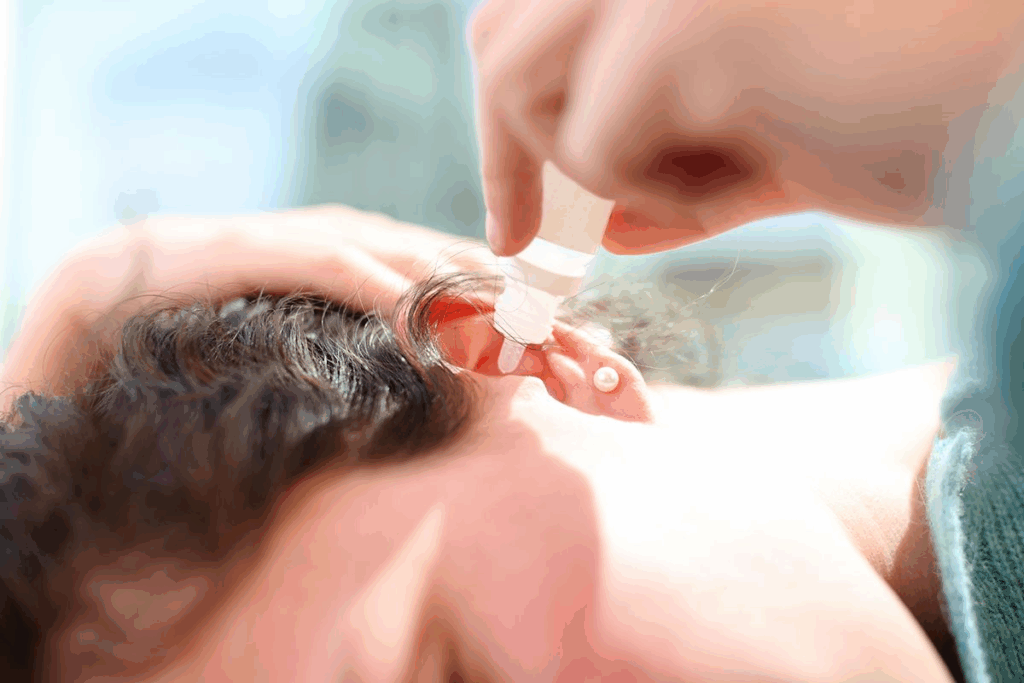
The eardrum, or tympanic membrane, is key to our hearing. It sends sound vibrations to the middle ear and keeps the ear canal safe. But, eardrum diseases can really hurt our quality of life and how we talk to others.
Ear problems affect millions globally, hitting infants and young kids hard. At Liv Hospital, our top otolaryngologists are experts in diagnosing and treating ear issues. This includes infections, trauma, and inner ear problems.
It’s important to know about the causes, signs, and ways to treat these ear issues. We’ll look at seven common eardrum diseases. We’ll share what their symptoms are and how to treat them.
The 7 most common eardrum disease conditions, including tears, scarring, and calcification.
Key Takeaways
- Eardrum diseases can affect anyone, regardless of age.
- Ear infections are a common issue in infants and young children.
- The eardrum plays a critical role in transmitting sound vibrations.
- Prompt diagnosis and treatment are essential for maintaining ear health.
- Liv Hospital’s otolaryngologists specialize in treating various ear problems.
The Importance of Eardrum Health
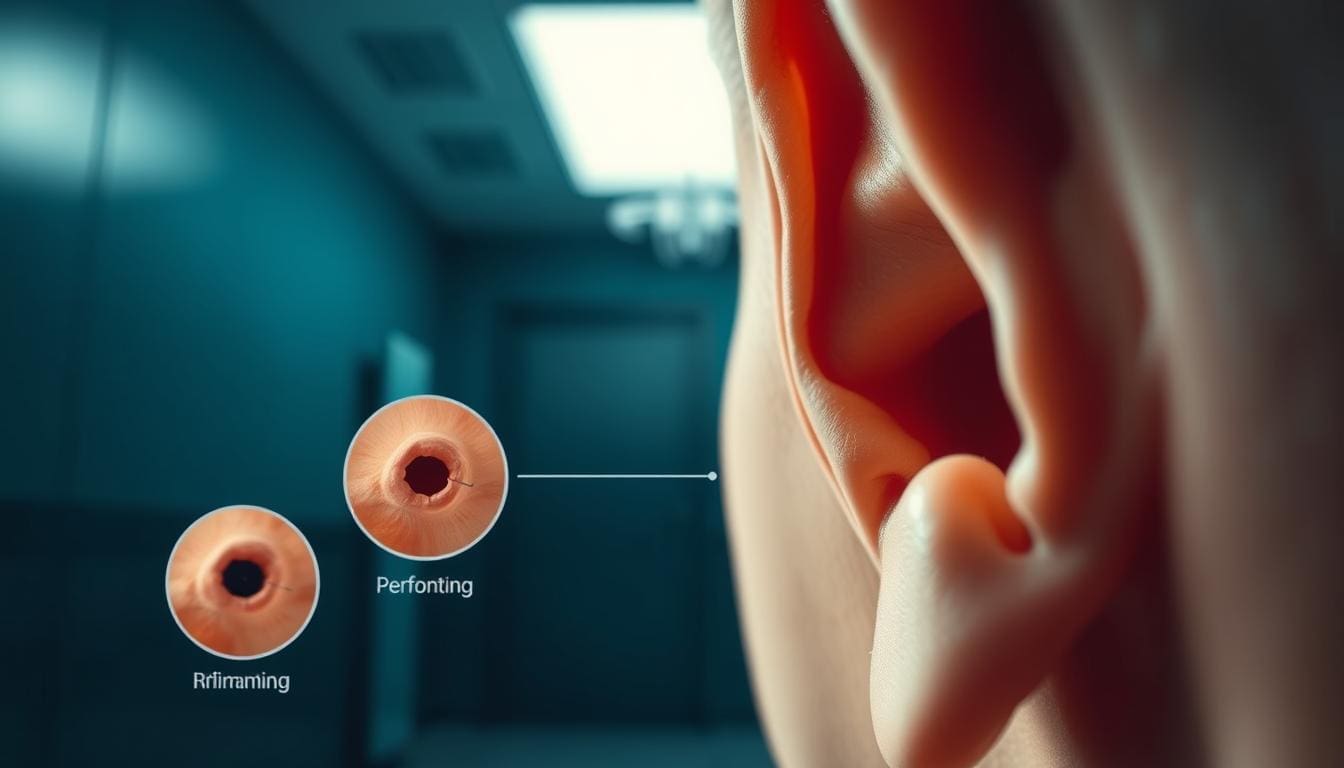
The eardrum is key to our hearing and balance. Its health is vital for our well-being. We need it to hear and stay balanced, making it essential for our quality of life.
Prevalence of Ear Disorders Across Age Groups
Ear disorders affect people of all ages, from kids to seniors. Studies show ear problems are common worldwide. For example, middle ear infections are common in kids, while hearing loss and other issues rise with age.
Age Group | Common Ear Disorders | Prevalence |
Children (0-12 years) | Otitis Media, Ear Infections | High |
Adolescents (13-19 years) | Noise-Induced Hearing Loss | Moderate |
Adults (20-64 years) | Otosclerosis, Eardrum Perforation | Moderate |
Older Adults (65+ years) | Age-Related Hearing Loss | High |
Knowing how ear disorders vary by age shows why eardrum health matters. By understanding common issues, we can prevent or manage them.
How Eardrum Problems Impact Daily Life
Eardrum issues can cause hearing loss, pain, and balance problems. These can make talking and socializing hard, leading to isolation and less productivity. Untreated problems can cause permanent hearing loss or chronic infections.
Seeing how ears problems affect daily life highlights the need for medical help. Early treatment can greatly improve outcomes for those with eardrum issues.
In summary, keeping our eardrums healthy is key to our well-being. By understanding diseased ear conditions and their effects, we can protect our hearing and balance.
Understanding the Eardrum and Its Function
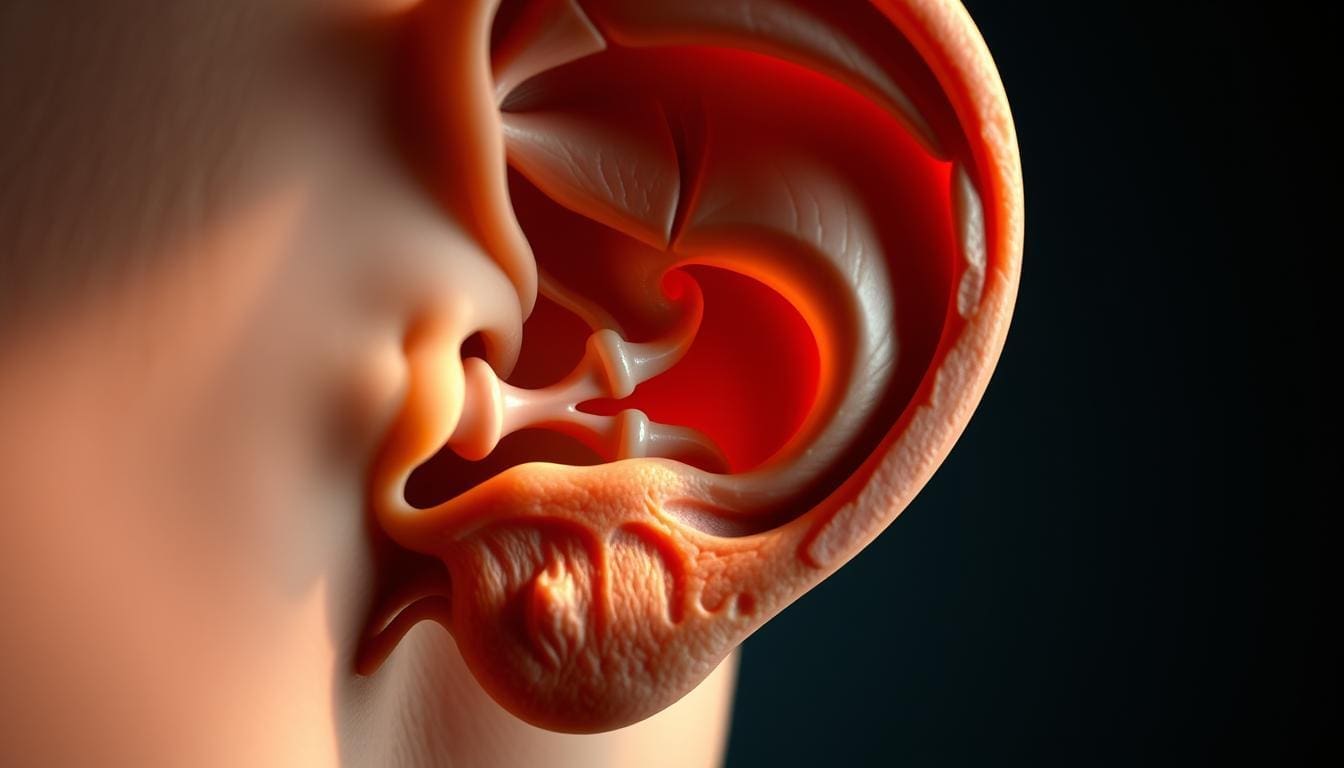
The eardrum is key to our hearing. It’s a thin membrane between the outer and middle ear. It sends sound vibrations.
Anatomy of the Tympanic Membrane
The eardrum has three layers: outer, middle, and inner. This design helps it work well.
It sits between the outer and middle ear. This spot is important for sound. Its shape helps it handle pressure and catch sound waves.
Dual Role: Sound Transmission and Protection
The eardrum does two main things. It sends sound to the middle ear and protects it. When sound hits the eardrum, it vibrates. These vibrations then go to the ossicles in the middle ear.
This is how we hear. The eardrum also keeps the middle ear safe from dirt and germs. This helps avoid problems with ears and ear diseases.
How Healthy Eardrums Work
A healthy eardrum is vital for hearing. It vibrates with sound waves. These vibrations go to the inner ear, where they become signals for the brain.
Keeping the eardrum healthy is important. It stops diseases and disorders of the ear. Regular check-ups and quick action on issues help keep hearing sharp.
Perforated or Ruptured Eardrum
A perforated or ruptured eardrum needs quick medical help to avoid more problems. The eardrum helps us hear by passing sound vibrations to the inner ear. Damage to it can cause hearing loss, pain, and a higher chance of infections.
Common Causes: Infections, Trauma, and Pressure Changes
A perforated eardrum can happen for several reasons, including:
- Infections: Middle ear infections (otitis media) can cause the eardrum to perforate due to the buildup of fluid and pressure.
- Trauma: A direct blow to the ear, inserting objects into the ear canal, or a sudden loud noise can cause the eardrum to rupture.
- Pressure Changes: Rapid changes in air pressure, such as during diving or flying, can also lead to eardrum perforation.
Recognizing the Symptoms of Perforation
Symptoms of a perforated eardrum may include:
- Hearing loss or a feeling of fullness in the ear
- Ear pain or discomfort
- Tinnitus (ringing in the ears)
- Discharge or bleeding from the ear
- Dizziness or vertigo
Seeing a doctor is key if you notice any of these signs. A perforated eardrum can get worse if not treated.
Treatment Options from Conservative Care to Surgery
The treatment for a perforated eardrum depends on the size and location of the hole, and the person’s health. Options include:
- Conservative Care: Small holes might heal with rest and avoiding certain activities.
- Medications: Antibiotics may be given to prevent or treat infections.
- Surgery: Tympanoplasty, a surgery to fix the eardrum, might be needed for bigger holes or those that don’t heal.
Getting a diagnosis and treatment early can greatly improve outcomes for those with a perforated or ruptured eardrum.
Otitis Media: The Most Common Eardrum Disease
Otitis media is an infection or inflammation of the middle ear. It’s a common and serious condition. It affects people of all ages, but children are more likely to get it.
Acute vs. Chronic Otitis Media
Otitis media comes in two types: acute and chronic. Acute otitis media starts suddenly, with symptoms like fever, ear pain, and hearing loss. Chronic otitis media lasts longer and can harm the middle ear.
It’s important to know the difference. Acute otitis media might get better with antibiotics. But chronic otitis media needs longer and more detailed treatment.
Symptoms in Children and Adults
Symptoms of otitis media differ between kids and adults. Kids often have ear pain, fussiness, trouble sleeping or hearing, fever, and fluid from the ear.
Adults might feel ear pain, hearing loss, or a full feeling in their ears. Some may also get dizzy or have balance problems.
Getting a diagnosis and treatment early is key. This is very important for kids. Untreated otitis media can cause developmental delays and hearing loss.
Antibiotic Treatments and When They’re Necessary
Antibiotics are often used for otitis media, but they should be used wisely. This is because of antibiotic resistance and side effects.
For some, waiting and watching might be better. This is for those with mild symptoms or at risk of antibiotic resistance.
If antibiotics are needed, the right one should be chosen. This depends on the likely cause and local resistance. For recurring or chronic cases, more tests and treatments might be needed.
Meniere’s Disease and Inner Ear Fluid Balance
Meniere’s disease is a complex disorder that affects the inner ear. It causes symptoms like vertigo, hearing loss, tinnitus, and ear fullness. To understand Meniere’s, we need to look at the inner ear’s fluid balance and its effects on hearing and balance.
Understanding Endolymphatic Hydrops
Endolymphatic hydrops is a key factor in Meniere’s disease. It’s when there’s too much fluid in the inner ear. This extra fluid can make the inner ear expand, causing symptoms.
Research shows this imbalance comes from how the inner ear fluids are made and absorbed. “The exact cause of Meniere’s disease remains unknown, but it’s believed to involve a combination of genetic and environmental factors,” says Dr. [Last Name], an expert in otolaryngology. “Understanding the role of endolymphatic hydrops is key in managing the condition.”
The Tetrad of Symptoms: Vertigo, Hearing Loss, Tinnitus, and Fullness
Meniere’s disease has a tetrad of symptoms: vertigo, hearing loss, tinnitus, and fullness in the ear. These symptoms can change in severity and frequency. Vertigo, in particular, can make daily activities hard.
- Vertigo: Sudden, severe dizziness that can last from minutes to hours.
- Hearing Loss: Fluctuating hearing loss, often affecting low-frequency sounds initially.
- Tinnitus: Ringing or other sounds in the ear when no external source is present.
- Fullness: A feeling of pressure or fullness in the affected ear.
Medical Management and Lifestyle Modifications
Managing Meniere’s disease requires medical treatments and lifestyle changes. Diuretics help reduce fluid buildup. Vestibular suppressants can help with vertigo. Changing your diet and avoiding triggers can also help.
We suggest patients work with their healthcare provider to create a treatment plan. Understanding the condition and its symptoms can help manage Meniere’s disease and improve life quality.
Otosclerosis: When Ear Bones Change
Otosclerosis is a condition that affects the middle ear bones, causing hearing loss if not treated. It happens when bones in the middle ear grow abnormally. This can make the bones stick together, stopping sound from getting through.
The Mechanism of Hearing Loss in Otosclerosis
In otosclerosis, the bone growth usually happens around the stapes bone. This bone is key for sound to reach the inner ear. When it grows too much, the stapes bone can’t move well. This leads to hearing loss because sound can’t get to the inner ear.
How fast otosclerosis gets worse can vary. Some people might lose hearing slowly over years. Others might see it get worse quickly.
Genetic Factors and Risk Assessment
Studies show that otosclerosis can run in families. If your family has it, you might be more likely to get it too.
To understand the risks better, let’s look at some data:
Risk Factor | Description | Impact on Otosclerosis Risk |
Family History | Having a first-degree relative with otosclerosis | Increased risk |
Genetic Mutations | Specific genetic mutations linked to otosclerosis | Higher susceptibility |
Age | Otosclerosis typically starts in the 20s to 30s | Risk increases with age |
Hearing Aids vs. Stapedectomy Surgery
There are two main ways to treat otosclerosis: hearing aids and surgery. Hearing aids can make sounds louder, helping with hearing. But they don’t fix the problem.
Surgery, called stapedectomy, removes part of the stuck stapes bone. It’s replaced with a prosthetic. This can help sound get through again.
Choosing between hearing aids and surgery depends on what’s best for you. Here’s a comparison:
Treatment Option | Benefits | Risks/Considerations |
Hearing Aids | Non-invasive, adjustable | Does not address underlying cause, requires maintenance |
Stapedectomy Surgery | Can restore sound conduction, potentially permanent solution | Surgical risks, possible complications |
Dealing with ear problems like otosclerosis can be tough. It’s important to talk to a doctor to find the best treatment for you.
Diagnosing Eardrum Diseases: Methods and Technology
Diagnosing eardrum issues needs a detailed approach. We use physical exams, hearing tests, and other tools to check the eardrum. This helps us find any problems.
Physical Examination and Otoscopy
A physical exam is the first step in finding eardrum diseases. Otoscopy lets a doctor see inside the ear with an otoscope. It shows signs of infection or damage. We often use otoscopy with other tools for a better diagnosis.
Hearing Tests and Tympanometry
Hearing tests are key to seeing how eardrum diseases affect hearing. Tympanometry checks the eardrum’s movement and middle ear reflexes. It helps find problems like fluid in the middle ear. These tests help us understand the problem and plan treatment.
- Tympanometry checks eardrum and middle ear function.
- Hearing tests, like pure-tone audiometry, show hearing loss levels.
- Tests like acoustic reflex testing give more middle ear info.
Advanced Imaging Techniques
Advanced imaging is sometimes needed for accurate diagnosis. CT scans or MRI can spot complex issues like cholesteatoma or tumors. These images help us see the ear’s structure and find any issues.
- CT scans show detailed images of the ear’s bones and middle ear.
- MRI is good for finding soft tissue problems, like tumors or infections.
- These images help plan surgery if needed.
By using physical exams, hearing tests, and advanced imaging, we can accurately diagnose eardrum diseases. This is the first step to fixing the problem.
Earwax Impaction and Its Effect on the Eardrum
Earwax is a natural defense for our ears. It traps dust, bacteria, and other small particles. This helps protect the eardrum and the inner ear’s delicate structures.
When Normal Cerumen Becomes Problematic
Earwax impaction happens when too much wax builds up in the ear canal. This can cause hearing loss, ear pain, and discomfort. It can be due to too much earwax, narrow ear canals, or using cotton swabs.
Using cotton swabs can push earwax deeper into the ear. This can cause more harm than good. The ear has its own way of cleaning itself, and we should not interfere.
Symptoms of Severe Impaction
The symptoms of earwax impaction include:
- Hearing loss or muffled hearing
- Ear pain or discomfort
- Itching or irritation in the ear canal
- Tinnitus or ringing in the ears
- A feeling of fullness or pressure in the ear
These symptoms can be very distressing. They can affect your daily life. If you have any of these symptoms, you should see a doctor.
Safe Removal Methods and Self-Care Guidelines
Removing earwax safely is important. It helps avoid pushing the wax deeper or damaging the eardrum. Here are some guidelines:
Method | Description | Safety Precaution |
Ear Drops | Ear drops can soften earwax, making it easier to remove. | Choose drops designed for earwax removal. |
Irrigation | Gently flushing the ear canal with water can help remove earwax. | Avoid high-pressure water jets and ensure the water is not too hot or cold. |
Professional Removal | A healthcare professional can safely remove earwax using specialized equipment. | Seek professional help if unsure or if symptoms persist. |
We recommend seeing a healthcare professional for proper evaluation and treatment. They can guide you on the best removal methods. They ensure your ears are cleaned safely and effectively.
Less Common but Serious Eardrum Conditions
Some eardrum conditions are rare but can cause big problems if not treated right. They need special care and can really affect someone’s life.
Cholesteatoma: Dangerous Skin Growth Behind the Eardrum
A cholesteatoma is a bad skin growth behind the eardrum. It usually comes from too many middle ear infections. This growth can damage bones and tissue, leading to hearing loss, dizziness, and even brain abscesses.
Symptoms and Diagnosis: Signs of cholesteatoma include constant or coming back ear discharge, hearing loss, and feeling like the ear is full. Doctors use otoscopy and CT scans to find it.
Tympanosclerosis: Scarring After Infections
Tympanosclerosis is scarring on the eardrum and middle ear from long-lasting infections. This scarring can cause hearing loss and might need surgery to fix.
Causes and Treatment: It usually comes from long-lasting ear infections. Treatment depends on how bad it is. It might be just watching it, using hearing aids, or surgery to remove the scar and fix the eardrum.
Condition | Symptoms | Treatment Options |
Cholesteatoma | Ear discharge, hearing loss, fullness in the ear | Surgery to remove the abnormal skin growth |
Tympanosclerosis | Hearing loss, scarring of the eardrum | Monitoring, hearing aids, surgery to remove scar tissue |
Conclusion
It’s important to know about ear diseases and eardrum conditions for our health. We’ve looked at different eardrum diseases like perforated eardrums, otitis media, and otosclerosis. We talked about their causes, symptoms, and how to treat them.
Good ear health is key to a better life. Eardrum diseases can really affect our daily lives. Knowing the risks and taking steps to prevent them is vital.
Keeping our ears healthy involves being aware, taking preventive steps, and getting medical help when needed. We urge everyone to focus on ear health. Understand the dangers of ear diseases and take care of your hearing and overall well-being.
FAQ
What are the common symptoms of eardrum diseases?
Symptoms include hearing loss, ear pain, and discharge. You might also experience tinnitus and vertigo. The exact symptoms depend on the disease, like otitis media or a perforated eardrum.
How are eardrum diseases diagnosed?
Doctors use a physical exam, otoscopy, and hearing tests. They might also do tympanometry or use CT or MRI scans. These help figure out what’s wrong and how serious it is.
What causes a perforated or ruptured eardrum?
It can happen from infections, ear trauma, or sudden pressure changes. It can also be caused by putting objects in your ear. Catching the symptoms early is key to treating it right.
What is otitis media, and how is it treated?
Otitis media is an infection in the middle ear. It can be acute or chronic. Treatment often includes antibiotics. The approach depends on how severe it is and if it keeps coming back.
What is Meniere’s disease, and how is it managed?
Meniere’s disease affects the inner ear. It causes vertigo, hearing loss, tinnitus, and fullness. Treatment includes medicines and lifestyle changes to manage symptoms and improve life quality.
What is otosclerosis, and what are the treatment options?
Otosclerosis is when bone grows abnormally in the middle ear, causing hearing loss. Treatment includes hearing aids and surgery like stapedectomy to help hearing.
How is earwax impaction treated?
It’s treated by safely removing the wax. This can be done by irrigation or by a healthcare professional. Avoid using cotton swabs, as they can push wax deeper.
What are cholesteatoma and tympanosclerosis?
Cholesteatoma is a dangerous skin growth behind the eardrum. Tympanosclerosis is scarring from infections. Both need medical attention, and treatment might involve surgery to avoid complications.
Can eardrum diseases be prevented?
Some diseases can’t be prevented, but good ear hygiene helps. Avoid loud noises and get medical help for ear infections quickly. This can lower the risk.
How can I protect my ear health?
Keep your ears healthy by avoiding loud noises and not putting things in your ear. Manage allergies or colds that can affect your ears. Regular check-ups with a doctor can also help catch issues early.
References
American Academy of Otolaryngology—Head and Neck Surgery. (n.d.). Tonsillectomy. Retrieved from https://www.enthealth.org/be_ent_smart/post-tonsillectomy-pain-management-for-children-education-for-caregivers/