Last Updated on December 1, 2025 by Bilal Hasdemir

Finding cancer early makes treatment more effective and often less invasive. Knowing what’s normal for your body helps you spot changes that could be a sign of a problem. We think it’s important to be aware of your health and get regular check-ups to find cancer at an early stage.
Regular cancer screening and knowing about cancer prevention can really help. We want to help you understand how to find early-stage cancer and learn about the different cancer tests out there.
Key Takeaways
- Regular check-ups and awareness of your health are key to finding cancer early.
- Cancer screening can greatly improve treatment results.
- Knowing how to prevent cancer is important to lower risks.
- Finding cancer early increases the chance of successful treatment.
- There are many cancer tests for different types of cancer.
Understanding the Importance of Early Cancer Detection

Early cancer detection is very important. It makes treatments more effective. We will look at why early detection is key and how it helps people live longer.
What is Early Detection?
Early detection means finding cancer before symptoms show. This is done with cancer detection techniques and cancer detection tools. These include screenings and tests. Experts say early detection leads to better treatment results.
Cancer surveillance is part of early detection. It involves collecting and analyzing data on cancer. This helps find people at high risk and detect cancer early.
Why is Early Detection Crucial?
Early detection is key because it boosts treatment success and survival chances. Early-stage cancer is easier to treat. An oncologist noted, “The sooner cancer is found, the better the treatment and recovery chances.”
Early detection also means less aggressive treatments. This improves patients’ quality of life. It also lowers healthcare costs for late-stage cancer treatments.
Impact on Survival Rates
Early detection greatly improves survival rates. Research shows early-stage cancers have much higher survival rates. For example, early-stage breast cancer survival rates are much higher than late-stage ones.
“The five-year survival rate for women with breast cancer detected at a localized stage is 99%, compared to 28% for those detected at a distant stage,” according to the American Cancer Society.
By focusing on early cancer detection, we can increase survival rates. Regular screenings and knowing cancer symptoms are essential. This approach improves treatment outcomes and saves lives.
Common Types of Cancer Screenings Available

Cancer screenings are key in stopping cancer before it starts. They help doctors find cancer early. This can lead to better treatment and higher survival rates.
Mammograms for Breast Cancer
A mammogram is an X-ray for the breast. It finds breast cancer early, when it’s small. Regular mammograms can lower the chance of dying from breast cancer.
Benefits of Mammograms:
- Early detection of breast cancer
- Reduced risk of breast cancer mortality
- Less invasive treatment options
Colonoscopies for Colorectal Cancer
A colonoscopy lets doctors see inside the colon. It finds colorectal cancer and polyps that might turn cancerous. A flexible tube with a camera is used to look inside.
The Importance of Colonoscopies:
- Detection of colorectal cancer at an early stage
- Removal of precancerous polyps
- Reduction in colorectal cancer incidence and mortality
Prostate-Specific Antigen (PSA) Tests for Prostate Cancer
The PSA test checks for prostate-specific antigen in blood. High levels might mean prostate cancer, but other things can cause it too. It’s used with other tests to find prostate cancer.
| Cancer Screening | Purpose | Benefits |
| Mammogram | Detect breast cancer | Early detection, reduced mortality |
| Colonoscopy | Detect colorectal cancer and polyps | Early detection, removal of polyps |
| PSA Test | Detect prostate cancer | Early detection, monitoring of prostate health |
These screenings are important for a full health checkup. Knowing about them helps people stay healthy and lower their cancer risk.
Risk Factors for Cancer Development
Knowing what increases cancer risk is key to catching it early and preventing it. We’ll look at the different things that can make someone more likely to get cancer.
Genetic Predispositions
Genetics are a big part of cancer risk. Some genetic changes can be passed down from parents, raising the risk of certain cancers. For example, changes in the BRCA1 and BRCA2 genes can greatly increase the risk of breast and ovarian cancers. Genetic testing can find these changes, helping to catch cancer early.
If you have a family history of cancer, talk to your doctor about genetic testing. This can lead to better health outcomes by catching cancer early.
Lifestyle Choices and Habits
Our lifestyle choices greatly affect our cancer risk. Things like tobacco use, diet, and physical activity levels can either raise or lower our risk. For instance, smoking is a big risk factor for lung, throat, and mouth cancers.
| Lifestyle Factor | Impact on Cancer Risk |
| Tobacco Use | Increases risk of lung, throat, and mouth cancers |
| Poor Diet | May increase risk of colorectal and other cancers |
| Lack of Physical Activity | Associated with increased risk of various cancers |
Environmental Factors
Environmental factors also play a role in cancer risk. Things like asbestos, radon, and some chemicals can raise cancer risk. For example, long-term exposure to asbestos can lead to mesothelioma.
Knowing about these risk factors helps us take steps to prevent and catch cancer early. By understanding our genetic risks, making smart lifestyle choices, and avoiding harmful environmental exposures, we can lower our cancer risk.
Signs and Symptoms to Watch For
Spotting cancer early can greatly improve treatment chances. It’s important to watch for body changes and know common cancer symptoms. This can lead to early detection and treatment.
Early Symptoms of Common Cancers
Different cancers show different symptoms. For example, breast cancer might start with a painless lump. Lung cancer could cause a cough or trouble breathing. Knowing these early signs is key.
Some common early cancer symptoms include:
- Unexplained weight loss
- Fatigue or feeling weak
- Pain that doesn’t go away
- Skin changes, such as yellowing, darkening, or redness
- Changes in bowel or bladder habits
The Role of Regular Self-Exams
Regular self-exams are vital for catching cancer early. Knowing our bodies helps us spot unusual changes. For instance, monthly breast self-exams can find new lumps. It’s not just about finding cancer, but also knowing what’s normal for us.
When to Seek Medical Advice
If we notice odd or lasting symptoms, we should see a doctor. It’s okay to feel worried, but early detection is critical for cancer treatment. A doctor can check symptoms, do tests (like a blood test for cancer markers), and make a diagnosis.
We should get medical advice if we have:
- Persistent pain or discomfort
- Unusual bleeding or discharge
- A change in the size, shape, or color of a mole
- Difficulty swallowing or persistent indigestion
By being proactive about our health and watching for signs that need a doctor’s attention, we can help find cancer early. This is a big step towards better treatment.
The Role of Technology in Early Detection
Technology is changing how we find cancer early. These new tools help us spot cancer sooner and make treatments work better.
Advances in Imaging Techniques
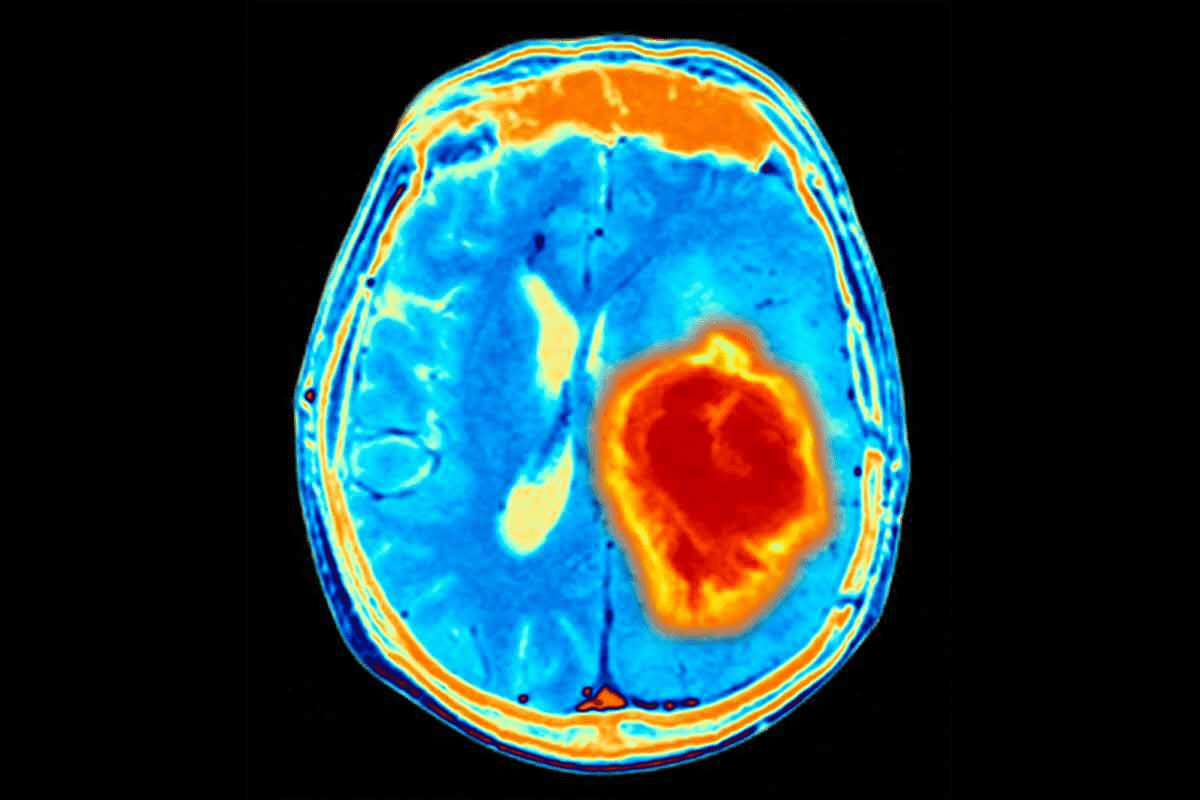
Scans like MRI and CT have gotten better. They let doctors find tumors early and accurately. High-resolution imaging helps doctors catch cancer early, leading to better treatment results.
The Promise of Genetic Testing
Genetic testing is a big help in finding cancer. It looks for genetic changes that show who might get certain cancers. This means we can catch cancer early and stop it before it starts.
| Genetic Test | Purpose | Benefit |
| BRCA1 and BRCA2 | Assesses risk for breast and ovarian cancer | Early detection and preventive measures |
| MLH1, MSH2, MSH6 | Evaluates risk for Lynch syndrome | Surveillance and risk reduction strategies |
AI and Machine Learning in Diagnosing Cancer
AI and machine learning are making a big difference. They help doctors find patterns in data and images. This makes diagnosing cancer more accurate and helps tailor treatments to each patient.
- AI algorithms can analyze large datasets to identify high-risk patients.
- Machine learning models can improve the accuracy of cancer diagnosis.
- Integration of AI in clinical workflows is streamlining cancer detection processes.
Thanks to these technologies, we’re getting closer to a future where cancer is easier to find and treat. This will lead to better health and happier lives for patients.
The Importance of Regular Health Check-Ups
Regular health check-ups are key to catching cancer early. This can greatly improve treatment chances. It’s important to stick to screening schedules and talk openly with doctors.
Recommended Screening Schedules
Following recommended screening schedules is vital for catching cancer early. These plans are based on age, gender, and risk factors. They help find cancer before symptoms show up.
For example, mammograms for breast cancer and colonoscopies for colorectal cancer are suggested at certain ages and times. It’s important to talk to your doctor to find the right schedule for you. This ensures you get the right screenings at the right time.
Communicating with Healthcare Providers
Talking well with healthcare providers is essential for cancer screening success. Patients should share their medical history, risk factors, and any worries. This helps doctors give advice that fits your needs.
Also, don’t be shy about asking about your screening results or any tests you might need next. Knowing about your health and why certain tests are recommended helps you take charge of your care.
Building a Support System
Building a support system is critical for those going through cancer screenings. Family, friends, and support groups offer emotional support and help with the challenges of cancer diagnosis and treatment.
We suggest using your support network and asking for help when you need it. Many doctors also offer resources and counseling to help with the stress and uncertainty of cancer screenings.
Leveraging Family History in Early Detection
Knowing your family’s medical history is key to spotting cancer risks early. Family history helps find who might be more likely to get certain cancers. Talking about your family’s health with doctors can lead to early detection and prevention.
Understanding Genetic Risk Factors
Our DNA holds genetic risks for cancer. Genetic testing for cancer can uncover these risks. This knowledge helps us make better health choices.
BRCA1 and BRCA2 gene mutations raise the risk of breast and ovarian cancers. Knowing about these mutations helps doctors plan the best screening and prevention plans.
Discussing Family Medical History
Talking about your family’s health with doctors is vital. We suggest making a detailed family health history. Include cancers in relatives and their ages at diagnosis. This helps doctors figure out your risk and suggest screenings.
- Identify relatives who have been diagnosed with cancer.
- Note the type of cancer and the age at diagnosis.
- Discuss this information with your healthcare provider.
Genetic Counseling Services
Genetic counseling offers support and advice for those with a cancer history. These services help understand genetic tests, assess cancer risk, and guide preventive steps. If you have a strong family history of cancer, consider genetic counseling.
Using family history and genetic knowledge can lead to better cancer detection. It’s a step towards a healthier life.
The Role of Nutrition and Lifestyle in Prevention
Learning how nutrition and lifestyle affect cancer prevention is key. It helps people make better health choices. Diet and exercise are big factors in lowering cancer risk.
Foods That May Help Reduce Cancer Risk
Eating lots of fruits, veggies, and whole grains can lower cancer risk. Antioxidants in these foods protect cells from harm. Eating a variety of colorful fruits and veggies is best.
Some foods might help fight cancer. For example, cruciferous vegetables like broccoli and cauliflower have anti-cancer compounds. Foods rich in omega-3s, like salmon, may also help prevent cancer.
The Importance of Physical Activity
Exercise is vital for cancer prevention. It keeps weight in check, lowers inflammation, and boosts the immune system. Aim for 150 minutes of moderate or 75 minutes of vigorous exercise weekly.
Alcohol Consumption and Cancer Risk
Drinking alcohol raises the risk of cancers like breast, liver, and esophageal. The more you drink, the higher the risk. We suggest drinking less to lower this risk. For those who drink, aim for no more than one drink a day for women and two for men.
Making smart choices about what you eat, how much you exercise, and how much you drink can lower your cancer risk. We support a lifestyle that includes a healthy diet, regular exercise, and moderate drinking for better health.
Overcoming Barriers to Early Detection
There are many obstacles to early cancer detection. It’s key to tackle these to improve survival rates. Early detection leads to better treatment outcomes.
Accessibility of Healthcare Services
Getting to healthcare for cancer screenings is hard for many. This is true for those in rural or underserved areas. Mobile screening units and telemedicine services can help reach more people.
Community health centers are also vital. They provide essential screenings and educational resources to those who need them most.
- Expanding community health centers
- Implementing mobile screening units
- Enhancing telemedicine services
Awareness and Education Initiatives
Many people don’t know about cancer screenings. Education is key to change this. Public health campaigns and community outreach programs can spread the word.
It’s also important to educate healthcare providers. They need to know about the latest screening guidelines. This can be done through continuing medical education programs.
- Launching public health campaigns
- Organizing community outreach programs
- Providing continuing medical education
Insurance Coverage for Screenings
Insurance coverage affects whether people get screened. Ensuring screenings are covered without extra costs can boost rates.
We need to push for policies that cover screenings. This includes expanding Medicaid and other health insurance programs to reach more people.
- Advocating for complete insurance coverage
- Expanding Medicaid and other health insurance programs
By tackling these barriers, we can save more lives. It’s a team effort involving healthcare providers, policymakers, and the community.
The Future of Early Cancer Detection
The future of early cancer detection is looking bright. New technologies and research are changing how we find and treat cancer.
Advances on the Horizon
New tools are making cancer detection faster and more accurate. Artificial intelligence is playing a big role in this. It helps doctors diagnose cancer quicker and more precisely.
Innovations in Personalized Medicine
Personalized medicine is a big hope for cancer care. It means treatments are made just for each patient. This approach could lead to better results and fewer cancer comebacks.
As we learn more about cancer, we’ll see even more new ways to detect and treat it. Our goal is to use these advances to give patients the best care possible.
FAQ
What is early cancer detection, and why is it important?
Early cancer detection means finding cancer before symptoms show. This makes treatment more likely to work. It’s key because it boosts survival chances.
What are the common types of cancer screenings available?
There are many screenings like mammograms for breast cancer and colonoscopies for colon cancer. There are also PSA tests for prostate cancer. These tests are vital for catching cancer early.
What are the risk factors that contribute to cancer development?
Risks include genes, lifestyle, and the environment. Knowing these can help find cancer early and prevent it.
What are the common signs and symptoms of cancer that I should be aware of?
Symptoms vary by cancer type. Regular self-checks and knowing when to see a doctor are key for early detection.
How is technology advancing early cancer detection?
New imaging, genetic tests, and AI are making diagnosis better. These techs could change how we fight cancer.
Why are regular health check-ups and screenings important?
Regular checks and screenings catch cancer early. Talking to your doctor and having support are also important.
How can family history be used to assess cancer risk?
Knowing your family’s health history and genetic counseling can help. This helps figure out your cancer risk.
Can nutrition and lifestyle choices impact cancer prevention?
Yes, what you eat and how active you are can affect your risk. Eating right and staying active can help prevent cancer.
What are the challenges that hinder early cancer detection?
Getting to healthcare, awareness, and insurance for screenings are big hurdles. We need to work on these to find cancer sooner.
What does the future hold for early cancer detection?
New tech, research, and personalized medicine will improve detection and treatment. These advances will shape cancer care’s future.
What is the role of genetic testing in cancer detection?
Genetic tests find mutations that raise cancer risk. This lets us act early. It’s a key tool in finding and preventing cancer.
How can I reduce my risk of developing cancer?
Live healthy, know your risks, and get screenings. Talking to your doctor about your risk is also important.
References
- Nagpal, M., & Singh, S. (2016). Tumor markers: A diagnostic tool. Ecancermedicalscience, 10, 565. https://www.ncbi.nlm.nih.gov/pmc/articles/PMC5242068/
- Li, J., et al. (2023). Current research status of tumor cell biomarker detection. Microsystems & Nanoengineering, 9, 60. https://www.nature.com/articles/s41378-023-00581-5
- Savas, I. N. (2025). The future of tumor markers: Advancing early malignancy detection. Biomolecules, 15(7), 1011. https://www.mdpi.com/2218-273X/15/7/1011