Chronic kidney disease (CKD) affects over 37 million Americans. Many cases go unnoticed until symptoms get severe. Timely intervention by a nephrologist can greatly change the disease’s course. It improves patient outcomes and quality of life.early nephrology referral criteriaKidney Failure Symptoms: Early Warning Signs
We understand the value of early detection and management of kidney health issues. Referring patients to a nephrologist early can slow disease progression and manage complications.
Knowing the criteria for early nephrology referral is key for healthcare providers and patients. This article will look at guidelines for referring patients to a nephrologist. It will also cover the benefits of timely nephrology care.
Key Takeaways
- Understanding the importance of timely nephrology referral for CKD management.
- Recognizing the benefits of early intervention in kidney disease.
- Identifying the criteria that warrant a referral to a nephrologist.
- Exploring how early nephrology consultation can improve patient outcomes.
- Learning about the role of nephrologists in managing kidney health.
Understanding Early Referral to a Nephrologist

Knowing how important early nephrology referral is can really help patients. Getting to a nephrologist early is key in managing kidney disease. It lets them start treatment early and might slow the disease’s growth.
Definition of Early Referral
Early referral means sending patients with kidney problems to a nephrologist quickly. This timely intervention lets the nephrologist check the patient, give the right treatment, and make a care plan. It’s all about acting fast to help the patient’s kidney health.
This approach isn’t just about when to see a doctor. It’s about being proactive in managing kidney health. It means spotting at-risk patients and getting them specialist care early, before things get worse.
Importance of Timely Intervention
Getting a nephrologist involved early is very important. It helps catch and manage kidney disease problems early. It also lets patients learn about kidney health, diet, and lifestyle changes that can help slow the disease.
- Early intervention can slow the progression of kidney disease.
- It enables the implementation of a detailed management plan.
- Patients get timely advice on managing their condition and improving their life quality.
By sending patients to a nephrologist early, we can make their outcomes better. This way, we might avoid needing more serious treatments later. It shows our dedication to top-notch healthcare and supporting our patients every step of the way.
Why Early Referral Matters

Getting a patient to see a nephrologist early is very important. It can change how kidney disease progresses. Early visits help manage the disease better and improve patient care.
Slowing Disease Progression
Seeing a nephrologist early helps slow down kidney disease. Research, like the Canadian Study of Prediction of Death, Dialysis and Interim Cardiovascular Events (CanPREDDICT), shows early action makes a big difference. Early treatment can prevent severe kidney disease.
Improving Patient Outcomes
Early visits to a nephrologist also improve patient outcomes. They help create detailed care plans and act quickly. This way, patients with kidney disease can live better lives.
Early nephrology referral brings many benefits to patient care. Here are some key advantages:
|
Aspect of Care |
Benefits of Early Referral |
|---|---|
|
Disease Management |
Timely implementation of disease-slowing measures, improved disease monitoring |
|
Patient Outcomes |
Enhanced quality of life, improved survival rates, better disease prognosis |
|
Treatment Planning |
Personalized treatment plans, early initiation of renal replacement therapy when necessary |
In summary, early nephrology visits are key in managing kidney disease. They help slow disease progression and improve patient outcomes. We support early identification of patients for nephrology care to ensure they get the best care possible.
Identifying Risk Factors for Kidney Disease
It’s important to know the risk factors for kidney disease early. If kidney disease is not caught and treated early, it can lead to serious problems. We will look at the main factors that can cause kidney disease.
Diabetes and Hypertension
Diabetes and hypertension are the top causes of chronic kidney disease (CKD). The CanPREDDICT study found that these conditions play a big role in CKD. Diabetes harms the blood vessels in the kidneys, making it hard for them to filter waste. Hypertension (high blood pressure) can also damage the blood vessels in the kidneys, reducing their function.
- Diabetes can lead to diabetic nephropathy, a leading cause of CKD.
- Hypertension can cause hypertensive nephrosclerosis, another significant factor in CKD development.
Family History of Kidney Disease
A family history of kidney disease is also a big risk factor. People with a family history of kidney disease are more likely to get kidney problems. Some kidney diseases are inherited, like polycystic kidney disease (PKD), which causes many cysts in the kidneys.
Knowing these risk factors early can help get a timely referral to a nephrologist. This could slow down kidney disease. We suggest that people with these risk factors talk to their doctor about seeing a nephrologist early.
Signs Indicating Need for Nephrology Referral
We need to know when a patient should see a nephrologist. This is to make sure they get the right care early. Early action can really help with kidney disease and improve health outcomes.
Persistent Proteinuria
Proteinuria, or too much protein in the urine, means kidney damage. Persistent proteinuria is a big worry. It shows kidney disease that needs expert care.
A study in a journal says CKD is a big health issue worldwide. Early referral to a nephrologist is key to stopping disease growth and better health. Proteinuria is a main sign for needing a nephrology referral.
Decreasing Kidney Function
A drop in kidney function is another important sign. Tests like serum creatinine and eGFR show this. A decrease in kidney function means kidney disease is getting worse and needs special care.
It’s important to keep an eye on kidney function for those at risk. Early detection of decreasing kidney function means we can act fast. This can slow or stop disease growth. Doctors should watch for these signs and send patients to a nephrologist when needed.
Current Guidelines for Referral
It’s important to know when to refer patients to a nephrologist. This ensures they get the best care for their kidney disease. Early referral is key for managing and treating the disease effectively.
National Kidney Foundation Recommendations
The National Kidney Foundation has set guidelines for when to refer patients to a nephrologist. These guidelines help healthcare providers make the right decisions. They ensure patients get the care they need at the right time.
- Early Referral: Patients should see a nephrologist early, when their GFR is below 30 mL/min/1.73m2.
- Presence of Proteinuria: If a patient has ongoing proteinuria, they should be referred. This is a sign of kidney damage.
- Uncontrolled Hypertension: If blood pressure is hard to control, a nephrologist should be consulted.
Kidney Disease: Improving Global Outcomes (KDIGO) Guidelines
The KDIGO guidelines offer a detailed plan for managing kidney disease. They include when to refer patients to a nephrologist. These guidelines stress the need for early detection and action.
- KDIGO suggests referring patients with CKD stage 4 or higher to a nephrologist. This is because their kidney disease is advanced.
- Those with severe or ongoing acute kidney injury (AKI) should also be referred for specialized care.
By sticking to these guidelines, healthcare providers can make sure patients with kidney disease get the care they need. This improves their outcomes and quality of life.
Evaluating Symptoms and Conditions
It’s important to spot the right symptoms and conditions early for kidney disease. We need to check patients carefully to see if they need to see a nephrologist.
Edema and Fluid Retention
Edema and fluid retention are signs of chronic kidney disease (CKD). The CanPREDDICT study found these symptoms are key indicators. Edema, or swelling, usually shows up in the legs, ankles, and feet.
This swelling happens because the kidneys can’t remove extra fluids well. We look at how bad the swelling is and how long it lasts. People with CKD might also feel tired, have trouble breathing, and feel uncomfortable because of fluid buildup.
- Keeping an eye on fluid balance is key in managing edema.
- Changing what you eat, like eating less sodium, can help symptoms.
- Sometimes, doctors might give diuretics to help get rid of extra fluid.
Uncontrolled Blood Pressure
High blood pressure can hurt the kidneys and make them work less well. It’s a cause and effect of kidney disease. The kidneys can’t handle blood pressure well because of fluid buildup and damage to blood vessels.
It’s important to check blood pressure often for those at risk of kidney disease. Patients should work with their doctors to manage blood pressure. This can include changing their diet, being more active, and reducing stress. If needed, doctors might prescribe medicine to help control blood pressure and protect the kidneys.
- Making lifestyle changes is a big part of managing blood pressure.
- Doctors might use ACE inhibitors or ARBs to help control blood pressure and protect the kidneys.
By looking closely at symptoms like edema and fluid retention, and conditions like high blood pressure, we can figure out when to refer patients to a nephrologist. Early referral can really help, slowing down kidney disease and improving life quality.
The Role of Primary Care Physicians
Primary care physicians are key in spotting and referring patients with kidney disease early. This greatly affects how well patients do. We see how important primary care doctors are in checking and caring for patients at risk of kidney disease.
Initial Screening Practices
Primary care doctors’ first steps are critical in finding kidney disease early. They should check for proteinuria and test kidney function with serum creatinine and eGFR. This is important for patients at high risk.
Communication with Nephrologists
Good talk between primary care doctors and nephrologists is essential. It makes sure patients get the right care on time. We stress the need for clear and quick sharing of patient info and any concerns.
Benefits of Early Nephrology Involvement
Getting involved early with nephrology can greatly improve treatment for kidney disease patients. The CanPREDDICT study shows that early care leads to better results. This highlights the need for quick action.
Comprehensive Management Plans
One key advantage of early nephrology care is the creation of detailed management plans. These plans are made just for the patient, considering their health history, current condition, and lifestyle. This approach helps manage kidney disease and its complications more effectively.
These plans often include:
- Personalized medication regimens to control symptoms and slow disease progression.
- Dietary adjustments to manage electrolyte imbalances and nutritional deficiencies.
- Lifestyle modifications to address factors such as smoking and physical activity levels.
Use of Renal Replacement Therapy
Early nephrology care also helps decide when to start renal replacement therapy (RRT). RRT, like dialysis and kidney transplants, is vital for those with severe kidney disease.
|
Therapy Type |
Description |
Benefits |
|---|---|---|
|
Hemodialysis |
A process where the blood is filtered outside the body to remove waste products. |
Effective in removing toxins, managing electrolyte balance. |
|
Peritoneal Dialysis |
A treatment that uses the peritoneum in the abdomen as a membrane across which fluids and dissolved substances (electrolytes, urea, glucose, albumin, and other small molecules) are exchanged from the blood. |
Offers flexibility and can be performed at home, continuous removal of waste. |
|
Kidney Transplantation |
A surgical procedure where a diseased kidney is replaced with a healthy one from a donor. |
Restores normal kidney function, improves quality of life, reduces treatment burden. |
By starting RRT early, patients can see better outcomes and a better quality of life. This is thanks to the early involvement of nephrologists.
Transitioning to Specialist Care
Getting a referral to a specialist is key for managing kidney disease well. Preparing for the first appointment is important. It helps in making a good treatment plan.
Preparing for the First Appointment
Before seeing a nephrologist, gather your medical history. This includes test results and a list of medications. Write down your symptoms and questions too. This way, you can get the most out of your visit.
Arrive early to fill out paperwork and have your documents ready. This helps in making a plan that fits your needs.
Necessary Pre-Referral Tests
Before seeing a nephrologist, several tests are done. These tests check how well your kidneys are working. They include:
- Serum creatinine and eGFR to assess kidney function
- Urine protein-to-creatinine ratio to check for proteinuria
- Electrolyte levels, including potassium and phosphate
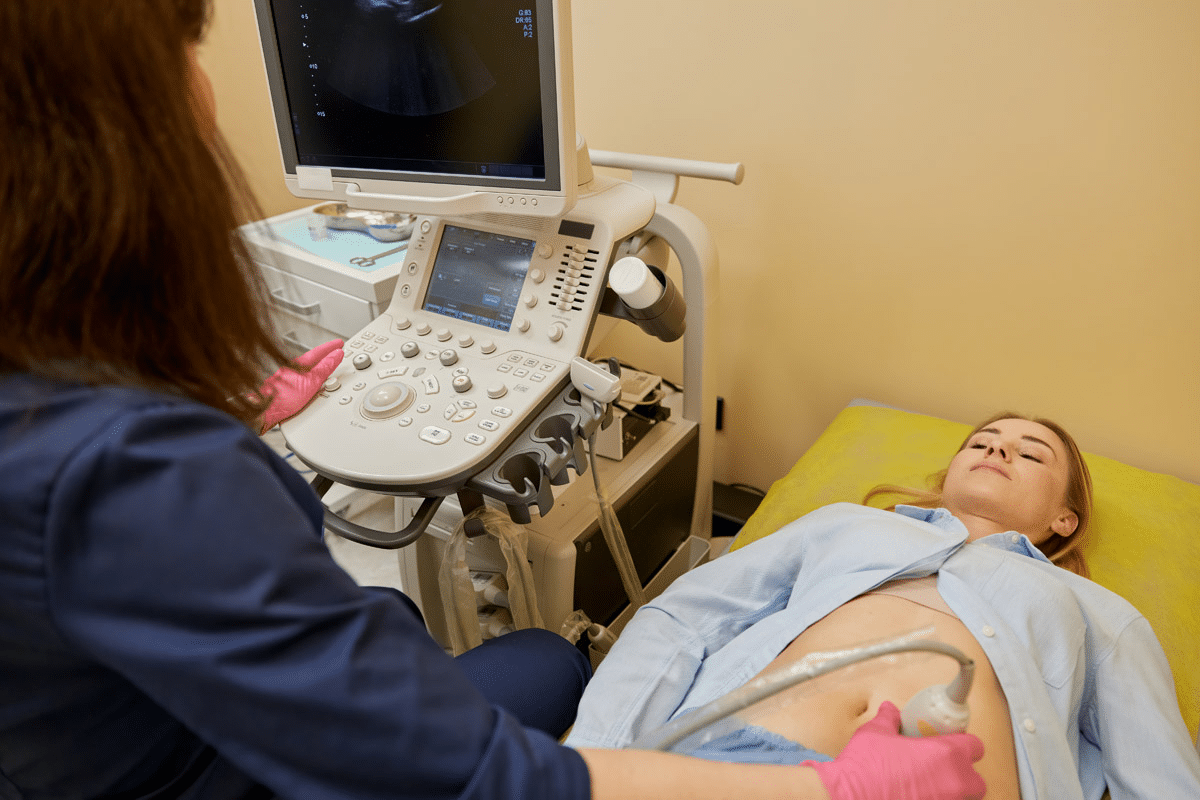
- Imaging studies such as ultrasound to evaluate kidney structure
|
Test |
Purpose |
Significance |
|---|---|---|
|
Serum Creatinine and eGFR |
Assess kidney function |
Helps determine the stage of kidney disease |
|
Urine Protein-to-Creatinine Ratio |
Check for proteinuria |
Indicates kidney damage or disease |
|
Electrolyte Levels |
Monitor potassium, phosphate, etc. |
Essential for managing complications of kidney disease |
|
Imaging Studies (e.g., Ultrasound) |
Evaluate kidney structure |
Helps identify structural abnormalities or obstructions |
Knowing about pre-referral tests and preparing for your first appointment is important. It helps in a smooth transition to specialist care. This leads to better management of kidney disease.
Case Studies on Effective Referrals
Looking at real-life examples shows how early nephrology referral can change patient outcomes. We found several cases where quick referrals made a big difference in managing kidney disease.
Timely Interventions
Early actions have helped patients with diabetes and hypertension. Quick referrals led to better management plans, slowing down the disease. For example, a patient with stage 3 CKD got a nephrologist’s help. They started a treatment plan with medicine and lifestyle changes, keeping the kidneys working well.
Delayed Referral Outcomes
On the other hand, waiting too long to refer patients can make things worse. Looking at these cases, we see why early kidney disease advice and referrals are key. By learning from these examples, doctors can improve how they refer patients, leading to better care and results.
FAQ
What is considered an early referral to a nephrologist?
An early referral to a nephrologist happens when a patient sees a specialist early. This is usually when the kidney function is not too low yet.
Why is timely intervention important in kidney disease?
Quick action is key in slowing kidney disease’s progress. It helps manage symptoms and improves health outcomes. Early visits to a nephrologist can pinpoint disease causes and plan treatment.
What are the benefits of early nephrology consultation?
Early visits to a nephrologist slow kidney disease’s progress. They also manage related health issues and boost patient health. Early action can lower complication risks and enhance life quality.
What are the risk factors for kidney disease?
Kidney disease risks include diabetes, high blood pressure, family history, and certain genetic conditions. Knowing these risks helps prevent kidney disease from getting worse.
What signs indicate the need for a nephrology referral?
Signs needing a nephrology referral include ongoing protein loss, declining kidney function, swelling, and uncontrolled blood pressure. Early action can stop kidney disease’s progression.
What are the current guidelines for referral to a nephrologist?
Current referral guidelines come from the National Kidney Foundation and KDIGO. These guidelines help doctors know when to send patients to a nephrologist.
What is the role of primary care physicians in the initial screening and referral of patients with kidney disease?
Primary care doctors are key in spotting and referring patients with kidney disease. They identify at-risk patients, do initial tests, and send them to nephrologists when needed.
What are the benefits of early nephrology involvement?
Early nephrology care offers detailed treatment plans and timely start of kidney treatments. It also improves health outcomes. Early action reduces complications and boosts life quality.
How can patients prepare for their first nephrology appointment?
Patients should gather medical records, list medications, and prepare questions for the specialist. Blood tests and urine analysis might also be needed before the appointment.
What can be learned from case studies on effective referrals?
Case studies show the value of timely and right referrals for better care and outcomes. They share insights on successful early actions and lessons from late referrals.
What is the importance of early nephrology evaluation?
Early nephrology evaluation is vital for finding kidney disease causes and making a detailed treatment plan. It helps slow disease progress and improves health.
How does early nephrology detection impact patient outcomes?
Early detection of nephrology significantly improves patient outcomes. It allows for quick and thorough management, reducing complications and improving life quality.
References
National Institutes of Health. Evidence-Based Medical Insight. Retrieved from
https://www.niddk.nih.gov/health-information/kidney-disease/chronic-kidney-disease-ckd