Last Updated on December 1, 2025 by Bilal Hasdemir
Vascular dementia is a common form of cognitive decline. It greatly affects the quality of life for those who have it.
It’s important to recognize the initial symptoms early, as this is key for timely intervention and proper management. The early signs of vascular dementia can vary from person to person, but they often include changes in memory, difficulty focusing, slowed thinking, and problems with decision-making. Some patients may also experience physical symptoms like trouble walking or balancing, along with behavioral changes such as mood swings or irritability. Identifying these signs quickly helps begin treatment and support strategies sooner.
Knowing these early signs helps individuals and their families get the right medical care. This can help slow down the condition’s progression.
Key Takeaways
- Vascular dementia is a significant cause of cognitive decline.
- Early recognition of symptoms is vital for effective management.
- Initial symptoms can include cognitive, physical, and behavioral changes.
- Timely medical intervention can potentially slow disease progression.
- Understanding the signs can help individuals seek appropriate care.
Understanding Vascular Dementia: A Brief Overview
To understand vascular dementia, we need to know its causes, symptoms, and how it’s different from other dementias. It’s a condition that affects how we think, caused by less blood reaching the brain.
Vascular dementia often comes from a stroke or small vessel disease. These conditions damage the brain’s blood vessels, causing a decline in thinking skills. The way it shows up can vary, based on where in the brain it happens.
What Causes Vascular Dementia
The main reason for vascular dementia is less blood getting to the brain. This usually happens because of a stroke or small vessel disease. Other things like high blood pressure, diabetes, and heart disease also play a part.
| Cause | Description | Impact on Cognitive Function |
| Stroke | Damage to brain tissue due to lack of blood supply | Significant cognitive decline |
| Small Vessel Disease | Disease affecting the small blood vessels in the brain | Gradual decline in cognitive abilities |
| Hypertension | High blood pressure damaging blood vessels | Increased risk of cognitive impairment |
How Vascular Dementia Differs from Other Types
Vascular dementia is different from other dementias like Alzheimer’s. Alzheimer’s is caused by amyloid plaques and tau tangles. But vascular dementia is mainly due to blood vessel problems.
The symptoms of vascular dementia can change a lot from person to person. This depends on where and how much of the brain is damaged. This makes it hard to diagnose and manage.
Early Signs and Initial Symptoms of Vascular Dementia
Spotting vascular dementia early is key to slowing it down and improving life for those with it. This condition happens when blood flow to the brain drops. It shows up in different ways for everyone.
The Progressive Nature of Symptoms
The signs of vascular dementia change over time. They get worse in steps, with some periods where things seem stable. This can happen because of more strokes or brain damage from poor blood flow.
Early signs include memory issues, trouble talking, and mood swings. As it gets worse, these problems get more serious. They can make thinking and doing daily tasks harder.
Why Early Detection Matters
Finding vascular dementia early means can act fast. This can slow the disease’s growth. Managing risks like high blood pressure and diabetes can also lessen symptoms.
Early diagnosis also lets people and their families prepare for the future. They can make lifestyle changes and find the right care and support.
Here’s a look at some common early signs of vascular dementia:
| Symptom | Description | Impact on Daily Life |
| Memory Loss | Forgetting recent events or learning new information | Difficulty keeping track of daily tasks |
| Communication Difficulties | Struggling to find the right words or following conversations | Challenges in social interactions and expressing needs |
| Mood Changes | Becoming easily agitated, depressed, or anxious | Strained relationships with family and friends |
Cognitive Warning Signs
Spotting vascular dementia early means looking out for signs like memory and reasoning issues. These problems can really change someone’s life for the worse.
Memory Problems in Early Stages
In the beginning, vascular dementia can cause forgetfulness or trouble remembering things that happened recently. This is because the brain isn’t getting enough blood, which hurts its memory areas.
“Memory loss is a big warning sign, and it’s key to tell it apart from just getting older.”
Difficulties with Thinking and Reasoning
Vascular dementia also makes thinking and reasoning hard. People might find it tough to solve problems, make choices, or get complex ideas. This is because the brain’s blood system is damaged.
Problems with Planning and Organization
Another sign is trouble with planning and organizing. Doing things that need several steps, like handling money or cooking, can be hard. This is because the brain’s executive function is not working right, thanks to vascular dementia.
- Difficulty in making plans or decisions
- Trouble with organizing tasks
- Struggling to follow instructions
Spotting these signs early can really help manage and treat vascular dementia. It’s very important to see a doctor if these symptoms keep getting worse or don’t go away.
Changes in Executive Function
Executive function is key for planning and doing tasks. It’s often affected in people with vascular dementia. This function includes decision-making, solving problems, and controlling impulses.
Decision-Making Difficulties
Vascular dementia makes decision-making hard. This can be for simple or complex choices.
People might have trouble deciding because of cognitive decline. This affects areas of the brain that handle decision-making.
Attention and Concentration Issues
Attention and concentration are also hit by vascular dementia. It’s hard for people to stay focused on tasks.
This makes daily tasks tough. They might need more time or help to finish them.
Slowed Processing Speed
Slowed processing speed is another issue. It means taking longer to process information and react.
| Cognitive Aspect | Impact of Vascular Dementia |
| Decision-Making | Difficulty in weighing options, leading to indecision or impulsive choices |
| Attention and Concentration | Struggling to focus on tasks, with increased susceptibility to distractions |
| Processing Speed | Increased time to process information and respond |
It’s important to understand these changes. This helps in providing the right support for those with vascular dementia. Recognizing these signs lets caregivers and healthcare professionals improve life quality.
Language and Communication Changes
Vascular dementia can change how people talk and communicate. As it gets worse, these changes grow more obvious. They affect many parts of language and communication skills.
Early Speech Difficulties
One early sign of vascular dementia is trouble with speech. People might find it hard to say the right words. This can make them and their families feel frustrated.
Speech therapy can help with these early speech problems. It makes it easier for people to talk better.
Word-Finding Problems
Many people with vascular dementia have trouble finding the right words. They might know what they want to say but can’t find the words. This can lead to using the wrong words or describing what they mean instead.
Changes in Writing Ability
Writing can also get harder. People might find it tough to write clear sentences or struggle with spelling. This is because of the brain changes caused by vascular dementia.
The table below shows the main changes in language and communication with vascular dementia:
| Symptom | Description | Impact |
| Early Speech Difficulties | Hesitant or halting speech due to difficulty finding the right words. | Frustration, difficulty communicating. |
| Word-Finding Problems | Trouble retrieving the correct words, leading to substitutions or descriptions. | Difficulty expressing thoughts and needs. |
| Changes in Writing Ability | Difficulty writing coherent sentences, struggling with spelling. | Challenges in written communication. |
Physical Manifestations in Early Stages
Vascular dementia shows clear physical signs in its early stages. These signs can greatly affect a person’s life quality.
Walking and Balance Issues
One early sign is trouble with walking and balance. People might find it hard to stay steady or might fall more often. They might also struggle to start or keep walking.
These problems come from brain damage that affects how we move.
Coordination Problems
Coordination and fine motor skills can also be hit hard in the early stages. This might show up as:
- Hard time with tasks that need fine hand skills, like buttoning a shirt
- Being clumsy or having trouble with hand and finger coordination
- Struggling with tasks that need precise movements
Early intervention can help manage these symptoms and improve function.
Urinary Changes
Urinary changes are another sign that can show up early. These might include:
- Leaking urine
- Needing to pee a lot or feeling like you have to go right away
- Having trouble starting to pee
These symptoms can be upsetting and need the right management.
In conclusion, the physical signs of early-stage vascular dementia can vary and have a big impact. Spotting these signs early can help get a diagnosis and start treatment sooner.
Behavioral and Emotional Changes
As vascular dementia gets worse, people often show big changes in how they act and feel. These changes can be hard for the person and their caregivers.
Personality Alterations
One big change is in personality. People might become withdrawn or apathetic, or they might get more irritable or agitated. These changes can upset family and caregivers who see a big change from the person they know.
Mood Swings and Depression
Mood swings are common, with people’s emotions changing fast. Depression is also common and needs careful care to keep the person’s mental health good.
Apathy and Loss of Initiative
Apathy is when people lose interest in things and don’t want to do things anymore. This can make it hard for them to do daily tasks and talk to others.
| Behavioral Change | Description | Impact on Patient |
| Personality Alterations | Changes in behavior, becoming more withdrawn or irritable | Can be distressing for family and caregivers |
| Mood Swings | Rapid shifts in emotional states | Requires careful management |
| Apathy | Lack of interest in activities, decrease in initiative | Impacts daily activities and social interaction |
It’s key to understand these changes to help people with vascular dementia. By spotting these signs early, caregivers can find ways to help manage these symptoms.
Distinguishing Features from Alzheimer’s Disease
To tell vascular dementia apart from Alzheimer’s, we need to know their symptoms well. Both affect the mind, but they start and show up differently.
Symptom Progression Patterns
Vascular dementia shows a step-wise progression. This means the mind gets worse in clear steps after a stroke. Alzheimer’s, on the other hand, gets worse slowly without clear steps.
Vascular dementia’s progress can be unpredictable. People might see big changes in their thinking. This is because more strokes can happen, affecting their mind.
Cognitive vs. Physical Symptoms
Vascular dementia hits physical symptoms harder than Alzheimer’s. People might struggle to walk, balance, and even go to the bathroom. They might also have trouble with their bladder.
Both diseases can make it hard to remember things and think clearly. But vascular dementia can make it harder to plan and make decisions. It also slows down how fast they can process information.
Knowing these differences helps make better plans for treatment. By understanding the symptoms and how they progress, can help improve life for those with these dementias.
Risk Factors That Accelerate Symptom Onset
Knowing what speeds up vascular dementia symptoms is key. It helps catch it early and manage it better. Several factors can make symptoms appear sooner. Knowing them can help lessen their effects.
Hypertension and Cardiovascular Issues
Hypertension is a big risk for vascular dementia. It damages brain blood vessels, speeding up symptoms. Controlling blood pressure with lifestyle changes and meds can help. Cardiovascular issues like heart disease and stroke also play a big part in vascular dementia.
Diabetes and Metabolic Factors
Diabetes is another major risk. It causes blood vessel damage and raises dementia risk. Metabolic syndrome, with high blood pressure and sugar, also increases risk. Managing these with diet, exercise, and meds is crucial.
Lifestyle Contributors
Lifestyle choices like smoking, physical inactivity, and unhealthy diet raise vascular dementia risk. Smoking harms blood vessels, lack of exercise leads to heart problems, and bad diet causes obesity and diabetes. A healthier lifestyle can reduce these risks.
By tackling these risk factors, people can lower their chance of getting vascular dementia. Or slow it down if they already have it.
Diagnostic Approaches for Early Detection
Diagnosing vascular dementia early is key. It needs a mix of checks and advanced tools. Early detection helps manage the condition better and improves life quality.
The process includes cognitive assessments, brain imaging techniques, and blood tests. These help understand the extent of cognitive decline and find causes.
Cognitive Assessments
Cognitive assessments are vital for diagnosing vascular dementia. They check memory, language, problem-solving, and judgment. Tools like the Mini-Mental State Examination (MMSE) and the Montreal Cognitive Assessment (MoCA) are used.
- Memory tests for short-term and long-term memory
- Language tests for communication skills
- Problem-solving tests for executive function
Brain Imaging Techniques
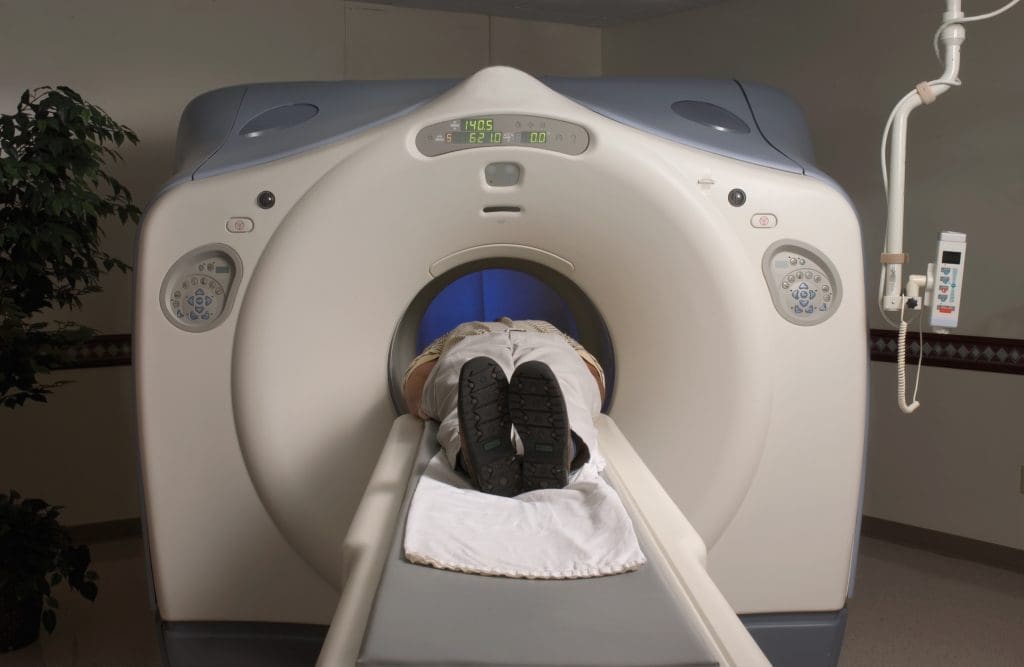
Brain imaging is crucial for diagnosing vascular dementia. Magnetic Resonance Imaging (MRI) and Computed Tomography (CT) scans show brain changes that may indicate vascular dementia.
- MRI scans show brain tissue details and detect small strokes or lesions.
- CT scans help find larger strokes and brain damage areas.
Blood Tests and Other Evaluations
Blood tests look for risk factors and causes of vascular dementia. They check for high cholesterol, diabetes, and vitamin deficiencies. Other checks include physical function and medical history assessments.
- Blood tests for diabetes, high cholesterol, and metabolic factors
- Physical function assessments for mobility issues
- Medical history review for previous strokes or heart events
When to Seek Medical Attention
Knowing the warning signs of vascular dementia is key. Early detection can lead to better treatment. It helps both individuals and their families get the help they need quickly.
Concerning Symptoms That Shouldn’t Be Ignored
There are several symptoms that might mean vascular dementia is starting. These include:
- Memory problems: Forgetting recent events, learning new information, or recalling familiar words and names.
- Communication and language: Difficulty with speech, understanding written or spoken language, and finding the right words.
- Problem-solving and judgment: Struggling with abstract thinking, making decisions, and judging time and space.
Other signs to watch for are mood, personality, and behavior changes. These can be depression, anxiety, agitation, or being very passive.
Preparing for a Doctor’s Appointment
Being ready for a doctor’s visit is important. Here’s how to prepare:
- Document symptoms: Keep a record of when symptoms started, how often they occur, and any factors that seem to trigger or relieve them.
- Gather medical history: Collect information about your medical history, including any previous diagnoses, treatments, and medications.
- List medications: Bring a list of all current medications, including dosages and frequencies.
Being prepared and knowing what to expect can help a lot. It ensures you get the best care and advice from your doctor.
Early Intervention Strategies
Early intervention is key in slowing down vascular dementia. A good management plan can improve life quality and keep people independent longer.
Medical Management Options
Medical management is crucial for treating vascular dementia. It includes:
- Medications to control symptoms like high blood pressure and diabetes.
- Antiplatelet agents to prevent stroke.
- Cholinesterase inhibitors to manage cognitive symptoms.
These treatments help manage the condition and slow its progress.
Lifestyle Modifications
Lifestyle changes are also vital in managing vascular dementia. Important changes include:
- Dietary changes to a healthier, balanced diet.
- Regular physical exercise to improve heart health.
- Smoking cessation and less alcohol.
These lifestyle changes can greatly impact managing vascular dementia.
Cognitive Training and Therapy
Cognitive training and therapy are essential in early intervention. They include:
- Cognitive rehabilitation to enhance memory and cognitive function.
- Speech therapy to address communication issues.
- Occupational therapy to help with daily tasks.
These therapies help people with vascular dementia keep their cognitive and functional skills.
Conclusion
It’s key to spot the early signs of vascular dementia to act fast. This condition happens when blood flow to the brain drops, leading to cognitive decline.
Spotting it early can greatly improve life quality. Research shows early management leads to better care and outcomes.
Knowing the risks, like high blood pressure and heart issues, helps prevent it. Taking steps early can lower your risk.
use tests and scans to catch vascular dementia early. This helps them diagnose it before it gets worse.
Combining medical care with lifestyle changes and brain training can slow the disease’s progress. This approach helps manage the condition better.
Learning about vascular dementia and its signs is the first step to better management. It leads to a better quality of life.
FAQ
How does vascular dementia affect daily life?
It impacts cognitive function, physical abilities, and emotional well-being. Daily tasks become challenging, requiring adaptations and support.
Are there any specific therapies or treatments for vascular dementia?
There’s no cure, but therapies help manage symptoms. Cognitive training, speech therapy, and medications for related conditions are available.
What are the benefits of early detection and intervention for vascular dementia?
Early detection and intervention slow disease progression. They improve life quality and allow for informed care decisions.
How can I prepare for a doctor’s appointment if I suspect vascular dementia?
Keep a symptom journal and list your questions. This helps you discuss your concerns with the doctor.
What lifestyle changes can help to reduce the risk of vascular dementia?
Changes include regular exercise and a healthy diet. Quitting smoking and managing conditions like high blood pressure and diabetes are also important.
Can vascular dementia be managed or treated?
Yes, it can be managed. Early intervention is key. This includes medical management, lifestyle changes, and cognitive therapy. These can slow disease progression and improve life quality.
What are the physical manifestations of vascular dementia in its early stages?
Early signs include walking and balance issues. You might have coordination problems and changes in urination. These signs point to vascular disease.
What are the cognitive warning signs of vascular dementia?
Warning signs include memory loss and trouble with thinking. You might struggle with planning and organization. Changes in decision-making and processing speed are also signs.
What are the risk factors that contribute to the acceleration of vascular dementia symptom onset?
Risk factors include high blood pressure and heart disease. Diabetes and metabolic issues also play a role. Lifestyle factors like smoking and lack of exercise can speed up symptoms.
How does vascular dementia differ from Alzheimer’s disease?
Vascular dementia is caused by poor blood flow to the brain. This can happen after a stroke. Alzheimer’s is caused by amyloid plaques and tau tangles.
What are the early signs of vascular dementia?
Early signs include memory loss and trouble with thinking. You might find it hard to make decisions or pay attention. These are signs of vascular dementia.